
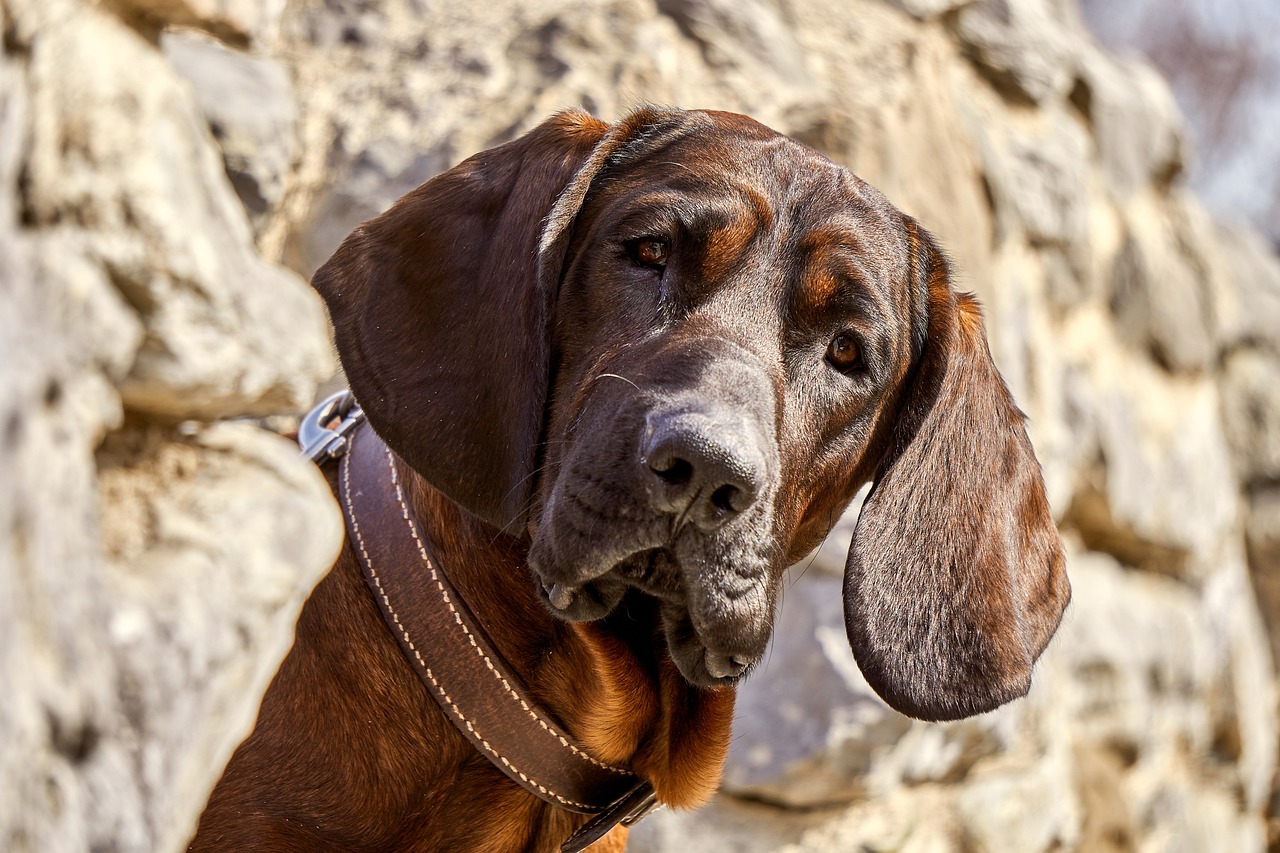
If you have ever gone through a heartbreak, a loss, or even just one of those days when everything feels too heavy, you might have noticed your dog quietly drifting closer. Sometimes they press against your leg, sometimes they hover a few steps away as if they are not sure whether to climb into your lap or just stand guard. It can feel almost eerie, like they are tuned into a secret frequency inside your body that other humans just miss.
That feeling is not just in your head. Modern animal psychology and behavioral science suggest that dogs are surprisingly good at picking up subtle hormonal and physiological shifts in us, especially when we are under emotional strain or grief. The wild part? They do not just notice these changes. Many of them instinctively adjust how close they are to us, almost as if they are calibrating their presence to exactly what our nervous system can handle.
How Dogs Read the Invisible Signals of Grief

One of the most fascinating ideas in animal psychology is that what feels like “emotional intuition” in dogs is often rooted in chemistry. When humans grieve, their bodies shift into a different state: stress hormones like cortisol tend to rise, sleep and appetite patterns change, and breathing becomes shallower and more irregular. Dogs, with their insanely sensitive noses and attunement to body language, can pick up on these changes even when we say nothing and try to smile through the pain.
Researchers have found that dogs can detect changes in human breath and sweat associated with emotional states. In grief, your scent profile subtly changes, like a unique chemical fingerprint that signals distress. Combine that with slower movements, less eye contact, hunched shoulders, or a quieter voice, and your dog essentially gets a multi-sensory bulletin that something is very wrong in their favorite human’s world.
The Science Behind Dogs Detecting Hormonal Shifts
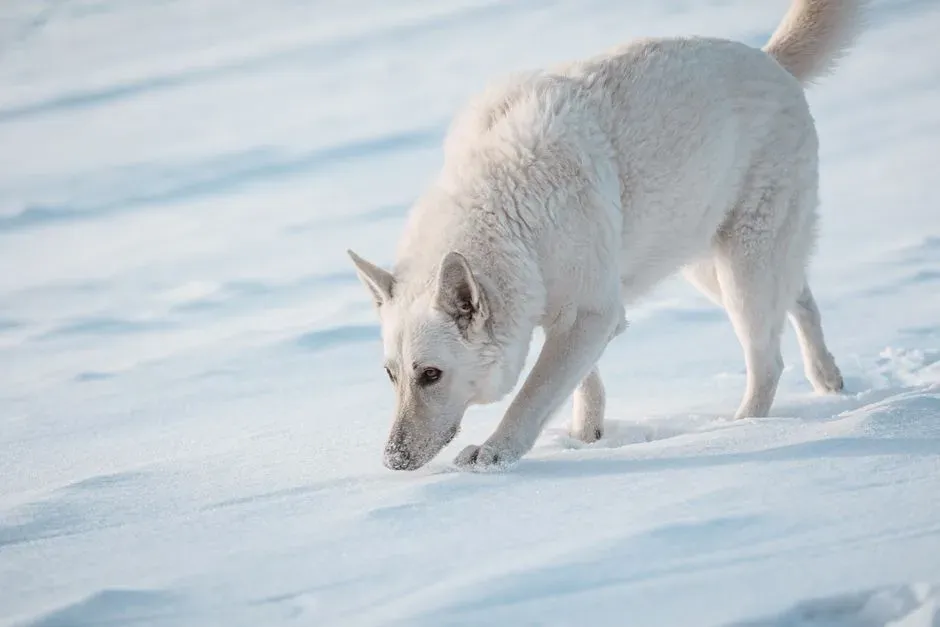
Dogs have a sense of smell that makes ours look almost useless; people sometimes estimate it as tens of thousands of times more sensitive than our own. That sensitivity is not just about finding food or tracking a squirrel; it also extends to the hormonal shifts that leak out through our skin, breath, and sweat. When grief ramps up stress hormones, your biochemical “aura” genuinely changes from your dog’s point of view.
Studies looking at dogs detecting stress, fear, and even certain health conditions suggest they can distinguish between different hormonal and metabolic states purely from scent samples. While the research on grief specifically is still emerging, what we do know about dogs and emotional odor changes fits well with what many owners report. In simple terms, your dog may not understand death, funerals, or the storyline of your loss, but they can absolutely tell that your body has shifted into a different internal climate.
Why Some Dogs Move Closer While Others Keep a Gentle Distance
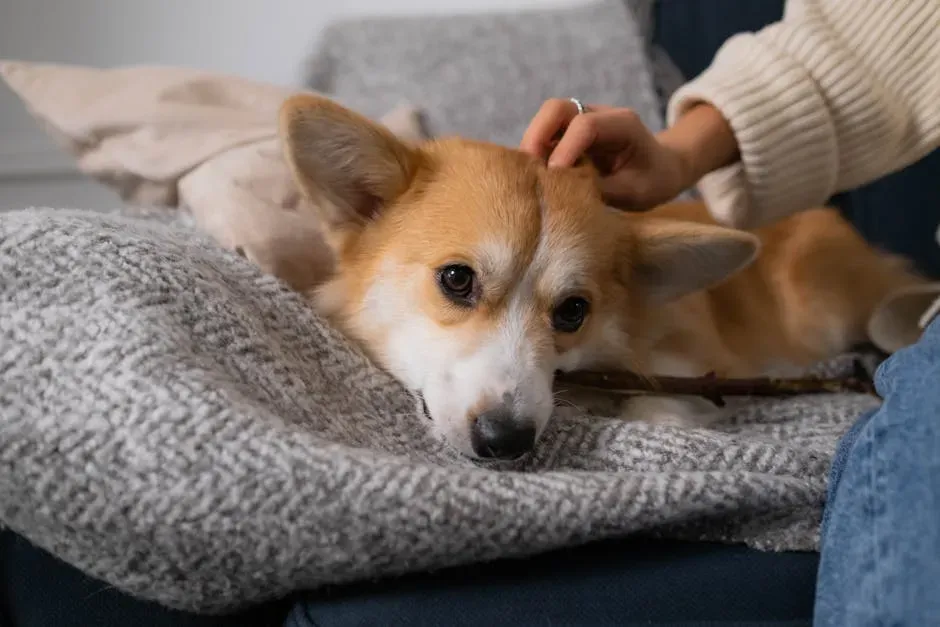
If you have more than one dog, you might notice they do not all react to your grief the same way. One might climb into your space, practically glued to your side, while another keeps a respectful distance and simply watches you. This difference often has less to do with how much they love you and more to do with temperament, past experiences, and their individual coping style. Just like people, some dogs cope with stress by seeking physical closeness, while others regulate themselves by observing from a bit farther away.
Animal behaviorists sometimes describe dogs as having different “attachment strategies.” In the context of grief, a more confident or nurturing dog might push in close, offering deep-pressure comfort by leaning or lying against you. A more cautious or independent dog may sense your altered state and respond by giving you space, staying near enough to monitor you but not so close that they overload you. Both responses can be forms of care, even if one looks more emotionally dramatic than the other.
Grieving Owners and the “Proximity Dance” With Their Dogs
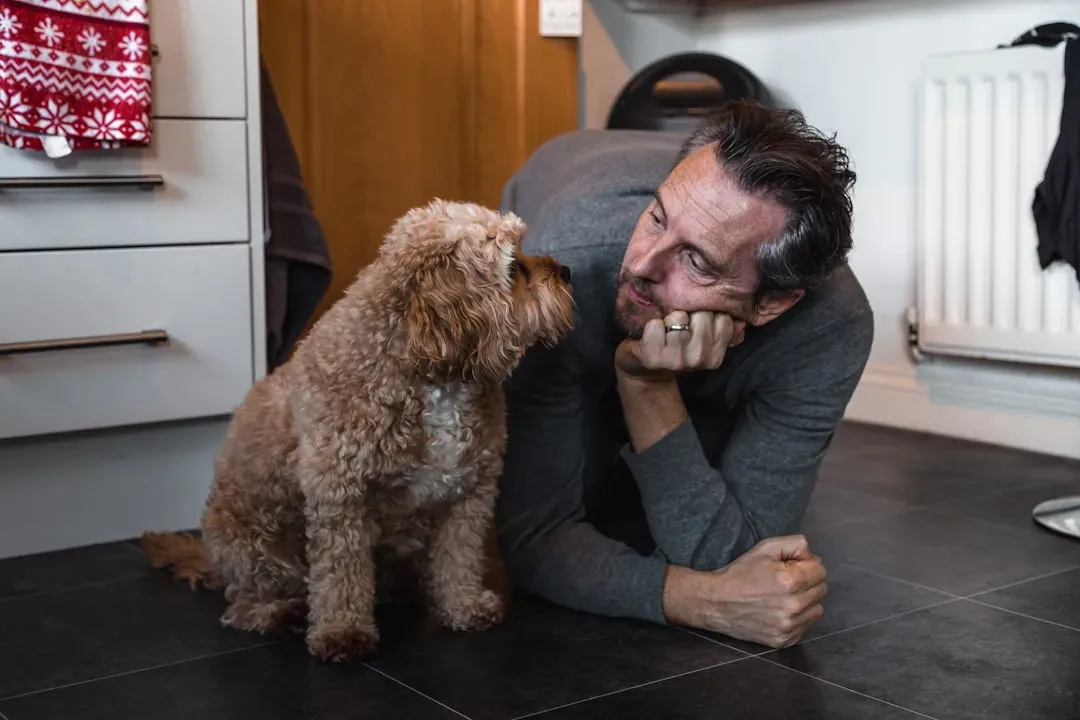
When I went through a major loss a few years ago, I remember sitting on the floor in my living room, completely numb, and noticing my dog carefully inch her way toward me. She did not immediately jump into my lap like she usually would. Instead, she moved closer in stages: lie down a few feet away, wait, scoot a bit nearer, wait again. It really did feel like she was reading the room, testing my emotional temperature and adjusting how much contact I could handle on that particular night.
This kind of proximity dance is something many owners describe. Dogs often seem to sense when we are emotionally “full” and stop short of overwhelming us, or they move in tighter when our grief appears more raw and uncontained. For some people, a dog tucked against their legs in bed is a lifeline; for others, just having the dog lying within arm’s reach, not demanding anything, is the perfect middle ground. The dog’s shifting distance can be seen as an intuitive attempt to match our nervous system’s capacity at that moment.
Beyond Comfort: How Dogs Help Regulate Our Nervous System
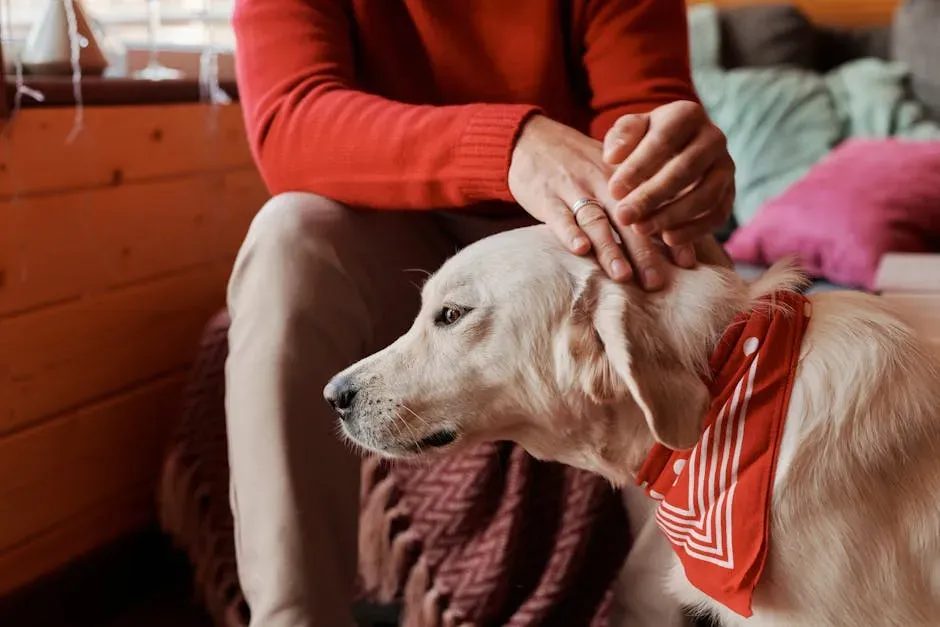
From a psychological and physiological perspective, a dog’s presence during grief is doing more than just “being there.” Slow, rhythmic petting, the warmth of a body curled at your side, or even the simple sight of a familiar furry shape moving around the house can have real regulatory effects on the human nervous system. Many people experience reduced heart rate, calmer breathing, and a sense of groundedness when interacting with their dogs during times of distress.
There is a growing recognition in mental health circles that animals can function as co-regulators, especially for people whose bodies feel stuck in fight, flight, or freeze. When you are grieving, your world can feel off its axis, and your own internal signals become chaotic. A dog who quietly adjusts their proximity – closer when you are spiraling, slightly farther when you seem overwhelmed – can act like a living anchor, nudging your physiology toward a more tolerable, less panicked state.
When Grief Changes Your Routine, Your Dog Notices That Too
Hormonal shifts are only part of the story. Grief often disrupts everything from your sleep schedule to your walking routine, and dogs are remarkably sensitive to these pattern changes. If you suddenly stop going for your usual morning walk, stay in bed longer, speak less, or cancel playtime, your dog does not need a research paper to tell them something big has happened. They feel it in the empty rituals and the silence where your usual energy used to be.
In response, some dogs become clingier, shadowing your movements from room to room, as if they are trying to keep track of every subtle signal. Others become more subdued, mirroring your lower energy and quietly matching your mood. This kind of behavioral synchrony is one more layer on top of their sensitivity to scent and hormones. It is almost like your dog is reading a full-body novel you did not realize you were writing, then adjusting their proximity as the story unfolds.
How to Support Your Dog While They Support You
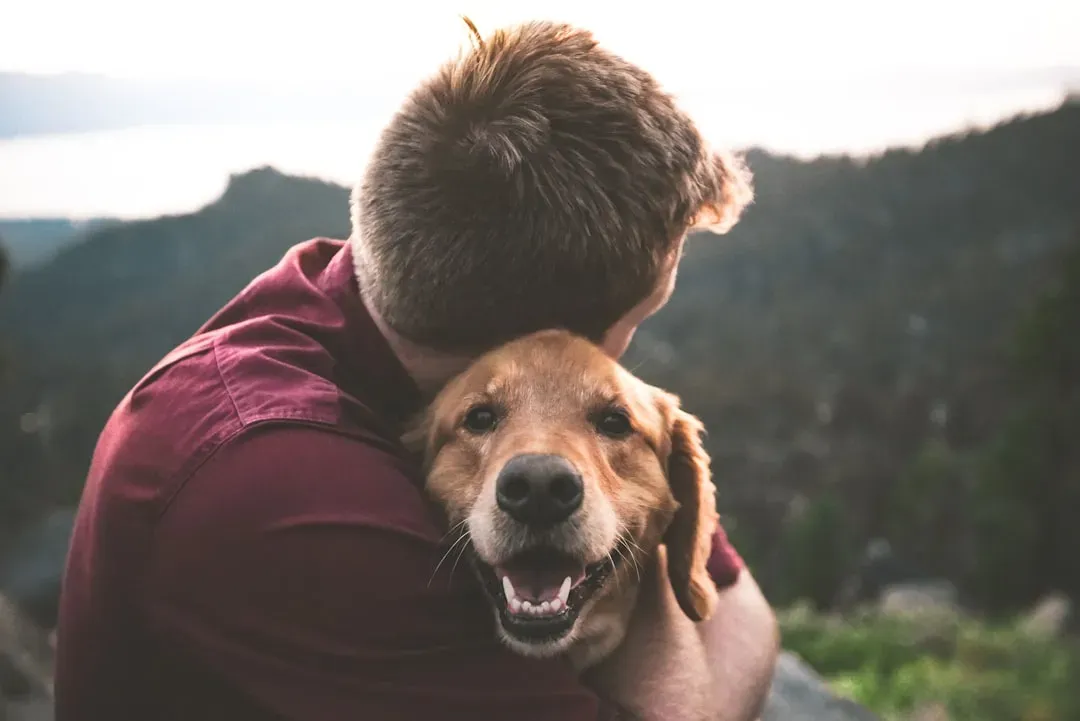
It is easy to forget that grief is a two-way street in a household with animals. While your dog may be adjusting their proximity and behavior to support you, they are also processing changes of their own, especially if they have lost a person or animal they were bonded to. They may be reacting to your hormonal shifts, but they can also be experiencing their own version of confusion, stress, or sadness. Keeping some basic structure – mealtimes, walks, play sessions – can help both of you feel less untethered.
Leaning on your dog for comfort is natural and healthy, but it is also worth paying attention to their signals. If they back away a little, it does not mean they love you less; they might simply be taking a moment to self-regulate. Offering them safe spaces, gentle interaction, and not forcing cuddles when they hesitate respects that they too are navigating a changed emotional landscape. In a sense, you and your dog are co-grieving, and the dance of distance and closeness is your shared language.
Conclusion: Dogs May Not Understand Death, But They Understand Us
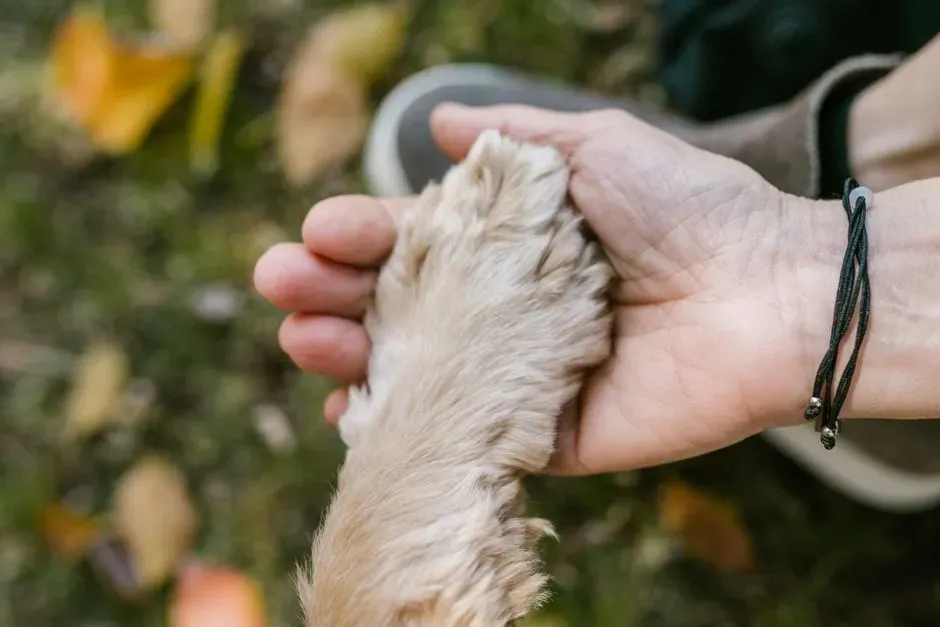
When you strip away the romantic language and look at the science, it is still astonishing: dogs can detect hormonal and emotional shifts in their grieving owners and then adjust their proximity in ways that often feel uncannily right. We do not yet have every mechanism mapped out or every behavior neatly explained, but the pattern is hard to ignore. In the middle of human heartbreak, a creature from another species quietly calibrates its distance to offer just enough presence, without any words, contracts, or explanations.
My own opinion is that this is where the bond with dogs crosses from “pet ownership” into something much deeper and more mutual. They may not grasp the details of our losses, but they very clearly respond to the way those losses reshape our bodies and behaviors. In a world that often rushes us to move on, a dog that simply lies closer – or deliberately not too close – can feel like one of the few beings willing to sit with our grief instead of trying to fix it. In the end, maybe the real question is not whether dogs sense our hormonal shifts, but whether we are willing to notice how carefully they respond when we break – have you been paying attention to how your dog moves around you when your heart hurts most?


