
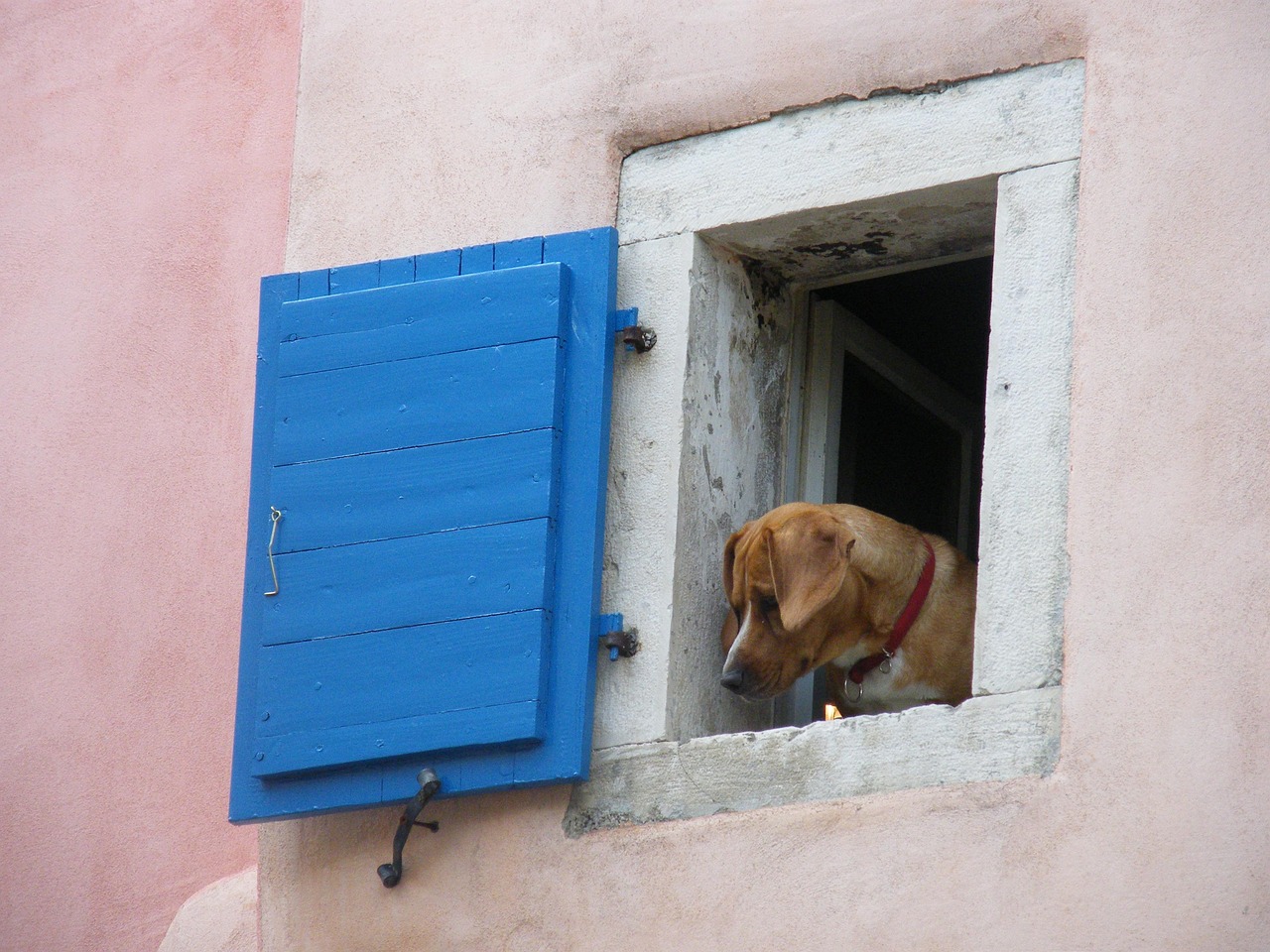
Ask any dog owner what happens right around 3pm on a school day and you’ll get the exact same knowing look. Something shifts. The pacing starts. The ears twitch toward the street. The tail begins a slow, deliberate wag that wasn’t there ten minutes earlier.
Most people chalk it up to boredom or excitement. But canine behaviorists say what’s actually happening is far stranger and more precise than that – dogs aren’t guessing, they’re running a countdown. And the wildest part? The second school holidays start, every single one of these behaviors vanishes overnight. Here’s the full list of what’s really going on inside your dog’s head, minute by minute, every school day at 3pm.
#1 – The Sudden Window-Watching Begins
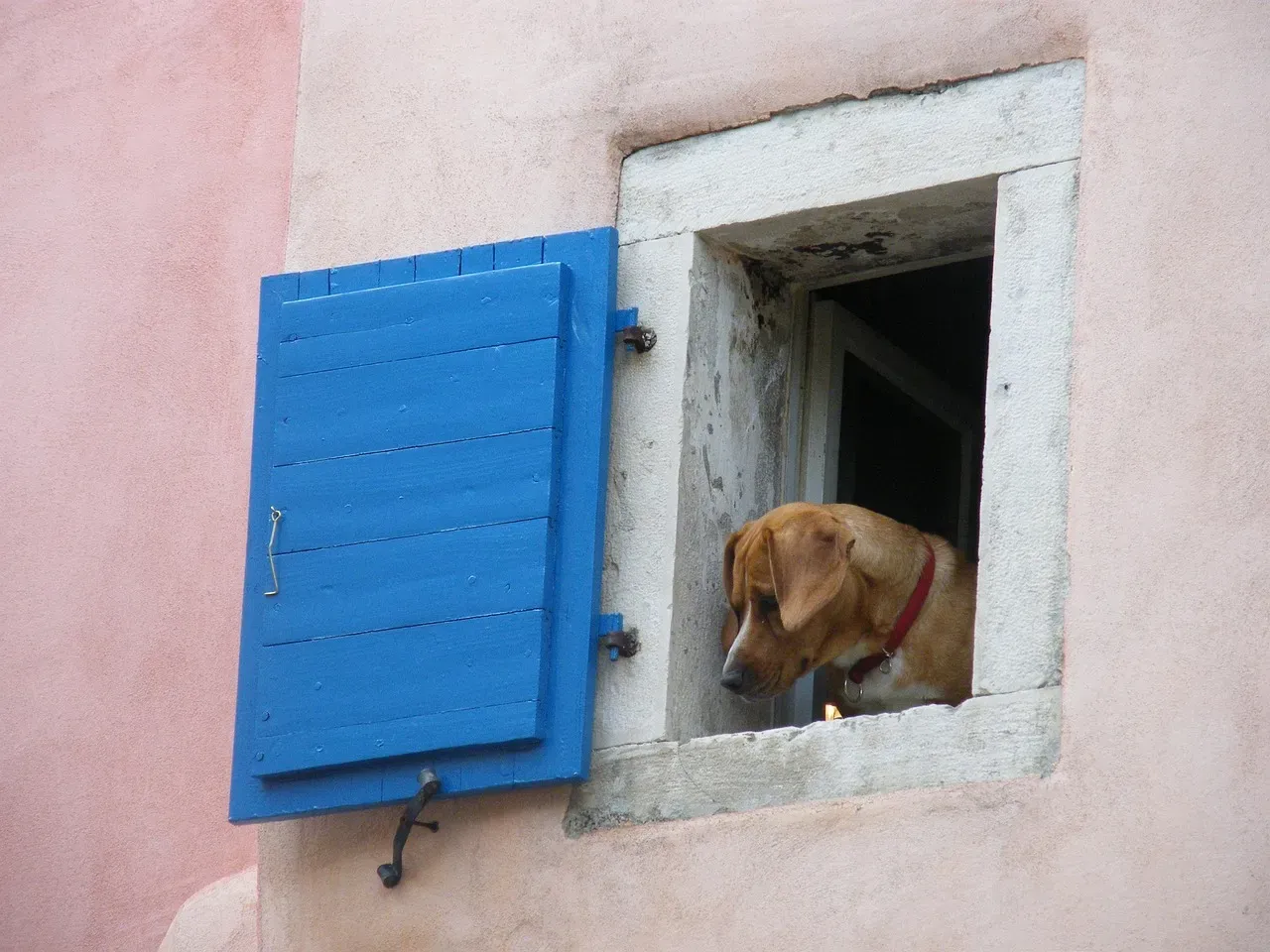
Most dogs don’t wander over to the window randomly. At 3pm on a school day, many will plant themselves at one specific window – usually the one facing the street or driveway – and simply stay there. Dogs build spatial memory around routines, and if that window has historically been the first place a child appears, the dog returns to it like clockwork.
What’s genuinely surprising is how selective this is. Owners repeatedly notice that on weekends or school holidays, that exact same dog shows zero interest in that window at 3pm. That distinction matters – it proves the dog isn’t reacting to light or hunger, it’s reacting to an expected event that simply doesn’t exist on non-school days.
#2 – They Stop Settling Down for Naps
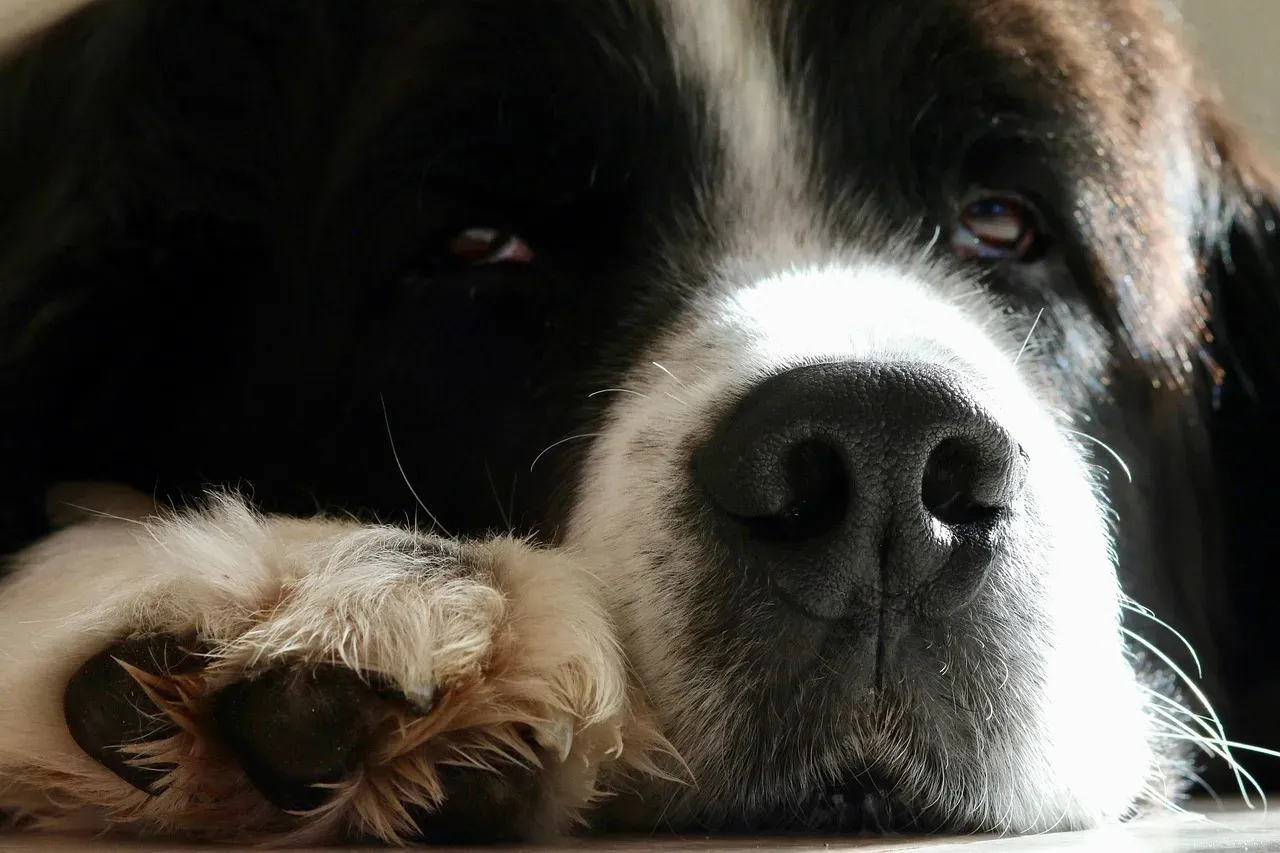
Dogs are notorious nappers, often sleeping 12 to 14 hours a day. Yet on school term days, many owners report their dog refuses to properly settle starting around 2:30 to 3pm, even if it was dead asleep an hour earlier.
This restlessness is widely attributed to anticipatory arousal – a low-level physiological state where the body prepares for an expected event before it happens. Instead of deep sleep, the dog shifts into light dozing, lifting its head at every small sound, and the moment the school run is over, that same dog will often finally crash into a proper nap, as if the job of waiting is officially complete.
Fast Facts
- Adult dogs average 12 to 14 hours of sleep a day – roughly half of every 24-hour cycle.
- Dogs are polyphasic sleepers, resting in several shorter stretches rather than one long overnight block.
- A typical dog sleep cycle runs about 45 minutes, compared to roughly 90 minutes for humans.
- Most of a dog’s daily sleep happens at night, with the remainder made up of daytime naps – which is exactly what gets interrupted around 3pm on school days.
#3 – Sudden Interest in the Front Door
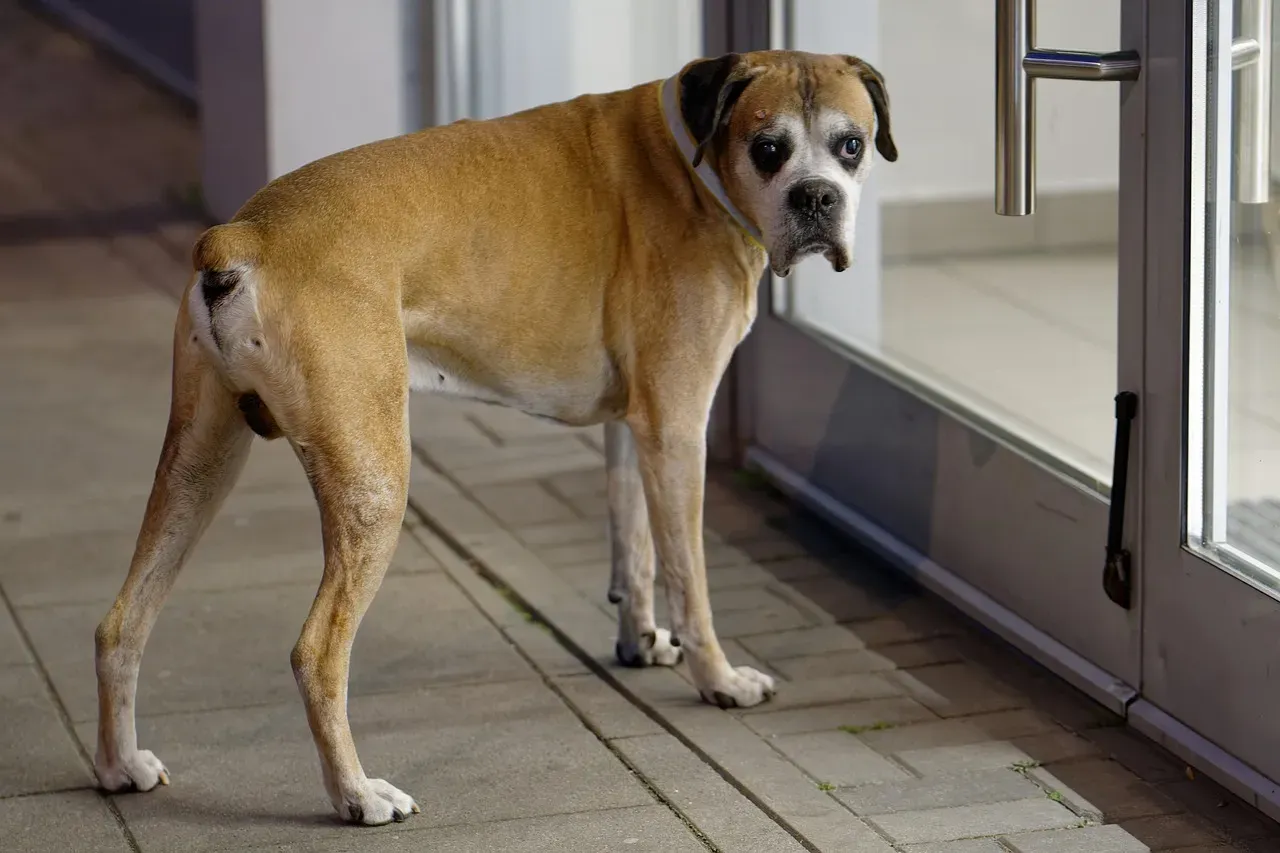
There’s a specific kind of door-watching that only shows up during term time, and it’s different from the excited door-rushing dogs do when someone’s about to leave. This version is quieter – a dog lying down but angled toward the door, or repeatedly walking to it and back for no obvious reason.
This behavior tends to peak in the 10 to 15 minutes before the child is actually due home, not right at 3pm itself, which tells behaviorists the dog has learned the realistic arrival window, not just the nominal time. On weekends, that same door has absolutely zero pull for the dog at that hour.
#4 – A Soft, Specific “Waiting Whine”
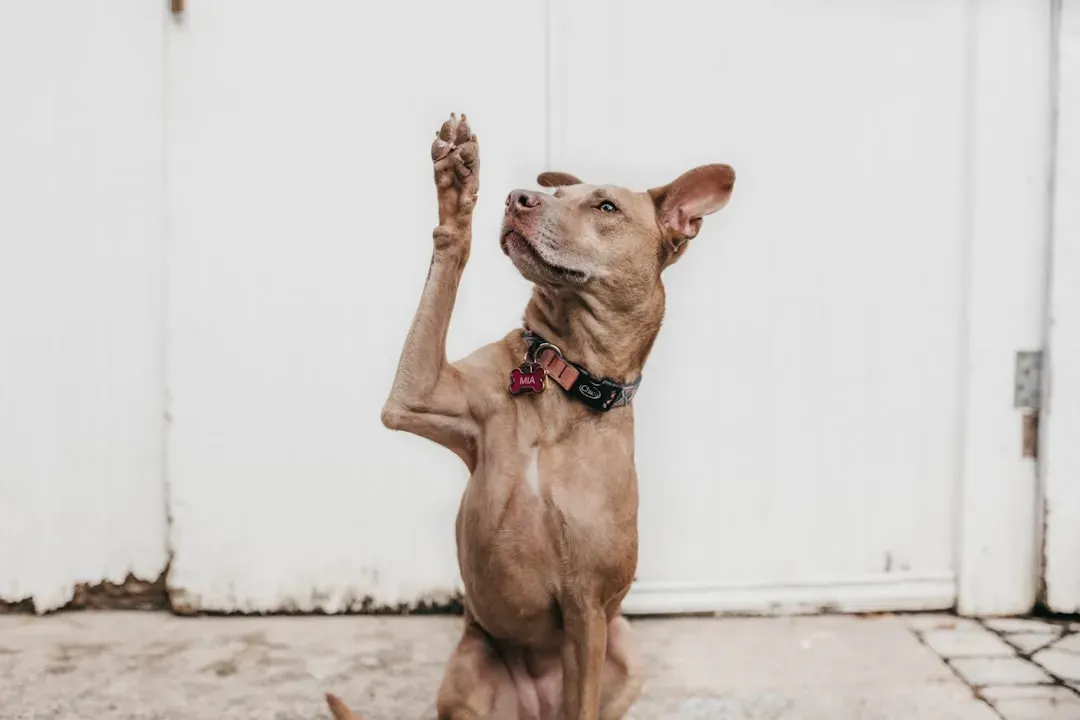
Some dogs develop what almost sounds like a waiting whine – a soft, repetitive vocalization distinct from their bark, their play-growl, or their attention-seeking whimper. It tends to appear almost exclusively in the run-up to 3pm on school days, and nowhere else in their daily routine.
Trainers note this vocalization is often unintentionally reinforced by owners who respond with reassurance like “they’ll be home soon,” which the dog then associates with the anticipation itself. It becomes a term-time-only soundtrack in some households and is completely absent during summer or half-term breaks. Owners who don’t recognize the pattern sometimes mistake it for separation anxiety, when it’s really a routine clock ticking in the dog’s head.
#5 – Repositioning Near the Food Bowl
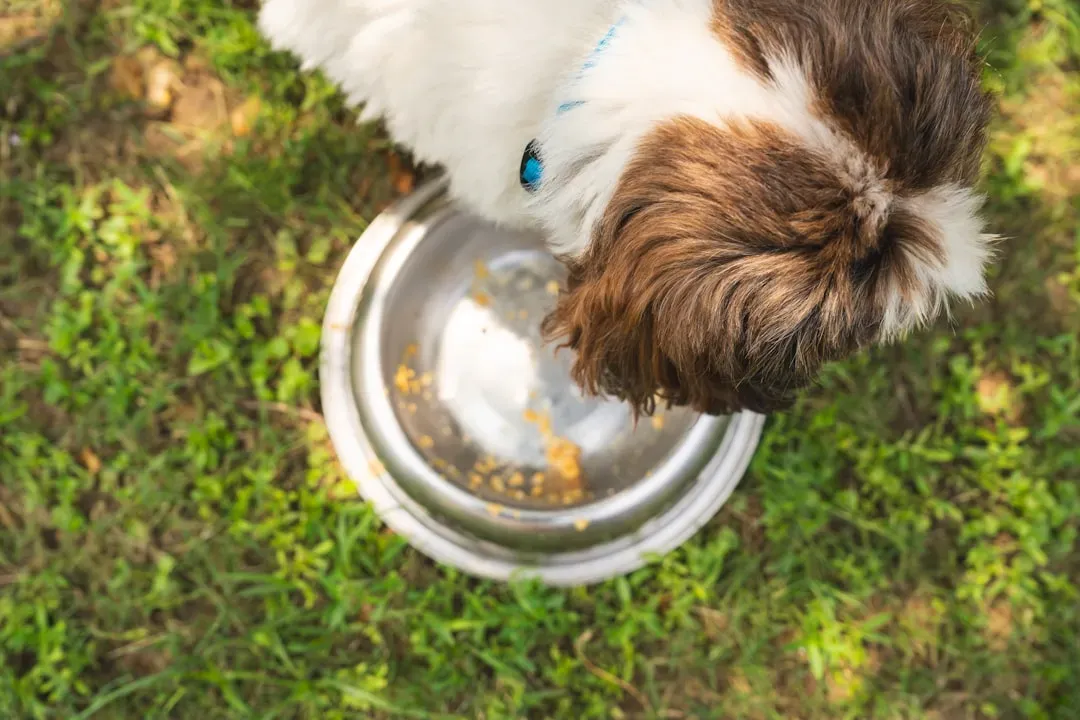
This one surprises a lot of people. In many households, a returning child means returning scraps, walks, or treats, and dogs pick up on that fast. Around 3pm on school days, some dogs migrate toward the kitchen or their food bowl, even if it’s nowhere near a normal feeding time.
This is less about actual hunger and more about pure association – the dog has learned that “child comes home” often precedes “good things happen.” The bowl-hovering virtually disappears during school holidays because the anticipated reward event simply isn’t scheduled to occur.
#6 – The Tail Carriage Changes, Not Just the Speed
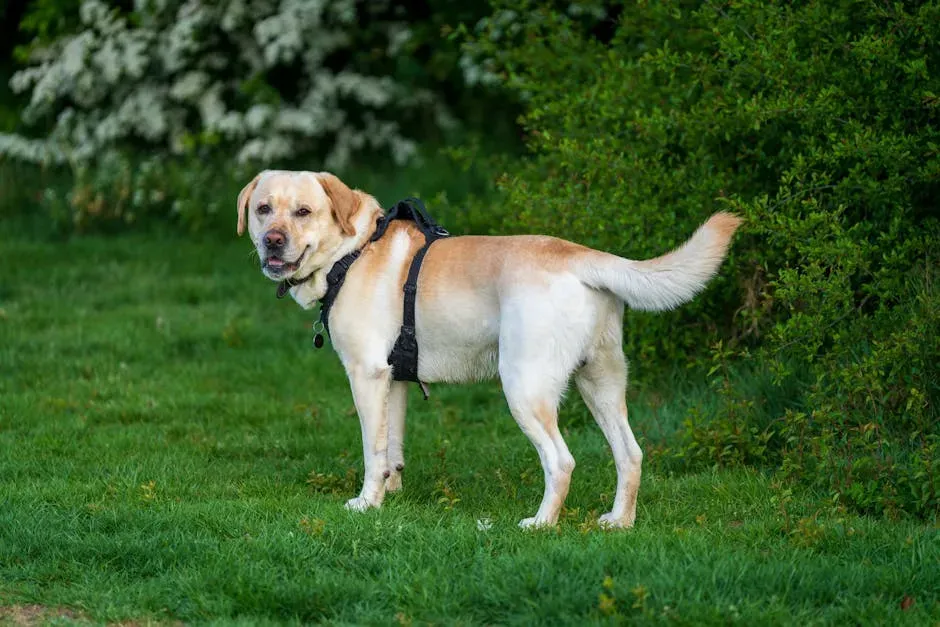
Everyone assumes tail-wagging is just about how fast it moves, but posture matters just as much. Around school pickup time on term days, many dogs shift into a higher, looser tail carriage – completely different from the stiff alert tail of guarding behavior or the low tail of anxiety.
This particular posture is associated with positive anticipation rather than stress, according to canine body language research. Owners who film their dogs at this time on school days versus weekends often notice the tail carriage is measurably different, even if the dog looks equally “calm” in both scenarios at a glance. It’s one of the clearest tells that this isn’t anxiety at all – it’s genuine excitement.
#7 – The Ritual Toy-Gathering Starts
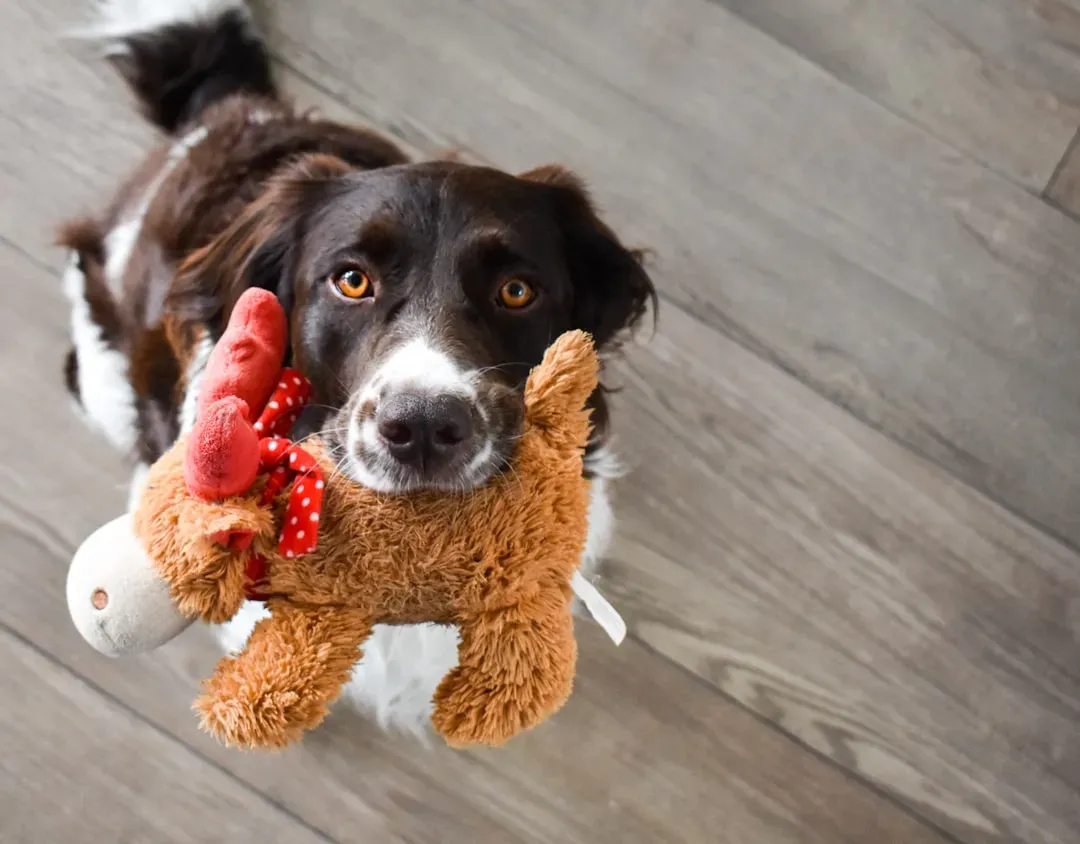
Some dogs start “collecting” – carrying a favorite toy to the door, dropping it, picking it back up, and repeating the whole sequence. This ritualistic behavior tends to spike specifically before an anticipated greeting, and 3pm term-time pickup is one of the most common triggers owners report.
Behaviorists suggest this is a displacement behavior, a way for the dog to channel excess anticipatory energy into something physical and familiar. Many dogs will even present the toy directly to the returning child, as if the whole sequence – gather, wait, present – was rehearsed in advance. On non-school days, that same toy often sits completely untouched at that hour.
#8 – They Suddenly Abandon Their Own Chew Toys
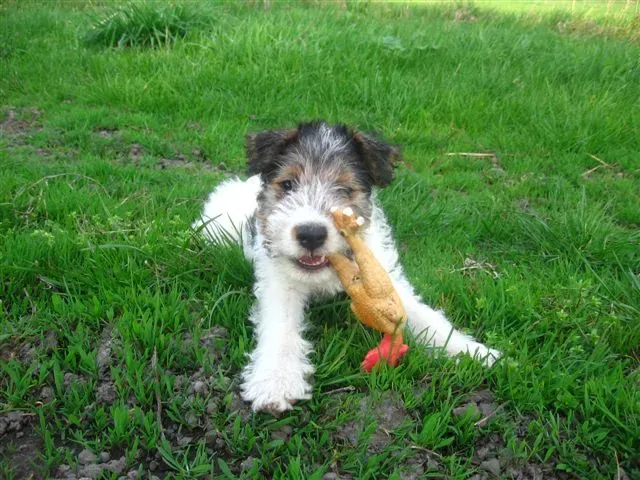
Contradictory as it sounds, some dogs go the opposite direction, losing all interest in whatever they were previously engaged with the moment the 3pm term-time window rolls around. A chew toy that held their attention for the last hour suddenly gets dropped mid-session.
This is generally explained as attention redirection – the anticipated event becomes so behaviorally “loud” it overrides ongoing activities entirely. It’s the canine equivalent of a person checking their phone repeatedly while trying to read because they’re expecting an important call. Owners often describe their dog as seeming “off” in a way that’s hard to pinpoint, until they realize it only ever happens on school days, at the same time, without exception.
Quick Compare
- Toy-Gathering Dogs: Repeated carry-drop-repeat cycle that peaks right before pickup, often ending with the toy presented to the child.
- Toy-Abandoning Dogs: Mid-session dropout – full attention redirects to the door or window with no obvious trigger.
- Same Dog, Weekends: Normal, uninterrupted play resumes – no ritual gathering or sudden abandonment at that hour.
#9 – Their Ears Lock Onto the School Bus Before You Hear a Thing

Dogs have a hearing range and directional sensitivity far beyond humans, and during the 3pm term-time window, many will visibly track specific outdoor sounds – a bus engine, particular footsteps, a familiar car. Their ears rotate and lock toward these sounds well before a human notices anything at all.
This selective auditory tracking is one of the strongest pieces of evidence that dogs learn sound-based schedules, not just time-based ones. It’s why some dogs seem to “know” a child is close minutes before they’re actually visible – and why the behavior disappears completely during holidays, when that specific soundscape of buses and timed traffic simply doesn’t exist.
Worth Knowing
- Dogs can hear frequencies up to roughly 45,000 Hz, more than double the human ceiling of about 20,000 Hz.
- In overlapping frequency ranges, dogs can often detect quieter sounds than humans can.
- With more than a dozen muscles controlling each ear, dogs can rotate and angle their ears independently toward a sound source.
- That combination lets a dog register a distant bus engine or familiar footsteps long before anyone in the same room notices a thing.
#10 – The Pacing Loop Begins on Schedule
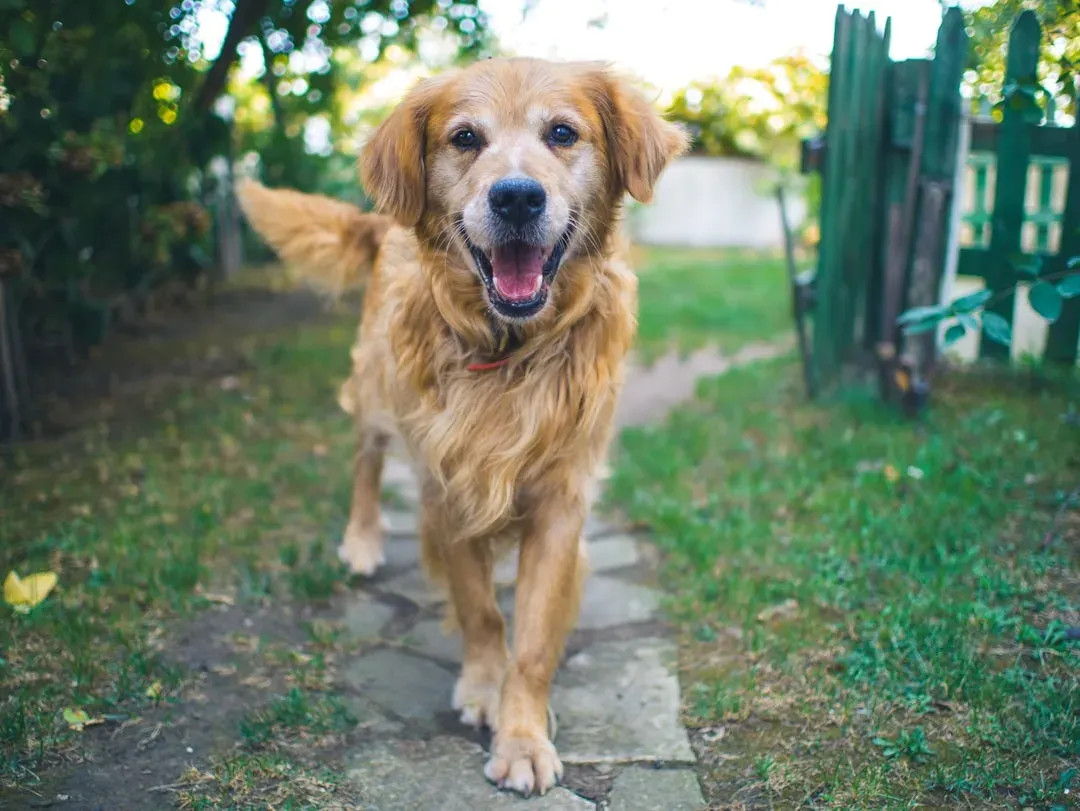
Pacing is one of the more visible signs, and it tends to have a clear on-off switch tied to term time. A dog that’s been lying calmly for hours will suddenly start walking loops between two or three fixed points – the window, the door, sometimes one specific spot in the hallway.
This pacing is widely interpreted as a physical outlet for anticipatory tension, similar to a person tapping their foot while waiting for news. Many owners can predict the time of day just by watching when the pacing starts, often without checking a clock themselves. On weekends, that same dog might pace for entirely different reasons, but rarely at this exact hour.
#11 – The Switch Flips: Instant Alertness After Total Stillness

There’s a specific behavioral pattern where a dog goes from completely relaxed – flat on the floor, eyes half-closed – to fully upright and alert within seconds, with no obvious trigger a human could detect. This sharp transition is common right around the school pickup window on term days.
Experts link this to the dog’s internal expectancy building over the course of the routine, essentially reaching a threshold where anticipation outweighs rest. Owners describe it almost the same way, every time: “it’s like a switch flips.” The specificity of the timing – almost always in a tight window, almost always on school days – is what separates it from ordinary restlessness.
#12 – They Start Shadowing Whoever Does the School Run
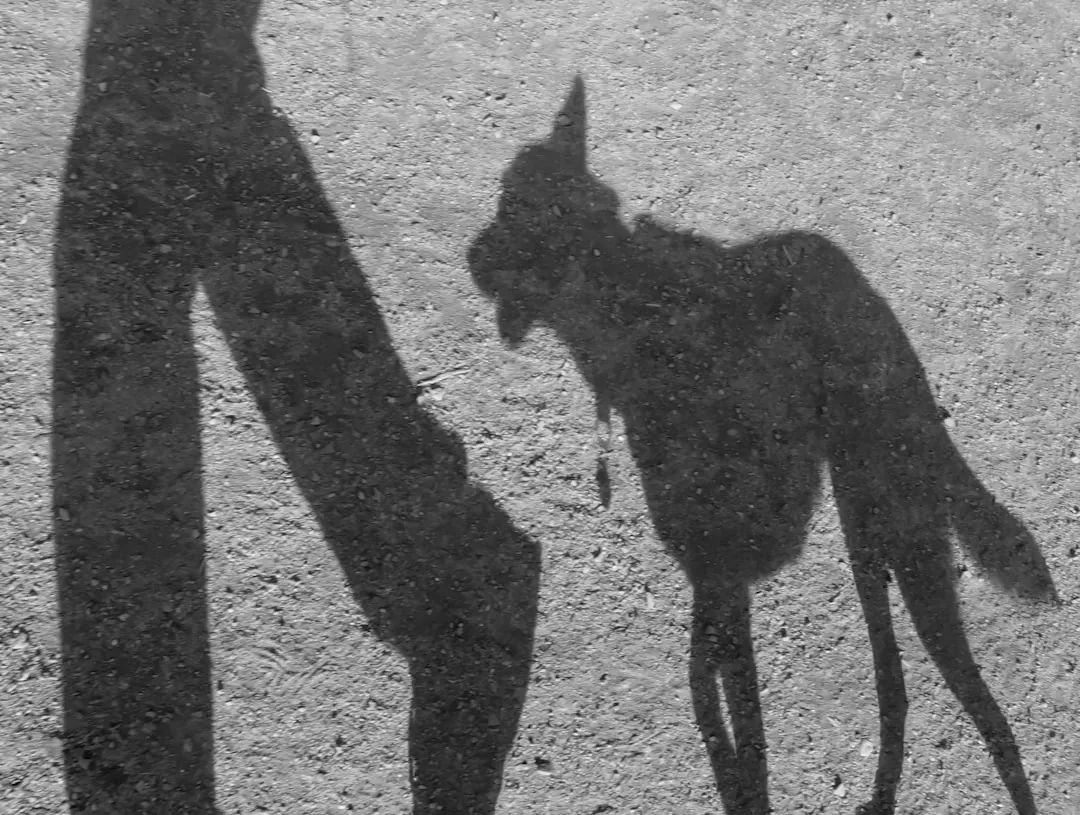
If one household member typically handles pickup, many dogs will start shadowing that specific person as 3pm approaches – following them room to room, sitting near their shoes or car keys, waiting by whatever door they usually exit through.
This is a clear example of routine-linked social tracking, where the dog isn’t just anticipating an event, it’s anticipating a specific person’s role in it. Swap who does the pickup on a given day, and observant owners often notice the dog’s shadowing shifts almost immediately to match. It’s a level of behavioral precision that catches a lot of people off guard.
#13 – Some Dogs Deliberately Hold Their Bladder Until Pickup
This is one of the less glamorous but well-documented patterns: some dogs appear to “hold on,” waiting to go outside until the child is home, particularly if that child is usually part of the after-school walk or garden time. Around 3pm, dogs who might otherwise ask to go out will instead wait, seemingly on purpose.
Trainers often flag this as routine-based behavioral suppression, not medical urgency – the dog has learned that waiting means a longer, more rewarding outdoor experience rather than a quick solo bathroom break. It’s a subtle but real pattern that only shows up on school days, disappearing completely during holidays.
#14 – The Full “Greeting Rehearsal” Kicks In
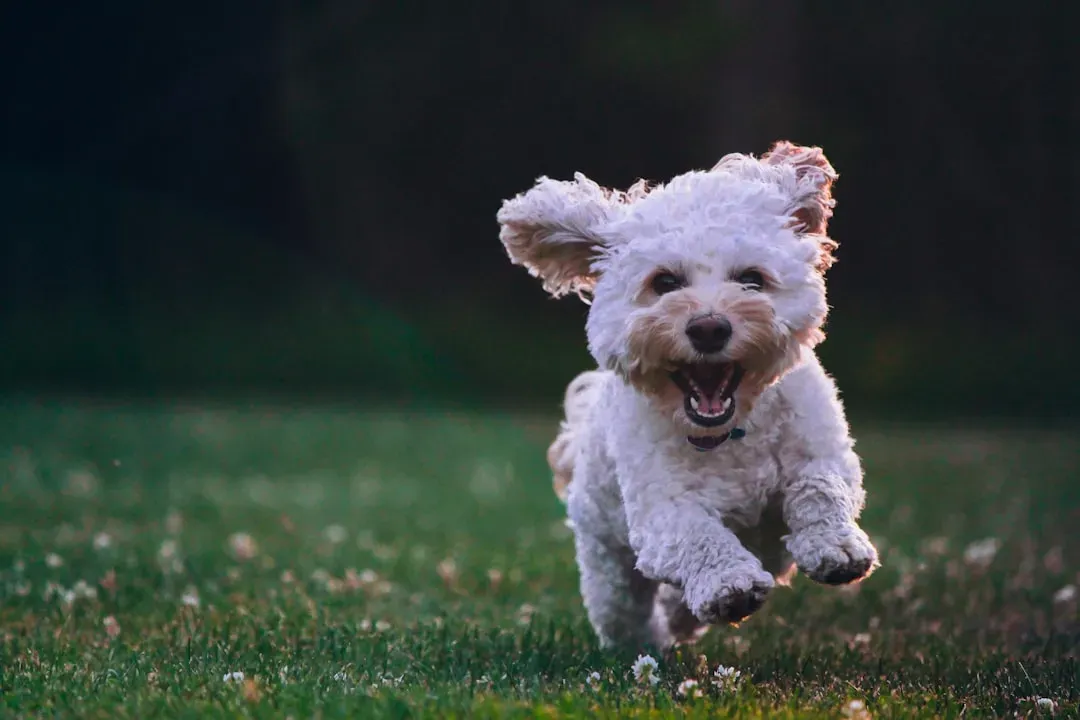
In the final stretch before 3pm, some dogs perform what almost looks like a rehearsal – spinning in tight circles, doing a play-bow, grabbing a toy, then abandoning it, repeating the sequence several times in a short window. It’s more elaborate than simple pacing, and it escalates the closer the actual arrival time gets.
Behaviorists describe this as anticipatory greeting behavior, essentially the dog’s body running through the motions of the reunion before it actually happens. It’s one of the clearest emotional tells on this entire list – not anxious, not distressed, just genuinely excited in a way that builds predictably and peaks right as the door opens.
At a Glance: The 3pm Countdown Window
- 2:30-2:45pm: Restlessness sets in, deep naps stop, light dozing takes over.
- 2:45-2:55pm: Pacing loops and toy-gathering rituals hit their peak.
- 2:55-3:05pm: Ears lock onto street sounds, door-watching intensifies.
- 3:05-3:15pm: Full alertness, shadowing behavior, and the tail-carriage shift all converge.
- The moment of arrival: Full-body release – the greeting ritual plays out in seconds.
#15 – The Full-Body Relief the Moment the Door Opens
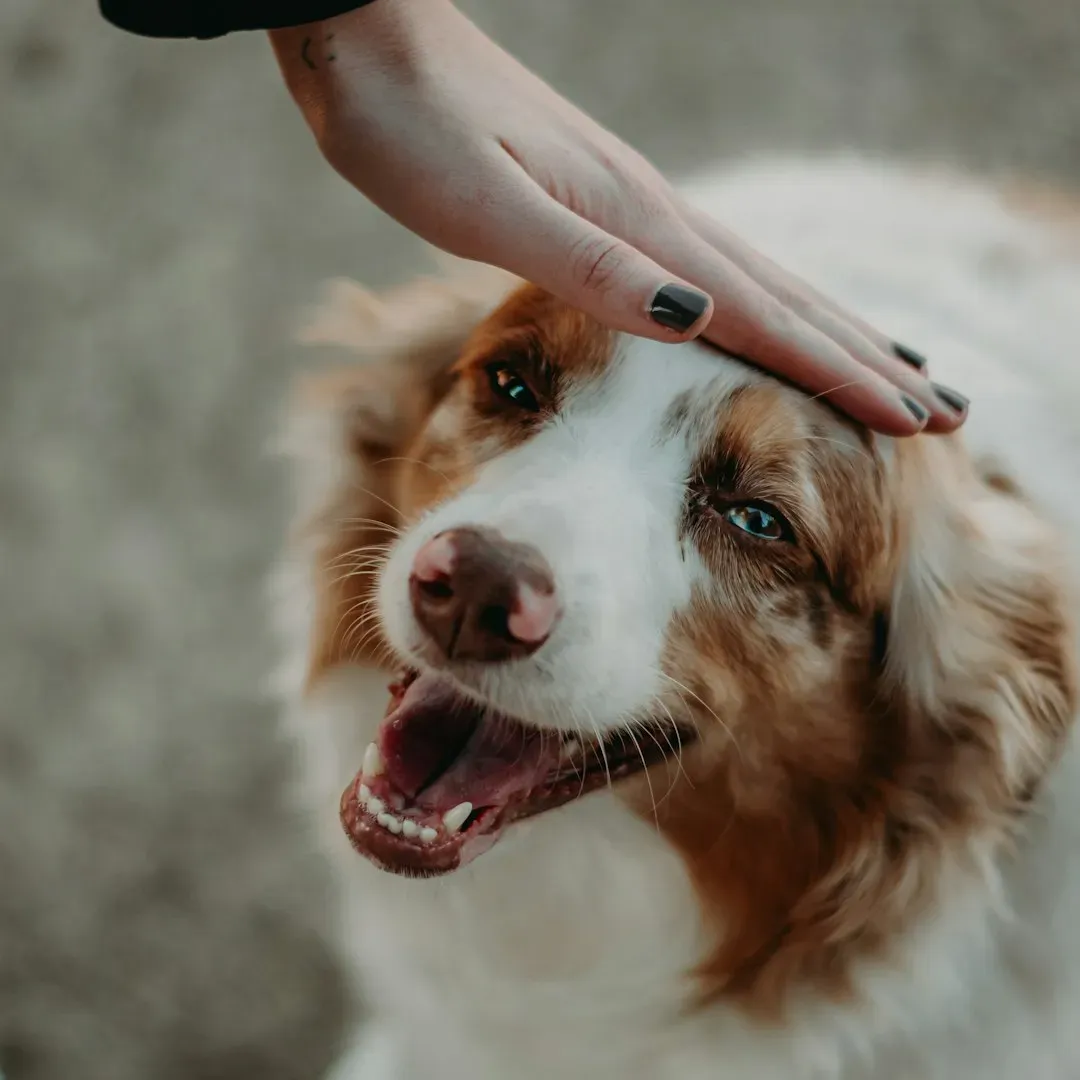
The final piece of this daily ritual is the release. The moment the child actually walks through the door, everything that built up over the previous 20 to 30 minutes – the pacing, the whining, the door-watching, the tail posture – collapses into one immediate physical response. Full-body wagging, jumping, sometimes a complete flop onto the floor in apparent relief.
This isn’t just excitement, it’s the resolution of a genuine anticipatory state the dog has been holding for the better part of an hour. Physiologically, it mirrors how anticipation and reward work in most social mammals – the tension has a purpose, and the greeting is the payoff. It’s also the single clearest proof that everything leading up to it wasn’t random restlessness at all, but a structured, learned, term-time-only routine the dog experiences like an appointment it never misses.
The Bottom Line
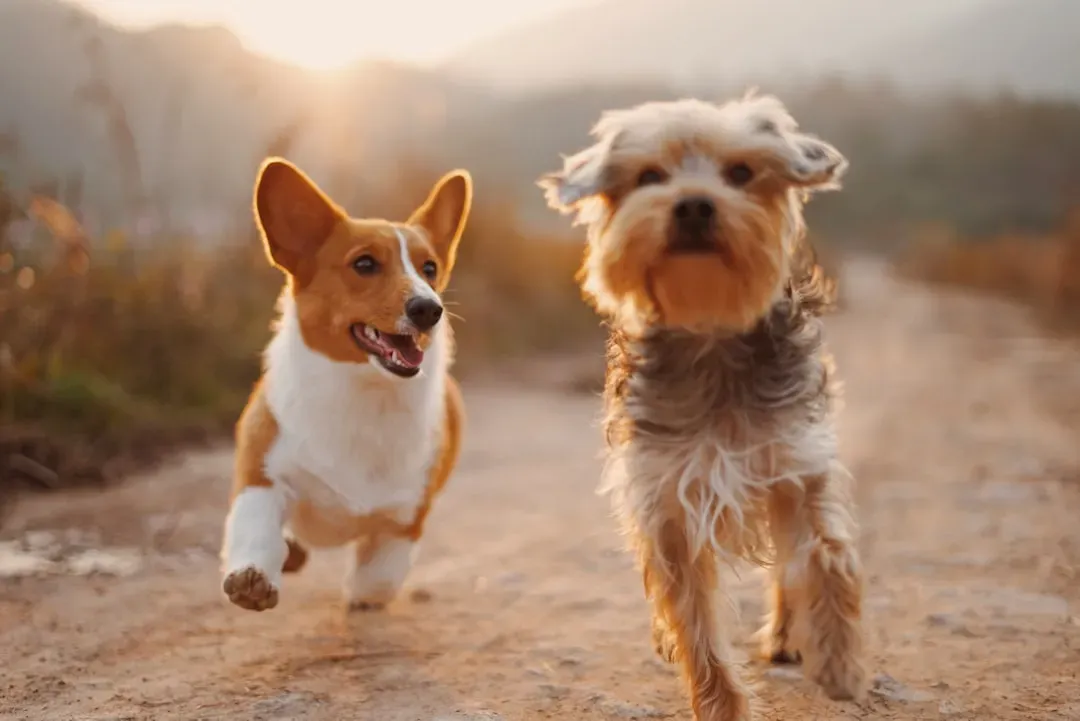
What’s really happening at 3pm isn’t magic and it isn’t coincidence – it’s learned routine married to genuinely sophisticated time-and-sound tracking. Dogs aren’t just bored animals filling dead air, they’re running a daily internal countdown built from months or years of repeated pattern reinforcement.
Frankly, the idea that dogs “don’t understand time” needs to be retired. What they don’t understand is calendars – what they absolutely do understand, better than most owners give them credit for, is rhythm, sound, and sequence. The term-time-only nature of every single behavior on this list is the real proof: no school, no ritual, no countdown. So what does your dog do right before pickup time? Tell us the weirdly specific ones in the comments – we guarantee you’re not the only one who’s noticed.


