
Everyone assumes the best-trained dogs belong to busy, tech-savvy owners with GPS collars, subscription treat boxes, and a trainer on speed dial. Vets say that assumption is dead wrong.
The dogs that actually master the hardest, most impressive behaviors don’t belong to the owners with the fanciest gear. They belong to retirees who simply have the one thing money can’t buy: time. Stick around, because what these dogs can do will make you rethink everything you assumed about “good training.”
#1 – They Wait Patiently for Meals Without Begging
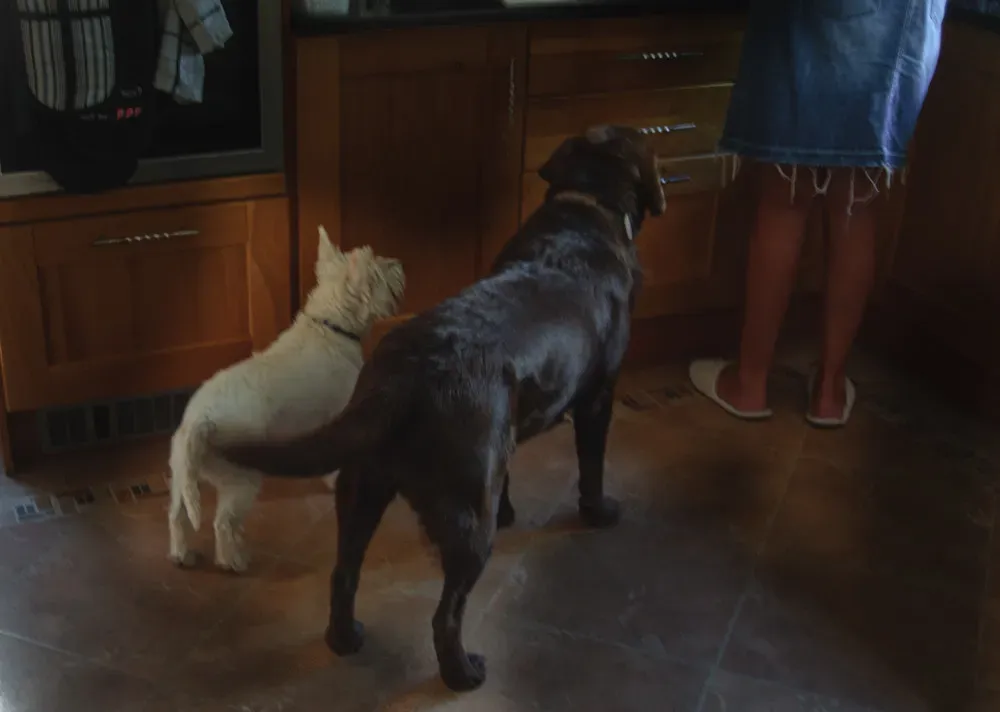
Vets say retirees’ dogs develop a kind of food discipline that looks almost unnatural in a species built to beg. It’s not magic. It’s the product of years of unhurried mealtimes where the owner had nowhere else to be and no reason to rush the lesson.
Younger owners, sprinting between work calls and errands, unintentionally reward pushy behavior just to get the bowl down faster. Retiree-owned dogs, by contrast, will sit calmly for minutes with food inches from their nose, waiting for a release word. It’s one of the clearest signs that patience trains dogs faster than any gadget ever could.
#2 – They Greet Visitors Without Jumping
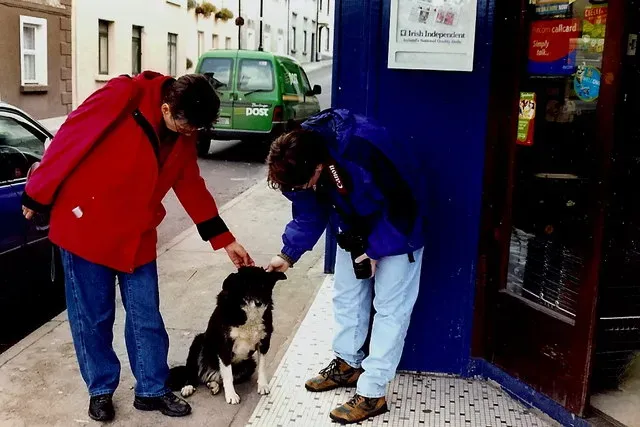
Walk into a retiree’s home and you’ll notice something strange: the dog doesn’t launch at you. It sits, tail thumping, waiting for permission to say hello. That calm greeting is built during years of slow, frequent visits where jumping simply never earned attention.
Younger owners, juggling quick drop-ins and chaotic schedules, often cave and pet the dog mid-jump just to make the moment end faster. Vets say that single inconsistency is enough to keep the habit alive for life. In multi-dog households, the contrast is almost comical, one dog politely sitting while the other bounces off the walls.
#3 – They Master Complex Recall Commands
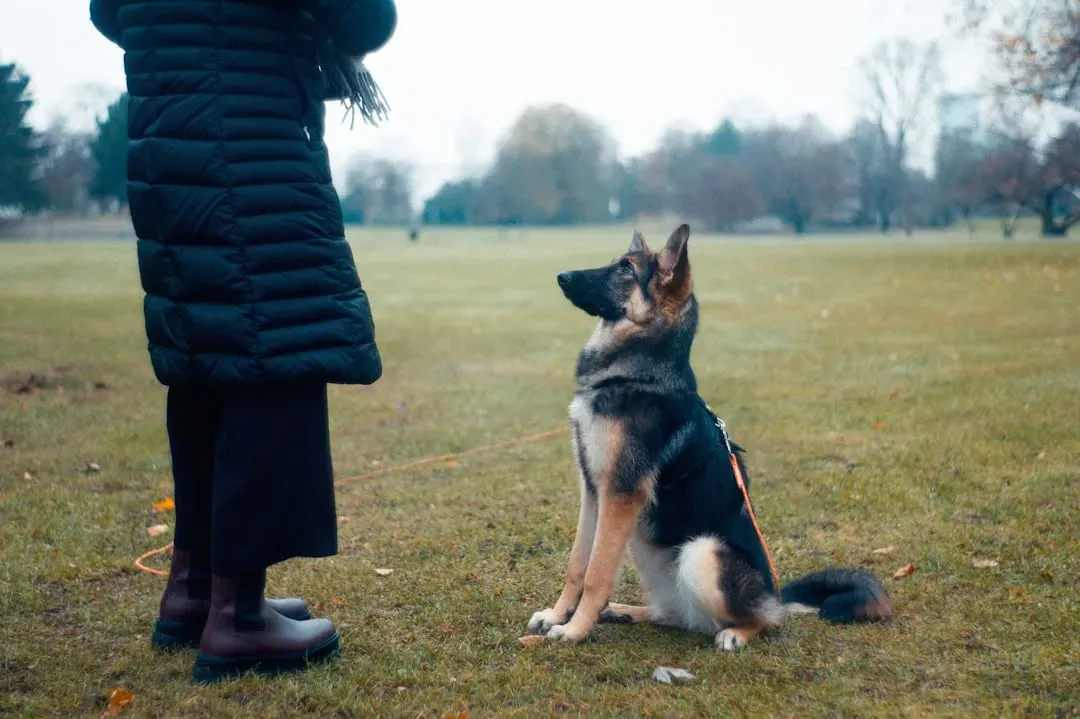
A reliable recall isn’t a trick, it’s a safety net, and retirees’ dogs tend to have the strongest one vets see. Twenty to thirty minutes of daily practice in parks, backyards, and busy sidewalks turns “come” into an unbreakable habit rather than a coin flip.
These dogs often learn compound cues like “Rover, come sit” as a single fluid command, something that takes months of consistent repetition to build. Younger owners, limited to rushed backyard sessions before work, rarely get the reps in. Vets quietly admit this is why fewer retiree-owned dogs end up as missing-dog flyers taped to telephone poles.
Fast Facts
- Recall practice usually starts in a quiet, low-distraction space before real-world distractions get added.
- A truly reliable off-leash recall can take months of near-daily repetition to lock in.
- Long training lines, often 15 to 30 feet, are a common tool for safely practicing recall in open areas.
- Compound cues only work once each individual command is already rock-solid on its own.
#4 – They Walk Without Pulling on Leash
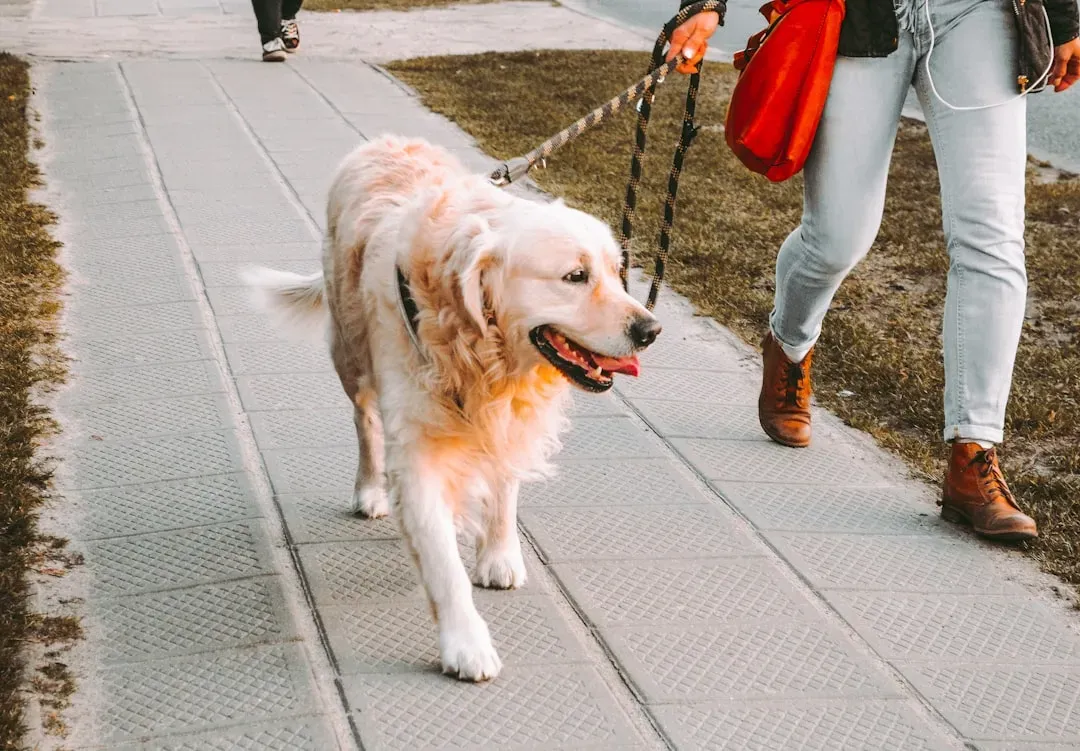
There’s a particular kind of joy in watching a retiree and their dog stroll down the block, leash slack, both of them clearly enjoying the pace. That loose-leash walk is earned through hundreds of stop-and-restart corrections during unhurried daily walks.
Younger owners tend to power-walk for exercise, tolerating the pulling because slowing down isn’t an option on a tight schedule. Vets increasingly steer frustrated clients away from quick-fix harnesses and toward this slower, old-fashioned method instead. The dogs that learn it this way don’t just stop pulling, they seem to genuinely relax into the walk.
#5 – They Signal Bathroom Needs Calmly
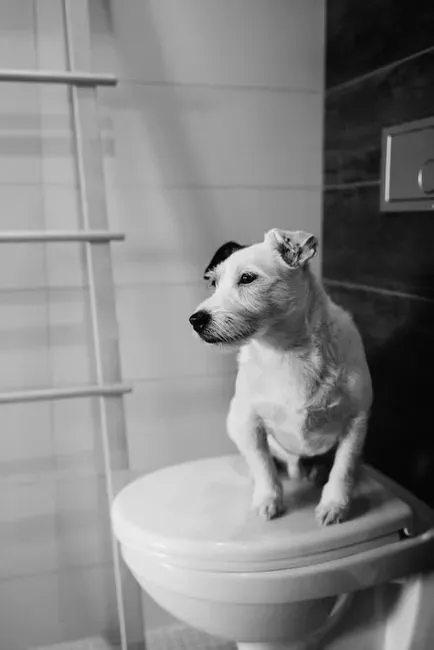
Retirees catch the tiny, easy-to-miss cues, the pacing, the staring at the door, the subtle shift in posture, because they’re simply home to see them. Over time, their dogs learn a quiet system, a bell ring or a sit by the door, instead of frantic barking.
Younger owners working long hours miss those windows entirely and come home to accidents that accidentally reinforce the wrong lessons. Vets say this is one of the biggest predictors of long-term house-training success. No camera app replaces a human who’s actually there to say “good dog” at exactly the right second.
#6 – They Ignore Other Dogs on Walks
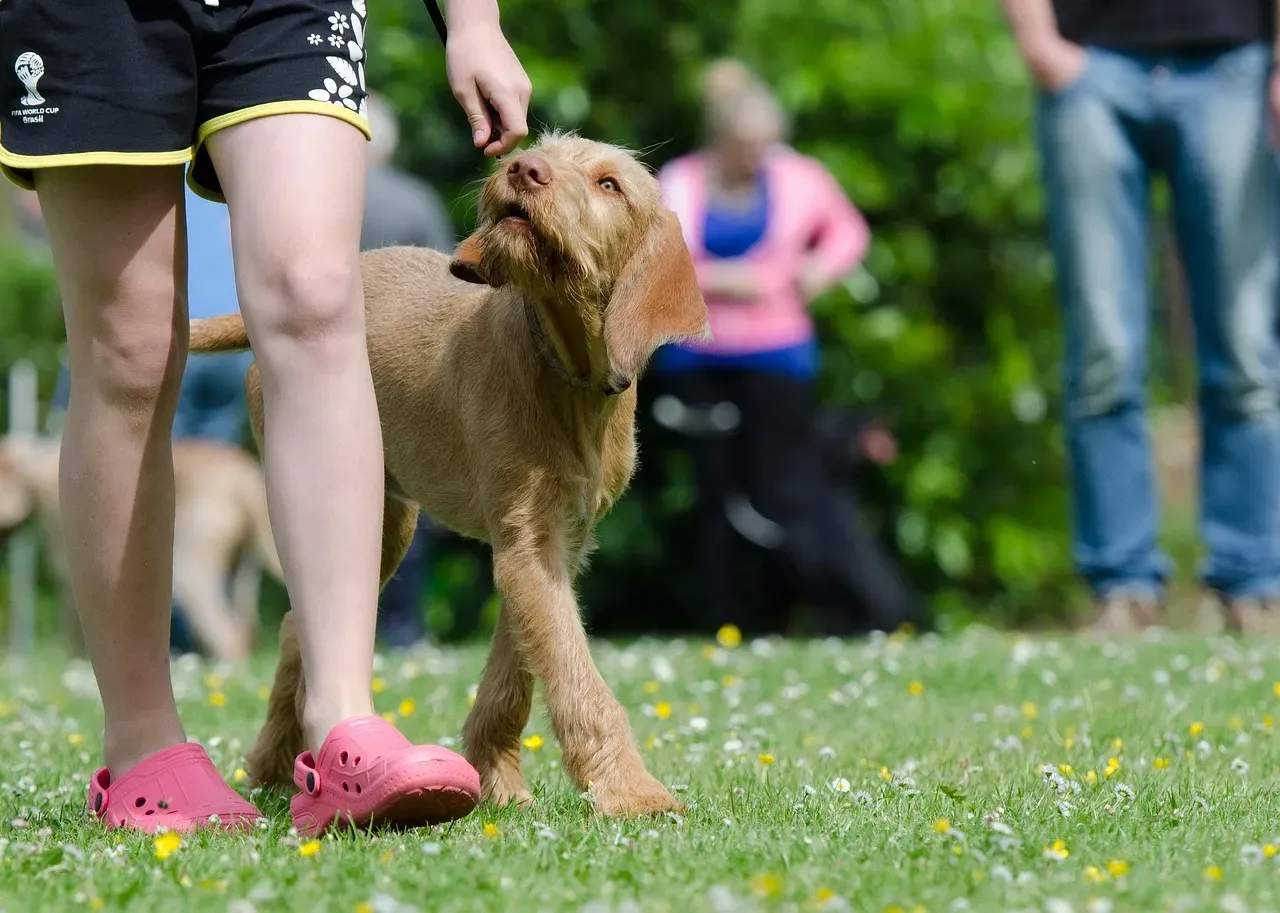
A dog that can walk past another dog without losing its mind isn’t naturally calm, it’s trained, and it usually takes dozens of real-world reps to get there. Retirees, with multiple daily outings, have the time to practice “leave it” against actual distractions instead of hypothetical ones.
Younger owners often only encounter other dogs during one rushed evening walk, never enough repetition to build real focus. Vets say this is where the “aggressive dog” label gets misapplied constantly, when the real issue is simply undertrained attention. Give any dog enough consistent practice and that reactivity quietly disappears.
#7 – They Understand Daily Routines Deeply
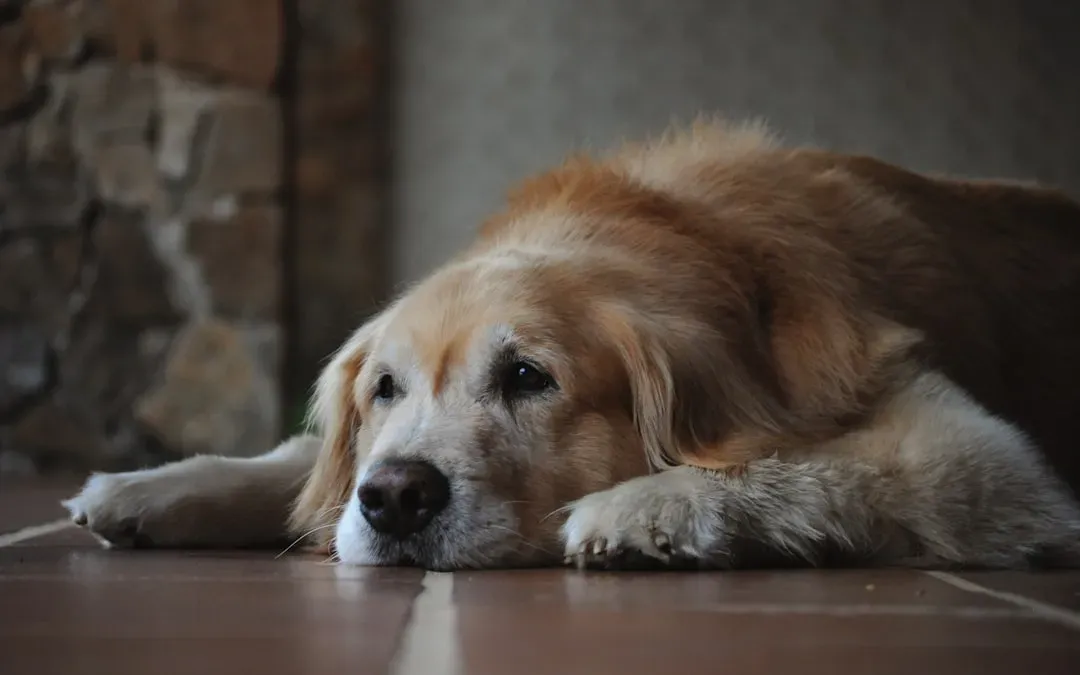
Retirees’ dogs seem to have an internal clock, settling into their bed minutes before a walk or meal is due, almost like they’re reading a schedule no one wrote down. That’s the quiet magic of a fixed routine that never wavers day to day.
Dogs raised in unpredictable households, where work hours shift constantly, stay subtly on edge, waiting for cues that never arrive at the same time twice. Vets report measurably lower stress markers during exams for routine-driven dogs. Predictability, it turns out, is its own form of comfort.
At a Glance
- Dogs on a consistent daily schedule tend to settle faster and show fewer stress signals.
- Meals, walks, and bedtime at the same hour reinforce a dog’s overall sense of security.
- Routine-driven dogs often self-soothe more easily during minor disruptions like guests or noise.
- Small daily rituals, like a designated settle spot, can reduce anxious pacing over time.
#8 – They Perform Multiple Tricks on Command
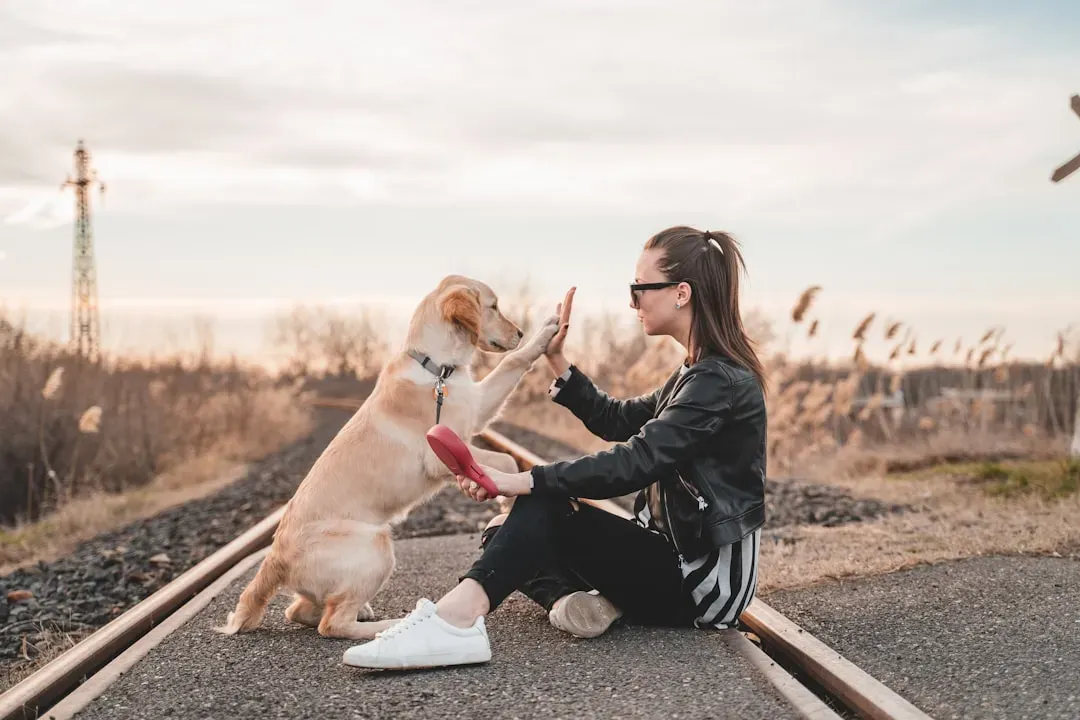
Give a retiree a lazy Tuesday afternoon and their dog will walk away knowing a new trick by dinnertime. Spin, bow, roll over, play dead, these sequences stack on top of solid obedience because training becomes a shared game rather than a rushed chore.
Younger owners, stretched thin, often stall out at basic sit and stay simply because there’s no time to layer anything more. Vets say the dogs that know four or five tricks in sequence almost seem to be having a conversation with their owner. That’s not talent, that’s hours nobody else had to spare.
#9 – They Stay Calm During Vet Visits
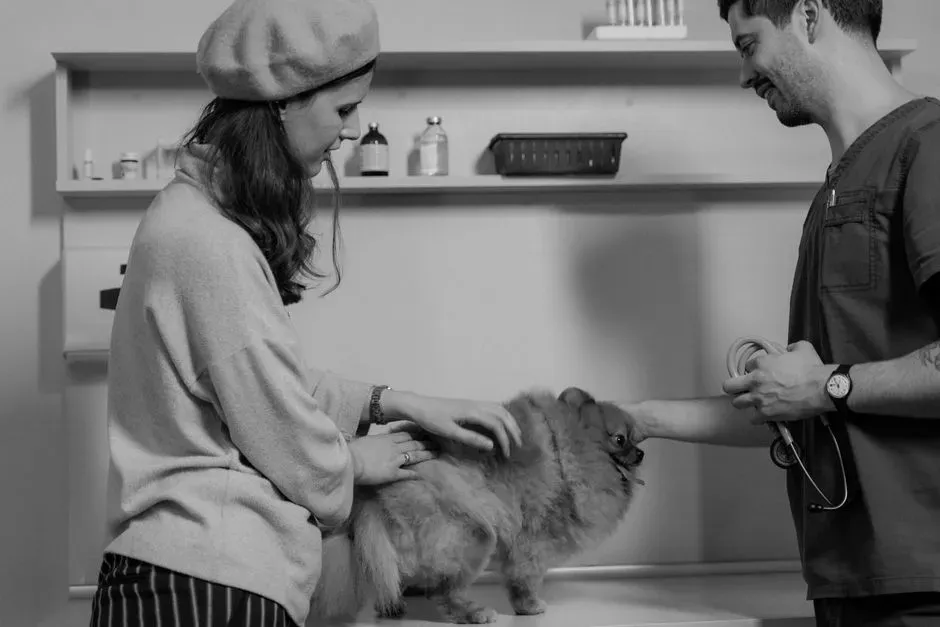
Some dogs shake and drool the second they smell a vet’s office. Others, mostly the retirees’ dogs, hop onto the table like it’s just another Tuesday. That calm comes from years of low-stakes car rides and at-home handling practice that mimics an actual exam.
Younger owners often only make the trip during emergencies, which means the vet’s office becomes permanently linked to fear and pain in the dog’s mind. Vets consistently say these dogs are faster, easier, and far less stressful to examine. It’s a small habit with a surprisingly large payoff for the dog’s whole life.
#10 – They Respect Boundaries Around Furniture

The “off the couch” rule either sticks or it doesn’t, and consistency is the entire difference. Retirees enforce it every single time because they’re physically present to catch the moment it happens, not an hour later when the couch is already claimed.
Younger owners, drained after a long workday, often let it slide just once, and once is all it takes to unravel months of training. Vets now cite this exact pattern as a leading reason retiree households report fewer behavior complaints overall. Boundaries that bend occasionally aren’t boundaries at all.
#11 – They Exhibit Lower Separation Anxiety
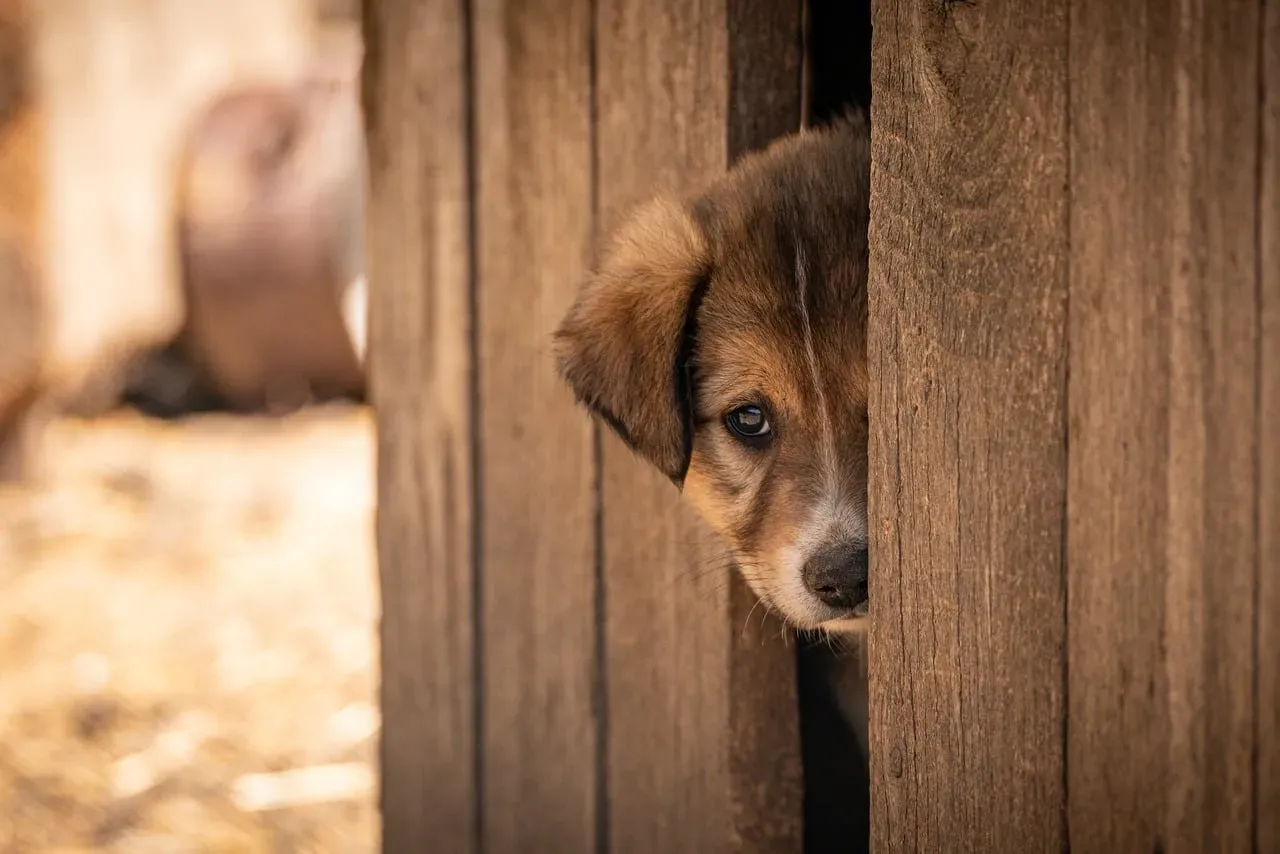
Constant companionship sounds like it should create clingier dogs, but vets say the opposite happens. Retirees’ dogs experience short, predictable absences early and often, learning that alone time ends and the owner always comes back.
Younger owners’ longer, less predictable workdays often skip that gradual exposure entirely, leaving dogs to panic the moment the door closes. Vets report noticeably fewer requests for anti-anxiety medication among retiree-owned pets. The lesson isn’t more time together, it’s smarter time apart.
Worth Knowing
- Gradual absence training often starts with just seconds away, slowly building up over several weeks.
- Skipping a big goodbye or greeting can help dogs stay calmer when owners leave or return.
- A puzzle toy or stuffed chew can turn alone time into something rewarding instead of stressful.
- Severe separation anxiety sometimes needs a vet-guided plan, not just more hours together.
#12 – They Respond to Hand Signals Alone
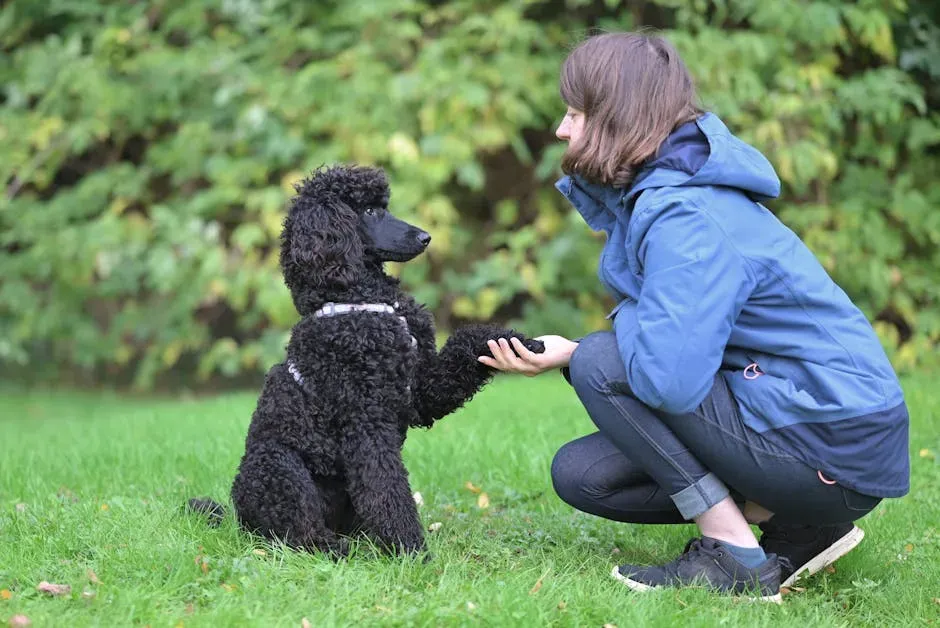
Watch a retiree train in near silence, a raised palm, a pointed finger, a dog dropping instantly into a down without a word spoken. That skill only develops through quiet, distraction-free sessions repeated over weeks, something busy households rarely schedule.
Younger owners tend to skip this layer entirely since verbal commands already work fine day to day. But vets point out how valuable hand signals become as dogs age and start losing their hearing. A dog that already knows the gestures never notices the silence creeping in.
#13 – They Navigate Stairs and Surfaces Confidently

A dog that carefully places each paw on an unfamiliar surface, tile, gravel, a wobbly deck board, isn’t naturally graceful, it’s practiced. Retirees supervise this kind of exploration daily, letting their dogs build real body awareness instead of being carried past every obstacle.
Younger owners, often in a hurry, tend to scoop their dogs over tricky spots, accidentally skipping a crucial learning step. Vets link this early caution training directly to fewer injuries as dogs enter their senior years. Confidence on four legs, it turns out, is built one careful step at a time.
#14 – They Accept Grooming Without Resistance
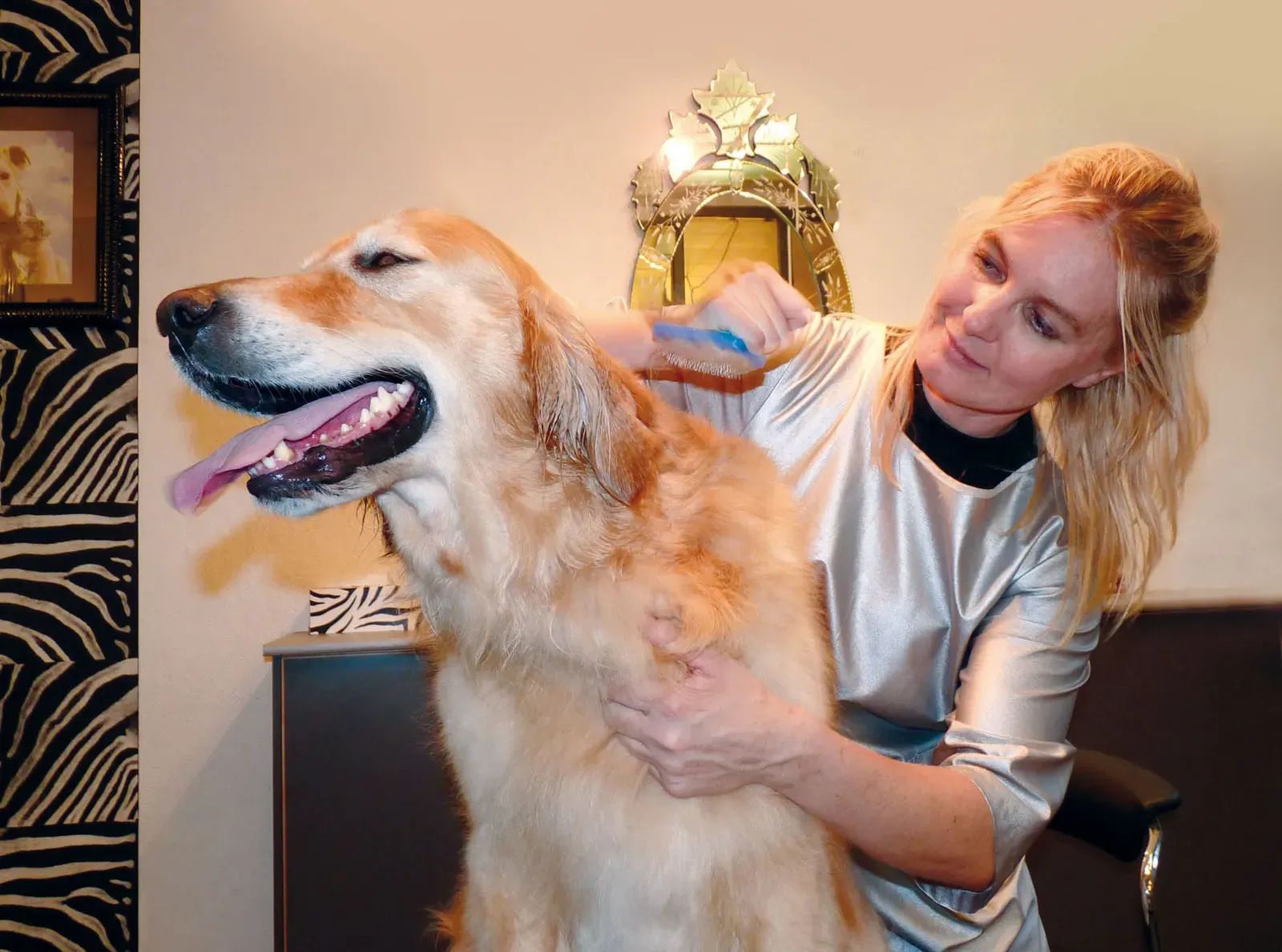
Nail trims send some dogs into a full meltdown. Retirees’ dogs often just stand there, bored, because grooming has been part of the routine in small, gentle doses since day one. A few seconds of brushing here, a nail or two there, repeated so often it stops registering as a big deal.
Younger owners frequently wait until mats form or nails click loudly on the floor, turning a simple task into a wrestling match. Vets say this single habit alone prevents a long list of downstream skin and ear problems. It’s a two-minute daily investment that saves hours of stress later.
Quick Compare
- Daily short grooming sessions: dog stays relaxed, nails and coat never reach crisis point.
- Occasional last-minute grooming: dog links brushing and nail trims with stress or restraint.
- Early, gentle paw and ear handling: fewer struggles at the vet or groomer down the road.
- Skipped routine care: mats, overgrown nails, and buildup that take far longer to fix.
#15 – They Form Deeper Bonds Through Shared Downtime
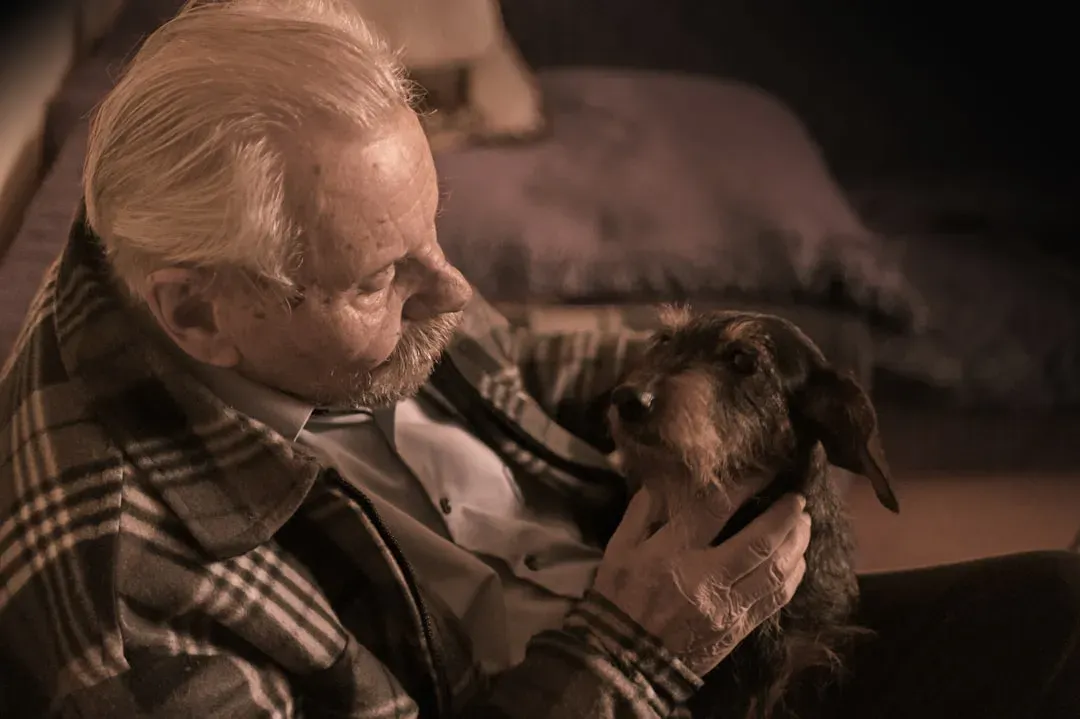
This is the one vets bring up almost wistfully. Retirees’ dogs learn to simply exist alongside their person, no agenda, no stimulation required, just quiet company on the couch or the porch. That shared stillness becomes its own kind of training, teaching the dog that calm is safe and connection doesn’t require constant activity.
Younger owners’ packed schedules rarely leave room for that kind of unstructured togetherness, and vets say it shows up as subtly higher anxiety over time. The bond itself becomes the foundation every other skill on this list is built on top of.
Dogs are not our whole life, but they make our lives whole.
Roger Caras
The Bottom Line
None of this comes down to luck, love, or even skill in the traditional sense. It comes down to time, unhurried, repeated, patient time, something retirees simply have more of and younger owners are still fighting to find.
That’s not a knock on busy owners. It’s a reminder that a dog’s best behaviors aren’t downloaded overnight through an app or a clever gadget, they’re built slowly, the same way trust is. If there’s a lesson here worth stealing, it’s this: block out ten unhurried minutes a day, every day, and watch how fast your dog starts closing the gap. Did we miss one your dog already mastered? Drop it in the comments.


