
15 Things Vets Always Notice About a Dog in the First 60 Seconds That Owners Take Years to See
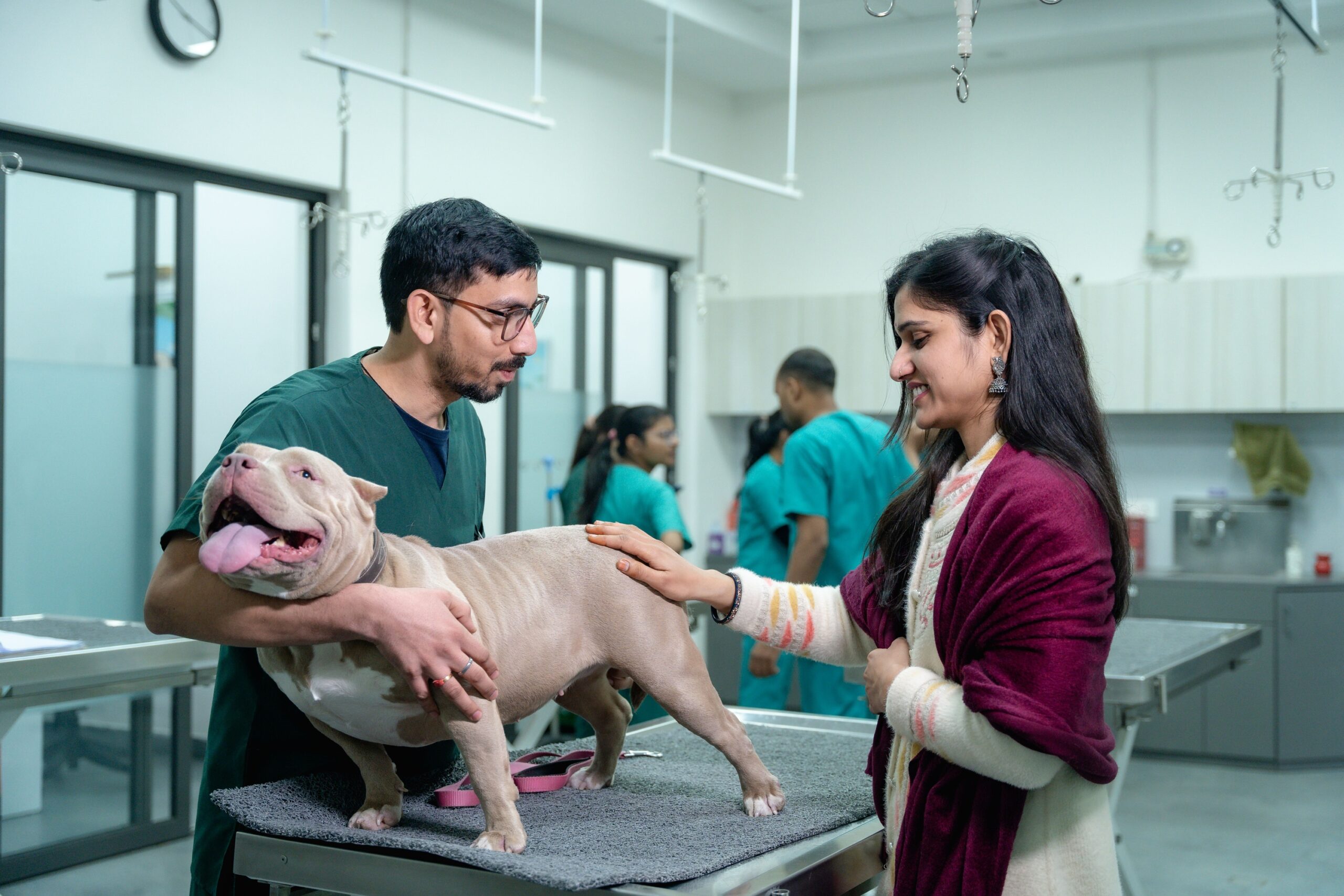
If you’ve ever watched your vet walk into the exam room, glance at your dog, and somehow already know what’s going on before they even touch them, it can feel almost spooky. In reality, those first 60 seconds are less magic and more like a highly trained radar: decades of pattern-recognition packed into a single minute.
As a dog owner, you’re with your pup every day, which weirdly makes it harder to notice slow, sneaky changes. Vets, on the other hand, are trained to scan posture, coat, breathing, weight, and even how your dog looks at you, and they interpret it all like a silent conversation. Let’s pull back the curtain on what they’re really seeing so you can start noticing it too.
1. Overall Body Posture: Confident, Stressed, or in Pain?
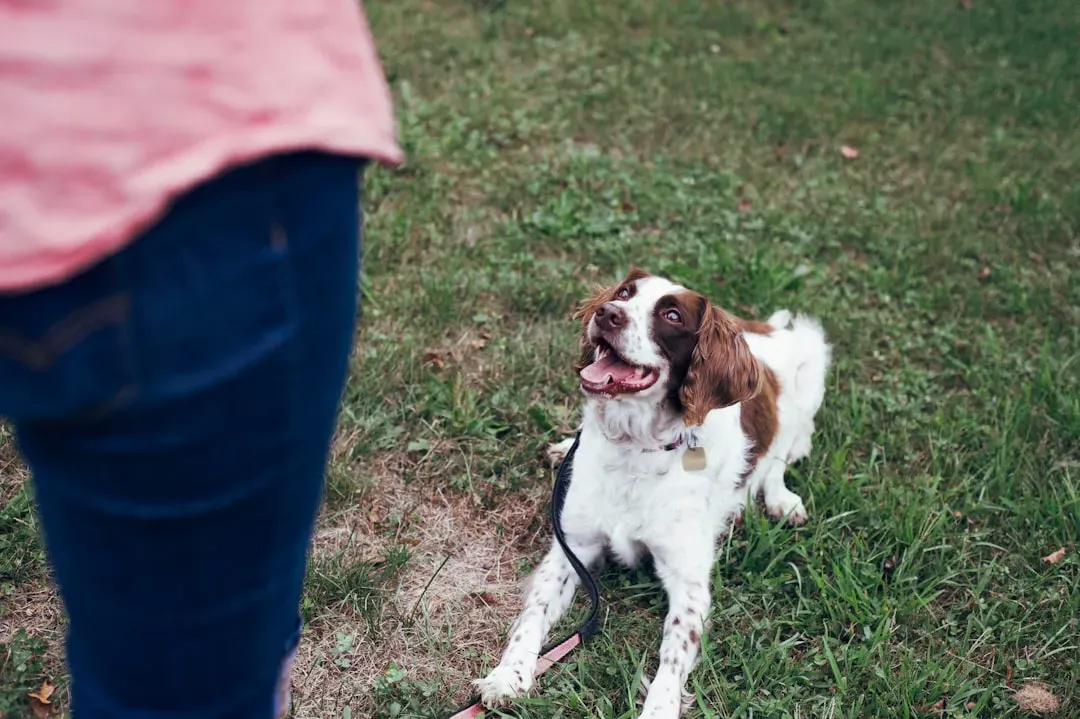
Within a few seconds of walking in, most vets have already clocked your dog’s whole-body posture: are they loose and wiggly, frozen and low, or stiff and guarded? A relaxed dog usually has a soft stance, slightly bent knees, and a gentle wag that moves their whole back end, while a worried or painful dog may look hunched, tense, or seem to shrink into themselves.
Owners often assume a dog is just “shy” or “stubborn,” when that compressed posture can actually be anxiety or discomfort. Vets are trained to connect the dots: a dog leaning forward but keeping weight off one leg, or a dog that sits crooked every single time, might be protecting a painful joint, back, or abdomen rather than just having a quirky way of standing.
2. Gait and Movement: Limping You Don’t Notice Anymore
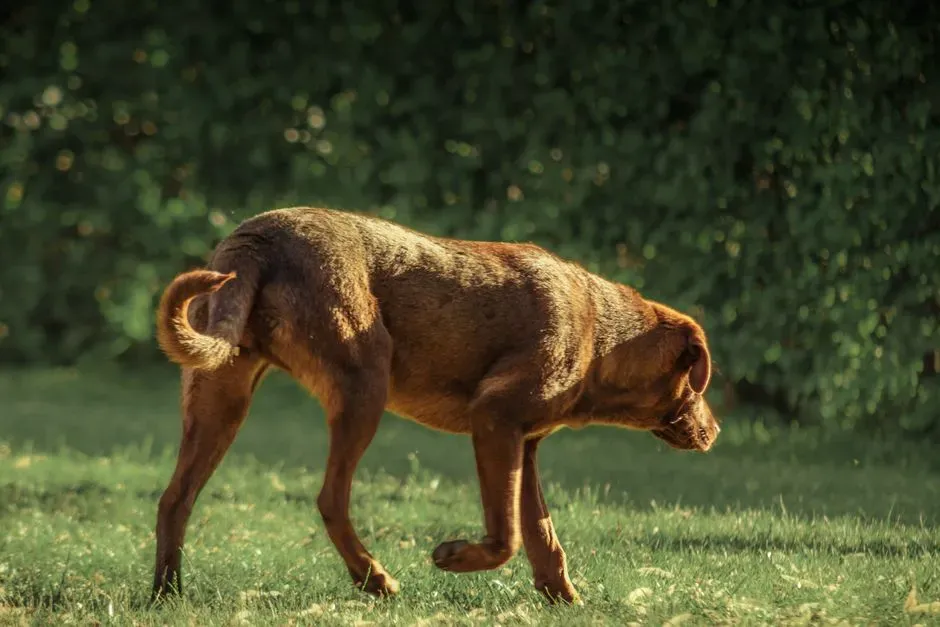
Vets pay close attention to how your dog walks into the room, even if it is just a few steps on the floor. Is one paw landing more softly, is the head bobbing slightly, or does the back hip swing out in a funny way? These are subtle signs of early arthritis, hip dysplasia, cruciate ligament strain, or even neurological issues.
Because you see your dog daily, tiny changes blend into the background, the way you stop noticing a slightly crooked picture frame at home. A vet’s fresh eyes pick up on that uneven step or hesitation on slick floors, and they know from experience that catching those early can mean years of better mobility instead of waiting until a big, dramatic limp shows up.
3. Body Condition Score: Overweight, Underweight, or Just Right?

One of the first things vets silently register is your dog’s body condition: not just weight on a scale, but fat coverage over ribs, waistline from above, and abdominal tuck from the side. Many owners see a slightly chubby dog as “cute” or “normal,” especially because so many modern dogs are heavier than is ideal.
Vets, though, are trained to think in terms of joint strain, diabetes risk, breathing difficulty, and reduced lifespan. If the ribs are buried under padding, the waist is missing, or the back feels like a padded couch instead of a sleek frame, your vet is already mentally filing that away. They know that even being just mildly overweight can quietly shave years off a dog’s life, and they often see this before owners even realize there is a problem.
4. Coat and Skin Quality: The Dog’s External Health Report
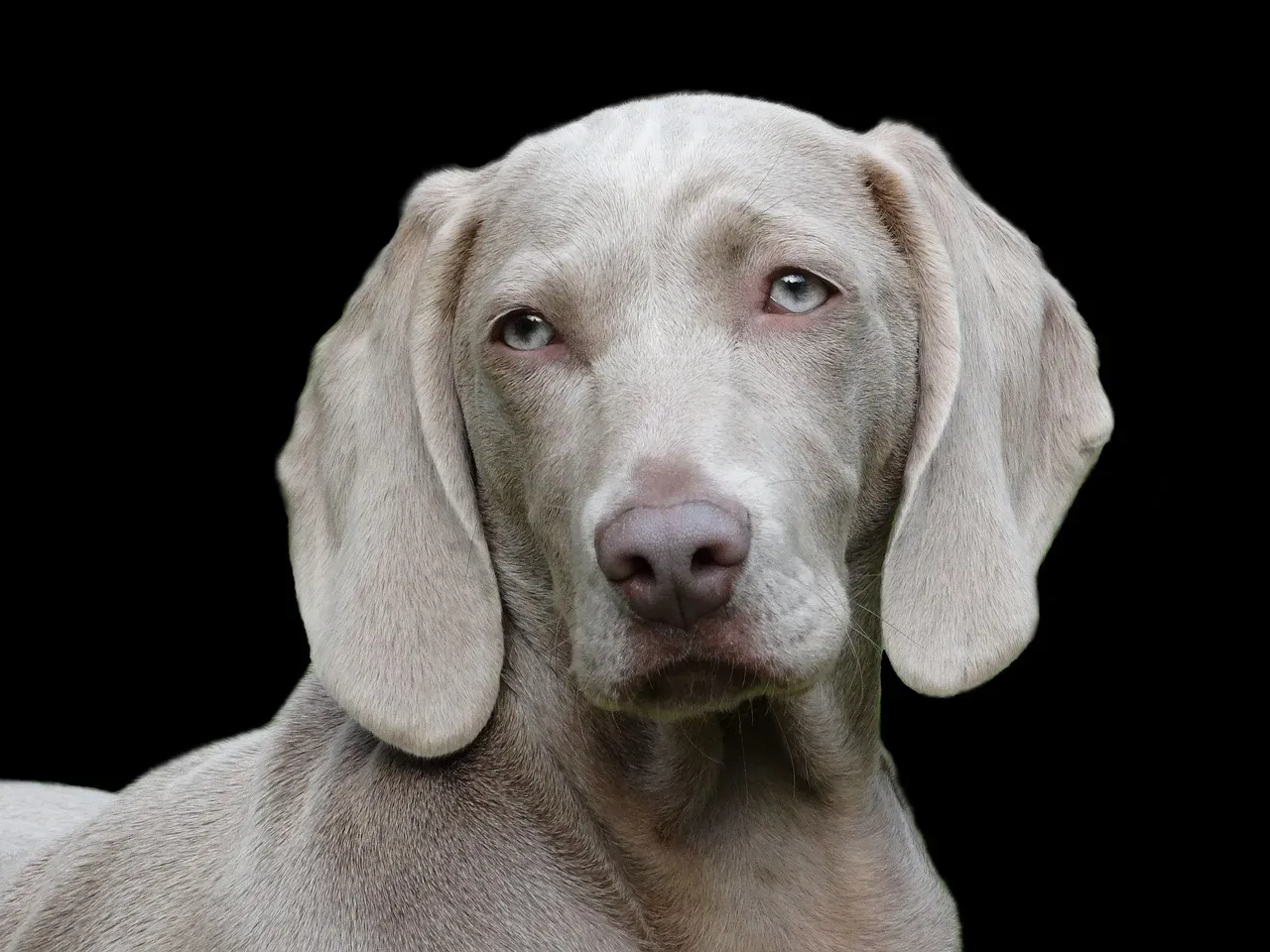
In that first minute, vets take in whether the coat looks shiny or dull, greasy or dry, patchy or full. They notice if there is dandruff along the back, staining around the paws from licking, or tiny scabs near the tail. To them, the skin is like a billboard advertising what is going on inside: allergies, hormonal problems, parasites, or nutritional imbalances often show up here first.
Owners may only notice scratching once it becomes constant or when hair loss is dramatic. Vets, on the other hand, pick up early warning signs: a subtly thinning tail base, thickened skin on the belly, or fur that has shifted from glossy to lifeless. They know that catching these early makes treatment gentler, more effective, and often less expensive than waiting until the skin is a full-blown mess.
5. Eyes: Clarity, Brightness, and Hidden Discomfort
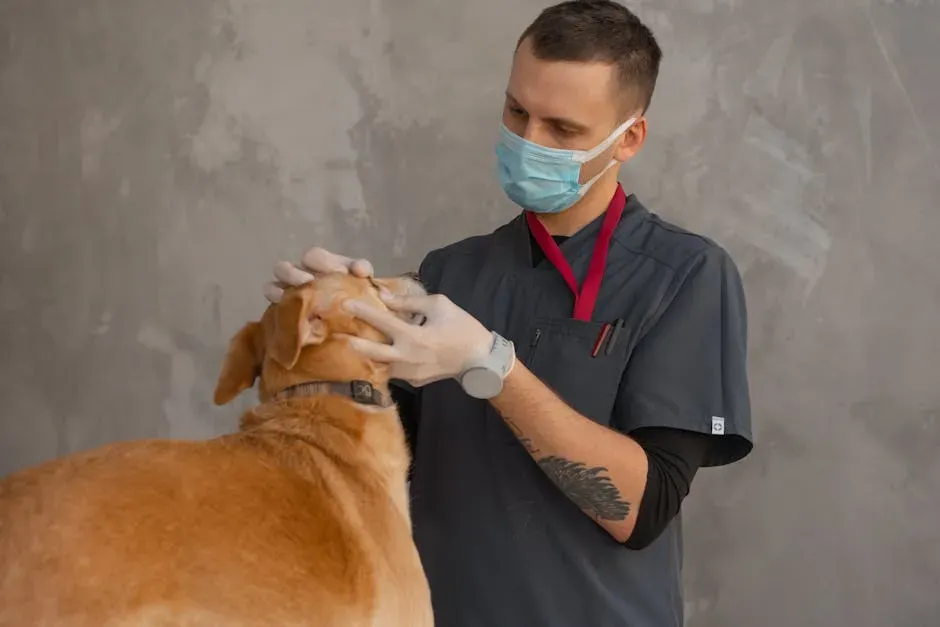
Most vets will meet your dog’s eyes almost immediately and register a surprising amount of information. Clear, bright eyes with no cloudiness, redness, or discharge usually signal comfort, but subtle haze, squinting, or a sticky buildup in the corners can suggest pain, dry eye, infection, or early age-related changes.
Owners may chalk up squinting or slight cloudiness to “just getting older,” but vets know that certain eye issues are urgent and painful, even if the dog is quiet about it. That half-blink, light sensitivity, or habit of rubbing the face on the carpet can be a red flag that your dog is not just being quirky – they might be dealing with a constant, burning discomfort that they can’t tell you about.
6. Ears and Odor: Silent Signals of Chronic Trouble
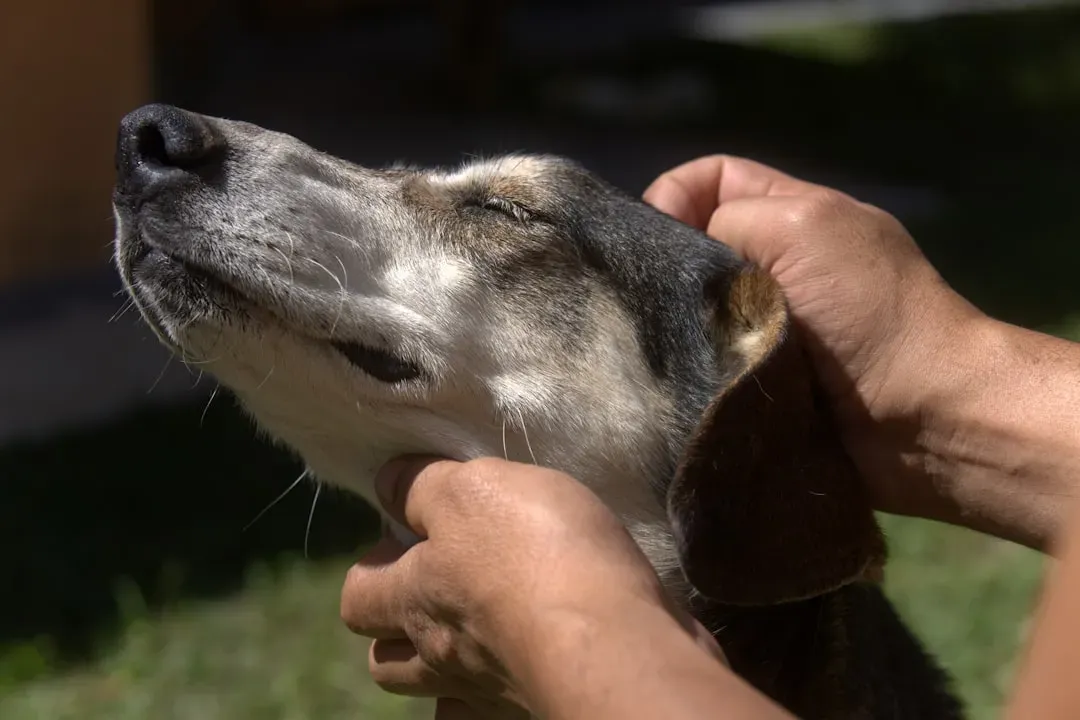
While they are greeting your dog, many vets do a fast, almost invisible check of the ears: are they red at the opening, waxy, or have a yeasty or sour smell? Dogs with chronic ear issues often act completely normal day to day, but their ears quietly show the story of long-term allergies or ongoing low‑grade infections.
Owners sometimes only react when the dog starts shaking their head nonstop or crying when scratched. Vets, however, are tuned into the early clues – like a dog that flinches when the ear is touched, or an ear canal that already looks thickened. That fast sniff and glance can tell them whether this is a one-time ear flare-up or the tip of a deeper allergic iceberg.
7. Respiratory Rate and Effort: How Hard Is Breathing, Really?
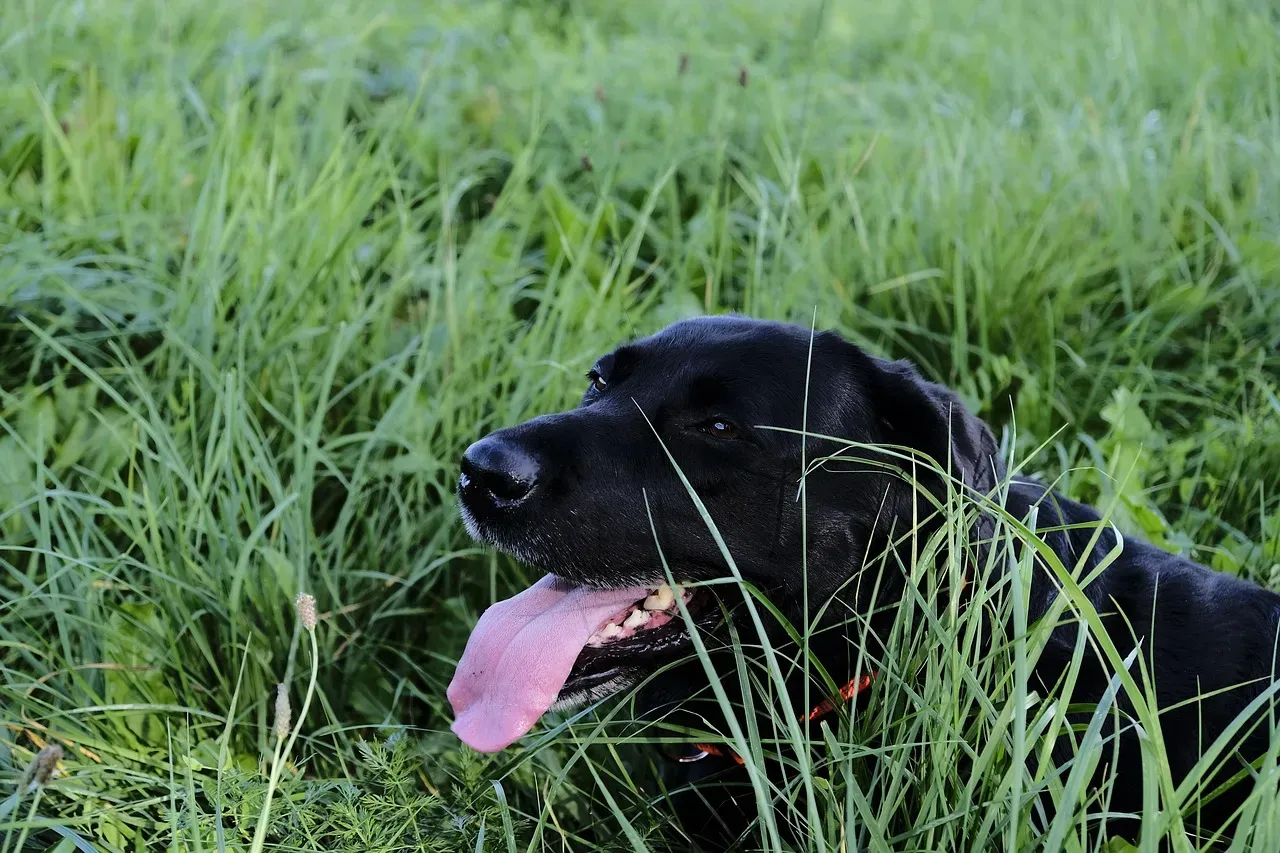
Even while they are chatting with you, vets are counting breaths and watching how your dog’s chest moves. Is the breathing slow and easy, or slightly faster and more shallow? Are the nostrils flaring, does the abdomen work harder with each breath, or is there a faint whistle or snore sound even when your dog is awake?
Many owners get used to noisy breathing, especially in flat‑faced breeds, and see it as part of their dog’s charm. Vets see something different: they see a dog who may be living right on the edge of respiratory compromise, especially in heat, excitement, or with weight gain. That quick scan lets them identify dogs who might be at risk for heatstroke, airway collapse, or serious trouble during anesthesia long before a crisis occurs.
8. Heart Rate and Circulation: Gum Color and Pulse Quality
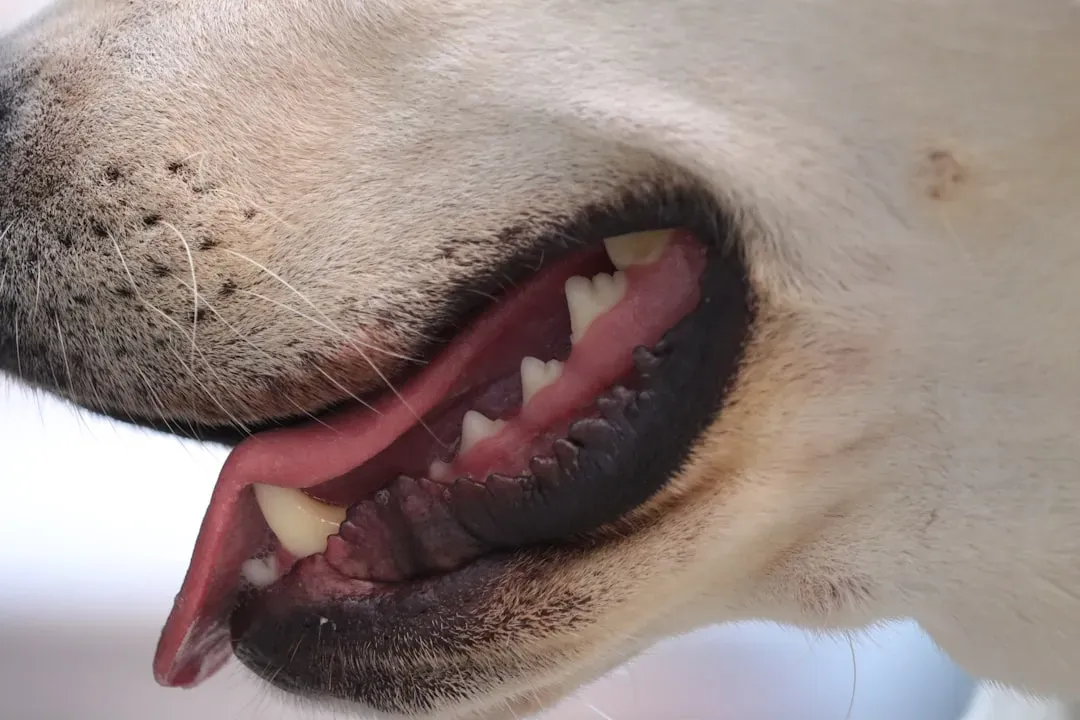
It looks simple when a vet casually lifts your dog’s lip or gently presses on their gums, but that tiny move is packed with information. They are checking gum color, moisture, and how fast the pink returns after a light press – because slow refill, pale gums, or a bluish tinge can signal hidden issues with circulation, blood loss, anemia, or heart disease.
Most owners only look in their dog’s mouth to check teeth or smell their breath, not to assess blood flow. Vets, on the other hand, use the gums like a quick-access window into the cardiovascular system. Paired with a subtle feel of the pulse at the inner thigh, they can catch early concerns like abnormal heart rhythms or poor perfusion that you would never notice in everyday life.
9. Facial Tension and Micro‑Expressions: The Pain Face

There’s a reason many vets talk about a “pain face” in dogs: it is real, and they notice it within moments. Tightened muscles around the eyes, furrowed brow lines, pinned-back ears, or a tense jaw can all indicate pain or nausea, even when the dog is not whining or limping. Sometimes the only hint is that the eyes look a bit squintier or the expression is strangely distant.
Because you know your dog as playful or stoic, slow shifts in expression are easy to overlook. Vets, who see thousands of dogs in pain every year, develop a mental template for what discomfort looks like. When your dog’s face matches that template, even a little, they are already considering causes: dental pain, joint disease, abdominal discomfort, or something more serious brewing below the surface.
10. Behavior Toward You: The Human–Dog Relationship Snapshot
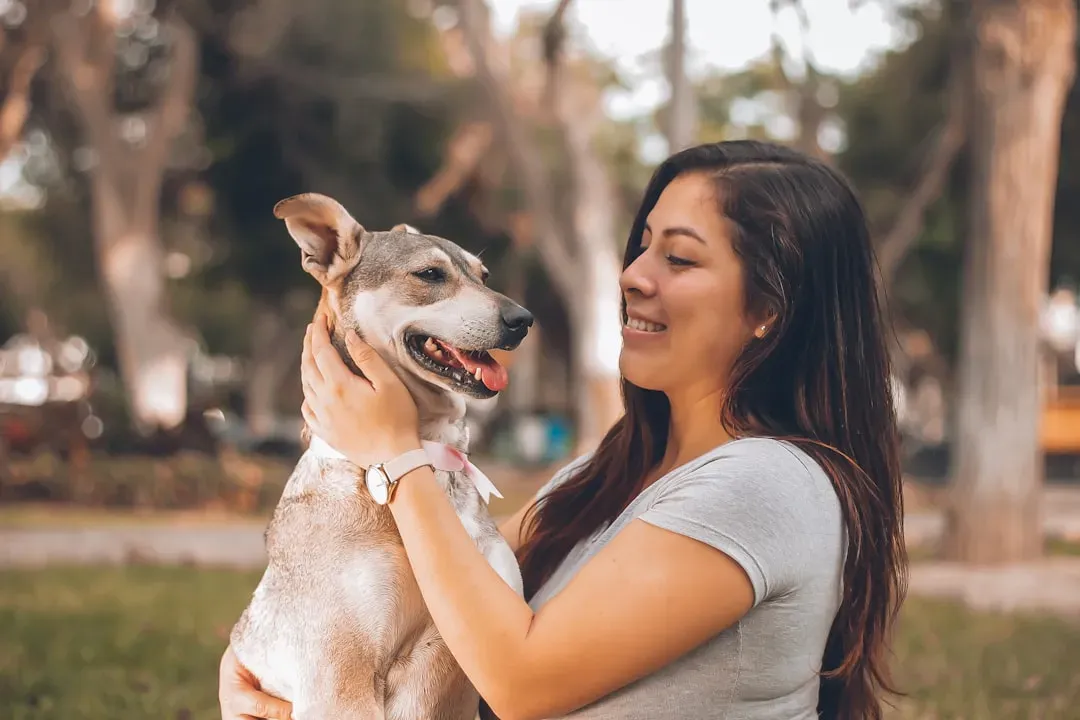
One thing vets always clock is how your dog looks at you and responds when they are uncertain. Do they check in with you for reassurance, press close to your leg, or try to hide behind you? Or do they completely ignore you, seem disconnected, or act panicked despite your attempts to soothe them?
This quick read is not about judging your bond but about understanding your dog’s emotional world and coping style. A dog that trusts their person often glances back for cues, while a dog with chronic stress, inconsistent handling, or past trauma might show avoidant or hypervigilant behavior. That first-minute snapshot helps your vet decide how gently to move, how much time to take, and even how to phrase advice so it supports both you and your dog instead of overwhelming you.
11. Age Versus Energy: Does the Dog Match Their Years?
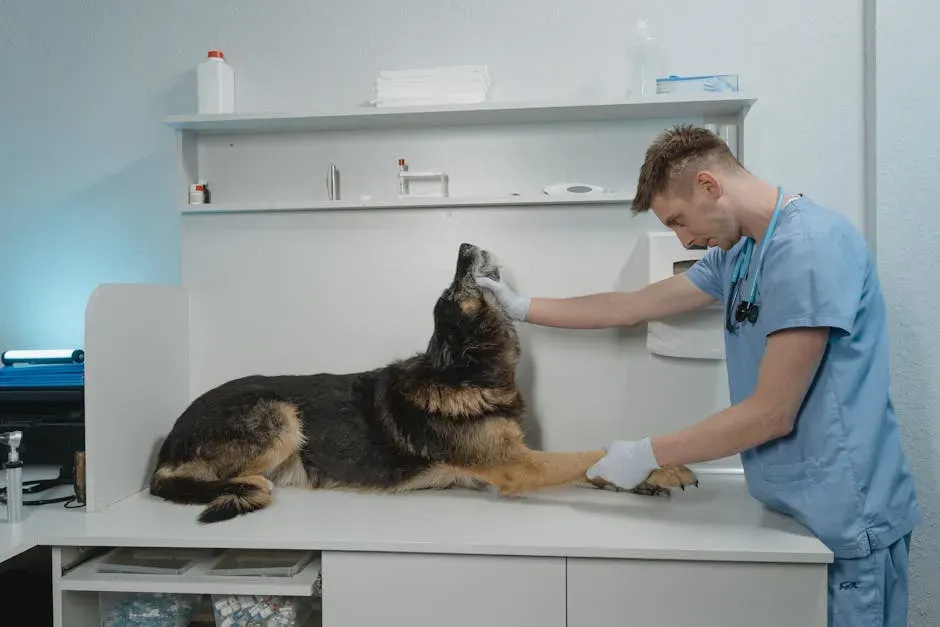
In the opening minute, many vets mentally compare what you wrote on the form – your dog’s age – with how the dog actually moves, reacts, and engages. A senior dog who still bounces and offers play bows may be aging very gracefully, while a middle‑aged dog who moves stiffly, avoids jumping, or seems mentally “flat” may be older biologically than they are on paper.
Owners sometimes normalize low energy, writing it off as “just getting older,” when it can be a symptom of pain, low thyroid function, chronic disease, or even emotional burnout from constant stress. Vets pay attention when the age–energy equation does not quite add up. That mismatch often pushes them to ask extra questions, run certain tests, or talk about lifestyle changes that can give your dog more good years instead of just more years.
12. Social Signals and Stress Language: Is This Fear or Aggression?
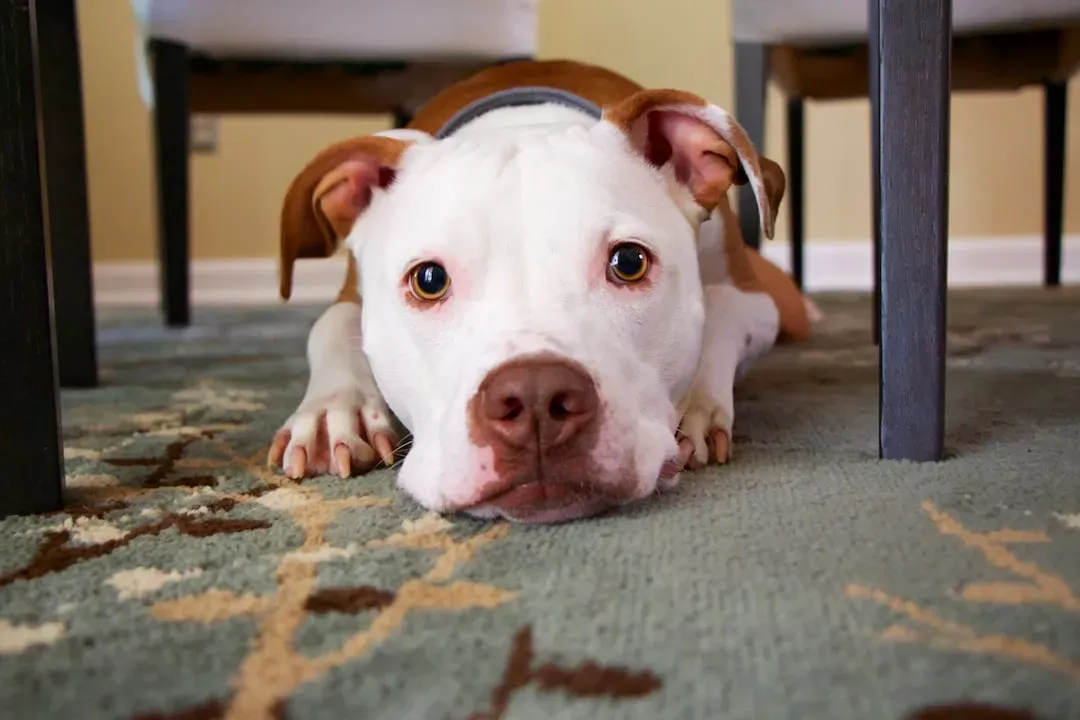
When a dog growls, lunges, or hides, many owners immediately feel embarrassed or label their dog as “aggressive.” Vets, however, are watching the full stress language in that initial minute: lip licking, yawning in a tense way, whale eye, tail tucked under, paw lifts, or freezing. These are often signs of fear and confusion, not malice.
Understanding that distinction matters because a fearful dog needs a different handling plan than a truly confident, offensive dog. A vet reading those signals accurately can slow things down, change the environment, or suggest behavior support rather than just blaming the dog’s personality. Owners are often relieved to learn that what they thought was “bad behavior” is actually a dog saying, in every way they know how, that they are overwhelmed.
13. Dental Health: More Than Just “Dog Breath”
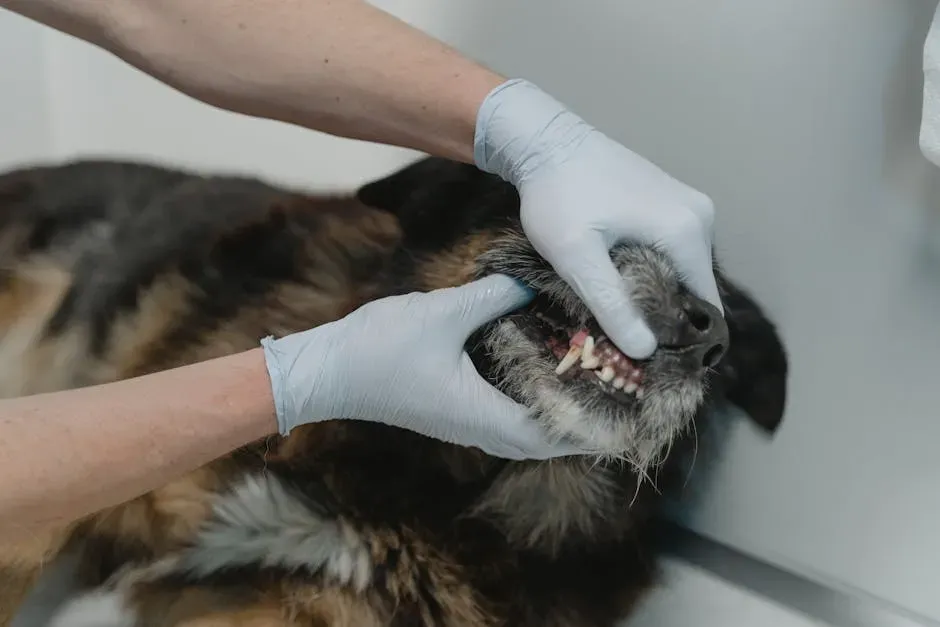
As soon as your dog pants or opens their mouth, vets catch a wave of information: smell, tartar buildup, gum color, and tooth wear. Many people accept smelly breath and yellow teeth as inevitable, but vets know that chronic dental disease is essentially a slow, constant infection in the mouth that can affect the heart, kidneys, and overall comfort.
That first glance might reveal red, inflamed gums, cracked teeth, or heavy buildup that has likely been brewing for years. Dogs rarely stop eating just because their mouth hurts; they adjust, suffer quietly, and keep going. Vets see past that brave face and recognize dental disease as a major quality‑of‑life issue, not a cosmetic detail that can be postponed forever.
14. Subtle Neurological Clues: Coordination, Reflexes, and Awareness
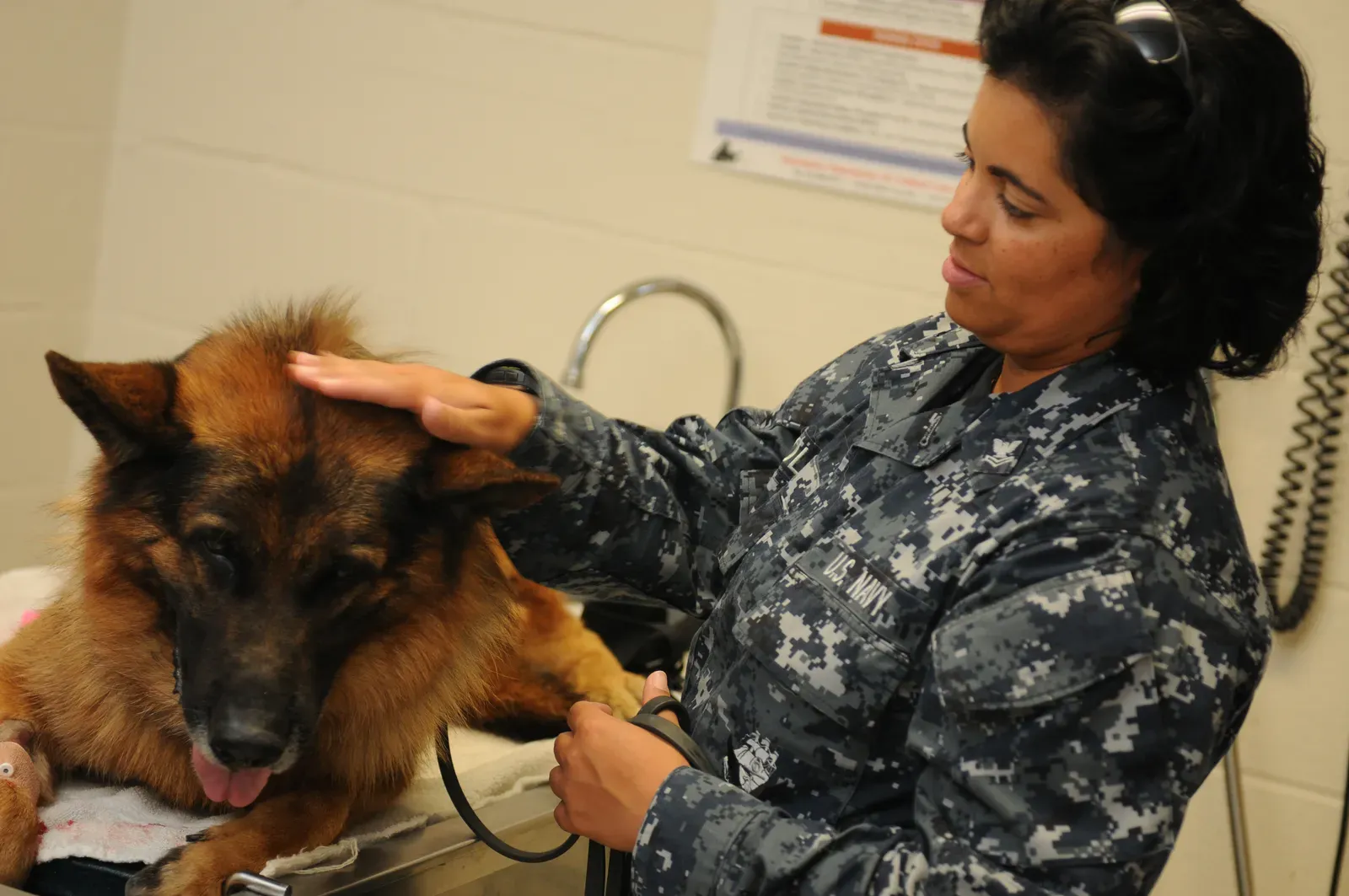
Even while greeting your dog, a vet might gently move a paw, touch along the spine, or watch how your dog turns and reorients in the small space of the exam room. Are the paws being placed accurately? Does the dog correct their footing quickly or leave a paw slightly knuckled under? Is the head tilt subtle but persistent when they focus on you?
These tiny signs can hint at early nerve problems, spinal issues, or even brain disease that may not yet be obvious at home. Owners often notice only the big events – like stumbling, collapse, or dramatic seizures – while vets are trained to respect the whispers before the body starts shouting. Catching those whispers early means a better chance at slowing progression, planning safe activities, and preventing sudden crises.
15. The “Gut Feeling” Blend: Pattern Recognition You Don’t See
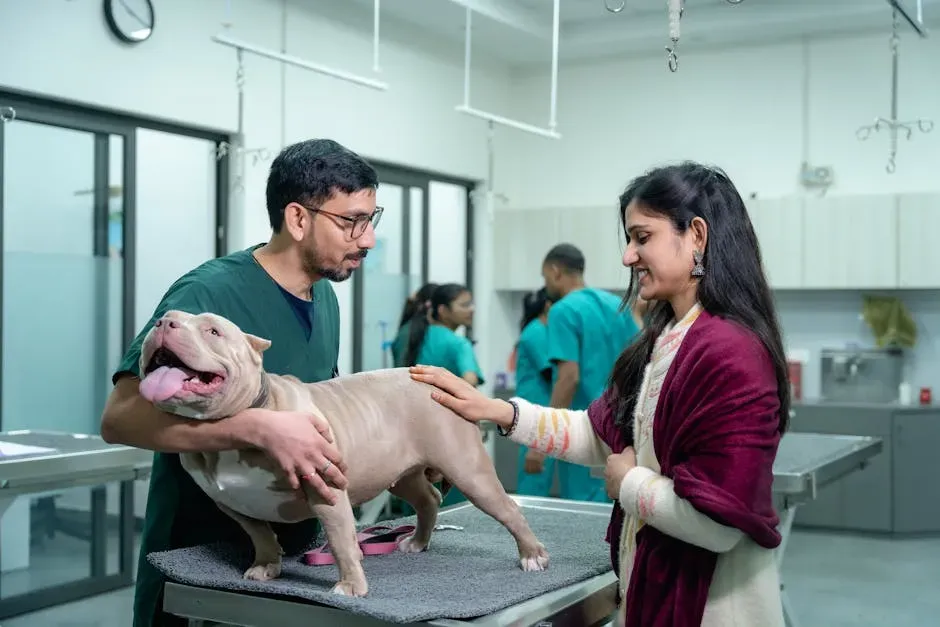
In that first 60 seconds, vets are not just checking a list – they are blending hundreds of small cues into one big “something is off” or “this dog is doing well for their age” impression. It is posture, smell, breathing, eyes, coat, behavior, and age, all layered over years of experience. That gut feeling is not mystical; it is the brain rapidly comparing your dog to thousands they have seen before.
As an owner, you might feel that this instinctive judgment appears out of nowhere, but you can start to build a similar awareness by observing your dog in a more systematic way: watching how they walk, feeling their ribs, checking their gums, noticing their usual expression, and treating any change as meaningful. Over time, you become less of a passenger and more of a partner in spotting the early signs that your vet sees almost instantly.
Conclusion: Seeing Your Dog the Way Your Vet Does
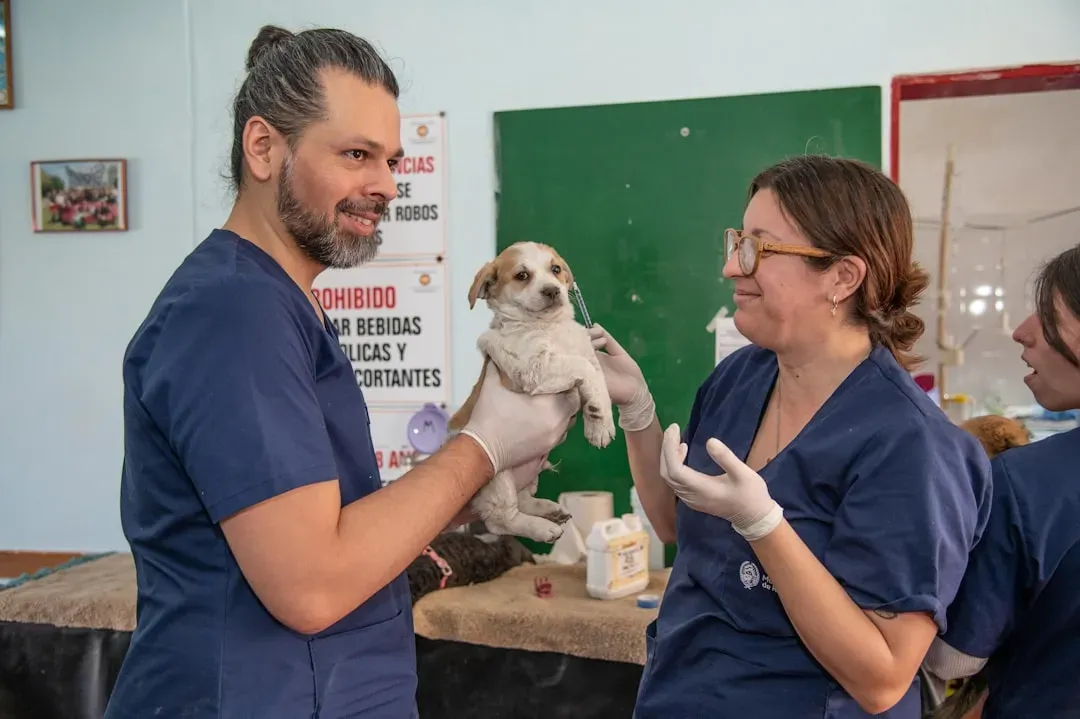
Once you know how much a vet can read in that first minute, it is hard to unsee it – and that is a good thing. Instead of waiting for obvious problems, you can start paying attention to the quiet signals: the slightly stiffer walk in the morning, the duller coat, the heavier breathing on hot days, the way your dog leans on one side when they sit. These are not overreactions; they are the early chapters of a story you now know how to read.
In my own experience, the moment I started looking at my dog through this “vet lens,” I caught things months earlier and felt far less helpless when something was wrong. You do not need a medical degree to notice change – you just need curiosity, consistency, and the willingness to trust your instincts when something feels off. The real question now is this: the next time your dog walks into a room, what will you see that you used to miss?