
15 Ways an Aging Dog Stays Close in the Time It Has Left
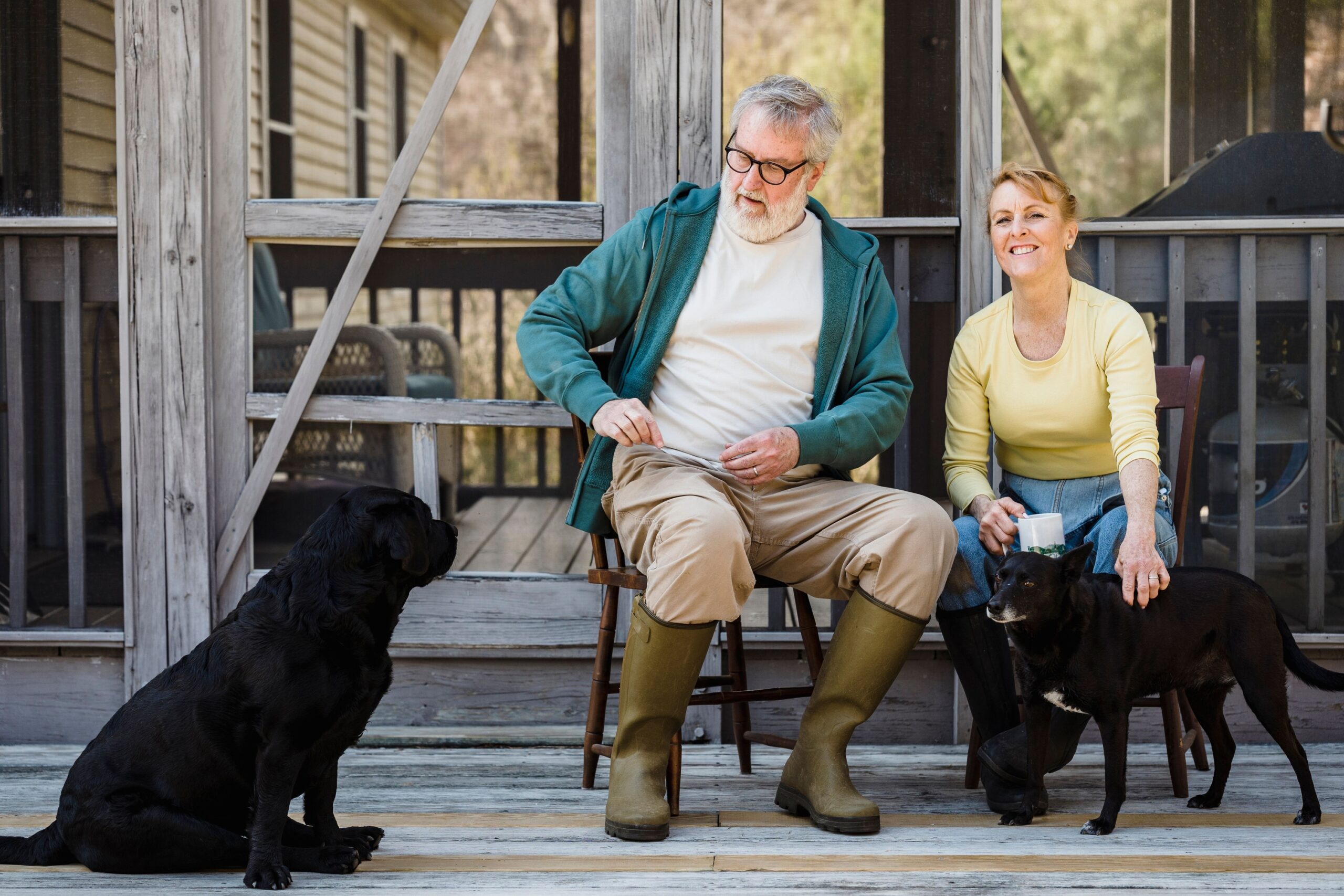
Most people assume that when a dog starts slowing down, it’s quietly checking out – pulling away, sleeping more, needing less. That assumption is almost completely backwards. Aging dogs often cling harder than they ever did as puppies – they just say it in a language most owners never learned to read.
The extra stare from across the room. The paw that has to touch you before sleep comes. The strange new habit that showed up out of nowhere last month. These aren’t random quirks of getting old. They’re something closer to last, loud love letters, written in behavior instead of words – and once you know what to look for, you’ll never see your gray-muzzled best friend the same way again.
#15 – The Way They Start Shadowing You Everywhere

One of the clearest signs your aging dog is clinging closer is the “little shadow” routine. Every time you stand up, those old joints creak into gear and they follow – bathroom, kitchen, laundry room, it doesn’t matter where you’re going.
Geriatric dogs often develop stronger attachment behaviors as their world shrinks and you become their main source of safety. It isn’t clingy in a childish way; it’s a survival strategy wrapped in devotion. You’ll notice it most when the house goes quiet – they sleep until you move, then trail behind, settling just close enough to keep you in sight. Some owners call it annoying. Trainers call it something closer to a quiet vow: if time is short, I’m not wasting a second of it away from you.
Fast Facts: Signs of “Shadowing” Behavior
- Following you from room to room, even up short flights of stairs
- Waiting by doors until you return instead of resting elsewhere
- Waking briefly each time you move, then settling only once you’ve stopped
- Choosing a spot within eyesight of you over a favorite, more comfortable bed
#14 – Their New Obsession With Physical Contact
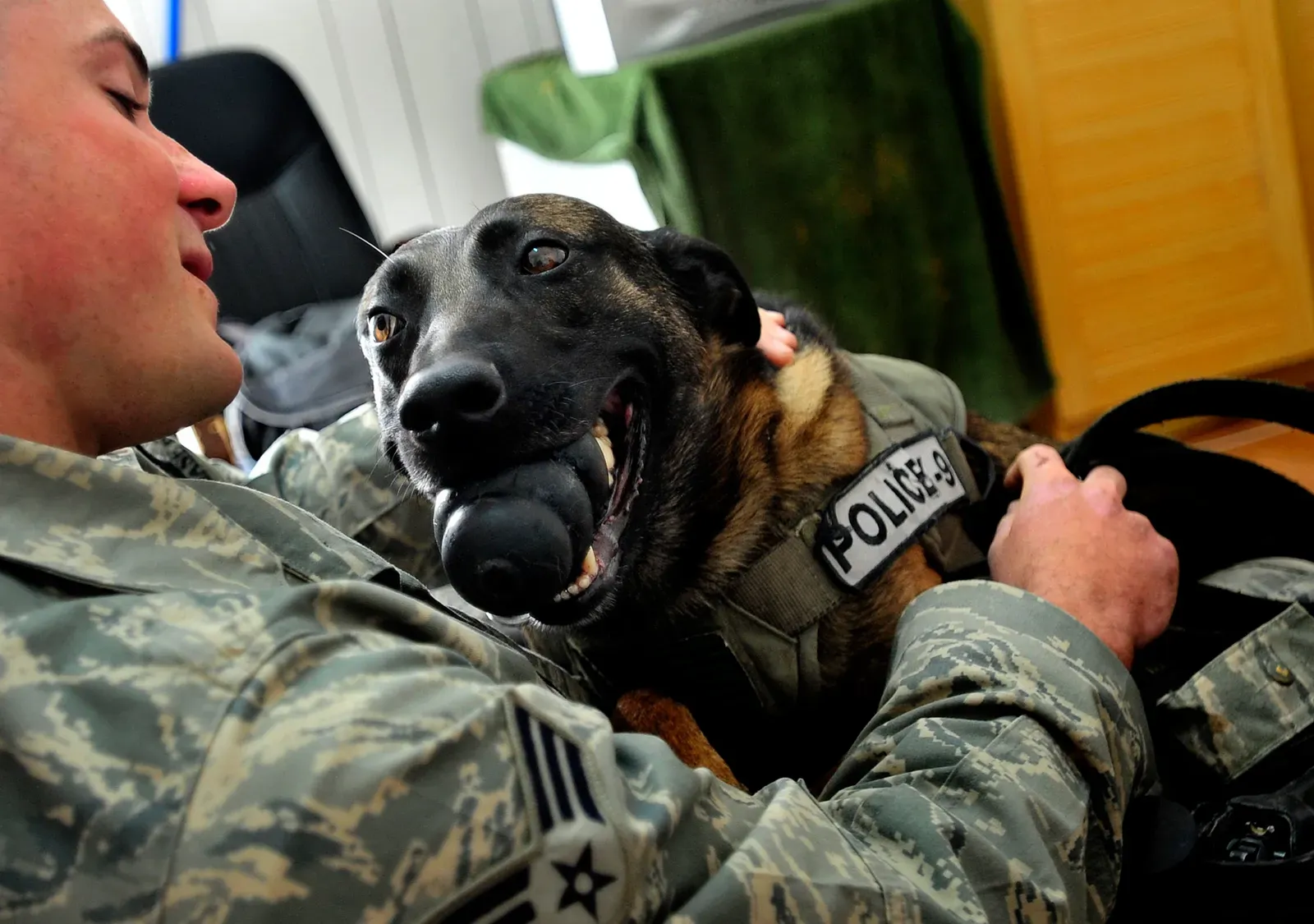
A lot of owners miss this one, but it’s one of the most tender shifts of all. Older dogs often care less about play and more about touch – a nudge against your hand, their full weight leaning into your leg, a tighter curl beside you at night.
Many senior dogs start needing literal contact – a paw on your foot, a head on your lap – just to feel calm. It’s a quiet, constant check-in: you’re still here, I’m okay. You might notice new rituals too: insisting on the couch, wedging closer in bed, gently pawing at you if the petting stops “too soon.” People sometimes call this spoiling a dog. It’s the opposite – it’s an old dog trying to hold onto its anchor as its senses start to dull.
#13 – The Deep, Long Stares That Feel Almost Human
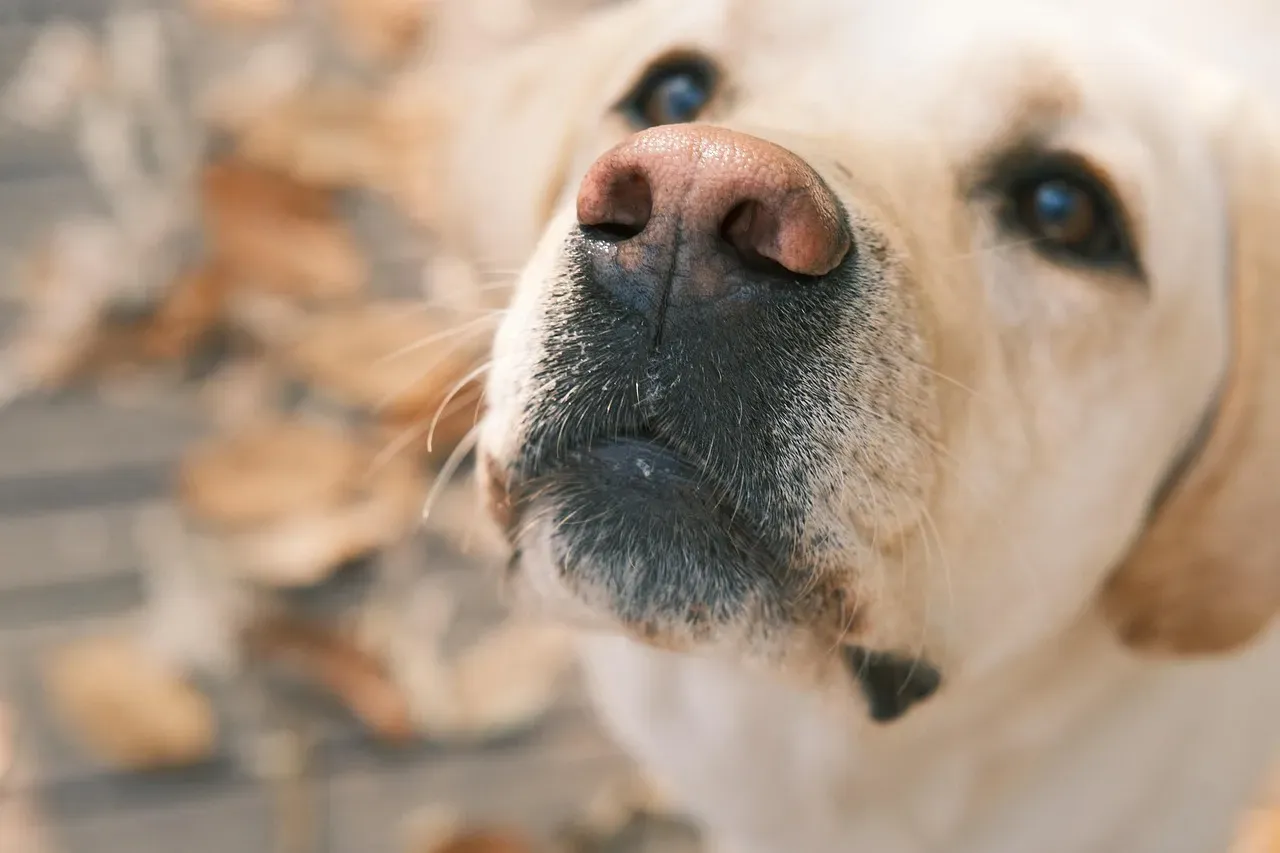
That weird, too-long eye contact you’ve been getting lately? That’s not nothing. As dogs age, they tend to become less frantic and more reflective – you’ll catch them just looking at you, no toy in their mouth, no obvious need, just a steady, searching gaze.
Many behaviorists believe this prolonged eye contact is a bonding behavior that raises oxytocin – the “love hormone” – in both dog and human. With seniors, those stares carry more weight. It can feel like they’re memorizing your face. Sometimes a long sigh follows and they settle down; other times they inch closer, still watching, as if confirming you’re real. Call it projection if you want. The mutual gazing itself is measurable, and it remains one of the strongest social glues between dogs and their people.
#12 – How They Change Their Sleep Habits Just to Be Near You
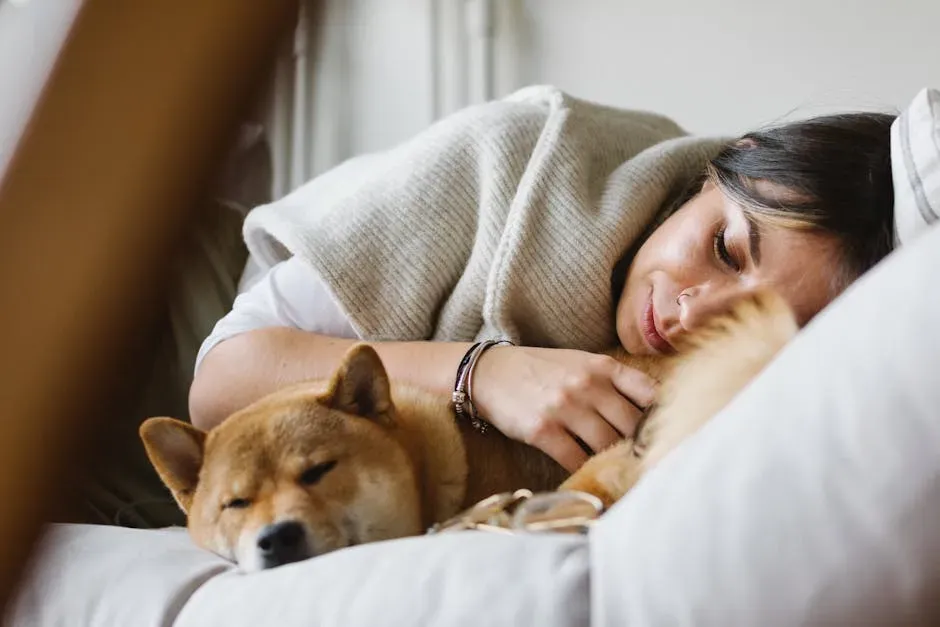
Older dogs sleep more, but where they sleep starts to matter a lot more than it used to. You might notice your dog abandoning their favorite sunny spot to nap by your desk, your couch, or even the bathroom door.
Senior dogs often reorganize their entire sleep pattern around your presence, not their own comfort. For a dog with aching joints, choosing the hard floor next to your chair over a plush bed is a massive statement. Nighttime tells even more of the story – some seniors start pacing if they can’t find you, or insist on sleeping in your room when they never cared before. As their hearing, vision, and sometimes their memory grow foggier, sleeping close to you becomes their best insurance policy against confusion and fear.
At a Glance: Senior Sleep Shifts
- Trading soft beds for hard floors near your feet or desk
- Pacing or whining at night if they lose track of you
- Wanting bedroom access after years of sleeping elsewhere
- Shorter, lighter naps broken up by checking where you are
#11 – The Way They Tolerate (and Even Seek) Gentle Care
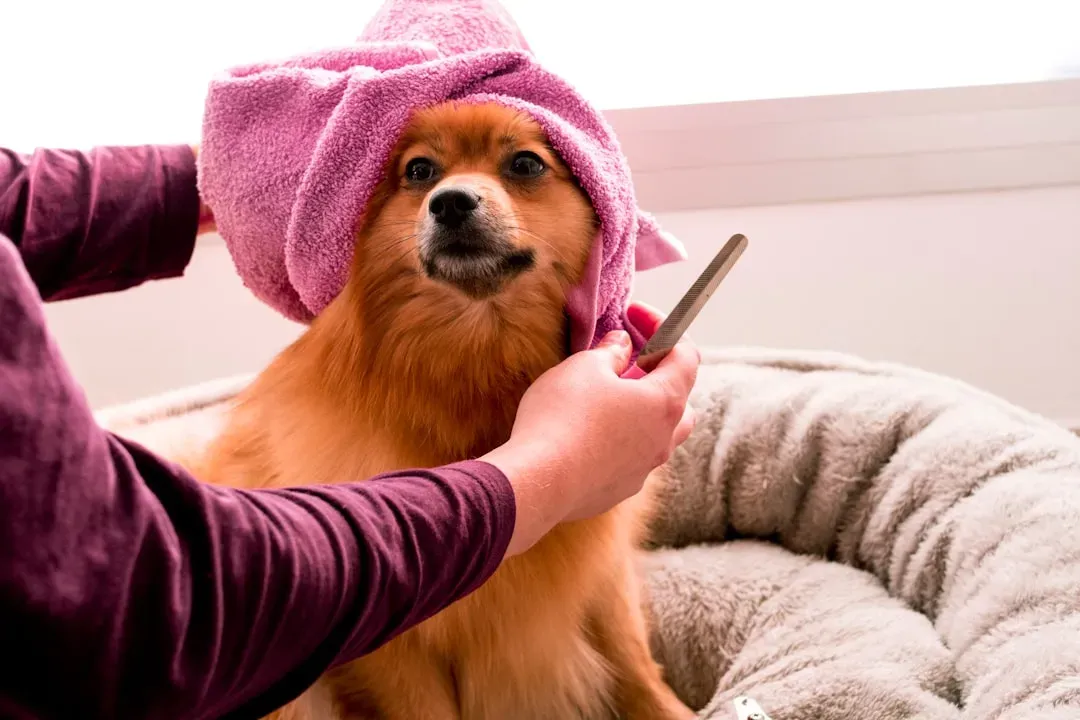
The dog that used to fight every nail trim, bath, or ear cleaning may suddenly go quiet and still in your hands. That’s not just exhaustion talking.
Aging dogs often become surprisingly cooperative with gentle handling from their primary person, because it deepens their sense of trust and relief. They let you brush out tangles, wipe their face, clean old paws – things a younger version of them would have hated. Watch closely during grooming or at-home vet aftercare: many seniors soften their eyes, lean into your touch, or fall asleep mid-session. In their last stretch, accepting care becomes its own form of closeness. It’s them choosing to be vulnerable with you, on purpose.
#10 – Their Sudden Need for Predictable Routines With You
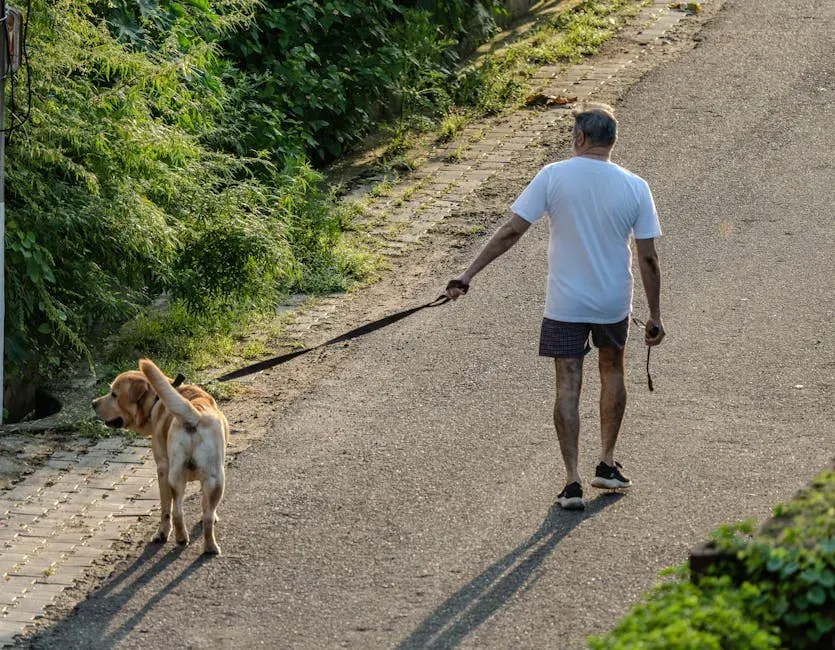
When dogs get old, novelty stops being fun and starts being stressful. This is where owners sometimes pull away without meaning to – fewer walks, more boarding, more schedule chaos.
Yet many senior dogs cling to their humans through routine: the same walk, the same couch time, the same bedtime ritual. It isn’t boring to them; it’s the thread that keeps their day stitched together. Morning coffee while they lie at your feet, nightly TV time shoulder to shoulder, the treat they expect the moment you close your laptop – none of that is habit for its own sake. It’s relational structure. When you honor it, you’re telling your old dog: the world is changing, but we are not.
#9 – The Way Old Dogs Start “Talking” More
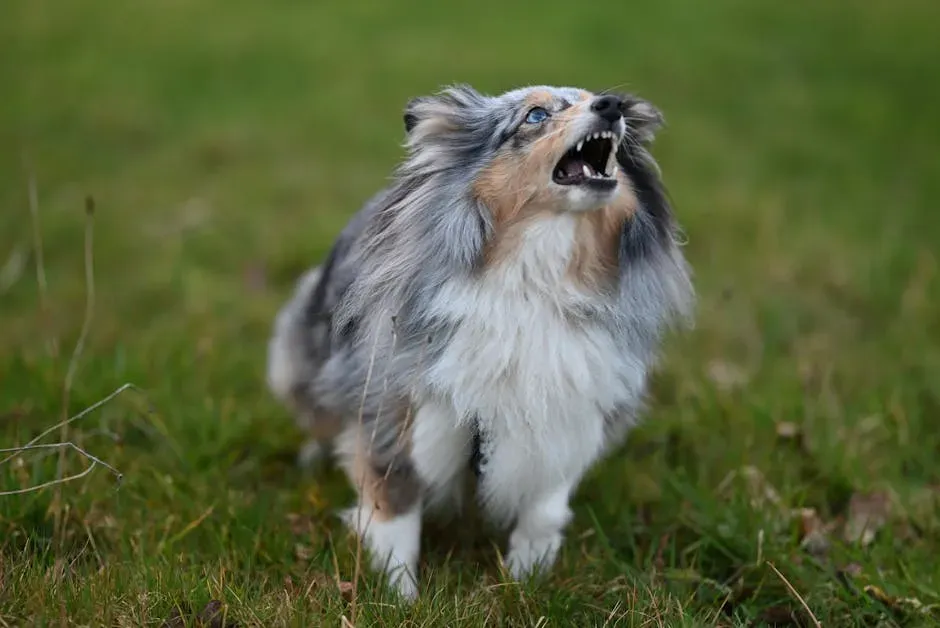
Some seniors go quieter. Others get chatty in the weirdest, most endearing ways – a soft grumble when you stop petting them, a little huff when you walk away, a gentle whine if the bathroom door closes between you.
These aren’t random noises – aging dogs often vocalize more to maintain contact and reassurance. They can’t run to you as fast anymore, so they call you instead. It’s easy to label this needy, especially at 2 a.m. But listen closely and there’s a pattern: they speak up most when they lose track of you, or when something about your presence suddenly changes. Many owners learn to answer back – talking, humming, saying their name from the next room – and that back-and-forth becomes its own late-life language, built entirely around staying connected.
Quick Compare: What the Sounds May Mean
- Soft grumble when petting stops – “keep going, stay close”
- Little huff as you walk away – mild protest, not distress
- Gentle whine at a closed door – fear of losing track of you
- Sharp bark at nothing in particular – often disorientation, worth mentioning at the next vet visit
#8 – Their Desire to Keep Doing “Your Thing,” Even When It’s Hard
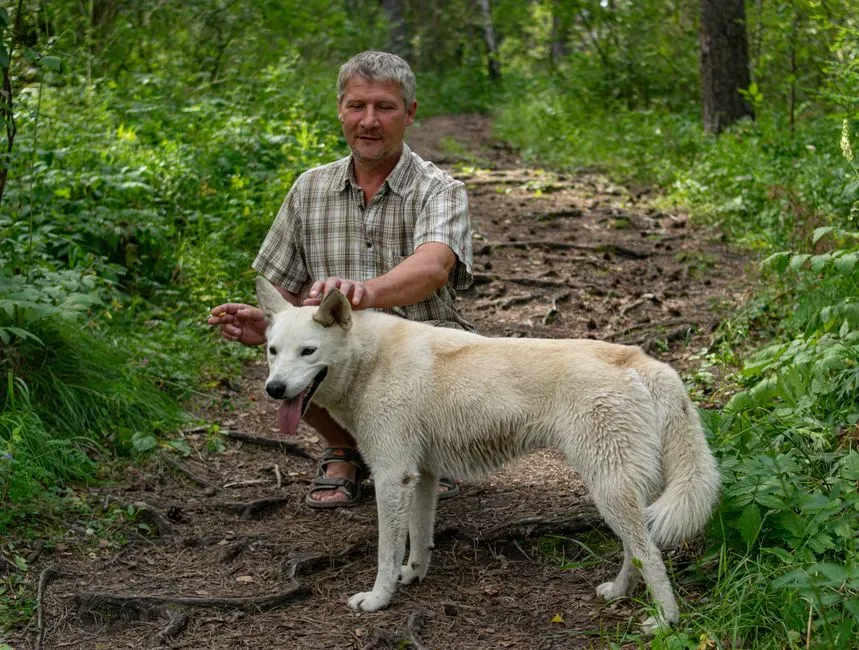
One of the clearest signs an old dog is fighting to stay close: they keep trying to join your favorite shared activity long after their body has said no. The hiking dog still limps to the door when you grab your boots. The couch potato still drags themselves up when the snack bag rustles.
They may not manage the full activity anymore, but the attempt itself is a powerful act of loyalty. This is where owners can either honor that closeness or accidentally break it. A five-minute sniff walk instead of an hour hike, slow tosses instead of fast fetch – small adjustments tell your dog “we still have our thing.” Cutting them out entirely because they’re old now can land like a quiet rejection. For many senior dogs, trying is how they say: I still choose you, even when it hurts.
#7 – The Gentle Guarding That Never Really Stops
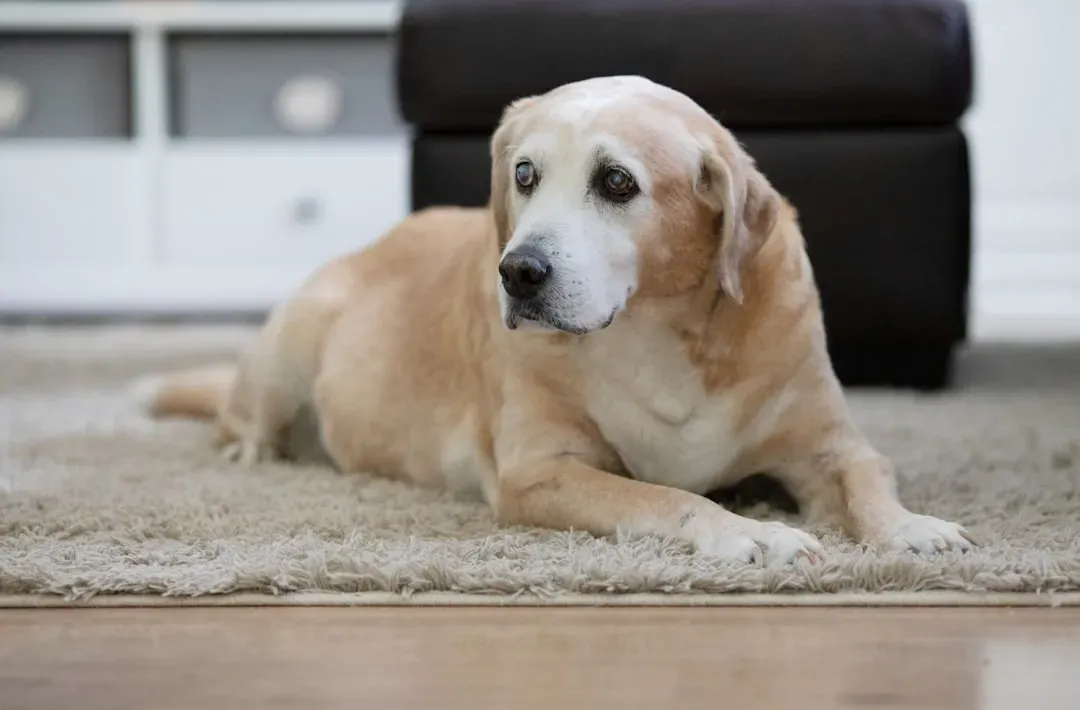
Even when their bark is hoarse and their hips ache, a lot of old dogs refuse to fully retire from “security duty.” They won’t launch off the couch anymore, but you’ll still catch that alert head-lift at a knock on the door, that stiff posture when a stranger gets too close, that slow, determined shuffle to plant themselves between you and something they don’t trust.
Are they actually effective guards at fourteen? Honestly, not really – and that’s exactly what makes it so moving. Sometimes it’s subtler: standing between your legs and a new dog at the park, wedging between you and the vacuum, watching the door like it still matters. They stay close by guarding you the only way they have left: presence, attention, and whatever remains of their courage.
#6 – Their New Sensitivity to Your Moods
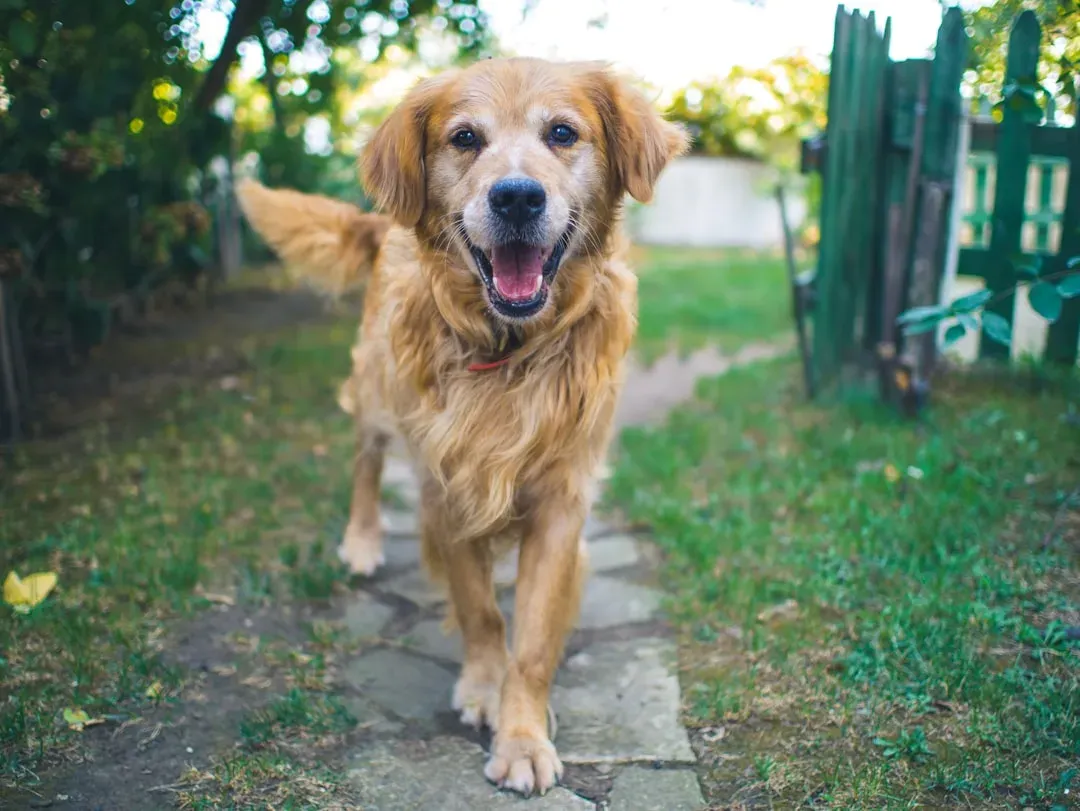
If you think dogs are “just animals,” spend a bad day around a senior dog who’s watched you for years. Older dogs become eerily tuned into emotional shifts – the sigh, the slower walk, the way you collapse into a chair instead of plopping down.
They notice, and many respond by closing the gap – moving closer, resting a head on your knee, following you room to room with a more serious energy than usual. This isn’t magic; it’s pattern-recognition earned over a lifetime together. Still, in their later years, many dogs seem to choose comforting you over being comfortable themselves, abandoning warm spots or deep sleep just to stay physically available. They can’t fix anything. They just refuse to leave you alone with it.
#5 – The Way They Start Teaching You to Slow Down
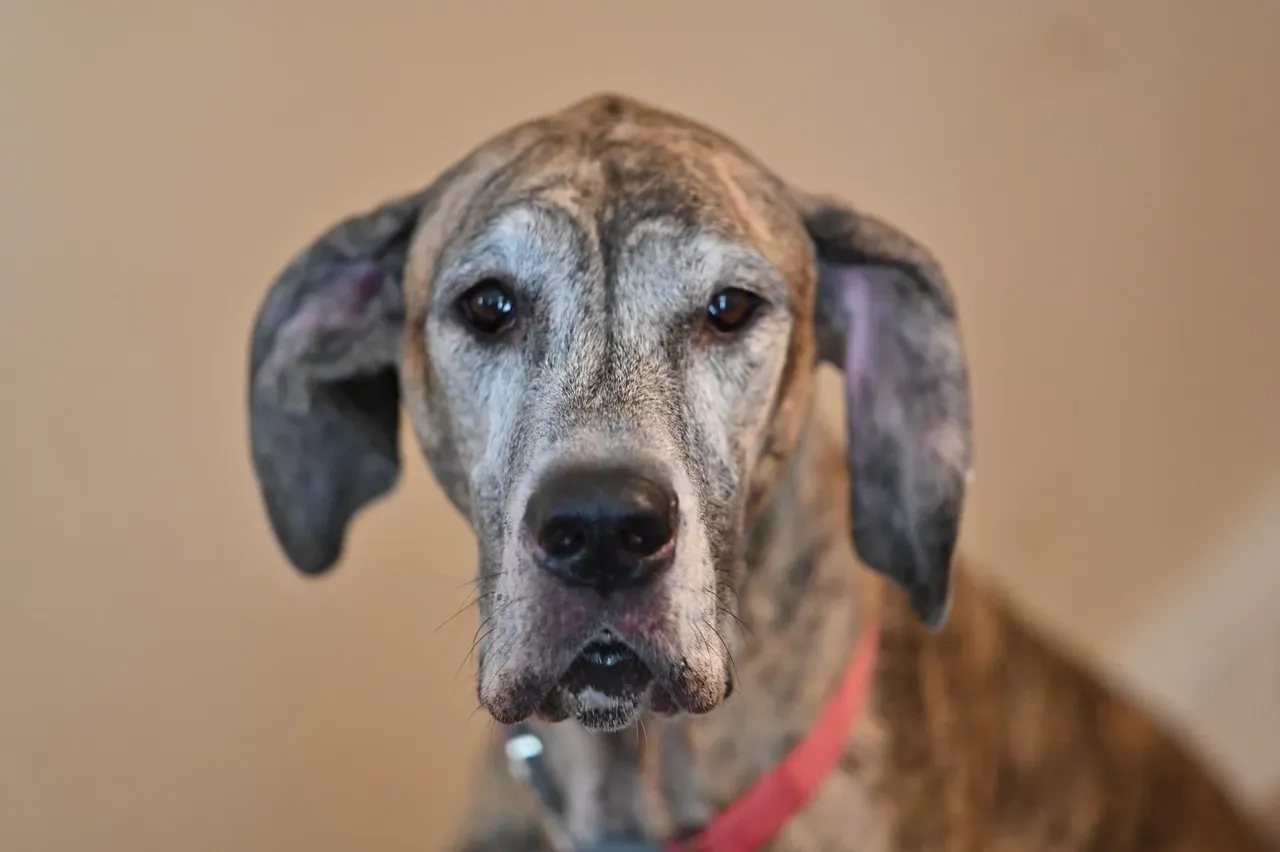
Here’s the uncomfortable truth: an aging dog forces you to confront your own pace. You can’t drag them on fast walks, rush through life, and pretend time isn’t passing – not anymore.
Their slower step, their longer pauses to sniff, their need for breaks – all of it is an invitation to be present with them. Plenty of people resist this and grow impatient, which says more about us than about them. Lean into it instead, and that slowness becomes a shared rhythm: you stop speed-walking and start strolling, you sit outside a little longer so they can read the air, you stretch bedtime because they’re finally, deeply asleep against you. Old dogs stay close by pulling you into their timeline – shorter, but often richer in the moments that actually matter.
#4 – Their Quiet Attempts to Keep the Pack Together
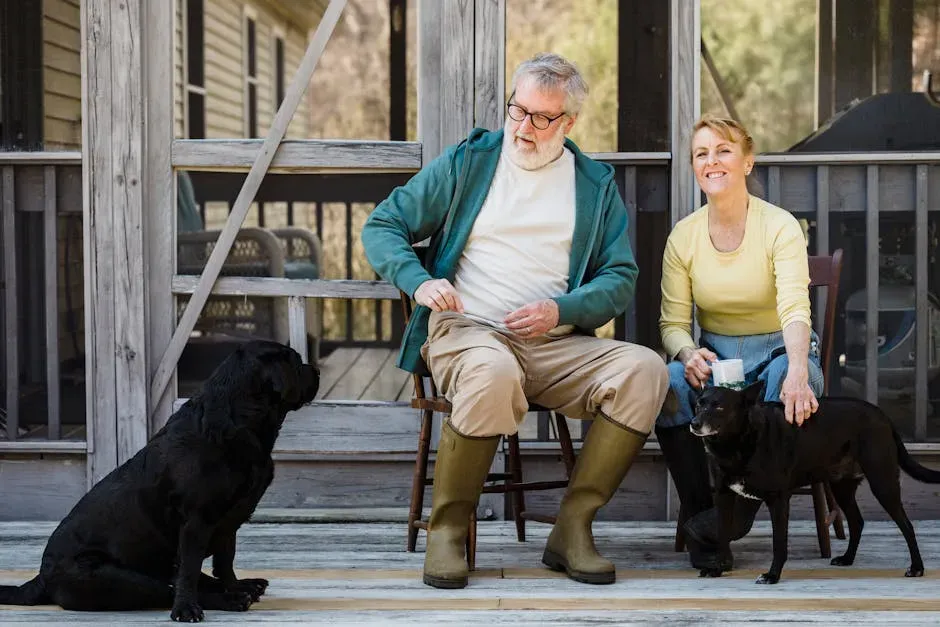
Dogs are social animals, and aging doesn’t erase that. In multi-person or multi-pet homes, seniors often turn into subtle pack managers – shuffling between rooms, checking on each family member, then choosing a neutral spot where they can watch everyone at once.
They may position themselves in doorways or hallways, literally placing their aging body at the center of the home’s traffic. Look closely and you’ll see they relax most when everyone is home, tensions are low, and their people are within sight. Some will even step between bickering kids or nudge a rowdy younger dog away from a fight. Keeping the group stable becomes their final job – and staying close to you is a core part of that mission. When the pack feels okay, they feel okay.
#3 – The Strange Little “Goodbye” Rituals People Argue About
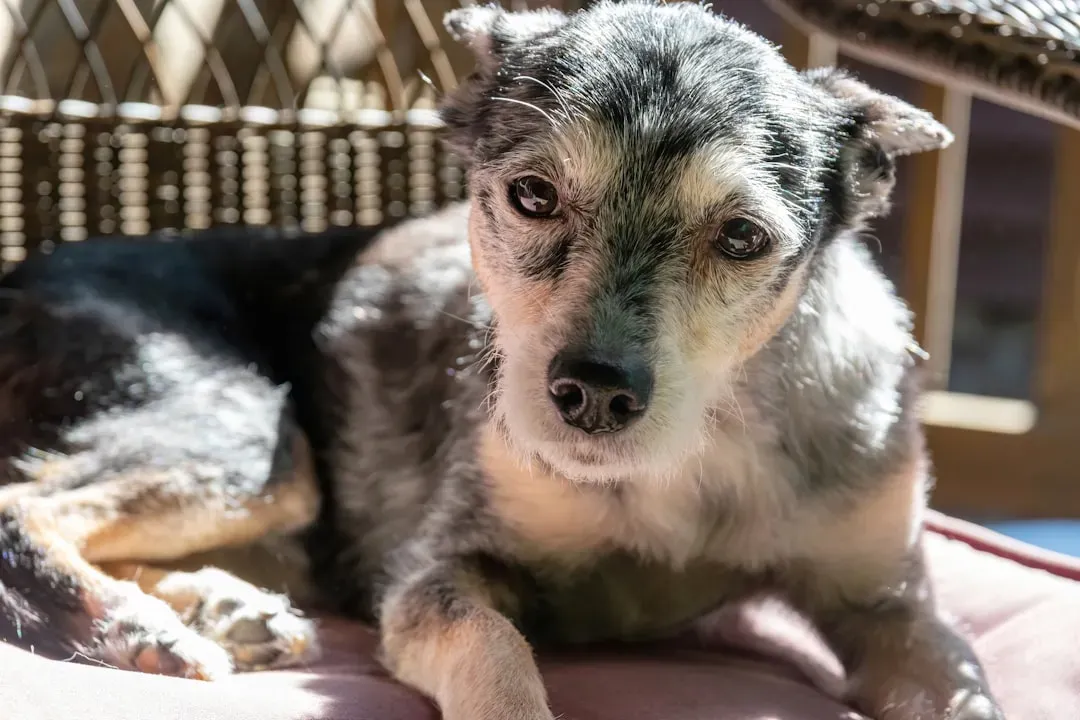
This is where opinions get heated. Some owners swear their aging dog develops new, almost ritualistic behaviors near the end – insisting on a certain spot on the bed, visiting every room in the house more often, suddenly reviving a habit from puppyhood that had disappeared for years.
Science is cautious about calling this “knowing.” But many long-time dog people see these patterns as something like mental snapshots – a way of marking each place and each moment one more time. You might notice them lingering longer at thresholds: front doors, backyard gates, bedroom doors. Or growing oddly insistent on one final evening cuddle, every single night, no exceptions. Skeptics say we’re projecting. Maybe. But the behaviors themselves are real, and they almost always revolve around you and shared spaces – not random corners of the house.
#2 – The Last Bursts of Puppy Energy That Hit Out of Nowhere
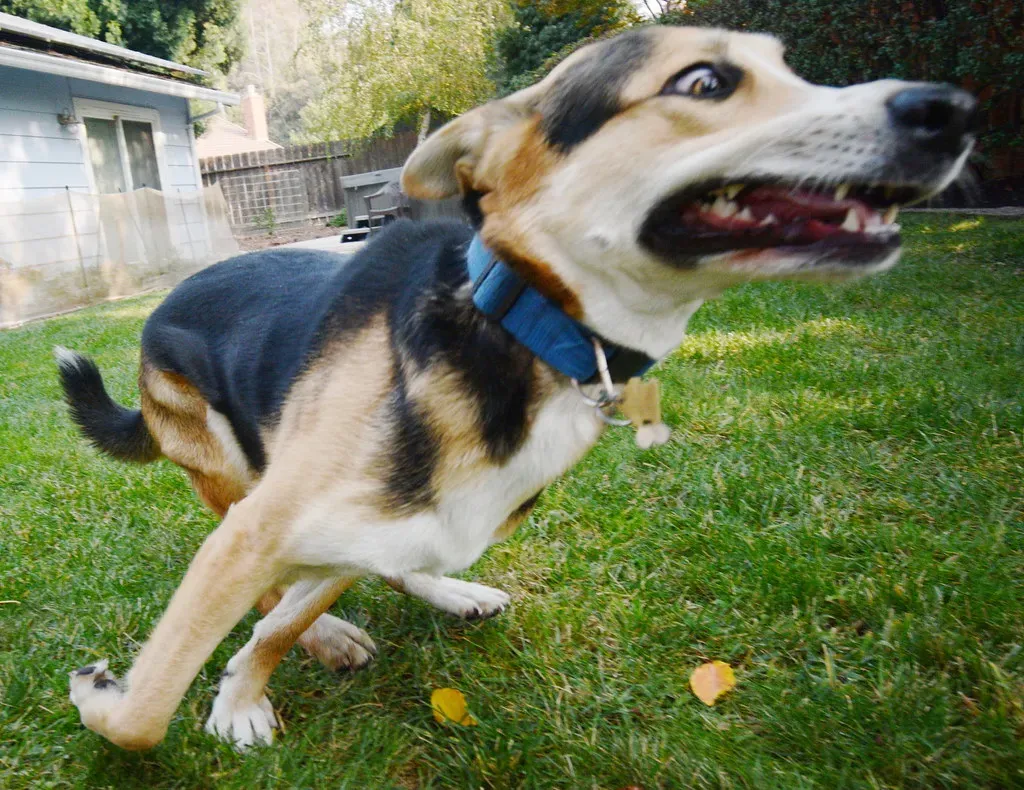
Anyone who’s loved an old dog knows this cruel, beautiful trick. Out of nowhere, you get a “good day” – sometimes a perfect one. The zoomies come back for thirty seconds, the appetite is huge, the eyes are bright, and for a moment they seem five years younger.
These brief rallies often show up in the last chapter, and yes, they can be a sign the body is burning through its final reserves. Here’s the part that hits hardest: so many of those good days are spent doing exactly one thing – being near you. They dig up a toy they haven’t touched in months. They demand walks. They insist on car rides, couch time, one more trip to their favorite park. It’s as if, handed one more surge of energy, they spend every bit of it cashing in their remaining “together” tokens at once.
#1 – The Way They Trust You to Decide What Happens Next
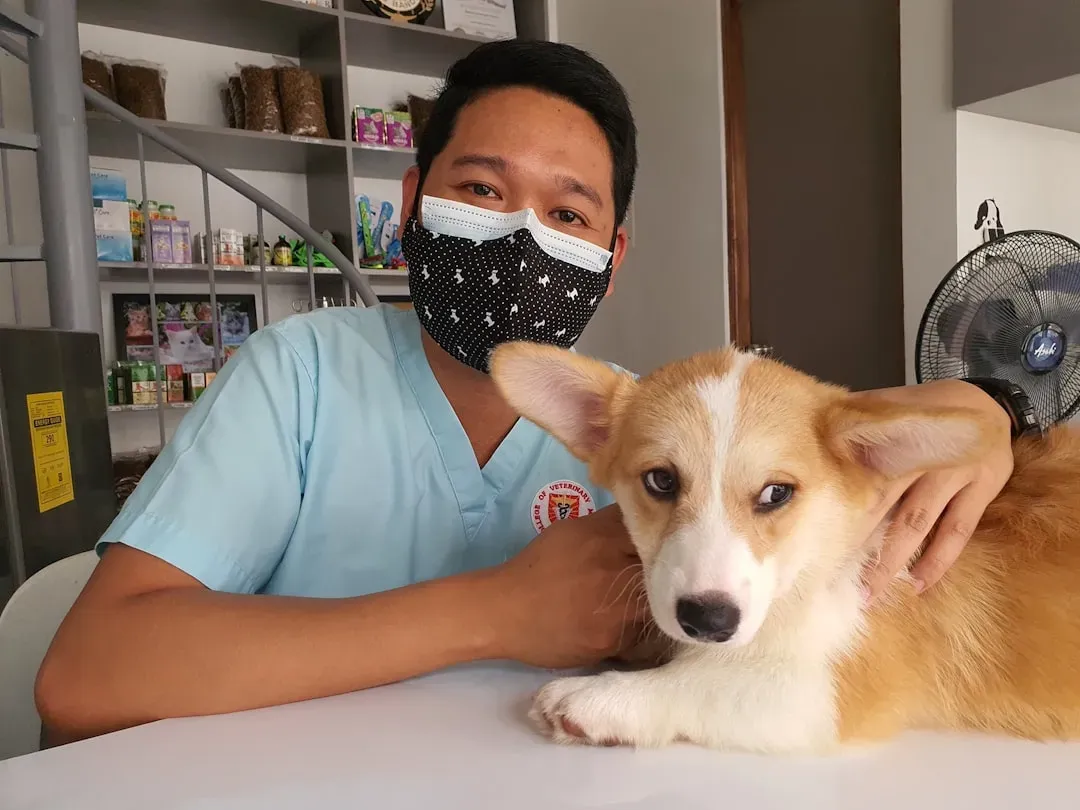
The most profound way an aging dog stays close isn’t cute or Instagrammable. It’s heavy. As their body starts to fail, they hand you a job no one else can do for them: deciding how much suffering is too much.
They don’t know the word euthanasia, but they know exactly who controls the vet visits, the medication, the car rides, the needles, the pain, and the relief. In those final days, their closeness takes a different shape – leaning into you harder at the clinic, resting a heavier head on your lap, visibly relaxing the moment they hear your voice in a sterile room. That isn’t drama. That’s trust. Staying with them through the end – hand on fur, voice in their ear – is the last, brutal proof that the closeness ran both ways. When they need someone to stand between them and fear, they still choose you.
Until one has loved an animal, a part of one’s soul remains unawakened.
Anatole France
The Bottom Line
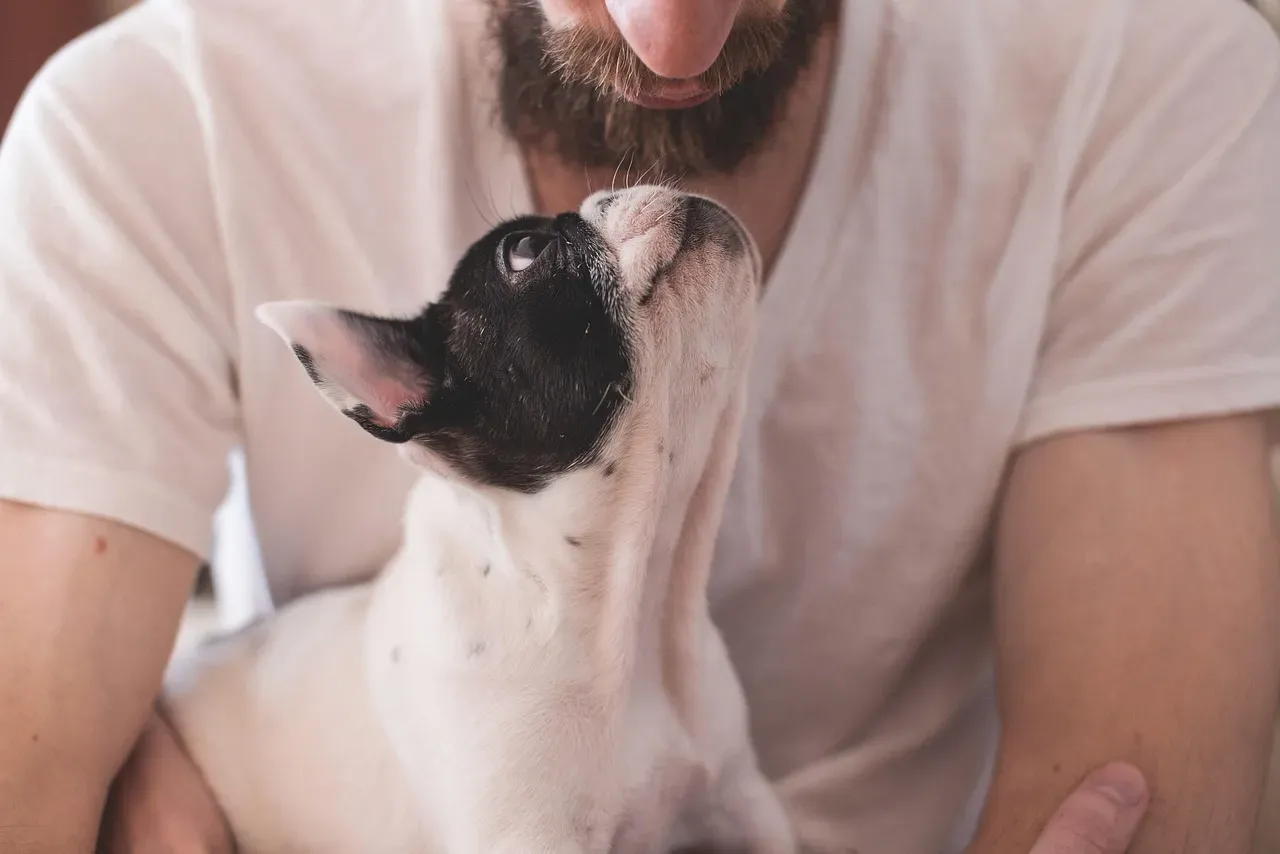
Everyone romanticizes puppy breath and first walks, but here’s the harsher, simpler truth: the deepest bond with a dog usually happens when they’re gray, slow, and fragile enough to break your heart. Aging dogs don’t pull away. Most of them wrap themselves tighter around your routines, your moods, your touch, and eventually, your decisions. That’s not sentimentality – it’s behavioral reality, shaped by years of shared life.
Here’s the part people don’t want to hear: if you can’t handle the old-dog chapter, you never really finished the “dog person” job you signed up for. The closeness at the end isn’t optional extra credit – it’s the bill for every bit of joy you collected up front. Paying it hurts like hell, and that’s exactly why it matters. What did your dog do, in those last months, that you’ll never forget?