
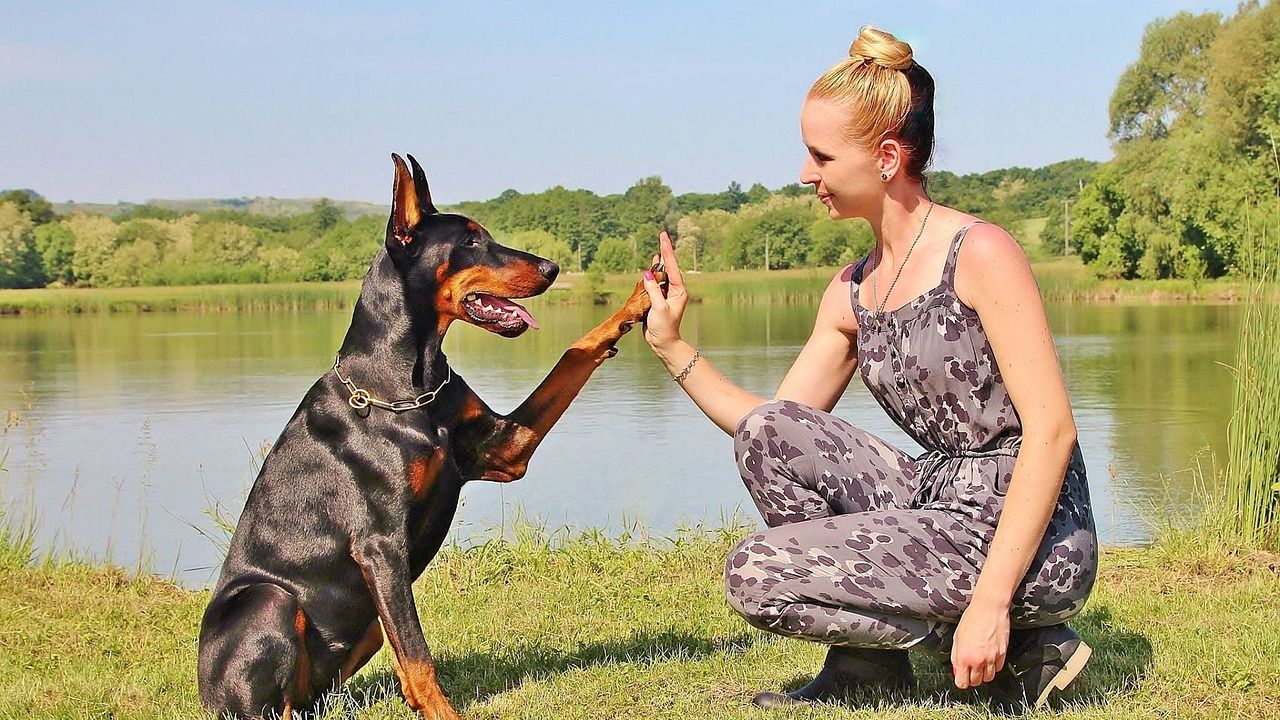
Border Collie
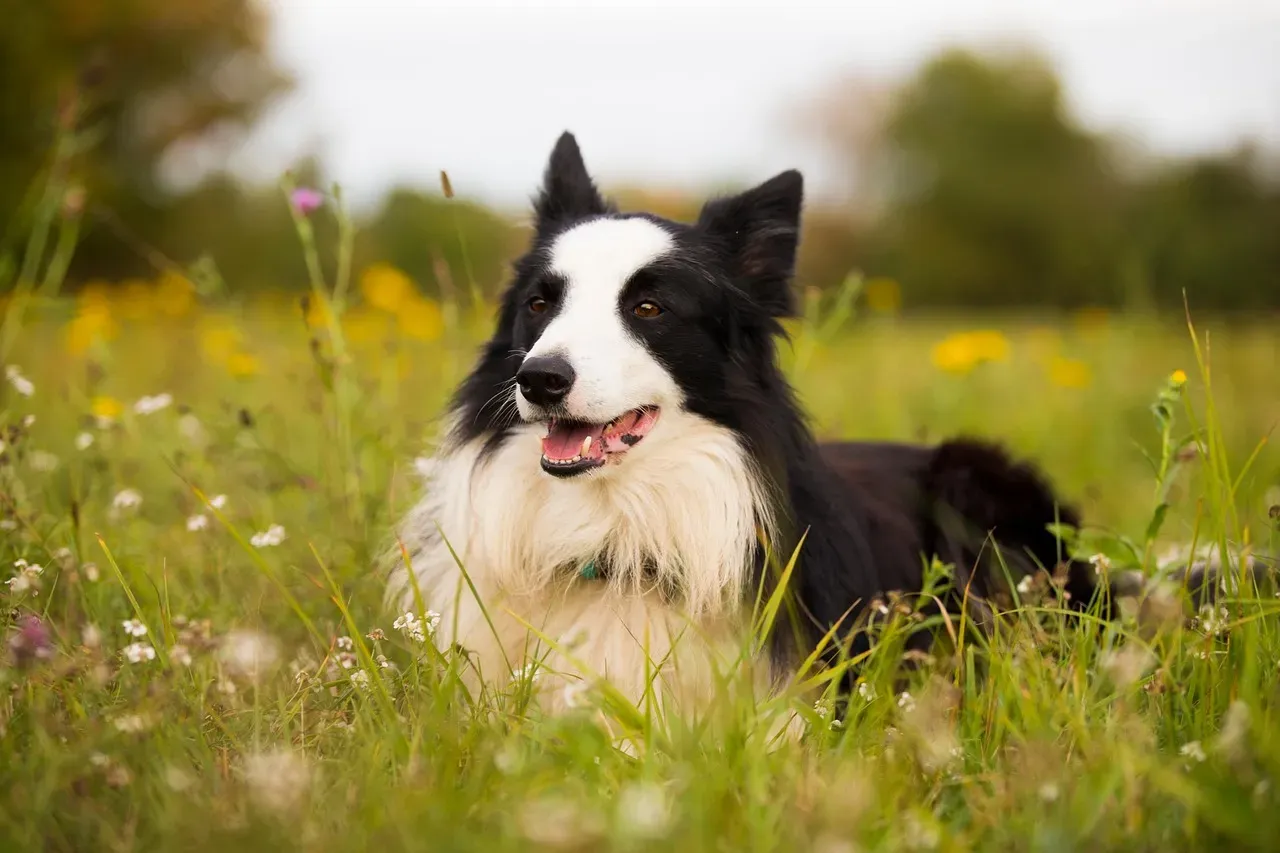
Border Collies carry an intense drive that stems from their herding heritage. They need hours of physical activity paired with mental challenges every single day, or they quickly grow restless and find their own outlets for energy. Seniors often discover that a short walk around the block falls far short of what keeps these dogs content.
Their sharp intelligence also means they pick up on routines fast and can become demanding when bored. Without consistent engagement, behaviors like chasing shadows or nipping at heels tend to surface. This level of commitment can feel overwhelming when mobility or energy levels shift with age.
Siberian Husky
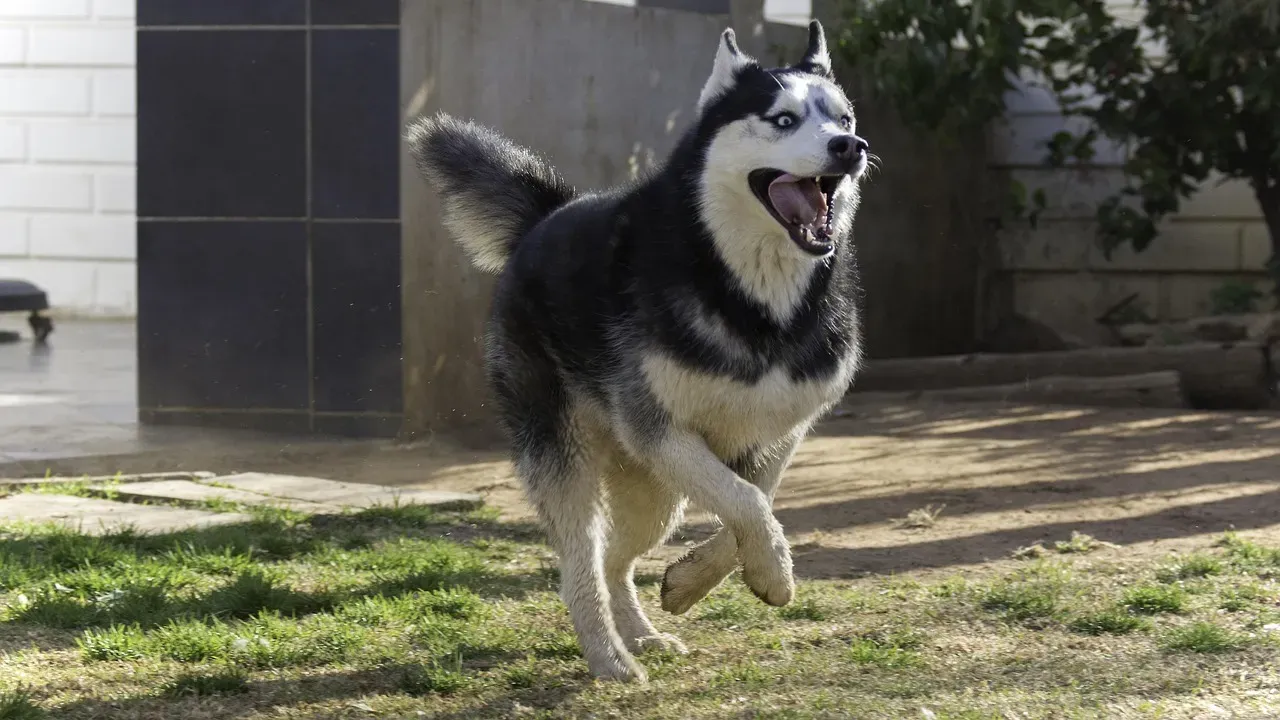
Siberian Huskies bring a strong independent streak along with remarkable endurance. They were bred for pulling sleds across long distances, so they thrive on vigorous exercise that many older adults find hard to sustain consistently. Their thick coats also shed heavily twice a year, creating ongoing cleanup that adds to daily chores.
Escape artistry comes naturally to them as well. They can scale fences or dig under them with surprising skill, which requires secure yards and constant vigilance. For someone over 50, managing that kind of athleticism alongside potential joint concerns often proves more taxing than expected.
Australian Shepherd
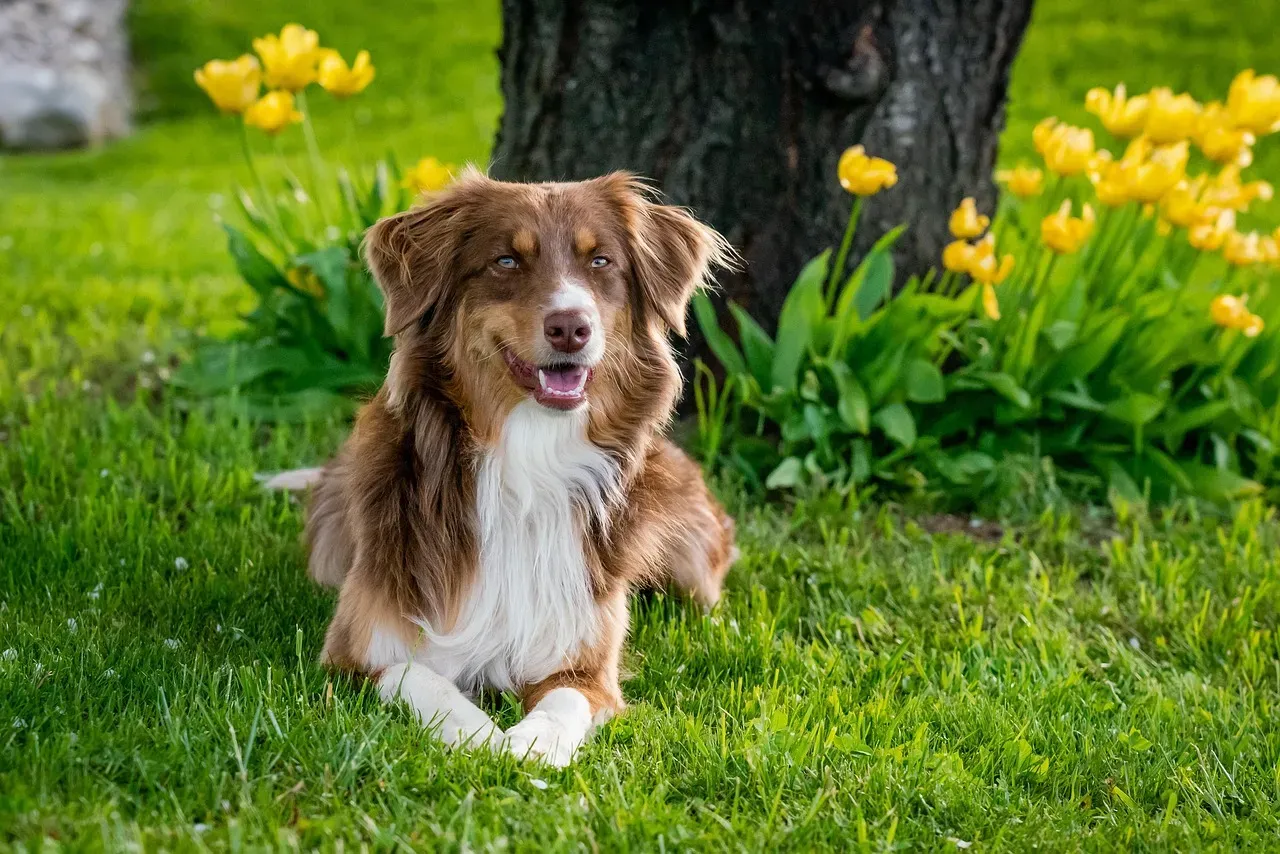
Australian Shepherds possess boundless enthusiasm for work and play. They excel at agility and herding tasks, which translates into a need for structured activities that go beyond casual strolls. Without enough outlets, they may resort to herding family members or barking excessively to release pent up drive.
Their medium size and athletic build make them strong on the leash too. Seniors sometimes struggle with the pull during walks, especially if arthritis or balance issues appear later on. Training helps, yet the underlying energy rarely diminishes with time.
Jack Russell Terrier
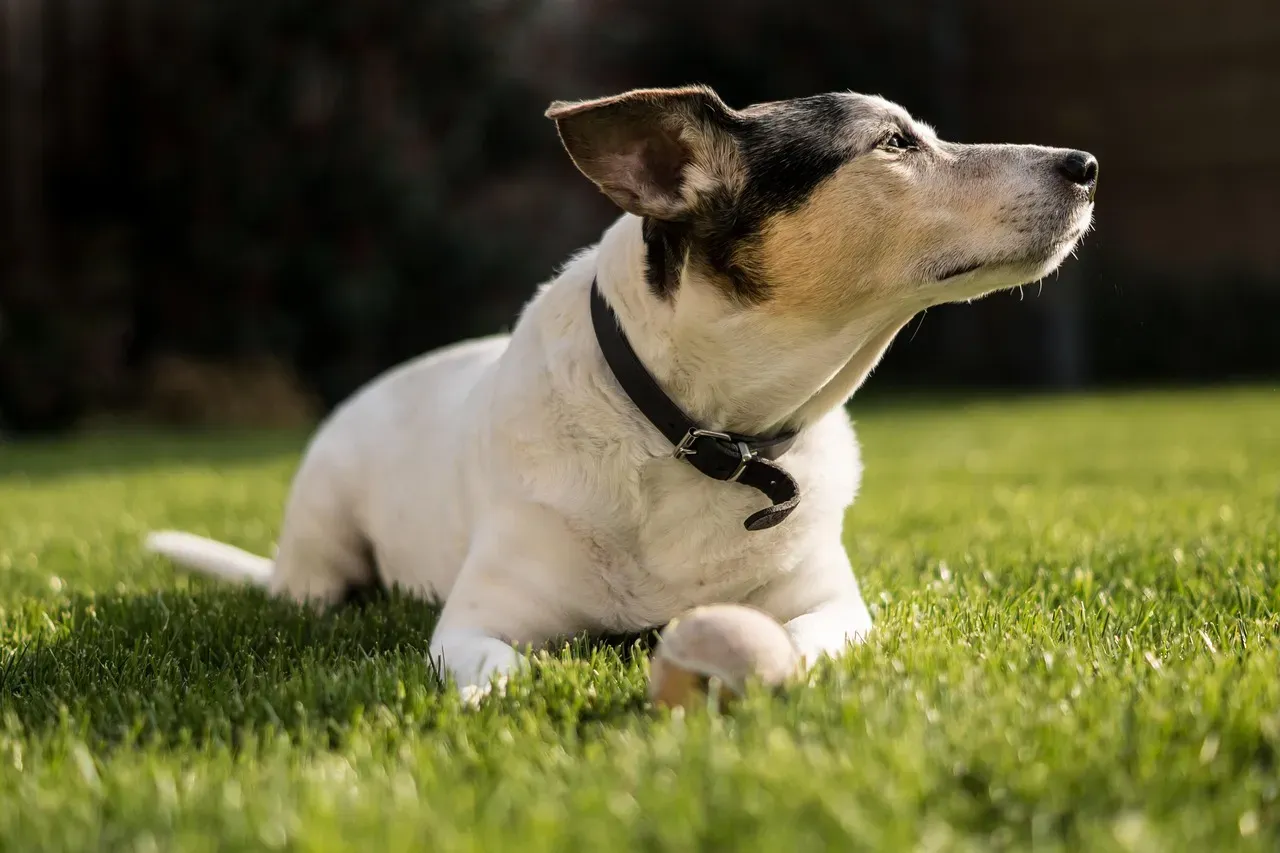
Jack Russell Terriers pack surprising power into a small frame. Their terrier roots give them a bold, tenacious personality that shines during hunts or games, but it also means they rarely settle for quiet afternoons. Daily exercise must include both running and puzzle solving to prevent destructive chewing or digging.
Stubborn streaks appear often during training sessions. They learn quickly yet choose when to listen, which can frustrate owners seeking a more cooperative companion. The combination of high spirits and selective obedience tends to wear on patience over the years.
Dalmatian
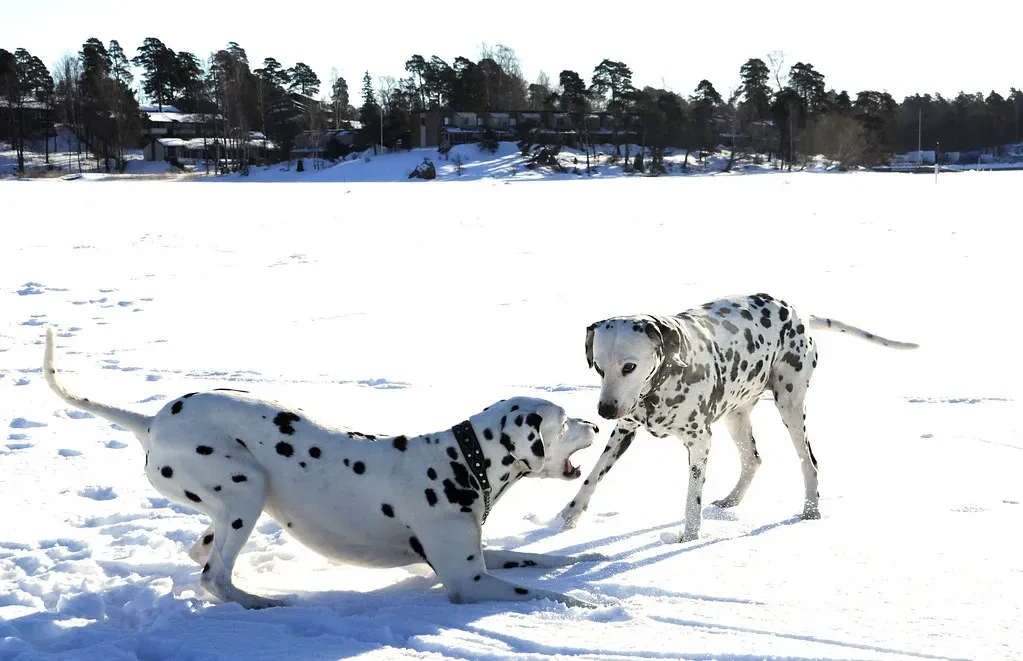
Dalmatians carry a history of running alongside carriages, leaving them with impressive stamina. They require regular long runs or hikes to stay balanced, and shorter outings often leave them pacing or vocalizing indoors. Their sleek coats shed year round, adding another layer of maintenance.
Deafness occurs more frequently in this breed than in many others, which complicates communication and safety. Seniors may find the extra training and supervision needed for a hearing impaired dog adds unexpected complexity to daily life.
Great Dane
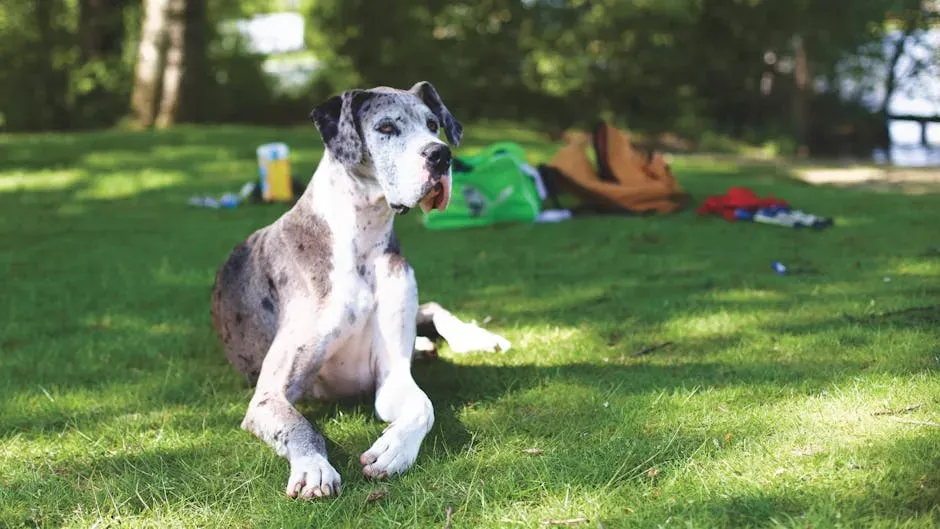
Great Danes reach impressive heights and weights that demand physical strength from their handlers. Even gentle giants can knock over an unsteady person during excited greetings or simple play. Their short lifespan also means owners face health concerns earlier than with smaller breeds.
Joint problems like hip dysplasia appear commonly, requiring careful monitoring and sometimes costly interventions. Managing a large dog through mobility challenges later in life often requires assistance that not every household can provide.
Saint Bernard
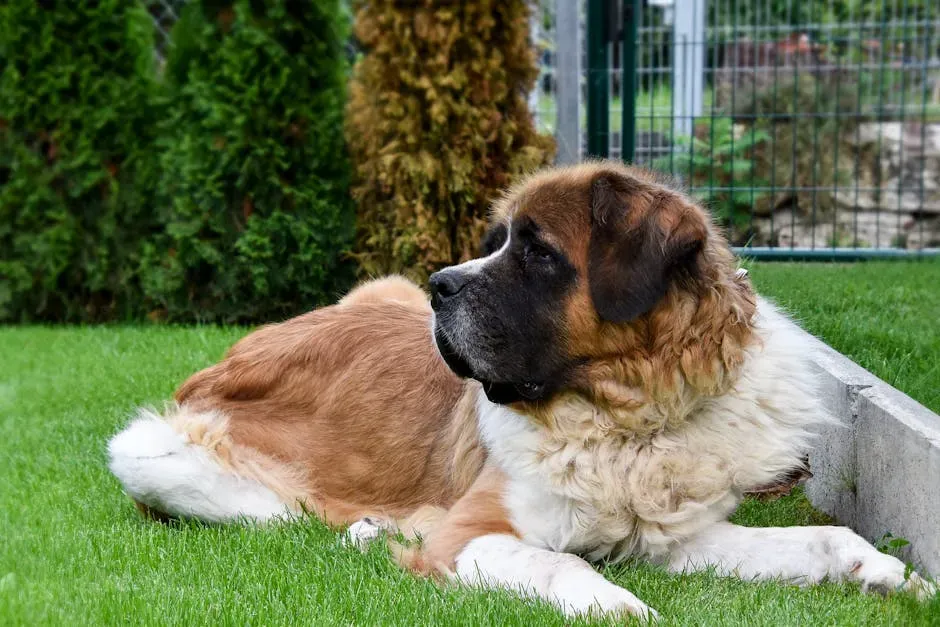
Saint Bernards grow into massive adults with thick coats that need frequent brushing. They drool generously, which means constant wiping of floors and furniture. Their calm demeanor hides a need for space and moderate exercise that still exceeds what many seniors prefer.
Heart conditions and other breed specific ailments tend to surface as they age. The sheer logistics of lifting or assisting such a heavy dog during veterinary visits or daily care can become impractical without additional help.
Rottweiler
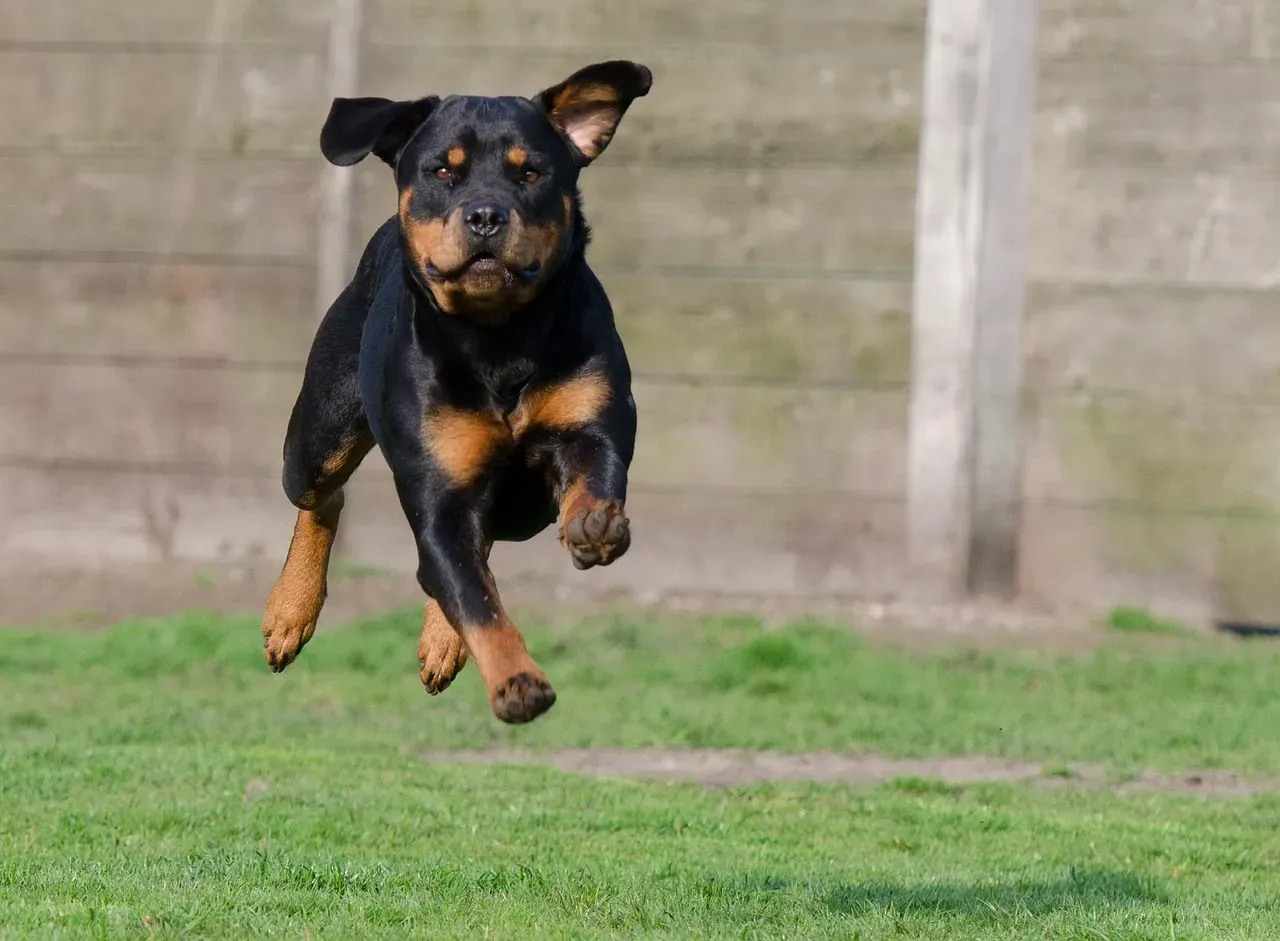
Rottweilers combine strength with a protective nature that requires experienced handling. They need firm, consistent training from an early age to channel their power safely. For older owners, maintaining that level of control during walks or social situations can feel physically demanding.
They also shed moderately and benefit from regular mental work to avoid boredom. Without it, guarding instincts may intensify around visitors or new environments, creating tension rather than easy companionship.
German Shepherd
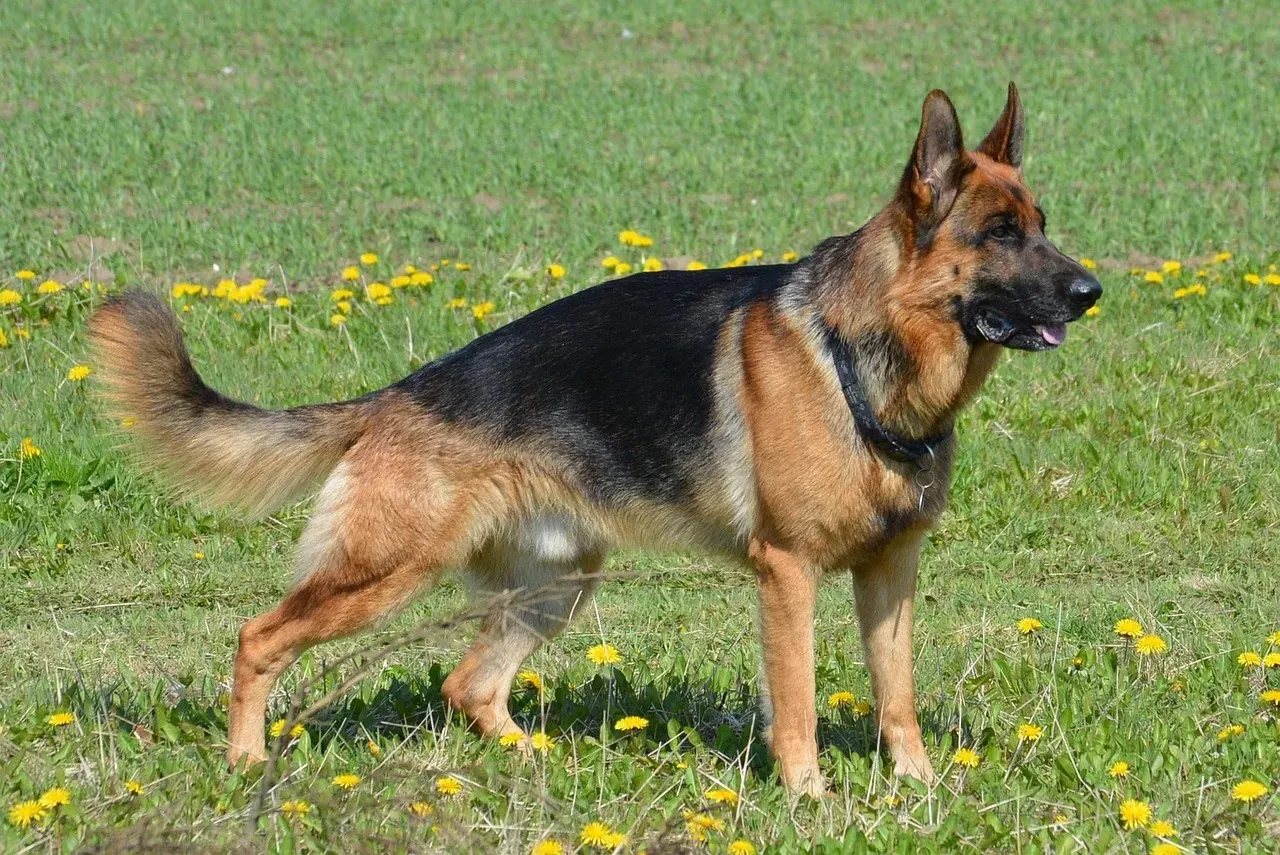
German Shepherds bring intelligence and loyalty that make them excellent working dogs. Their high energy levels call for daily training sessions and exercise that go well beyond gentle neighborhood walks. Hip and elbow dysplasia often develop, leading to mobility support needs over time.
Their size and drive make them strong pullers on leash. Seniors sometimes report difficulty managing the dog during routine outings, especially when weather or health fluctuations reduce personal stamina.
Doberman Pinscher
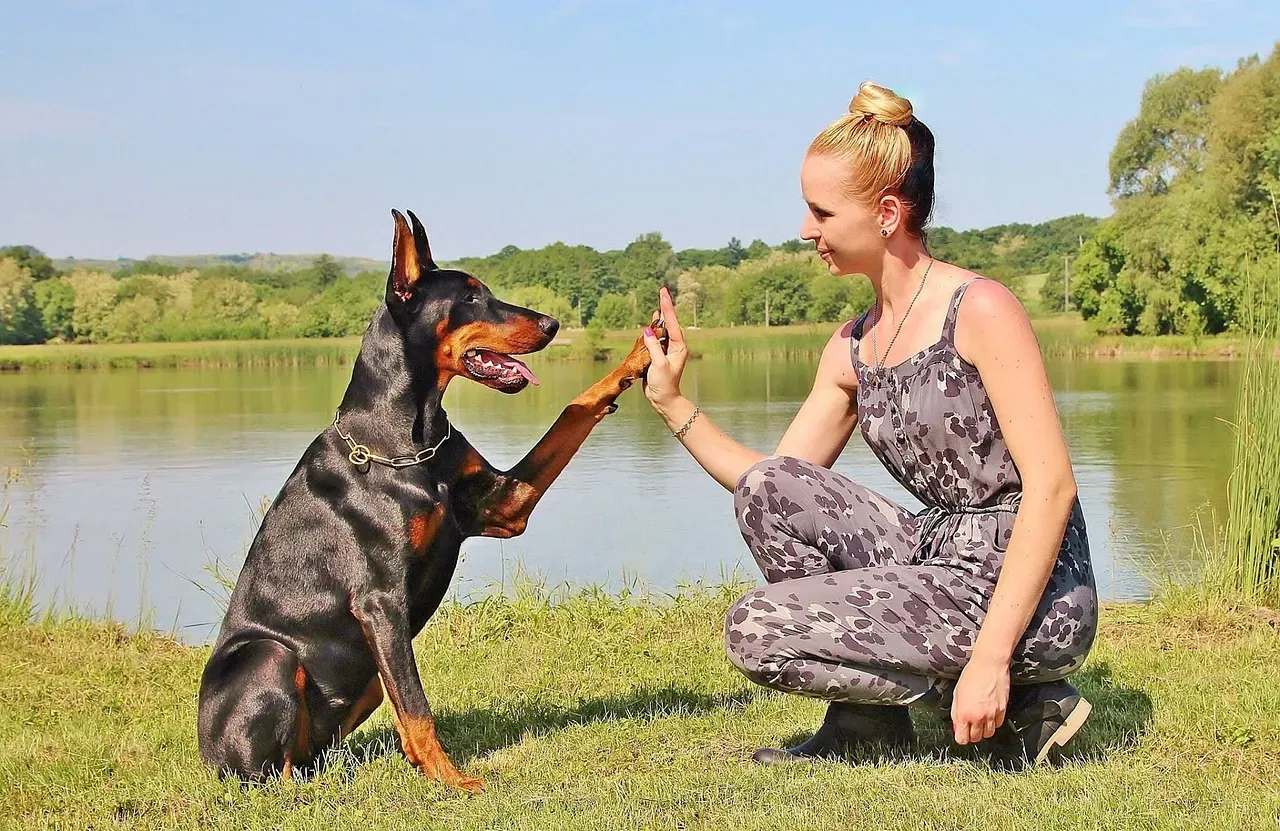
Doberman Pinschers possess a sleek, muscular build suited for protection work. They require structured exercise and mental stimulation to remain even tempered. Their loyalty can turn into velcro behavior, following owners everywhere and creating challenges during quiet moments.
Health issues such as dilated cardiomyopathy appear more often in the breed. Regular veterinary monitoring becomes essential, and the cost and frequency of care can add stress for those on fixed incomes or with limited mobility.
Akita
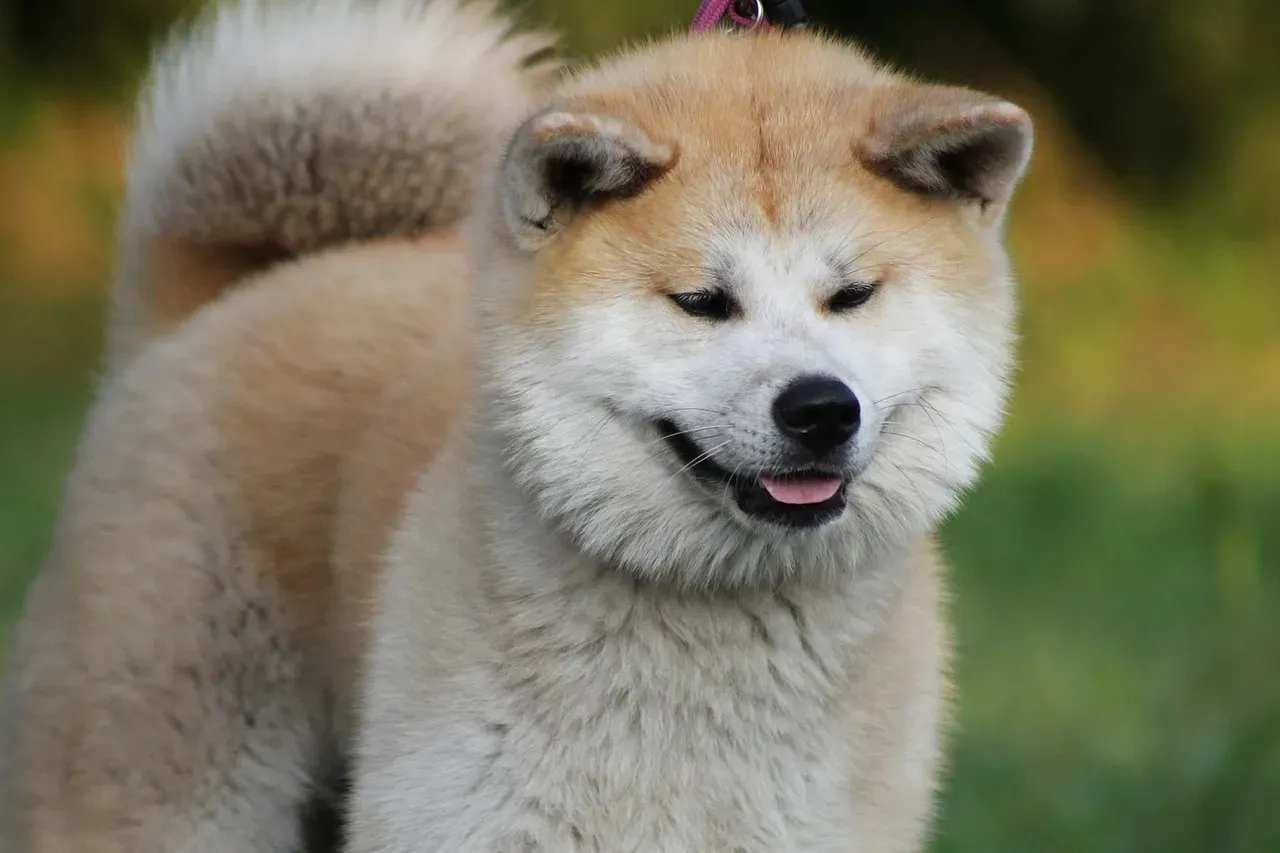
Akitas carry a dignified, independent temperament rooted in their Japanese origins. They bond deeply with one person yet remain wary of strangers, which demands careful socialization throughout life. Their size and strength make them difficult to redirect once they decide on a course of action.
Thick coats require dedicated grooming, especially during seasonal blows. Without enough daily activity, they may become territorial or destructive indoors, turning a potential companion into a source of ongoing management.
Chow Chow
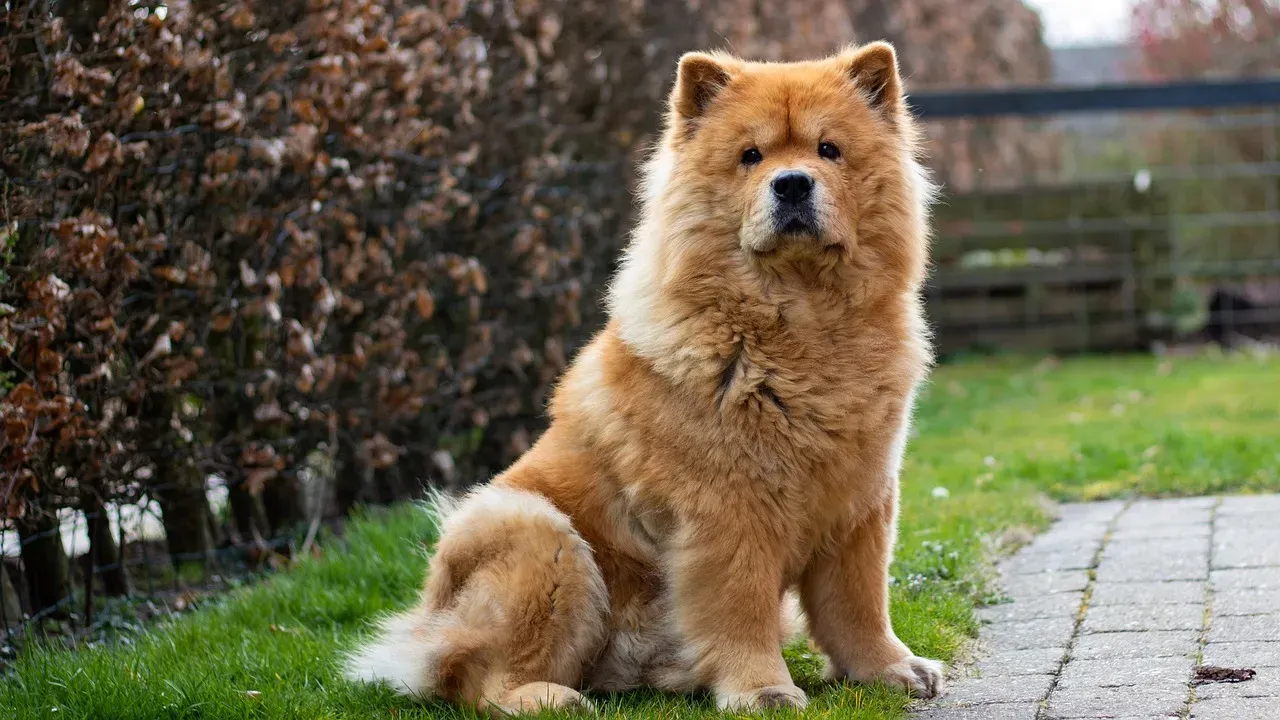
Chow Chows present a lion like appearance paired with a reserved personality. They prefer calm environments and can react poorly to rough handling or sudden changes. Their dense coats demand regular brushing to prevent matting, which becomes a chore for those with limited dexterity.
Training often proves challenging because of their stubborn streak. They rarely seek constant affection, leaving some owners feeling the relationship lacks the easy warmth they hoped for in later years.
Pit Bull Terrier
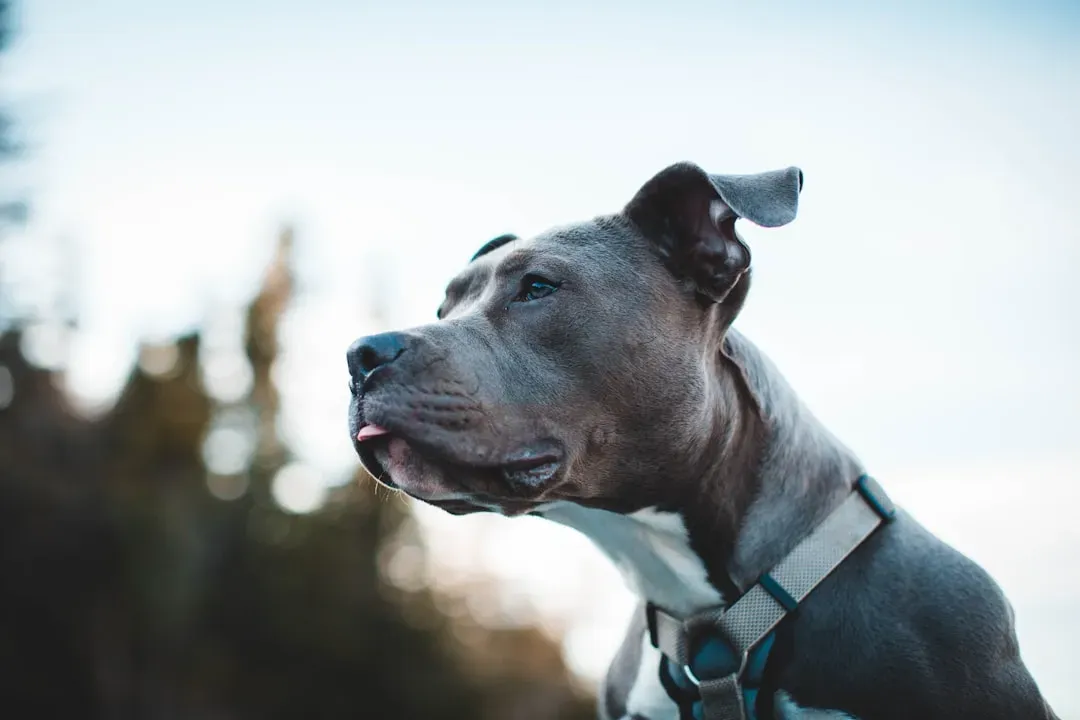
Pit Bull Terriers display impressive strength and athleticism in a compact package. They need firm leadership and plenty of exercise to channel their enthusiasm safely. Their reputation sometimes complicates housing or insurance situations for older adults living in apartments or communities with restrictions.
Early socialization remains critical to ensure friendly interactions with visitors. Without consistent effort, their power on the leash can surprise even experienced handlers during everyday encounters.
Labrador Retriever
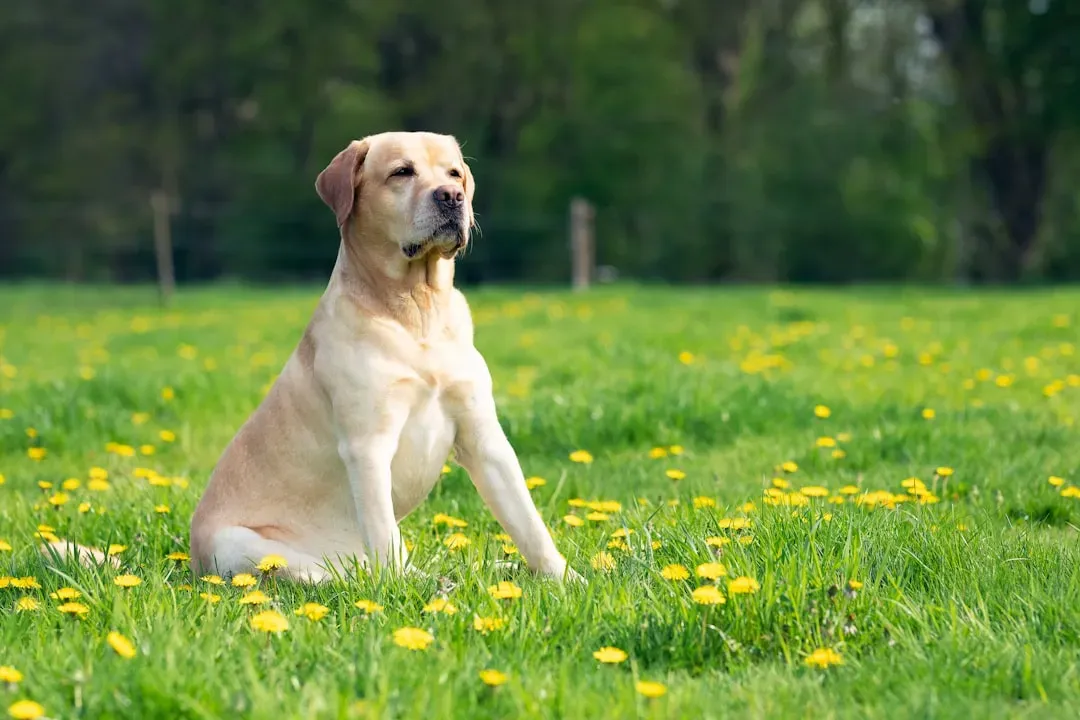
Labrador Retrievers rank among the most popular breeds, yet their retrieving instincts keep them active well into adulthood. They love water and games that involve fetching, which can exceed the energy many seniors wish to expend daily. Their friendly nature also means they greet everyone with enthusiasm, sometimes knocking people off balance.
They shed year round and enjoy food, which can lead to weight gain if portions and exercise fall out of balance. Managing both the physical demands and dietary discipline often requires more structure than anticipated.
Weimaraner
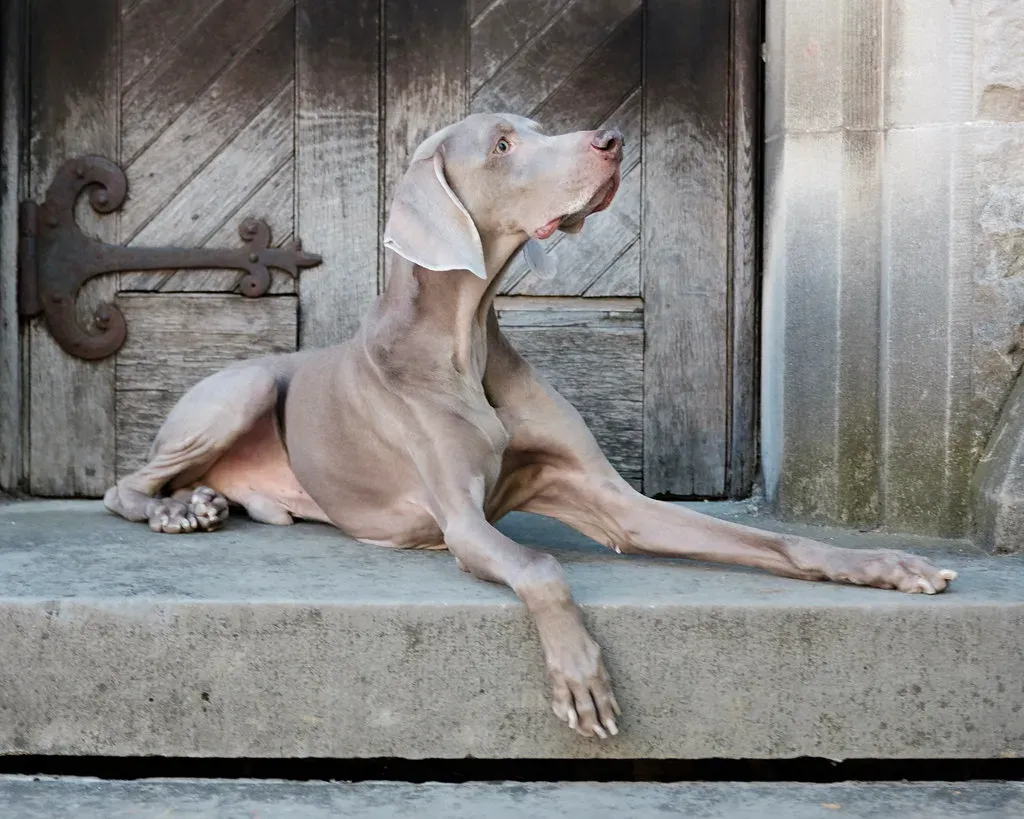
Weimaraners form intense bonds with their people and dislike being left alone. Their sleek build hides a need for vigorous daily runs and mental tasks to prevent anxiety driven behaviors like chewing or barking. The silver gray coat shows dirt easily, adding to grooming routines.
Their speed and prey drive make off leash work risky without extensive training. Seniors frequently find the constant companionship requirement and exercise demands clash with a desire for more independent days.
Choosing a dog later in life works best when the breed matches the realities of changing energy and physical limits rather than the image of an ideal companion. The right match brings quiet joy instead of constant adjustment.


