
Ask a professional dog trainer which breeds top their most-dreaded list, and you’ll usually get a pause before an answer. It’s not that these dogs are dangerous or unlovable. It’s that admitting a breed is genuinely hard to train can feel like insulting someone’s best friend.
But behind closed doors, in break rooms and private trainer forums, the same names keep resurfacing. Some are the usual stubborn suspects. Others are dogs you’d never expect to make a “difficult” list at all, including a few beloved family favorites. Here’s the countdown trainers rarely say out loud, all the way to the one breed that humbles even seasoned professionals.
16 – Afghan Hound
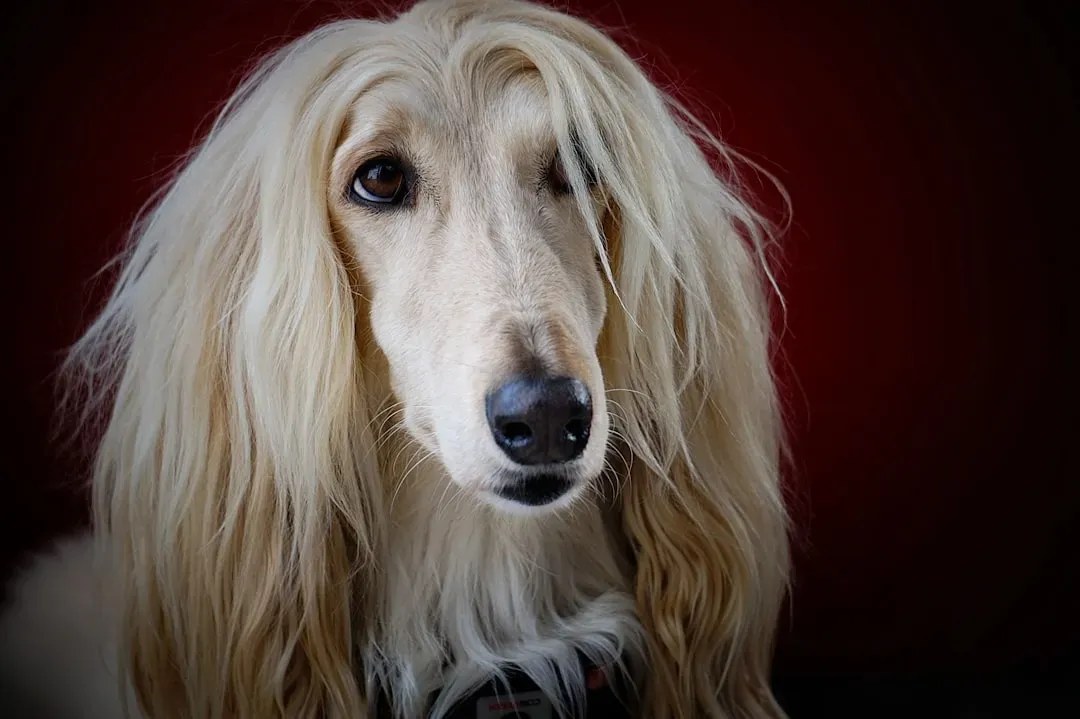
The Afghan Hound looks like it stepped out of a fashion editorial, all flowing hair and haughty posture. But that regal look hides a working history: this breed was bred to hunt alone across the rugged mountains of Afghanistan, chasing game without waiting for a human’s permission. Thousands of years of thinking for itself didn’t exactly build a dog that craves obedience.
Trainers describe sessions with an Afghan Hound less like teaching and more like negotiating. The dog is clearly intelligent, it just doesn’t see the point in following orders unless there’s something in it for him. Progress happens, but slowly, and only with owners willing to stay endlessly patient and consistent. That’s the gentle end of this list. It gets more interesting fast.
15 – Basenji
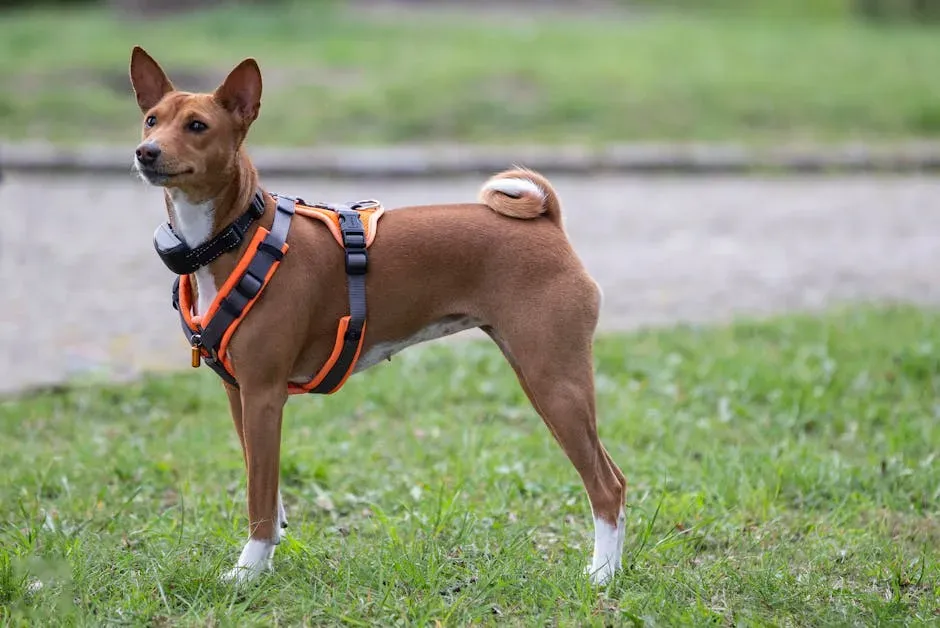
Basenjis don’t bark, which sounds charming until you realize why. This Central African hunting breed was developed to work far from human control, relying on its own instincts instead of a handler’s commands. The result is a dog that’s brilliant, curious, and almost constitutionally allergic to being told what to do.
Recall training is where most owners hit a wall. A Basenji that catches an interesting scent will simply leave, and standard obedience drills tend to bore them into open defiance. Trainers who’ve had success say it takes creative, reward-driven games rather than repetition, plus a serious sense of humor about the dog’s cat-like independence.
Fast Facts
- The Basenji is a breed of hunting dog created from stock that originated in Central Africa, including in the Republic of the Congo and other adjacent tropical African countries.
- The breed is nicknamed the “barkless dog” because it does not bark in the traditional manner of most dogs, rather vocalising in an unusual, yodel-like “talking” sound, due to its unusually-shaped larynx, earning it the nickname of “barkless” dog.
- According to one widely cited intelligence ranking, Basenjis are the second least trainable dog, when required to do human commands, behind only the Afghan Hound.
- Basenjis dislike wet weather, much like cats, and will often refuse to go outside in any sort of damp conditions, and they like to climb, and can easily scale chain wire/link fences.
Number 14 brings a completely different kind of stubborn.
14 – Bulldog
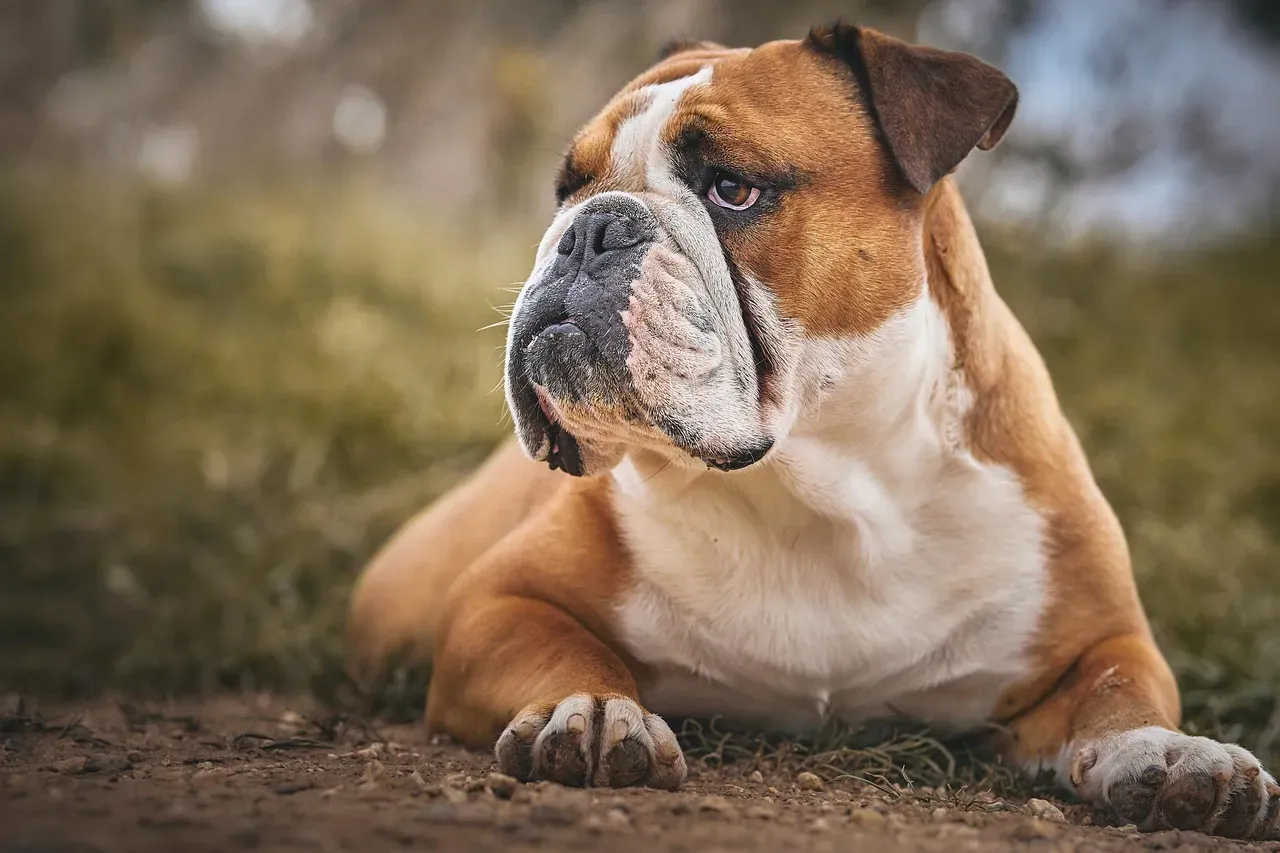
Bulldogs are the couch potatoes of the dog world, and that’s exactly the problem. Affectionate and loyal, sure, but also famously unmotivated unless something makes it worth their while. Ask a Bulldog to “sit” for the tenth time in a row and you may get a long, unimpressed stare instead of compliance.
Their stubbornness isn’t aggression, it’s pure low-effort logic: why work for a reward that doesn’t feel urgent? Trainers recommend short, high-energy sessions stacked with genuinely exciting treats, because a bored Bulldog checks out fast. Push too hard and the dog simply shuts down for the day. Next up is a breed with a very different, much prouder kind of stubbornness.
13 – Chow Chow
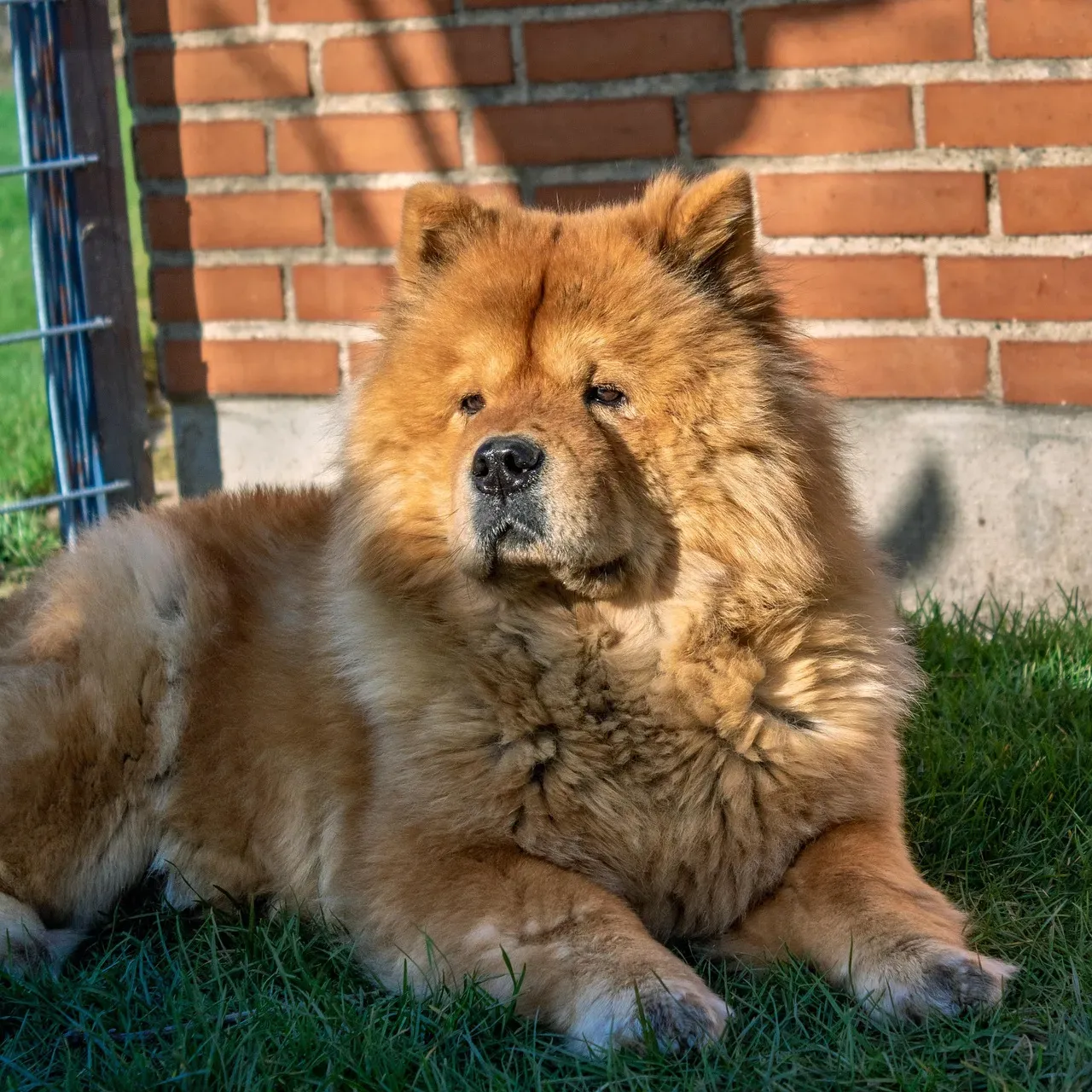
With that lion-like mane and permanently unbothered expression, the Chow Chow carries itself like royalty, and it was practically bred to. Ancient Chinese guard dogs needed to make their own judgment calls about threats, and that instinct hasn’t faded. Strangers often get a cool, assessing stare rather than a wagging tail.
That same independent judgment shows up at the worst moments during training, like selective hearing when a command doesn’t suit the dog’s mood. Trainers stress early socialization and calm, unwavering leadership, because a Chow Chow that senses hesitation will happily fill the leadership vacuum itself. Get it right early, though, and the loyalty that follows is fierce. Number 12 swaps aloofness for pure instinct-driven chaos.
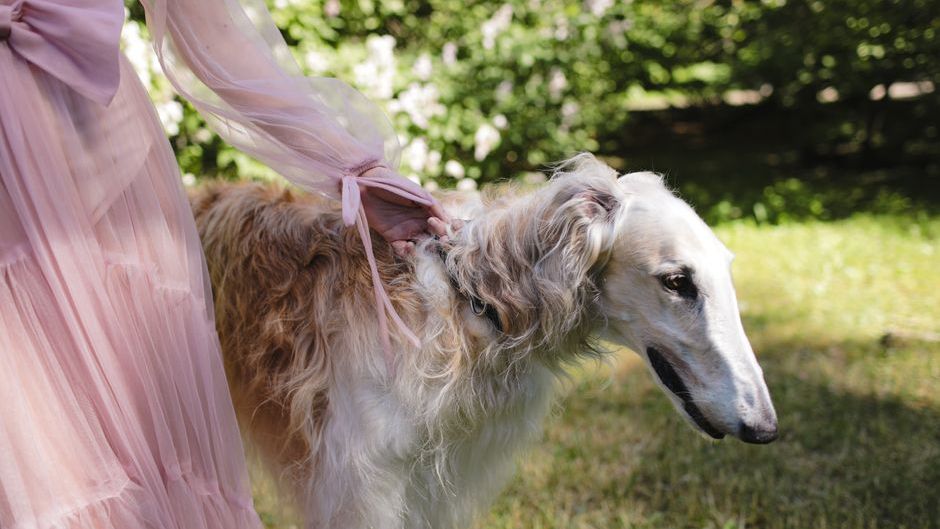
12 – Borzoi
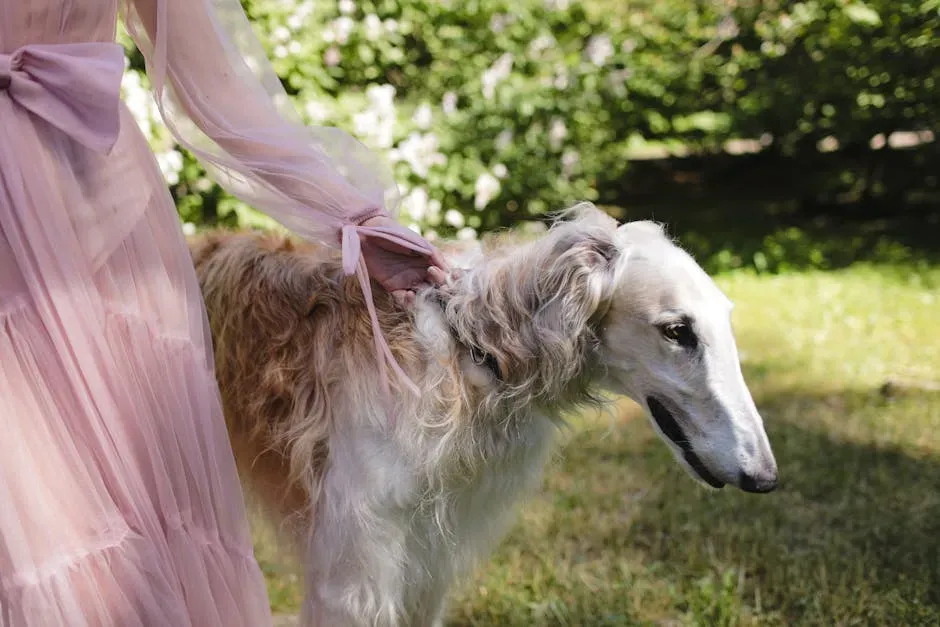
The Borzoi, Russia’s elegant “wolfhound,” looks like a dog built for ballrooms, not battlefields. But this breed was bred to run down wolves across open terrain, which means an enormous prey drive lives underneath all that silky grace. The second a squirrel, rabbit, or stray cat crosses its path, obedience becomes optional.
Owners quickly learn that a Borzoi mid-chase simply isn’t listening, no matter how loudly you call its name. Trainers put almost all their early focus on rock-solid recall, because everything else can wait until that instinct is under control. It’s a breed that rewards patience but punishes owners who skip the basics. Number 11 takes single-minded focus to an entirely new level.
11 – Bloodhound
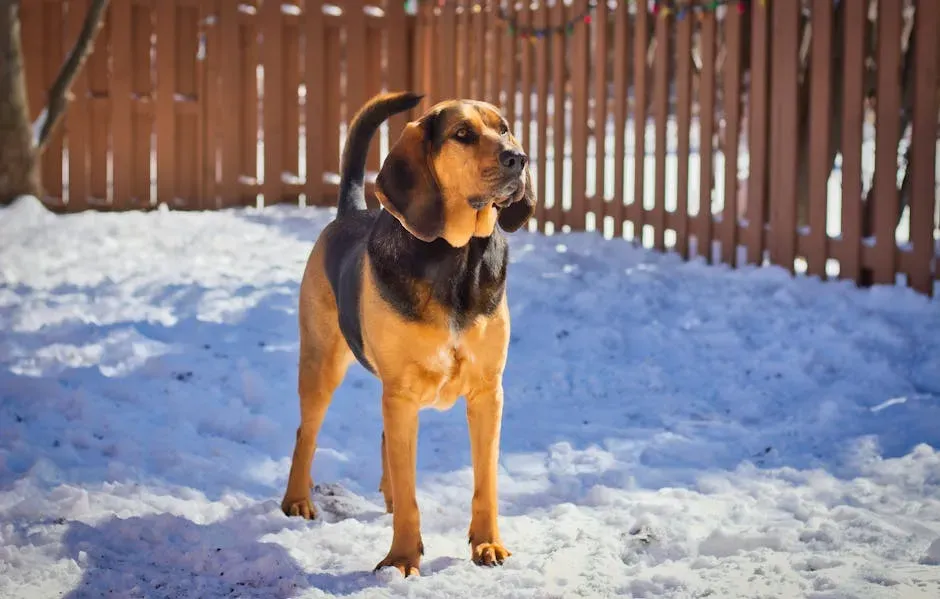
A Bloodhound’s nose is arguably the most famous in the animal kingdom, capable of tracking a scent trail for miles. That gift is also the trainer’s nightmare. Once a Bloodhound locks onto a smell, the rest of the world, including you, effectively disappears.
This isn’t defiance so much as total sensory tunnel vision, which makes standard obedience commands feel almost irrelevant to the dog in that moment. Trainers who work well with Bloodhounds don’t fight the nose, they channel it, turning tracking games into the reward itself. Fighting instinct head-on rarely works. Redirecting it does. Number 10 brings a completely different kind of stubborn pride.
10 – Pekingese
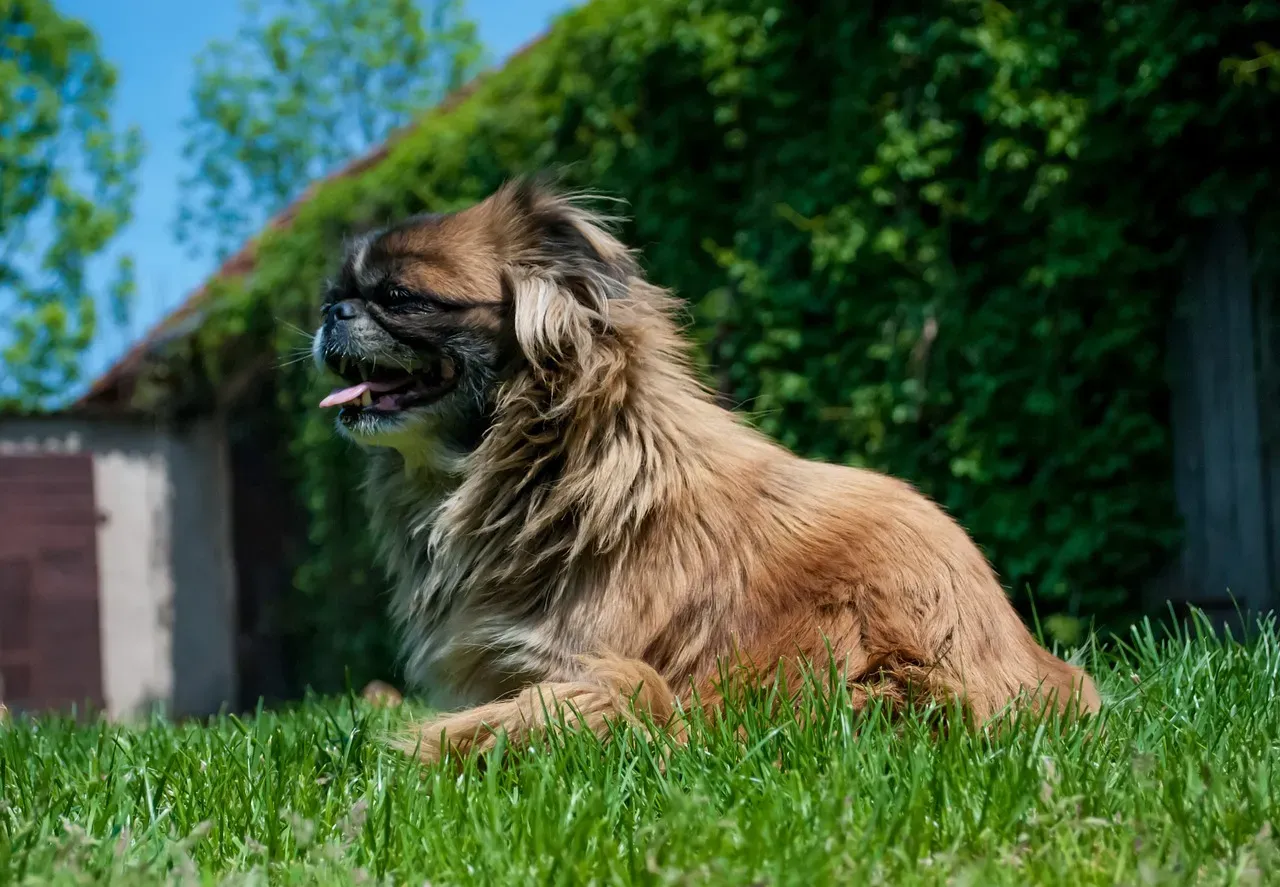
Pekingese dogs were literally bred to be companions to Chinese emperors, and somewhere along the way, they seem to have remembered it. This tiny breed carries an outsized sense of dignity, and that self-assurance can curdle into stubbornness fast. Ask a Pekingese to do something it finds beneath it, and you may simply be ignored.
Harsh corrections tend to backfire spectacularly with this breed, shutting the dog down or triggering outright defiance. Trainers who succeed lean on gentle, respectful positive reinforcement that treats the dog like the small aristocrat it believes itself to be. It’s less about dominance and more about earning cooperation. Number 9 is a familiar family favorite hiding a surprisingly stubborn streak.
9 – Beagle
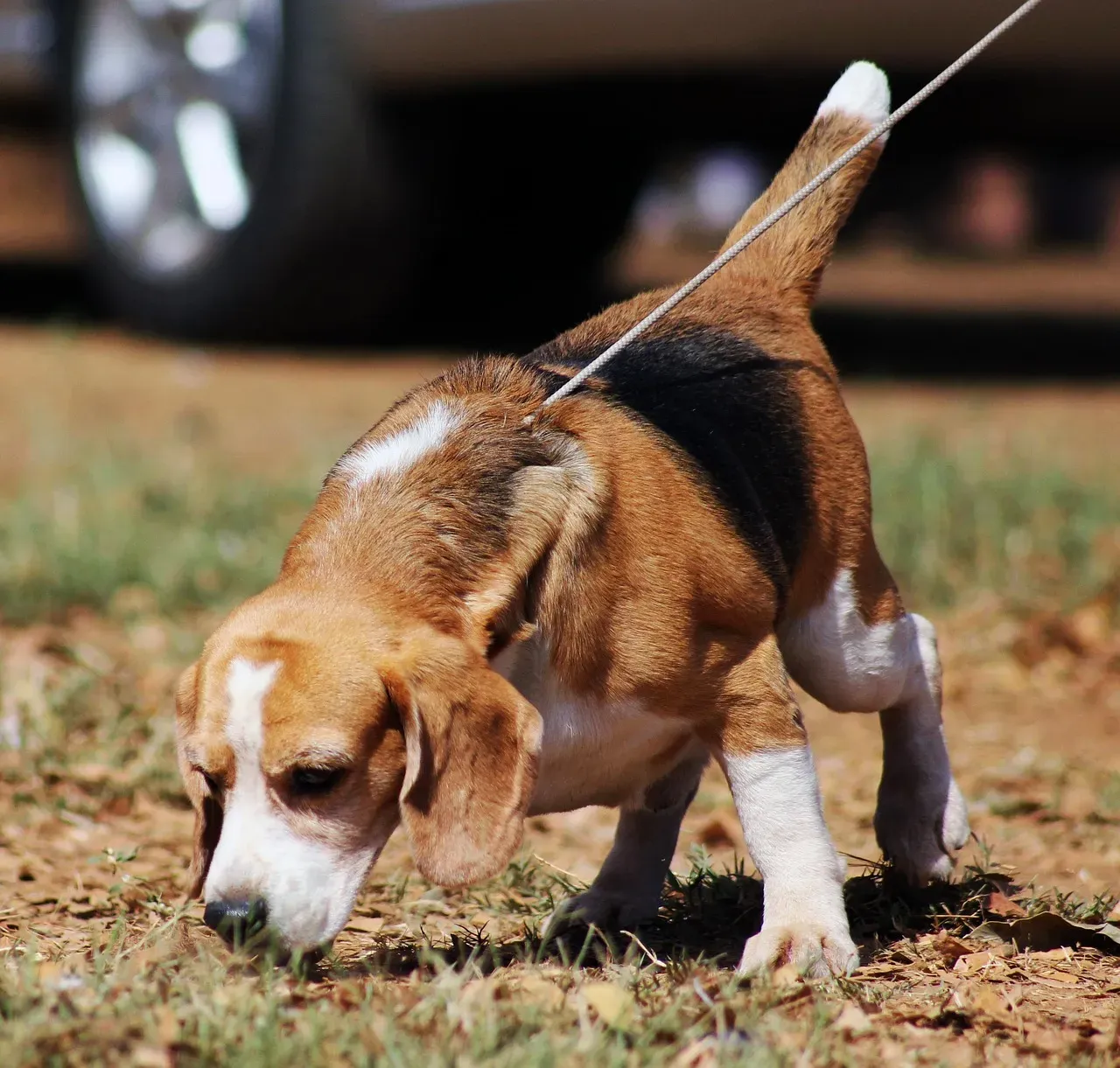
Beagles have one of the best noses in the dog world, and that’s precisely what makes them so maddening to train. The instant an interesting scent crosses their path, commands become background noise. It’s not defiance exactly, it’s a nose that simply overrides everything else in the moment.
This is why so many escaped Beagles end up several blocks from home, nose down, utterly oblivious to their owner’s frantic calling. Trainers recommend heavy investment in recall training from puppyhood, paired with plenty of scent-based games to burn off that instinct in a controlled way. A bored, under-stimulated Beagle is a Beagle who will not listen. Number 8 shares that same nose-driven stubbornness, with its own personality twist.
8 – Basset Hound
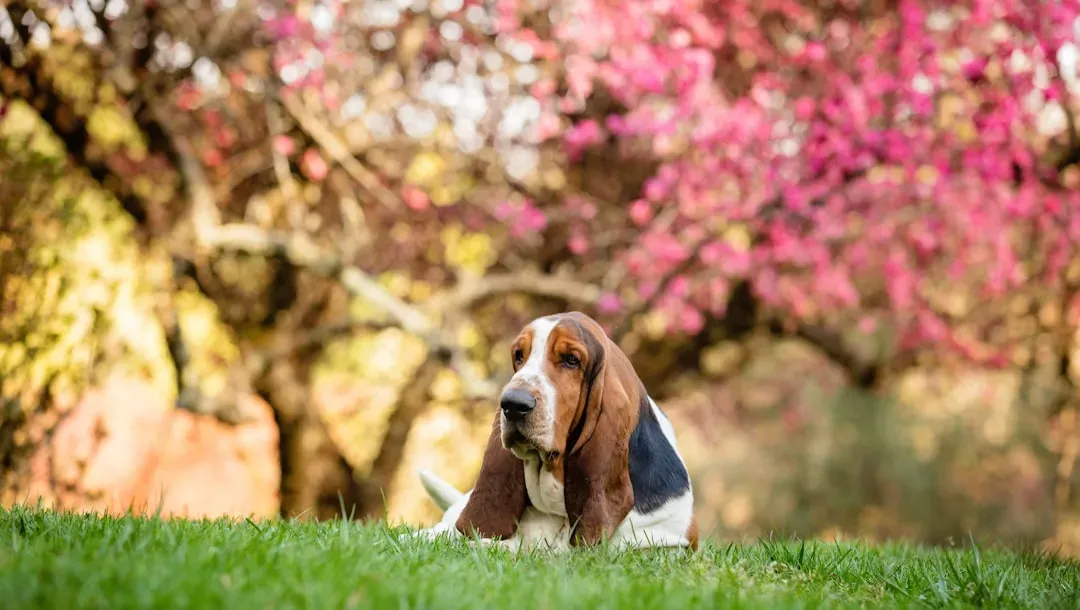
Basset Hounds look permanently unbothered, and honestly, that’s a pretty accurate read on their attitude toward training. Like their scent-hound cousins, they’re easily hijacked by interesting smells, and their low-to-the-ground build seems to come with an equally low motivation to hurry up and obey. Calling a Basset Hound mid-sniff is often an exercise in futility.
What actually works is food, and lots of it. Trainers report that high-value treats can cut through the distraction in ways that verbal praise alone never will. Patience matters too, because Basset Hounds process commands at their own unhurried pace no matter how urgent you sound.
Quick Compare
- Beagle: High energy, prone to bolting the moment a scent hits, needs vigorous daily exercise plus scent games to stay engaged.
- Basset Hound: Low energy, prone to flat-out ignoring commands out of sheer unhurried stubbornness, responds best to high-value treats.
- Shared weak spot: Once the nose takes over, both breeds tune out verbal commands almost completely.
- Training fix: Recall drills and nose-work games consistently beat straight repetition for both breeds.
Number 7 flips the script entirely, trading laziness for pure, relentless energy.
7 – Siberian Husky
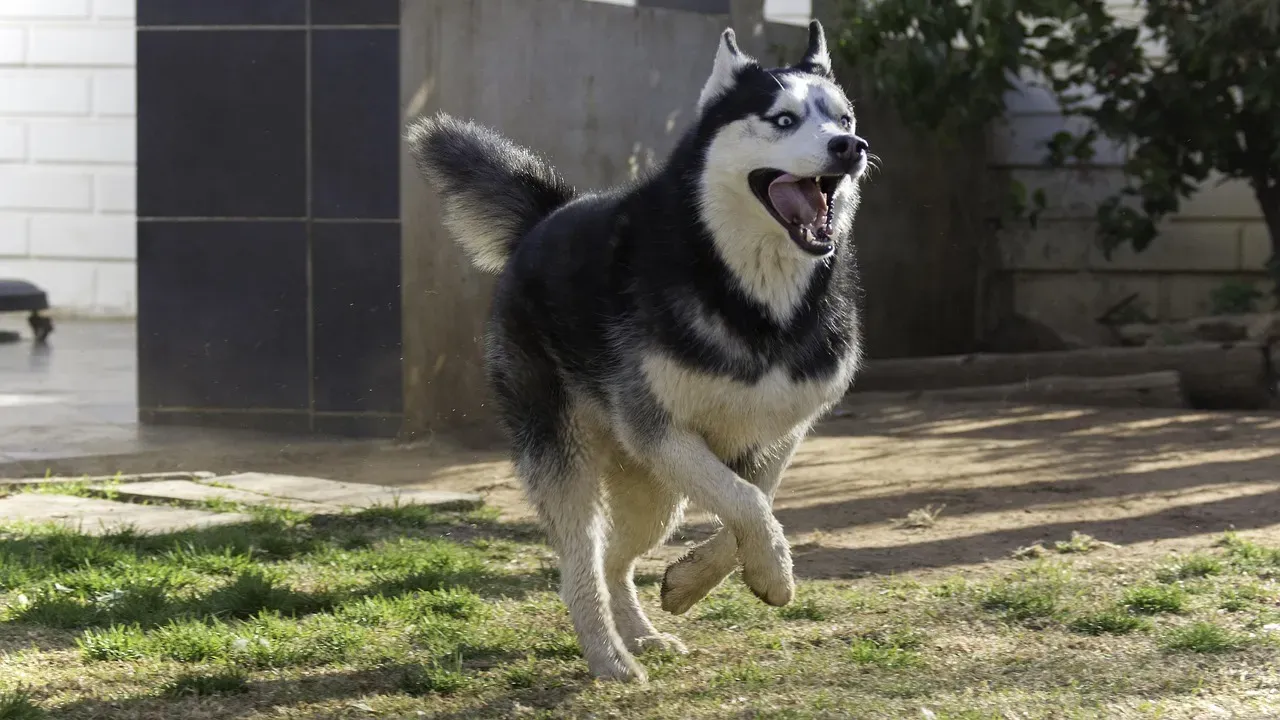
Huskies were bred to run for hours across brutal terrain, and that heritage didn’t disappear just because they now live in suburban backyards. Their energy levels are enormous, and so is their independent streak, a leftover instinct from working in packs with minimal human micromanagement. A bored Husky doesn’t just misbehave, it actively problem-solves its way out of yards and crates.
Without serious daily exercise and mental engagement, that energy turns destructive fast, from shredded couches to escape attempts worthy of a jailbreak movie. Trainers who work with Huskies say obedience only sticks once the dog’s physical needs are actually met.
A tired dog is a good dog.
Cesar Millan
Number 6 is a bigger, even more powerful version of that same stubborn independence.
6 – Alaskan Malamute
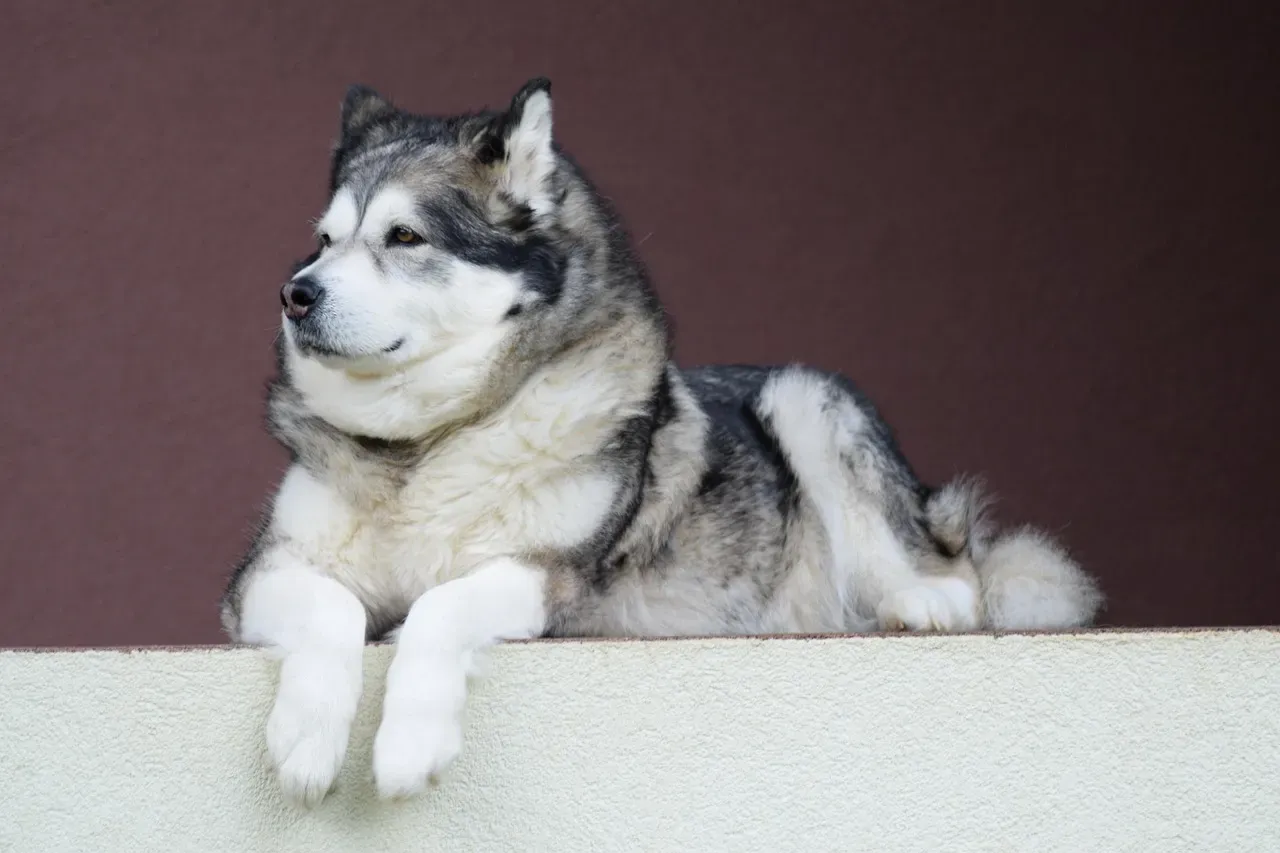
Alaskan Malamutes are built like small trucks, bred to haul heavy loads across the Arctic in brutal conditions. That kind of history produces a dog with serious physical power and an equally serious mind of its own. Malamutes were never bred to take orders from a distance, they were bred to work as capable partners, which makes blind obedience feel unnatural to them.
Without firm, confident leadership, a Malamute will happily take over decision-making itself, and given their size and strength, that’s not a small problem. Trainers emphasize consistent rules from day one and serious daily exercise to keep that big body and bigger brain from getting restless. Number 5 packs that same stubborn confidence into a much smaller frame.
5 – Jack Russell Terrier
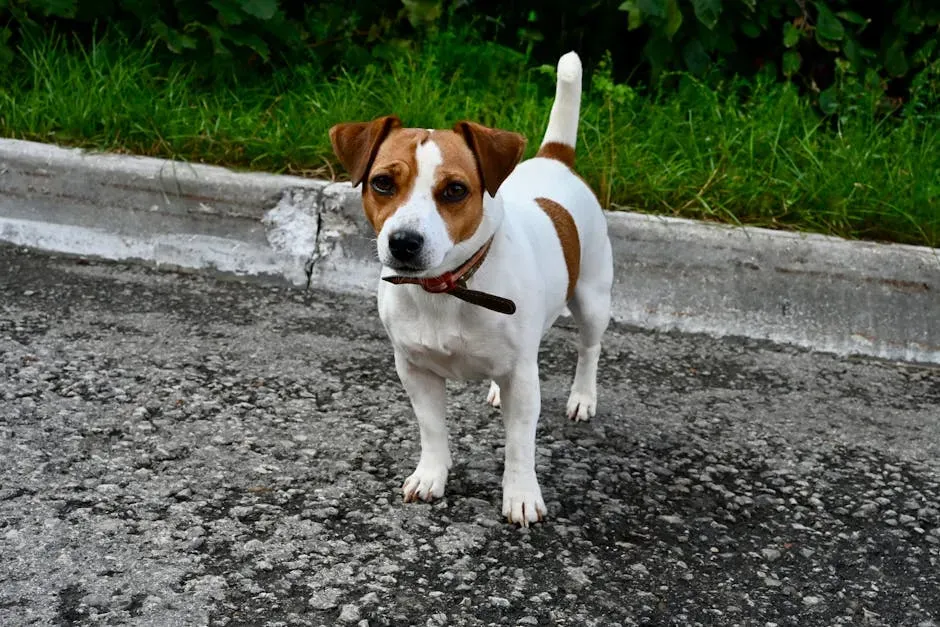
Don’t let the small size fool you, Jack Russell Terriers have some of the biggest personalities on this entire list. Bred to chase foxes into their own dens, they carry an intense prey drive and a nearly bottomless well of energy that doesn’t match their compact bodies at all. A bored Jack Russell isn’t a quiet dog, it’s a demolition project waiting to happen.
Training has to keep pace with that energy, meaning short, frequent, high-intensity sessions rather than long, slow ones. Consistency matters enormously too, since this breed will happily exploit any inconsistency in the rules. Get it right, though, and you get one of the most devoted, entertaining dogs imaginable. Number 4 brings an entirely different flavor of stubborn, straight out of Japan.
4 – Shiba Inu
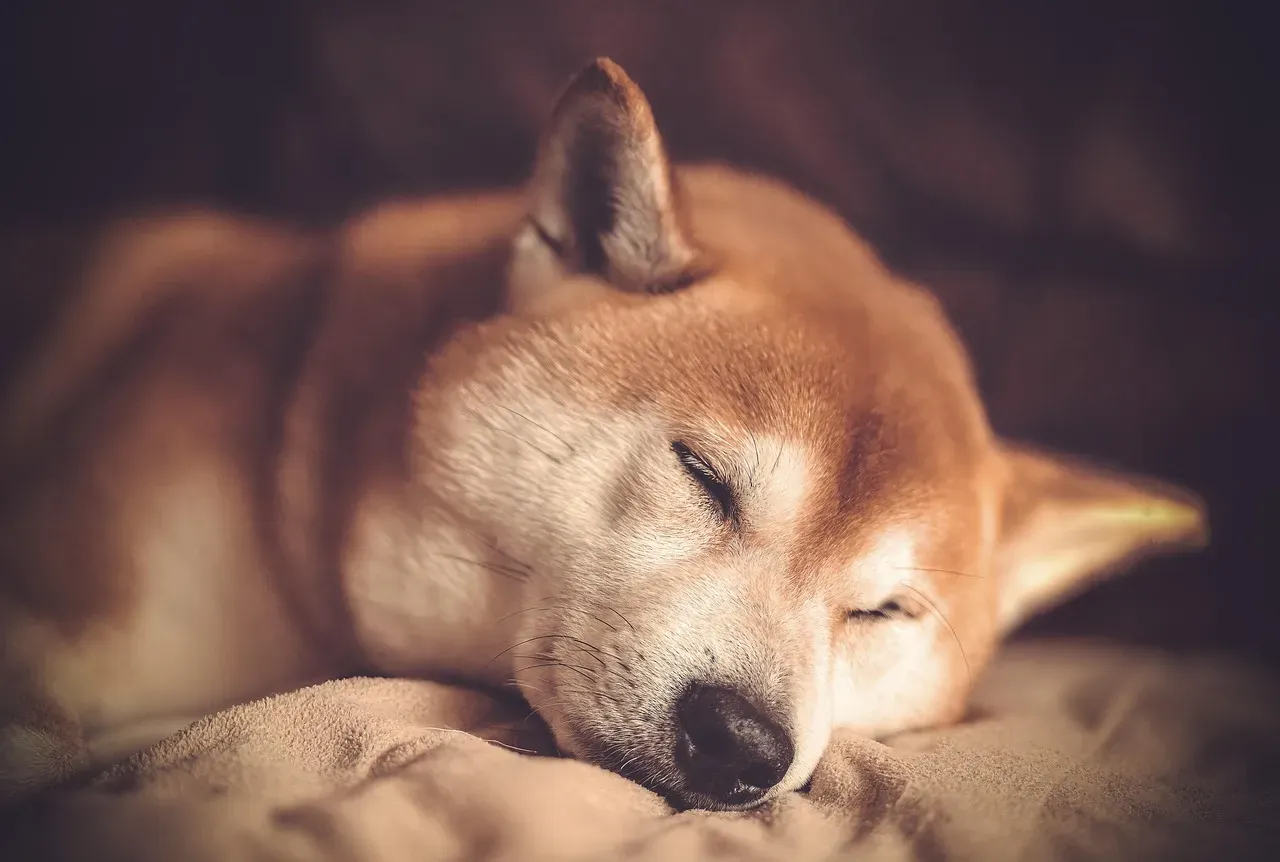
Shiba Inus have basically become internet royalty thanks to their fox-like faces and famous “Shiba scream,” but that meme-worthy personality comes with real training challenges. This breed is often described as cat-like, independent, fastidiously clean, and thoroughly unconvinced that following commands is worth its time. Off-leash reliability is nearly a myth with this breed, thanks to a strong prey drive and a talent for slipping out of collars.
Owners who succeed with Shiba Inus tend to treat training like an ongoing negotiation rather than a one-time lesson. Harsh corrections tend to trigger that infamous scream and outright shutdown, while patient, reward-based consistency slowly builds trust. It’s a breed that respects earned leadership, not demanded obedience.
Worth Knowing
- The Shiba Inu is the smallest of the six original dog breeds native to Japan.
- The breed received official AKC recognition in 1992 and is the AKC’s 136th breed.
- In December 1936, the Shiba Inu was recognized as a Natural Monument of Japan through the Cultural Properties Act.
- Known for being master escape artists, Shiba Inus will find a way to dig their way out of your garden or even wriggle out of their harness if given half the chance.
Number 3 shares that same quiet dominance, but with a much more serious guarding instinct.
3 – Akita
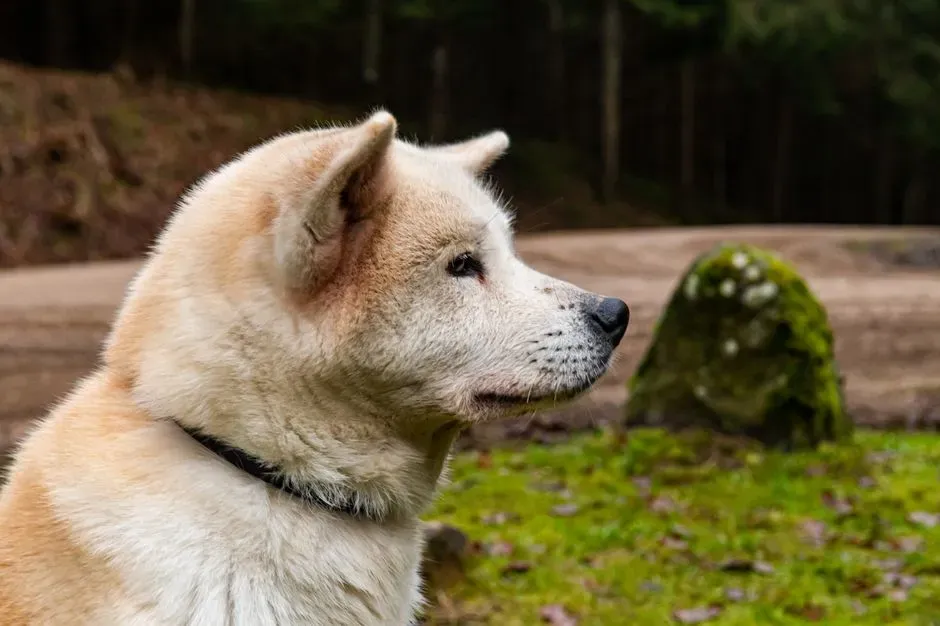
Akitas carry themselves with a calm, almost regal confidence, the kind bred into them as historical Japanese guardians and hunters. That confidence, unfortunately, often translates into a dog who genuinely believes it knows better than you. Akitas are famously aloof with strangers and can be less than thrilled about other dogs, a trait that demands serious, early socialization.
This isn’t a breed that responds well to repetition or forceful handling, both tend to trigger stubborn resistance instead of cooperation. Trainers who work with Akitas describe the process as earning respect first and obedience second, in that exact order. Get the relationship right, and you gain a fiercely loyal, one-family dog for life. Number 2 trades quiet dominance for sheer nonstop physical demand.
2 – Dalmatian
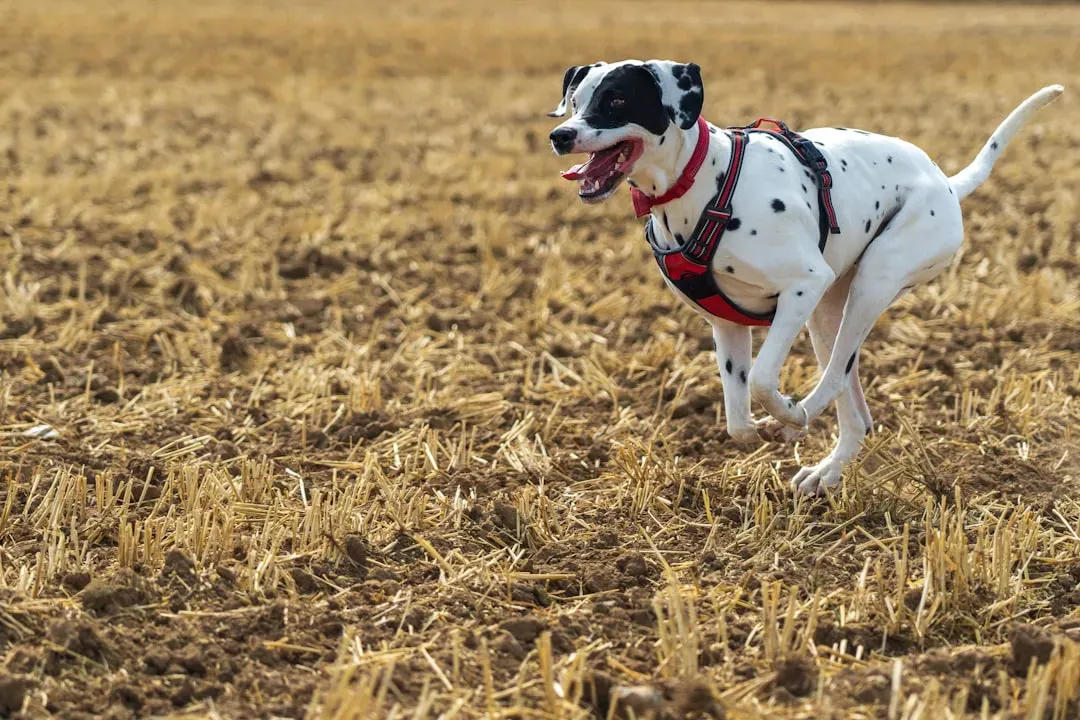
Dalmatians have a surprisingly demanding history hiding behind those spots. This breed was originally bred to run alongside horse-drawn carriages for miles at a time, which means their bodies were built for serious, sustained endurance. That kind of engine doesn’t just switch off in a modern living room, and an under-exercised Dalmatian tends to turn that leftover energy into anxious, destructive behavior.
Training a Dalmatian without addressing that energy first is close to pointless, according to trainers who work with the breed regularly. Obedience only sticks once the physical need is met, ideally with real running, not just a short walk around the block. It’s a breed that rewards active owners and punishes sedentary ones. And that brings us to the breed trainers quietly consider the toughest of them all.
1 – Rhodesian Ridgeback
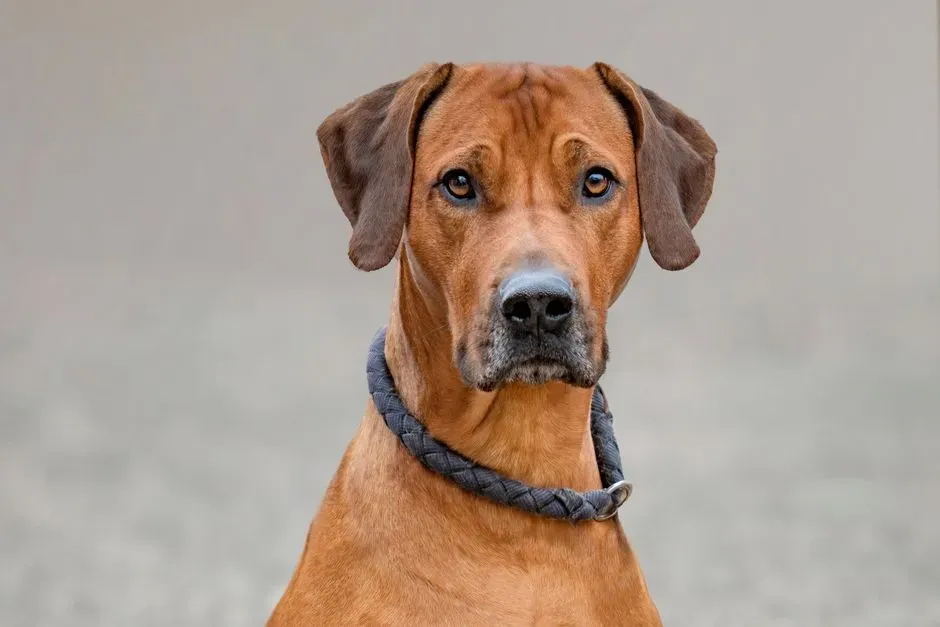
The Rhodesian Ridgeback’s history alone explains a lot: this breed was developed in southern Africa to help hunters track and hold lions at bay, working in packs against one of the most dangerous predators on the planet. That takes serious courage, serious independence, and a willingness to make split-second decisions without waiting for instructions. None of those traits translate easily into a dog that sits quietly when told.
Ridgebacks are powerful, naturally suspicious of strangers, and stubborn in a way that can catch first-time owners completely off guard. Trainers agree this breed needs firm, calm, endlessly consistent leadership from puppyhood, because a Ridgeback that senses weakness will happily take charge instead. It’s a dog that demands real respect, real structure, and real experience, which is exactly why so many trainers quietly rank it as the single hardest breed on this list.
At a Glance
- Its signature feature is a line of raised hair running in the opposite direction from the rest of the coat, running along the spine.
- In 1955 the American Kennel Club recognised the Rhodesian Ridgeback breed as a member of the hound group.
- The Rhodesian Ridgeback has an average lifespan of 10 to 12 years, and it may be prone to minor issues such as elbow dysplasia and canine hip dysplasia.
- Rhodesian Ridgebacks are not recommended for first-time or inexperienced dog owners.
Here’s the uncomfortable truth most breed guides won’t say outright: difficulty isn’t really about bad dogs, it’s about mismatched expectations. Every breed on this list was bred for a purpose that had nothing to do with obeying a human on command, whether that was hunting alone, guarding property, or outrunning a wolf. The dogs aren’t broken, the training playbook is often just wrong for them. If you’re set on one of these breeds, the real question isn’t whether you can train them. It’s whether you’re willing to earn it.


