
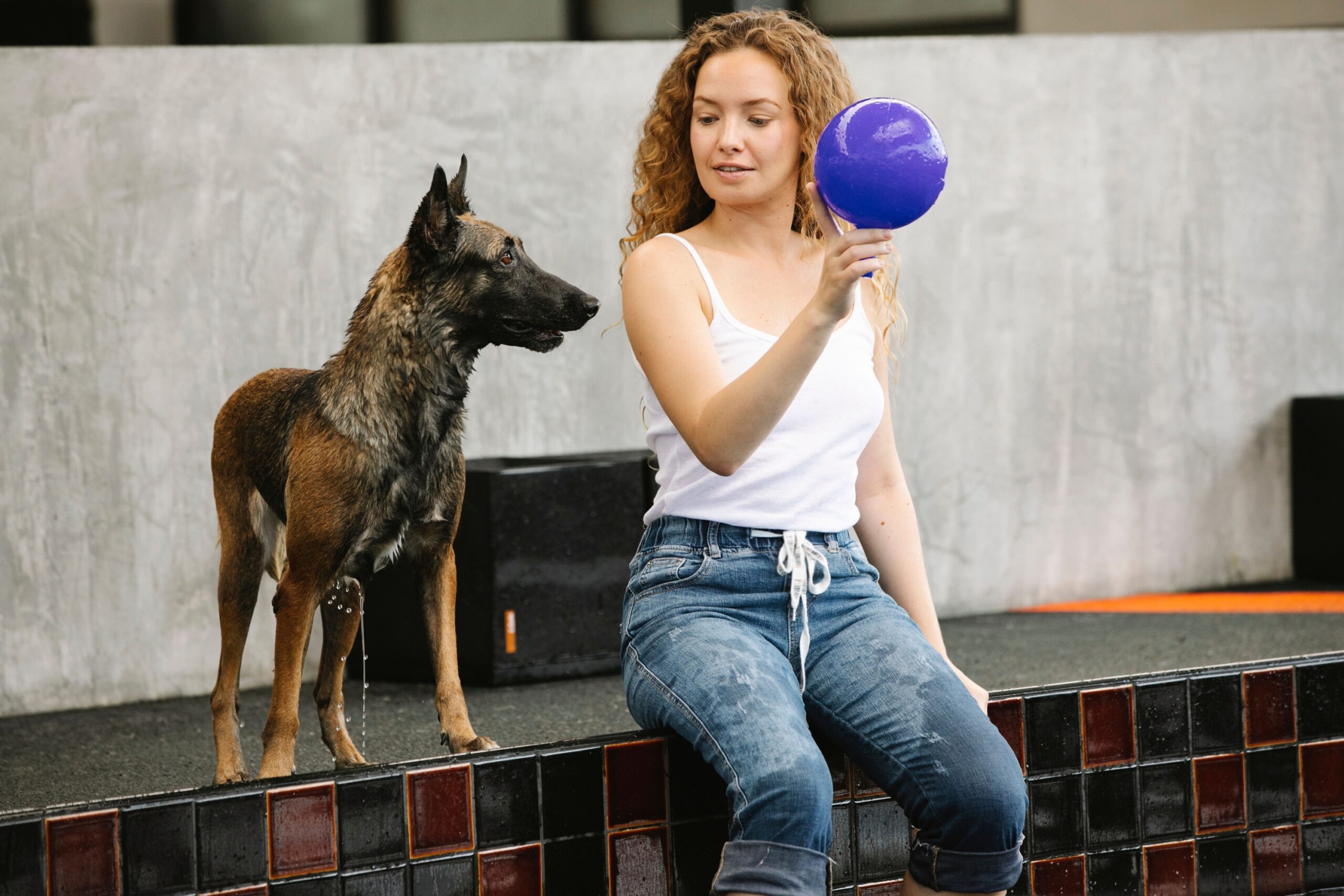
You probably already talk to your dog like they understand every word. The surprising twist is that science keeps finding out you’re not entirely wrong. Over the last couple of decades, researchers have uncovered dogs that can learn the names of dozens, sometimes hundreds, of toys just by listening to humans talk.
But here’s where it gets really fascinating: those superstar dogs seem to be the rare exception, not the rule. Most dogs are picking up something very real about our language, just in a much more limited way. So what exactly are they learning, how far can it go, and what separates an ordinary good boy from a canine word genius?
Why Dogs Can Learn Human Words At All

It’s almost wild when you stop and think about it: dogs are a completely different species, yet they tune into our speech better than many other animals that are closer to us biologically. Over thousands of years living alongside humans, dogs have likely been naturally selected for paying attention to our signals, including our voices and gestures. That long co‑evolution means your dog is basically wired to care what your weird primate mouth sounds are trying to say.
Researchers have shown that dogs can distinguish between different words, react differently to praise versus neutral speech, and even show brain differences when they hear familiar versus unfamiliar words. They are not just responding to tone; many dogs can tell that “ball” is different from “bed” even if you say both in the same flat voice. That does not mean they grasp grammar or full sentences, but it does mean words are not just background noise to them.
What The “Average” Dog Really Understands
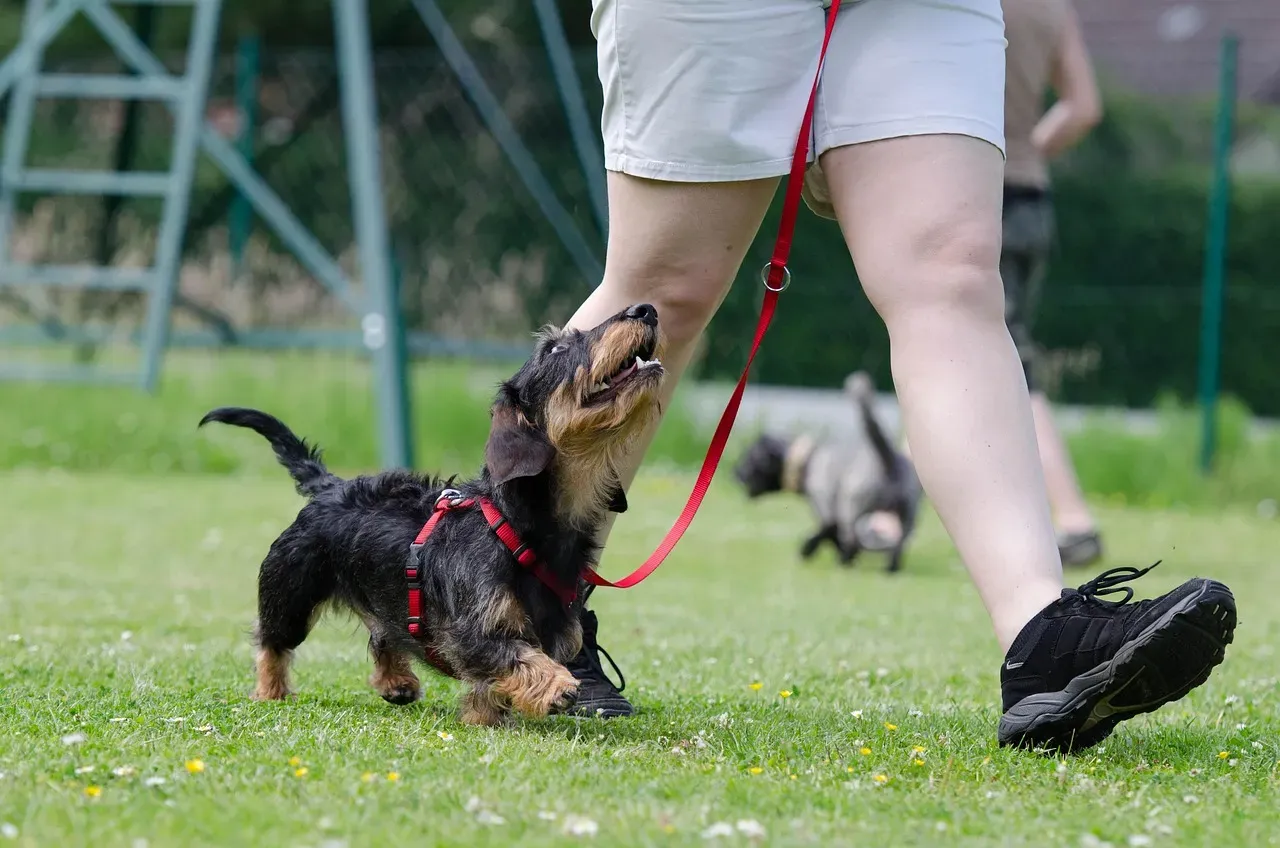
Most dog owners will proudly insist their dog knows lots of words, and to be fair, many dogs do show consistent responses to common cues. Names like “walk,” “treat,” “sit,” and “car” often trigger very obvious reactions. But controlled tests usually suggest that the typical dog really knows a modest set of words, and a lot of what looks like language understanding is actually context and routine.
For example, your dog might sprint to the door when you say “park,” but they are also reading your body language, time of day, and the sound of keys. When researchers strip away those extra hints and test words one by one with neutral tone and no gestures, performance tends to drop. In other words, your dog is clever, but probably not secretly memorizing a human‑sized vocabulary – they’re using a smart mix of a few known words plus a ton of situational clues.
The Rare “Genius” Dogs With Huge Toy Vocabularies

Every now and then, though, a dog shows up in a lab who seems to blow the curve. These are the dogs in the headlines: border collies and a few other breeds that can fetch the correct toy from a pile when asked by name, from a list that can run into the dozens or even well over a hundred objects. They are not guessing randomly; in repeated tests, they consistently go for the correct item far more often than chance.
Scientists call these animals “gifted word learners” or “exceptional dogs,” and they really are outliers. Studies that looked for such dogs in the general pet population found that only a very small number qualified, even among highly engaged owners. That suggests we are looking at a mix of unusual cognitive ability and intense, toy‑focused interaction at home – the dog version of a music prodigy in a house full of instruments.
How These Exceptional Dogs Actually Learn Object Names

What makes these gifted dogs even more intriguing is how they learn. In some experiments, dogs picked up new toy names just through play, without any formal “training session” structure. The owner might casually say “Get the pineapple” while playing, and after enough repetition, the dog started recognizing “pineapple” as that one specific toy in the pile.
Some of these dogs have even been tested on their ability to remember new names after very few repetitions, and still perform impressively days or weeks later. That hints at something like rapid word learning, similar in spirit (though not in complexity) to how young children can learn new nouns. Still, it is crucial to keep the comparison grounded: these dogs are mapping sounds to objects, not building a full language system with grammar and abstract concepts.
Listening, Not Just Treats: Why Attention Matters More Than Rewards
A lot of dog training advice focuses heavily on treats, and rewards absolutely help. But when it comes to learning words, sustained attention and shared focus might matter just as much. In many of the studies with exceptional dogs, owners spend a huge amount of time playing with toys, naming them repeatedly, and making the game socially exciting. The dog is not only chasing a ball; they’re engaged in a shared activity with a person they’re deeply bonded to.
That combination of emotional connection, repetition, and clear context gives the dog many chances to link a sound to a specific object. Even with an ordinary dog, using consistent labels and pointing or holding the item can help them make that mental connection. In my own life, I’ve seen dogs that never went near a formal training class still learn the words for “ball,” “fox,” and “blue tug” just from daily play in the living room.
Why Some Dogs Excel While Others Stay “Normal”
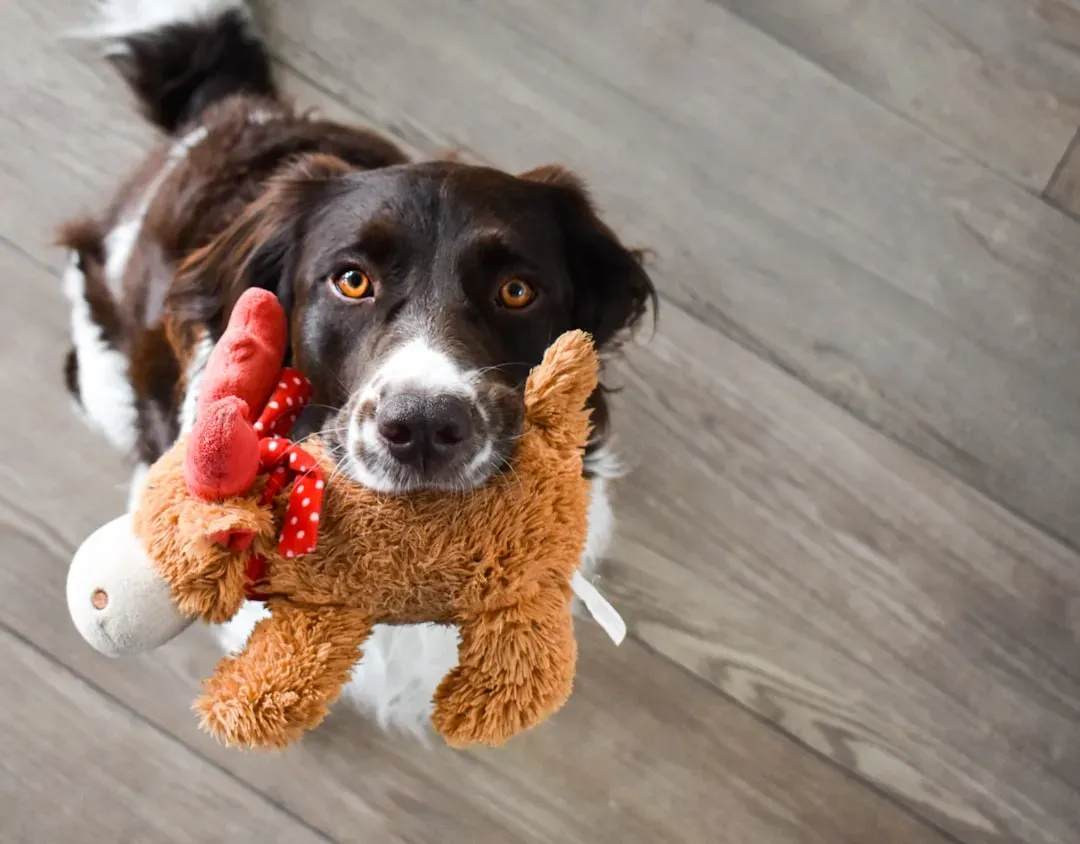
So why does one dog seem able to memorize a closet full of toy names while another never quite nails more than a handful of cues? Genetics almost certainly play a role; some breeds, like border collies and other herding dogs, have been bred for generations to watch humans closely and respond to subtle commands. Within those breeds, certain individuals are especially focused, toy‑obsessed, and eager to work, which likely supports this kind of learning.
But environment and lifestyle matter too. A dog who has 50 toys and an owner who plays naming games every day has a much richer “language lab” than a dog with one rope toy and a quick nightly walk. The key point is that most dogs probably have some capacity to learn object names, but only a tiny few get both the internal wiring and the external opportunities to push that skill to jaw‑dropping levels.
What This Means For You And Your Dog
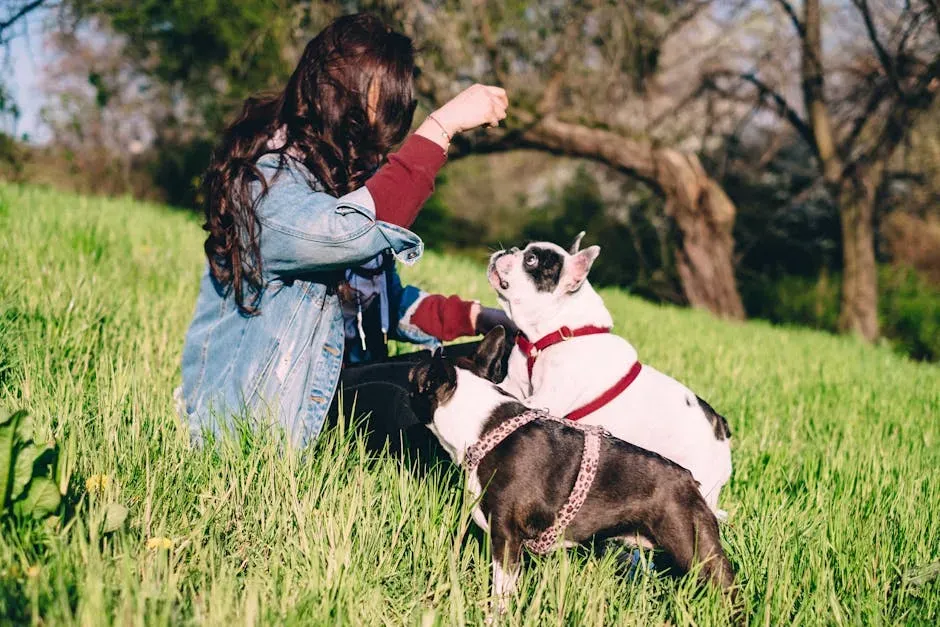
Here is the reassuring news: your dog does not need to know the names of a hundred toys to have a rich, meaningful, almost conversational relationship with you. Even a modest vocabulary of a few words, combined with your tone, body language, routines, and rituals, can create a deeply shared world. Dogs are experts at reading humans, and a lot of that communication simply does not rely on complex language.
At the same time, knowing that dogs can genuinely learn some words is an invitation to play with that ability. You can experiment with naming a favorite toy, using that name consistently, and testing whether your dog really understands it. In my view, the profound takeaway is not that a few superstar dogs are almost “little humans,” but that even an ordinary dog is picking up more from your voice than you think – and that mysterious cross‑species understanding is kind of magical.
Conclusion: The Quiet Miracle Of Being Understood By Another Species

In the end, the science paints a picture that is both humbling and heartwarming. Most dogs are not secret linguistic geniuses storing hundreds of nouns in their heads, but they are surprisingly good at mapping some of our sounds to actions, objects, and emotional meanings. A tiny fraction go far beyond what researchers once thought possible, showing just how plastic and adaptable the canine mind can be when the right dog meets the right human in the right environment.
My own opinion is that we focus too much on counting how many words a dog knows and not enough on appreciating what it means that they understand any at all. Another species, with a totally different brain and evolutionary history, can tune into our chatter well enough to fetch the blue ball from the other room just because we asked. In a noisy world, that quiet moment of shared understanding might be one of the most extraordinary everyday miracles we’ll ever experience – how many words does your dog really need to know to make that feel special?


