
17 Familiar Dog Breeds Experts Concede Were Assembled From Lines Nobody Ever Properly Documented Anywhere
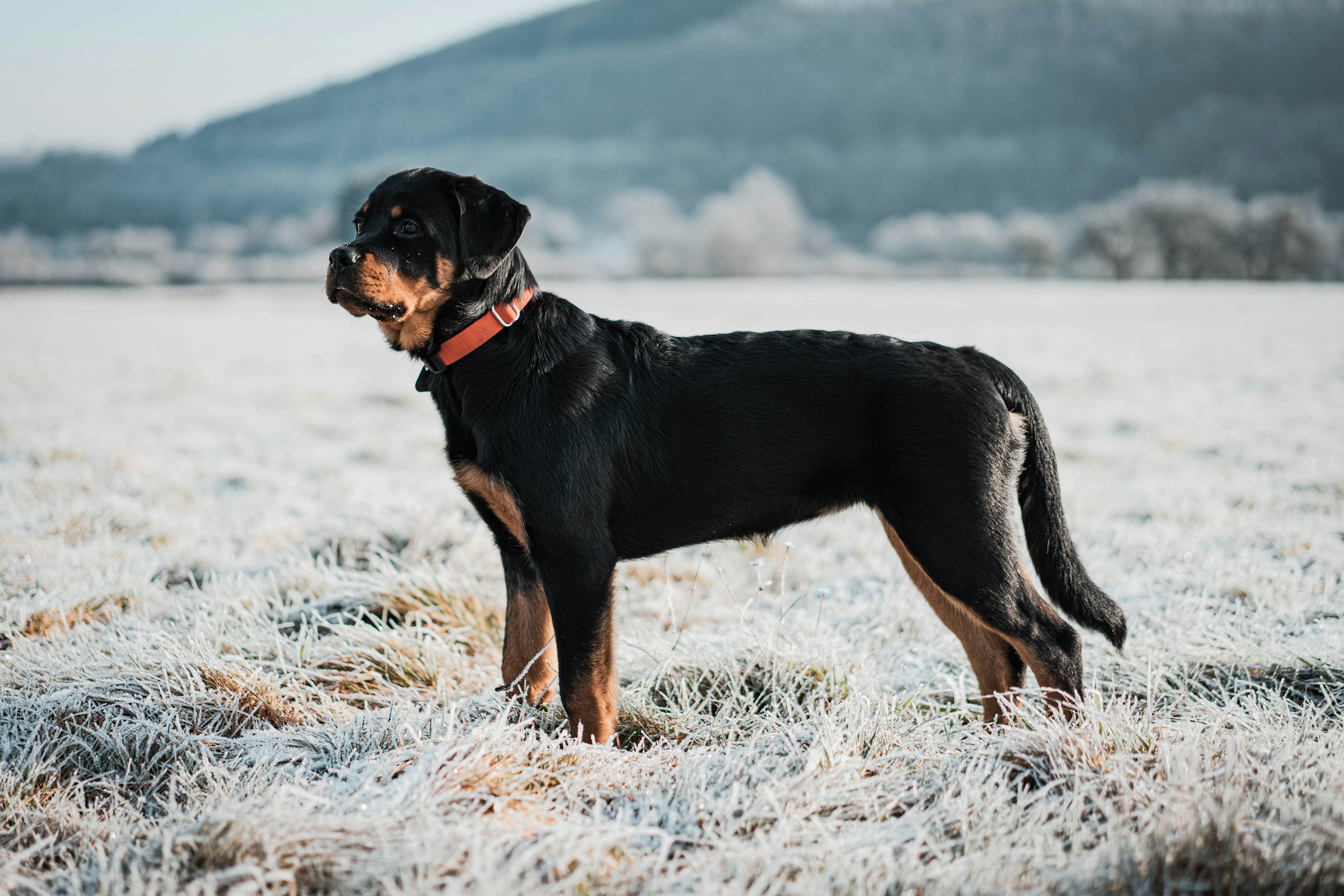
You’ve seen the framed pedigree certificates, the kennel club plaques, the breed standard booklets that read like sacred texts. Dog breeding looks buttoned-up, almost scientific, like every litter traces back through a tidy chain of names and dates. So it’s a little unsettling to learn that some of the most beloved, most photographed, most “purebred” dogs on the planet don’t actually have that chain.
Instead, they have gaps. Big ones. Whole decades where nobody wrote anything down, where farmers and fishermen and monks just bred whatever worked and moved on with their lives. The paperwork you’re picturing was often added later, sometimes generations later, to make a messy reality sound respectable. Here are 17 breeds where the official story and the actual history don’t quite match up – and a few of them might genuinely surprise you.
#1 – Labrador Retriever: The “Well-Documented” Breed That Actually Isn’t
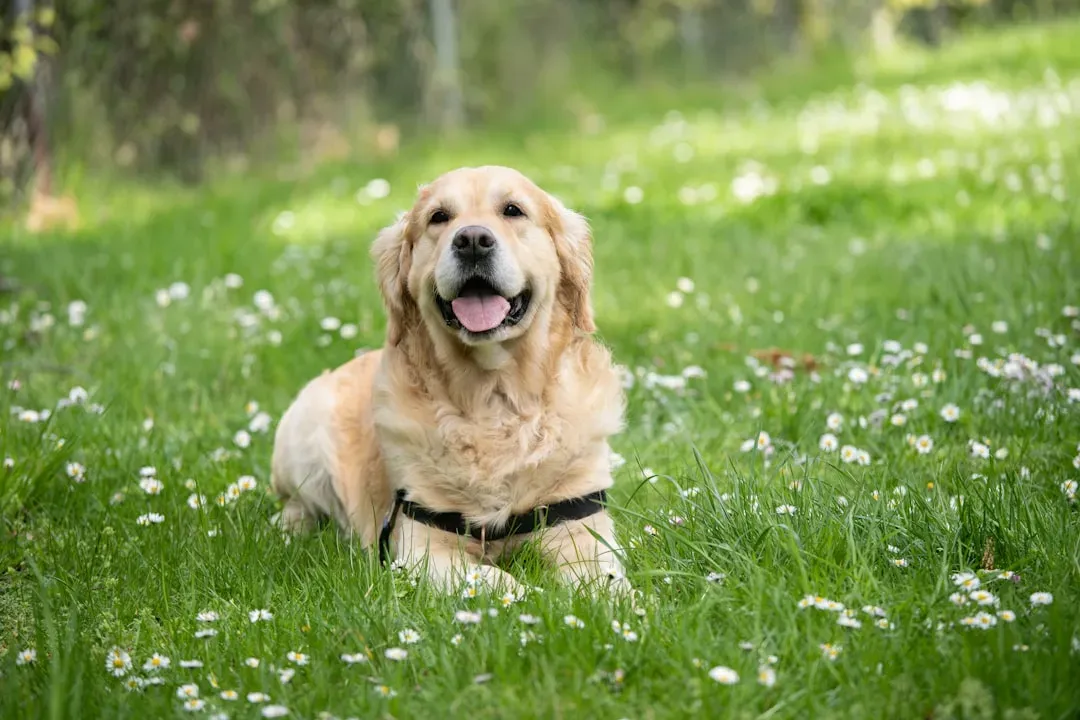
Labradors get treated like the gold standard of clean breeding, but their early story is far murkier than most owners assume. The modern Lab traces back to Newfoundland’s St. John’s water dog, a landrace bred by fishermen for usefulness, not pedigree. Nobody kept consistent written records on these dogs’ pairings, imports, or selection, and they were crossed, traded, and culled based purely on how well they worked, not who their parents were.
By the time British fanciers began “fixing” the Labrador type in the 1800s, the original genetic pool was already scattered and partly lost. Stud books and letters from that transition are full of confusion, with lines from different kennels blended, renamed, and selectively remembered. DNA studies today confirm multiple regional contributors fed into the breed rather than one clean, traceable line. The story most Lab owners believe is a tidied-up myth built on incomplete notes – and that’s mild compared to what happened to the Golden Retriever.
Quick Compare
- Labrador Retriever – official AKC recognition: 1917
- Golden Retriever – official AKC recognition: 1925
- Rottweiler – official AKC recognition: 1931
- Lhasa Apso – official AKC recognition: 1935
#2 – Golden Retriever: The Romantic Origin Story That Fell Apart
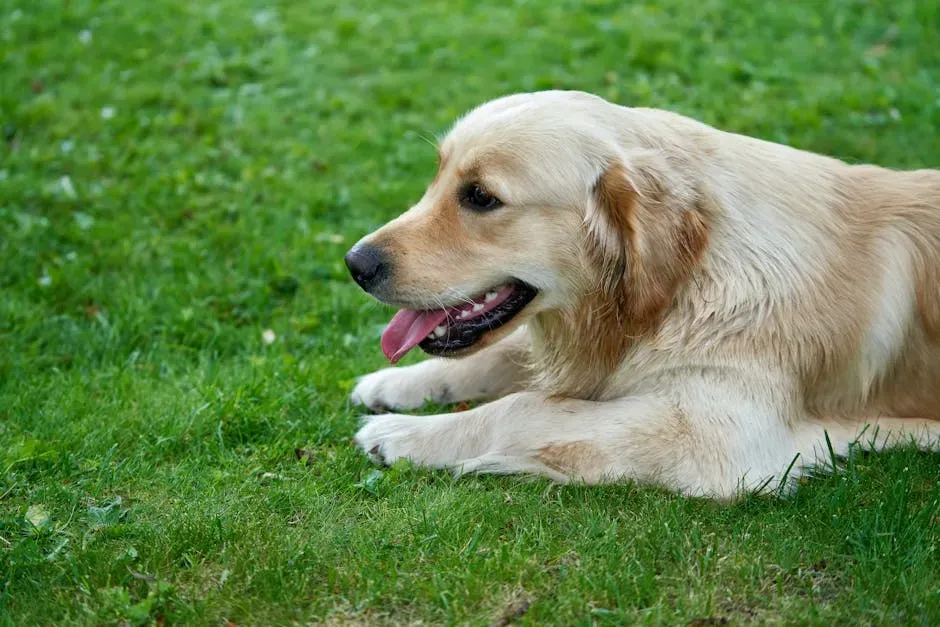
The Golden Retriever has one of the most charming origin tales in the dog world: a Scottish lord, some traveling circus dogs, and a flash of breeding genius. It’s repeated in books, on kennel club websites, and by breeders who love a good story. The problem is that modern research and genetics strongly suggest that tale is, at best, half-true and heavily polished.
Early “yellow retrievers” in Britain weren’t a single line at all, but a loose category likely mixed from wavy-coated retrievers, tweed water spaniels, and other local gundogs that were never documented beyond an occasional diary entry. Historians suspect undocumented crosses with setters and possibly collies as well. A nobleman claiming he single-handedly “created” a breed simply makes a better story than admitting he polished what unnamed farmers and gamekeepers had already been quietly doing for years. If you think that’s messy, wait until you see how little we actually know about the Poodle.
#3 – Poodle: The Designer Dog Before “Designer Dogs” Existed
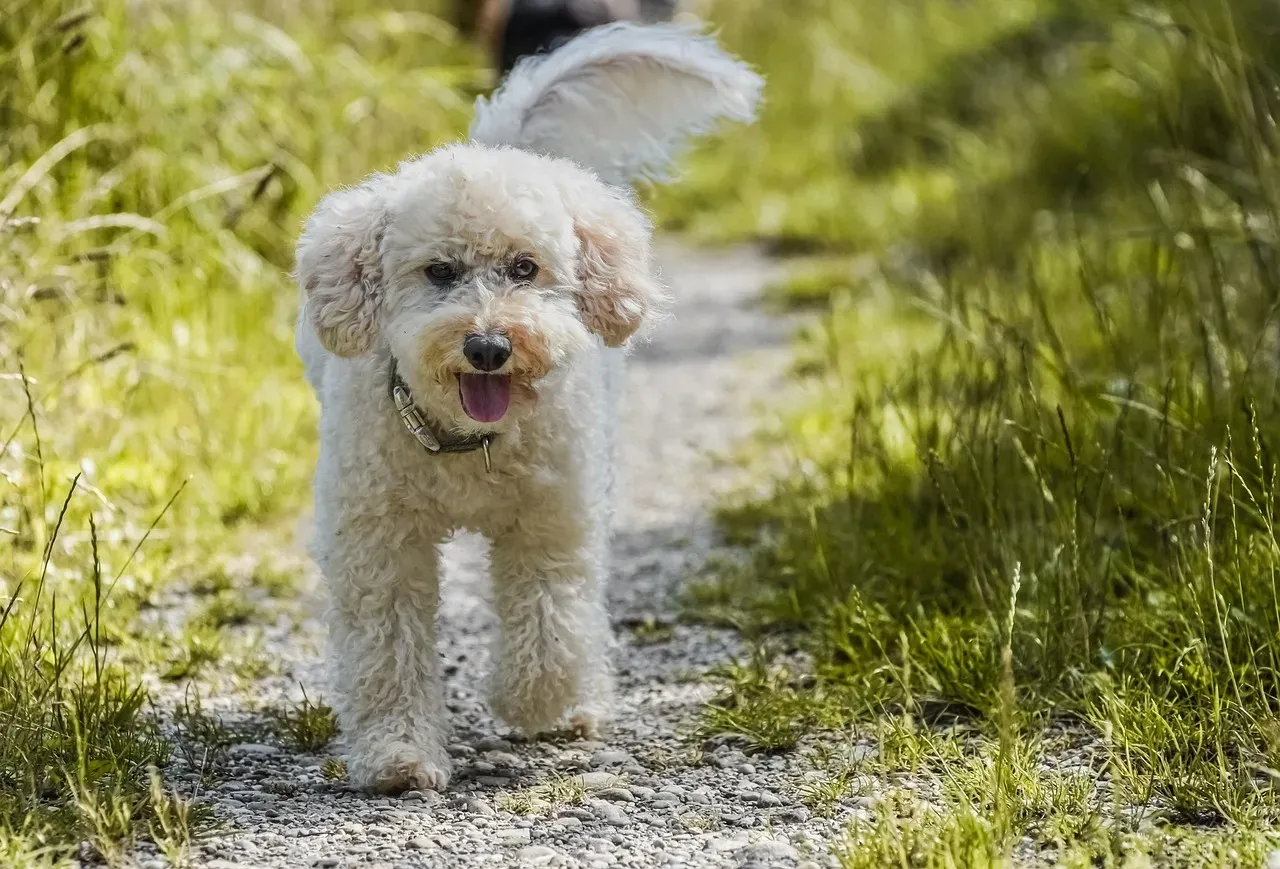
The Poodle gets framed as a deliberate French masterpiece, carefully curated from elite water dogs. In truth, its ancestry sprawls across central Europe in ways historians still argue about today. German water dogs, French caniche, and various shaggy, curly-coated dogs working rivers and marshes all fed into the mix, and nobody kept a unified studbook for any of them during the breed’s formative centuries.
By the time national kennel clubs tried to standardize the Poodle, people were essentially guessing backwards, deciding which old paintings “must” be poodles and which local water dogs fit the narrative they wanted to tell. Add in the later creation of Miniature and Toy varieties through undocumented small-dog crosses, and the record gets even shakier. Poodles look engineered and intentional. In reality, they’re the polished endpoint of centuries of improvised, barely recorded crossbreeding – which still isn’t as chaotic as what happened to the Dachshund.
#4 – Dachshund: From Generic “Badger Dog” to Brand-Name Icon
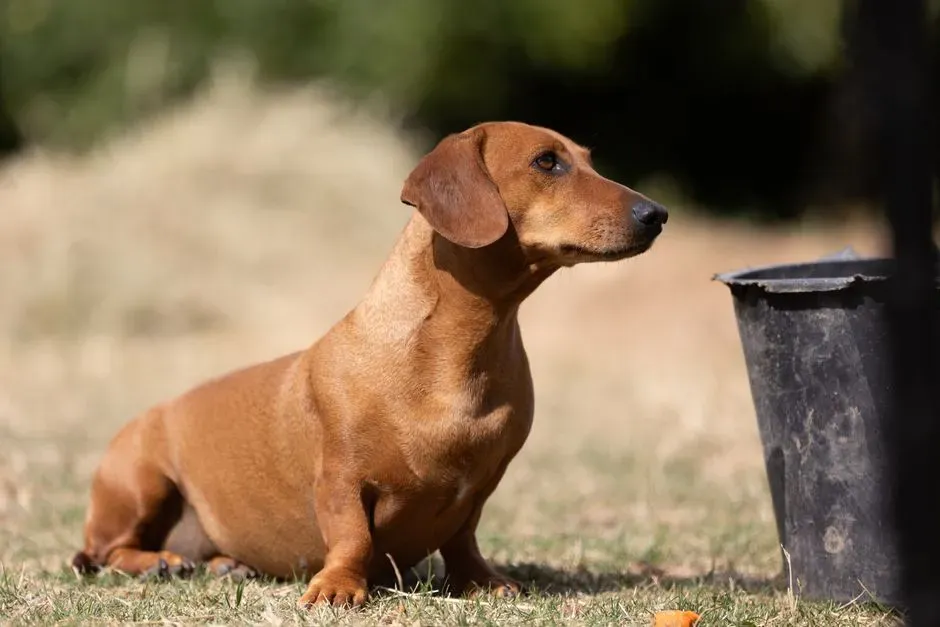
Dachshunds are marketed as though some meticulous German hunter sat down in the 1600s and designed the perfect badger dog on paper. The truth is far scrappier: hunters used whatever small, brave, long-bodied farm dogs they had on hand and bred the successful ones together, with almost no formal documentation. “Dachshund” originally described a job, not a traceable bloodline, and many pre-standardization “badger dogs” would barely resemble today’s show-ring hounds.
Short-legged dogs pop up naturally in many litters because of chondrodysplasia, a genetic mutation that happened to be perfect for tunneling underground after prey. Early German breeders opportunistically kept these dogs and crossed them with various hounds and terrier-like types for tenacity and scenting power, leaving records that are sparse and often contradictory. Only later did kennel clubs retroactively bless one branch of this messy population as the “true” Dachshund. If you think your sausage dog descends from one tidy line, you’re buying a comforting story – unlike the outright mystery clouding the English Bulldog.
#5 – English Bulldog: A Breed Rebuilt From the Rubble
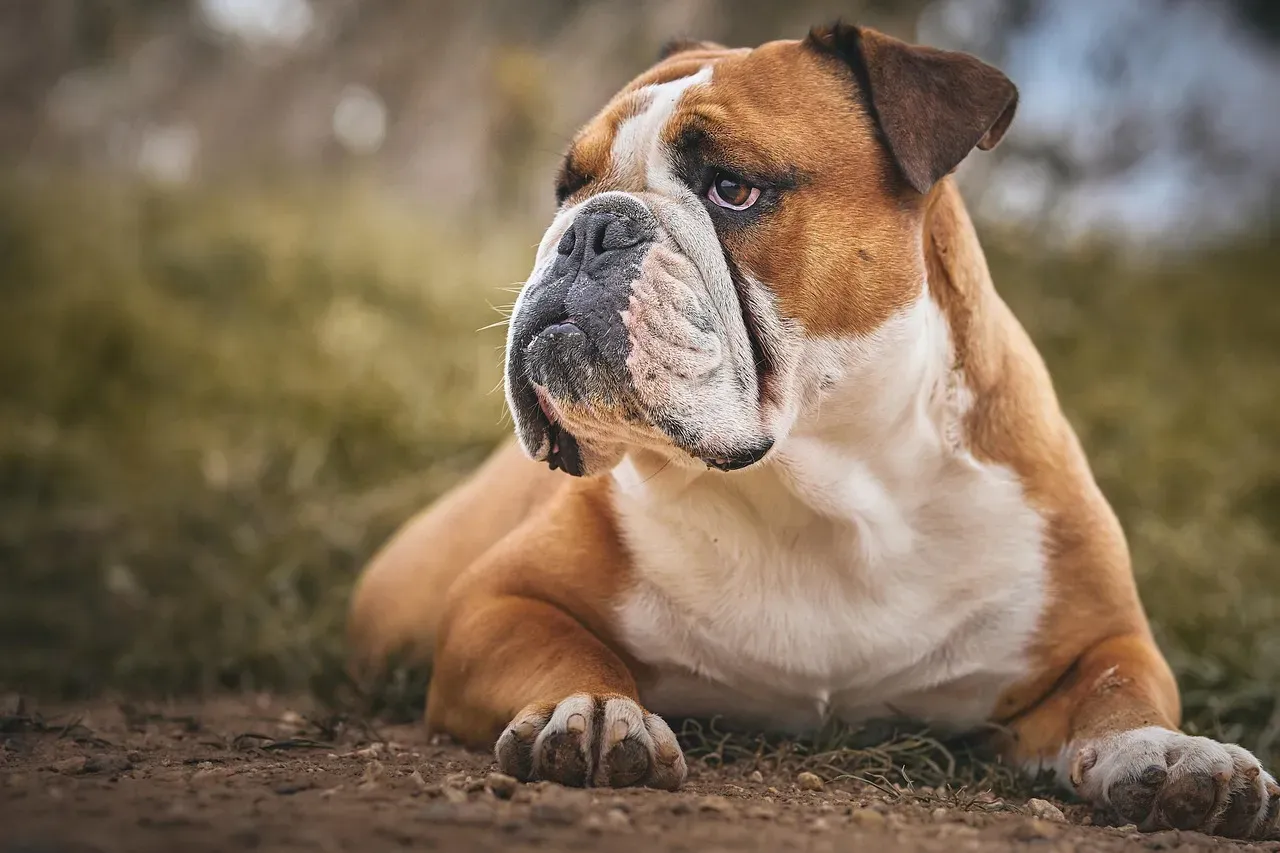
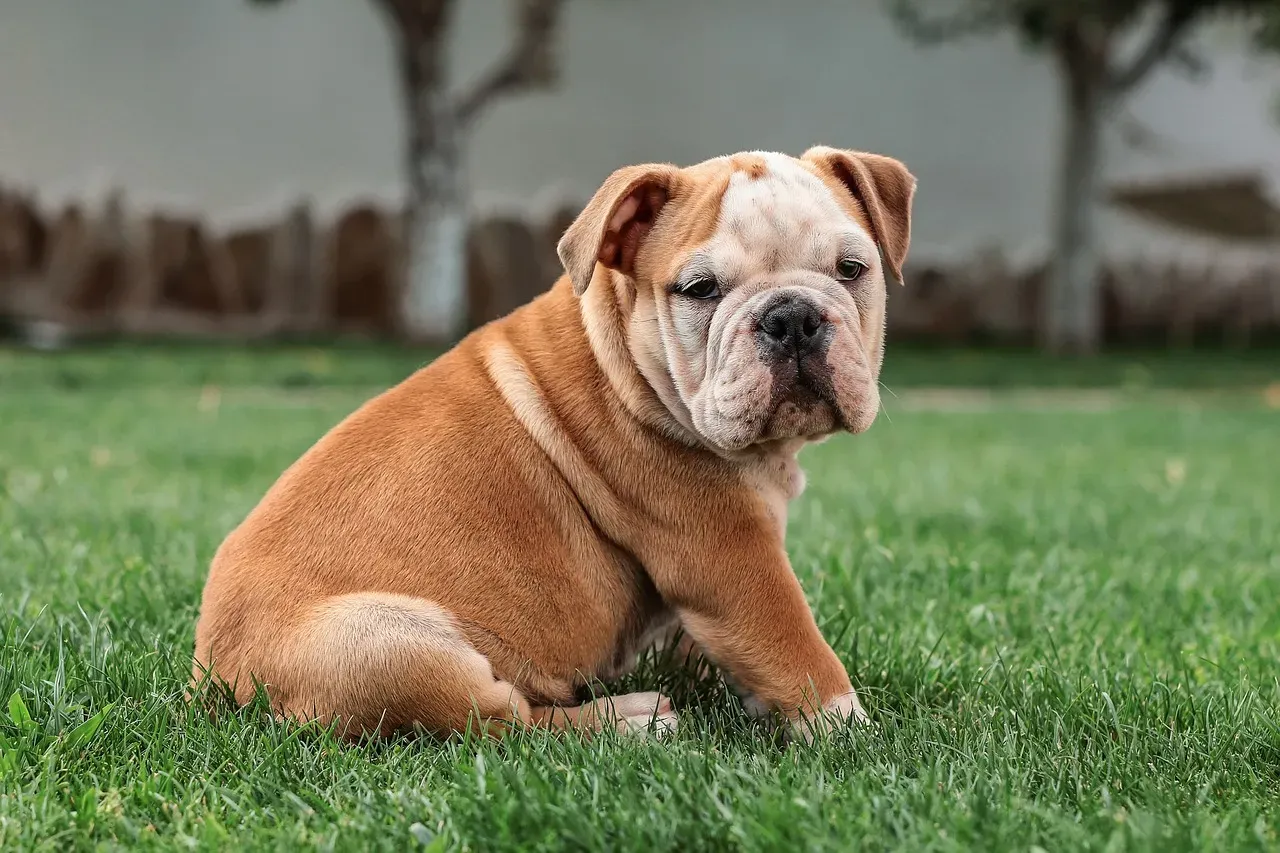
Everyone knows Bulldogs were bred for bull-baiting, but few people ask what happened once that brutal blood sport was outlawed. The dogs associated with it nearly vanished entirely. When fanciers later “recreated” the Bulldog as a companion and show breed, they worked from a tiny remnant of the old type plus a lot of undocumented crossing and selection.
Records from that transitional period are deeply patchy, and nobody can say for certain which outside lines were introduced to soften temperament and exaggerate the breed’s now-signature features. Historians agree there were likely mixes with various mastiff- and terrier-type dogs, but written pedigrees either gloss over or quietly omit these additions once the modern Bulldog shape took off in the ring. People defending the “pure” Bulldog today are actually defending a version whose assembly history was never properly recorded in the first place – something it shares with the royalty-adjacent tangle behind the Cavalier King Charles Spaniel.
#6 – Cavalier King Charles Spaniel: Royal Dog, Messy Paper Trail
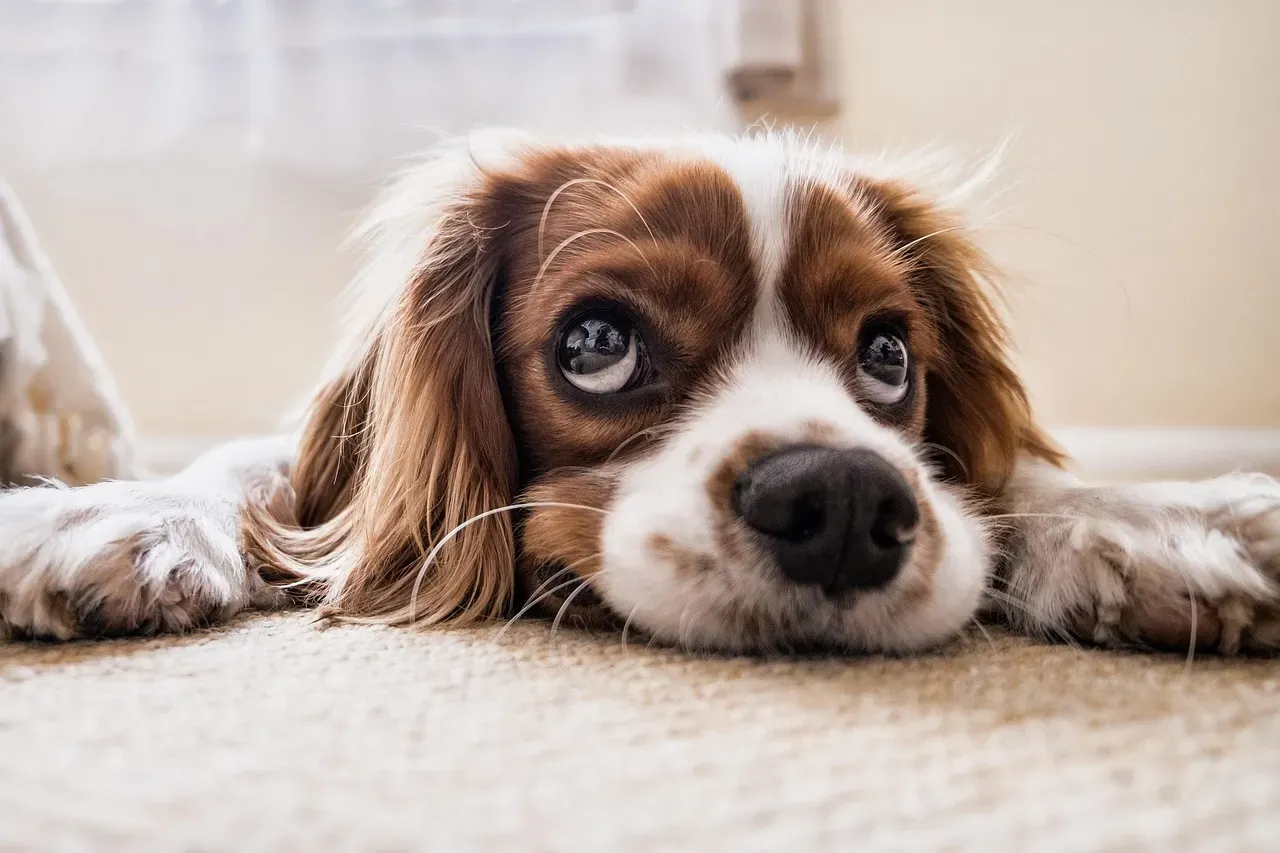
The Cavalier trades heavily on royal imagery, all those portraits of kings and courtiers with toy spaniels draped across their laps. But the little dogs in those paintings are not a neat, documented line that calmly evolved into today’s breed. The original toy spaniels fell out of fashion, were mixed with other small dogs, especially flat-faced types like Pugs, and their records dissolved into a haze of casual breeding.
When enthusiasts in the early 20th century tried to “bring back” the older, longer-nosed spaniel seen in Stuart-era portraits, they were working largely from looks, not from any traceable pedigree. They selected whatever small spaniels vaguely fit the old image, then bred and rebred them without much public documentation of each cross. Modern Cavaliers are, in many real ways, a reimagined version of a dog that had already dissolved into the general small-companion gene pool – though that’s still more coherent than the patchwork past of the Shih Tzu.
#7 – Shih Tzu: Palace Dog With a Patchwork Past
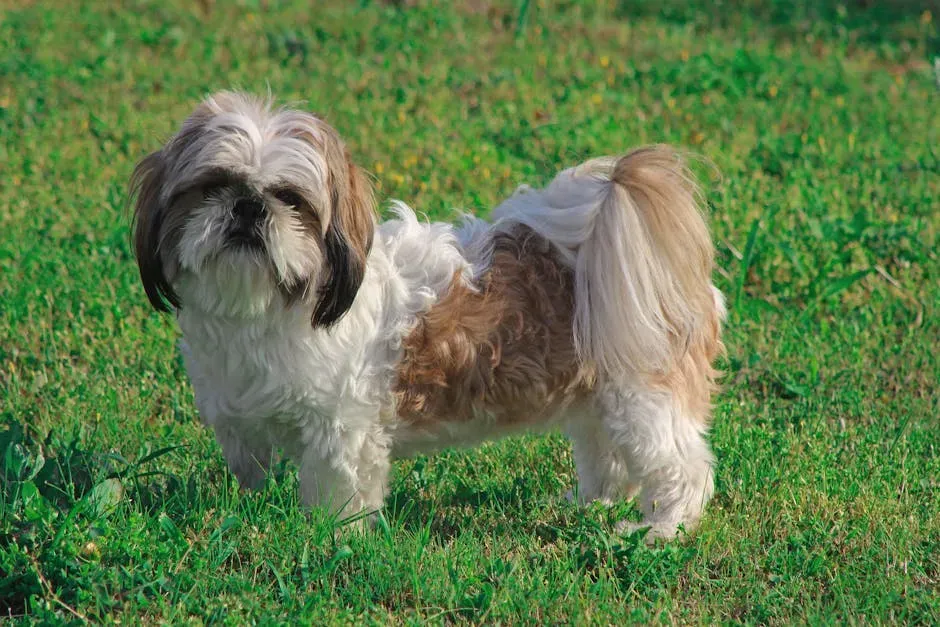
Shih Tzus are sold as ancient Chinese palace dogs with a continuous, almost mystical heritage. The reality is that for a long stretch of their history inside royal and noble households, no systematic, public stud books were kept at all. Breeding decisions were private, undocumented, and often more focused on gift-giving and court politics than genetics.
Lines of Tibetan-type dogs, Pekingese-like dogs, and other small Asian companions intermingled in ways nobody bothered to record. When Western breeders finally got their hands on these dogs in the early 20th century, they were working from a tiny pool of imports representing just a snapshot of a much broader, undocumented palace population. Some early registries even mixed up Shih Tzus and Lhasa Apsos entirely. Today’s Shih Tzu is effectively the formalized descendant of a blended palace ecosystem, shaped after the fact by kennel standards – which feels eerily similar to what happened with the Lhasa Apso itself.
#8 – Lhasa Apso: Sacred Dog, Unclear Lineage
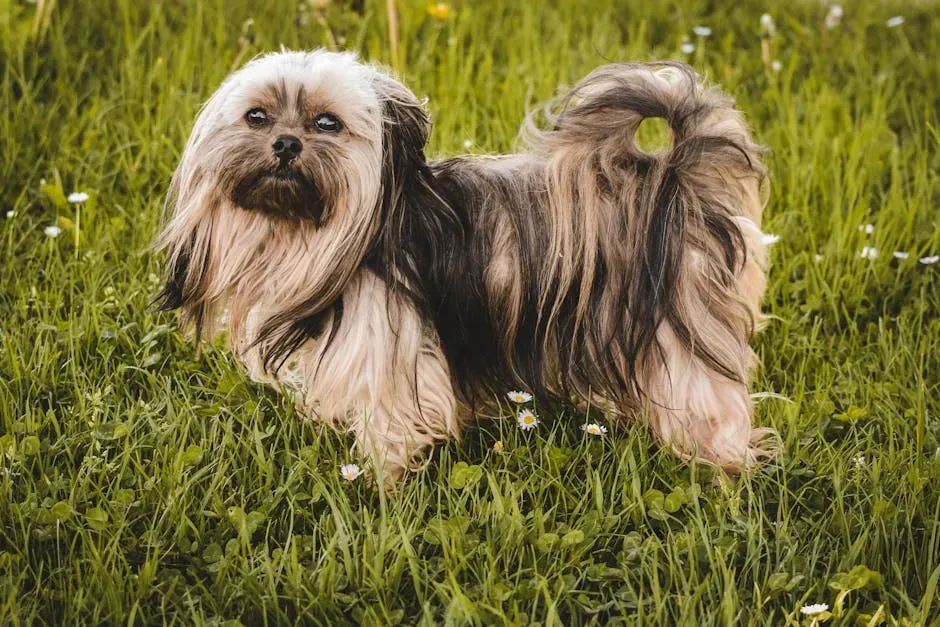
The Lhasa Apso is often described as a sacred monastery dog from Tibet, guarding temples and bringing good luck to its keepers. That may be broadly true in culture, but the genetic and pedigree details behind the modern Lhasa are far from clearly documented. Monks and households bred local small dogs for centuries, but formal written lineage tracking, in the Western sense, simply wasn’t part of that culture.
By the time Western fanciers started importing Lhasas, they were sampling a slice of a much more genetically varied landrace of Tibetan small dogs. Early kennel club registrations confused them with Tibetan Terriers and Shih Tzu-type dogs, and naming conventions shifted more than once. The “sacred” label is real culturally, but the idea of a precisely documented, untouched line is mostly a marketing overlay – unlike the near-total paperwork vacuum behind the Australian Shepherd.
#9 – Australian Shepherd: The “American” Breed With a Ghost Background
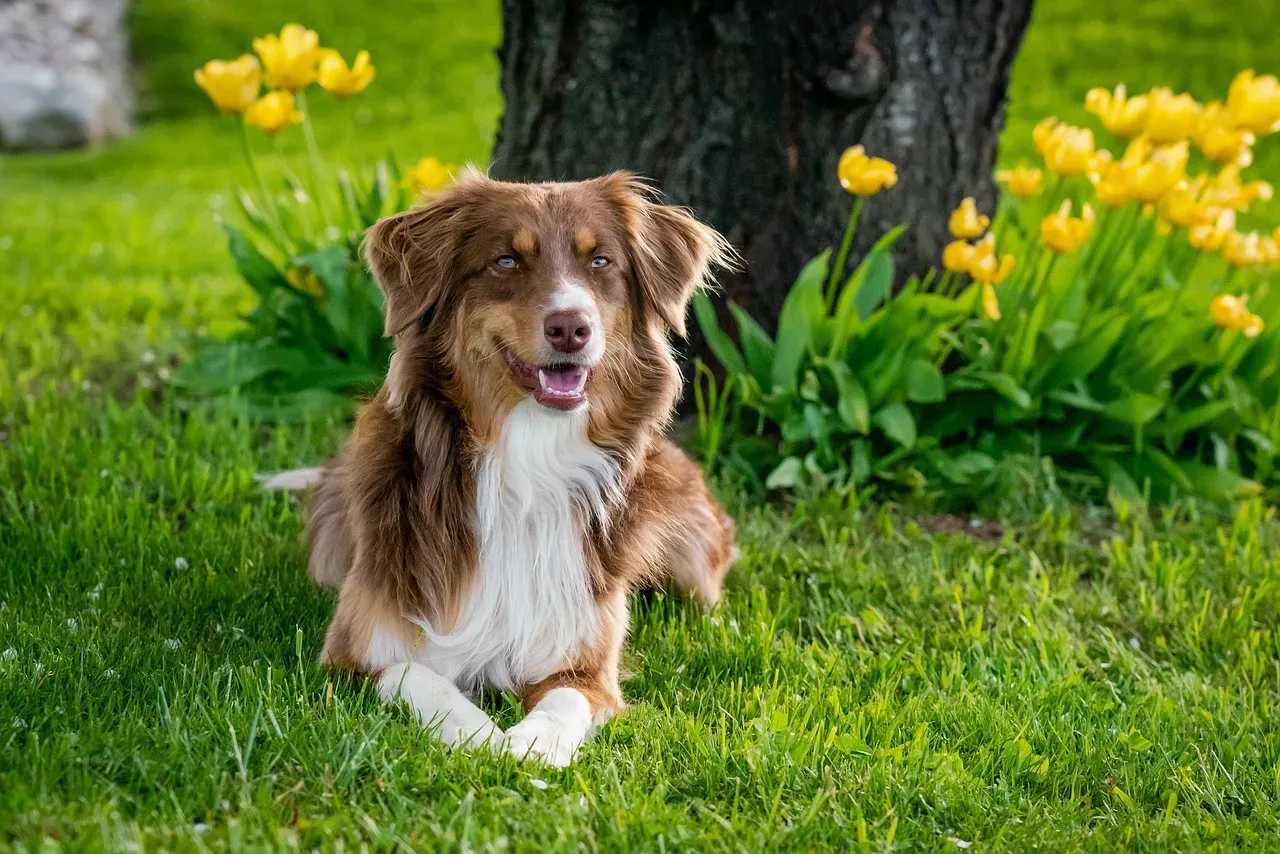
Despite the name, the Australian Shepherd is largely an American creation, and its origins are a masterclass in undocumented working-dog mixing. Ranchers in the American West cared about stock sense, stamina, and trainability, not pedigrees, so they used Basque herding dogs, collie-type dogs, generic farm dogs, and possibly some imported Australian stock dogs. There was almost zero consistent, written lineage tracking while the foundational Aussies were being shaped.
When enthusiasts decided to formalize “the Australian Shepherd” as a breed in the mid-20th century, they simply pulled from dogs that already existed as a working type across ranches. Everything before that point is oral history, guesswork, and scattered personal notes, with DNA studies pointing to a mashup of herding breeds and regional collie lines rather than a single documented founding pair. Ironically, one of the most popular “purebred” agility and sport dogs on earth comes from a background about as improvised as it gets – and that frontier-style chaos continues with the Border Collie.
#10 – Border Collie: Genius Brain, Fuzzy Paper Trail
Border Collies are widely considered the most intelligent dog breed on earth, but their path to modern “breed” status is surprisingly informal. For most of their history along the Anglo-Scottish border, these dogs were bred strictly for working ability. Shepherds chose the dogs that could move sheep and read livestock, then bred them, often casually, with neighboring farmers’ dogs. Registries, where they existed at all, focused on working trials, not meticulous recording of every mating.
The legendary dog Old Hemp is often cited as the foundational sire of the modern Border Collie, yet even his complete ancestry isn’t documented the way show-breed people expect today. Many early influential dogs came from unregistered farm stock or half-known parentage, and only later did kennel clubs try to “capture” the type and formalize it, effectively freezing one branch of a much broader, undocumented working-dog population. What we call a Border Collie today is really a selected snapshot of a far messier genetic story – and messy doesn’t even begin to describe the Jack Russell Terrier.
Fast Facts
- Old Hemp, the breed’s foundation sire, was born in September 1893 in Northumberland, England
- He sired more than 200 puppies over his lifetime
- The International Sheep Dog Society was founded in 1906, but the name “Border Collie” wasn’t formally used until 1915
- Descendants of Old Hemp dominated early ISDS championship trials for decades after his death in 1901
#11 – Jack Russell Terrier: Pieced Together After the Fact
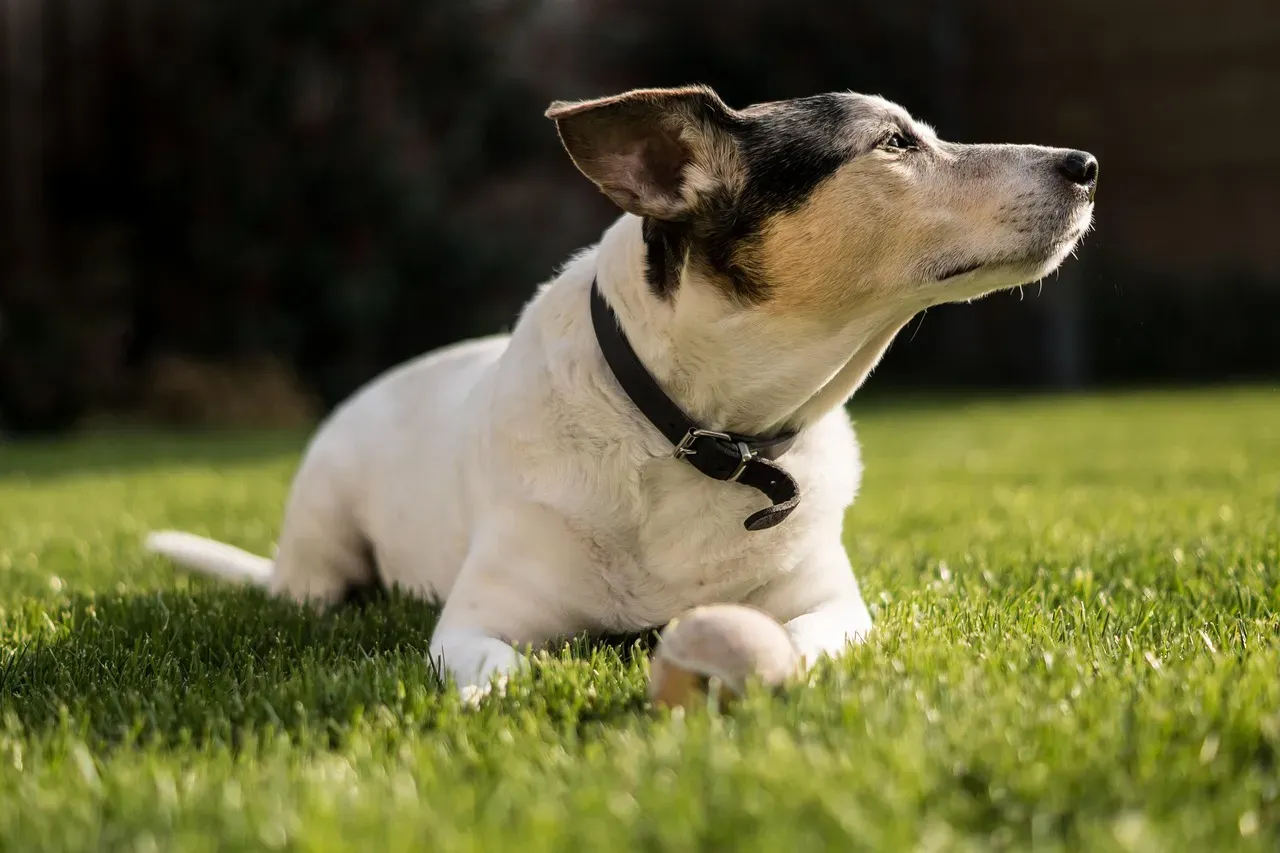
This one gets controversial fast. Fans of Jack Russell and Parson Russell Terriers love to trace everything back to a single 19th-century clergyman, Reverend John Russell. But Russell wasn’t breeding to a written, public plan; he was a fox-hunting enthusiast swapping feisty little terrier types with fellow sportsmen. No comprehensive, continuous studbook from his kennels exists that neatly maps to today’s registered lines.
By the time kennel clubs stepped in, multiple regional “Jack Russell” types already existed – short-legged, long-legged, smooth, rough – many with undocumented farm-dog and terrier crosses baked in. Different countries drew the line differently, with some registering the longer-legged “Parson” type and others embracing the shorter Jack Russell, often from entirely separate foundations. The result is a pair of breeds stitched together from partial histories and oral stories about “the Reverend’s dogs” rather than paper pedigree. If you think that’s muddled, wait for America’s accidental mascot.
#12 – Pit Bull-Type Dogs: More Category Than Clear Breed
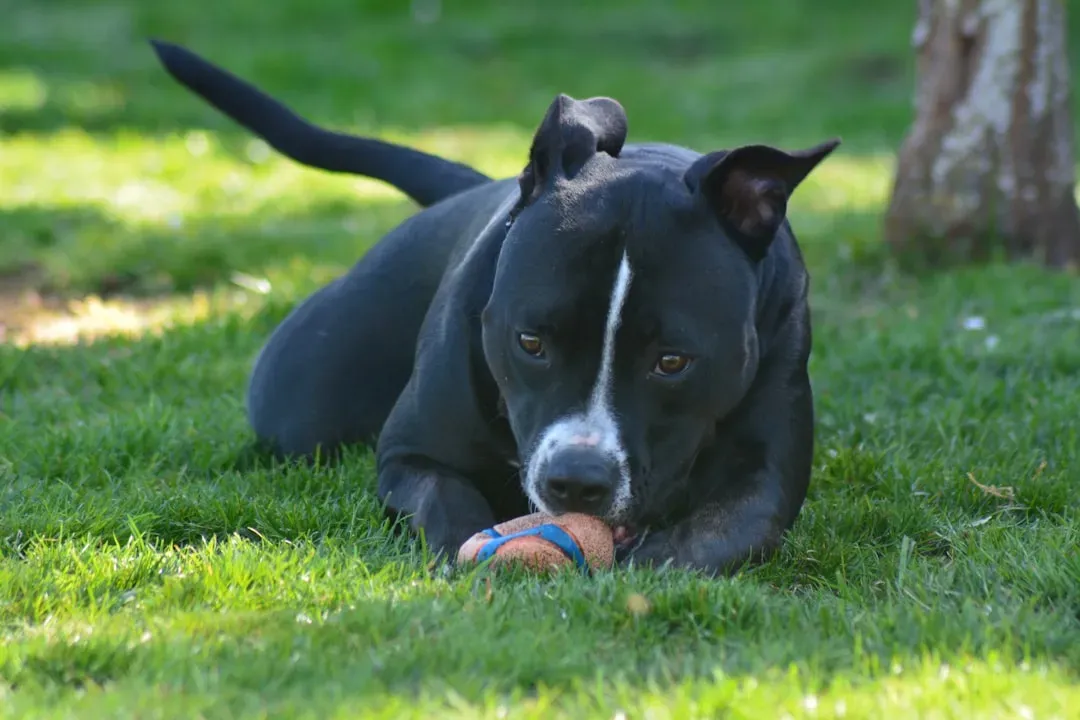
Nothing sparks more argument in dog circles than “pit bulls,” and the history doesn’t help settle anything. Dogmen in Britain and later in America bred bulldog-type dogs with terriers for fighting, bull-baiting, and general toughness. These early crossings were largely underground, secretive, and rarely documented in a way modern registries would recognize.
Names shifted constantly across the decades – bull-and-terrier, half-and-half, Yankee terrier – depending on region and purpose. By the time organizations tried to formalize versions of this dog into the American Pit Bull Terrier, American Staffordshire Terrier, and Staffordshire Bull Terrier, the underlying gene pool had already been heavily mixed and poorly recorded for generations. Today, “pit bull” functions as much as a visual category as a registered breed, covering countless mixes whose lines were never written down anywhere. And pit bulls aren’t the only guard-type dogs with a suspiciously creative history – the Rottweiler has one too.
Worth Knowing
- The United Kennel Club recognized the American Pit Bull Terrier on February 10, 1898
- Britain’s Kennel Club didn’t formally recognize the Staffordshire Bull Terrier until 1935
- The American Kennel Club recognized the American Staffordshire Terrier in 1936
- The AKC itself didn’t accept the Staffordshire Bull Terrier for registration until 1974, with full show status following in 1975
#13 – Rottweiler: From Cattle Drover to Reimagined Guardian
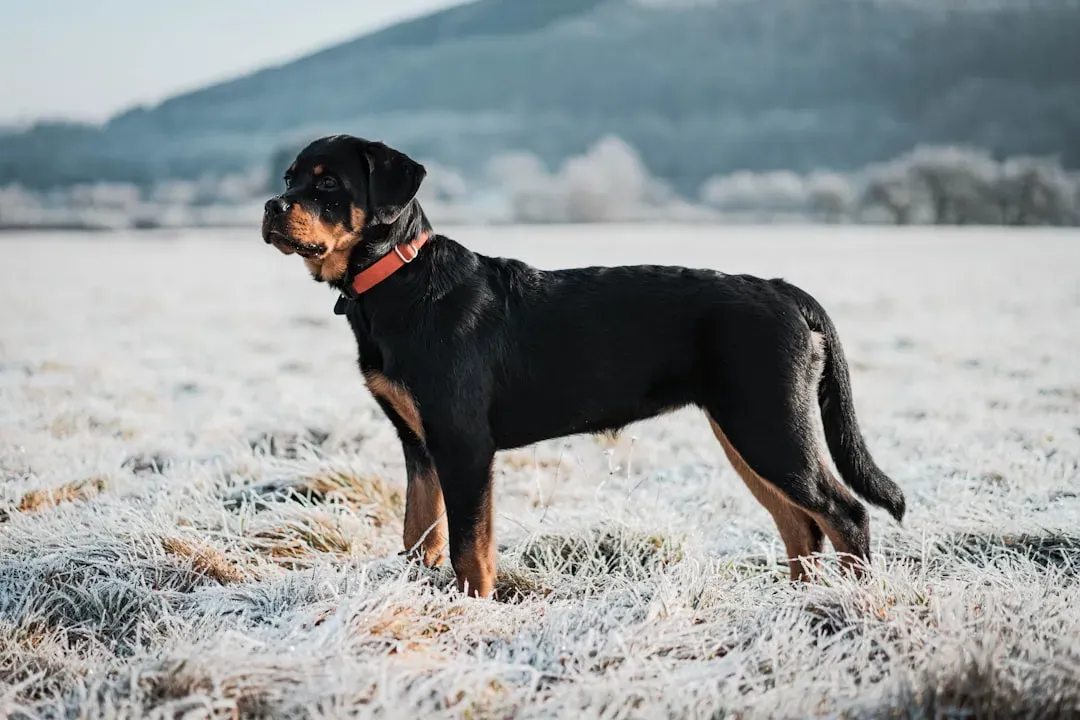
The Rottweiler’s origin story usually jumps straight from “ancient Roman drover dogs” to “modern German police and guard dog.” What gets left out is the long, murky middle full of generic German butcher’s dogs and farm guardians. After the Roman era, nobody maintained a continuous, traceable studbook of drover dogs leading directly to the Rottie you know today.
Local dogs were bred based on strength and utility, not registered heritage, and the town of Rottweil simply became a regional hub where these varied dogs were common. Only in the late 19th and early 20th century did breeders begin standardizing a particular look and temperament, retroactively calling that stabilized population “Rottweilers,” almost certainly with undocumented crosses to other regional mastiff-type breeds mixed in to fix size and head shape. The result is a powerful working dog whose “ancient lineage” is more a historical theme than a properly documented family tree. If herders and guardians have messy origins, toy breeds like the Yorkshire Terrier can be even worse.
#14 – Yorkshire Terrier: Fashion Dog From Forgotten Street Stock
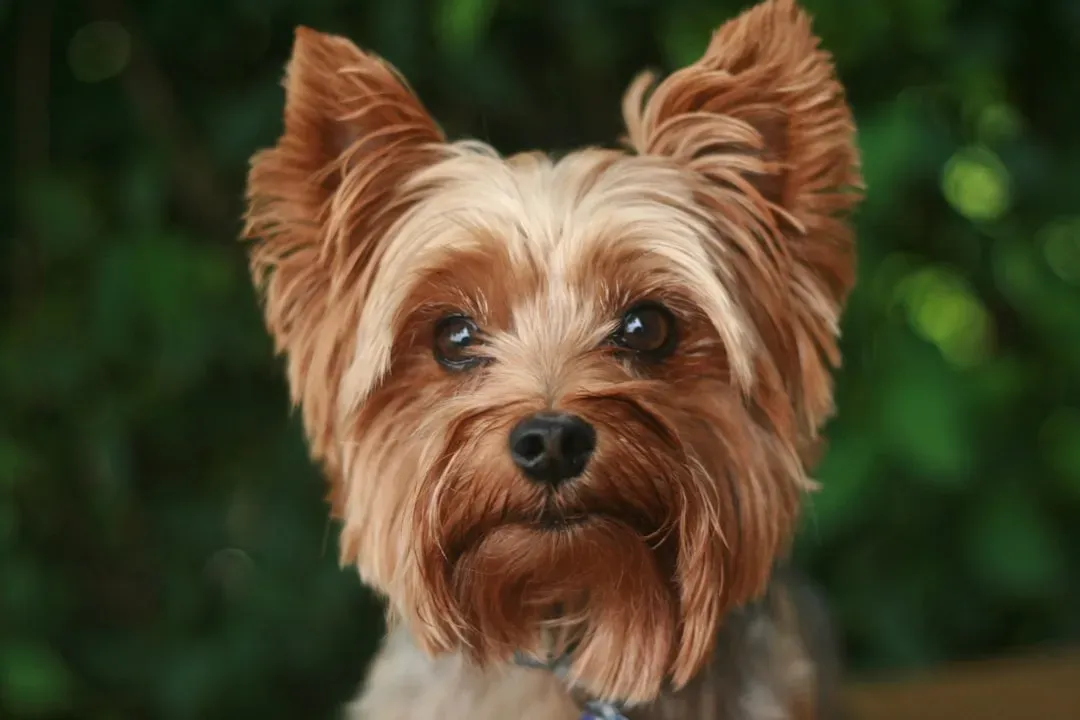
The Yorkie looks like the sort of breed whose every ancestor must have been carefully chronicled. It’s a tiny luxury dog, after all. But when the breed was first emerging in 19th-century northern England, it was anything but pampered. Weavers and mill workers bred small terrier-type dogs for ratting in factories and homes, and these early dogs were mixed, traded, and bred with almost no formal paperwork, with several now-extinct types like the Paisley Terrier and Clydesdale Terrier feeding into the mix.
By the time “Yorkshire Terrier” became the favored name, breeders were selecting for long, silky coats and tiny size, often introducing unrecorded toy blood to shrink the dogs even further. Different lines had wildly different looks, and some early show specimens were noticeably larger than modern terriers. Much of the Yorkie’s true origin lives in forgotten working-dog backstreets that polite history only half acknowledges – something shared by an even more globally famous toy breed, the Chihuahua.
#15 – Chihuahua: Ancient Icon With a Blurry Genetic Story
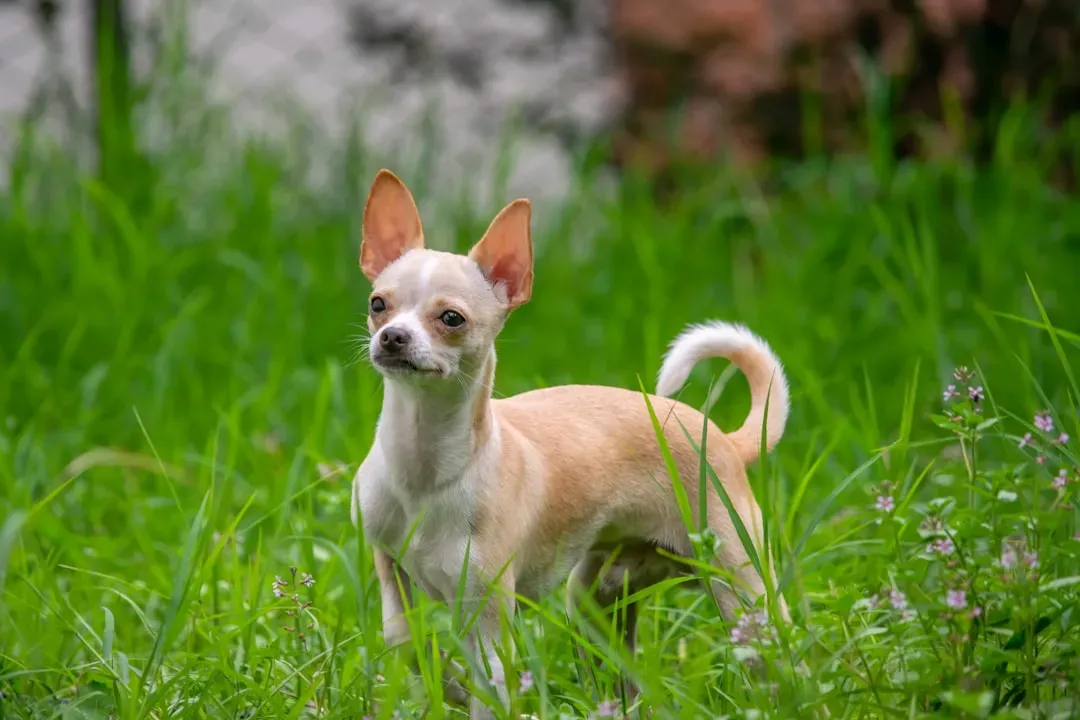
Chihuahuas are constantly marketed as descendants of the Techichi, a small dog kept by ancient Mesoamerican civilizations. There’s real archaeological and genetic support for indigenous small dogs in the region, but the specific path from those dogs to the modern Chihuahua is anything but clear. For centuries, small village dogs across Mexico bred freely with little formal record-keeping, and traders, travelers, and later European colonizers all contributed unknown lineages to that pool.
When American tourists and dog fanciers “discovered” the Chihuahua in the late 19th and early 20th centuries, they simply selected the tiniest dogs they could find and brought them north. Breed clubs then wrote the story forward as if there were a direct, neatly documented line from Aztec companions to handbag dogs. Modern genetic work suggests a mix of pre-Columbian and European toy ancestry, but it can’t reconstruct each individual step. The same pattern of late-stage cleanup haunts an even more deliberately “designed” newcomer: the Doberman Pinscher.
#16 – Doberman Pinscher: Intentional Vision, Unrecorded Ingredients
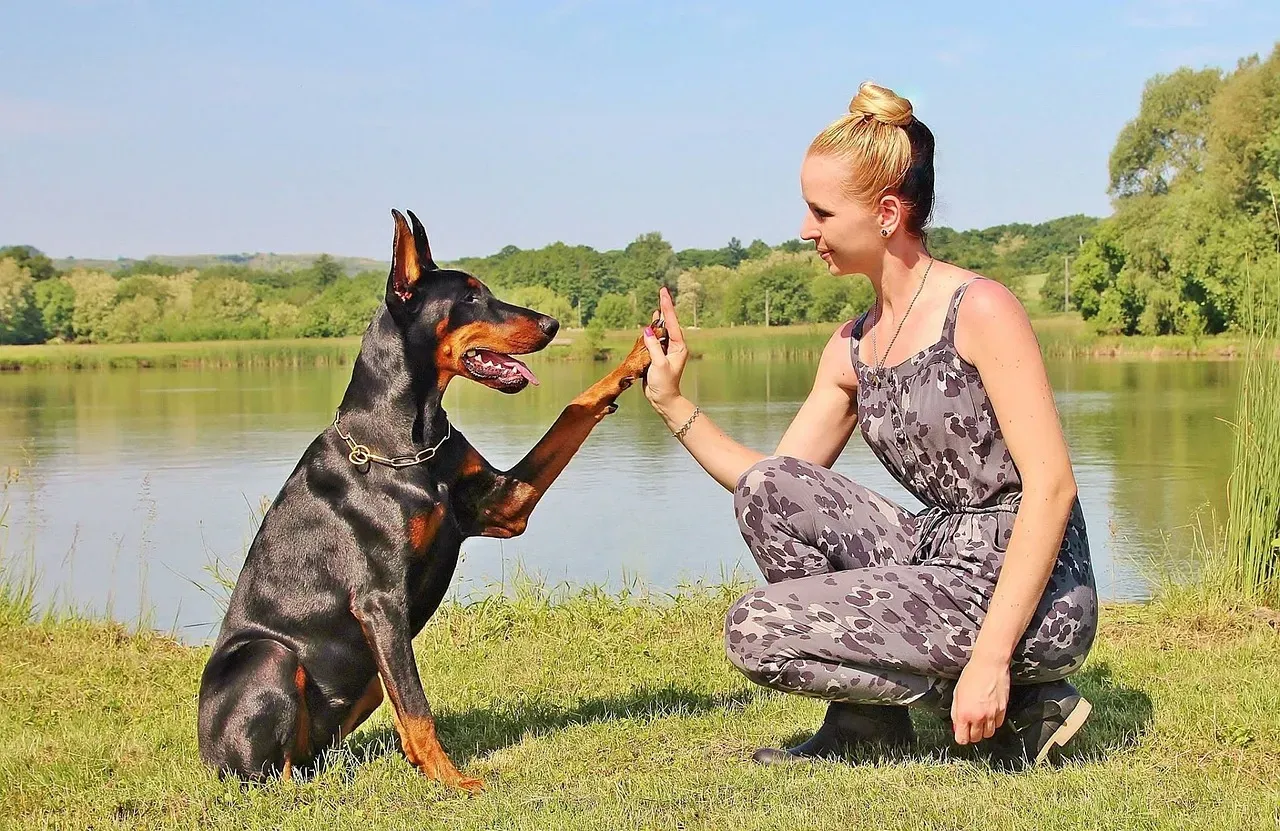
Dobermans feel modern and deliberate, the product of a tax collector’s carefully planned protection dog. We even know the man’s name: Karl Friedrich Louis Dobermann. Yet even with such a recent, well-attributed origin, the exact blend of breeds he used was never systematically documented in full.
Historical accounts list possibilities like the German Pinscher, Rottweiler, Weimaraner, Thuringian shepherd dogs, and even some terriers and hounds – but those lists are educated guesses compiled after the fact, not a contemporary breeding log. Dobermann was a practical breeder working a rough profession who wanted a tough, loyal, agile dog and simply used what was locally available. Later enthusiasts stabilized the look and temperament, then tried to infer what had actually gone into the mix years earlier. If a breed this young already has unanswered questions baked into its foundation, what does that say about our confidence in far older “lineages”? To see just how wild it can get, look at perhaps the most chaotic modern success story of all: the Doodle.
#17 – “Doodle” Types: Popular Before They Were Even Properly Defined
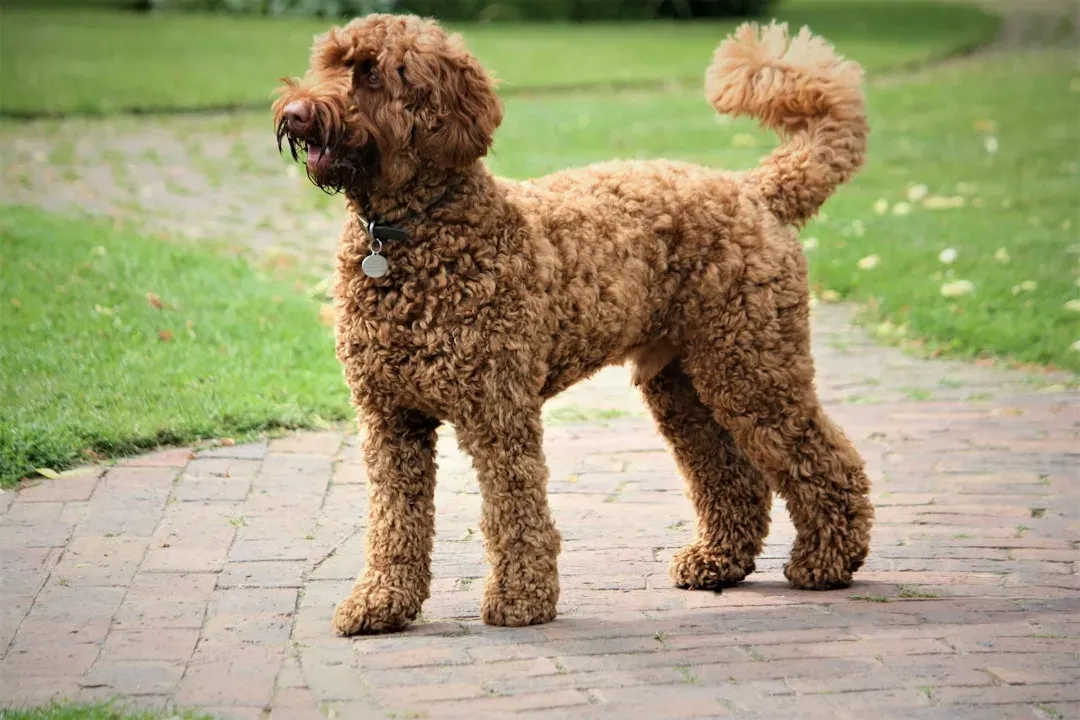
Doodles aren’t a single AKC-recognized breed, but they’ve become so familiar that many people assume there’s a stable, well-documented “Labradoodle” or “Goldendoodle” line somewhere out there. In reality, the majority of doodles are first- or second-generation mixes produced in a largely unregulated, under-documented breeding boom. Early attempts in Australia to create a hypoallergenic guide dog did involve genuine planning, but once the look caught on with the public, backyard breeding exploded almost overnight.
Many doodles today come from unregistered Poodles bred to generic retrievers or retriever mixes, or from “doodle x doodle” pairings with no consistent record-keeping or genetic testing at all. Some lines even include undocumented non-Poodle, non-Retriever ancestors brought in purely for size or coat changes. On social media, doodles get presented like polished, established breeds, but behind the curtain they’re one of the clearest modern examples of dogs being assembled from loosely tracked lines – which brings us to the uncomfortable big picture.
I opened a Pandora’s box and released a Frankenstein’s monster.
Wally Conron, creator of the first Labradoodle
The Bottom Line
Strip away the romantic paintings, noble names, and registry language, and a lot of familiar dog breeds turn out to be remarkably undocumented at their core. Labradors, Goldens, Poodles, Bulldogs, Cavaliers, Aussies, pit bull-type dogs, doodles, and more were all sculpted from messy, regional working or companion dogs whose exact lineages were never properly written down.
Modern standards and pedigrees often start halfway through the story, then pretend the opening chapters were perfectly organized. They weren’t. That doesn’t make these dogs less lovable or less real, but it should make us more honest about what we’re actually looking at when we read a pedigree certificate.
Personally, I think the honest version is the better story anyway. A breed built from farmers, fishermen, monks, and dogmen quietly solving real problems with whatever dog was in front of them is more interesting than a fairy tale about one noble founder. Which of these histories surprised you the most – or do you still think one of them is more “pure” than the evidence actually suggests?