
17 Small Habits Dogs Form Within Days of Arriving That Owners Take Years to Understand
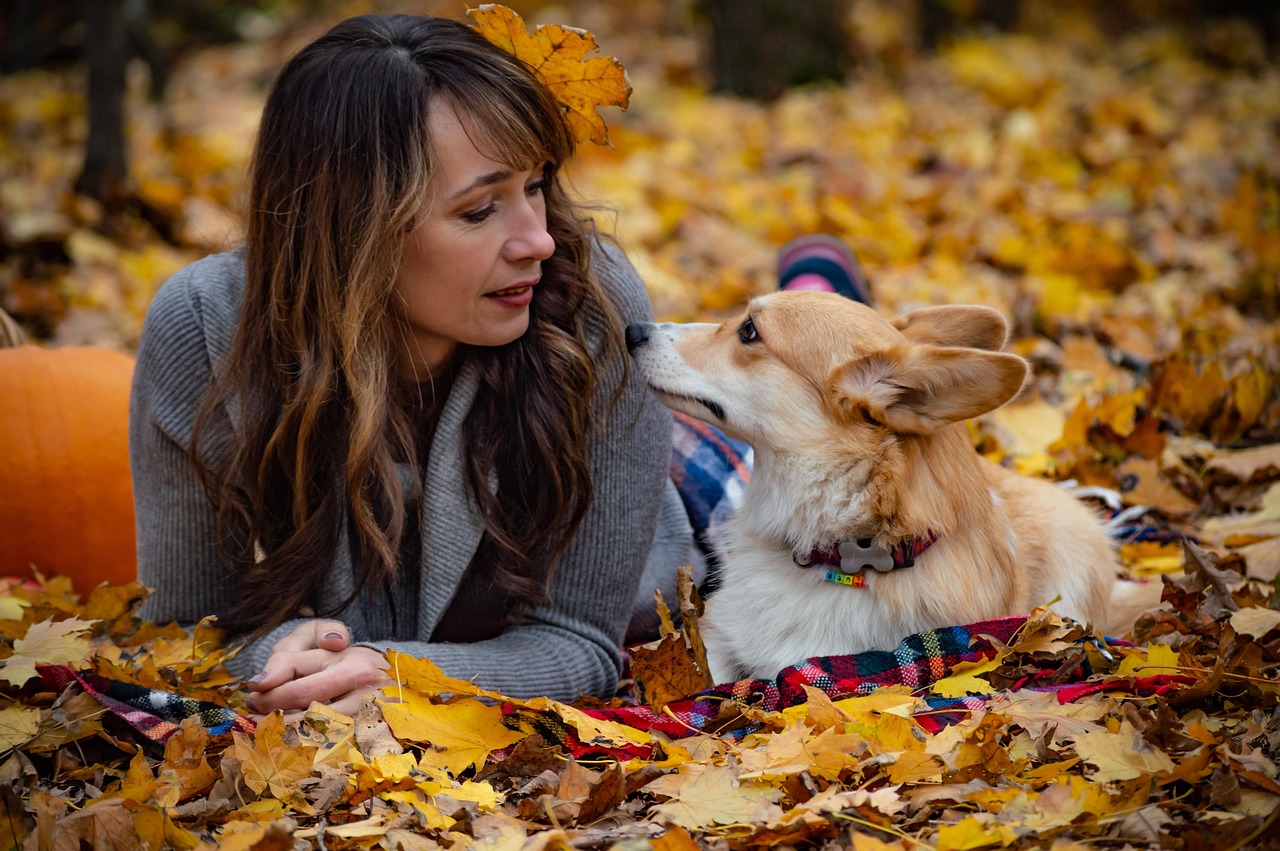
You bring a new dog home and assume you’ve got months to figure each other out. You don’t. By the time you’ve refilled the water bowl twice, your dog has already run a dozen quiet experiments on you and locked in habits that will outlast the puppy stage, the awkward first walks, even the honeymoon period. The habits form in days. Most owners don’t understand what happened until years later.
Here’s the part that stings a little: that “random” behavior your dog developed at age three? It isn’t random. It was decided in the first blurry week you barely remember – who to trust, what to fear, how loud to bark to get noticed. Below are the 17 habits dogs quietly build almost the moment they arrive, and what each one is secretly telling you about your home.
#1 – Choosing a “Home Base” Spot in the House
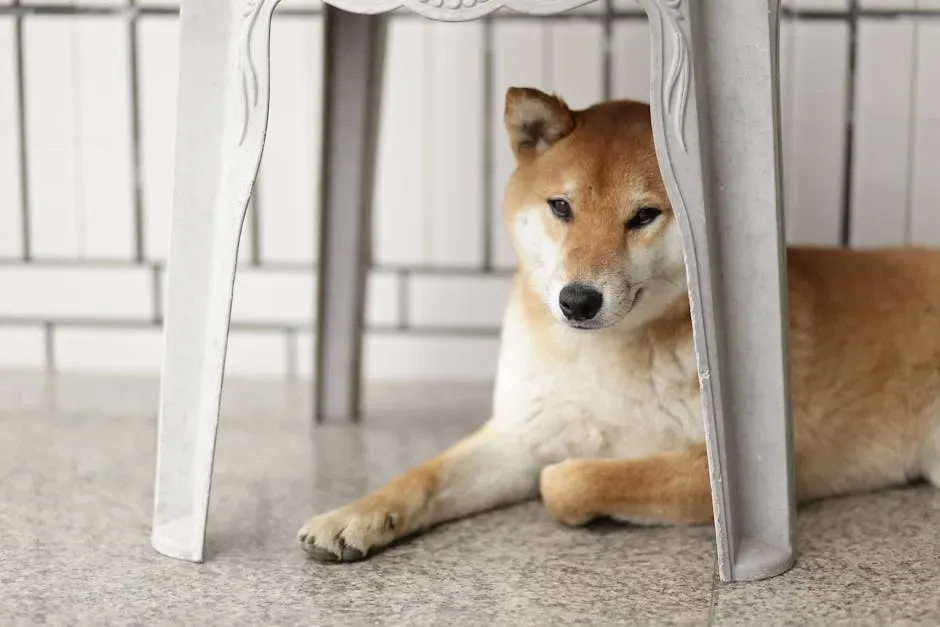
One of the very first habits a new dog forms is picking a spot they retreat to again and again – behind the couch, under a table, pressed against the side of your bed. Most owners shrug it off as “that’s just where she likes to lie.” It isn’t. That chosen spot is your dog’s emotional thermometer for your entire home. A dog who picks a high-traffic corner and stays there anyway is telling you she trusts the chaos. A dog who wedges herself into a dark, hidden gap isn’t relaxing – she’s coping.
Pay attention to *when* they retreat there. Do they vanish the second voices get loud or kids start running? Do they head there even when you’re sitting in another room entirely? That pattern is basically a map of what feels like “too much” for them. Owners accidentally disrupt this safe zone all the time – with a vacuum, a pile of moving boxes, rearranged furniture – and then wonder why their dog suddenly seems clingy or on edge. Respect that early home base, and you head off a lot of anxiety before it ever starts.
#2 – Shadowing One Person as the “Default Human”
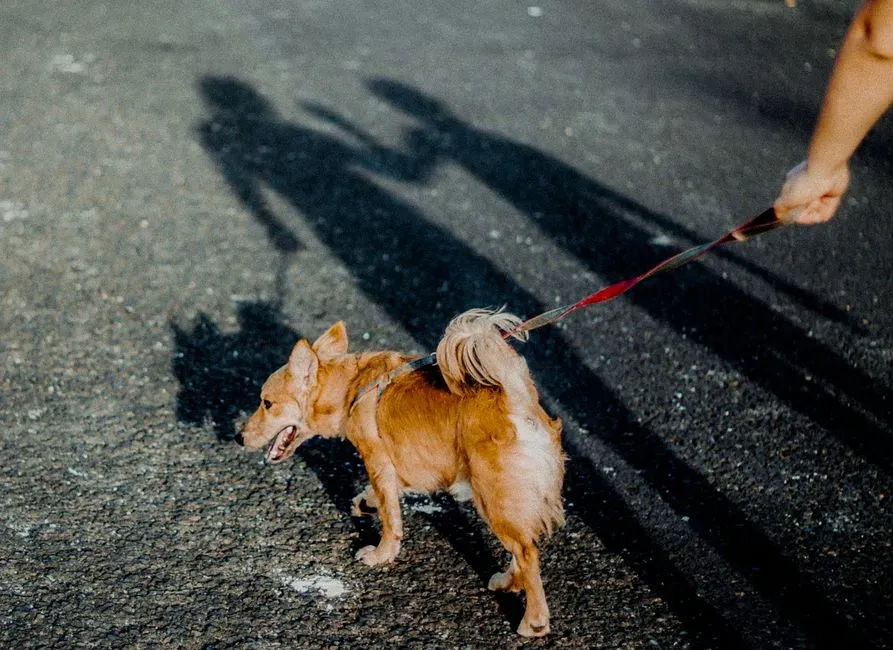
Within days, most dogs quietly appoint one person as theirs. It’s rarely the person who wanted the dog most. It’s usually whoever feels the most predictable – the one who moves the same way, uses the same tone, reacts the same way every single time. That early habit of trailing one person from room to room isn’t affection. It’s a trust ranking.
Watch who they track when the household spreads out. Some dogs follow the calmest person; others fixate on the quietly anxious one, monitoring them like a job. Some pick the parent over the child who plays with them constantly, simply because the parent controls the rules. This early shadowing habit becomes the blueprint for recall, separation anxiety, and even resource guarding down the road – because if “their person” leaves the room, the world suddenly feels less safe.
“There is no faith which has never yet been broken, except that of a truly faithful dog.”
Konrad Lorenz
#3 – Mapping “Invisible Fences” Indoors

By the end of week one, your dog has mentally carved your home into zones: safe, neutral, and danger. You’ll catch it in tiny moments – hesitating at a doorway, skirting one room entirely, refusing to step onto a certain floor surface. Dogs draw a private floor plan long before you ever think about “house rules.”
Most owners only notice the obvious version, like a dog who won’t go near the basement stairs, and miss the smaller warnings. A dog who always arcs wide around the dining table might associate it with dropped pans and shooing hands. One who freezes at the top of the stairs isn’t being stubborn – she might feel unsteady on slick steps, or remember a fall from somewhere before you. Push through it with pressure, and you confirm to your dog that the zone really is dangerous. Notice it early, and you can dissolve the fear before it hardens into a phobia.
#4 – Deciding What Counts as “Threat” Outside
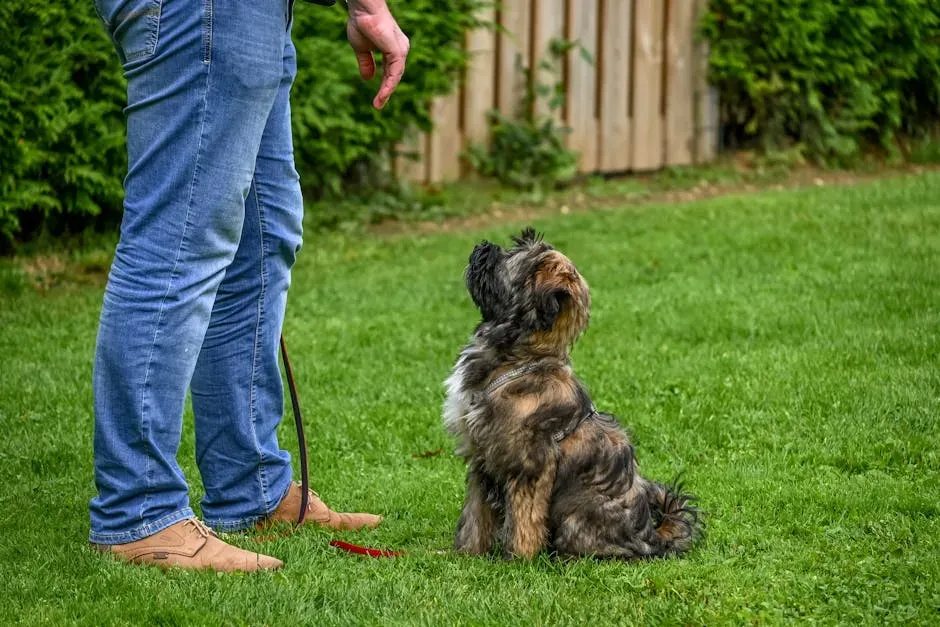
Three walks. That’s often all it takes for a new dog to start building a full threat profile of your neighborhood. Owners chalk it up to “reactive” or “friendly” personality traits, but within days, dogs quietly decide which sights and sounds mean danger – and they stick to that story unless you step in.
A particular dog barking behind a fence, a certain kind of truck, skateboards, men in hats – all of it gets scored in real time as safe, interesting, or suspicious. You’ll see it in the small stuff: a pause at one driveway, a speed-up past one house, a glance up at you every time something rumbles past. Yank the leash or ignore the tension, and your dog learns two lessons at once – that thing is scary, and you’re not going to help. Create calm distance and toss a treat instead, and you start rewriting the story before it sets.
Fast Facts
- Early exposure experiences shape a dog’s long-term reactions faster than most owners expect, often within the first few outings in a new place.
- A single startling event – if it’s ignored or mishandled – can turn into a rehearsed fear response that resurfaces for years.
- Dogs can form lasting associations with a sound, sight, or place after only a couple of repeated exposures.
- Calm, low-pressure introductions in the first days at home go further than months of “correcting” a fear later on.
#5 – Testing Which Noises You Actually Respond To
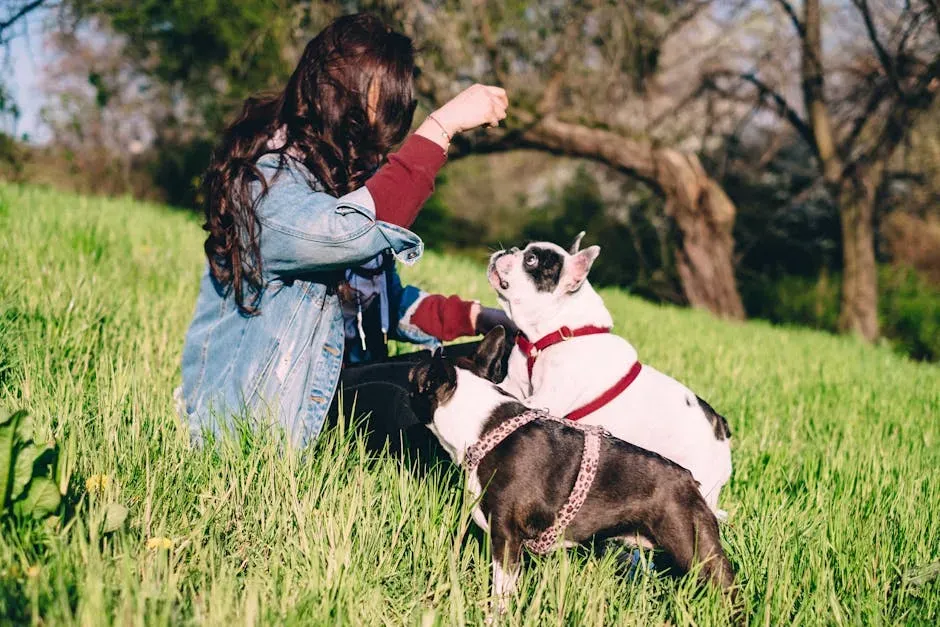
New dogs run experiments on you constantly. Whines, barks, sighs, half-formed grumbles – all of it is field research. Owners always swear the behavior “started out of nowhere months later,” but the real pattern usually begins in those first few nights and groggy mornings.
If a 4 a.m. whine gets you leaping out of bed once, your dog has just found an emergency shortcut straight to your attention. Notice what you’re rewarding without meaning to: do you talk back to a soft grumble? Do you open the door the instant they scratch once? Within days, their whole communication style narrows down to whatever actually works on you. That’s why some dogs end up nearly silent and others become relentless barkers – the habit forms fast, but the fallout lasts for years.
#6 – Choosing “Comfort Foods” and Texture Obsessions
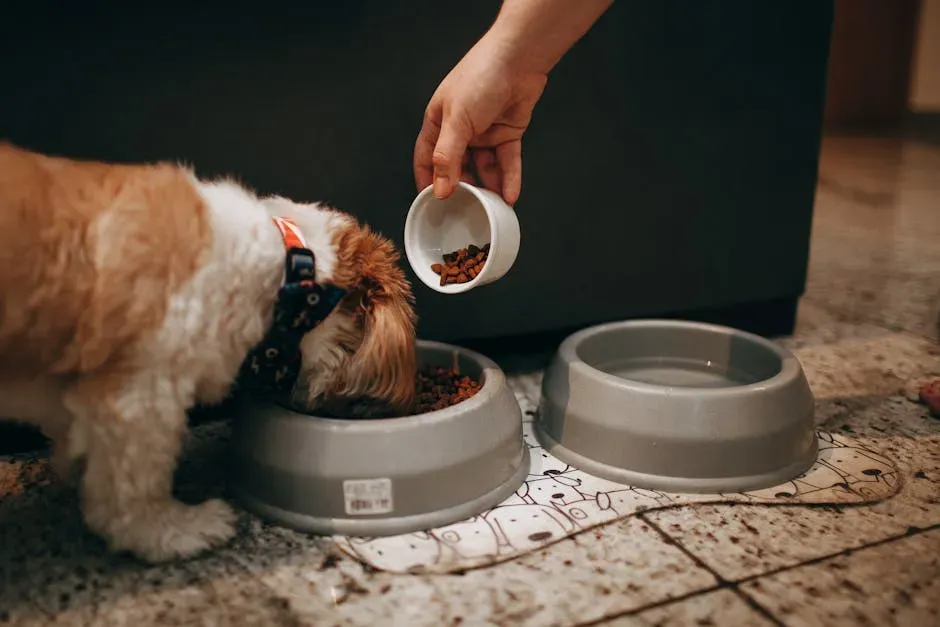
Most new owners obsess over which brand of kibble to buy. Your dog is paying far more attention to texture and context. Within days, many dogs lock in a preference for crunchy, soft, warm, or cold – and a rigid script for how and where food has to appear.
You’ll notice it: ignoring the bowl until you rattle the bag, refusing to eat unless you’re in the room, gobbling crunchy treats but spitting out anything soft. This isn’t pickiness in the human sense – it’s a safety script. A dog from a scarcity background might inhale everything at first, then suddenly get selective once she trusts that food isn’t going anywhere. A dog who was hand-fed in foster care might resist eating alone because food, for her, means connection. Chase this with constant food swaps months later and you accidentally build a gourmet monster. Notice it early, and you’re solving an emotional need instead of fighting a mealtime power struggle.
#7 – Deciding Where It’s “Safe” to Potty (And Where It’s Not)
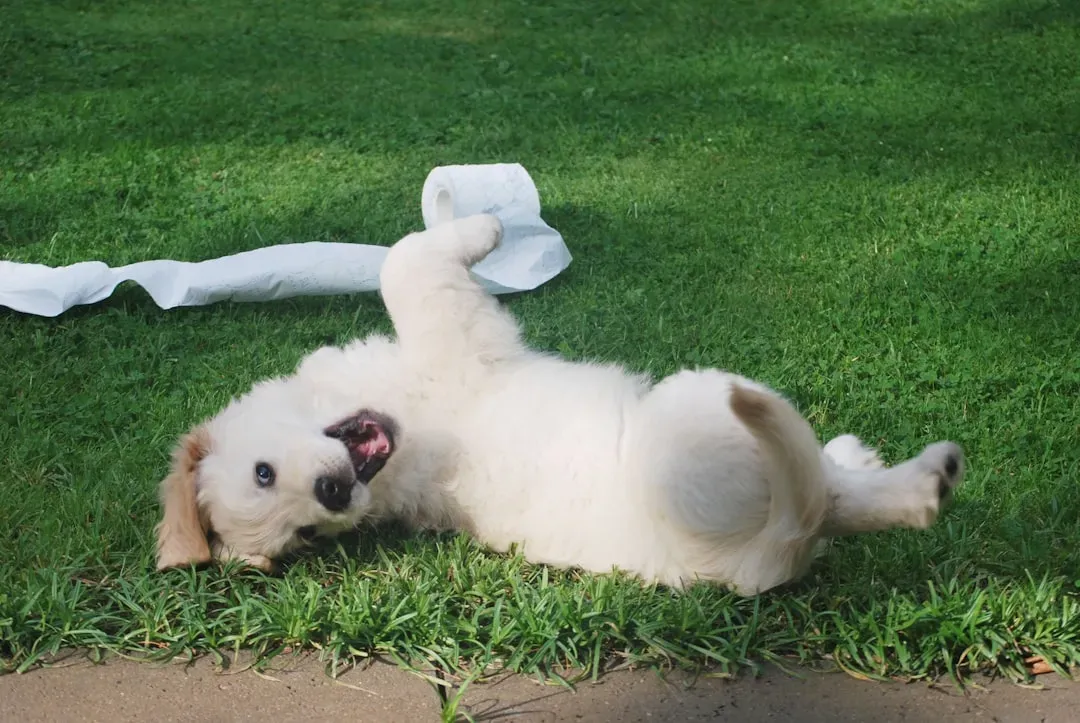
House-training was never just about teaching your dog where to go. It’s about reading where she already feels safe going. Within days, most dogs quietly settle on a preferred surface – grass, gravel, even carpet – and a preferred level of privacy, tucked behind a bush instead of exposed in the middle of the yard. When those preferences clash with your setup, accidents aren’t stubbornness. They’re math.
An insecure dog may avoid open, exposed spaces because squatting there feels vulnerable. One who learned on concrete or pee pads may be genuinely baffled by grass under her paws. Owners often hover and stare, which only adds pressure, so the dog holds it until she’s safely back inside on familiar flooring – and then it happens on the rug. If you notice your dog relaxing near a fence line or side alley, that’s her chosen bathroom vibe. Work with it while you slowly generalize, instead of fighting it head-on.
#8 – Using Tiny Grooming Rituals as Stress Relief
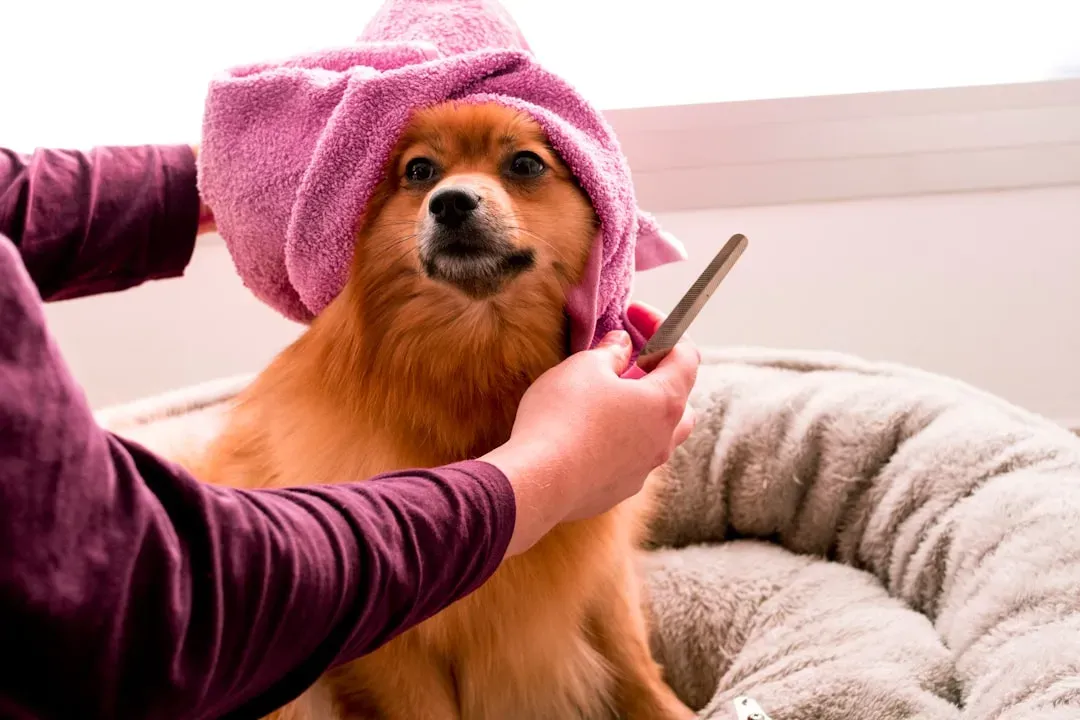
Repetitive licking, chewing, or scratching gets blamed on allergies almost instantly. But many new dogs develop small self-grooming rituals in the first week purely as a way to self-soothe. Licking their paws before sleep, nibbling one specific spot, obsessively cleaning up after a stressful moment – these are canine versions of nail-biting.
The pattern matters more than the behavior itself. Do they lick more after visitors leave, or after a walk near loud traffic, or right after you raise your voice at someone across the room? That’s your dog debriefing the day. Ignore it, and stress can quietly harden into chronic anxiety. Snap “stop that” every time, and you can make it worse. The better move is pairing those moments with something predictable – a chew, a scatter of treats, quiet touch if they want it – so the ritual shifts from a spiral into real decompression.
#9 – Assigning “Jobs” to Themselves Around the House
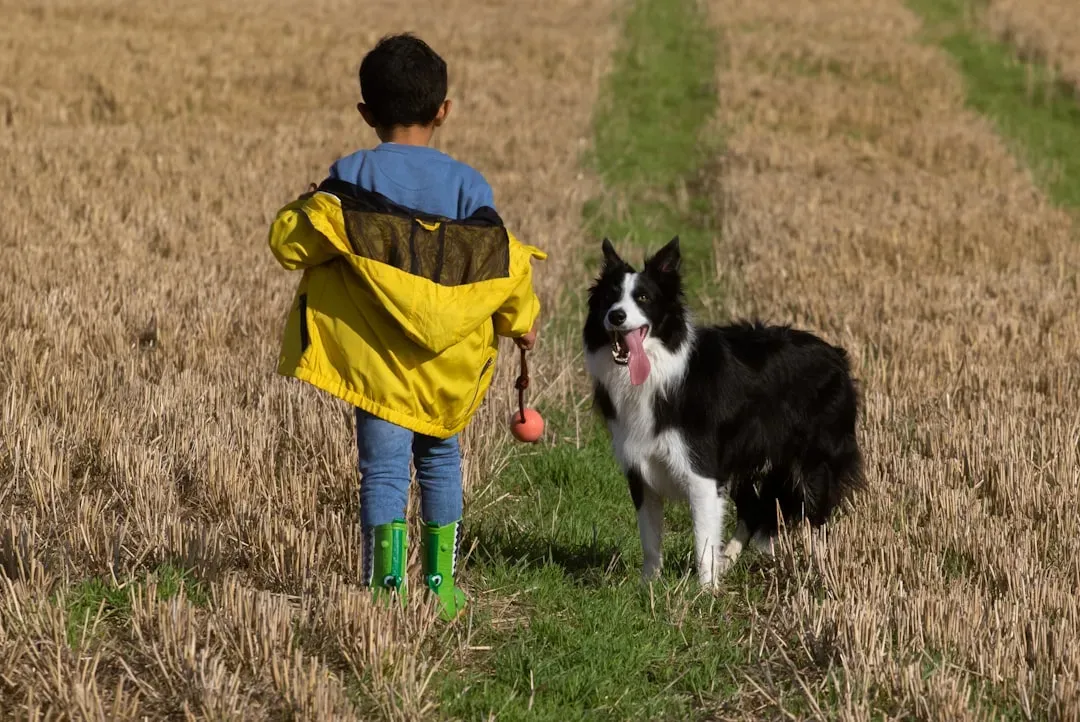
Within days, plenty of dogs decide they have a job in your home, and they perform it with total devotion, no training required. Barking at the window, herding the kids, escorting you to the bathroom, checking every room before bed – these are self-appointed roles, not quirks.
Some common early hires: the Doorbell Enforcer, who races over and vocalizes at every sound; the Hallway Guard, who sleeps in the corridor between bedrooms; the Kid Monitor, who wedges herself between running children and the furniture. Ignore a job you don’t love and your dog usually just does it louder. The smarter move is acknowledging it – a quiet thank-you, a reward, a recall – then redirecting it into something useful, like a mat behavior away from the window. Work with the job your dog picked in week one, and you avoid years of fighting pure instinct.
#10 – Testing How Much Physical Contact You Really Mean
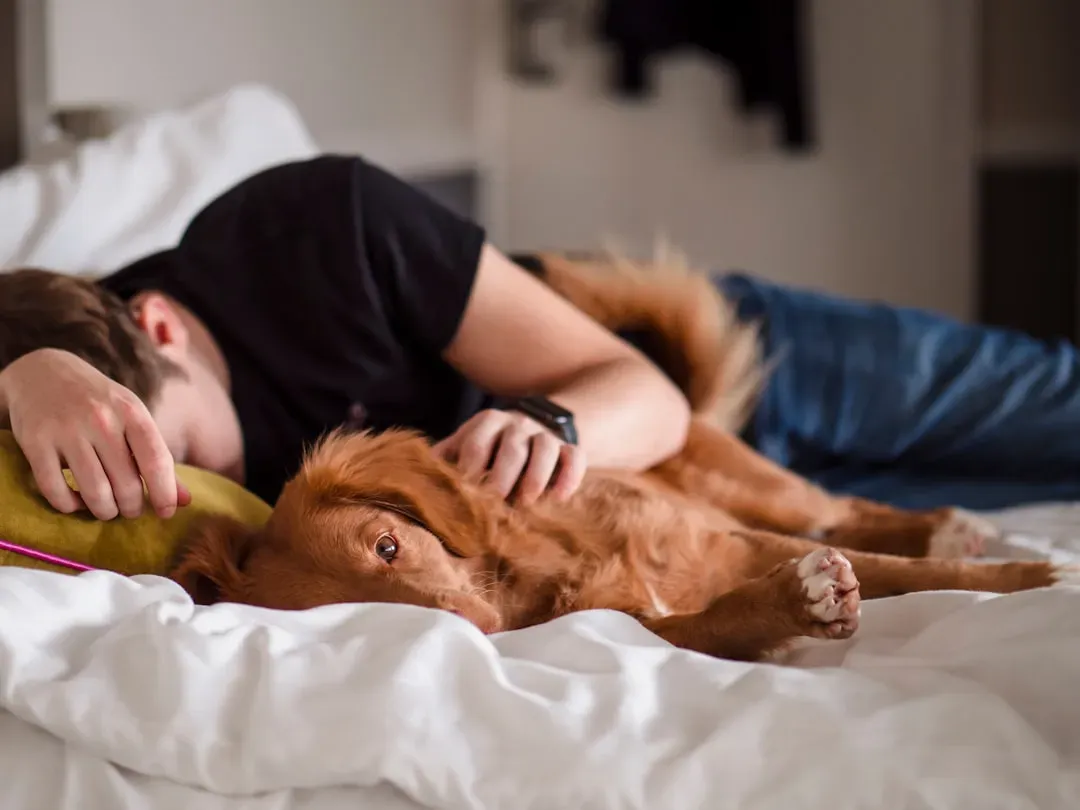
Everyone claims they want a cuddly dog, until the dog takes them literally. In the first week, your dog is quietly monitoring every hug, pet, and push-away to decide what the affection rules actually are in this house. Some dogs learn fast that leaning or climbing into laps gets endless touch; others learn that too much contact earns a stiff shoulder or a gentle shove away. Both outcomes become lifelong habits.
Watch closely: do they flop onto their back for belly rubs, or curl into a tight, guarded ball? Do they tolerate a hug, or lick their lips and turn their head away? Push snuggles on a dog who’s clearly uncomfortable because “she’ll get used to it,” and she may stop offering contact altogether, or only seek it out when desperate. Reward every single nudge instead, and you can end up with a velcro dog who panics the second you’re out of reach. Let your dog set the terms early, and you build something far steadier.
#11 – Marking “Safe Humans” vs. “Background Humans”
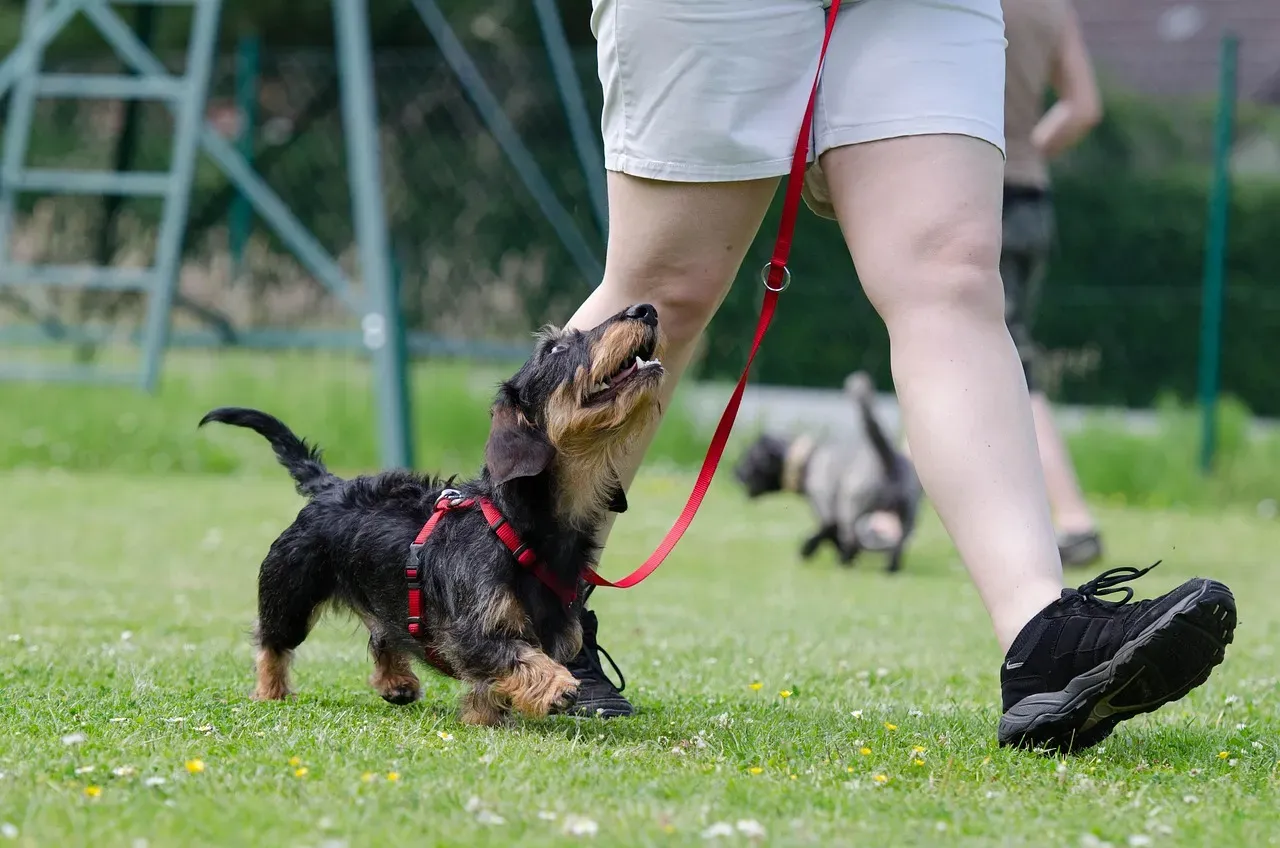
In multi-person households, dogs sort people into two piles almost immediately: central figures and background noise. Who they greet, who they ignore, who they let handle them, who they side-eye from across the room – that social map gets built shockingly fast, and families rarely realize they’re the ones writing it.
Watch the first week closely. Who approaches head-on versus sideways? Who tries to scoop the dog up or restrain her? Who just quietly coexists and lets her make the first move? A kid who chases “just once” can get mentally filed as unpredictable for months. A partner who tosses treats without demanding anything back earns a “safe” label that pays off later in training. Instead of forcing fake equality – “go say hi to Dad!” – let the dog’s early choices guide you, and have the trusted person help bridge the gap. Ignore this social map, and resentment or “random” snapping incidents start creeping in.
#12 – Establishing Their Personal Alarm Clock
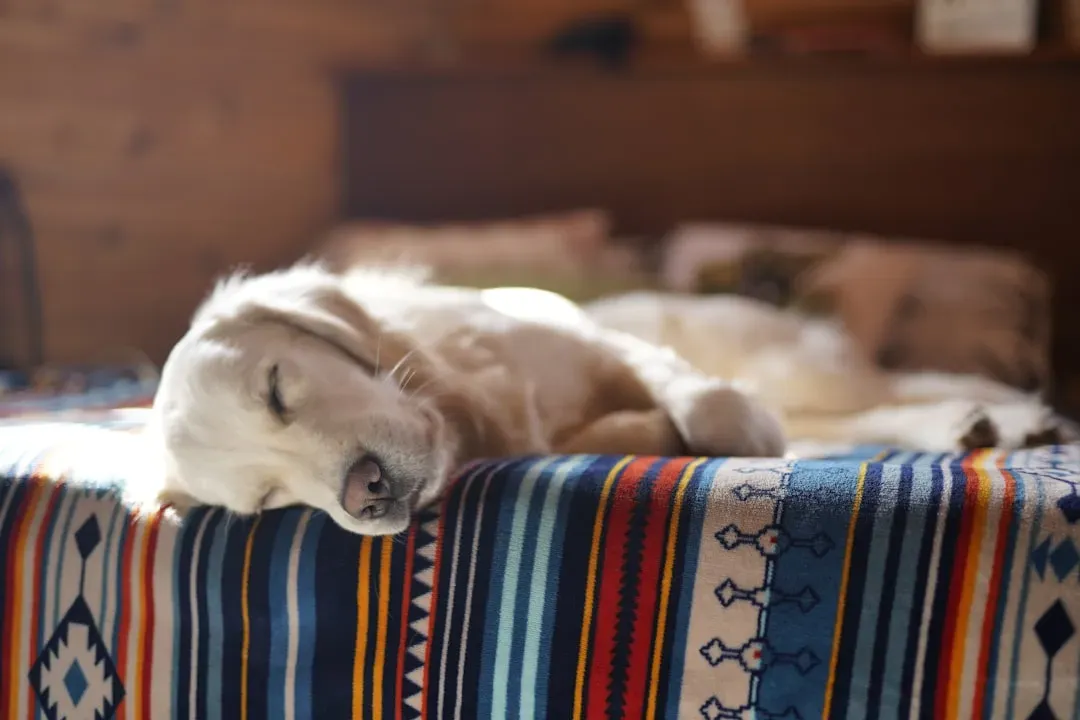
You think you decide bedtime and wake-up time. Your dog disagrees. Within days, she starts anchoring her internal clock to your least-disciplined moments. The time you actually get up – not the time you wish you did – becomes her default wake signal, and those first few mornings quietly write the blueprint for years of 6 a.m. nose boops.
Cave to early whining just once, and that time gets locked in. Let breakfast float between seven and nine some mornings, and your dog stays on high alert for hours waiting to find out. Let play happen right before bed, and her brain starts pairing late evenings with excitement instead of rest. Dogs run on rhythm; unpredictability keeps them wired. Most owners only connect the dots after years of fighting a schedule they accidentally built themselves in week one.
#13 – Deciding How Much Independence They’re Allowed
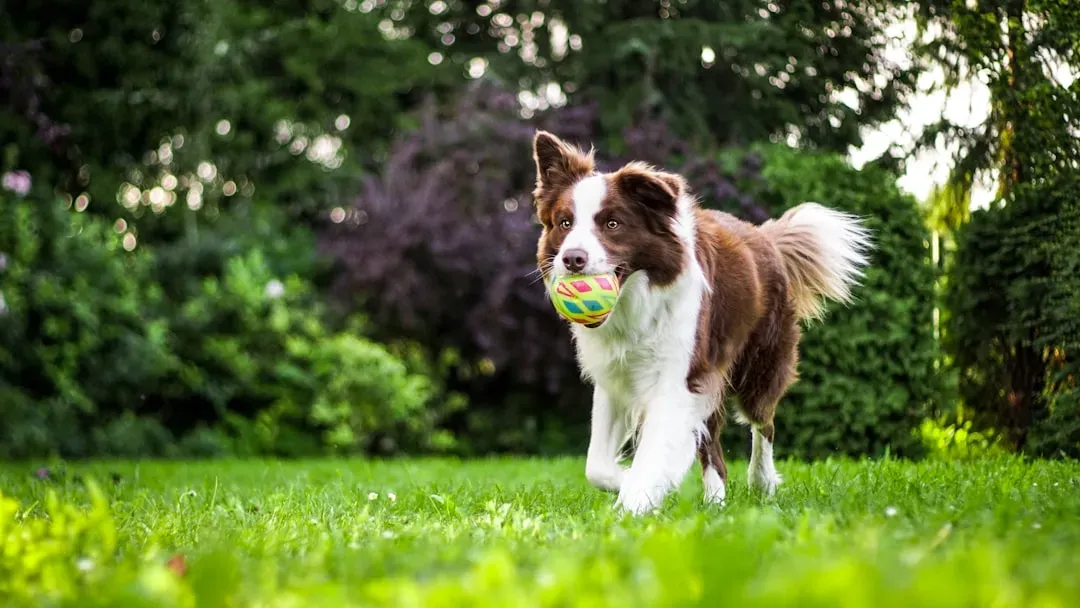
Within days, your dog is constantly running one quiet test: how far can I drift before you call me back? That distance – three feet across the living room, thirty feet at the park – becomes her automatic comfort radius, and it’s set almost entirely by you.
Do you call her back every time she wanders into a new room? Talk to her nonstop while she moves around? Rush over the moment she looks even slightly uncertain? It feels loving, but it quietly teaches her she can’t handle anything alone. Ignore a nervous dog who’s genuinely asking for backup, though, and she may learn to handle everything solo – sometimes with reactivity or guarding as the fallback plan. The sweet spot trainers call “supported independence” – room to explore, a responsive check-in when she needs it – is what separates a confident companion from a shadow who falls apart the moment you leave.
Worth Knowing
- Animal behaviorists have adapted human attachment research to dogs and found similar patterns: some explore confidently when their person is nearby, others cling or avoid contact entirely.
- These attachment styles tend to solidify within the first days to weeks in a new home, not after months of bonding.
- A securely attached dog checks in occasionally, then goes back to exploring; an insecure one either shadows constantly or shuts down.
- How consistently you respond to a nudge, whine, or check-in early on is one of the biggest levers shaping which style takes hold.
#14 – Picking Their “Opinion” on Other Dogs
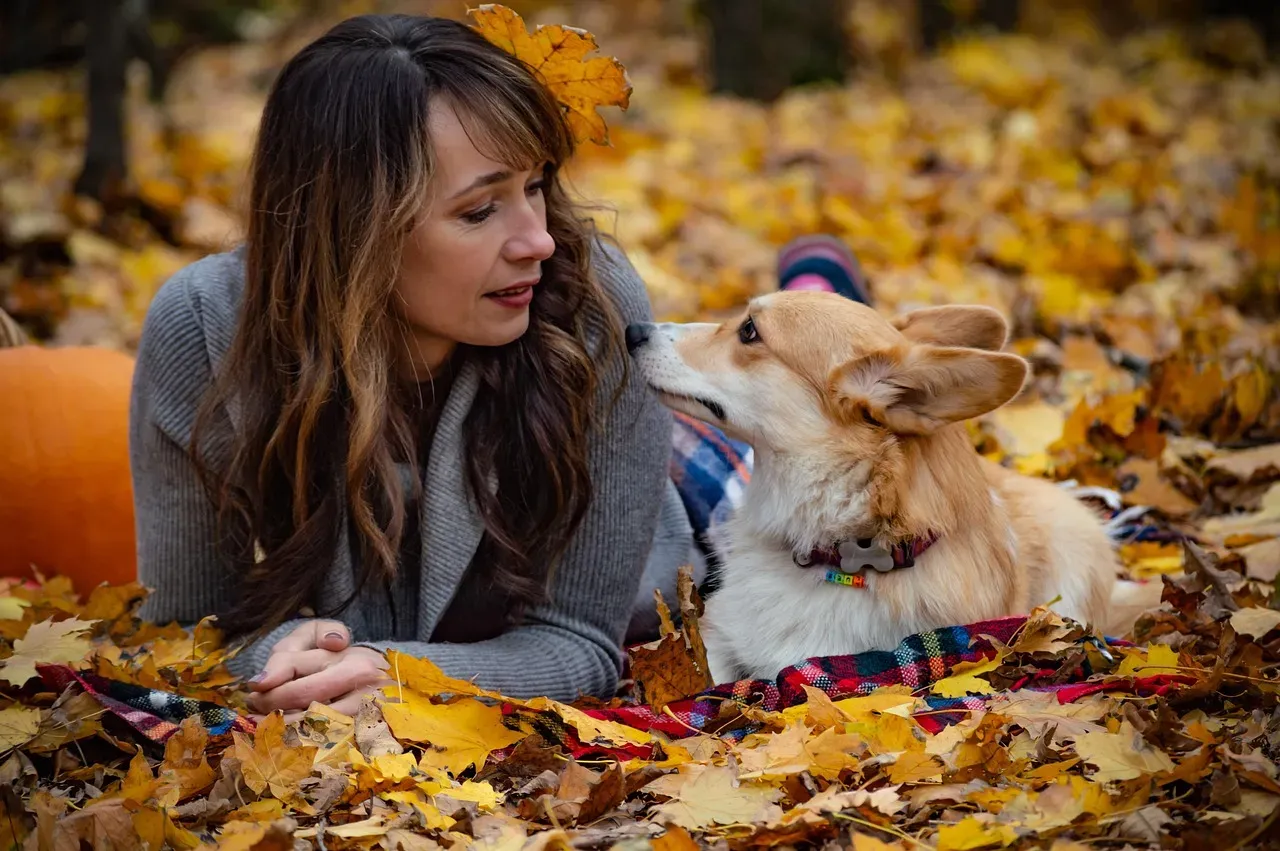
Most people assume a dog’s feelings about other dogs run deep and permanent, baked into personality. In reality, the first few dog encounters after arriving home can bias her for years. Chaotic off-leash greetings, rude sniffing, or getting scolded for growling early on teach a simple habit: tolerate everything, or go on the offensive.
Watch her defaults. Does she look away and curve her body, or freeze and stare? Does she mirror another dog’s play style happily, or stiffen on contact? Owners drag dogs into overwhelming spaces like busy dog parks constantly, then slap a label – “social” or “reactive” – on a handful of messy first impressions. Slow those early introductions down instead: leash walks, parallel strolls, calm partners chosen carefully. You let a balanced habit form instead of imprinting fear or over-arousal in week one.
#15 – Hoarding Certain Objects as Emotional Insurance

From day one, watch what your dog quietly starts collecting – a specific toy, your sock, the same blanket dragged from room to room. This isn’t greed. Early hoarding is emotional security, plain and simple. Some dogs gather anything that smells like you; others stash hard chewables or squeakers they can control when everything else feels chaotic.
You’ll see the pattern: one toy relocated to wherever you sit, a little nest of items built in the crate, a stolen shoe that only shows up during stressful weeks. Most owners only react once it curdles into resource guarding – a growl when you reach for the stash. But the habit started as self-comfort. Rip everything away “to show who’s boss,” and you confirm her fear that things vanish without warning. Instead, offer designated hoardable items, respect the little collection, and trade up calmly when you actually need something back.
Quick Compare
- Emotional hoarding: gathers a favorite toy or sock, relaxes once it’s nearby, no tension when you get close.
- Resource guarding: stiffens, growls, or snaps the moment you reach for the item – a fear response, not simple preference.
- The better response: offer designated “keeper” items and trade calmly instead of confiscating, so hoarding never has a reason to tip into guarding.
#16 – Reading Your Mood Swings Like Weather Reports
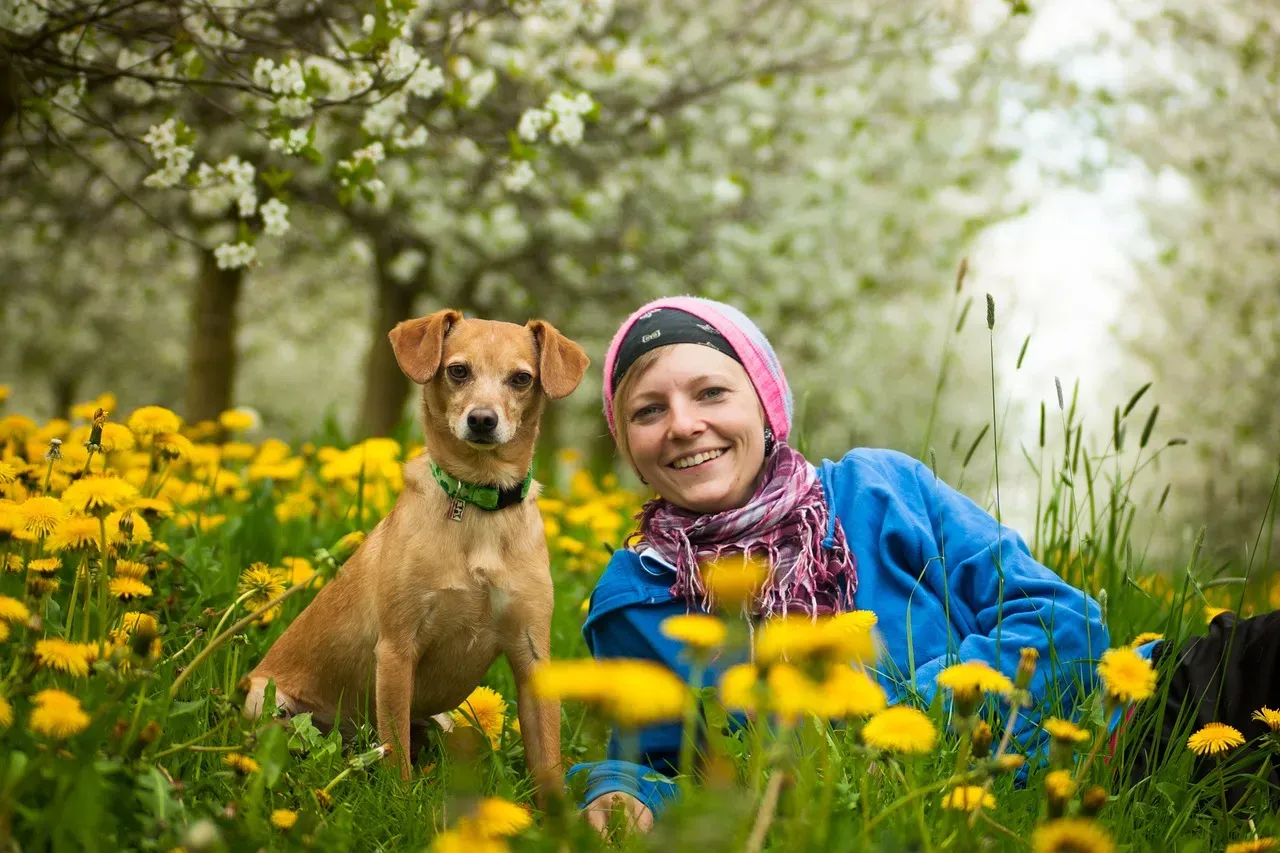
Within days, your dog starts tracking your emotional weather more precisely than most people in your life. Checking your face when your phone dings, slipping out of the room when voices rise, dropping her tail when you sigh – these are forecasts, and your moods have become as real to her as thunder.
Watch for it: does she slink away the moment you start pacing? Does she only bring a toy over when you’re on the couch, never at your desk? Does she get hyper the second you walk in already stressed? If every angry phone call ends in slammed cabinets, your dog may start hiding the instant your tone shifts, even if she’s never once been yelled at directly. If laughter reliably predicts play and snacks, you’ll get a full-body happy face the second you smile. The habit is simple – match your energy or disappear – and most owners never realize they trained it in week one.
#17 – Deciding Whether Your Rules Are Suggestions or Non-Negotiables
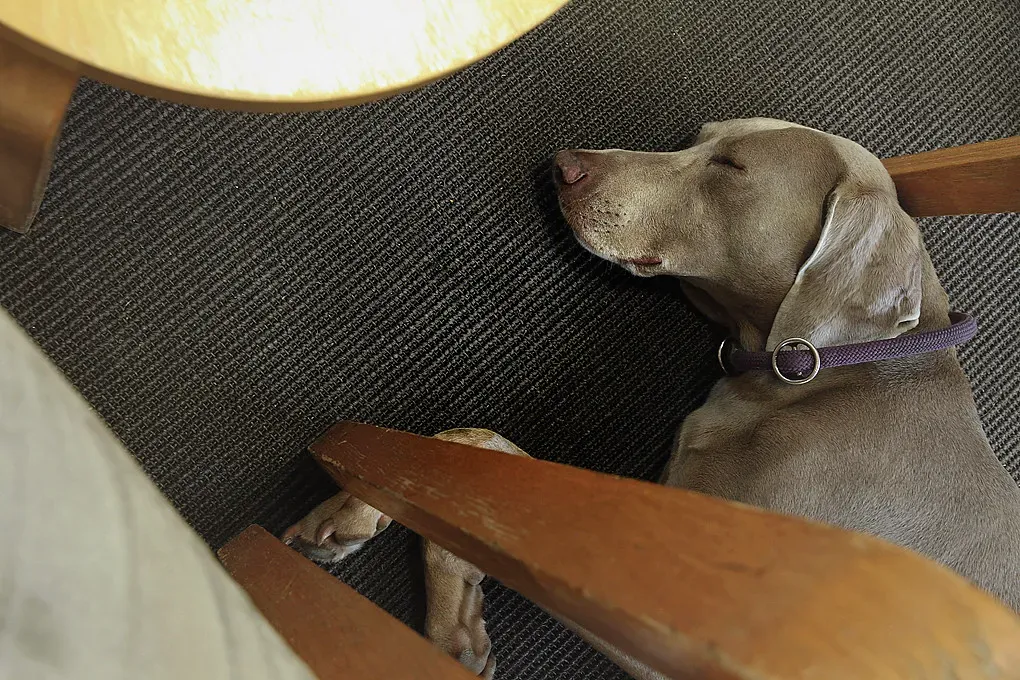
By the end of the first week, your dog has quietly audited your entire rule system. She already knows which words you actually mean, which ones you repeat and drop, and which you only enforce when you’re already annoyed. “Sit,” “off,” “leave it,” “come” – none of these become real commands by magic. Without follow-through in those early days, they become background noise.
Do you say “off” five times before physically helping her down? Laugh the first time she jumps, then scold on the tenth? Let “no” slide into “okay, fine, just this once”? Dogs are ruthless little scientists. A rule enforced sixty percent of the time isn’t a rule – it’s a negotiation, and she’ll test it every single time. That’s how you end up years later insisting “he knows what ‘come’ means, he’s just stubborn.” He isn’t. He learned in week one that your words were a starting offer, not a final answer. The dogs with the best manners almost always had boring, rock-solid consistency from day one.
The Bottom Line

Most people tell themselves, “we’ll really know this dog after a few months.” That’s backwards. The first three to ten days are where the quiet, permanent habits get built – about you, your house, and how the world works. Your dog isn’t just adapting to your life; she’s running experiments on your patterns and locking the results into daily rituals before you’ve even unpacked her crate.
Here’s the uncomfortable part: what you’ll call a “problem” years from now almost certainly started as a small, reasonable choice your dog made in that very first week. Good. That should bother you a little – it means you’re finally paying attention instead of writing it off as personality. Understand these habits early, and you’re not spending years undoing avoidable mistakes; you’re building something calmer and more honest from day one, on purpose. Which one of these hit closest to home – or which one are you convinced is wrong? Say it in the comments, because dog people never agree on this stuff, and that’s exactly why it’s worth arguing about.