
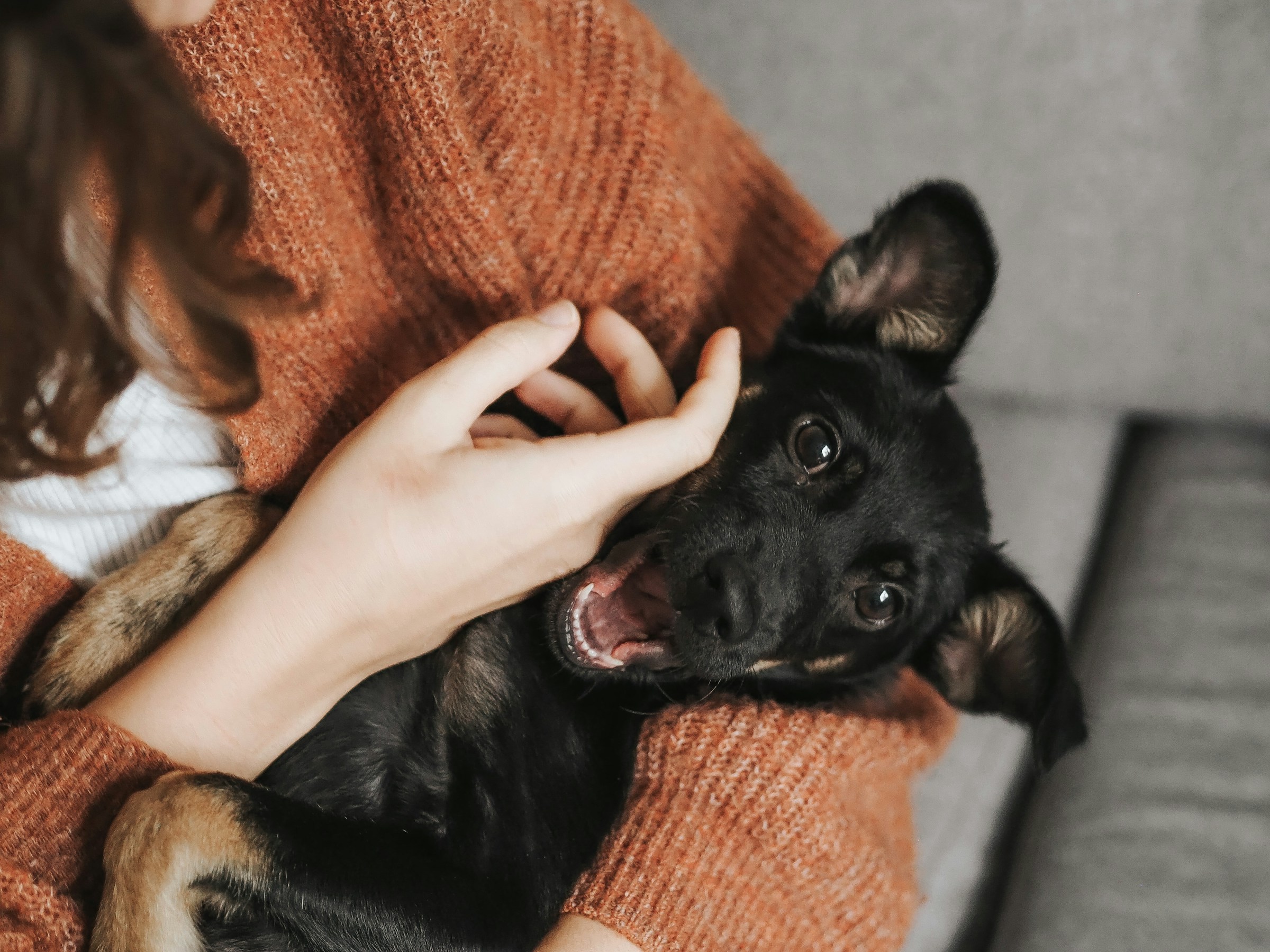
You probably already suspect it: your dog is a little bit obsessed with you. But what if many of those tiny, everyday habits you barely notice are actually signs that you are on their mind far more than you realize? From how they sleep to the way they greet strangers, science keeps pointing to one thing – your dog’s world quietly orbits around you.
Once you start noticing these signals, it becomes almost impossible to unsee them. Ordinary behaviors suddenly look like love notes in fur and paws, small hints that your dog is waiting, checking, remembering, and hoping you’ll come back soon. Let’s unpack those signals one by one and see just how deeply you live in your dog’s head.
1. They Sleep On Your Side Of The Bed When You’re Gone
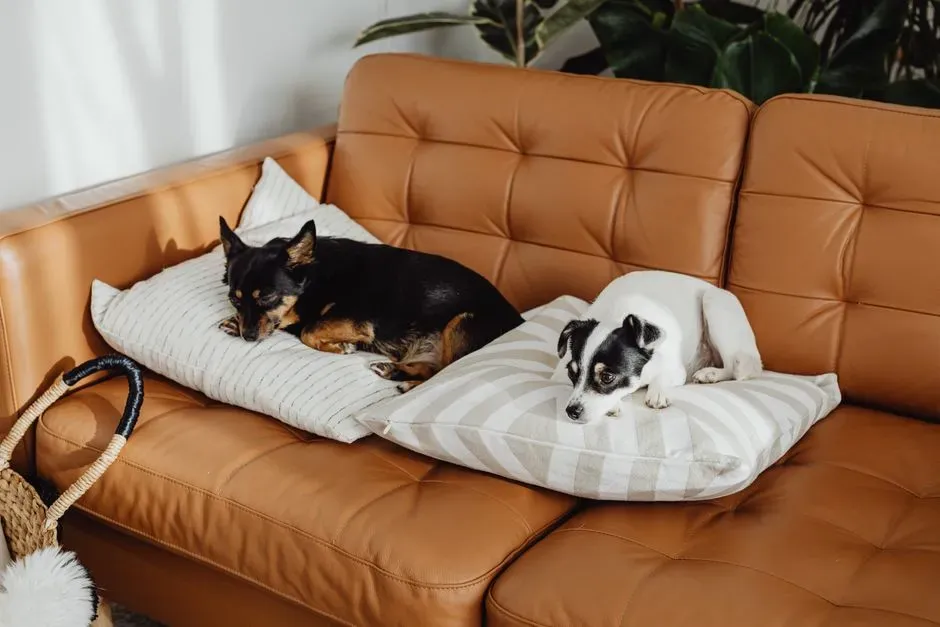
Ever come home to find your dog curled up on your pillow or sprawled across your side of the bed like they pay rent there? That’s not just about comfort; it’s about connection. Your side of the bed holds the strongest concentration of your scent, and your dog is drawn to it like a magnet when you are not around.
Dogs are known to use scent as a sort of emotional anchor. Nestling where your smell is strongest is their way of staying close to you in the only way they can while you are away. It is almost like they are hugging the ghost of you, using your scent to feel calmer and less alone.
2. They Carry Your Clothes Or Shoes Around The House
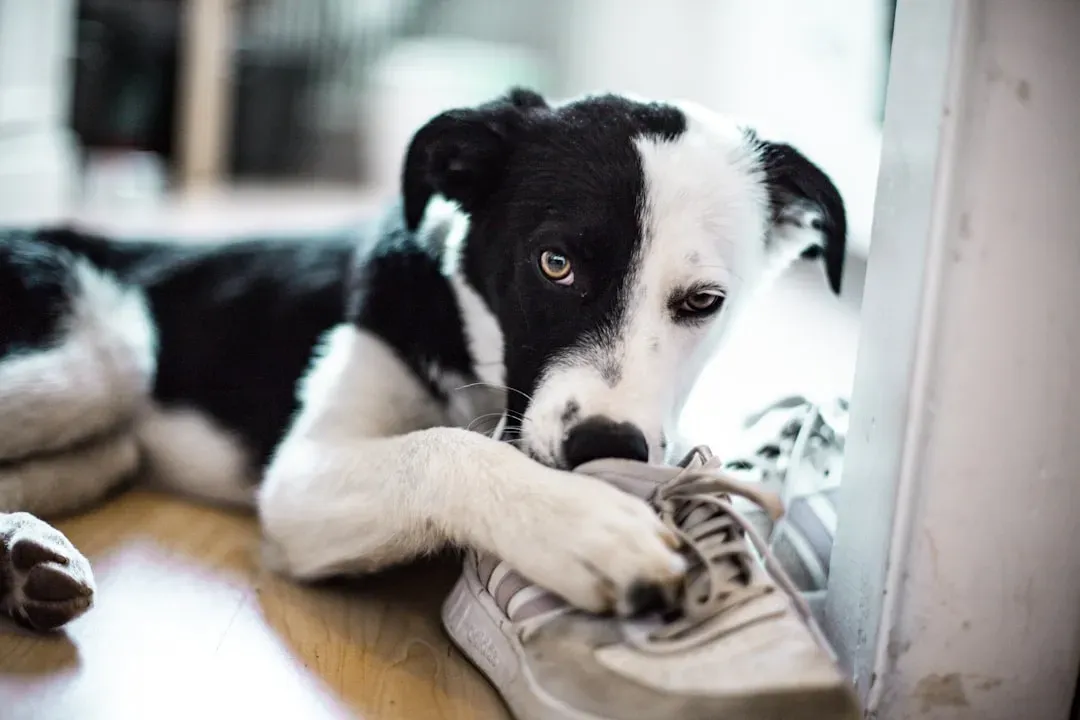
It can be annoying to hunt for your missing sock only to find it crumpled in your dog’s bed, but that behavior is surprisingly touching. When they steal your T‑shirt or sleep with your shoe, they are surrounding themselves with your scent as a stand‑in for your presence. It is not mischief as much as emotional comfort.
Dogs experience the world primarily through smell, and your odor is their favorite channel. Holding on to your belongings is a way for them to “hold on” to you in your absence. Think of it as their emotional security blanket, one that reminds them you exist even when you are on the other side of the door or halfway across town.
3. They Check The Door Or Window At Specific Times
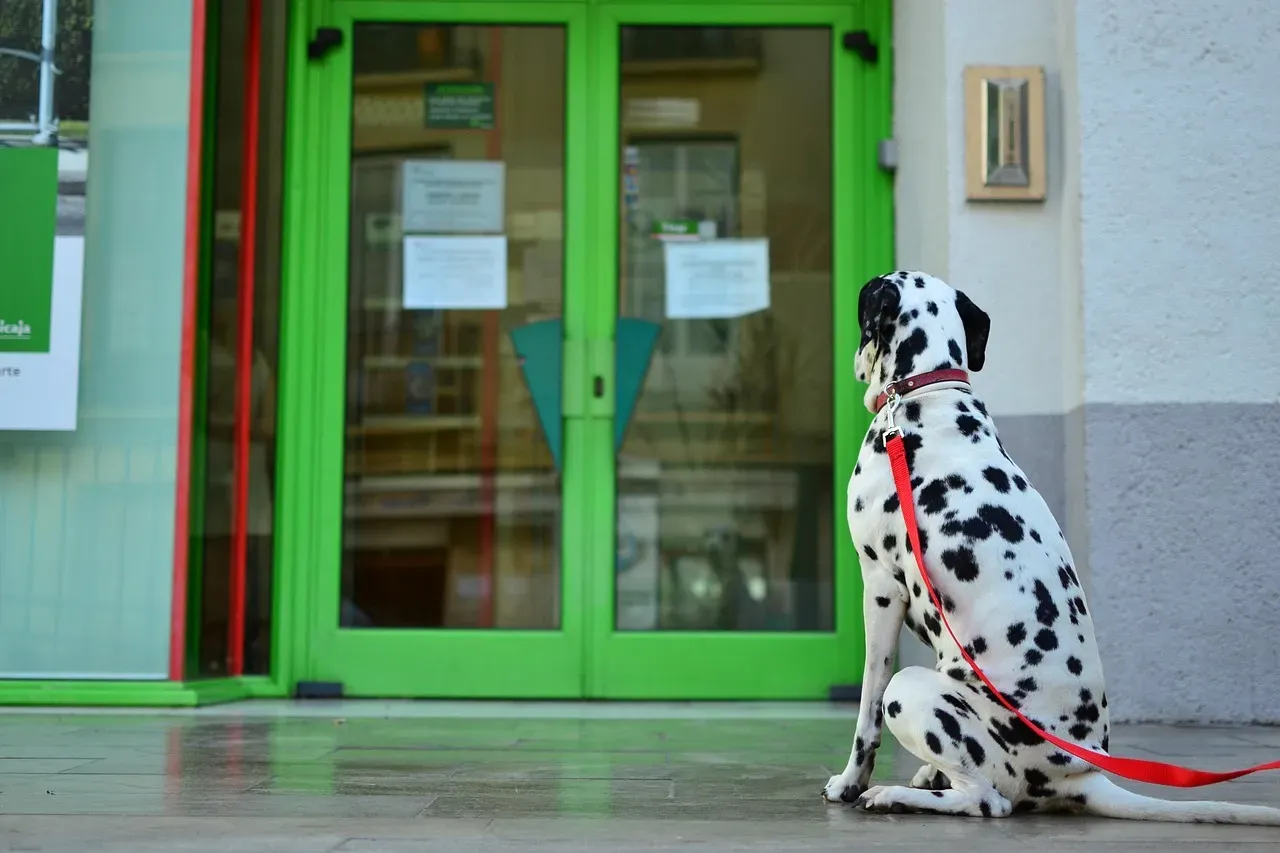
Some dogs become little timekeepers, pacing to the door around the hour you usually arrive home or staring out the window like a fuzzy security guard. This is more than random coincidence; they learn your routines and start anticipating your return based on patterns of time, light, and sound. It is their quiet daily ritual of expecting you.
That repeated checking behavior tells you they are not just passively waiting but actively thinking, “Is it now? Are they coming back yet?” It is a mental countdown wrapped in fur. Even if you are late, that moment when the keys finally rattle in the lock is the payoff they have been building toward all afternoon.
4. They Do The Sudden Zoomie Explosion When You Get Home
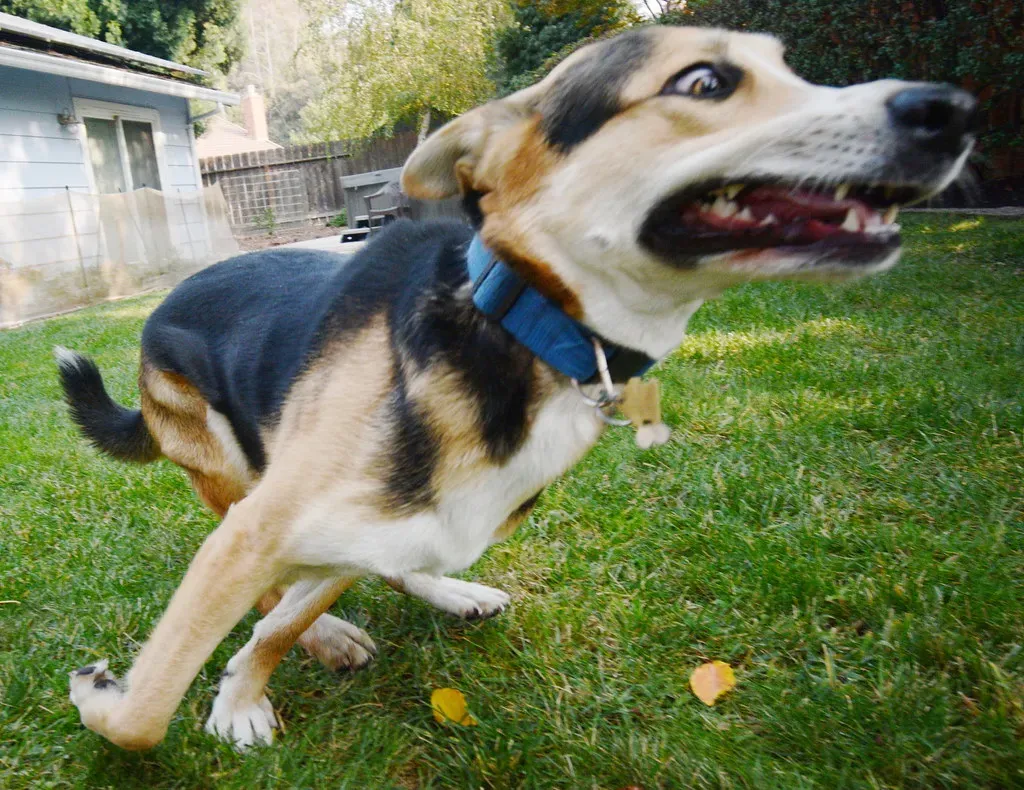
That wild, full‑body joy when you walk through the door is not just excitement; it is the emotional release of a dog that has been holding in anticipation. The zoomies, spinning, bouncing, and wiggling like they might split in half from happiness show how much the waiting has been building up inside them. You are not just back; their world just snapped back into place.
In behavioral terms, your return is the biggest reward event of their day. They have been primed for it, listening to every car, every sound in the hallway. When it is finally you, their nervous system lights up with relief and happiness. That chaos in the hallway is basically your dog screaming in body language, “You came back. I knew it. I missed you so much.”
5. They Follow You From Room To Room Like A Shadow
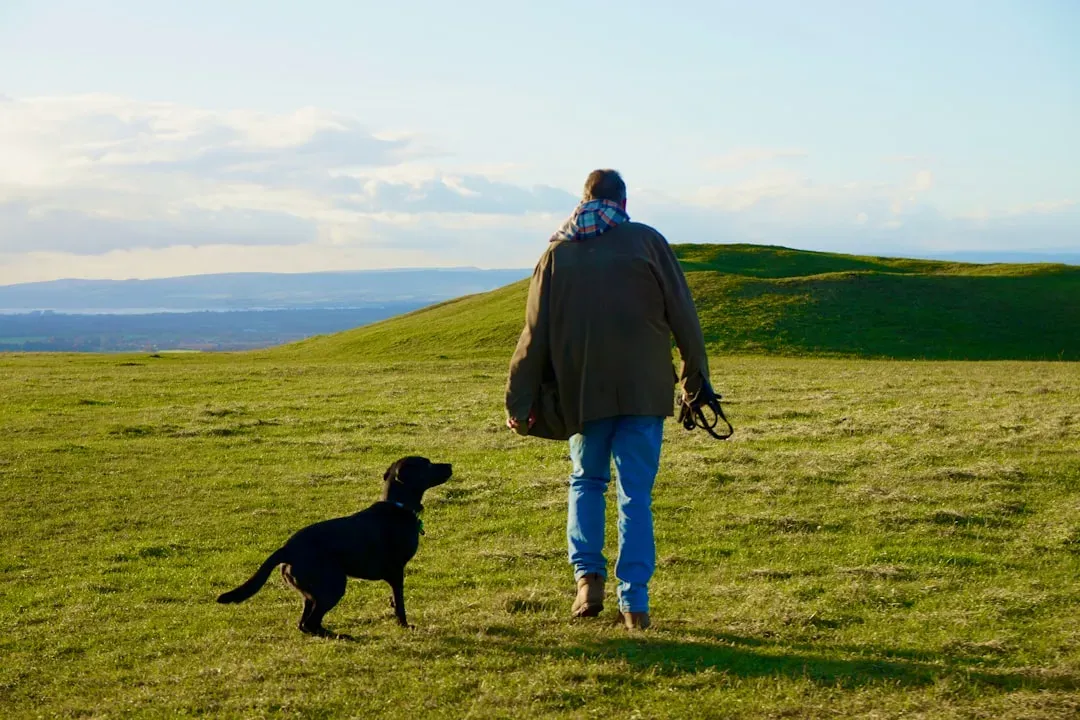
When you are home, does your dog trail you around the house, pretending they just “happen” to be wherever you are? Many people worry that this means their dog is too clingy, but often it is simply a sign that you are the center of their social universe. They spent time waiting for you, and now that you are back, they are not eager to let you drift far away again.
This shadowing behavior is basically their way of topping up on togetherness. Dogs evolved as social animals that feel safest near their trusted group. Following you to the bathroom, the kitchen, and even the laundry room is their way of saying, “You were gone for long enough; I am not missing another minute.”
6. They Keep An Ear Out For Your Sounds
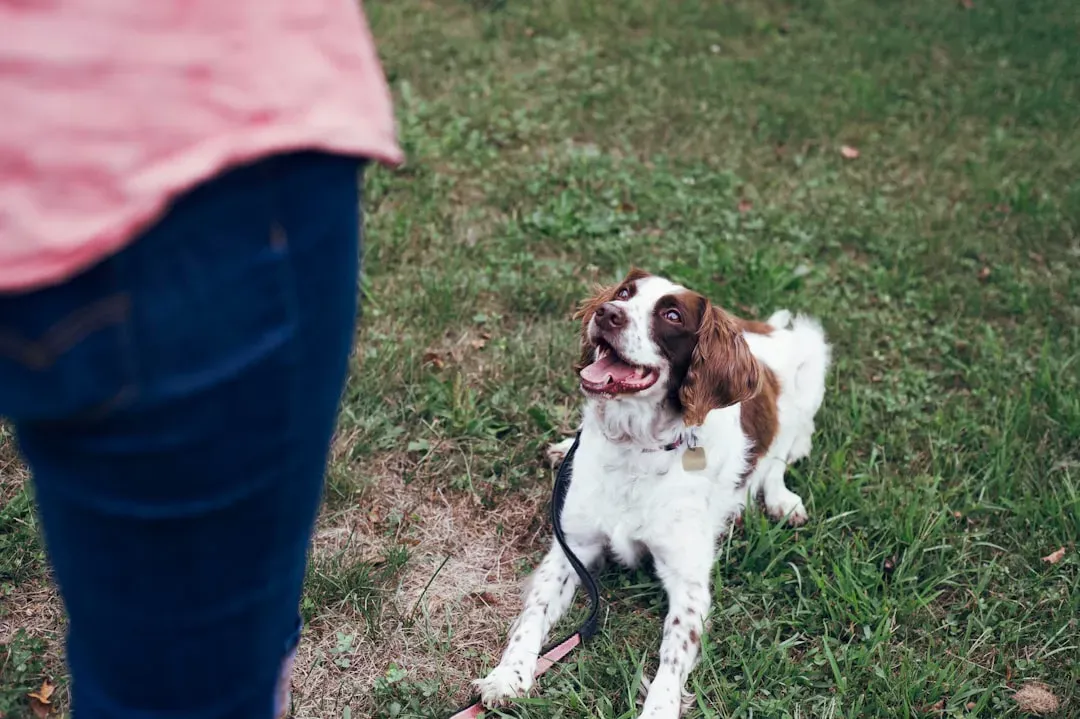
Many dogs perk up at the sound of your car in the driveway, your footsteps on the stairs, or even the way your keys jingle. That instant reaction is not random; it is learned and deeply associated with you. Over time, they build an audio map of “your sounds,” and those cues can trigger anticipation and excitement long before you physically appear.
Even when they look relaxed or half asleep, a part of their brain is monitoring the environment for the possibility that you might be coming back. A single familiar sound can flip their whole nervous system from idle to thrilled. It is hard to be more “mentally present” than having a built‑in radar constantly tuned to the possibility of your return.
7. They React Differently To Your Name Than Anyone Else’s
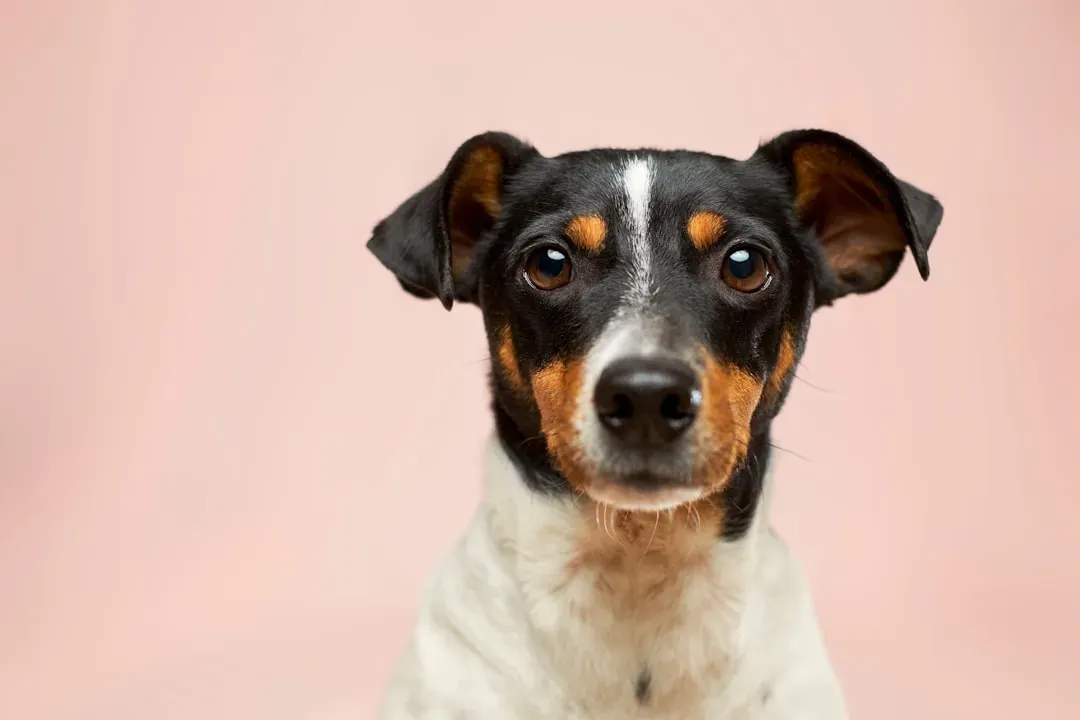
Some dogs learn human names, and one of the first they lock onto is usually yours. If someone says your name in conversation and your dog suddenly looks up, runs to the door, or scans the room, that is a massive clue. Your name has become a verbal shortcut in their mind that equals “my person.”
This reaction shows that you are not just part of the furniture; you are a specific and important individual in their inner world. Even when the word is just floating through a casual chat, it can spark a flash of hope that you might appear or interact. It is a tiny moment where your dog’s mind jumps directly to you, even though you are not there.
8. They Bring You Toys Or “Gifts” After You’ve Been Out
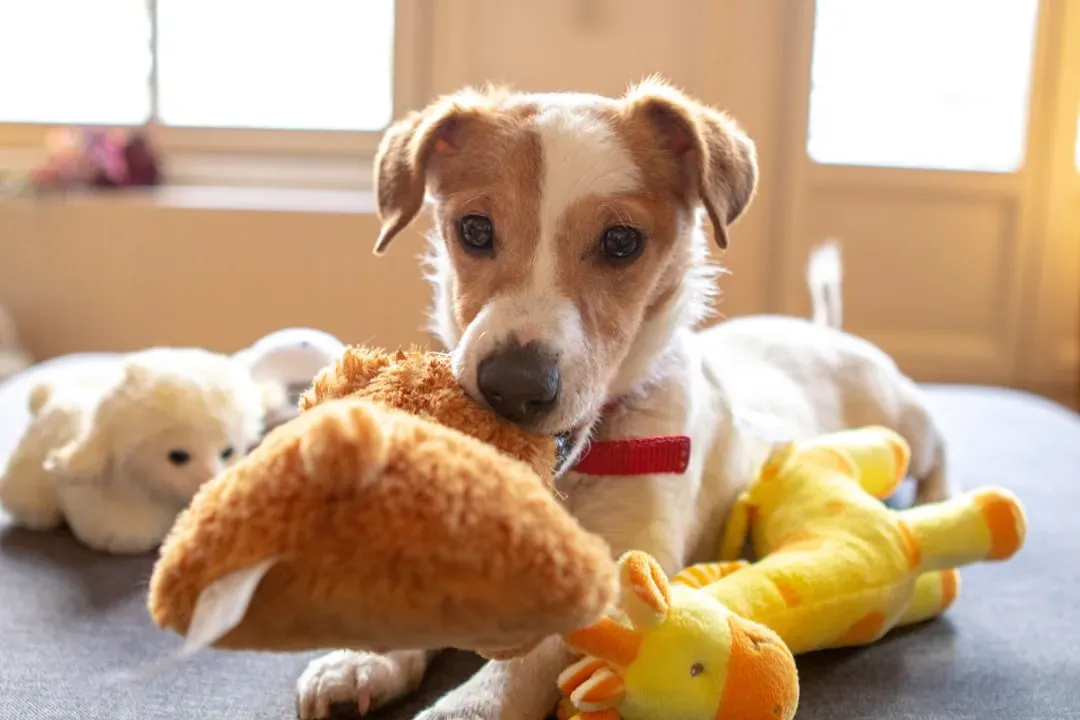
If your dog greets you at the door with a slobbery toy, sock, or random household object, it is more than a cute quirk. This offering behavior often shows their excitement and desire to share something valuable (at least valuable to them) with you. It is a kind of social bonding, like a friend shoving a funny meme in your face the second you get online.
They have been waiting, probably bored, and when you walk in, they bring the thing that helped them pass the time. In their mind, sharing that object is a way of saying, “This was important while you were gone, and now I want to include you in it.” It is a tiny gesture that keeps you at the center of their emotional life, even in their play.
9. They Seem Restless Or Anxious Right After You Leave
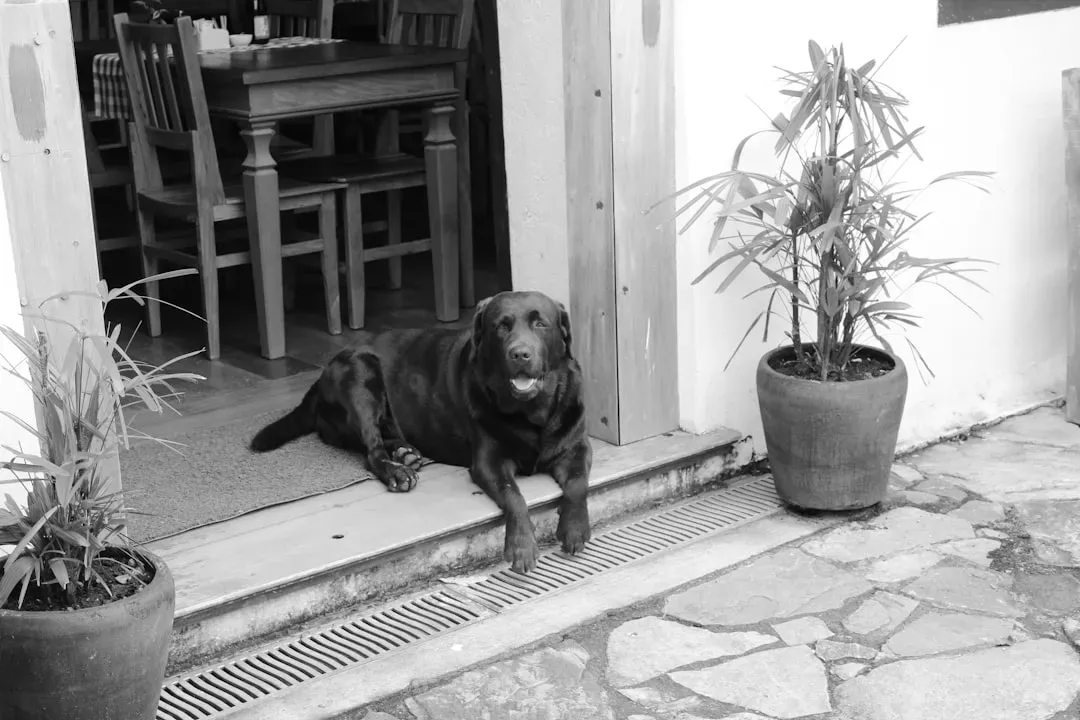
Not every dog melts down when their person walks out the door, but many show at least a flicker of unease: pacing, standing by the door, whining a little, or checking windows. That early phase of restlessness is their brain adjusting to the sudden disappearance of their main attachment figure. It is a jarring shift in their social environment.
Even if they eventually settle, that brief period says a lot. They are not just shrugging and moving on; they are actively processing your absence. It is the canine version of opening your phone five times in a row after someone important stops texting you. Their behavior is a visible sign that your absence takes up space in their mind.
10. They Keep One Eye On The Door Even While Relaxing
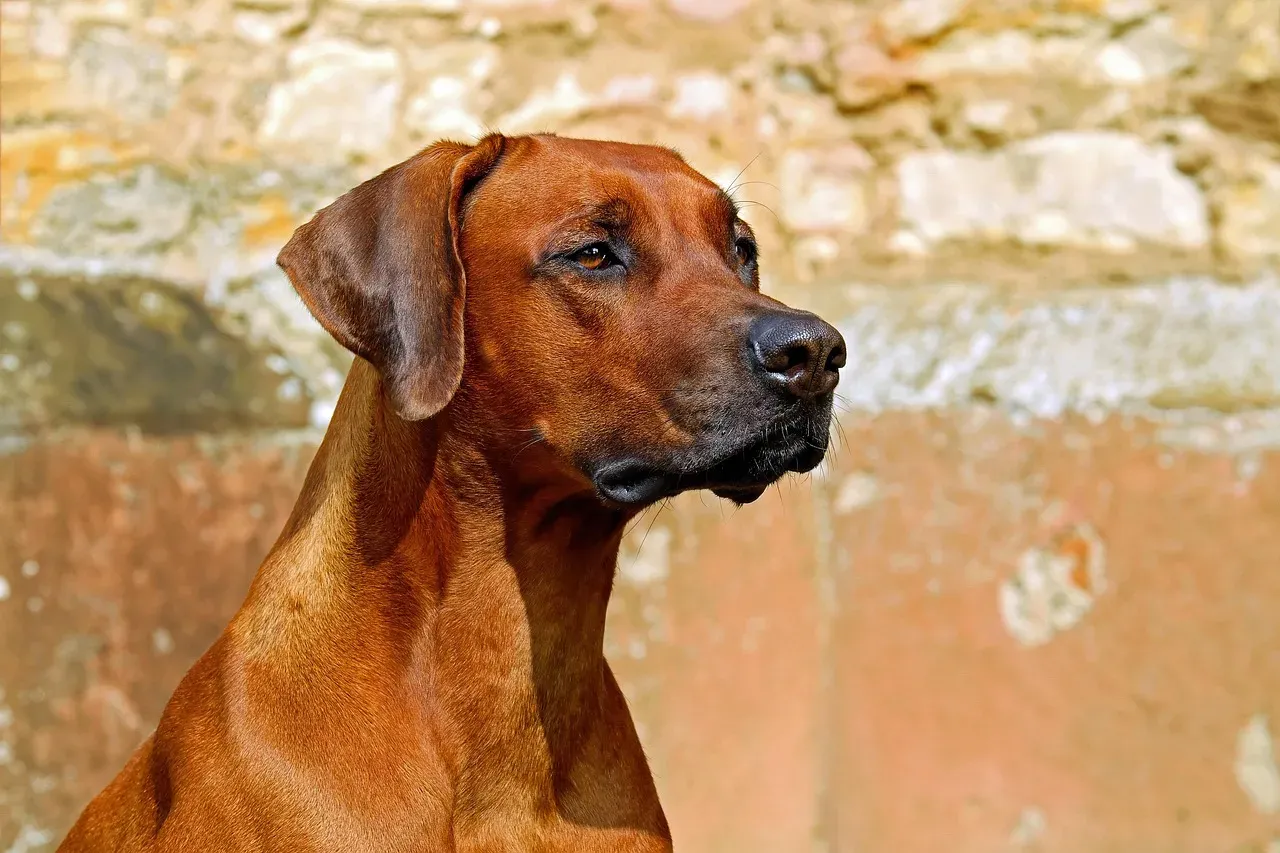
Some dogs can appear calm, napping or chewing a toy, but if you watch closely, their body is subtly oriented toward the entrance. Maybe their head faces the door, or they periodically glance up whenever there is a noise. This kind of half‑relaxed, half‑alert state shows that a piece of their attention is always reserved for the possibility that you might walk in.
They are not living in constant tension; instead, they are running a quiet background process: “Is my person back yet?” It is like having a browser tab open with tracking on a delivery you care about. Even while doing other things, they are mentally parked near that door, because that is where you reappear.
11. They Guard Or Stay Near Your Favorite Spot
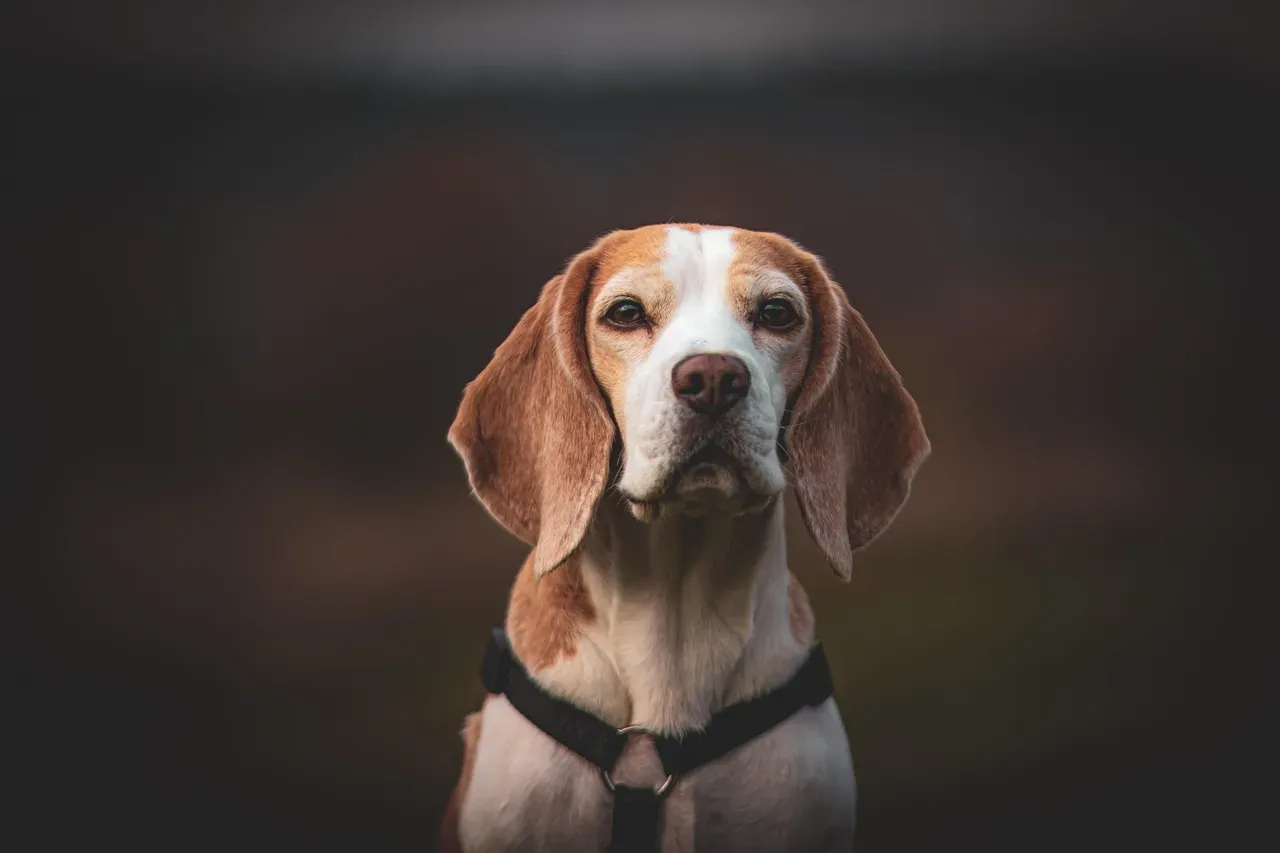
Some dogs will choose to hang out by your favorite chair, the couch corner where you always sit, or that spot at the dining table where your feet usually rest. Even if you are not there, they seem magnetized to the places that feel most “you.” Those spots are like emotional hotspots in their map of the house.
By positioning themselves there, they are blending their world with yours, keeping themselves where you “exist” the most in their mind. It is their way of keeping a placeholder for you, as if saying, “This is where they belong, and I will be here keeping it warm until they come back.” It is a quiet, loyal form of mental focus on you.
12. They Seek Comfort From Your Scent During Stress

If loud noises, storms, or visitors stress your dog out, notice what they do when you are not there. Many dogs will run to your bed, dig into your laundry basket, or curl up with your hoodie during scary moments. That is not random; your smell is tied to safety in their brain, and when things feel overwhelming, they reach for you in the only available way.
It is a powerful reminder that your presence is not just pleasant; it is a psychological safety signal. When they are scared, their first instinct is essentially, “Where is my person?” and if they cannot find you, your scent is the next best thing. That shows just how often they lean on the idea of you, not only your physical body.
13. They Get Extra Clingy Right Before You Leave
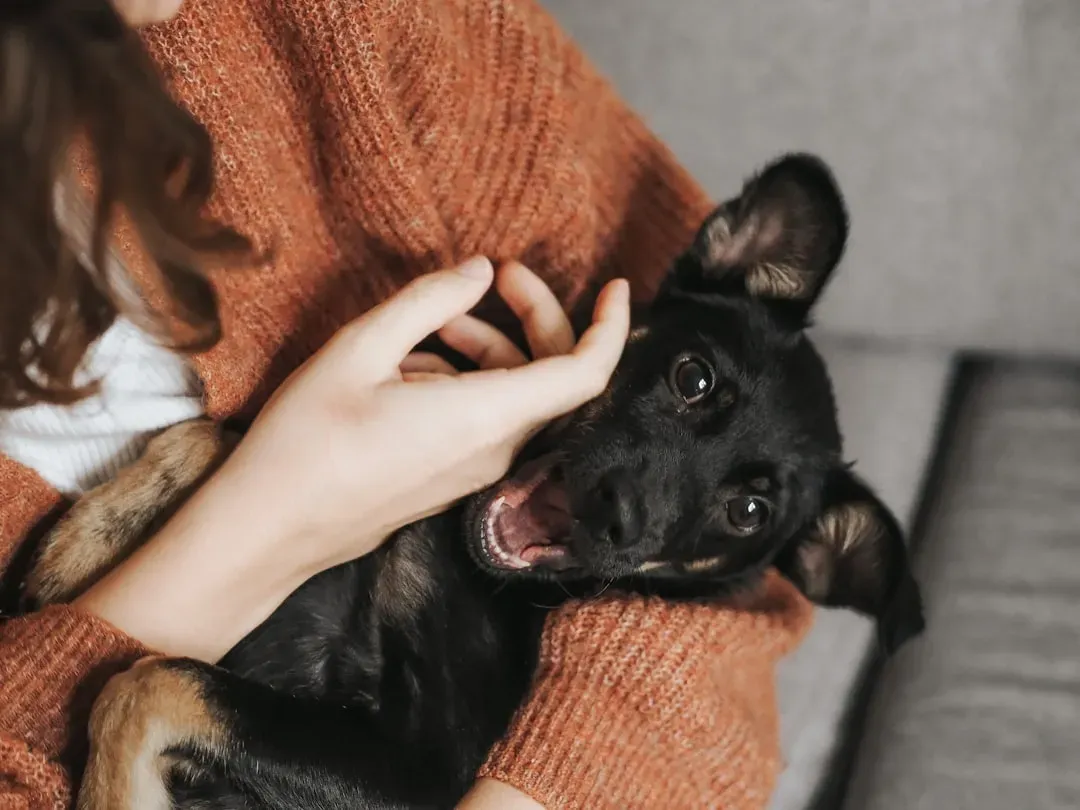
Many dogs can tell when you are about to go out long before you grab your keys. Small cues like putting on specific shoes, picking up a bag, or turning out certain lights can all signal “they are leaving.” If your dog starts pacing, whimpering, blocking the doorway, or nudging you more than usual during that time, they are reacting to the thought of being without you.
It is not just about the immediate moment; it is about anticipating the upcoming gap. Their behavior is a kind of desperate negotiation: “If I get closer, maybe you will stay.” That emotional surge right before you leave shows that they are not only aware of your coming absence but are already mentally wrestling with it.
14. They Sleep More Deeply Once You’re Home
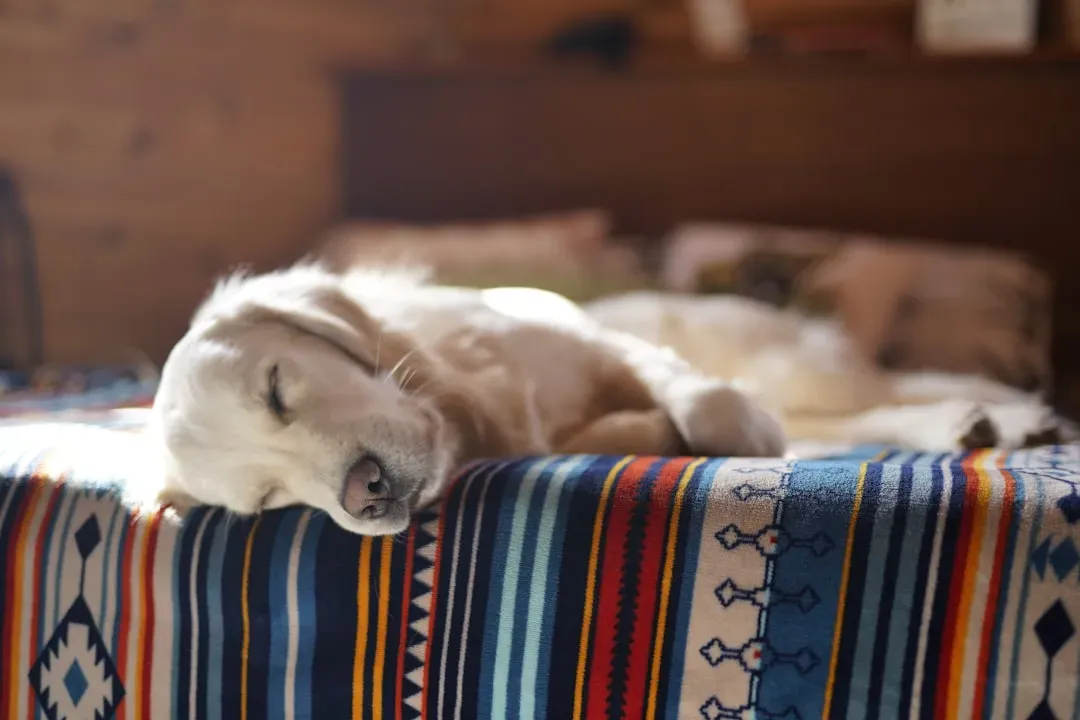
A lot of dogs nap while their humans are gone, but it is often a lighter, more interrupted kind of rest. When you come back, they might greet you like a tornado and then, interestingly, crash hard. You may notice they flop down near you and finally sink into that deep, twitchy, dream‑filled sleep.
That shift suggests your presence acts like a safety switch, allowing them to fully let their guard down. When the “important person” is back on duty, they can finally stop scanning the environment and truly rest. It is as if their whole nervous system says, “They are here now, I can relax,” which is a quiet but powerful sign of how central you are to their sense of security.
15. They Show Less Interest In Others When They’re Waiting For You
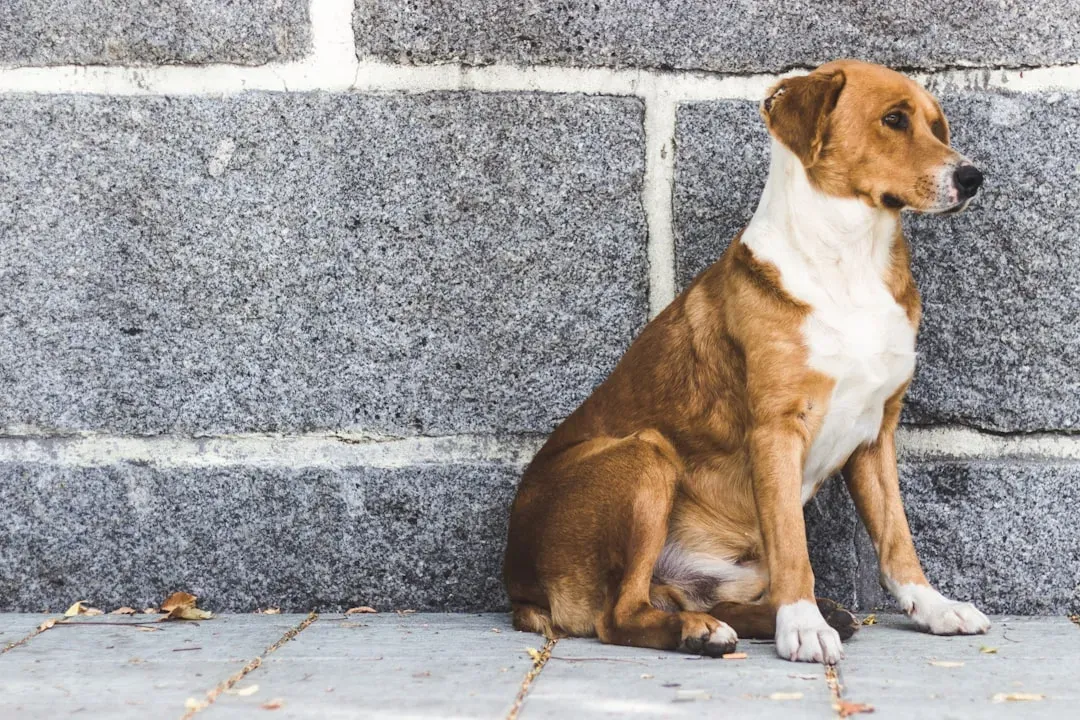
Some dogs are perfectly friendly with other people or pets, yet there is a special flatness in their energy when you are gone. They might play a bit, take treats, or enjoy a walk with someone else, but then drift back to the window, the door, or your spot on the couch. The fun never feels quite complete without you.
This kind of muted engagement is a subtle indicator that you are not interchangeable in their mind. The world goes on, but it feels like background noise until you are back in the picture. Even surrounded by activity, a slice of their attention is reserved just for thinking about you and waiting for the moment you finally return.
16. They Remember And Repeat “Waiting Spots” Outside
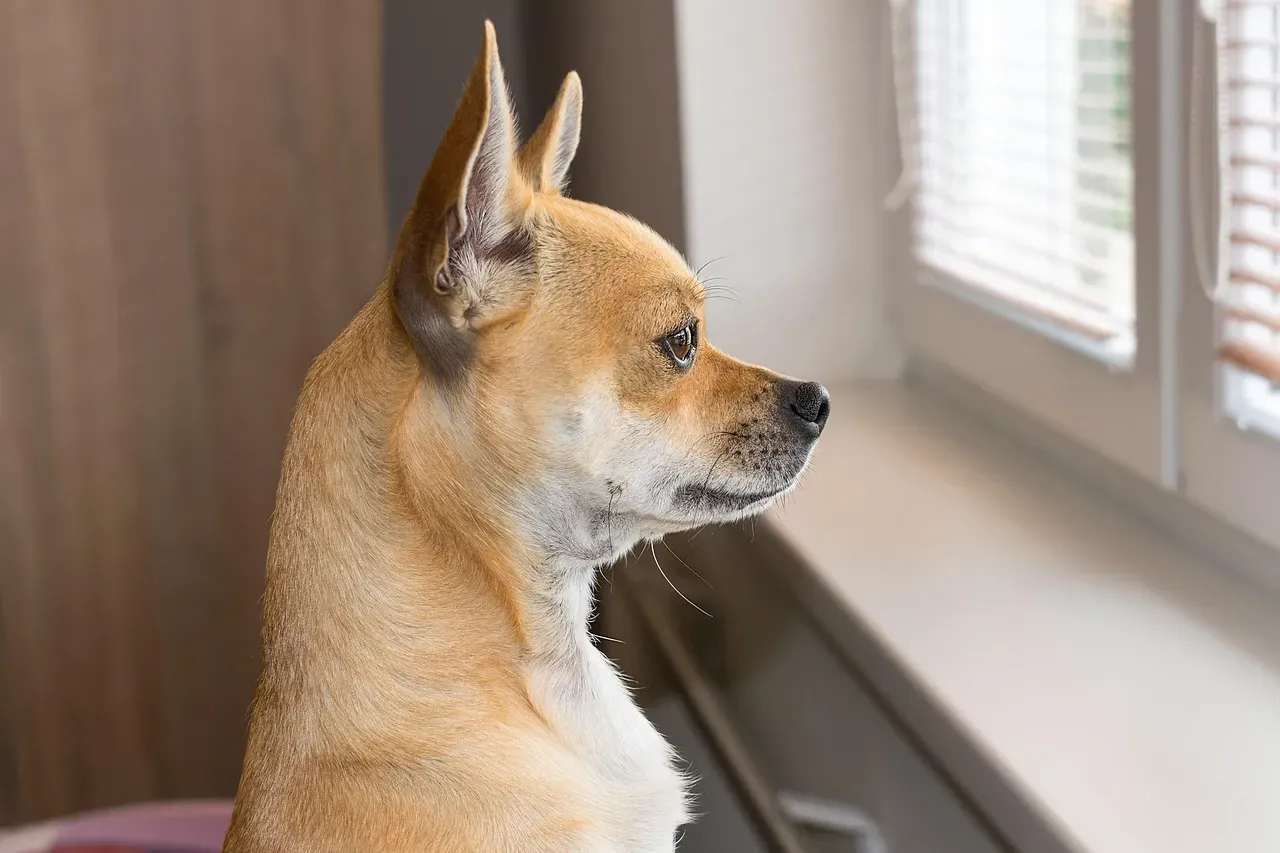
Have you ever seen a dog insist on stopping at a particular corner, bench, or parking spot where they once waited for their person? Many dogs will build strong associations with specific places linked to you. Maybe it is the spot near the store where you disappeared inside, or the bus stop where you once left and came back.
When they pull toward those places or pause there hopefully on future walks, they are not just sniffing; they are replaying a memory of you. Their behavior suggests, “This is where my person went away and then came back; maybe it will happen again.” Those repeated checks are like mental bookmarks, tiny shrines to moments centered entirely on you.
17. They Adjust Their Entire Routine Around Your Schedule
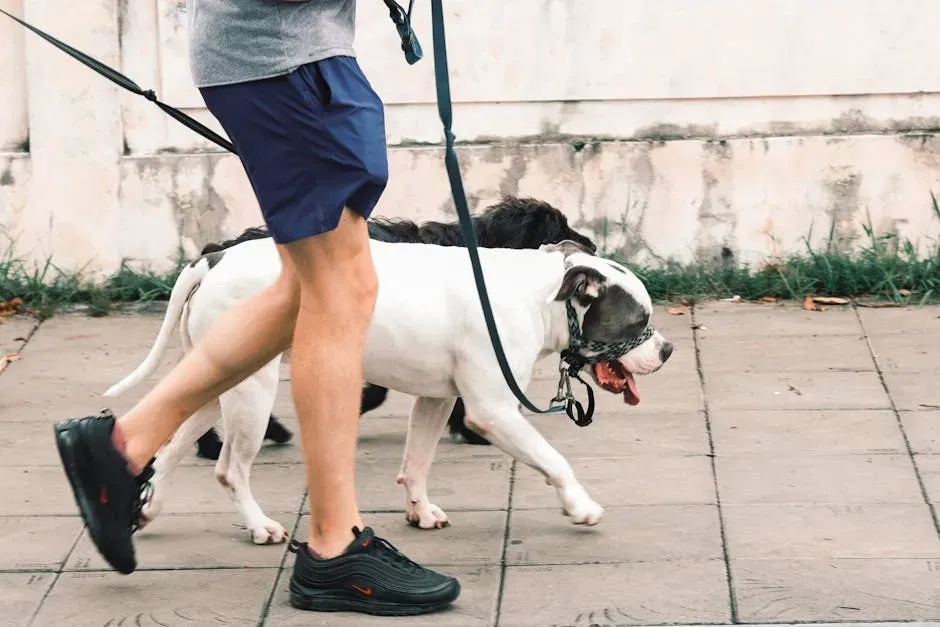
Over time, many dogs quietly sync their day around yours: they wake when you wake, get restless when your alarm goes off, perk up before your commute ends, or seem to wind down when you do. Even when you are away, they often follow that same timing, as if your invisible schedule still hangs in the air around them.
This routine alignment is one of the clearest signs that you are not just part of their life, you are the organizing principle of it. Their internal clock is effectively calibrated to your comings and goings, meals, walks, and bedtime. When you are away, they are not just passing time; they are living inside a rhythm that begins and ends with you.
Conclusion: You Live In Your Dog’s Head More Than You Think
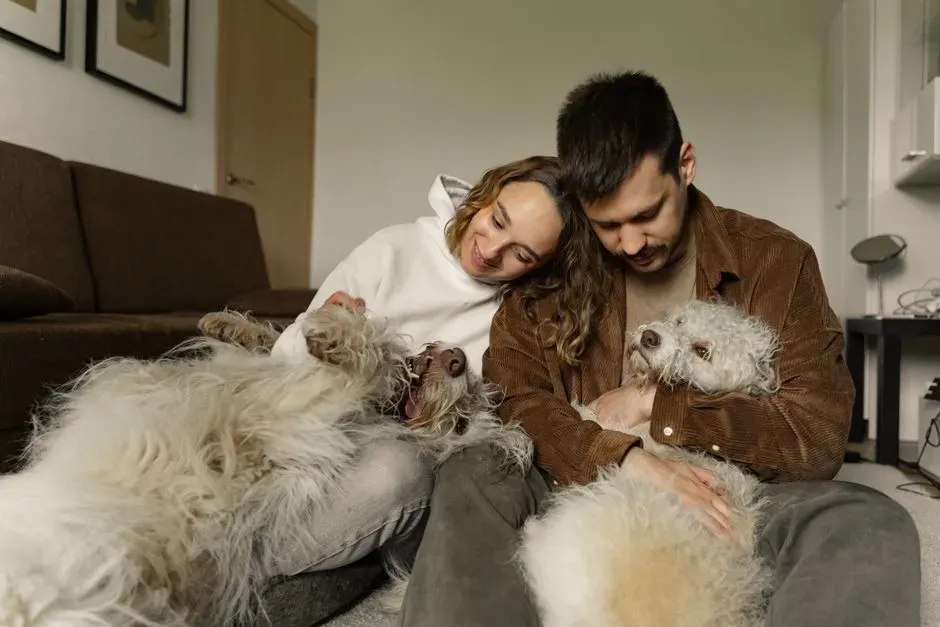
When you zoom out and look at all these little behaviors together, a pretty striking picture appears: your dog is not casually attached to you; you are the axis their whole day spins around. The checking, the pacing, the sniffing your clothes, the way they collapse into deep sleep once you are home – it all adds up to a brain that keeps you on the front burner nearly all the time. I have lived with dogs that pretended to be independent, and even they showed these tiny tells once I started paying attention.
Of course, every dog is an individual, and not every sign is dramatic or cinematic. But underneath the surface, their routines, choices, and even favorite napping spots quietly reveal how much you matter. If anything, the science is playing catch‑up to what dog people have always felt in their gut: you are not just “the owner,” you are their person, their constant, their home base. Knowing that, how can you look at that sock‑stealing, window‑watching, door‑waiting little creature and not wonder what else they wish they could tell you?


