
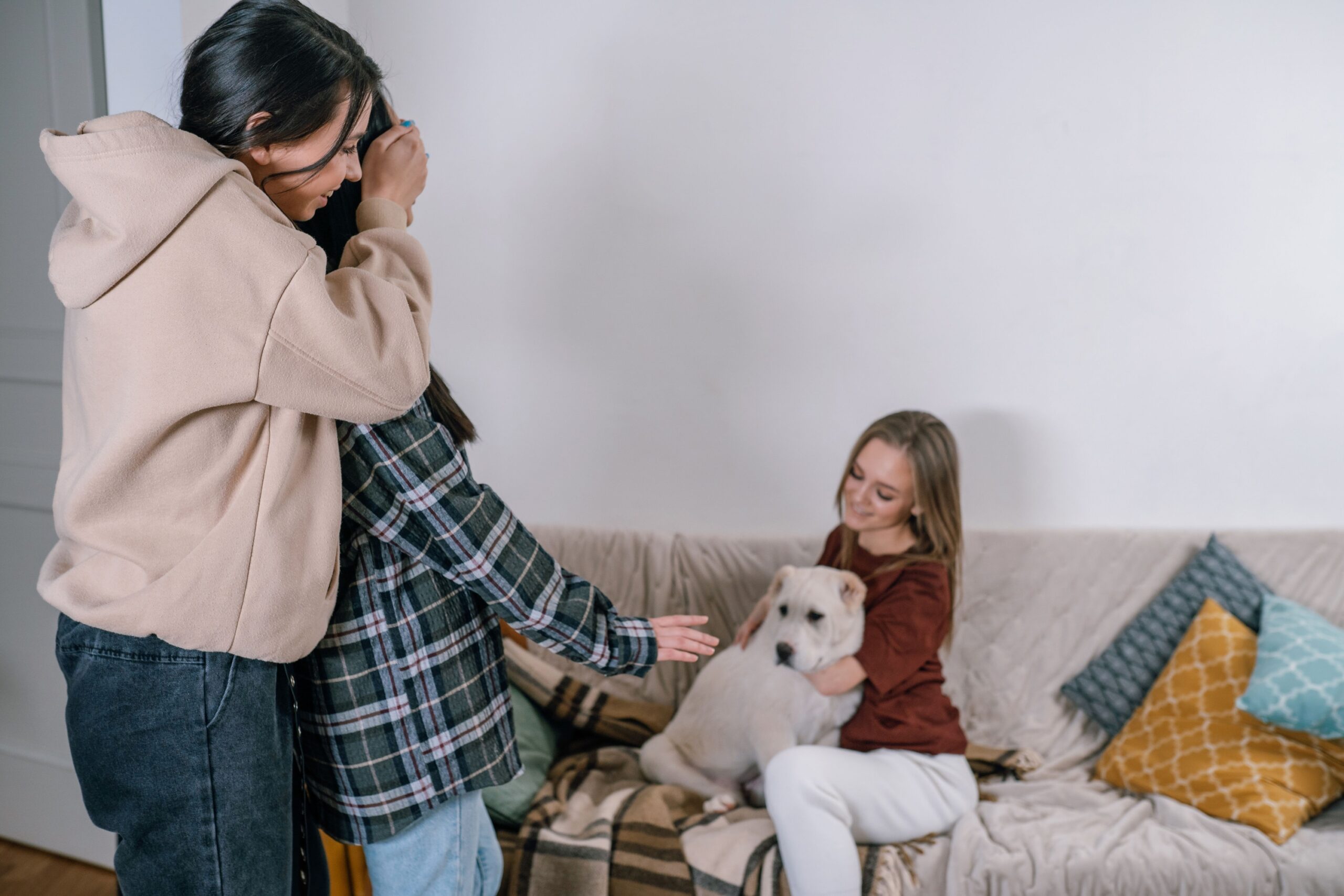
Your dog isn’t being “dramatic” at the front door. He’s confused – and most of the time, you’re the one confusing him.
Dogs don’t understand English. They read bodies, tone, and repetition, and the humans standing at that doorway send mixed signals constantly without realizing it. One second you’re calm, the next you’re shrieking “WHO’S HERE?!” like the mailman just broke in, and your dog has zero ability to tell those two moods apart.
That’s the real reason so many sweet, well-meaning dogs turn into spinning, barking, door-crashing messes the moment a knock happens. It’s not bad breeding. It’s not “bad manners.” It’s bad signals – and there are 17 of them hiding in plain sight at your own front door.
#17 – Hyping Them Up With “Who’s Here?!” Every Time
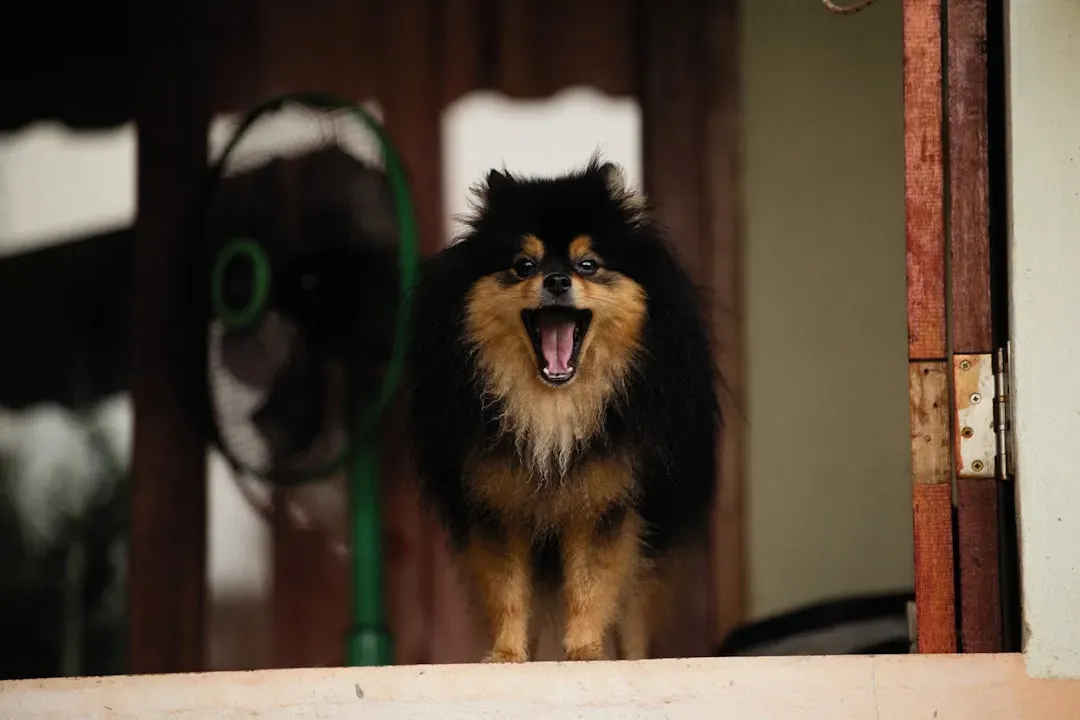
Most people don’t realize that every squealed “Who’s here?!” trains their dog to explode on cue. The second the doorbell rings and you flip into high-pitched, wide-eyed mode, your dog reads it as ALERT, BIG EVENT. Instead of learning to stay calm, they’re rewarded for racing, barking, and spinning in circles.
You’re literally rehearsing door chaos several times a day. Worse, some guests are “fun” and allowed to be jumped on, while others get your dog yelled at for the exact same excitement. Your dog never gets a rulebook, just a guessing game. A calmer, more boring reaction to knocks is usually what finally breaks the cycle – but #16 hits even closer to home.
Fast Facts
- Dogs rely on tone and body language far more than the actual words being said.
- A single inconsistent reaction can undo days of calm, consistent training.
- High-pitched, excited voices are usually read as “alert” signals, not fun ones.
- Repeated door drama actively trains the exact behavior most owners are trying to stop.
#16 – Grabbing the Leash but Not Actually Going Anywhere
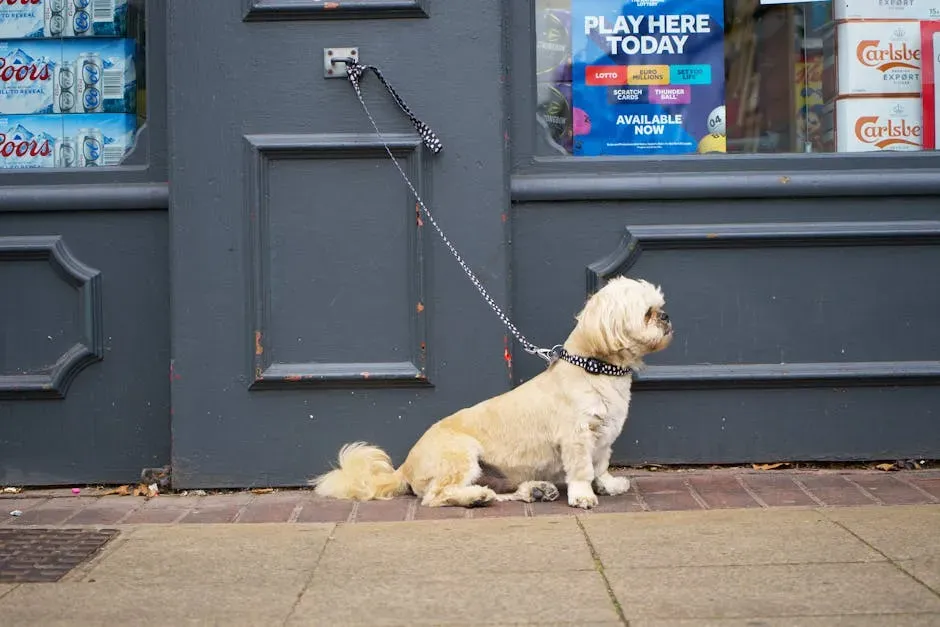
Clipping on the leash, walking to the door, and then… taking a phone call instead? That’s a plot twist your dog never sees coming. For dogs, “leash, door, outside” is a promise, not a suggestion. When you grab the leash, head for the door, and then turn back to find your shoes or answer a text, you’re building anticipation that never pays off.
That broken pattern creates frustration whining, door scratching, even full-blown “door zoomies,” because their brain geared up for a walk that never happened. Some dogs start overreacting the second they see the leash near the door, unsure if this is the real thing or another letdown. Others eventually stop responding to the leash at all. Consistency in that simple sequence matters more than most owners think – but nothing compares to the mixed signal in #15.
#15 – Saying “It’s Okay” While Clearly Tense
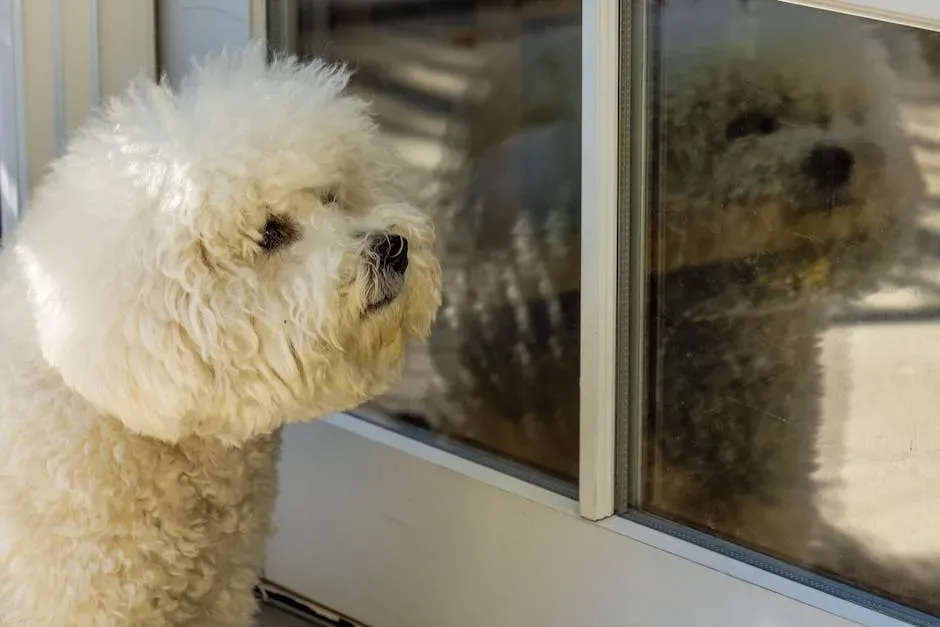
You think you’re soothing your dog. Your body is telling a completely different story. Someone knocks, your dog stiffens, and you whisper “it’s okay, it’s okay” while gripping their collar and holding your breath. To a dog, words mean almost nothing compared to posture and tension.
When your voice says “safe” but your body screams “danger,” your dog has to pick one – and they almost always trust the body over the words. That mismatch can quietly reinforce fear or even aggression at the door.
Dogs don’t lie about how they feel; they just watch closely for whether we’re lying about how we feel.
– common trainer observation on canine body-language reading
If you can’t relax at the door, your dog probably won’t either. But wait until you see how #14 quietly wrecks a dog’s trust.
#14 – Letting Them Greet Sometimes, Blocking Them Other Times
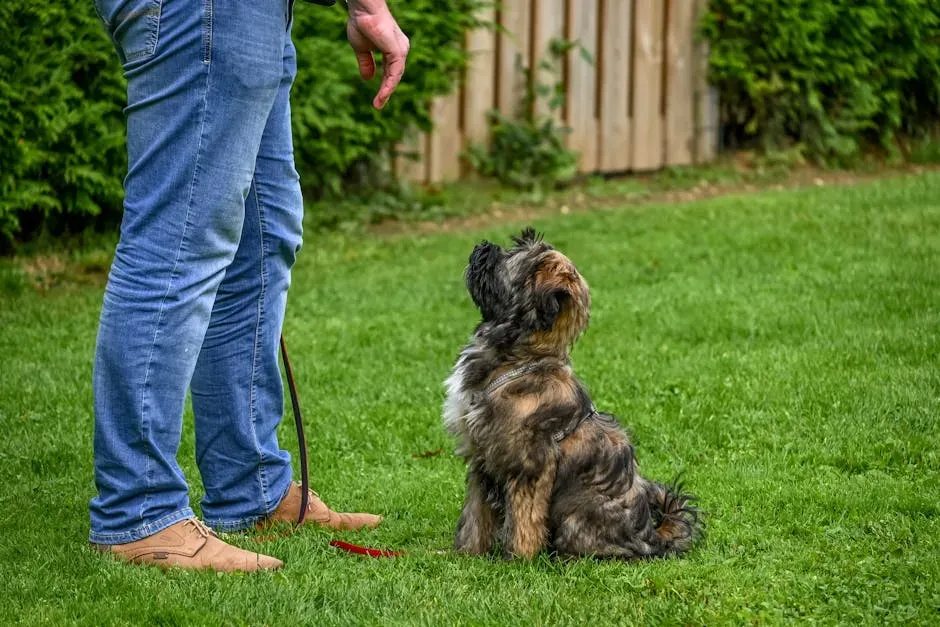
Door rules that change daily make dogs feel like they’re playing a game with no instructions. One day your dog sprints to the door, jumps on your cousin, and gets laughed at. The next day the repair person shows up and suddenly you’re shouting “NO! GET BACK!” for the identical behavior.
From your dog’s perspective, the same move has wildly different consequences depending on which random human walked in. That inconsistency is exhausting, and it usually makes door manners worse, not better. A predictable routine – bed, sit, or behind a gate – gives them something to actually rely on instead of guessing every single time. But #13 is the one that quietly breaks trust the fastest.
#13 – Sneaking Out Without Saying Anything
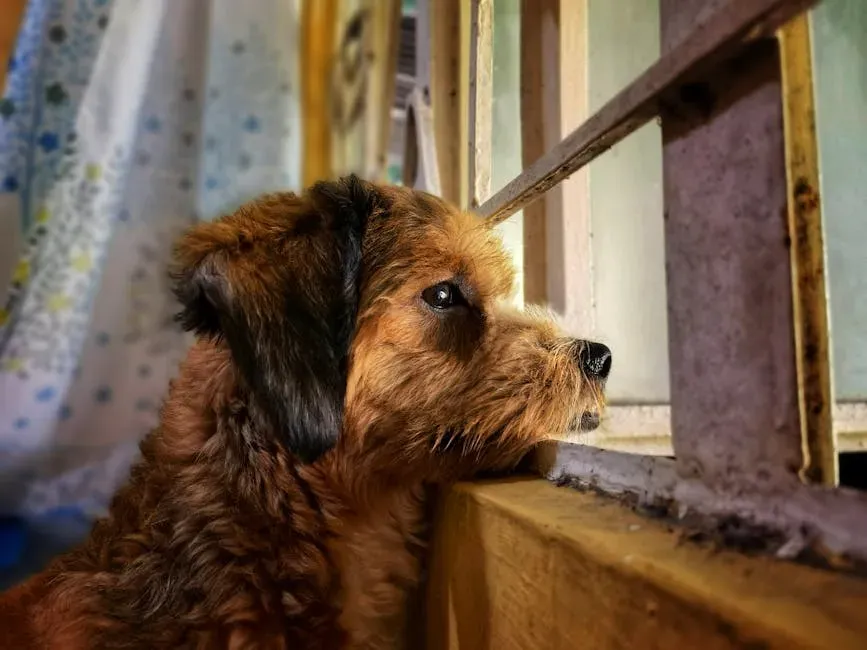
Many owners “ghost” their dog to avoid the drama of a goodbye, not realizing they’re creating a bigger problem. Slipping out the front door quietly while the dog is distracted feels kinder than watching them whine. But for dogs who already lean anxious, this silent disappearing act can intensify separation anxiety, because from their point of view, you just vanish with no warning and no pattern.
Even worse, some dogs only notice halfway through – hearing the car start or the gate click – and race frantically to the door, hearts pounding. That last-second panic often turns into pacing, destructive chewing, or howling once you’re gone. Calm, boring, predictable goodbyes tend to make departures far less dramatic over time. But #12 is the one dog trainers can’t stop rolling their eyes at.
#12 – Making “Guard Dog” Sounds for Fun
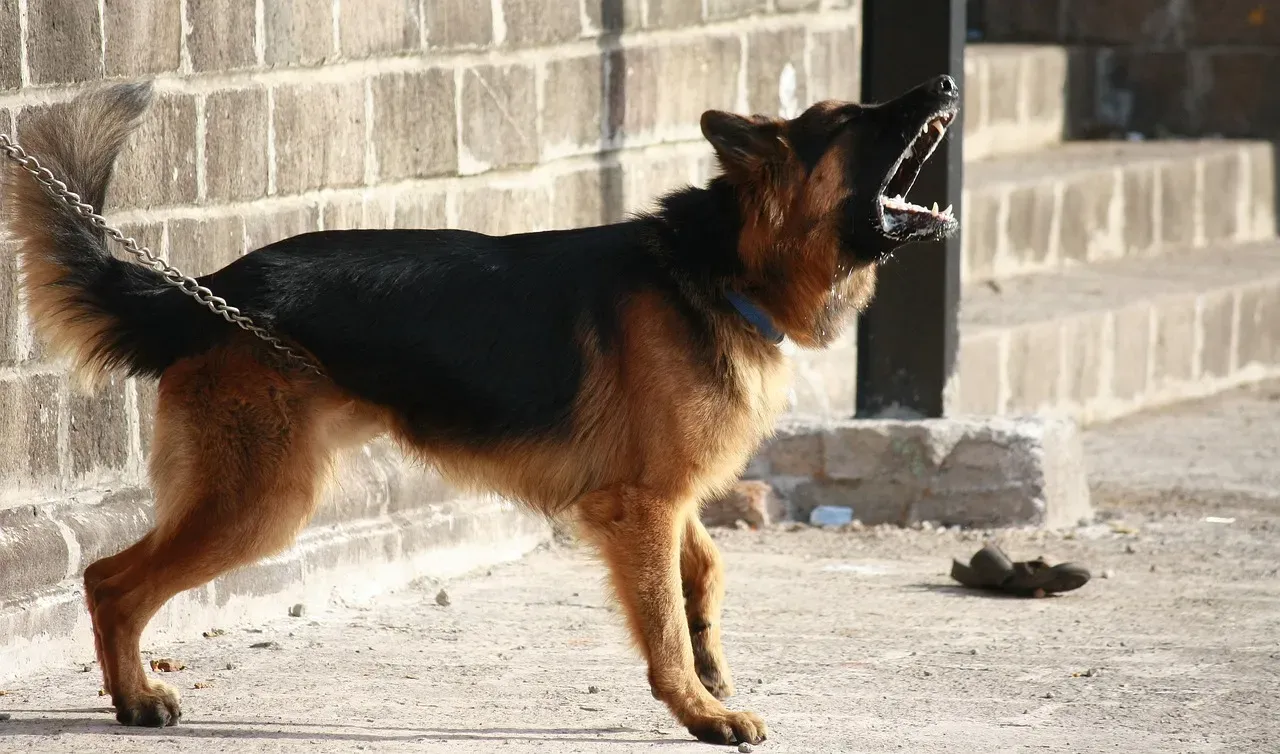
Imitating growls and knocks at your own door might feel hilarious to you. Your dog does not get the joke. Some people knock from the inside or make “grrr, who’s there?” noises just to watch their dog “do their job.” To a dog, there’s no difference between practice and reality – you’re rehearsing a full security response to a threat that never actually exists.
That repetition teaches them knocks plus strange voices equals maximum arousal, every single time. Dogs accidentally trained to be “tough” at the door are far more likely to lunge at real visitors, including people you love. And here’s the kicker: punishing them later for guarding the exact door you trained them to guard is one of the most confusing double standards you can hand a dog. And #11 makes the confusion physical, not just verbal.
#11 – Blocking the Door With Your Body in a Threatening Way
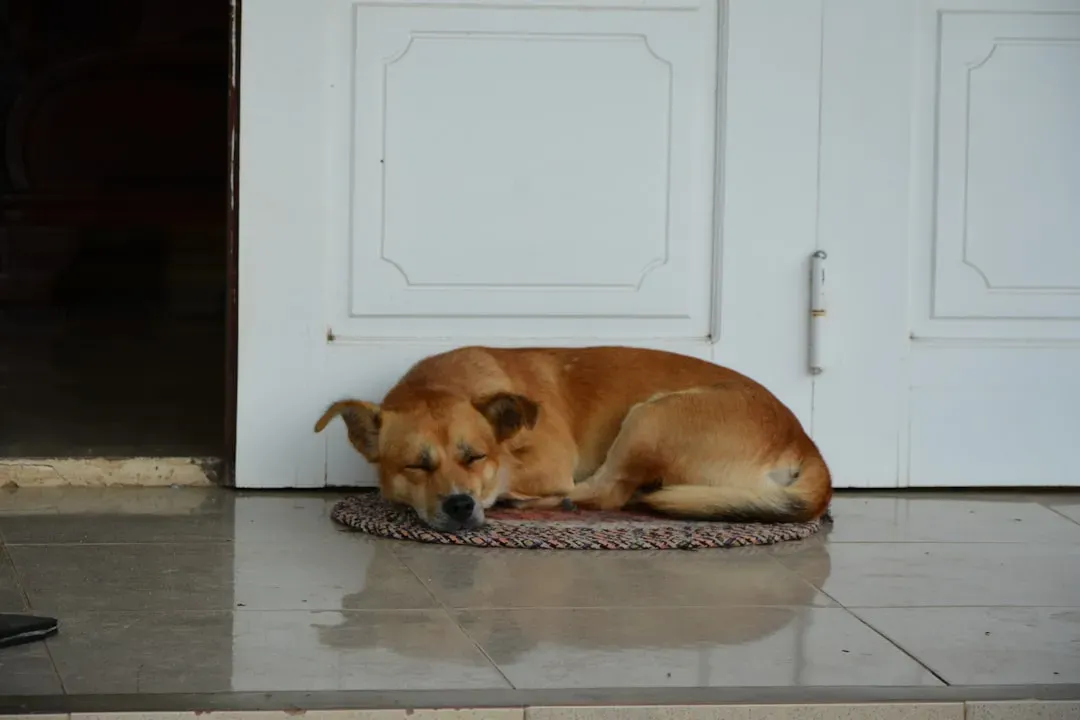
Standing over or crowding your dog at the door often sends the opposite message you intend. When a guest arrives and you step between your dog and the entrance – towering, leaning down, grabbing their collar – many dogs read that as confrontation, not guidance. To a sensitive dog, you look like you’re pinning them, not protecting them.
That can spike resistance, barking, or even snapping if they feel trapped. Ironically, a dog with a bit of a “tough guy” streak may read that same posture as a challenge, ramping the moment up instead of calming it down. Calmly directing them to a mat or crate, with treats for staying put, is far clearer than wrestling them in a doorway. Meanwhile, #10 turns the whole entryway into a circus.
#10 – Letting Kids Turn the Doorway Into a Playground
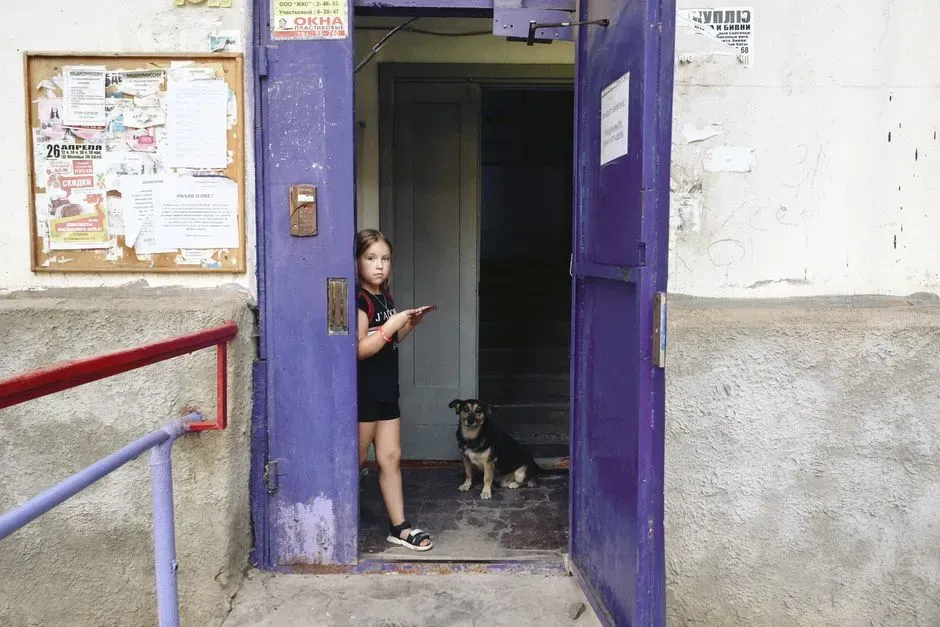
Kids and dogs at the door is a viral video waiting to happen – and a behavior problem in the making. Children love the drama: pounding on the door, racing outside, ringing the bell repeatedly “for fun,” or sprinting the dog to the handle. Dogs, especially young ones, match that energy instantly.
When the entryway becomes a chaos zone, your dog learns that any door noise means sprint, bark, and wrestle. Later, when you expect calm behavior for an actual visitor, it feels completely unfair from their point of view. Teaching kids that the doorway is a quiet zone isn’t just about manners – it’s the difference between a dog who can settle and one who’s always on edge. Then there’s #9, where even the walls send mixed messages.
#9 – Constantly Rearranging Door Rules for Different Doors
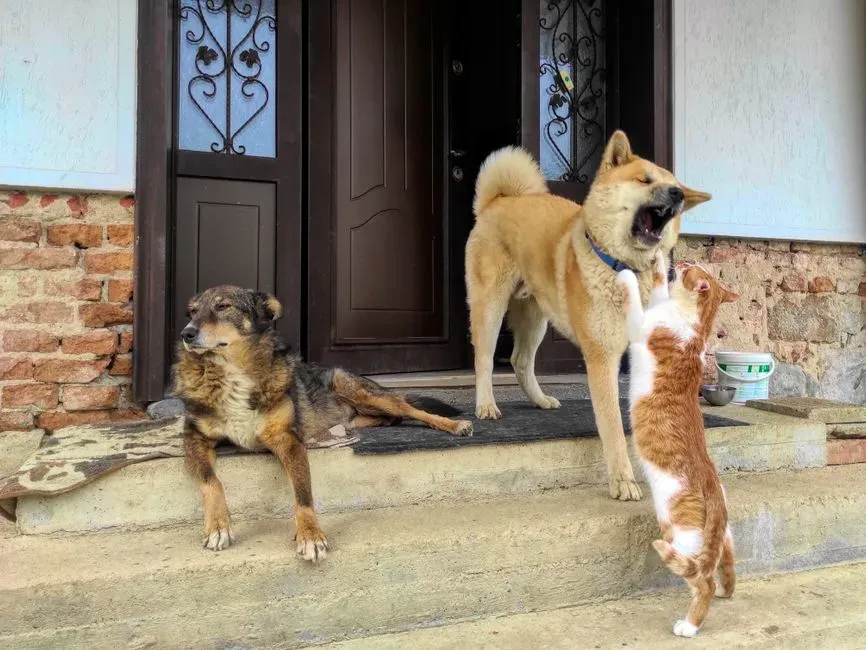
Front door, back door, garage door, sliding door – your dog doesn’t know the difference. You might insist on “sit and wait” at the front door but happily let your dog blast through the back door into the yard. To you, that’s logical: one leads to the world, one leads to the garden. To your dog’s brain, a door is a door, and the mixed rules are maddening.
Quick Compare
- Front Door: Owners demand a calm “sit and wait” before it opens.
- Back Door: The same dog gets to bolt straight into the yard.
- Garage Door: Rules shift yet again depending on whether a car is involved.
- Dog’s Perspective: A door is a door – the mixed rules feel completely random.
This confusion becomes painfully obvious when guests use the “wrong” door or you move house, and suddenly your dog is rehearsing yard-door behavior at the street door while everyone panics. Pick one rule – like “wait for a release word” – and apply it to every exit, not just the front one. #8 takes the confusion and multiplies it through walls.
#8 – Yelling From Another Room Instead of Coming to the Door
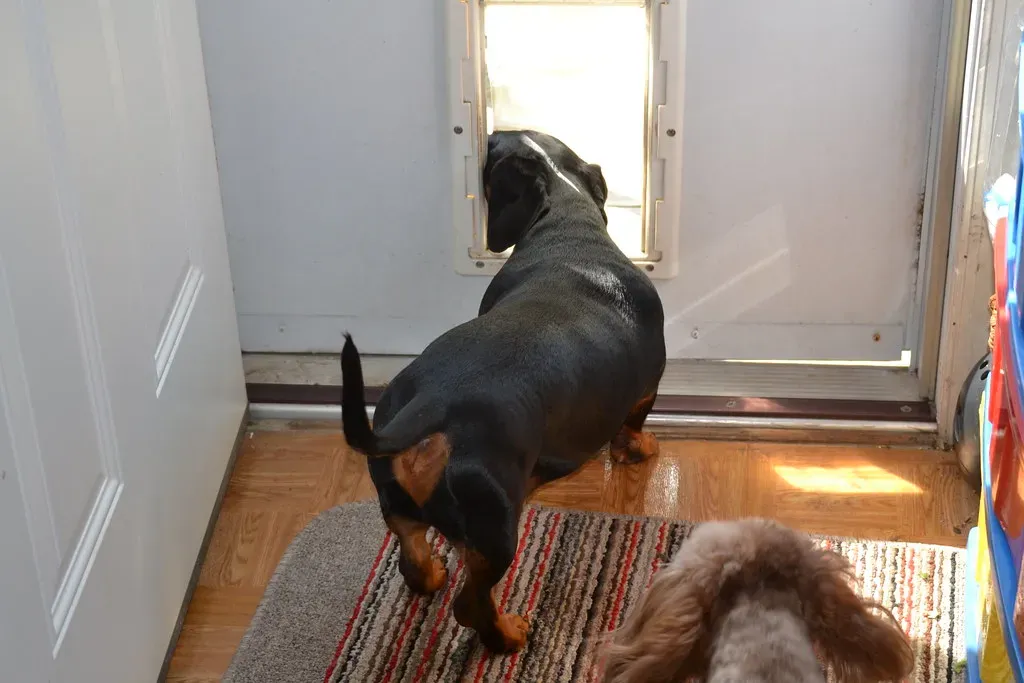
Shouting “Get away from the door!” from the couch creates more noise, not more clarity. When your dog barks at a knock and you yell from somewhere else in the house, you’re just adding your own voice to the alarm system. Many dogs think you’re joining in, not telling them to stop.
Your disembodied shouting plus their barking becomes a duet that confirms their suspicion: yes, something serious is happening at that door. Even if they pause, they usually don’t learn what to do instead, left hovering and unsure. Walking calmly to the door, checking it, and giving a clear cue like “All done” or “Place” is far easier for a dog to decode than a voice from nowhere. Up next, #7 is the classic double standard dogs never see coming.
#7 – Laughing at Jumping and Then Punishing It Later

Few things confuse dogs more than behavior that sometimes earns affection and sometimes earns anger. Jumping on you at the door is the clearest example. If you’ve ever come home, dropped your bag, and hugged your dog mid-jump, you’ve just told them, “Yes, launch at my chest, this is perfect.”
When a different family member later knees them away or yells “OFF!” for the same move, it feels random and unfair. Dogs don’t read moods or work stress; they only see the action and the outcome. What looks like your dog “knowing better” when they slink away is usually just confusion and conflict-avoidance, not understanding. Consistent, boring, four-paws-on-the-floor greetings prevent this daily mixed message. #6 turns the doorway into something scarier than a stranger ever could.
#6 – Using the Doorway for Sudden “Gotcha” Corrections
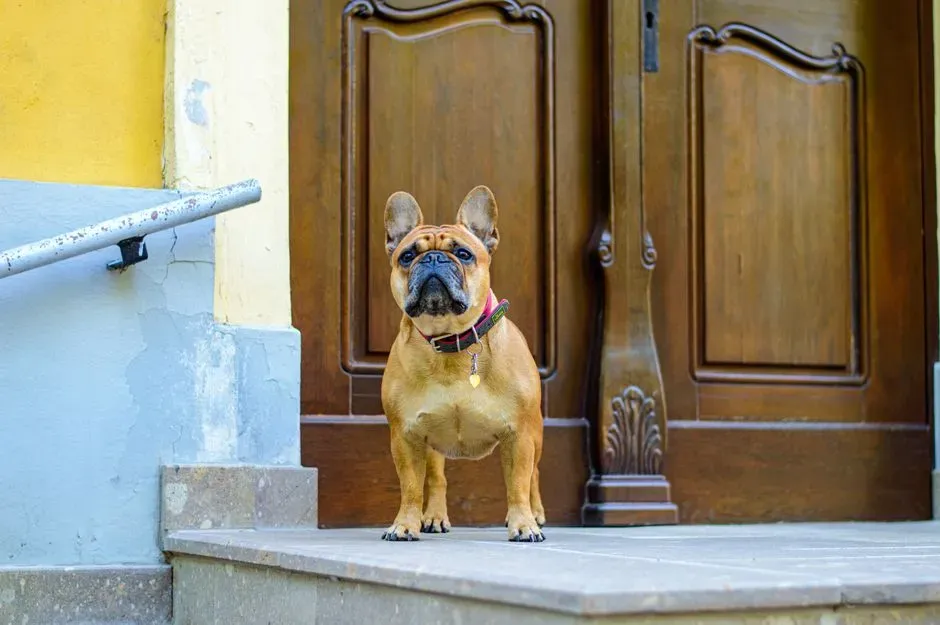
Grabbing collars or jerking leashes only at the door turns the threshold into a danger zone. If you mostly leave your dog alone but suddenly clamp down right at the door – sharp leash pops, harsh scolding, dragging them back – you’re creating a powerful, ugly association. The door becomes the place where bad things ambush them.
Some dogs respond by resisting the door completely, balking or refusing to go outside. Others get more frantic, fighting the leash or barking harder because their stress spikes right at that spot. This pattern shows up constantly in dogs labeled “stubborn” about walks – they’re not stubborn, they’ve just learned the threshold is where unpredictable punishment happens. Teaching door manners with food and clear cues instead of ambush discipline changes the whole emotional picture. Then #5 mixes love and anger into one impossible-to-read moment.
#5 – Mixing Emotional Reunions With Immediate Scolding
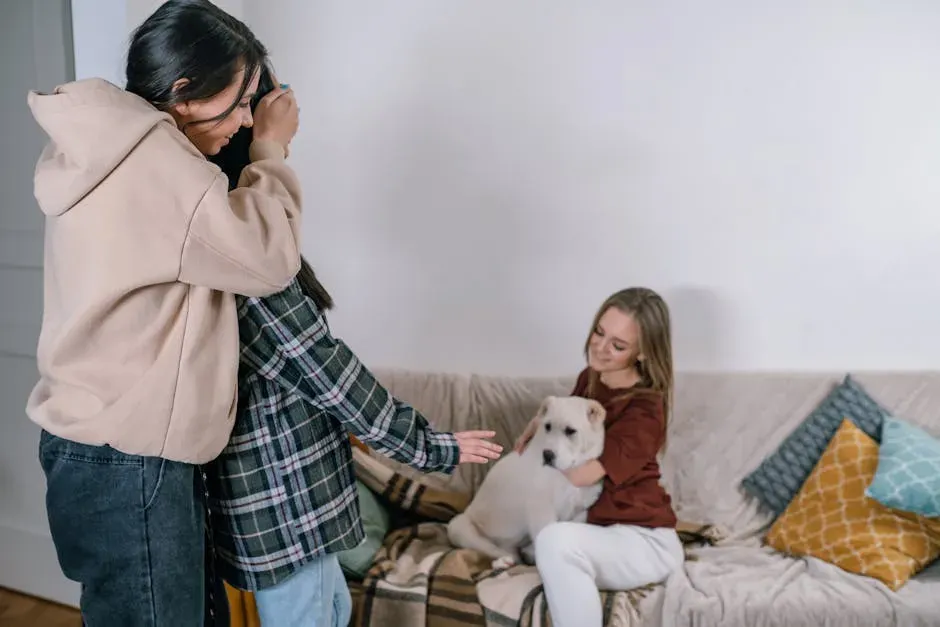
Coming home and instantly correcting your dog is emotional whiplash they can’t process. You walk in, your dog runs over thrilled, and half a second later you spot the trash on the floor or the accident by the mat. Many people snap, “What did you DO?!” right at the doorway.
To your dog, the sequence is simple: you arrive, they greet you, you explode. They’re not connecting your anger to something that happened two hours ago – they’re connecting it to the reunion itself. Over time, some dogs start slinking away when you come home, not out of guilt, but because the door has become a scary transition zone. That “guilty look” is often just a dog bracing for a mood swing they’ve learned to expect. #4 turns goodbye into something your dog quietly dreads.
#4 – Turning Every Goodbye Into a Huge Emotional Scene
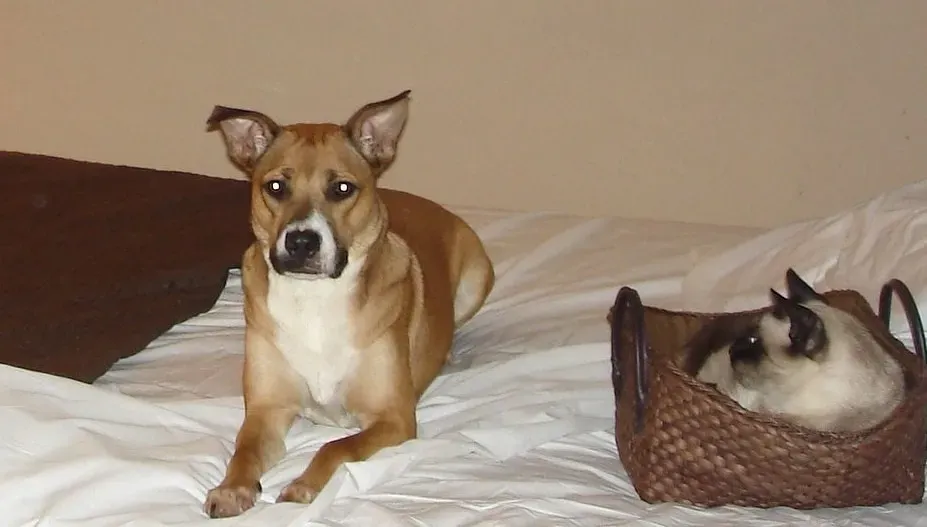
Dramatic farewells feel loving to you. They feel confusing and alarming to your dog. You grab your keys, kneel down, hug your dog tight, say “Mommy’s gonna miss you sooo much” in a wobbly voice, and drag out the goodbye for a full minute. Your dog sees the tears or the worried tone and reads it as: something bad happens when this door opens.
The longer and more emotional your exit ritual, the more anxiety gets loaded onto that doorway. Trainers who specialize in separation issues almost all say the same thing: keep departures boring. Not cold – just neutral, predictable, and brief. A simple, calm “Back soon” teaches your dog that door opens plus you leaving equals normal life, not catastrophe. Save the big emotional scenes for reunions. #3 puts pressure on dogs who never asked for any of it.
#3 – Letting Strangers Force Interaction at the Threshold
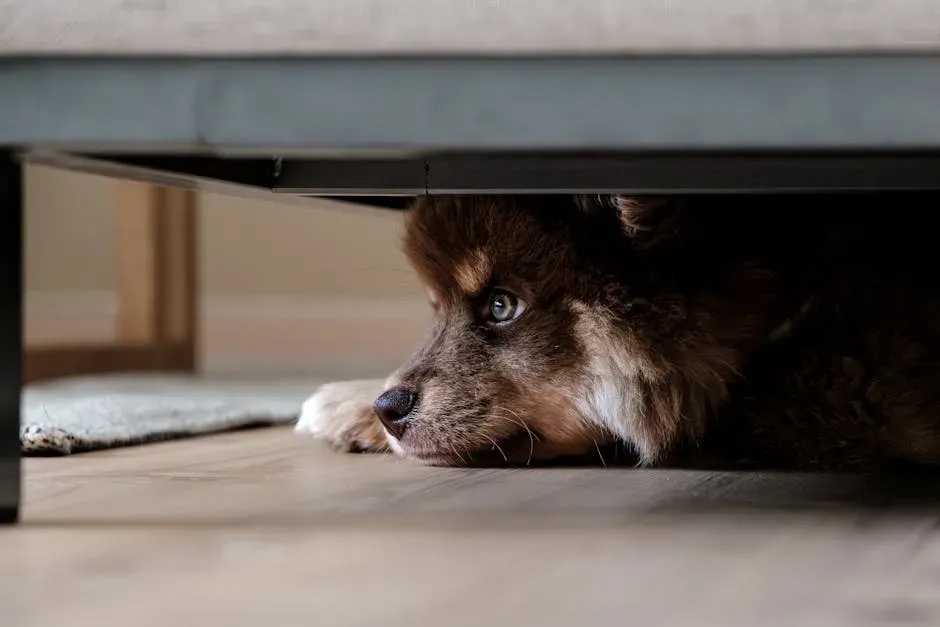
“Go say hi!” can feel like social pressure your dog never signed up for. A lot of people drag a hesitant dog toward the door, shove them at the visitor, and chirp, “He’s friendly, go on!” Meanwhile the dog is tucked tail, leaning back, actively trying to retreat.
For a nervous dog, being cornered at the doorway with a stranger’s hand reaching in is genuinely frightening. The worst part is when they’re scolded for growling or snapping after being pushed straight past their comfort zone. Trainers disagree on exactly how much greeting a dog “needs,” but almost all agree on one thing: consent matters. Letting your dog choose to approach or hang back makes the doorway feel safer, not more confusing. #2 is the warning sign most owners completely miss.
#2 – Ignoring Their Warnings and Only Reacting When It’s “Too Much”
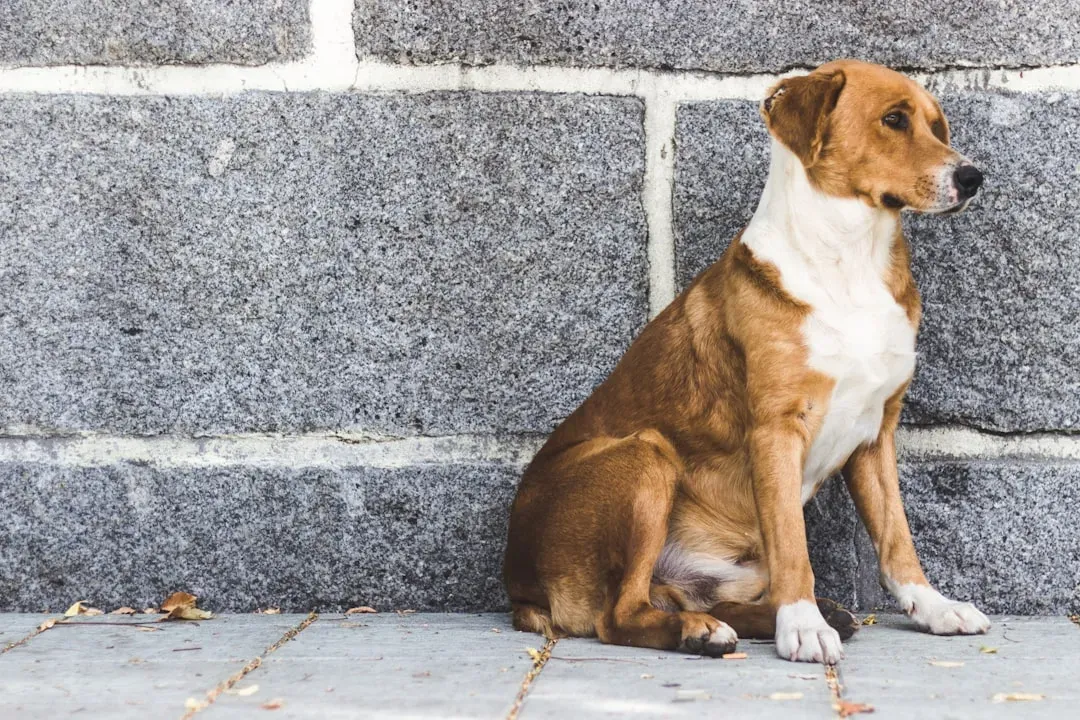
You might think small alerts are annoying background noise. To your dog, they’re communication you’re actively blowing off. A quiet “boof,” a glance at the door, pacing near the mat – these are early signals. When they get dismissed or punished, many dogs learn to skip straight to big barking or lunging, because the subtle version never got your attention.
Worth Knowing
- Lip licking and yawning are early stress signals, not silly habits.
- A stiff body or frozen stance often shows up right before a bigger reaction.
- Turning away or showing the whites of the eyes signals discomfort, not stubbornness.
- Growling is a warning, not defiance – punishing it can remove the warning stage entirely.
From their point of view, you only care once they go over the top, so that becomes the default setting. This is why some dogs seem to jump from zero to a hundred with no in-between – the in-between was there, you just never noticed. Acknowledging small signals (“I hear you, thank you”) and calmly checking the door teaches them low-key communication actually works. And #1… this is the habit that ties every single one of these mistakes together.
#1 – Treating the Door Like a Random, Lawless Zone
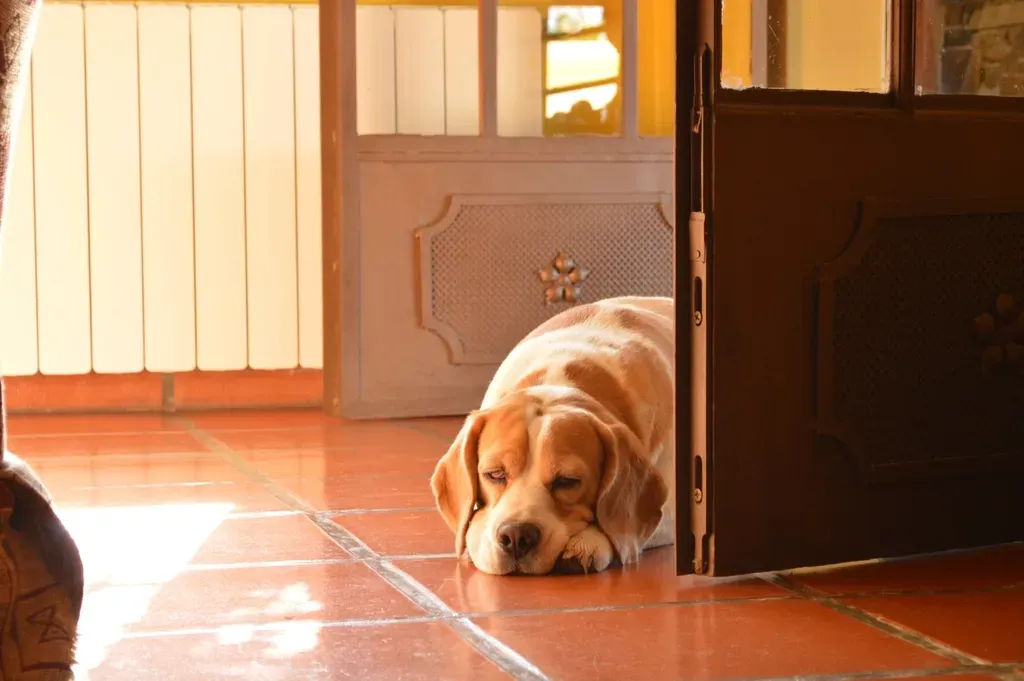
The single most confusing thing for a dog is a doorway with no consistent meaning at all. Sometimes it’s the portal to the best things ever – walks, car rides, friends. Other times it’s where scary delivery people appear, arguments break out, or you vanish for hours with zero warning.
When there’s no ritual, no cue, no position, no rule, dogs are forced to guess every single time that handle turns. That constant guessing game is exhausting, and it’s exactly why door drama shows up as barking, spinning, bolting, freezing, or clinging. The dogs who handle doors best are almost never the “naturally chill” ones – they’re the ones whose owners quietly built a routine: sit before we open, wait for the release word, go to your mat when people knock, get rewarded for staying calm. It’s not magic. It’s just structure, and without it, the doorway stays a confusing emotional roulette wheel your dog never gets to understand.
The Bottom Line
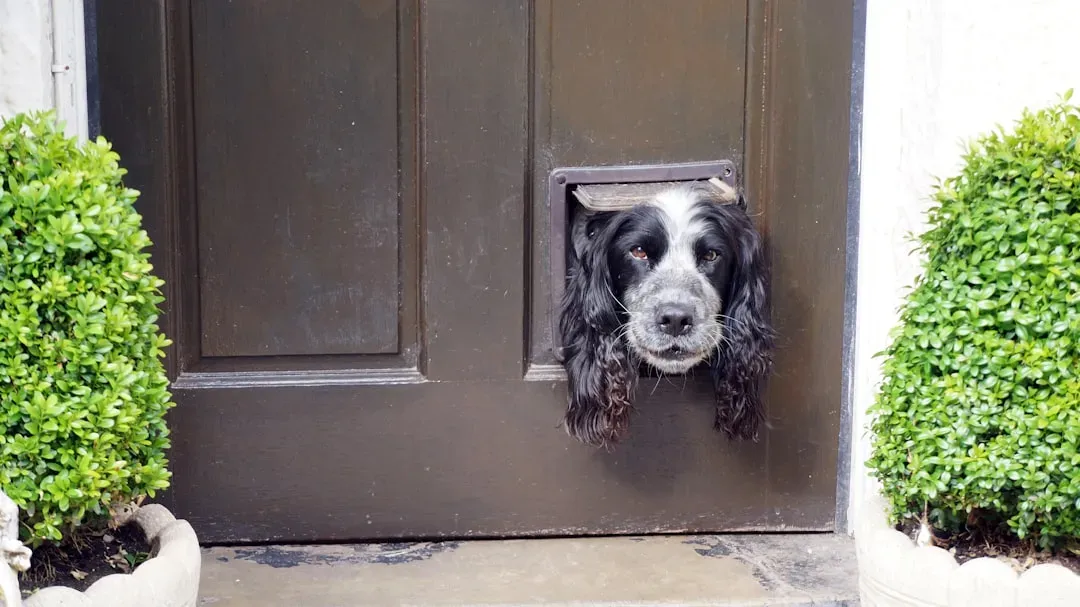
It’s easy to blame dogs for “bad manners” at the door, but zoom out and the pattern is obvious: we’re the ones sending scrambled, emotional, inconsistent signals at the single most important threshold in their world. From hyping them up with “Who’s here?!” to tearful goodbyes and random scoldings, humans turn a simple opening in the wall into a nonstop drama stage. The dog is just reacting to a script we keep rewriting on them.
At a Glance
- Calm tone beats excited tone, every single time.
- One consistent rule per door works better than different rules for different doors.
- Boring, predictable goodbyes and hellos reduce anxiety fast.
- Small warning signals deserve a response before they escalate.
Here’s the opinion part: none of this requires a professional trainer, a $200 gadget, or a personality transplant for your dog. It requires you to be boring, consistent, and calm at one specific spot in your house. That’s it. Do that, and most “door problems” quietly disappear on their own.
Which of these habits are you guilty of – and which ones do you flat-out disagree with? Be honest in the comments.


