
You probably think you know your dog better than anyone on earth. Then you sit down in that exam room, the door clicks shut, and within two minutes a stranger in scrubs seems to know things about your dog’s home life that you never said out loud.
It’s not a trick, and it’s not magic. Your dog has been talking the entire time, just not with words. Here’s what a good vet actually reads off your dog’s body in those first 120 seconds, and why some of it might sting a little.
#1 – How Old Your Dog Really Acts, Not Just the Number You Give the Front Desk
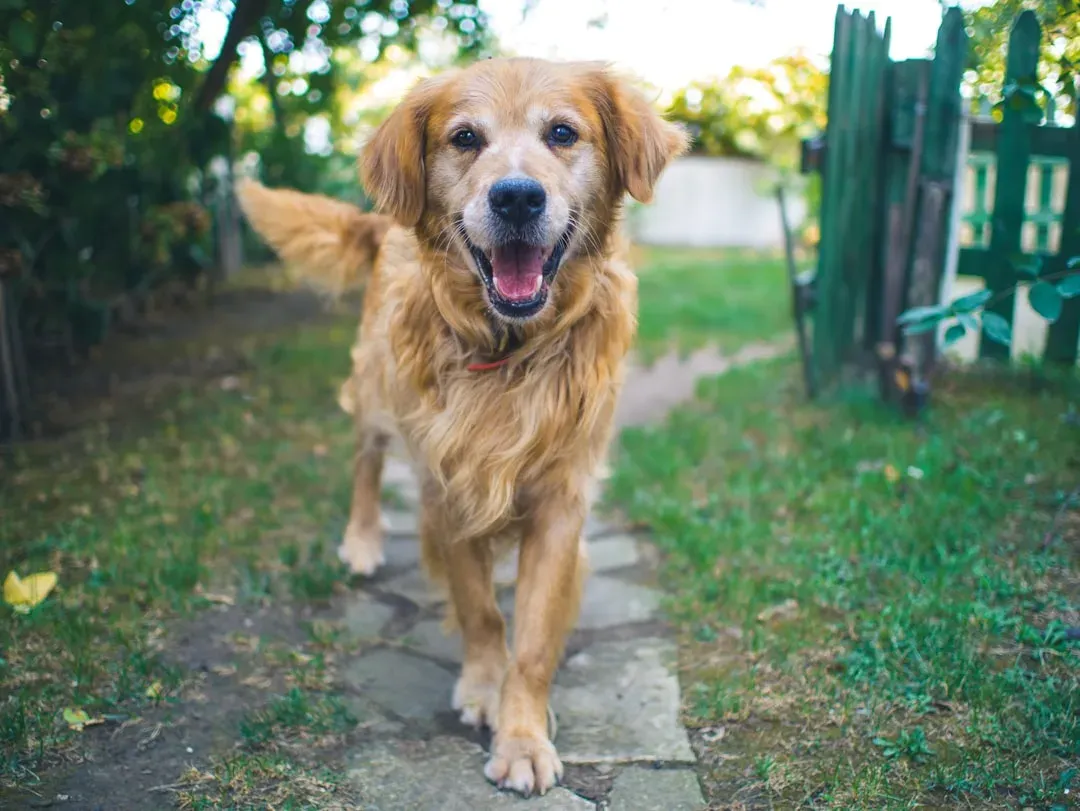
The second your dog walks (or gets carried) into the room, your vet has already started reading their real age off their body, not the birthday on the chart. A supposedly young, spry dog who moves like a tired old soul, hesitates before jumping, or flops straight to the floor is quietly raising a flag about pain, past trauma, or years of poor conditioning.
Most owners have no idea how early joint disease and arthritis can creep in, especially in bigger breeds barely out of puppyhood. Vets are also watching the eyes: bright and curious, or dull and checked-out? A dog acting like a grumpy senior at age three isn’t just “quirky.” It’s often the first clue that something is aging them faster than it should.
Fast Facts
- Large and giant breeds can show joint stress well before their second birthday.
- Labs, Golden Retrievers, and German Shepherds are commonly predisposed to early joint wear.
- Arthritis is frequently underdiagnosed because symptoms build slowly over months.
- A dull coat or flat, checked-out expression can be as telling as a limp.
#2 – Whether Your Dog Actually Trusts You

One of the most quietly revealing moments happens the instant something scary occurs, like the exam table lifting. A well-bonded dog looks back at you, not the vet, for reassurance. That flick of the eyes toward you, that lean into your leg, tells the room you’re the safe person, and that’s genuinely a good sign.
Then there’s the other version: a dog who freezes, avoids both you and the vet, and starts to panic while you’re scrolling your phone. Vets rarely say it out loud, but they clock it instantly. It doesn’t mean you’re a bad owner, but it does say something about how often your dog gets to feel protected by you when things get hard.
#3 – Your Dog’s Pain Level, Even When You Swear They’re Fine
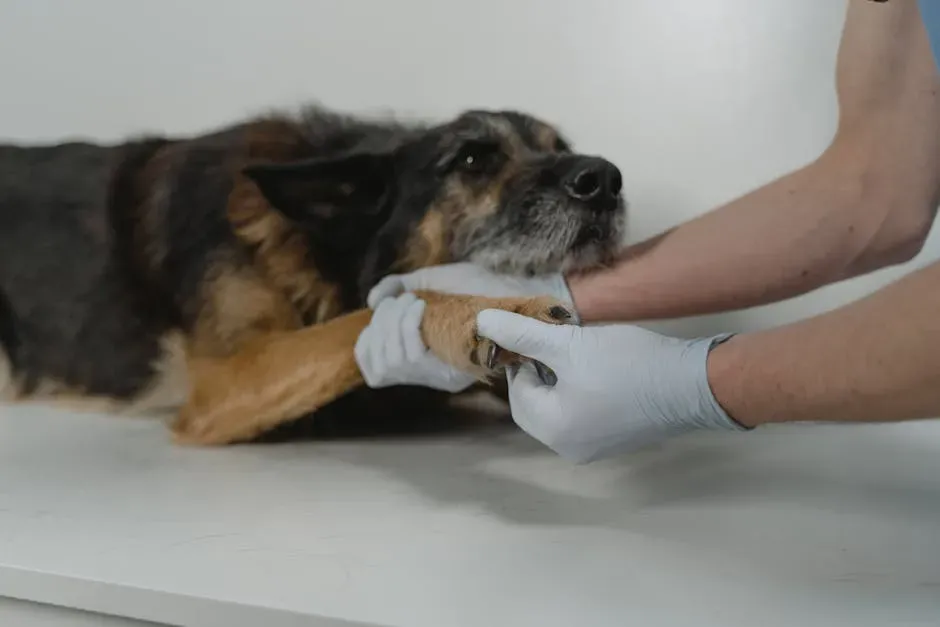
“He’s not in pain, he still runs and plays” is one of the most common sentences a vet hears, usually while watching that exact dog limp toward the scale. In under two minutes, a trained eye can often tell your dog hurts more than you’ve let yourself admit.
- How your dog sits: a crooked, slow, or “sloppy” sit can point to hip or knee trouble.
- How they get up: explosive and easy, or careful and stiff through the hind legs.
Dogs are shockingly good at hiding pain, especially stoic breeds like Labs, Shepherds, and many bully types. A tiny flinch during a handshake or a stiff neck turning toward a treat can say more than an X-ray does, weeks before you’d ever think to ask.
#4 – If Your Dog Is Quietly Stressed at Home, Not Just at the Vet

That trembling on the table isn’t always “just the clinic.” Vets can usually tell the difference between vet-specific nerves and a dog who lives in a low-grade state of stress every single day. They’re reading baseline heart rate, breathing, and whether your dog can settle at all with a calm voice or a treat.
A dog who scans the room nonstop, can’t take even a high-value treat, and jumps at every small sound may be showing the vet a pattern, not a one-off meltdown. Here’s the uncomfortable part: some of the “so good at home” dogs owners brag about aren’t actually calm. They’ve simply shut down. Vets can often tell the difference between peaceful and quietly given up, and it’s not always the version owners want to hear.
#5 – What, and How Much, You’re Really Feeding Your Dog
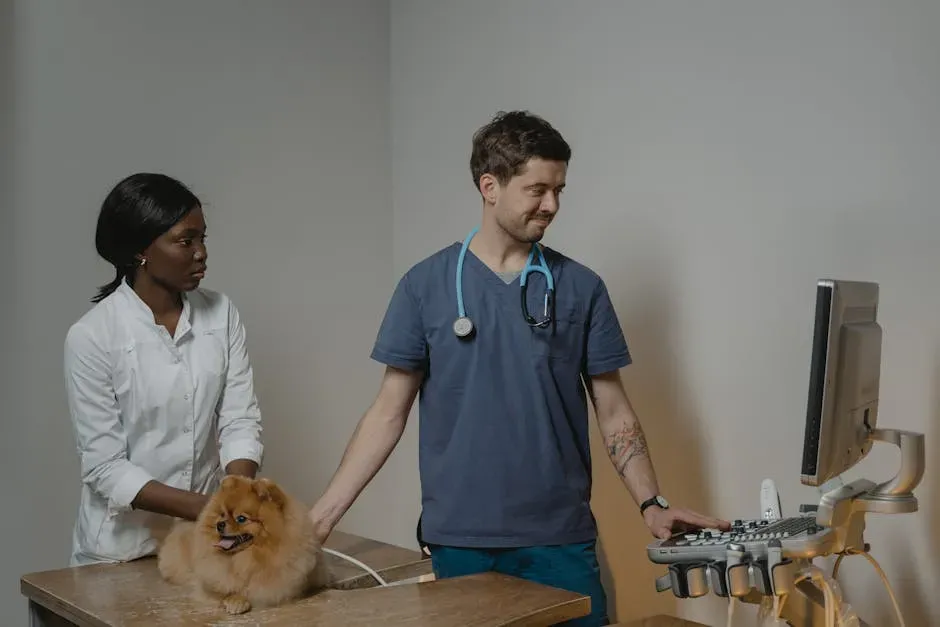
You can say “premium kibble” with total confidence, but your dog’s body usually tells the truth first. In the first two minutes, a vet is scanning body condition, waistline, muscle tone, and coat quality, whether it’s shiny and dense or dull, flaky, and thin.
A huge share of pet dogs today are carrying extra weight, and vets can see it even when an owner insists, “he’s just big-boned.” That soft pad at the base of the tail, the missing waistline from above, the marshmallow feel over the ribs instead of a light layer, all of it tells a story of table scraps and portion creep long before you say a word about diet.
#6 – How Much Exercise Your Dog Actually Gets, Not What You Claim
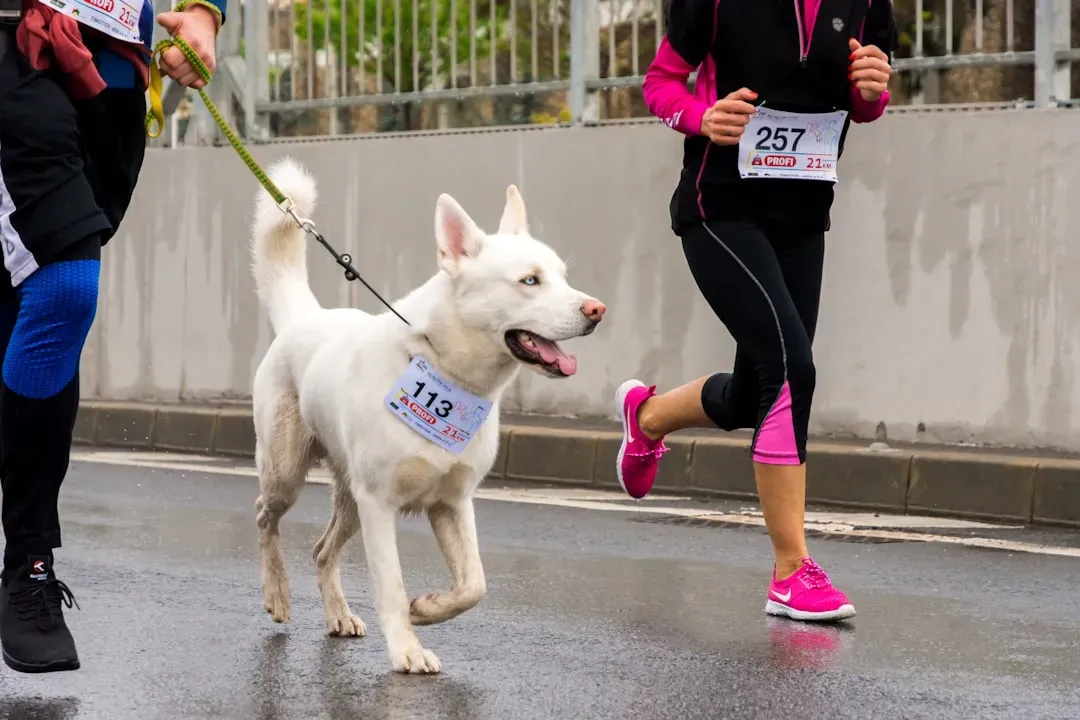
“I walk him every day” is one of the most repeated lines in any clinic, right before the vet watches that same dog pant heavily from simply stepping onto the scale. In seconds, they’re judging cardio fitness and muscle tone: does this dog move like an athlete, or like they just ran a marathon after a walk to the mailbox?
A genuinely fit dog bounces back fast. Their breathing evens out within seconds of excitement. An under-exercised dog stays red-tongued, drooly, and wired for far longer. Long, curling nails are another giveaway of a dog who isn’t hitting pavement or trails nearly as often as the story suggests.
Quick Compare
- Fit dog: breathing settles within a minute of activity.
- Under-exercised dog: stays panting and red-tongued much longer.
- Fit dog: nails stay naturally short from regular ground contact.
- Under-exercised dog: nails grow long and start to curl.
#7 – Whether Your Dog Was Ever Properly Socialized
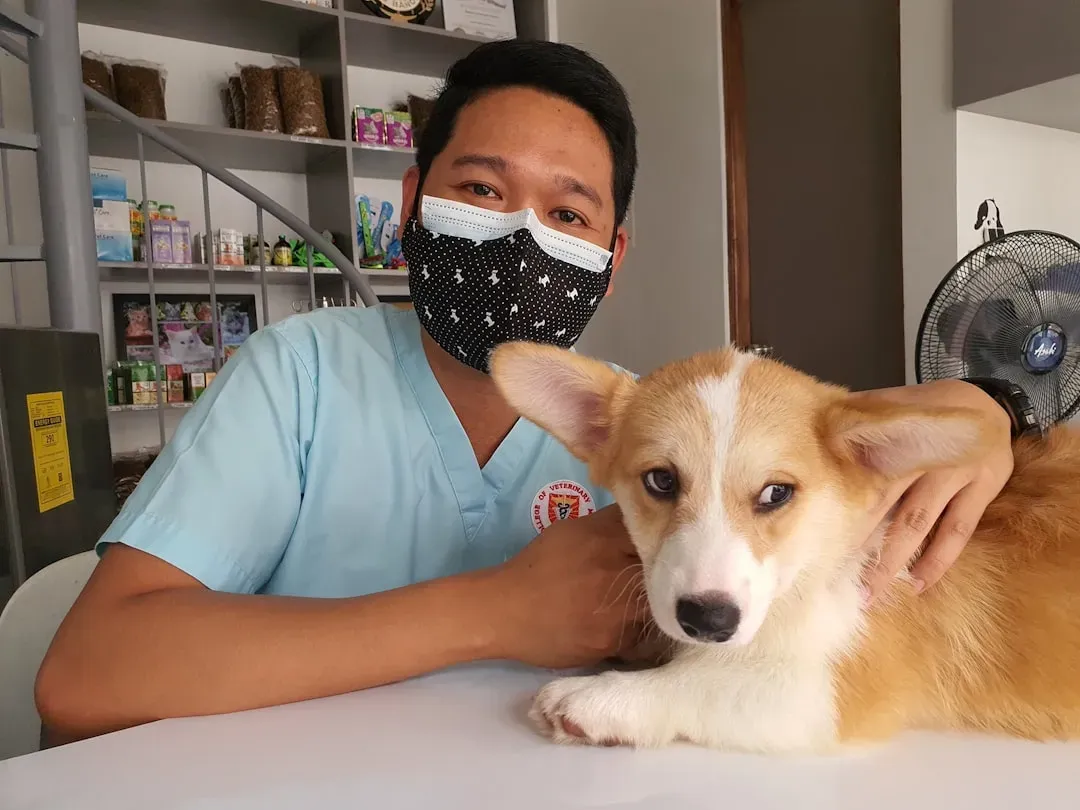
A vet doesn’t need a dog park to size up your dog’s social skills. In two minutes flat, reactions to strangers, other waiting-room pets, and unfamiliar smells say almost everything. A well-socialized dog can be nervous and still recover, get curious again, and take redirection with a treat or toy.
Poorly socialized dogs tend to swing to extremes: explosive barking at every movement, or total shutdown behind your legs. If a dog can’t tolerate a gentle hand on the collar, panics around calm strangers, or reacts aggressively to every animal in sight, the vet quietly files that away as a missed window, and plans the entire visit differently because of it.
#8 – If Your Dog Is Actually Trained, or Just Managed
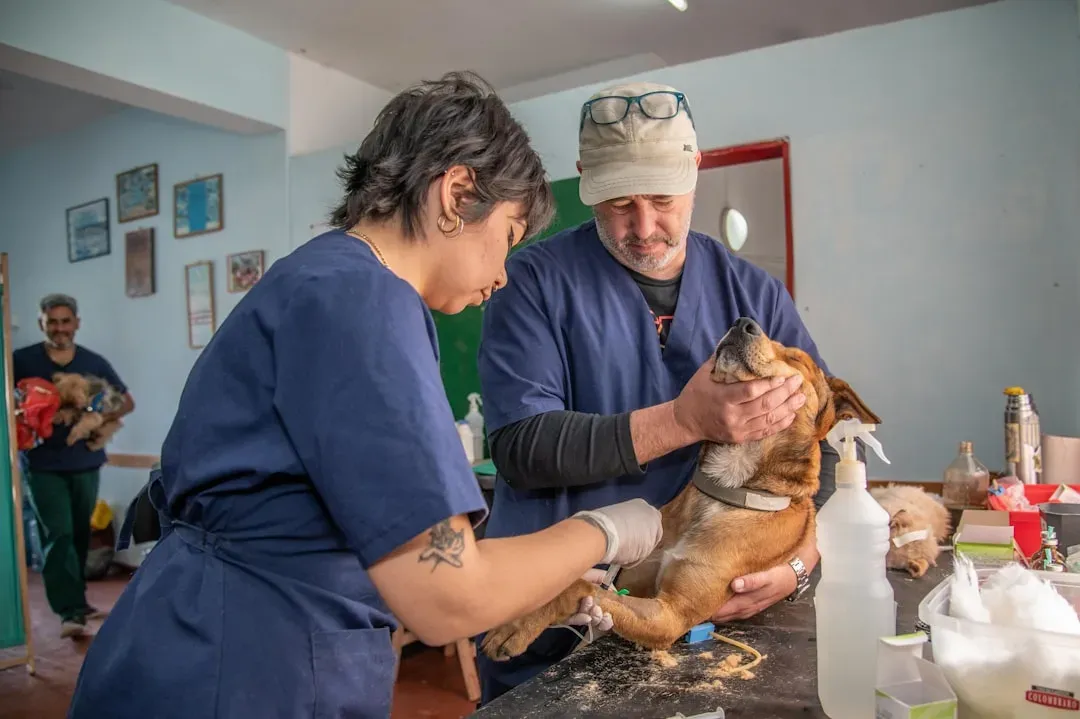
“Sit, stay, paw” sounds impressive right up until your dog ignores every cue the moment they feel even mildly stressed. Vets can tell almost instantly whether a dog has real impulse control or a set of living-room party tricks that fall apart under pressure.
Truly trained dogs can tolerate frustration and touch for a few seconds without unraveling. A dog thrashing, snapping toward the stethoscope, or spinning in tight circles reveals that the “training” at home has mostly been a tight collar and a loud “no.” That single detail can decide whether your dog gets treats and patience, or needs mild sedation just to be examined safely.
#9 – Early Warning Signs of Serious Disease, Long Before Bloodwork
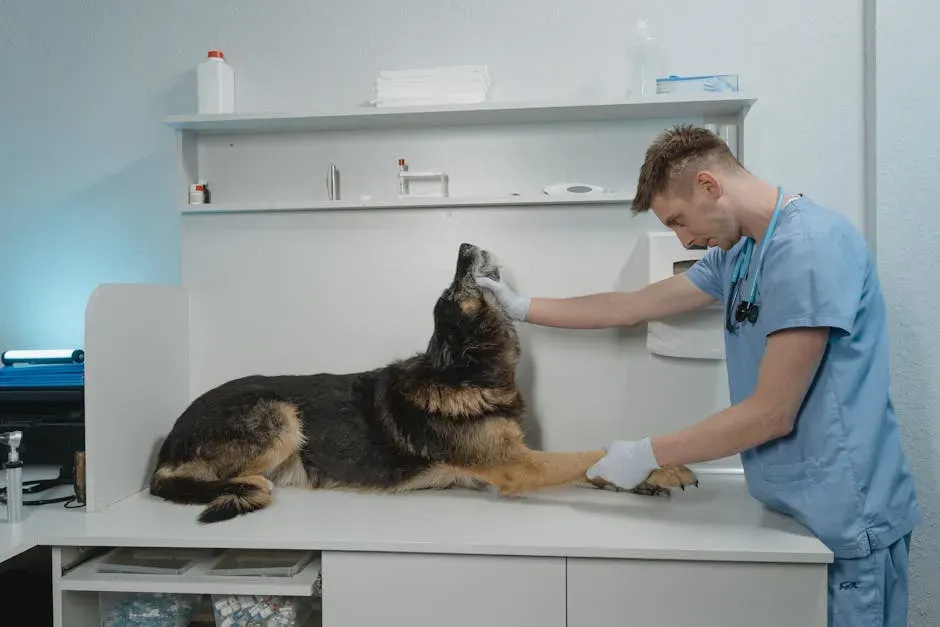
Before a single test is run, your vet is already gathering visual clues that can matter more than you’d guess. Gum color, breathing effort, posture, even the way a dog’s belly looks compared to its limbs, all of it gets scanned in seconds.
A dog that coughs lightly after minimal excitement, tires almost immediately, or has that thin-limbed, pot-bellied look can trigger a much bigger internal workup than the “just here for vaccines” visit you booked. Vets are trained to notice the small things, the barely-there head tremor, the constant paw licking, that quietly add up to a real diagnosis.
Worth Knowing
- Pale or tacky gums can signal anemia or poor circulation.
- A pot-bellied look paired with thin limbs often points to muscle loss, not weight gain.
- Mild, repeated coughing after light activity can be an early heart or airway clue.
- Subtle tremors or excessive paw licking are common “quiet” symptoms owners miss.
#10 – How Serious You Actually Are About Preventive Care
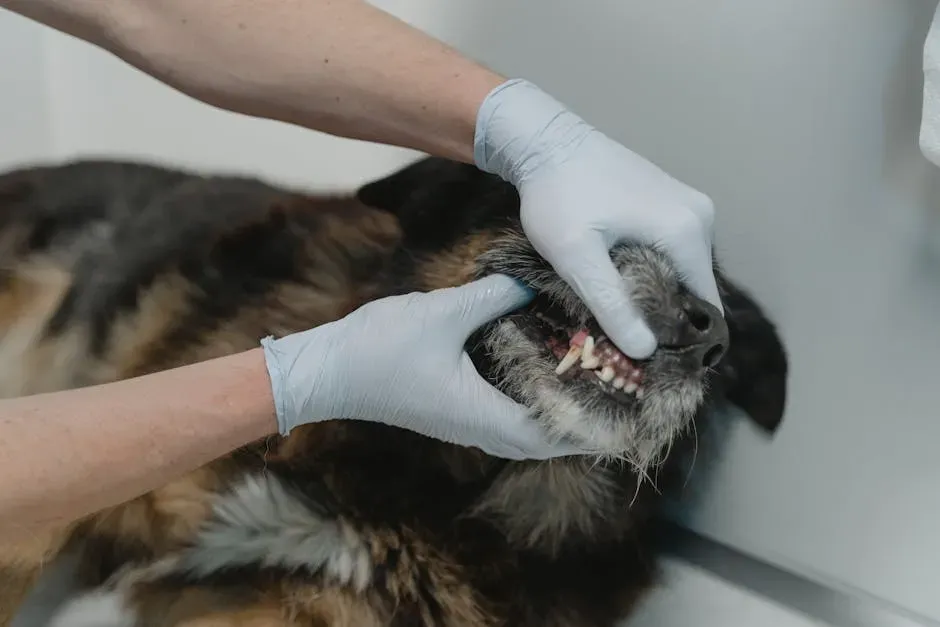
In under two minutes, most vets can tell whether you treat prevention as routine or only show up once something’s already on fire. A casual pat can reveal flea dirt. A quick look at the mouth reveals tartar lines, bad breath, and red gums that didn’t happen overnight.
- Sparkling teeth on an older dog are rare, and they usually mean real, consistent brushing.
- Foul breath and brown gunk along the gumline mean the dental chews aren’t cutting it.
Heartworm, fleas, and dental disease are some of the most preventable problems in veterinary medicine, yet dogs walk in every day with issues that quietly built up over months or years while everyone assumed things were fine.
#11 – What Your Home Environment Is Really Like

You can describe your place however you like, but your dog’s body often tells a more specific version of the story. Calloused elbows and hocks point to hard floors or concrete. Grass stains, burrs, or tangled fur point to a much more outdoor-heavy life than the one you described.
Allergies are a massive giveaway too. Red, chewed-up paws, stained fur around the mouth, or recurring ear infections often point straight to environmental triggers, dust, pollen, even certain cleaning products. Your vet is quietly reading all of this while you’re still explaining what bed you bought.
#12 – How Much You Actually Handle Your Dog at Home
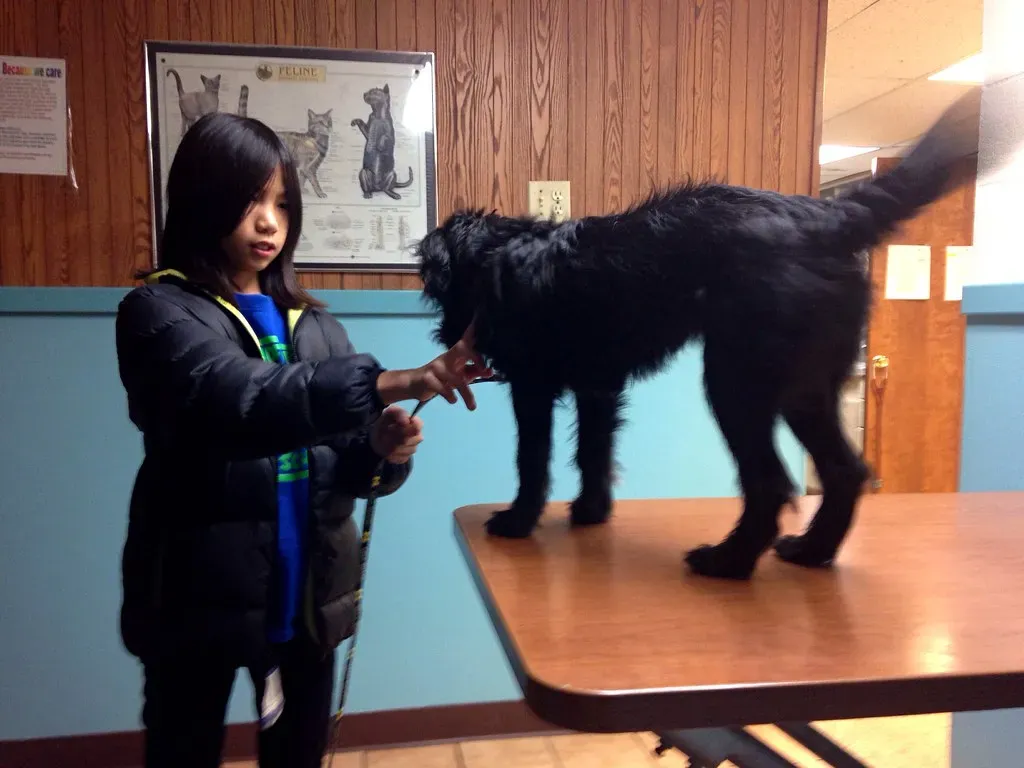
Here’s a detail that surprises a lot of owners: your vet can tell almost instantly whether you regularly touch your dog’s paws, ears, mouth, and tail. Dogs used to that kind of routine handling tolerate an ear check or a quick look at their teeth with mild annoyance at worst.
Dogs who never get touched that way at home tend to react like it’s an emergency, jerking away from a paw, whipping their head at a lifted ear, fighting a lip lift like it’s a threat. It’s not about good dogs versus bad dogs. It’s about habit, and vets know that dogs who are handle-shy at home will struggle far more with grooming, nail trims, and every future vet visit.
#13 – Whether Your Dog Feels Genuinely Safe in That Room
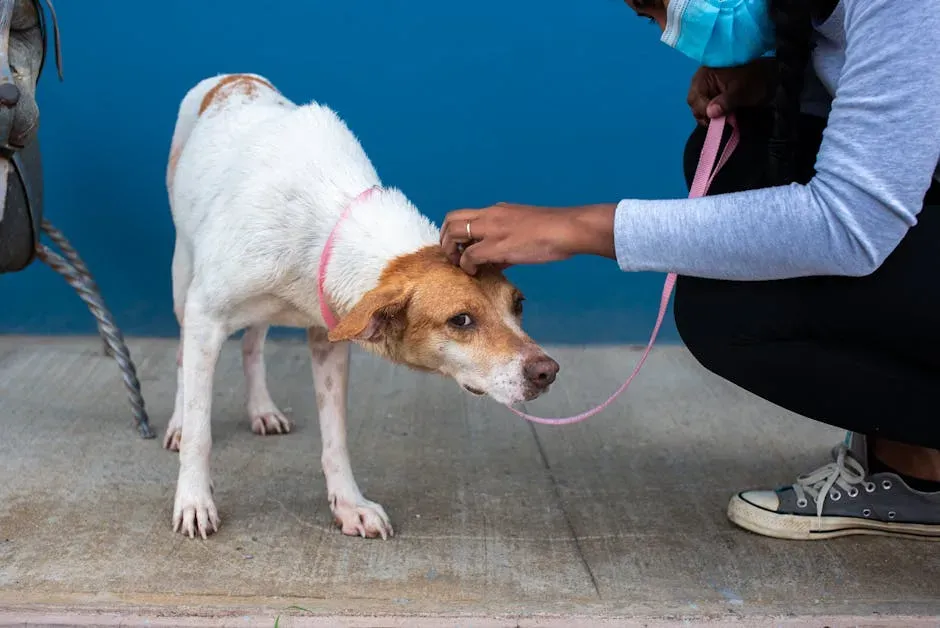
There’s a real difference between “a little worried” and “I do not feel safe here,” and vets read that gap fast. A dog who feels basically okay might pant, pace, or whine, yet still take a favorite treat and show curiosity between stressful moments.
A dog who feels unsafe refuses even the best treats, has dilated pupils, freezes solid, or growls and snaps at the lightest touch. Vets pay close attention to how fast a dog escalates from mildly nervous to full panic, because that speed often decides whether future visits will need pre-visit medication or sedation just for basic, humane care.
At a Glance
- Mildly nervous: pants and paces, but still takes a treat.
- Genuinely unsafe: refuses treats, pupils dilated, body frozen.
- Mildly nervous: recovers between stressful moments.
- Genuinely unsafe: escalates quickly from calm to full panic.
#14 – How Seriously You Take Your Dog’s Health
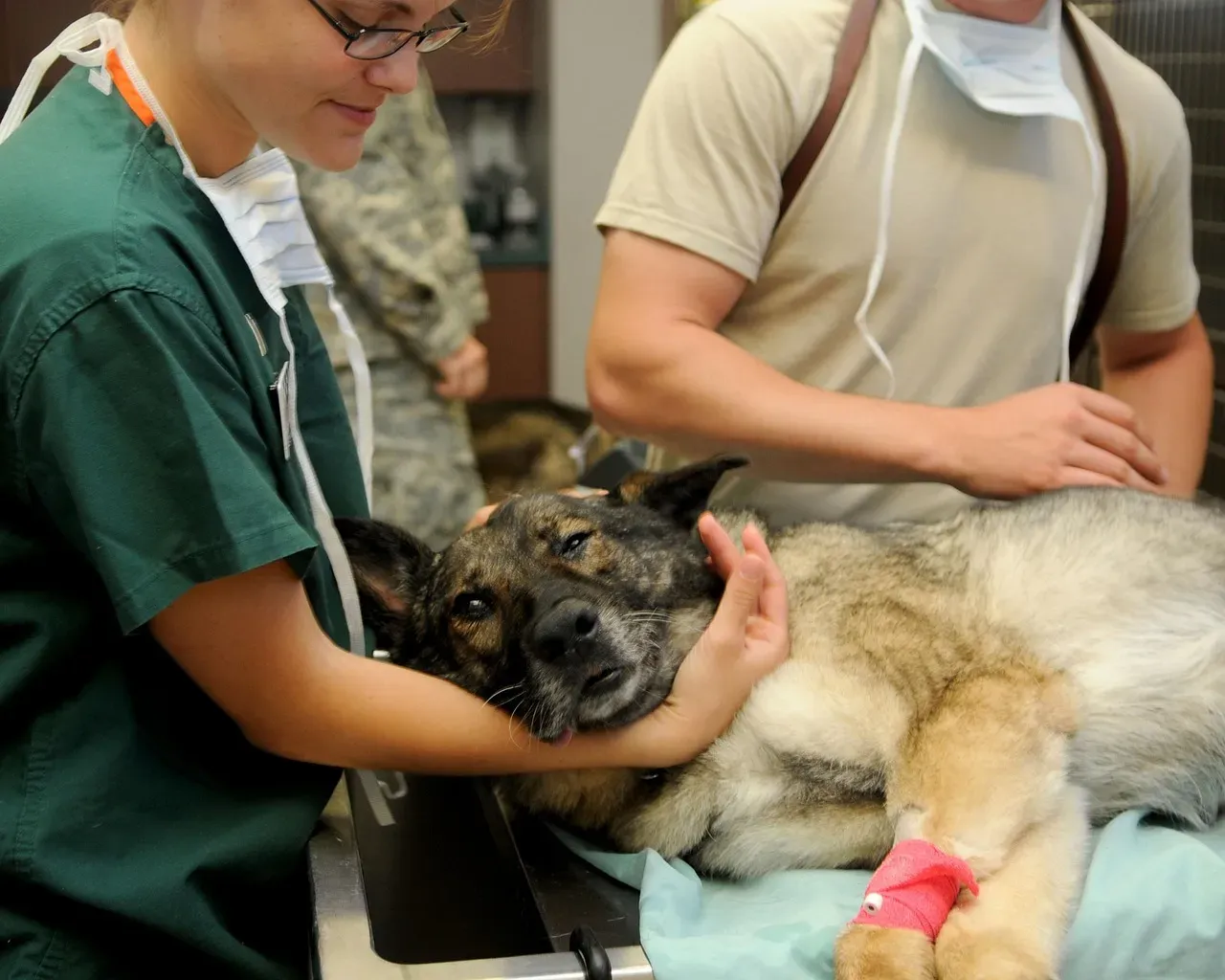
Here’s the part that stings. Vets can often tell within two minutes whether you’re the kind of owner who follows through, or the one they’ll see again only once things have gotten desperate. Did you bring records or medications? Are you actually listening, or half-checked-out on your phone while your dog is being examined?
Owners who ask real questions and talk honestly about budget are far easier to help. Owners who argue with every suggestion or insist “he’s fine” while the dog visibly isn’t send a different message entirely. Vets have watched thousands of these pairings, and they can usually sense within minutes whether a dog is a true family member or a problem being managed as cheaply as possible.
Take care of your dog, and your dog will take care of you.
Roger Caras
The Bottom Line
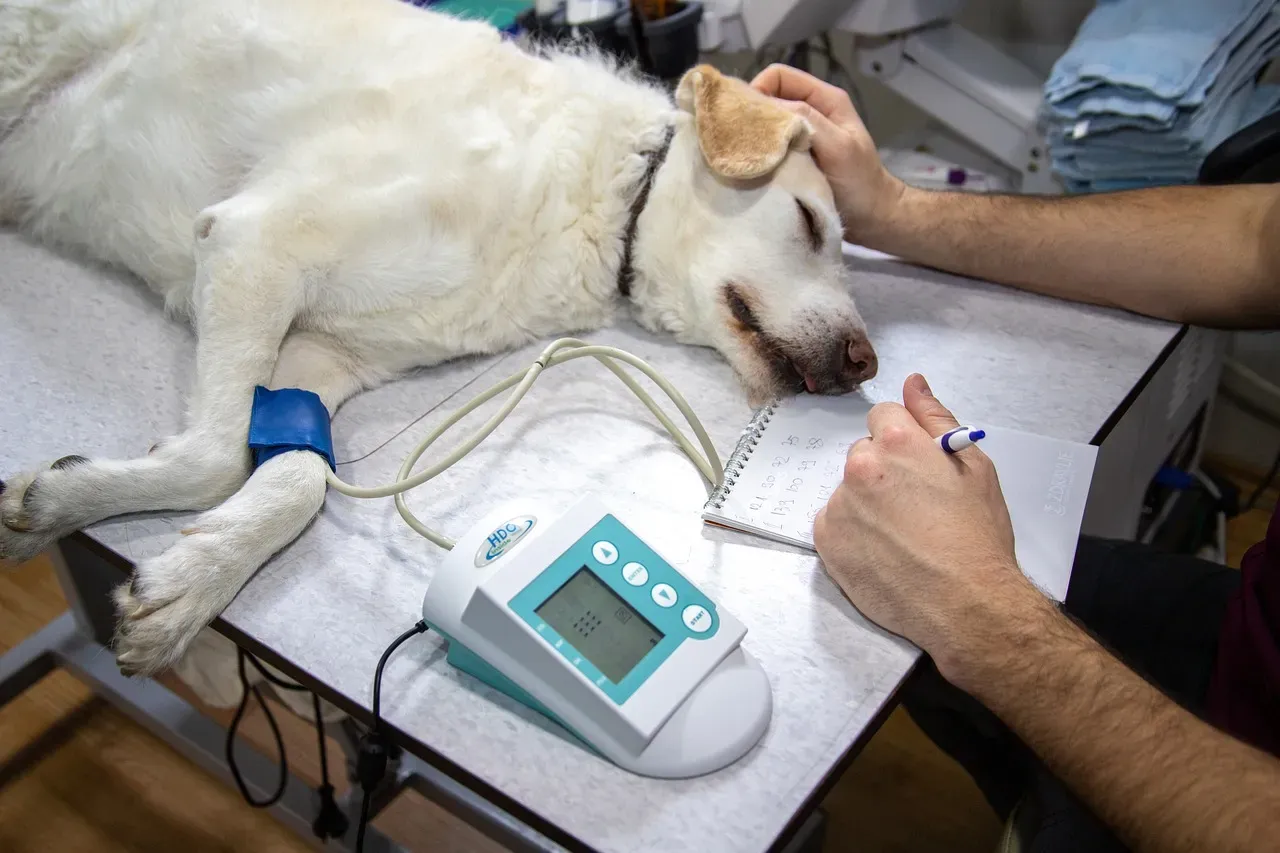
In two minutes flat, your dog confesses more than you’d probably like: what they eat, how they move, whether they trust you, how safe they feel, and how seriously you take their health. A vet isn’t judging your car in the parking lot or your décor. They’re reading your dog’s body like a report you didn’t know you’d already filled out.
If that feels a little uncomfortable, it probably should, because your dog can’t spin the truth the way we sometimes do. The good part is that almost every one of these first impressions can change, with better handling, better food, more honest conversations with your vet, and just paying closer attention at home.
So be honest with yourself: if your vet looked at your dog right now, what would those two minutes say, and are you okay with the answer? If your own vet has ever called out something on this list, we want to hear about it in the comments.


