
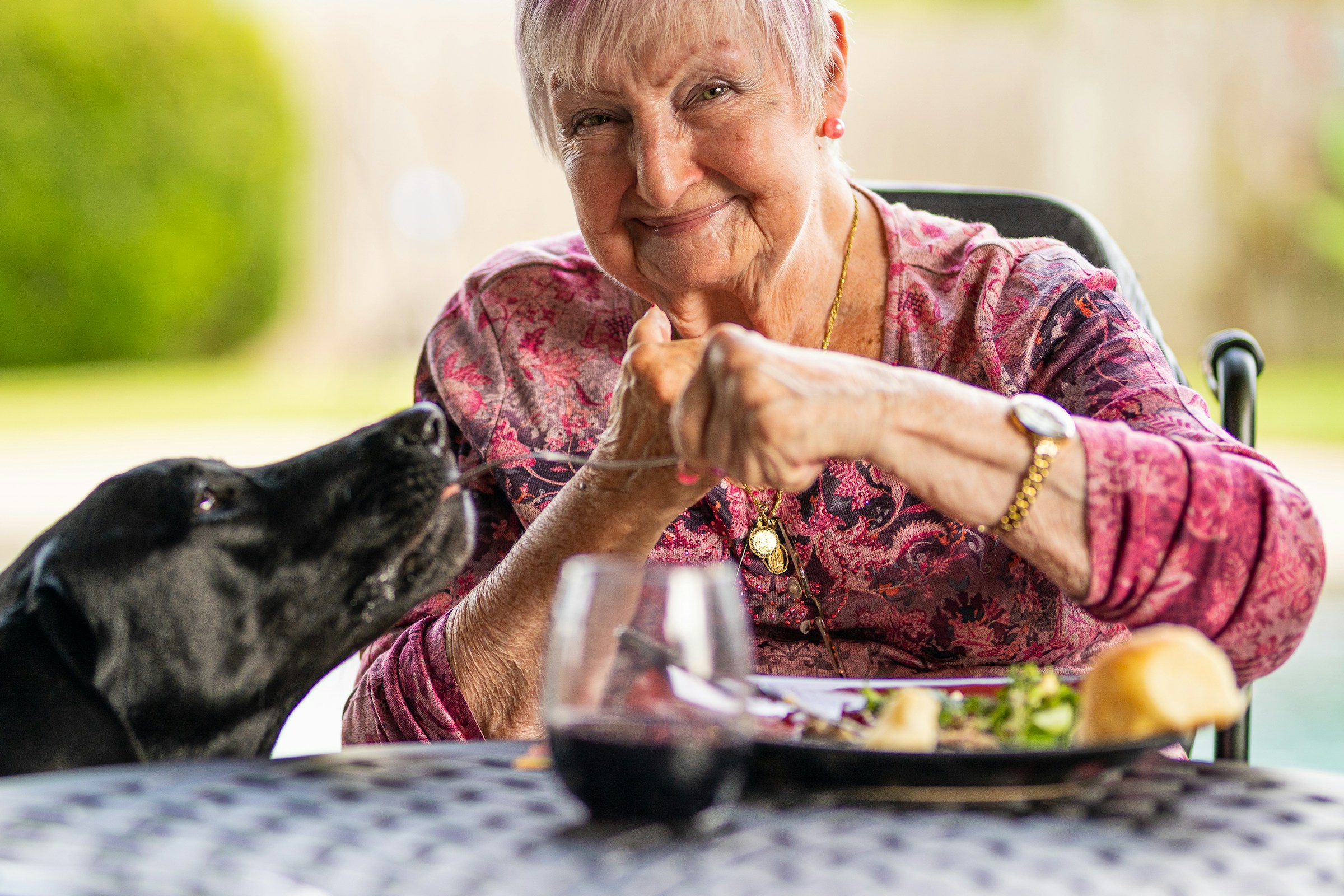
There’s something quietly magical about the way a dog can turn an ordinary day into a softer, warmer version of itself. For many older adults, that gentle tail thump on the floor or the familiar click of paws down the hallway becomes a kind of heartbeat in the home. But dogs do not just automatically “fit in” to a senior’s lifestyle; they relax into it when life follows a few simple, comforting routines.
If you’re a senior living with a dog, or helping an older loved one care for one, the goal is not perfection or a military schedule. The goal is a predictable rhythm that makes both human and dog feel safe, seen, and settled. These 15 simple routines are small on paper, but in real life they can turn a shared home into a shared haven.
1. A Consistent Morning Wake-Up Ritual
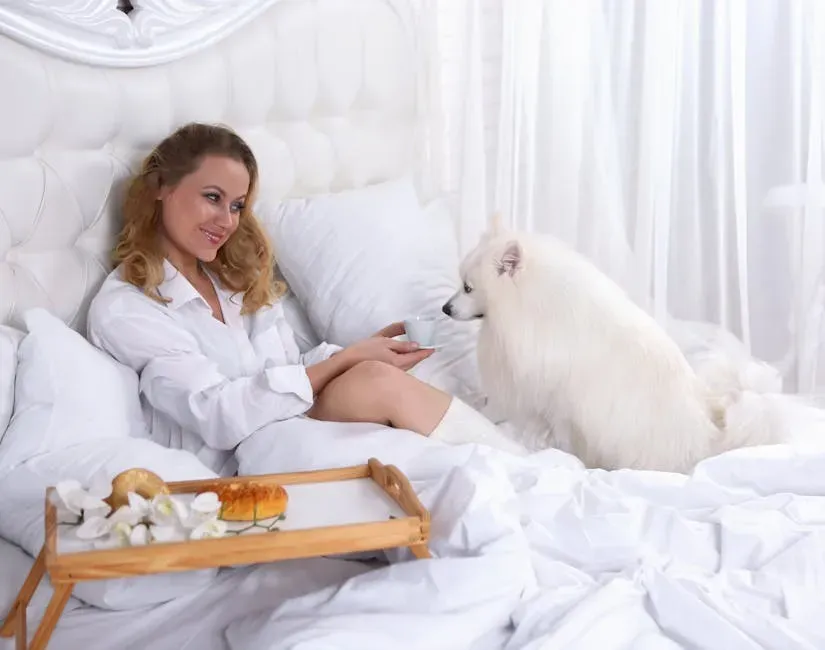
Dogs do not care what’s on the clock; they care what happens next. A predictable morning routine, even if it starts later in the day, tells a dog that the world is in order. Maybe it is the sound of the kettle, the shuffle of slippers, then a soft greeting and a stretch on the living room rug. To an older person who may not have office hours or school runs anymore, this becomes a gentle anchor too.
It does not need to be complicated. A calm “good morning,” opening the curtains, a short potty break, then breakfast sets a peaceful tone for both of you. Over time, your dog learns that when you sit in that favorite chair or put on those glasses, good things follow. That familiarity can ease anxiety in dogs and actually nudge seniors into a healthier, more stable daily rhythm as well.
2. Set Mealtimes That Never Drift Too Far
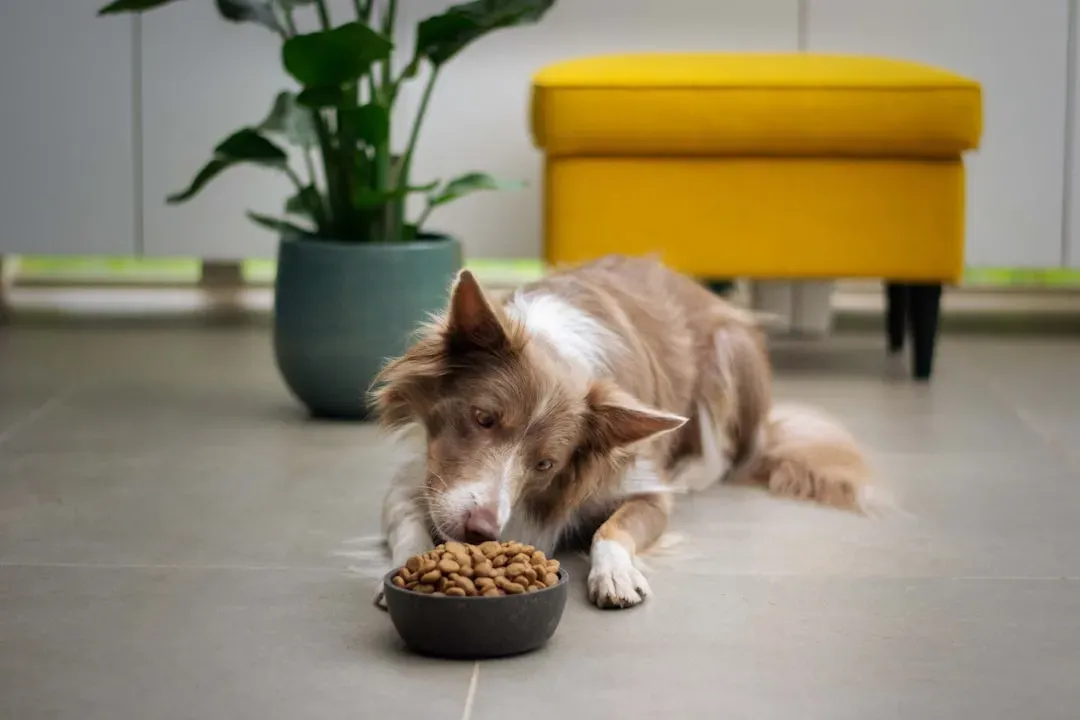
For dogs, regular mealtimes are more than nutrition; they’re reassurance that their basic needs will always be met. For seniors, having a reason to feed the dog at a similar time each day can help them remember to eat, hydrate, and move around themselves. It becomes a shared routine instead of just another task on a list.
Keeping mealtimes roughly the same each day also reduces begging, pacing, and restlessness. A dog who understands that “after the news, my bowl is filled” is less likely to whine and more likely to settle nearby. For an older adult who might be dealing with low energy or memory changes, that predictable cause-and-effect can make the whole day feel a little less chaotic.
3. A Gentle Daily Walk, Adapted to Senior Bodies
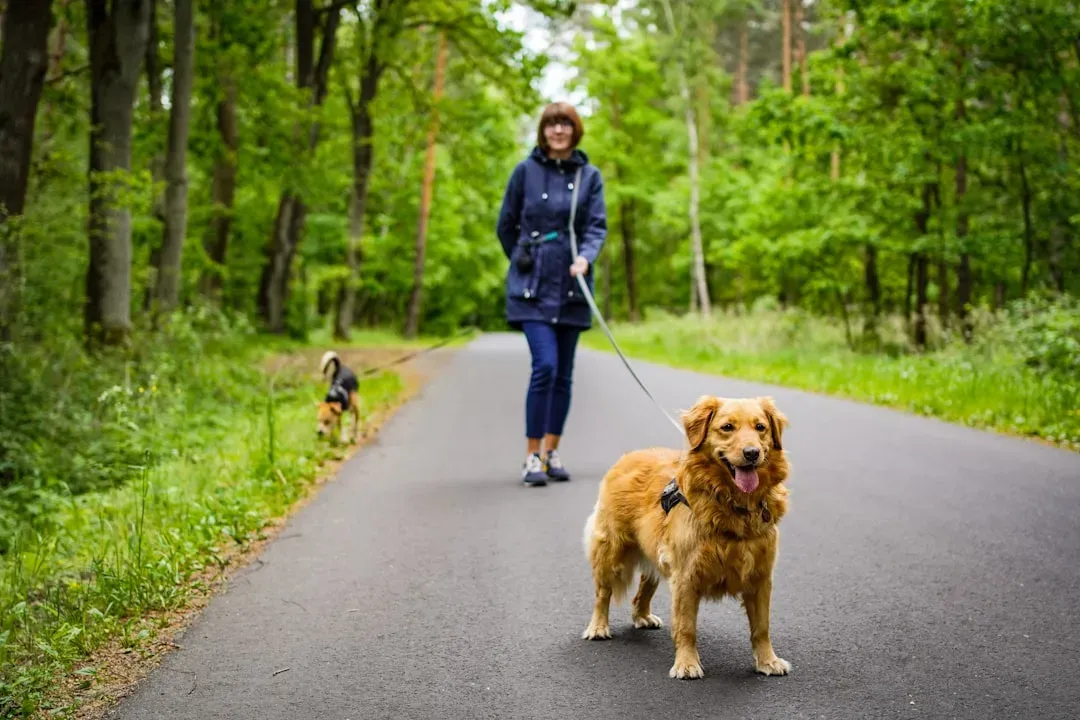
There is a quiet power in that daily clip of a leash onto a collar. Even a short, slow walk around the block gives a dog mental and physical stimulation, while giving the senior fresh air, light movement, and small interactions with the world. The walk does not have to be long or fast to matter; consistency is far more important than distance.
Adjusting the routine to match both dog and human ability keeps it sustainable. Maybe it’s one short walk in the morning, using a stable cane or walker if needed, or an easy loop where there is a bench halfway. Dogs generally adapt better than we think to slower pacing. They are not grading the walk like a fitness tracker; they are just thrilled to be moving next to their person.
4. Predictable Potty Breaks to Avoid Stress
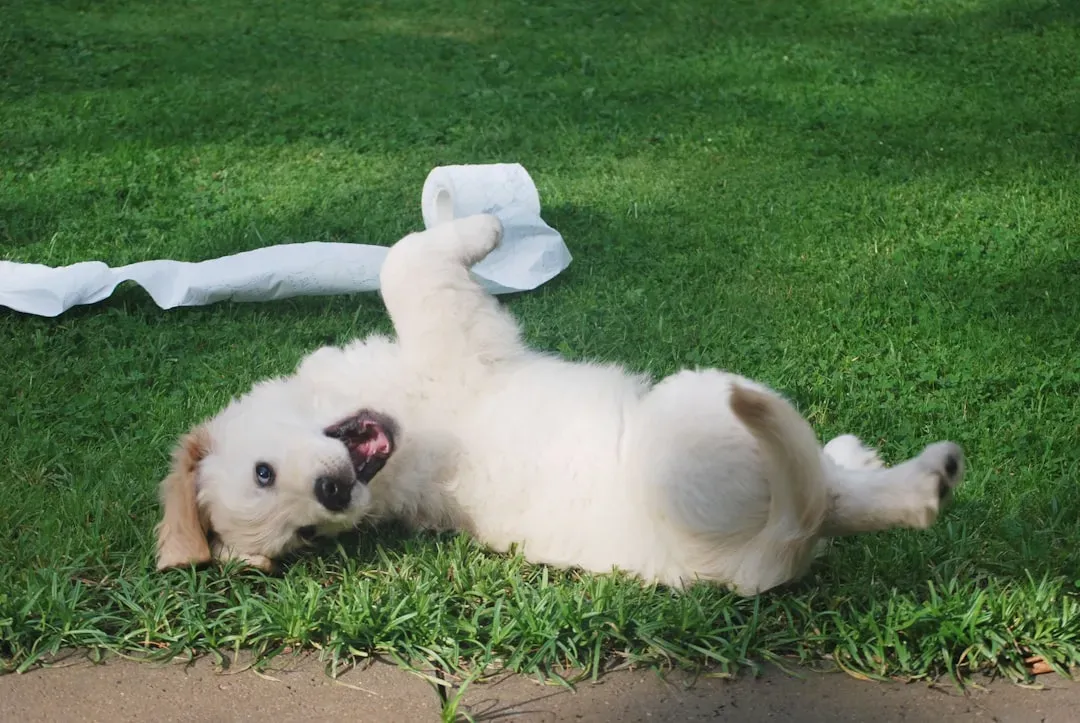
Few things create more tension between a dog and an older owner than frequent “accidents” in the house. Regular, predictable potty breaks reduce the risk not just of messes, but of frustration, guilt, and embarrassment. Dogs thrive when they know when the next chance to go outside is coming, especially as they age and bladder control changes.
For seniors with limited mobility, the routine might include a final potty break right before bed, and one shortly after waking, with a couple scheduled times in between. Using alarms, sticky notes, or a simple handwritten schedule on the fridge can help keep everyone on track. That bit of structure protects the bond by shifting the focus away from “why did this happen?” to “we’re managing this together.”
5. A Midday “Connection Moment” Instead of Just Background Noise
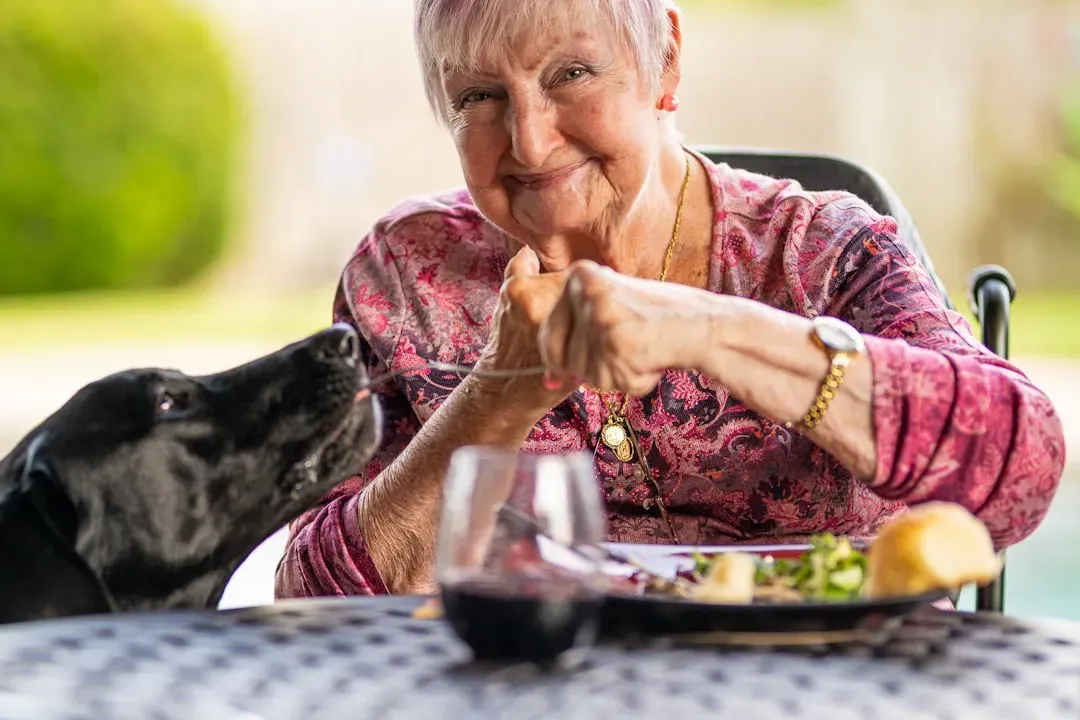
Dogs do not really understand “we live together” unless there are regular moments of focused attention. A short midday routine – maybe after lunch – where the senior sits down just to stroke the dog, talk to them, or offer a chew toy, sends a strong message of belonging. It breaks up the day for both and can be especially soothing in an otherwise quiet house.
Think of it like a coffee break with a furry friend. Five or ten minutes of slow petting, brushing, or even light training keeps the dog from becoming restless furniture and reminds the human that they are not alone. It is a small act that can lower stress for the dog and soften feelings of loneliness or isolation for the senior.
6. An Evening Wind-Down Routine That Signals Safety

Just like young children, many dogs feel their most anxious late at night when the house goes quiet and shadows change. An evening wind-down routine helps signal that everything is okay and the day is gently closing. It might start with a final potty break, then a small snack, lights dimmed, and the TV volume turned down.
For seniors, this pattern helps them transition into restful sleep instead of scrolling through worries or news. For dogs, it is a clear message: the pack is safe, the doors are locked, the den is calm. Over time, you may notice your dog automatically going to their bed when you turn off a certain lamp or put down a particular book – that’s the power of a well-worn ritual.
7. Regular Grooming Sessions as Quiet Bonding Time
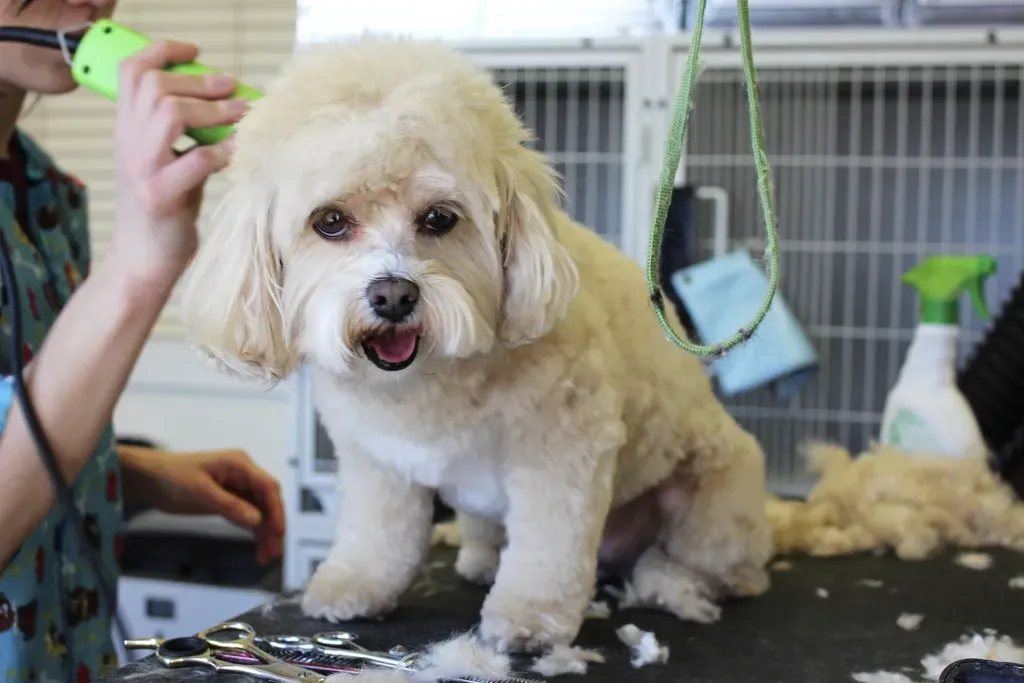
Grooming is not only about keeping a dog clean; it is about connection. A simple weekly or twice-weekly routine – brushing, wiping paws, checking ears – gives the senior a chance to notice small changes early, like lumps, sore spots, or weight loss. That kind of early detection can be very important as dogs age, especially when vet trips can feel overwhelming.
Emotionally, the grooming routine becomes a form of “wordless conversation.” The dog learns that being touched gently is safe, and the human learns to read the animal’s body language more intuitively. It can be incredibly grounding for an older person to feel needed in such a tangible way, to know their hands are literally helping their dog feel better in their own skin.
8. Short Training Refreshers That Keep Minds Sharp
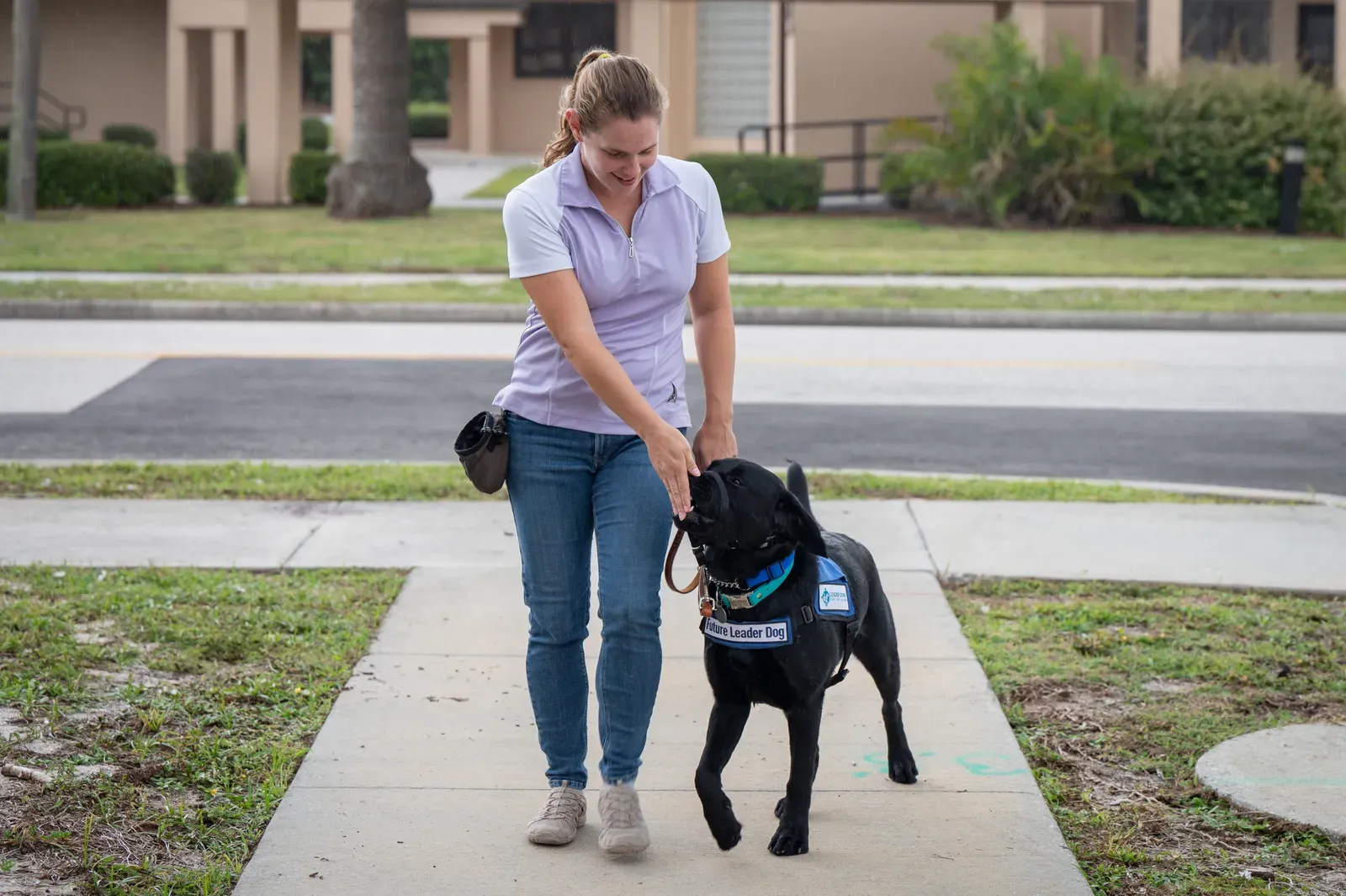
People often assume training is only for puppies, but older dogs and older humans benefit from it just as much. A simple five-minute “refresher class” once or twice a day – practicing sit, stay, come, or a fun trick – keeps the dog thinking and listening. It also gives the senior a sense of accomplishment and control, which can feel rare in later years.
Instead of chasing trends or complicated commands, stick to basics done well and rewarded gently. Use soft treats or even a favorite toy, and keep sessions upbeat rather than strict. These tiny lessons weave respect and communication into daily life, lowering conflict and boosting the dog’s feeling that they have a clear role and expectations in the home.
9. A Safe “Rest Zone” Where the Dog Can Truly Relax
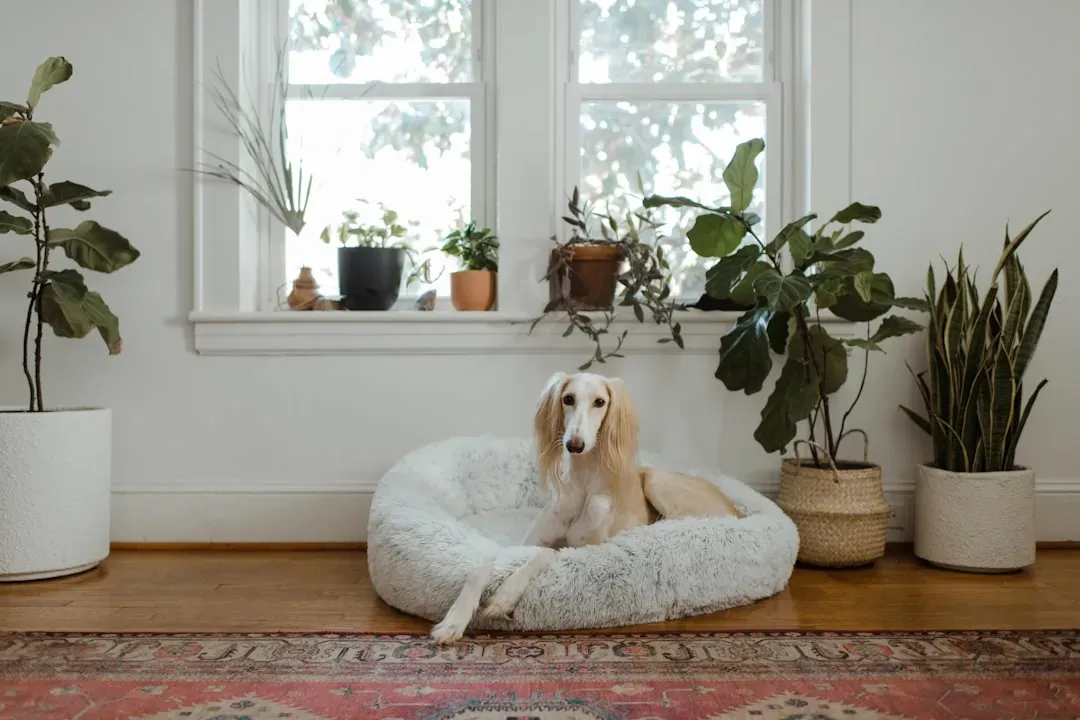
Every dog needs a spot that belongs to them, especially in a home where space or mobility might be limited. A simple routine of guiding the dog to their bed, blanket, or crate when visitors arrive, when meals are served, or when the senior needs to rest helps everyone feel safer. It is not banishing the dog; it is offering them a cozy, predictable retreat.
For seniors, this also creates essential boundaries. If balance is an issue, teaching the dog that “on your bed” means staying out from underfoot can literally prevent falls. Repeating this routine kindly and consistently tells the dog they have a secure place in the home, not just physically but emotionally: they are allowed to relax without being on constant alert.
10. Built-In Playtime That Matches Energy Levels
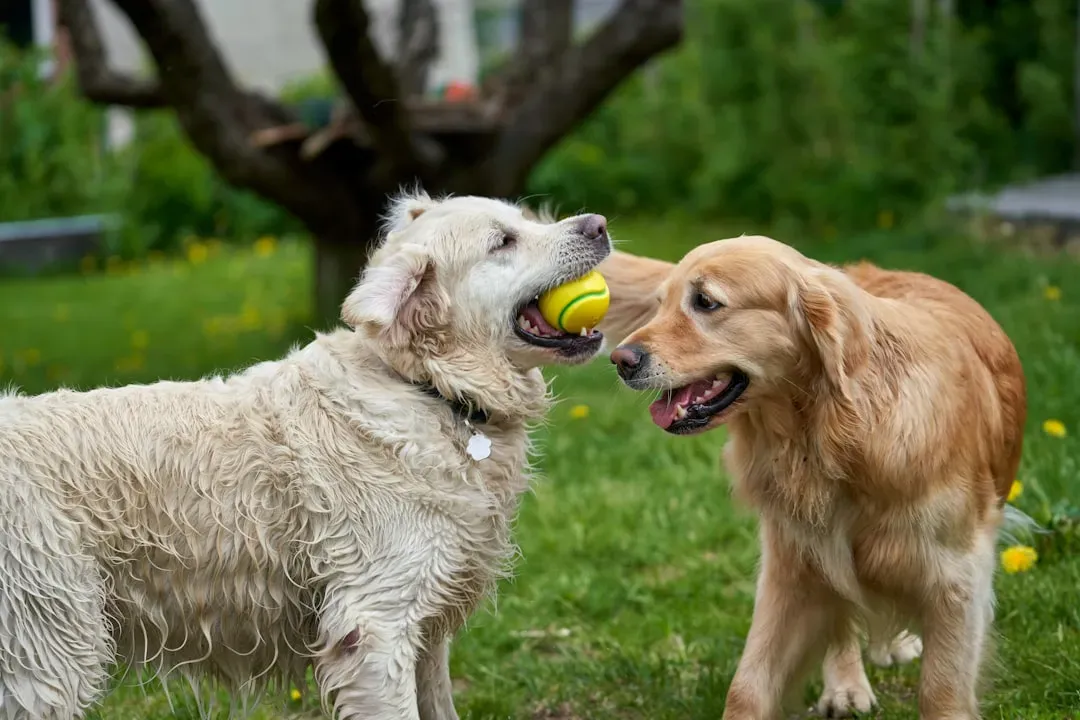
Play does not stop mattering just because a dog or a human is older; it just changes shape. A structured play routine – perhaps after breakfast or mid-afternoon – gives the dog a chance to burn off energy and express joy. For seniors, it provides a moment of laughter, light movement, and genuine fun that can cut through heavy days like sunlight.
Play can be as simple as rolling a ball down a hallway, offering a puzzle toy, or playing a gentle game of tug while seated. The key is that it happens regularly enough that the dog knows to expect it, and that it is adapted to avoid strain. When playtime is woven into daily life, the dog learns that their human is a source of happiness, not just rules and routines.
11. Social Visits and Sniff Walks to Prevent Isolation
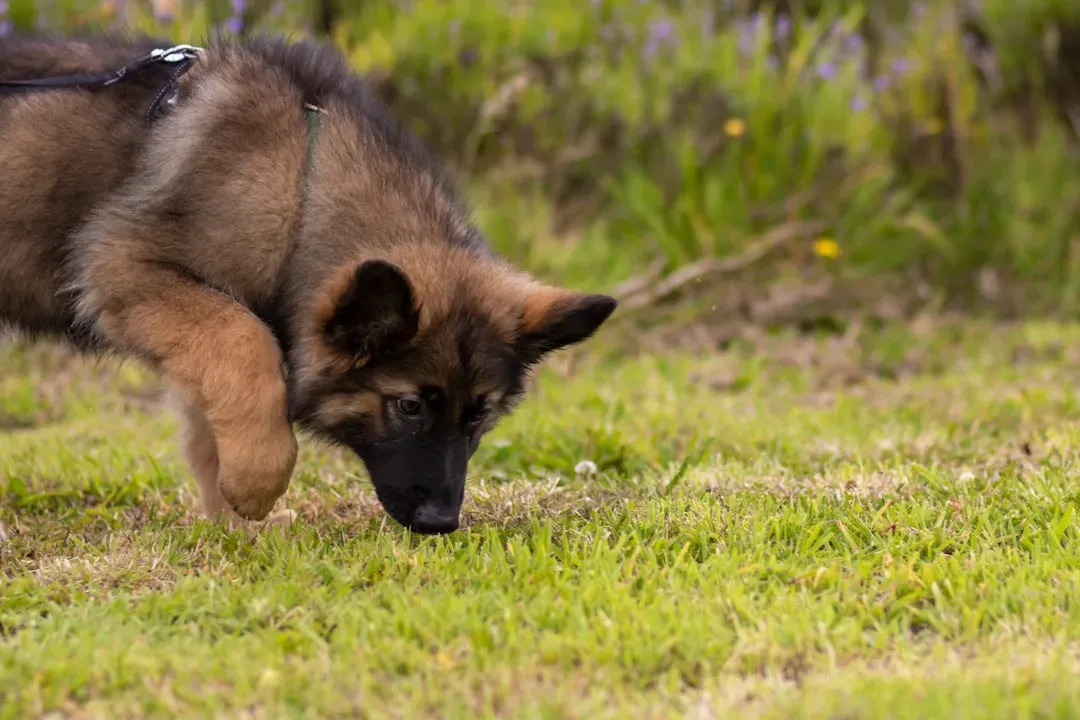
Dogs are social learners; they read the world through scents, sounds, and other creatures. A routine that includes occasional “sniff walks” in different spots, or safe, planned visits with family, neighbors, or other friendly dogs, gives them a richer life. For seniors, those same outings can fight off isolation and create natural reasons to interact with others.
The goal is not constant social activity, but regular, gentle exposure. A weekly stroll in a nearby park, or a set time when a neighbor drops by with their dog, becomes a social anchor. Over time, the dog associates leaving the home with positive experiences, and the senior gains a steady trickle of human contact that keeps their world from shrinking too fast.
12. A Simple Medication and Health-Check Routine
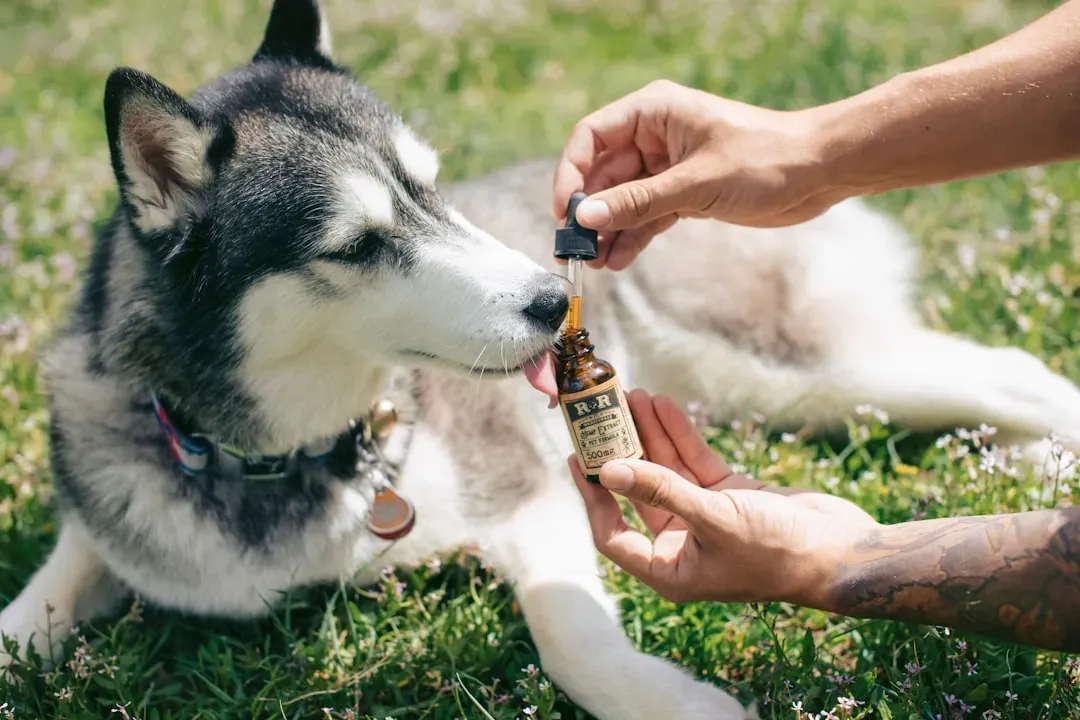
Many older dogs, like older people, end up with medications or supplements. Folding these into a predictable routine – such as pills with breakfast and dinner, or eye drops after the evening news – reduces stress for both. It prevents missed doses and makes health care feel like another normal part of the day rather than a constant crisis.
Adding a quick “check-in” at the same time – looking at teeth, feeling along the spine, noticing breath or gait – can catch problems early without turning the home into a clinic. For an older adult, this is also a chance to stay mentally engaged and purposeful, shifting the narrative from “I’m being cared for” to “I’m actively caring for someone else too.” That change in perspective can be powerful.
13. Shared Quiet Time: Reading, TV, or Just Breathing Together
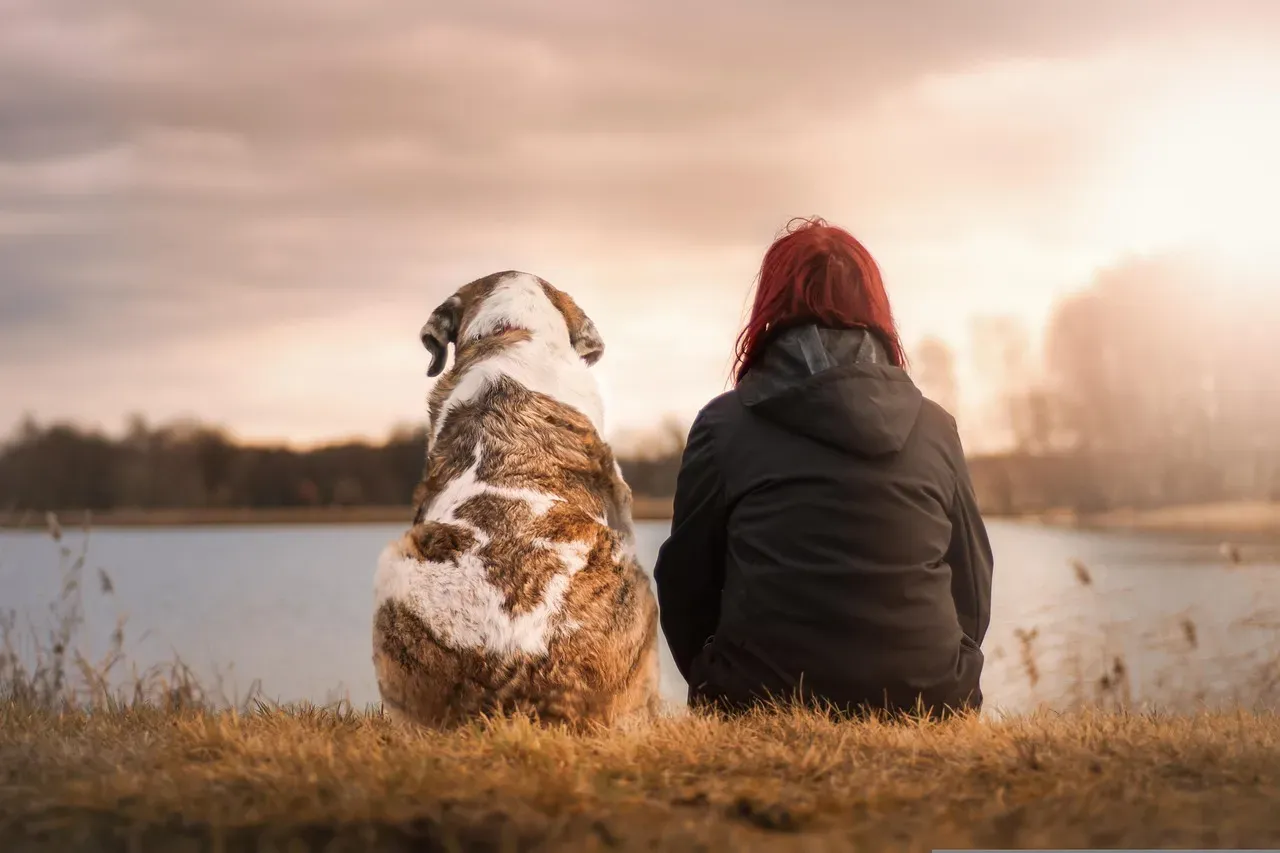
Not every moment with a dog has to be action-packed. A routine of simply sharing quiet time – like reading with the dog at your feet, dozing together on the couch, or watching a favorite show with a hand resting on soft fur – can be incredibly healing. Dogs seem to sense when a human’s breathing slows and shoulders drop, and they often settle in kind.
For seniors who may be grieving losses, managing pain, or processing big life changes, that quiet companionship makes the house feel less empty. The dog, in turn, learns that being calm and close is rewarded with touch and presence. Over time, these silent evenings can become the emotional core of the relationship, a daily reminder that neither of you has to go through life completely alone.
14. Gentle Goodbyes and Happy Returns, Even for Short Absences
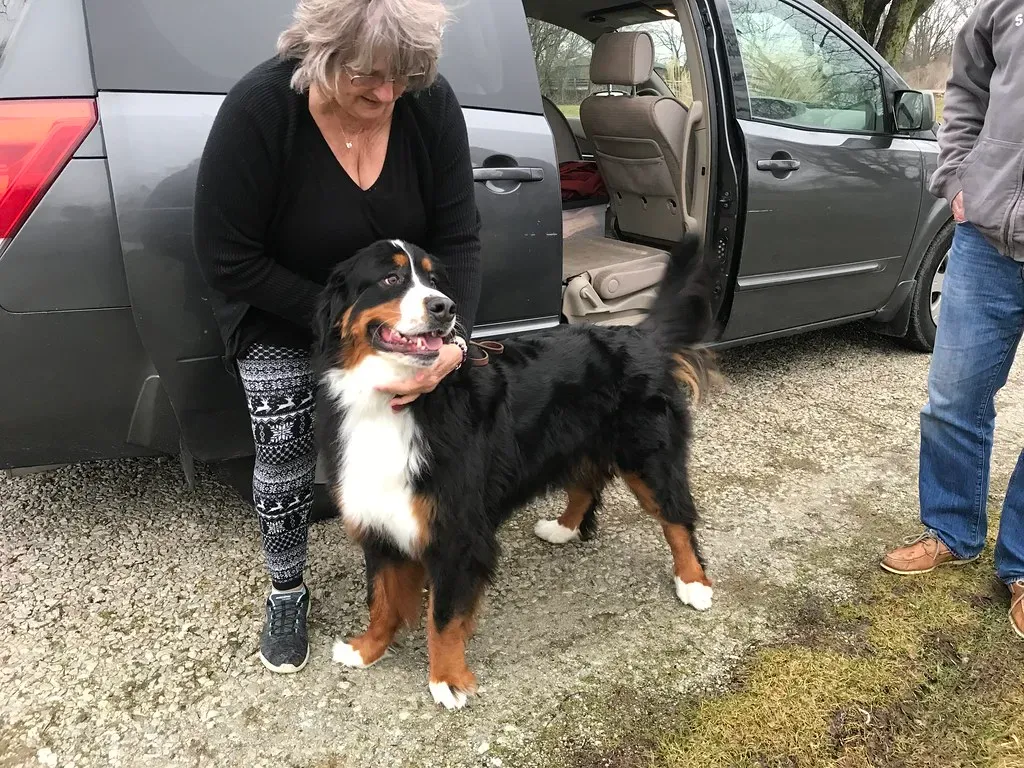
Separation can be tough for dogs, and it can be tough for older adults who worry about leaving them. A small ritual of saying goodbye and hello turns these moments into something predictable instead of scary. Before leaving, a treat-stuffed toy, a calm phrase, and a consistent door routine help the dog understand that departures are normal and temporary.
On returning, avoiding wild chaos and instead offering a warm but measured greeting keeps excitement from tipping into stress. For a senior, this pattern brings emotional comfort too. Walking back through the door to a familiar wag and an expected little “welcome home” routine can turn even mundane errands into something to look forward to.
15. Seasonal Adjustments That Show You’re Paying Attention
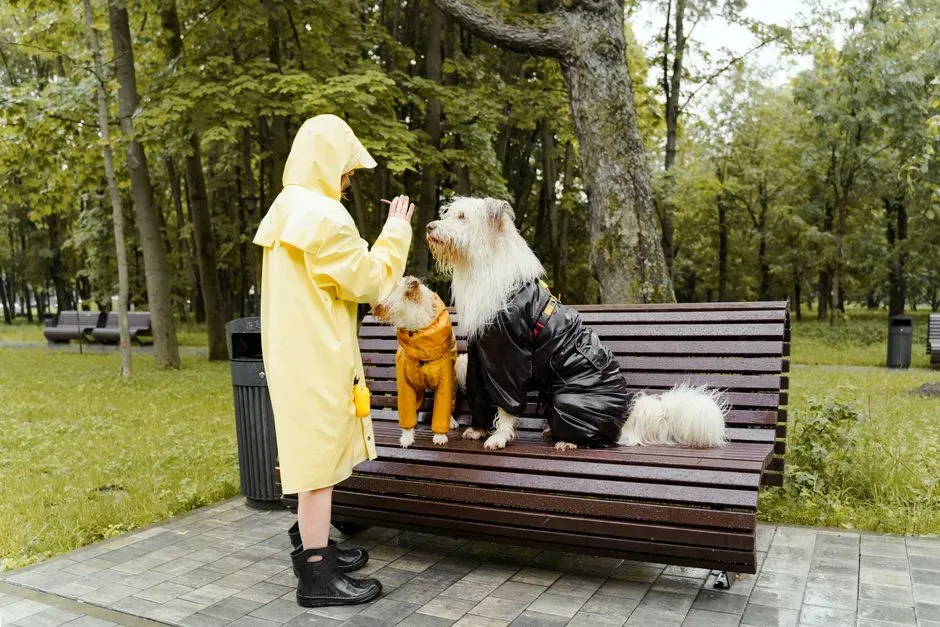
Life with a dog is not static, and acknowledging that is its own kind of loving routine. As seasons change, adjusting walk times to avoid icy sidewalks or hot pavement, rotating toys, or tweaking bedding to keep things warm or cool tells the dog that their comfort matters. It tells the senior, too, that change can be managed thoughtfully rather than feared.
Maybe in winter, the routine includes a quick towel dry after snowy walks, or in summer, a daily check of water bowls and a shady resting spot after lunch. These adjustments are small but deeply meaningful because they communicate, day after day: I notice you, and I will keep making this home work for both of us. That sense of being truly seen may be the most important routine of all.
Conclusion: Home Is Built in the Little Things
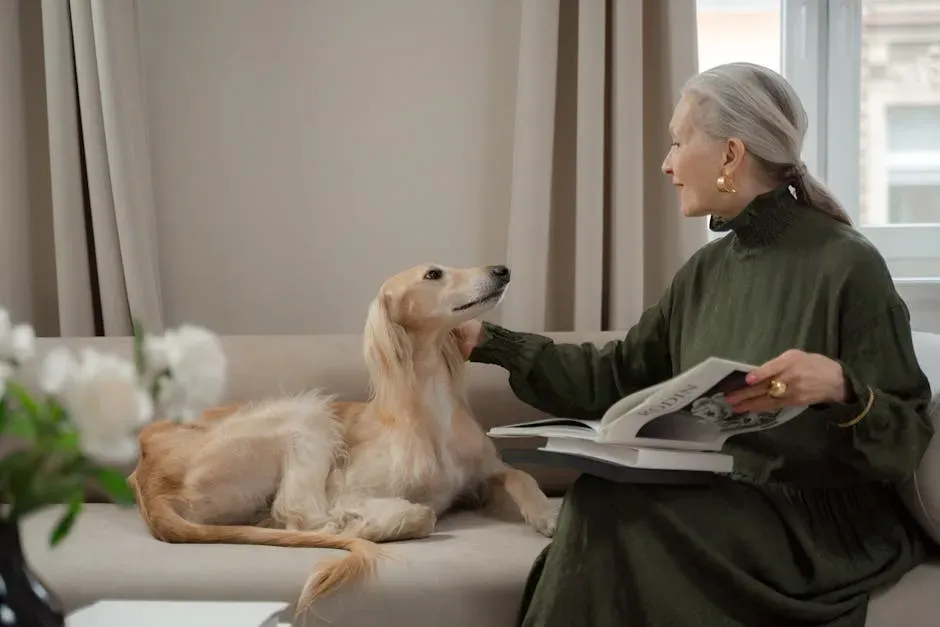
When you step back and look at these routines, none of them are flashy. There is no secret trick, no perfect schedule that every expert agrees on. What makes a dog feel at home in a senior’s life is not one big decision but many small, repeated choices that whisper the same message: you belong here, with me, in this rhythm we’ve created together.
In my view, this is why dogs and older adults can be such a powerful match when it is done thoughtfully. The structure that comforts the dog also stabilizes the human day; the affection that soothes the senior also reassures the dog. It becomes a quiet partnership, built on predictable meals, gentle walks, shared naps, and a thousand tiny rituals only the two of you understand. And really, what could feel more like home than that – did you expect it would be the simple things that mattered most?


