
25 Slightly Crazy Things Golden Retriever Owners Do That They Would Never Admit
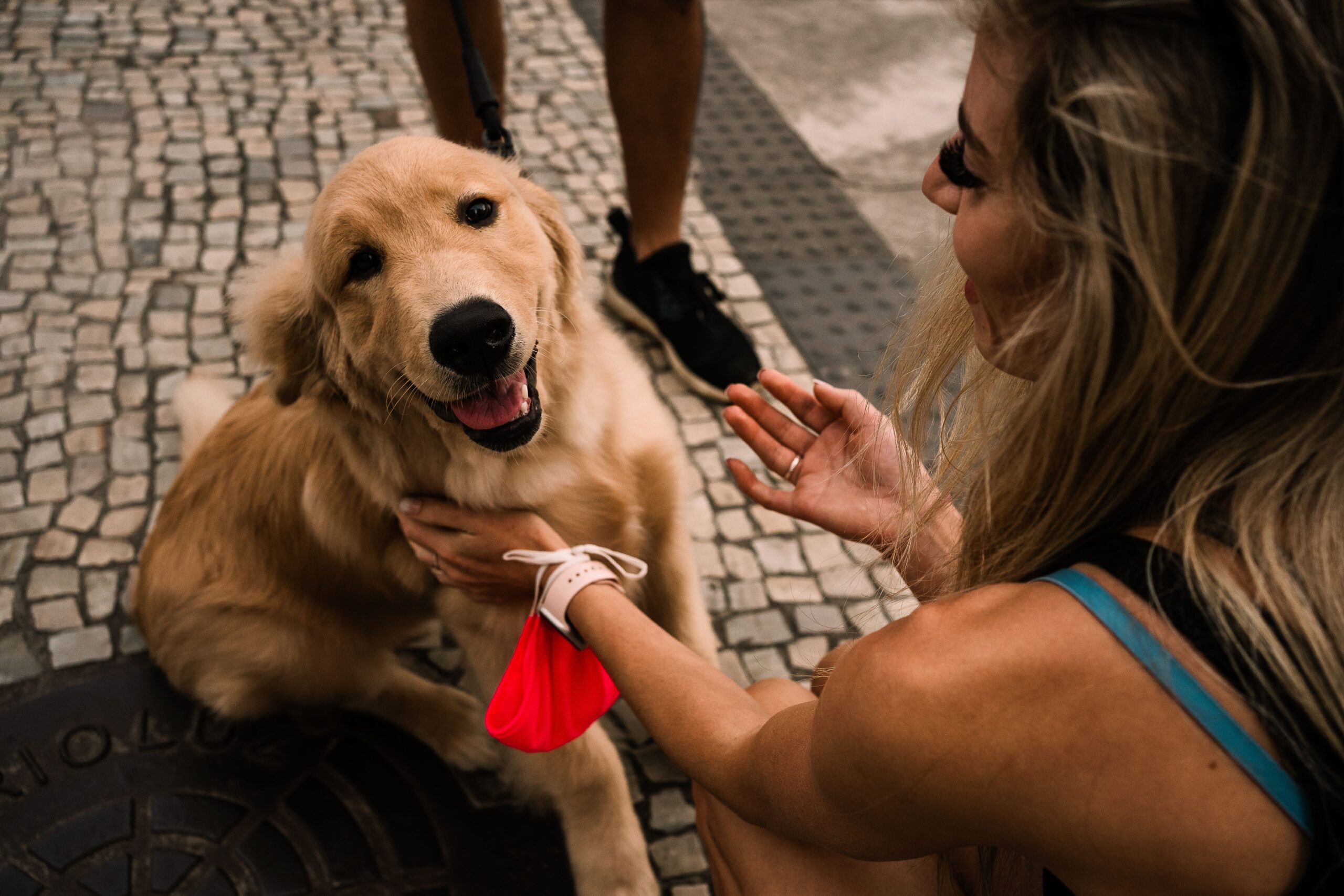
Golden retriever owners look so normal. Sunday hikes, muddy paws, a dog that greets every stranger like a long-lost cousin. Sweet, simple, wholesome – that’s the version they post.
Off the record, it’s a different story. Ask the right question at the right hour and you’ll hear confessions that sound less like “pet ownership” and more like a quietly devoted cult with excellent lighting. Baby voices that vanish the second a stranger walks in. Sleep schedules run entirely by a 70-pound dog. Playlists curated for a creature that cannot press play. If you’ve ever caught yourself doing something a little unhinged for your golden and thought, “is this normal?” – keep reading, because the answer is coming, one confession at a time.
#1 – Using “Baby Voices” That Vanish Around Humans
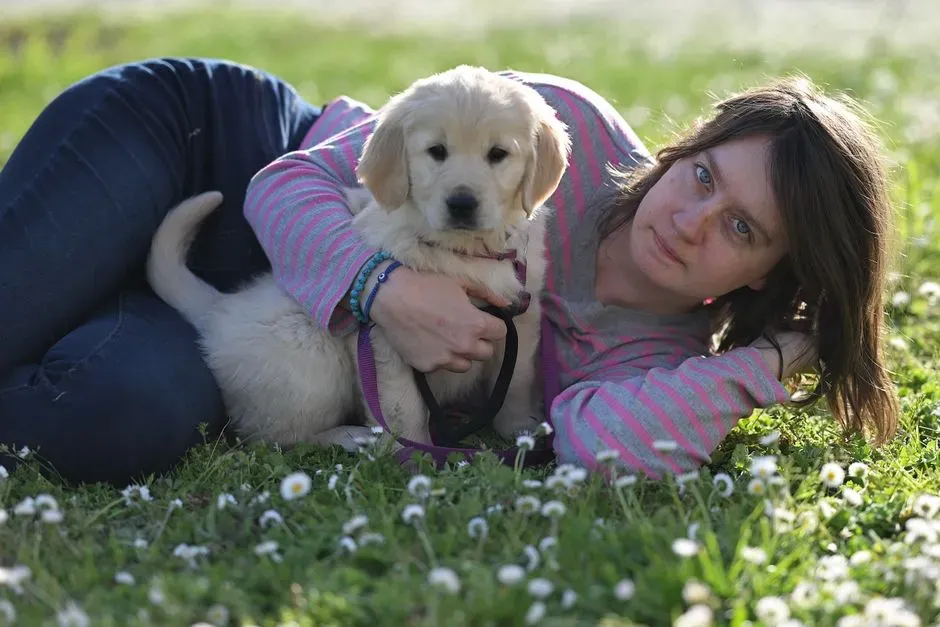
They’ll deny it, but many golden owners have a full-on alternate personality reserved just for their dog. Normal voice for work calls. Slightly friendly voice for neighbors. Then the door closes, the leash comes out, and suddenly they’re talking like a cartoon host of a toddler show.
They invent nicknames with zero linguistic logic: “Mr. Fluff Nuggets,” “Golden Potato,” “Sir Wigglebottom.” They narrate every move in a pitch three octaves too high: “Are we going to do a big pee-pee? Yes we are!”
They would rather delete their entire camera roll than be caught on video doing this. And still, they can’t stop – the tail wags harder, the zoomies get bigger, and the baby voice wins every time.
#2 – Rearranging Their Entire Bed Around One Sleeping Dog

Most people think the dog sleeps at the foot of the bed. Golden owners know that’s fiction. The golden sleeps wherever the golden decides, and humans fold themselves into whatever space is left, like furniture arranged around royalty.
They sleep diagonally so the dog’s hips stay “properly supported.” They cling to three inches of mattress edge while their “lap dog” sprawls like a starfish. Pillows get sacrificed. Nobody complains, because “he looks so comfortable, I can’t move him.”
They’d rather wake up with back pain than disturb the dog’s dreams. They buy a bigger bed “for us,” but everyone in the house knows exactly who it’s really for.
#3 – Cancelling Plans Because “The Dog Looks Sad”

Ask a golden owner why they bailed on dinner and they’ll mumble something about being tired. The truth? They saw one mildly droopy retriever face and decided the only ethical choice was to stay home and cuddle.
They read microscopic emotional shifts like medical charts – a slower tail wag, a sigh near the door, a longer stare as the keys jingle. Suddenly, going out feels like abandonment. They text “something came up” while actually parked on the couch with a dog head in their lap.
The guilt trip from those brown eyes beats any social FOMO, every single time. To outsiders it looks unbalanced. To them, it’s just obvious math: the dog’s whole day revolves around them.
#4 – Narrating Their Dog’s Thoughts Like It’s a Full-Time Job

Golden owners don’t just talk to their dogs. They talk as their dogs, with unsettling accuracy, flipping into “golden voice” without missing a beat. At dinner: “Excuse me, why is my bowl only 87% full today?” On walks: “Mother, that is clearly a murderous leaf. I must protect you.”
They’ll do this for hours, giving the dog a personality that’s oddly specific – picky foodie, chaotic toddler, judgmental roommate. Some couples fully argue through the dog’s “voice” instead of talking to each other directly.
They would never do this in front of strangers. But behind closed doors, the dog’s imaginary opinions somehow end up deciding what’s for dinner and when bedtime is.
#5 – Spending More on Dog Grooming Than on Their Own Hair
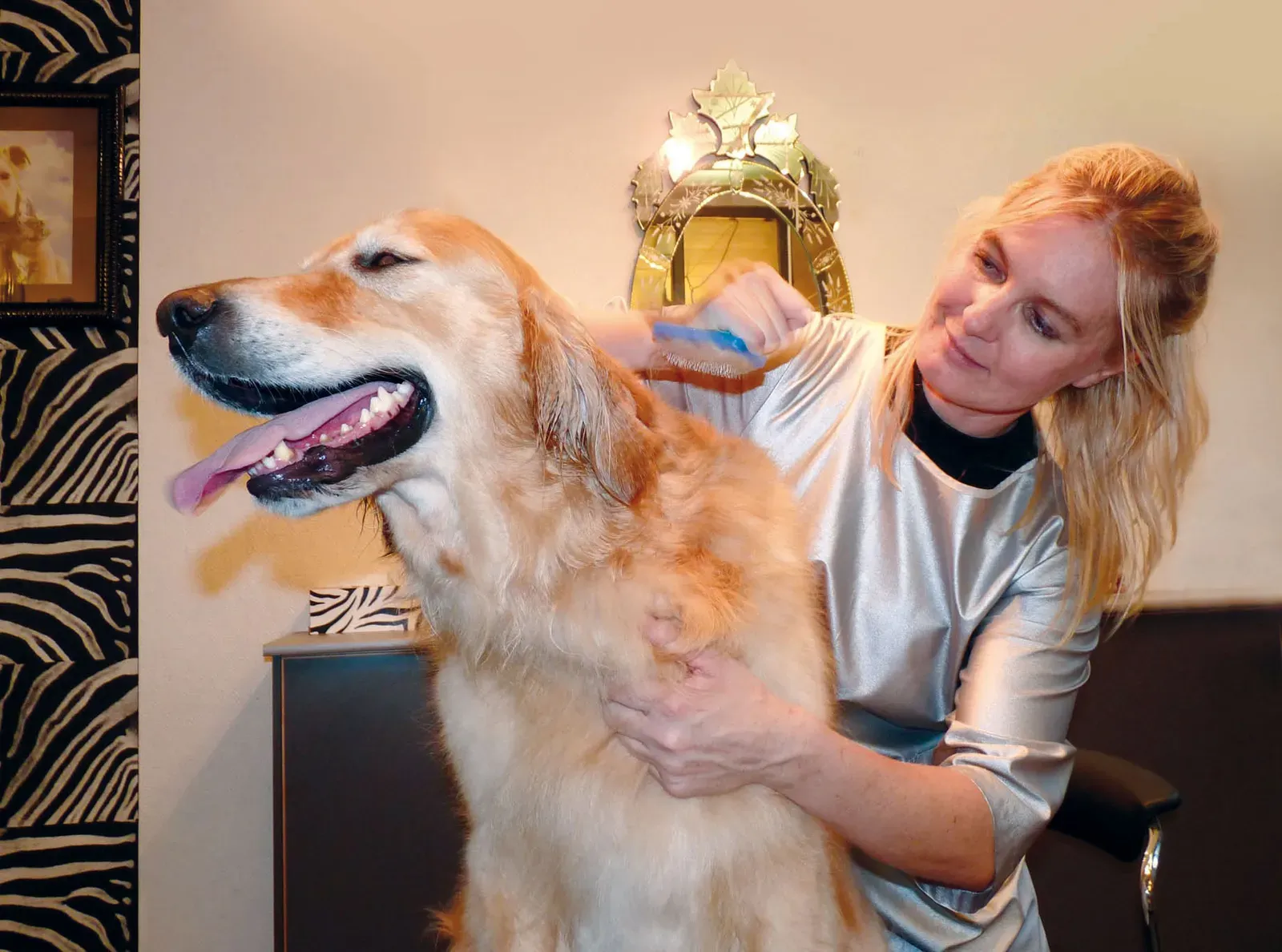
Ask a golden owner when they last had a professional haircut and you’ll get a shrug. Ask when their dog last had a bath, blowout, nail trim, and “pawdicure,” and they’ll give you the exact date and time.
They justify $80 grooming appointments as “health maintenance,” then hit a $12 drive-thru cut twice a year for themselves. Their camera roll is full of shiny, freshly brushed before-and-after shots, like a canine makeover reveal.
They know the groomer’s kids’ names but not their own barber’s. And when the dog comes home wearing a bandana? Instant photoshoot, no exceptions.
#6 – Pretending to Be Shocked by Fur While Secretly Loving It

They complain about fur constantly – on the couch, in the coffee, in the car vents. But offer most of them a completely non-shedding golden tomorrow and they’d quietly say no.
They keep lint rollers in every room, then stroke a shedding coat like therapy and look down proudly at fur-covered leggings: “this is my aesthetic now.” Dog hair on a black outfit becomes “proof I’m loved,” not a problem to solve.
Underneath the mock outrage is something simpler: they like what the fur represents. A home clearly, undeniably shared with a dog is a good problem to have.
Fast Facts
- Golden retrievers carry a dense, water-repellent double coat built for cold-weather retrieving, and it sheds heavily twice a year.
- Adult goldens typically weigh 55 to 75 pounds, with males usually heavier than females.
- The breed was developed in Scotland and wasn’t officially recognized by the AKC until 1925.
- Puppies from reputable breeders commonly cost between $1,000 and $3,500.
#7 – Curating a Voice in Their Head That Tells Them When They’re Wrong

Golden owners will admit their dog is cute. They will not admit their dog is also their moral compass. Yet they hear that silent judgment loud and clear.
Eat a second dessert? “Wow, must be nice, I only get kibble.” Raise their voice? Cue the wounded retriever eyes and instant crushing shame. They adjust real behavior based on what they imagine a dog is “thinking.”
The idea their dog could be disappointed in them hits harder than any human lecture. Ridiculous, maybe – but for a lot of owners, that quiet imagined judgment keeps them calmer and more patient than therapy ever has.
#8 – Turning the Camera on Faster Than Any Parent at a School Play
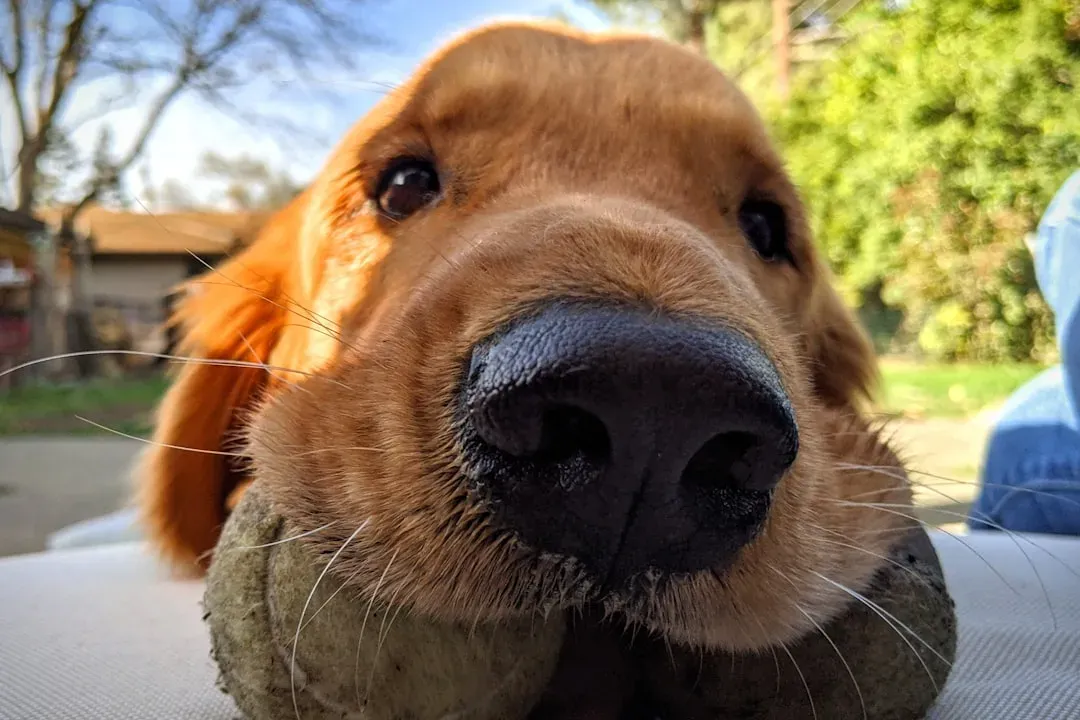
Golden people have one reflex: reach for the phone. Yawn? Record. Head tilt? Record. Slightly unusual sleeping position? That’s a five-photo series, minimum.
They swear they “hardly take pictures,” then scroll through 12,000 images of one dog doing the same four things in microscopic variation. They’ll delete vacation photos and family shots to free up storage before they ever touch the blurry picture of the dog half-blinking.
Some have entire cloud subscriptions that exist purely to store golden content. The folder names give it away: “First Snow,” “Wet Nose Close-Ups,” “Just Paws.” And yes, they’ve absolutely considered making a calendar.
#9 – Hosting Full-On “Conversations” in Public and Pretending It’s Normal

At home, talking to your dog is expected. On a crowded sidewalk, golden owners will still negotiate like their dog is a toddler with voting rights: “You promised you’d walk nicely if we went this way.” “We just peed at the last tree – this is excessive.”
They’ll discuss treat budgets, weather opinions, and weekend plans out loud while strangers politely look away. If someone overhears, they instantly act like it’s a random one-off, not the entire soundtrack of their daily life.
Deep down, they don’t care. The running commentary keeps them calm and keeps the dog engaged – and honestly, it feels more natural than small talk with actual humans.
#10 – Googling Health Symptoms for the Dog Faster Than for Themselves

Golden owners will walk off their own sprained ankle but sprint to the vet website the moment the dog sneezes twice. Their search history is roughly 90% canine diagnostics, 10% everything else.
“Golden retriever reverse sneeze.” “Is it normal for a dog to lick a paw for 7 minutes?” They become overnight experts in orthopedic beds, joint supplements, and weird grass-eating patterns.
Many can identify a hot spot faster than they can recognize their own flu symptoms. They’ll call the vet “just to be safe” and sit panicking in the parking lot. For their own symptoms, the plan is always “I’ll see how it feels next week.”
#11 – Building Their Entire Daily Schedule Around Potty Times
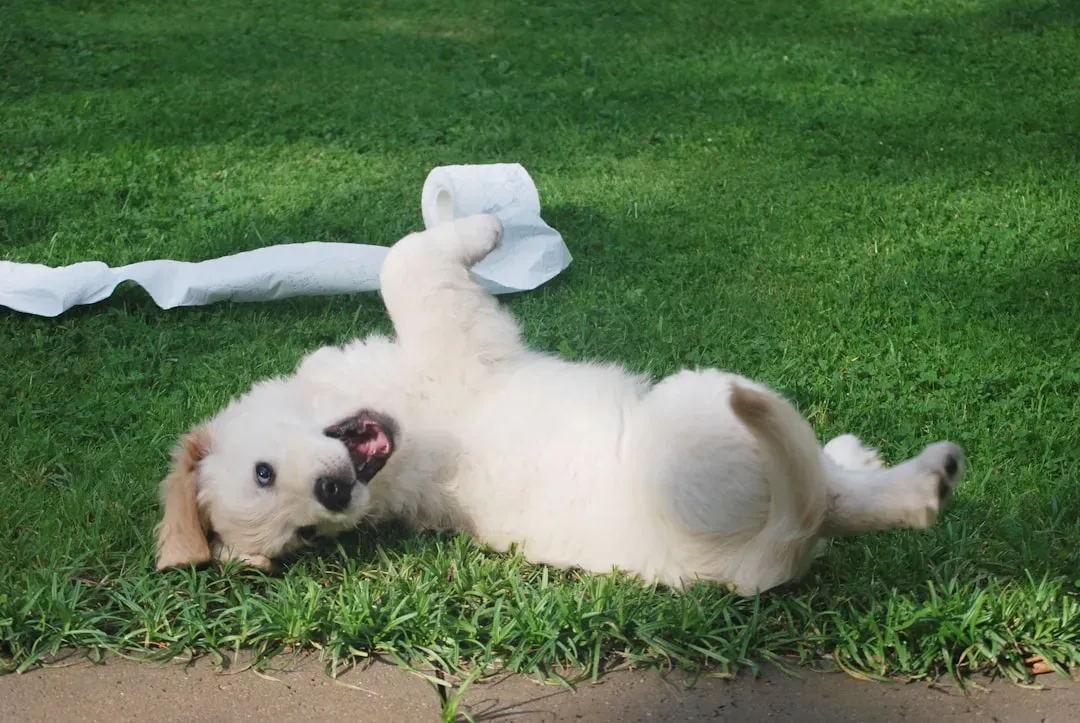
Most people see walking the dog as a task. Golden owners quietly admit it’s the skeleton of their entire day. Morning coffee happens after the first potty break. Lunch is timed around the midday walk. Social plans get filtered through, “can we go after 7? that works better with his schedule.”
They know exactly how long their dog can comfortably hold it, which weather slows him down, and which patch of grass is “lucky.” Vacations get chosen based on pet-friendly options, and work-from-home days get arranged so nobody has to rush.
The dog’s bathroom rhythm quietly runs everything from gym time to grocery runs. They’d never call it being controlled by a bladder. They call it responsible ownership.
#12 – Letting the Dog Completely Humiliate Them in Public… and Laughing

Golden retrievers are charm machines and chaos magnets in equal measure. Owners get dragged into puddles, ambushed by sudden zoomies, and publicly tackled by 70 pounds of wet fur, all while insisting, “he’s usually not like this,” for the hundredth time.
Mud on the jeans, hair on the lip gloss, paw prints on a brand-new coat – and still they defend the dog like a lawyer: “he’s just excited, he’s saying hi!”
Some secretly love the attention. A golden is basically a walking social icebreaker. They’ll cringe and laugh about it later in equal measure, because being “that person with the golden” is now part of who they are.
At a Glance
- Golden retrievers have ranked among the AKC’s top three most popular breeds in the U.S. for years running.
- Canine researcher Stanley Coren’s intelligence rankings place the breed 4th smartest among all recognized breeds.
- Their friendly, non-suspicious nature makes them poor guard dogs but excellent family companions.
- Goldens are widely trained as therapy, guide, and search-and-rescue dogs because they’re so easy to work with.
#13 – Treating Dog Toys Like Sacred Artifacts

Most people see a chewed-up stuffed animal. Golden owners see memories. That one-eared moose from puppyhood is untouchable. The decapitated duck is “his favorite, don’t throw it out.”
They step over a landmine field of squeakers and ropes rather than declutter. Broken tennis balls get gathered into a little pile “for later.” A toy that no longer squeaks is “retired with honors” to the top of a shelf.
Some toys outlive human relationships and still carry more emotional weight. Every attempt to purge the toy basket ends the same way: “okay, we’ll just keep this one.” And this one. And that other one.
#14 – Letting the Dog Decide When It’s Time to Wake Up

Alarm clocks exist. Golden owners know this. They just don’t use them. A wet nose, a heavy sigh, or a gentle paw on the chest decides when morning officially starts – weekdays, weekends, holidays, all the same.
They roll over, mumble protests, and still get up because “he never does this unless he really needs to go.” Half the time, the dog just wants breakfast early and knew exactly which move would work.
They grumble about lost sleep while making coffee with a wagging shadow underfoot. Deep down, they’ve accepted it: their circadian rhythm now belongs to a furry roommate.
#15 – Inventing Elaborate “Rules”… Then Letting the Dog Break All of Them

Golden owners love rules. “No dogs on the couch.” “No begging at the table.” “No sleeping in our bed.” These rules last approximately four days.
Soon the dog is on the couch “just this once,” getting a bite of chicken “because it’s a special occasion,” and sleeping in the bed “because there was thunder and he was scared.”
Every exception quietly becomes the new normal, and the humans pretend they had no say in the matter. They’ll tell friends, “we really shouldn’t let him do this,” while scratching his belly and sharing their fries. Boundaries exist in theory. In practice, the golden wins.
#16 – Using the Dog as a Built-In Excuse for Social Avoidance

Golden owners love people, in controlled amounts. When they’re done, out comes the ultimate exit line: “I have to get home to the dog.” It works for leaving parties early, skipping weekend trips, dodging awkward after-work drinks.
“He’s alone too long.” “She needs her walk.” “He gets anxious if I’m not there at night.” Sometimes it’s completely true. Sometimes it’s just the cleanest, least offensive excuse ever invented.
Nobody ever questions it. Say you’re tired and people push back. Say you have a golden waiting at home and everyone nods in solemn understanding. The dog is both responsibility and social shield.
#17 – Playing Psychologist With Every Tiny Quirk

Golden retrievers are expressive, but their owners take it to another level entirely. A new snore pattern? “Is he stressed?” A different spot on the couch? “Is she mad at me?”
They analyze body language like a therapy session in progress. A side-eye means jealousy. A deeper sigh means existential despair. A paw on the knee is clearly “seeking emotional connection.”
They’ll spend more time decoding one ear twitch than reflecting on their own coping mechanisms. To be fair, goldens really are sensitive dogs. But the overthinking here would make actual therapists nervous.
#18 – Secretly Ranking Humans Based on How the Dog Reacts
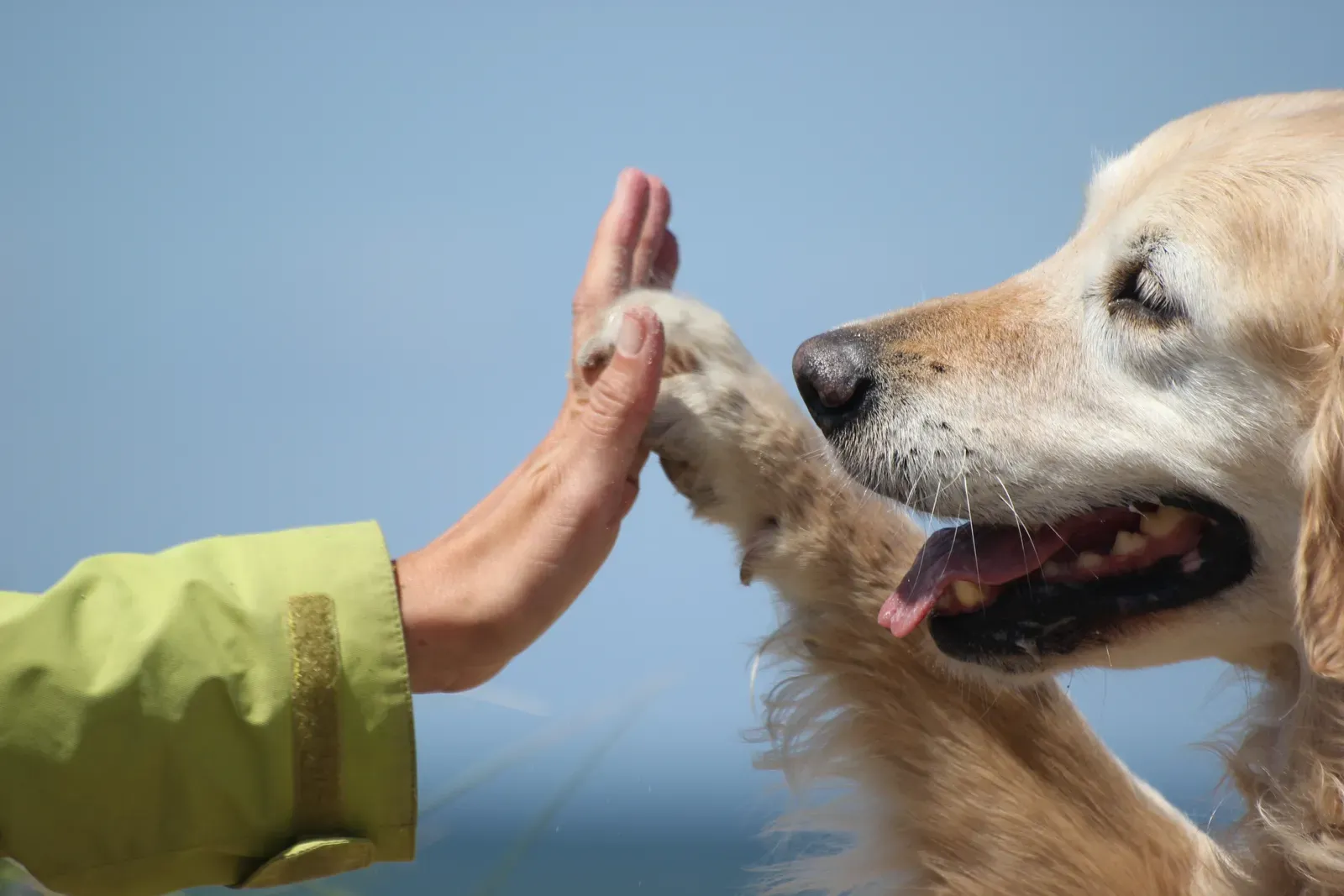
They’ll insist they “don’t judge.” But let the dog dislike someone and watch how fast that changes. Golden owners quietly track who gets tail wags, who gets polite sniffs, and who gets cautious distance.
If a usually social golden goes suddenly reserved, that person gets mentally filed under “questionable.” If the dog adores someone instantly, that person gets an automatic trust bonus, no interview required.
“If my dog doesn’t like you, I don’t like you” is half-joke, half-policy. They know it’s not exactly scientific – dogs react to smell, energy, posture. Doesn’t matter. If the golden hesitates, so do they.
Quick Compare
- Both goldens and Labradors regularly sit in the AKC’s top three most popular breeds nationwide.
- Labradors edge out goldens slightly in average lifespan, often reaching 12 to 14 years versus 10 to 12 for goldens.
- Goldens are known for a longer, feathered coat; Labs carry a short, low-maintenance one.
- Both breeds are prized as family pets and are frequently trained as service and therapy dogs.
#19 – Creating Full Playlists and TV Queues “For the Dog”

Most people put on background noise. Golden owners curate. There are “home alone” playlists, “storm anxiety” white noise tracks, and “chill evening vibes” for post-walk naps.
They swear their dog has preferences: “he relaxes more with acoustic,” “she hates loud commercials,” “he loves nature documentaries.” The TV stays on animal shows when they leave so the dog “has company.”
Some are genuinely convinced their golden has a favorite YouTube channel. They’d never admit to strangers they adjust volume and genre based on a head tilt. In their own minds, they’re just optimizing the dog’s whole audio environment.
#20 – Treating Every Minor Achievement Like a Nobel Prize
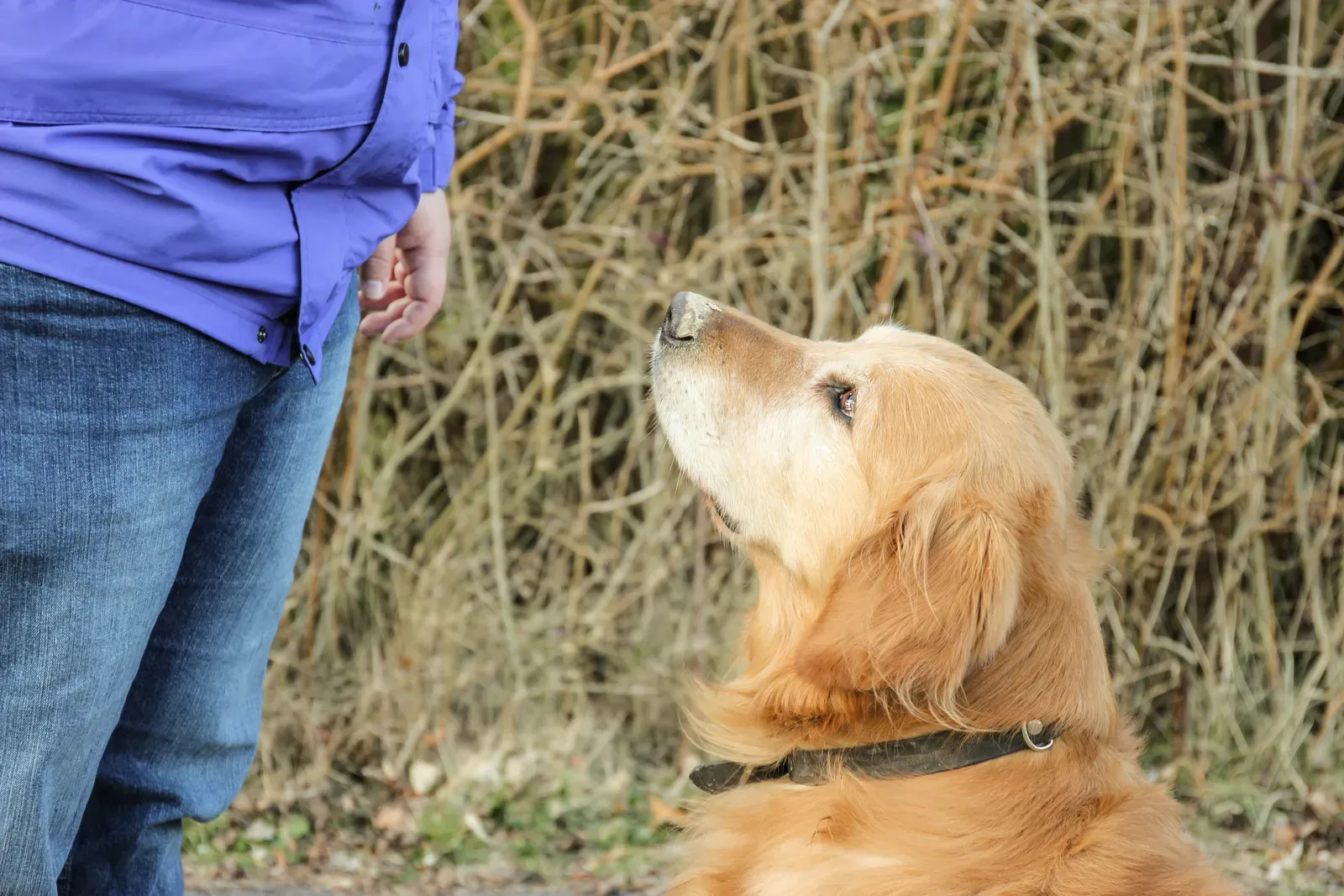
Sit? Genius. Shake? Prodigy. Successfully ignoring a squirrel for three whole seconds? “YOU ARE THE SMARTEST BOY IN THE WORLD!” Golden owners turn basic obedience into a full celebration.
High-pitched praise, clapping, excited narration aimed at anyone within earshot: “did you SEE that? he waited!” They act like the dog just solved quantum physics by calmly walking past another dog.
The best thing about a dog is that it will not divulge secrets.
Marlene Dietrich
Positive reinforcement matters, sure. But the theatrics here are next level – and the standards for “well-behaved” get hilariously, specifically low.
#21 – Feeling Personally Offended When Someone Calls Their Dog “Just a Dog”

Say “just a dog” to a golden owner and watch their soul leave their body for a second. They’ll keep it polite on the outside while the alarms blare internally.
This isn’t “a dog.” This is their hiking partner, therapist, best friend, and emotional support system, all rolled into one shedding machine. They may not say that part out loud, but they value the relationship on the same level as many human ones – sometimes higher.
They know not everyone gets it, and they’ve heard the “it’s just an animal” line before. But anyone who trivializes their golden moves down the trust ladder instantly. No argument. Just quiet distance.
#22 – Remembering Dog Milestones Better Than Human Birthdays

Ask them their cousin’s birthday and they’ll hesitate. Ask when their golden came home, or turned one, and they’ll give the exact date, the weather, and what brand of treats they bought that week.
They celebrate “Gotcha Day” harder than some people celebrate anniversaries – themed bandanas, extra-long walks, maybe a dog-safe cake. Many can list the exact day their golden lost his puppy teeth or finally learned a specific trick.
They’ll claim, “I’m so bad with dates,” then flawlessly recall the first beach trip, every vet visit, and every weigh-in. The priorities are obvious. They just never say it out loud.
#23 – Acting Like Their Dog’s Instagram Is “Just for Fun” When It’s Actually Curated

Plenty of golden owners start a pet account “as a joke.” Then, suddenly, there’s a consistent posting schedule, themed captions, hashtags, and carefully edited photos.
They track follower counts “casually,” trade tips with other dog accounts, and know exactly which angle makes their golden’s fur look the most “floofy.” They insist it’s not serious, right before spending twenty minutes choosing between two nearly identical photos.
Some even reply to comments in the dog’s voice and run polls about treat preferences. To outsiders it’s silly. To them, it’s a creative outlet and a way to freeze the good days in place.
#24 – Emotionally Collapsing at the Thought of Their Dog Aging
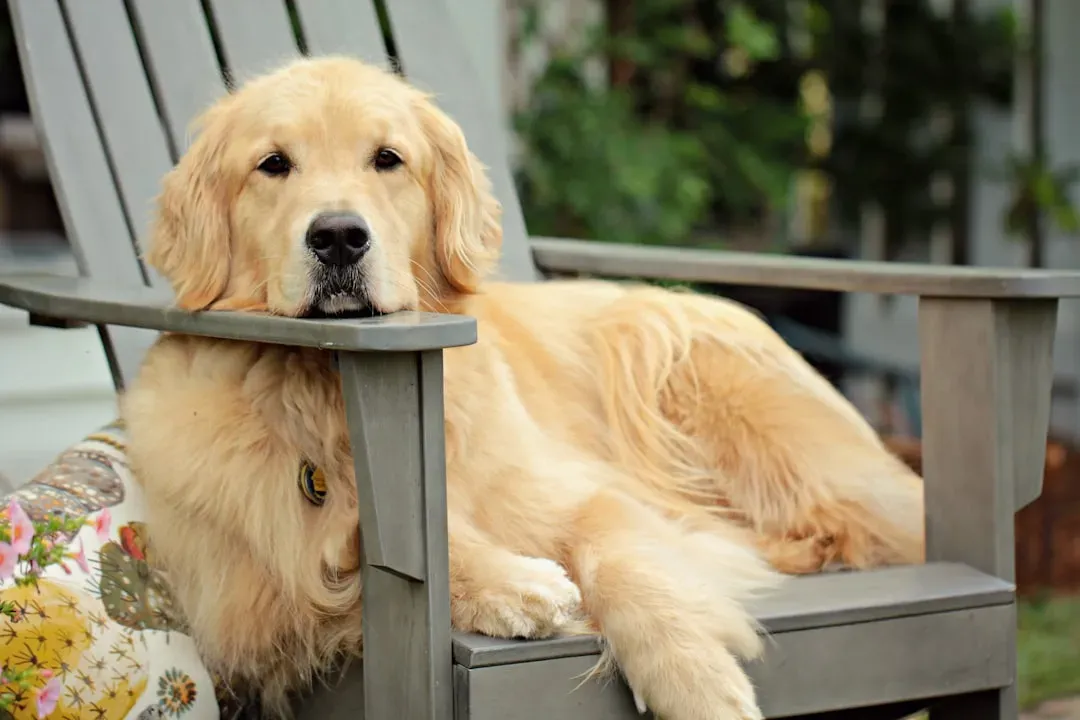
Under all the jokes and baby talk, there’s a quiet, heavy truth golden owners rarely say out loud: they think about losing their dog far more than they’ll ever admit.
One gray hair on the muzzle. A slightly slower climb up the stairs. Suddenly it’s midnight, they’re Googling senior dog care, and their eyes are wet for no reason they’d explain to a stranger.
Photos from puppy days hit differently now. Every birthday is joyful and a little terrifying at the same time. They hug tighter, linger longer, and sometimes cry quietly into that golden fur when nobody’s home. “Dogs just don’t live long enough,” they’ll say, then change the subject fast.
Worth Knowing
- The average golden retriever lifespan runs 10 to 12 years.
- Cancer is the breed’s leading cause of death, affecting roughly 60% of goldens at some point.
- Lean body weight and regular veterinary checkups are linked to longer, healthier senior years.
- Some well-cared-for goldens live well into their mid-teens.
#25 – Secretly Believing Their Golden Is the Best Thing That’s Ever Happened to Them

Here’s the thing golden owners never say plainly, because it sounds too dramatic out loud: this dog saved them, in big ways and small ones.
Maybe the golden pulled them out of a bad mental health spiral by forcing them outside every single day. Maybe it softened a rough childhood, helped carry them through grief, or simply gave daily structure when everything else felt chaotic.
They talk about having “a good dog,” but what they actually mean is: this creature made my life livable, lighter, more grounded. They’ll joke about being “obsessed with my dog,” and that joke is doing a lot of heavy lifting. For a lot of them, the golden isn’t a hobby. It’s the anchor.
The Bottom Line

Golden retriever owners like to pretend they’re just regular pet parents with some extra fluff on their clothes. The reality is messier, more intense, and a little bit unhinged – in the best possible way.
They rearrange their beds, their schedules, and honestly their entire emotional lives around one dog who can’t say a single human word back. And they’d do it again tomorrow without hesitating.
From baby voices to canceled plans to late-night panic over gray hairs, the “slightly crazy” stuff is really just love with the volume turned all the way up. Some people will call it excessive. Others will recognize themselves in every single point and still insist, “I’m not that bad.” So be honest – which of these did we expose you on, and what other wild golden-owner habits belong on this list?