
27 Things German Shepherd Owners Do That Would Baffle Everyone Else
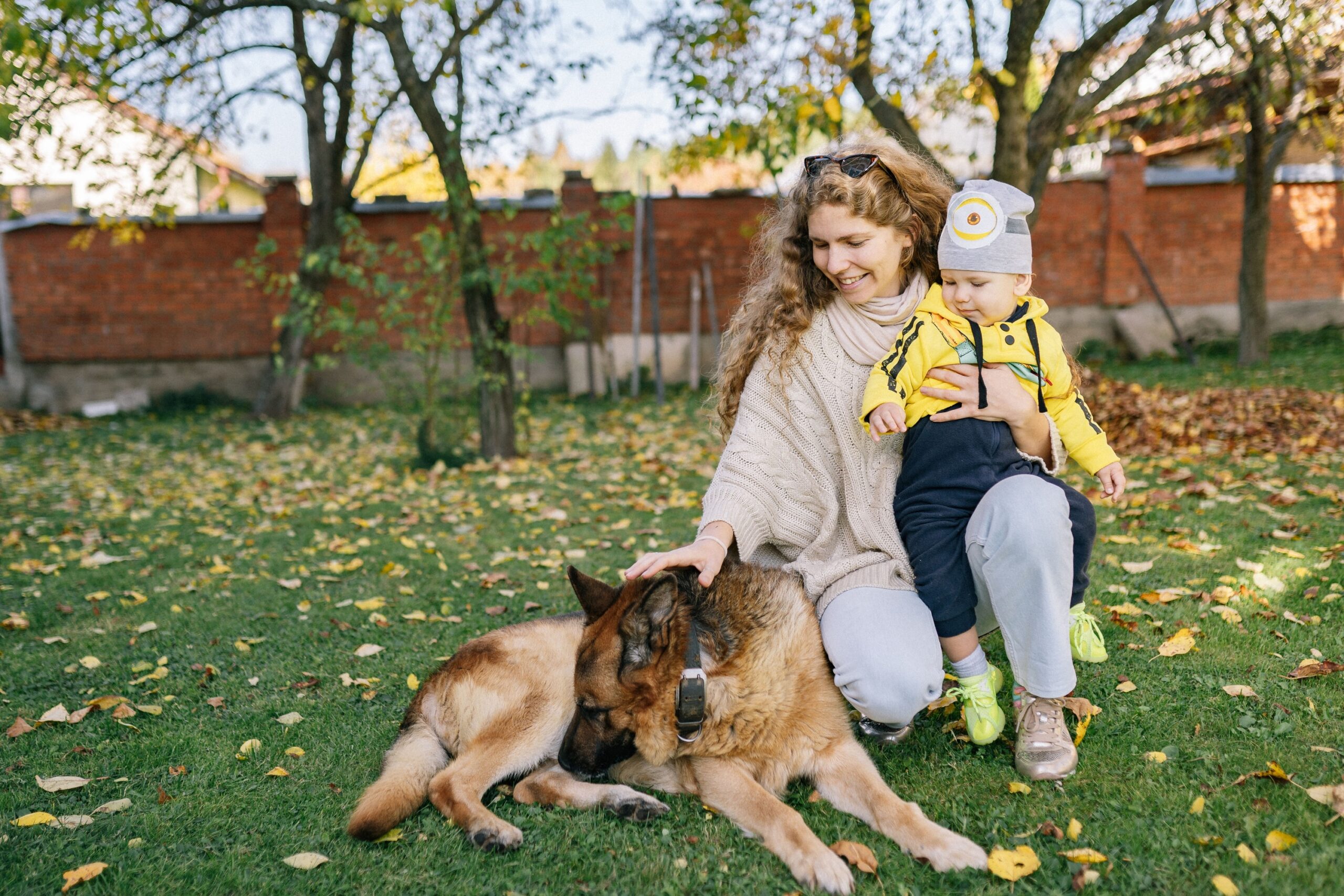
Most people think German Shepherd owners are just “dog people” with a slightly bigger dog. You’ve seen the fur on their jacket, the weird hand signals in the park, the way they turn down a friendly stranger’s request to pet their dog and thought, why is this so complicated?
Here’s the gap nobody warns you about: German Shepherds aren’t pets in the traditional sense. They’re working brains on four legs, and living with one quietly rewires everything from your morning routine to your dating standards. Below are 27 things real Shepherd owners do without blinking – habits that look extreme from the outside but make perfect sense once you understand what’s actually living in that house.
#1 – Scheduling Their Entire Day Around the Dog

German Shepherd owners don’t “fit the dog in” around their day. The dog is the day. Most people see a 70-90 pound animal and assume it just needs a quick walk around the block.
But Shepherds are working dogs bred to move, problem-solve, and guard, so owners quietly build their entire schedule around energy management. Morning is for a real workout, not a lazy shuffle. Evenings are for mental drills, not just Netflix.
- Work meetings get booked around walk times.
- Social plans get vetoed if they clash with training.
To outsiders, it looks obsessive. To Shepherd owners, it’s the only way to avoid a bored, destructive, neurotic dog. Skip a day and you don’t just get a restless pup – you get 80 pounds of pent-up horsepower with nowhere to put it.
#2 – Treating Training Like a Lifelong Part-Time Job
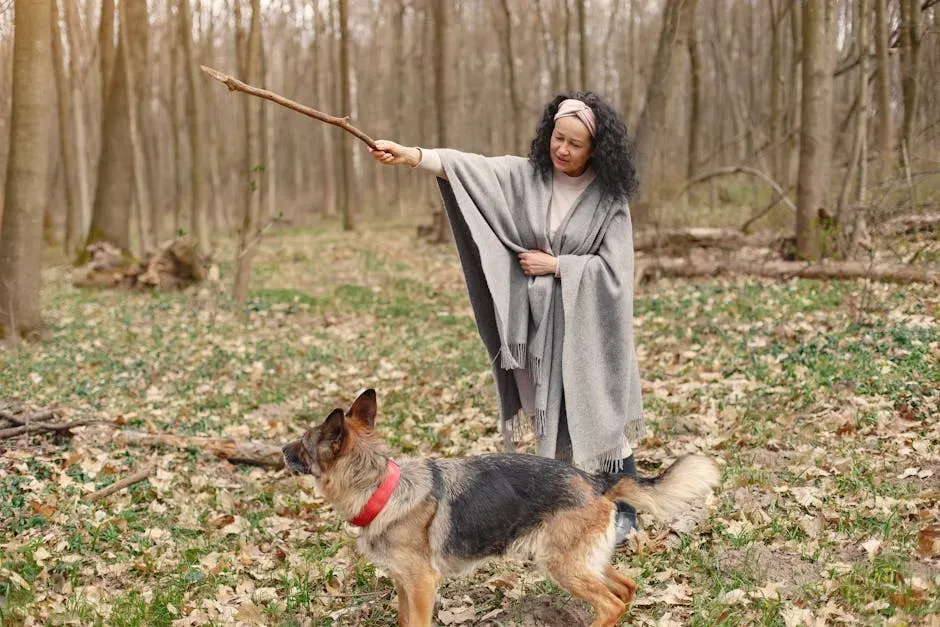
Most people take a puppy class and call it done. German Shepherd owners never really “finish” training, because they know this breed remembers everything – good and bad, forever.
It’s normal for them to run obedience drills in the kitchen while waiting for pasta to boil. Sit, down, heel, stay, place – it’s casual, constant repetition, not because the dog is “bad,” but because they’re managing a loaded brain that craves structure. They’ll toss in long down-stays in public or off-leash heel work just to keep that mind busy.
To outsiders it looks intense, even military. To a Shepherd owner, it’s maintenance – like brushing teeth.
#3 – Using Quiet Hand Signals Instead of Talking
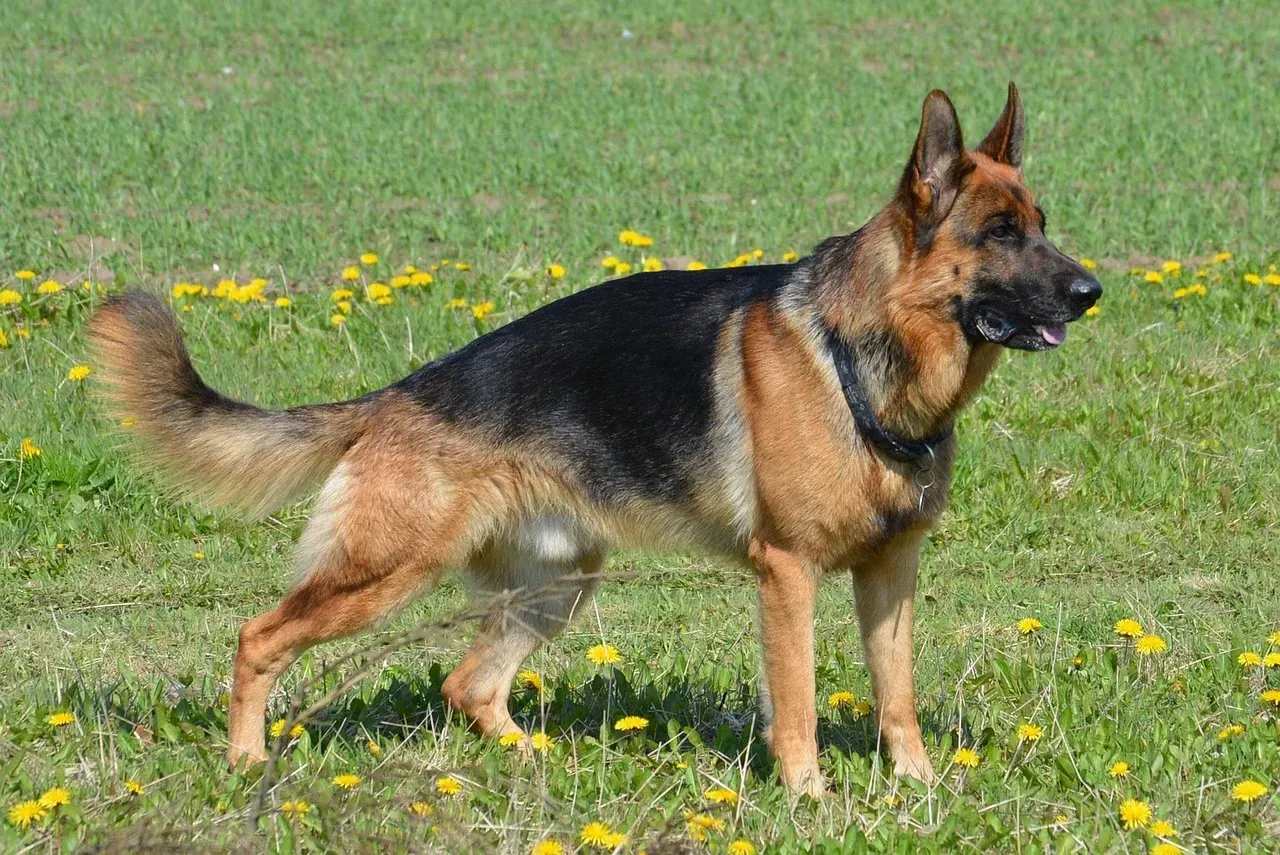
Most people just shout “Come!” at the dog. German Shepherd owners can control the entire animal with one raised finger, no voice required.
Because the breed is so tuned in, many owners train silent hand signals for every basic command so they never have to yell in public. A flat palm means stay, a point to the ground means down, a small wave means come – and the dog’s eyes never really leave them.
This freaks strangers out. They see a Shepherd lying calmly in a busy park, then rising and moving with almost no audible cue, and it looks like telepathy. It’s actually years of consistency and a breed built for handler focus.
#4 – Embracing Fur as a Permanent Part of the Decor
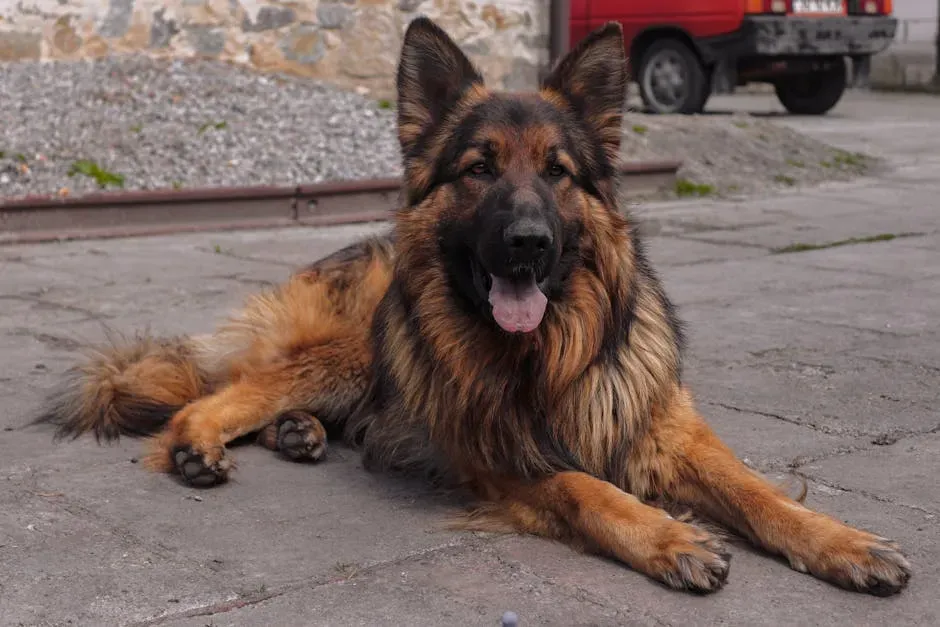
Most dog owners complain about shedding. German Shepherd owners just surrender. This breed doesn’t shed a little – they blow coat so intensely that entire tumbleweeds of fur roll across the floor.
Owners buy industrial-strength vacuums, stockpile lint rollers, and still show up to work dusted in a fine layer of hair. Dog fur on black pants isn’t a wardrobe malfunction – it’s a Shepherd-owner badge. Blankets go on the couch, slipcovers go washable, and bristle brushes multiply in every room.
Visitors ask, “Why don’t you just keep the dog off the furniture?” Shepherd owners just laugh. You don’t defeat the fur. You learn to coexist with it.
#5 – Caring More About Temperament Than Looks
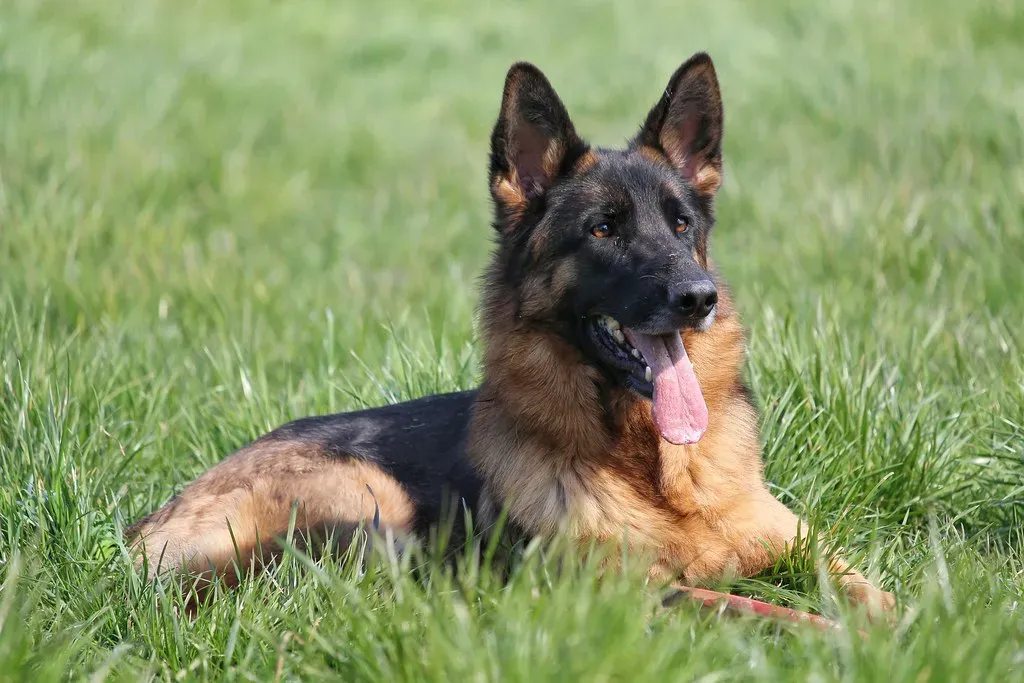
Most casual dog buyers obsess over color, coat pattern, or “that cute face.” Shepherd owners get suspicious the moment that’s the only thing someone asks about.
Experienced owners ask completely different questions: nerve strength, drive level, reactivity, work lines versus show lines, hip and elbow history. They’d rather have a plain sable Shepherd with rock-solid nerves than a photogenic beauty that falls apart under pressure. Many will flat-out pass on trendy “panda” or rare colors if they come with weak structure or unstable behavior.
To outsiders, that sounds cold. To someone living with a powerful guardian breed, brain and stability beat cute every single time.
#6 – Turning Walks Into Tactical Patrols
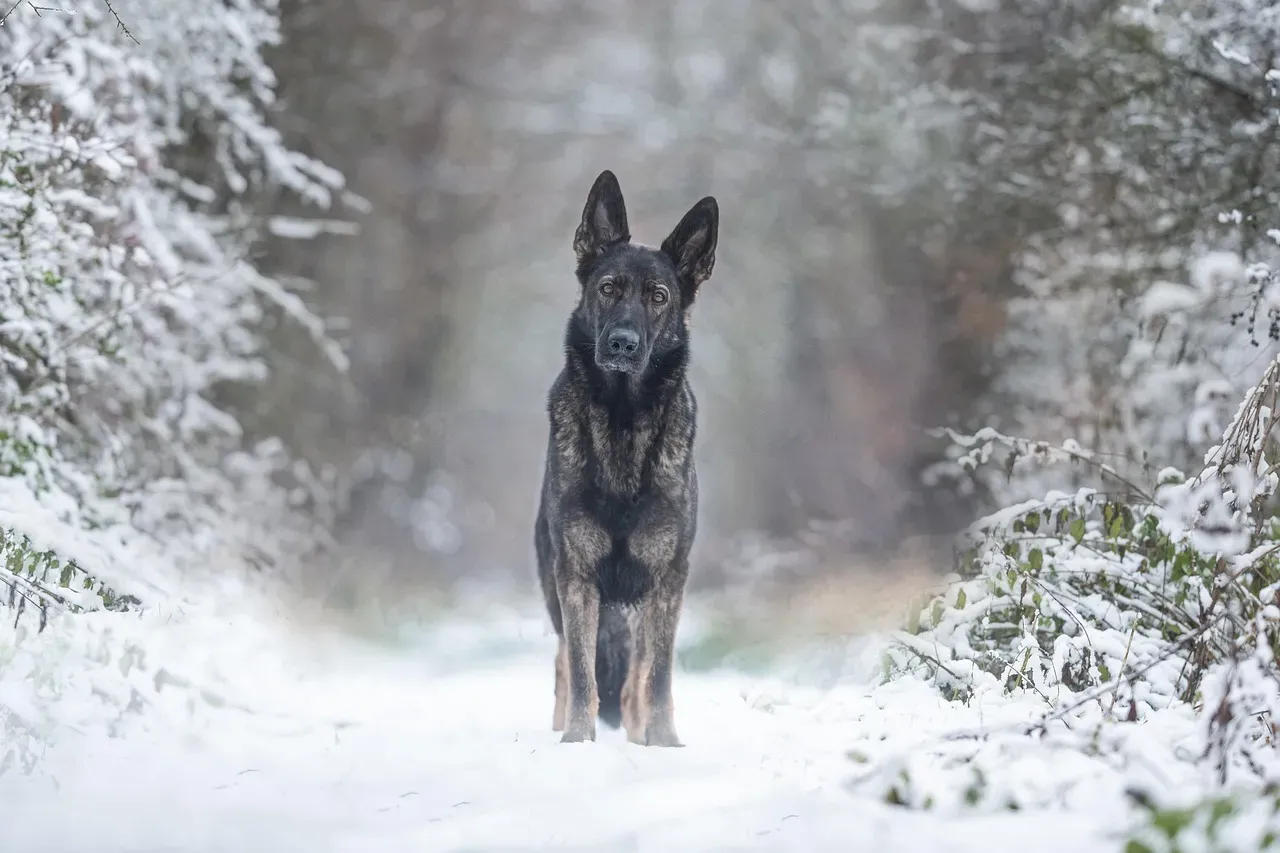
For most people, a walk is just a walk. For German Shepherd owners, it’s managed patrol duty, because these dogs naturally scan and catalog everything around them.
So owners practice structured walking: dog at heel, calm state of mind, no frantic sniffing or zig-zagging. It’s not about being strict – it’s about preventing the dog from quietly promoting itself to security chief. They’ll cross the street to avoid another reactive dog or block interactions with overly friendly strangers on purpose.
Outsiders think they’re being rude. In reality, they’re managing a dog that will absolutely step into a protection role if encouraged, even by accident.
#7 – Declining Random Petting Like It’s a Security Breach

Most dog owners beam when someone asks, “Can I pet your dog?” German Shepherd owners often say no and mean it – which feels harsh until you understand why.
Their dog isn’t a public emotional support plushie. It’s a highly intelligent guardian that bonds deeply to its people and reads strangers carefully. Uninvited touching can stress some Shepherds or trigger defensive instincts, especially from someone grabby or nervous.
Instead, many owners teach solid neutrality – the dog learns to ignore strangers rather than solicit affection. It looks “unfriendly” to golden retriever people. Shepherd owners don’t care; stable and non-reactive beats friendly-to-everyone.
#8 – Researching Nutrition Like Amateur Canine Dietitians

Most owners grab whatever kibble is on sale. Shepherd owners read ingredient lists like they’re decoding a secret file, because this breed is prone to digestive issues, food sensitivities, and skin problems.
Owners become borderline obsessive about protein sources, fillers, and joint-support ingredients. They debate raw feeding versus high-quality kibble, monitor poop consistency like a lab study, and switch foods the moment something seems off. Fish oil, glucosamine, and probiotics get discussed the way other people talk about coffee orders.
Friends roll their eyes and say, “It’s just dog food.” Shepherd owners have learned the hard way that a bad diet means itchy skin, loose stool, and expensive vet visits down the line.
#9 – Spending More on the Dog’s Health Than Their Own
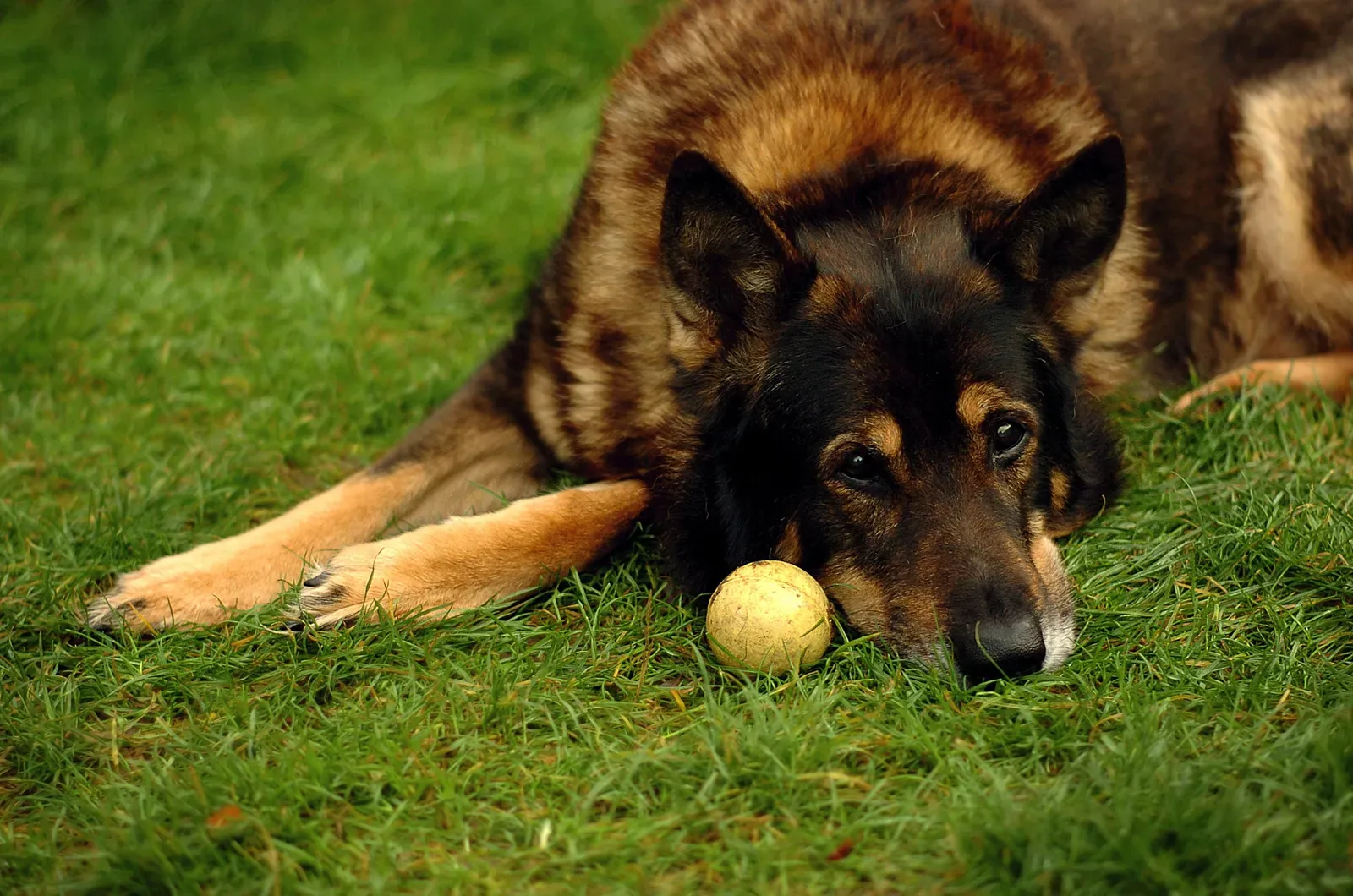
Lots of people say they’d “do anything” for their pet. German Shepherd owners quietly budget for it, because this breed carries known risks: hip dysplasia, elbow issues, and degenerative myelopathy are common topics in Shepherd circles.
So owners fork out for good breeders, early health screening, quality food, supplements, and often pet insurance. They plan ahead for X-rays, specialist consults, maybe hydrotherapy years before it’s needed.
Fast Facts
- Roughly 1 in 5 German Shepherds screened by the Orthopedic Foundation for Animals shows some degree of hip dysplasia.
- Elbow dysplasia turns up at a similar rate, close to 1 in 5 dogs evaluated.
- Degenerative myelopathy symptoms typically surface around age 8 or 9.
- Average lifespan for the breed runs roughly 9 to 13 years with attentive care.
To outsiders, it looks extreme – thousands on a dog while skipping their own dentist appointment. Shepherd owners don’t see it that way. They brought a powerful, complex animal into their home, and its comfort isn’t negotiable.
#10 – Turning the Living Room Into a Training Gym
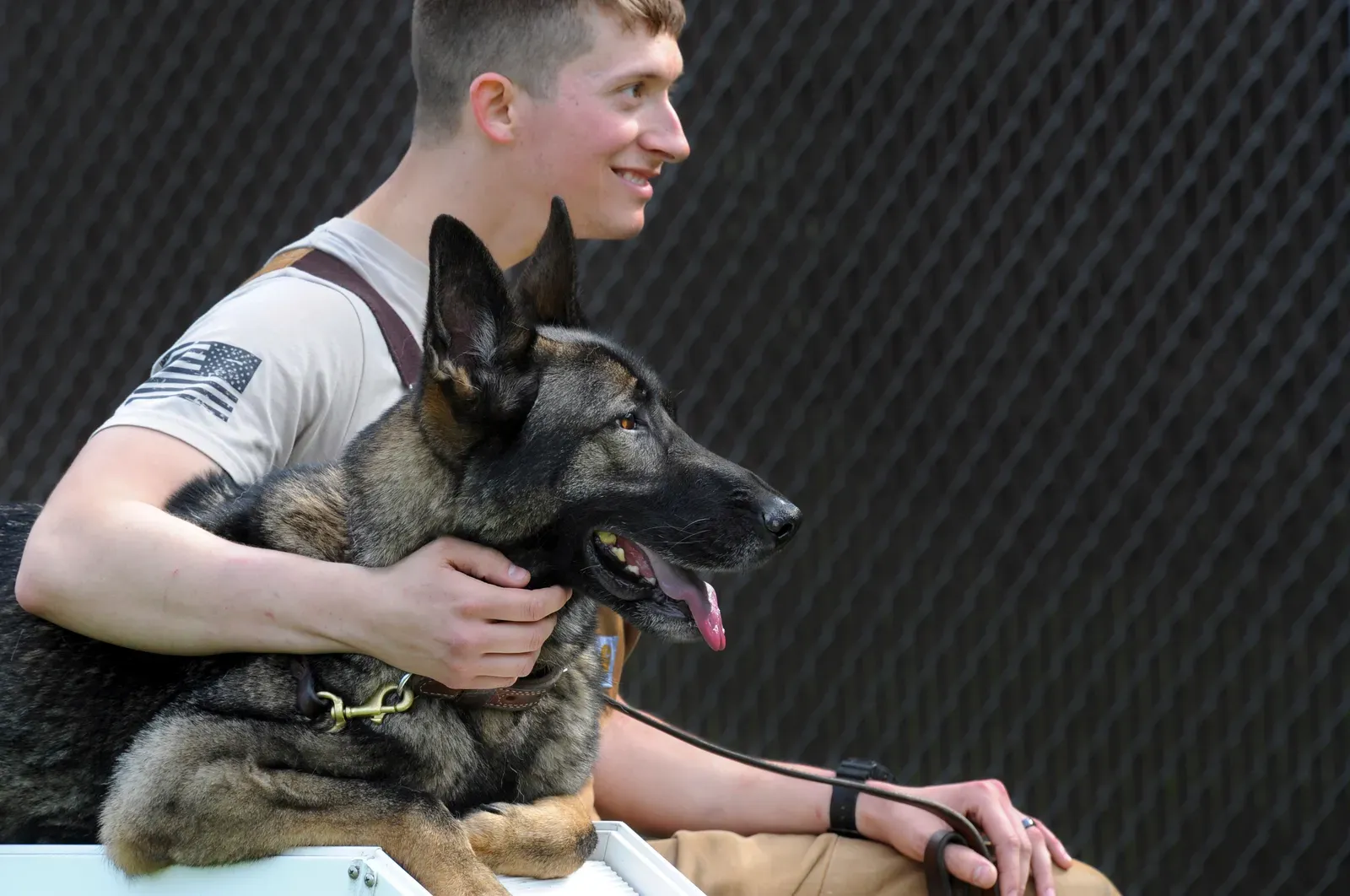
Most homes are decorated around style. Shepherd homes are decorated around function – balance discs, place cots, flirt poles tucked behind couches, puzzle toys, and a whole basket of training gear.
The living room doubles as an obedience ring, a confidence course, and a mental enrichment center. Guests step over a wobble board to sit down, and nobody blinks. Owners rehearse down-stays during TV shows or practice impulse control before tossing a ball.
It doesn’t feel like a production to them – just normal life. Outsiders call it exhausting. Shepherd owners call it the trade-off for a dog that can finally relax.
#11 – Reading Every Tiny Change in Behavior Like a Warning Light
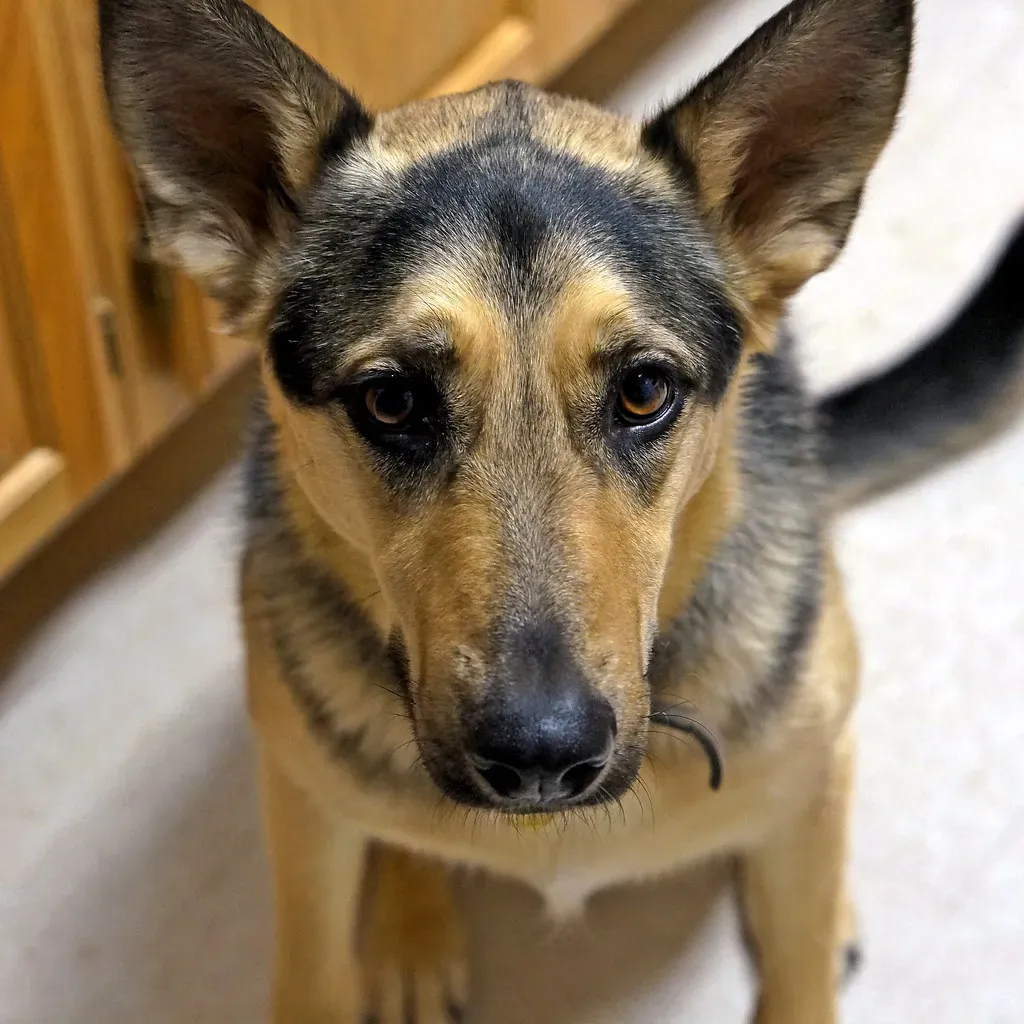
Most people only notice something’s wrong when the dog is clearly sick. Shepherd owners pick up micro-shifts long before that.
A slight change in ear carriage, a new hesitation on stairs, a slower response to recall – experienced owners treat these like early warning signals. They’ll adjust exercise, check paws and joints, or call the vet over what others would completely ignore. A usually confident dog acting suddenly clingy gets noticed too.
Outsiders call it overthinking. Years with a Shepherd teach you that small changes snowball fast if you dismiss them. It’s pattern recognition, not paranoia.
#12 – Accepting That Personal Space Is a Myth
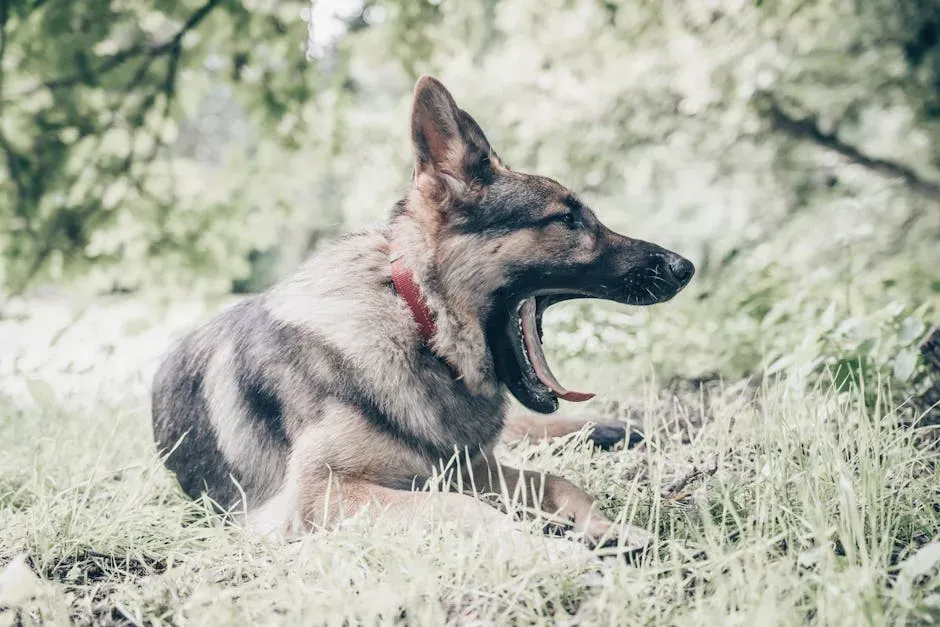
Most dog owners joke about “velcro dogs.” Shepherd owners live with the industrial-strength version of the joke.
This breed bonds hard. Many Shepherds follow their person from room to room, lie outside the shower, and sleep facing the door. Owners just accept that being watched 24/7 is part of the deal. Work-from-home days come with a furry shadow parked at your feet, every single time.
Friends think it looks clingy, even unhealthy. From the dog’s perspective, it’s just doing its job: stay close, monitor, protect. And most owners secretly love it, even while pretending to complain.
#13 – Letting the Dog Choose Its “Perimeter” in the Home
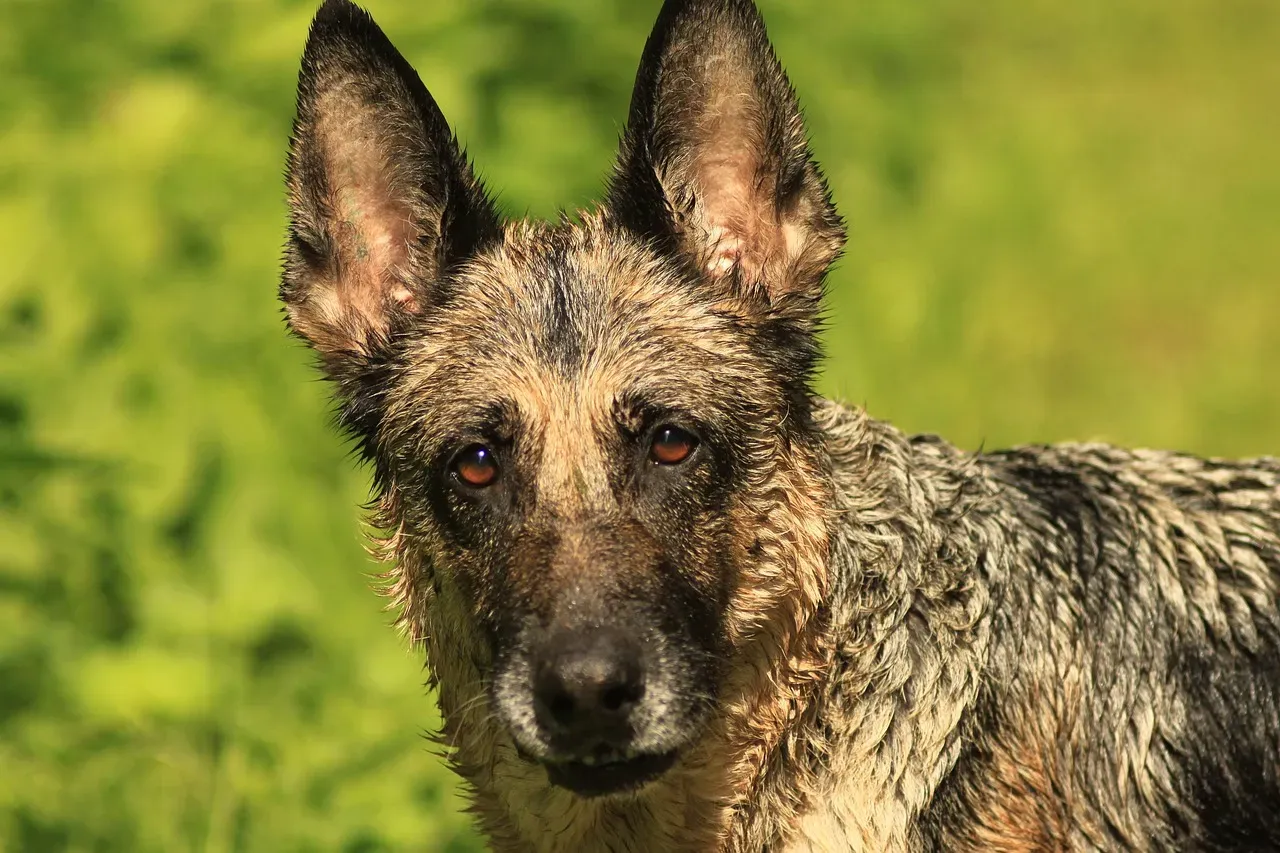
Most people decide where the dog sleeps. Shepherd owners often let the dog decide – within reason – because they’ve noticed the pattern.
The dog settles by the front door, in the hallway between bedrooms, at the top of the stairs. These spots aren’t random – they’re strategic vantage points chosen to monitor movement and sound. Many owners leave those spots accessible, even if it means rearranging furniture around a dog bed.
Guests wonder why the dog always lies in that one weird spot. It’s because that’s where it can see and hear everything. Letting the dog keep its self-appointed post often makes it calmer, not more territorial.
#14 – Being Picky (Sometimes to the Point of Rude) About Dog Parks
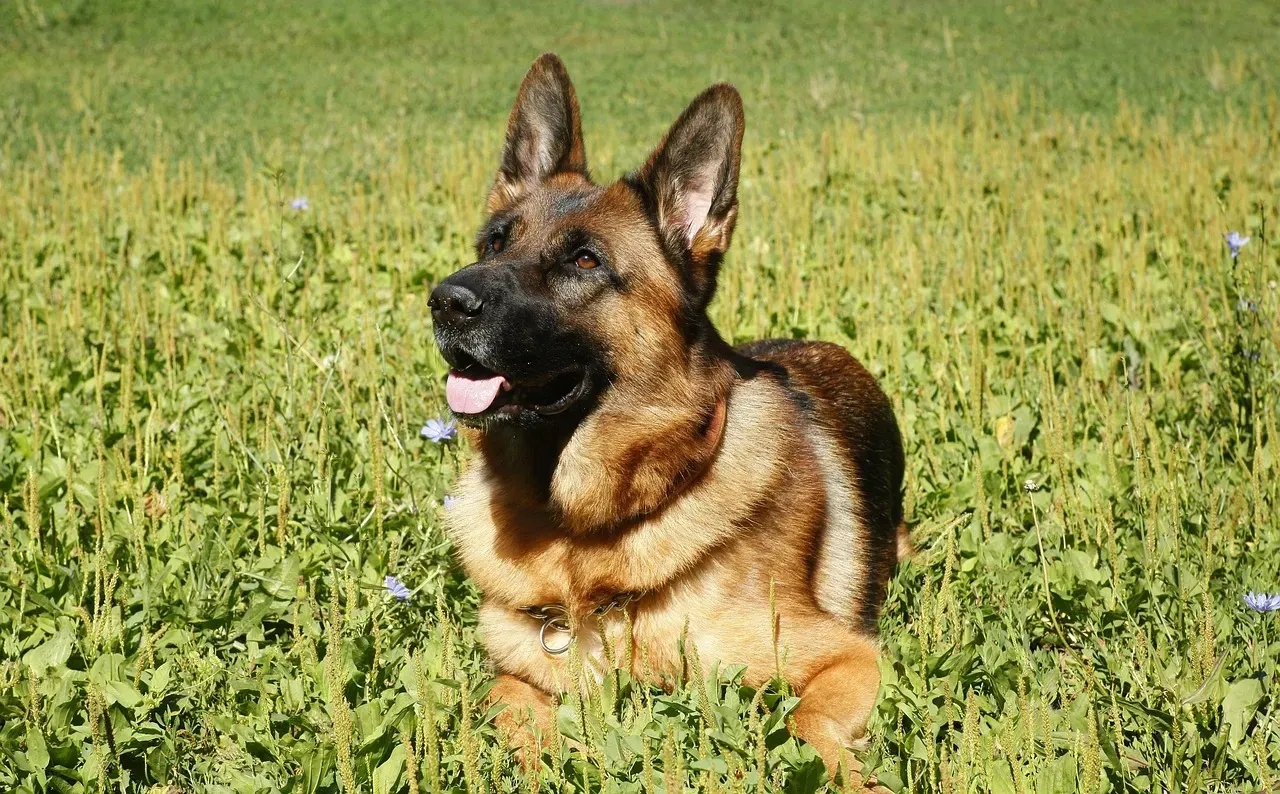
Lots of people assume all dogs love dog parks. German Shepherd owners are often the first ones to say, “Absolutely not.”
With a breed this powerful and intense, a chaotic off-leash pack of unknown dogs is often a hard no. They worry less about their own dog and more about the unstable, poorly supervised pets that trigger fights in the first place. Structured play with known dogs wins every time.
Quick Compare
- Dog park free-for-all: unknown temperaments, zero supervision guarantees, high odds of a scuffle starting fast.
- Structured playdate: known dogs, matched energy levels, an owner actually watching body language the whole time.
- Off-leash trail with one buddy: plenty of stimulation with far less risk than a crowded fenced pen.
To others it sounds snobby. But Shepherd owners know one bad incident can create lifelong reactivity or fear, and they’ll happily play the buzzkill if it protects their dog’s mind.
#15 – Talking to Their Dog Like It Understands Complex English
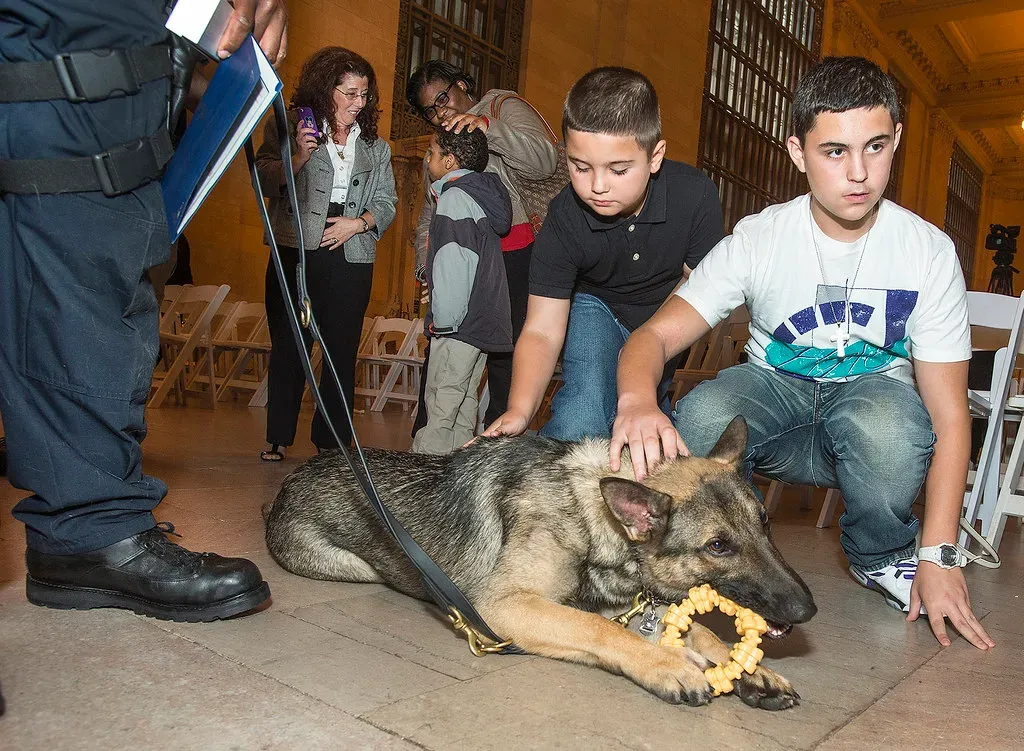
Most people use baby talk or simple commands. Shepherd owners hold full-on conversations, narrating the plan out loud like the dog is a passenger, not a pet.
“We’re going to the vet, then the store; you’re staying in the car for five minutes.” It sounds ridiculous until you realize these dogs pick up patterns, tone, and a surprising number of words. Owners swear their Shepherd knows the difference between “park,” “training,” and “grandma’s house.”
Outsiders think they’re anthropomorphizing, and sometimes they are. But when a dog reads eye contact, body language, and dozens of verbal cues, “just a dog” stops feeling accurate.
#16 – Treating Playtime Like a Serious Workout

Fetch, for most people, is casual. For Shepherd owners, it’s structured cardio meets impulse control, with rules built into every round.
Wait before the throw, return directly, drop on command, sit before the next round. Tug isn’t a chaotic wrestling match – it’s a game with a clear start and a clear stop. The fun is real, but so is the structure underneath it.
People who think “play” should be wild and free find this confusing. Shepherd owners know letting a high-drive dog spin itself into chaos just creates a more frantic, less controllable animal.
#17 – Baby-Proofing the House…for a Dog
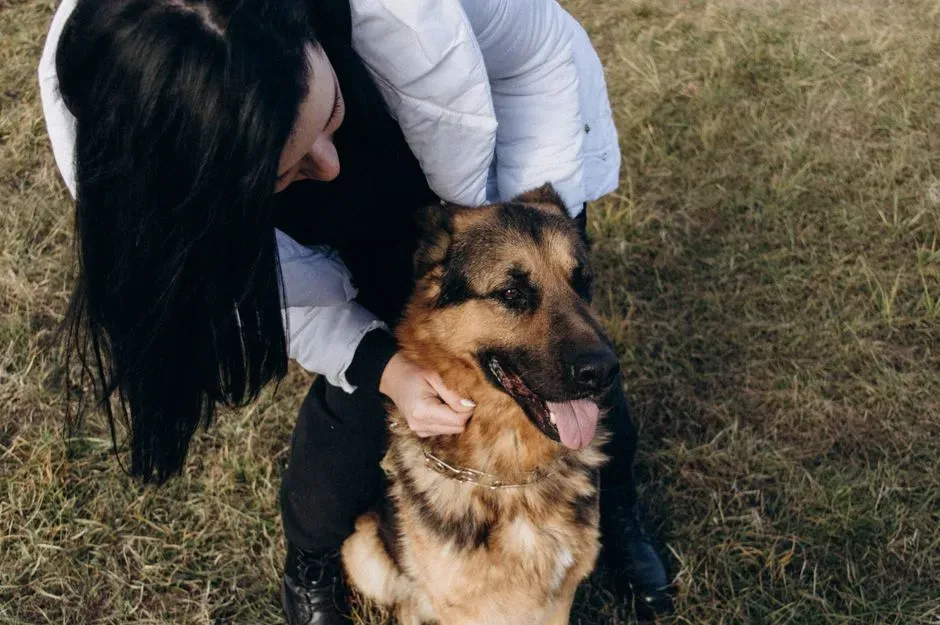
Most people baby-proof for toddlers. Shepherd owners quietly baby-proof for a 90-pound adolescent with jaws and zero impulse control.
During the teenage phase, these dogs get mouthy, curious, and destructive fast. Owners latch trash cans, secure cabinets, hide cords, and crate train, because they know one bored afternoon can equal shredded drywall and swallowed socks. They remove the temptation instead of betting on willpower.
Friends call it overkill. Experienced owners call it cheaper than emergency surgery.
#18 – Knowing Every Sound Their Dog Makes by Heart
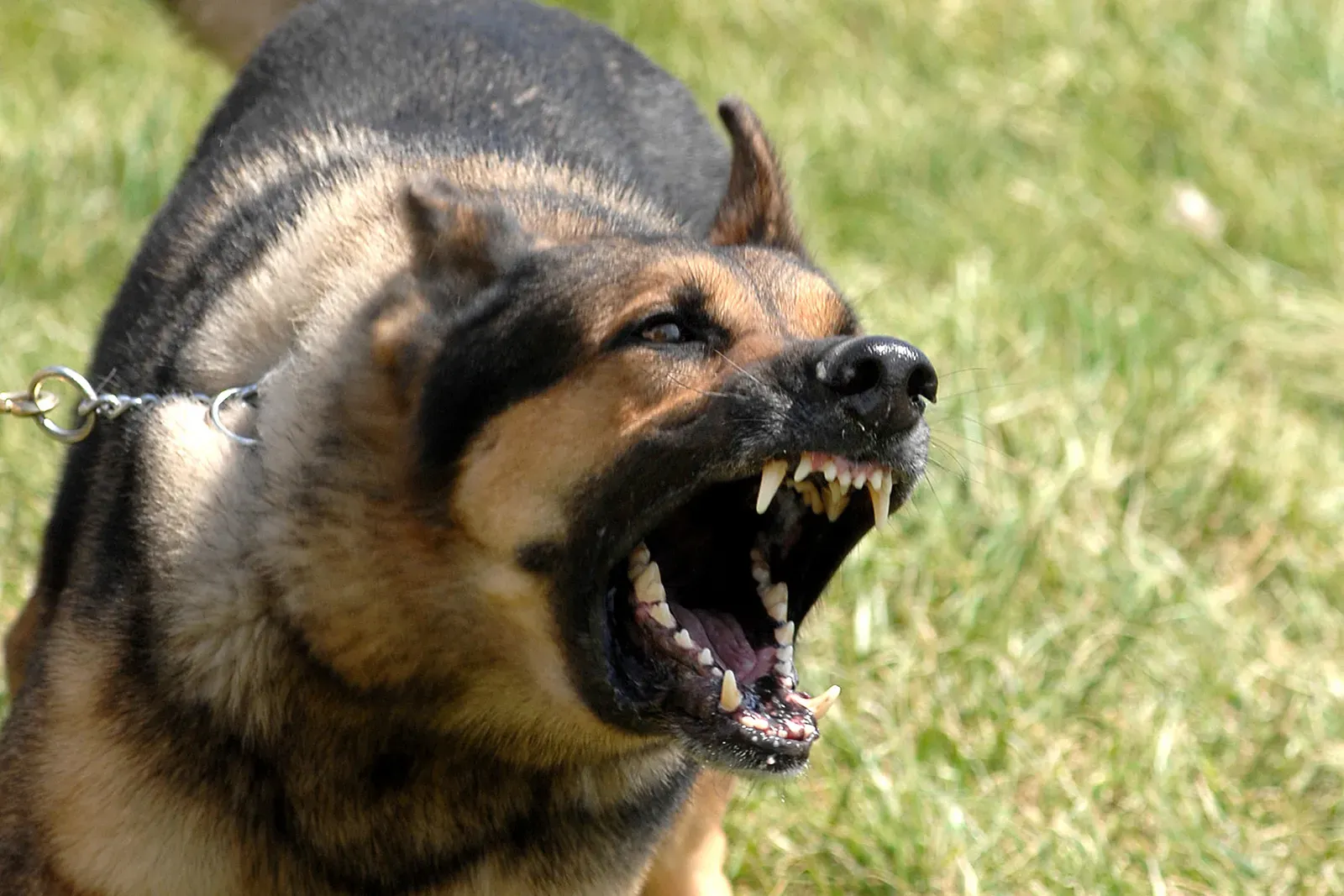
Most owners know a bark means someone’s at the door. Shepherd owners can tell you exactly what kind of bark it was, and why.
Alert barks, frustrated barks, “play with me” barks, and that low, terrifying “this is serious” tone all sound completely different. Owners learn to interpret the difference between a half-hearted woof at a squirrel and a genuine warning – along with the whines, huffs, and little groans that mean “my hips are stiff today.”
At a Glance
- Sharp, repeated bark: a genuine alert – something’s actually there.
- Single woof, quick stop: mild curiosity, not a real concern.
- Low growl-bark combo: a serious warning worth checking out now.
- High-pitched whine: often discomfort, stiffness, or a need to go outside.
Outsiders hear noise. Owners hear information, and they often act on it faster than they’d react to a text message.
#19 – Being Weirdly Calm About Protective Behavior…Up to a Point
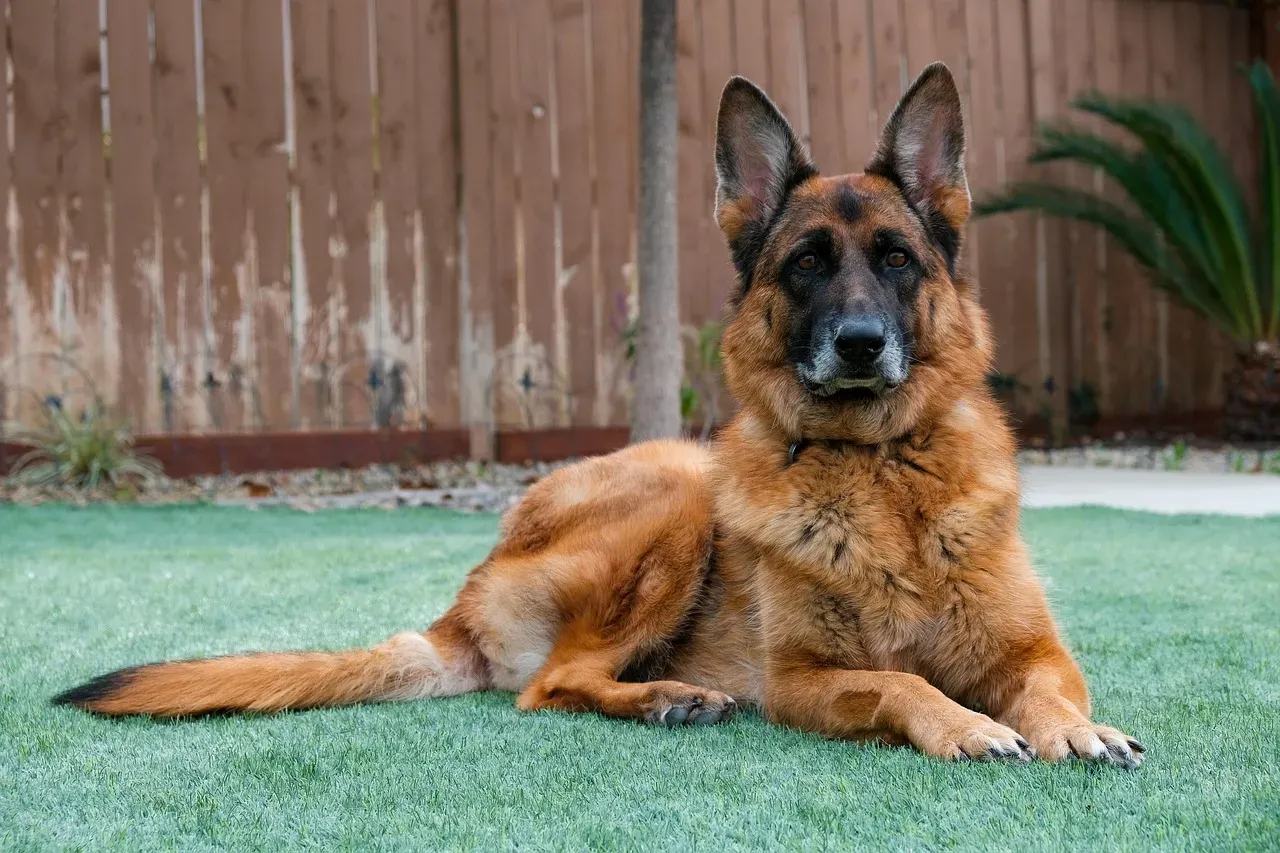
A lot of people either encourage guarding or panic at the first growl. Shepherd owners walk a narrow line between the two, because they expect some natural protectiveness.
A Shepherd that barks when someone’s creeping around the yard at midnight isn’t “aggressive” – it’s doing the job it was bred for. Owners acknowledge it, then calmly redirect: “Good alert, that’s enough now.” No hyping the dog up, no shutting it down completely.
You don’t punish an alarm system for going off. You teach it when to stop ringing.
Common advice among Shepherd trainers
To outsiders, this looks confusing. To Shepherd owners, it’s the entire skill of managing a guardian breed without turning it into either a liability or a nervous wreck.
#20 – Socializing Aggressively (When the Dog Is Young)
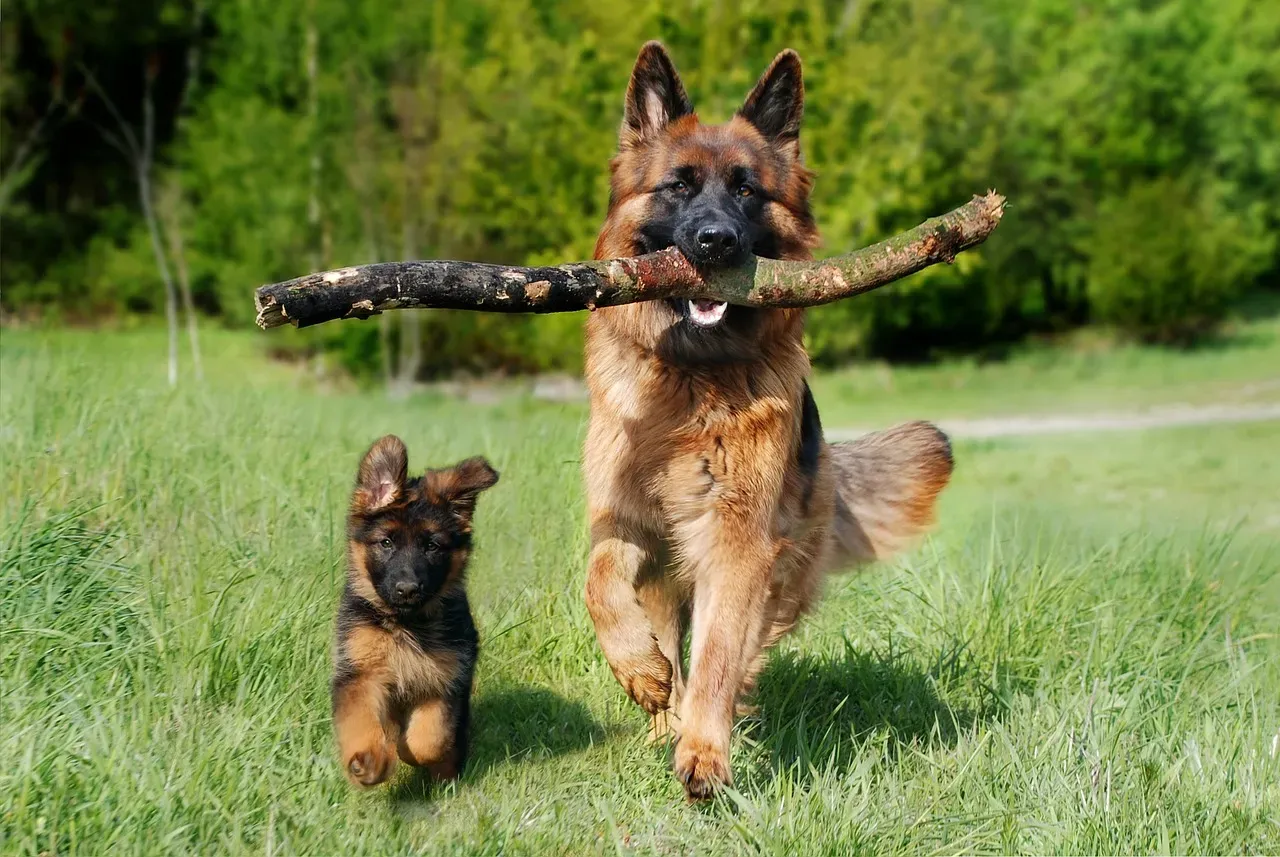
Some owners think socialization means a couple of puppy playdates. Shepherd owners treat it like a mission with a closing deadline.
They expose their dog, carefully, to city streets, rural areas, kids on bikes, people in hats, loud traffic, calm parks – not to make it love everyone, but to prove the world isn’t automatically a threat. Friends roll their eyes: “You’re taking the dog to Home Depot again?”
But that window closes fast. A well-socialized Shepherd is stable and confident for life. Skipping this phase isn’t “no big deal” – it’s gambling with the dog’s future.
#21 – Adjusting Their Entire Social Life Around the Dog’s Needs
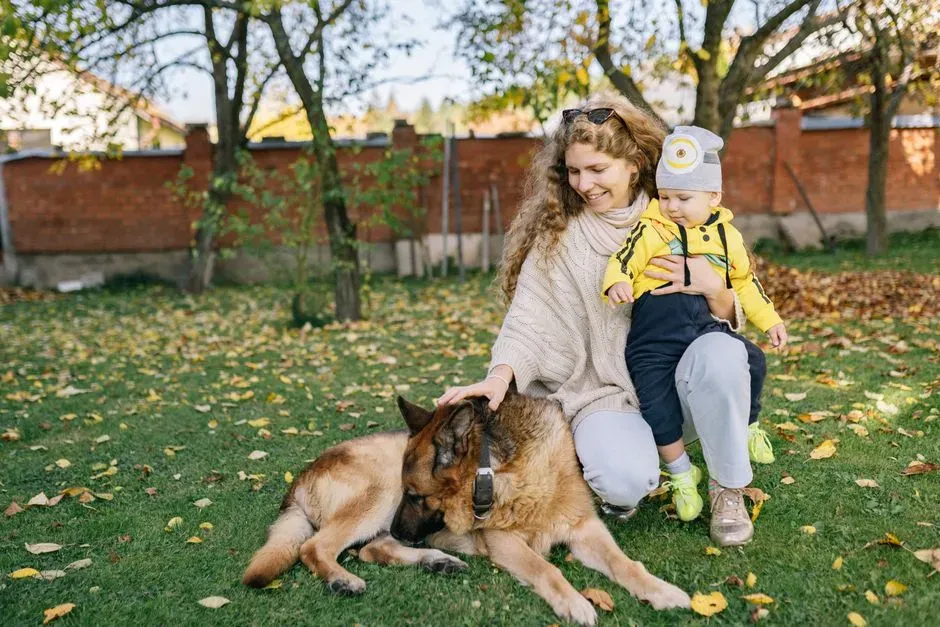
Most people get a dog and keep their lifestyle the same. Shepherd owners often quietly rewire theirs from the ground up.
Late nights out get rarer, because leaving a working-breed dog crated for 10+ hours is a recipe for disaster. Vacations shift toward dog-friendly cabins instead of crowded resorts. Some owners won’t seriously date someone who “doesn’t like big dogs.”
Friends assume they’re choosing the dog over people. Really, they’re choosing responsibility – a high-drive, high-commitment animal doesn’t stay background noise for long.
#22 – Obsessing Over Genetics and Breeding Lines

Most dog owners barely know their pup’s parents’ names. Shepherd owners can talk pedigrees for an hour without stopping for air.
They ask about working titles, hip and elbow certifications, longevity in the line, and nerve stability. They’ll openly reject backyard-bred or “purely pretty” Shepherds with no health or temperament testing, sometimes traveling states or even countries for a pup from proven lines.
Worth Knowing
- OFA and PennHIP certifications screen breeding dogs for hip and elbow soundness before puppies are ever produced.
- Working titles like IPO/Schutzhund or herding trial results signal proven nerve and drive, not just paperwork.
- Serious breeders track longevity and health across generations, not just one good-looking parent.
- DNA panels can now flag genetic risk for degenerative myelopathy long before any symptom appears.
Outsiders call this elitist: “A dog is a dog.” Shepherd owners disagree completely – in a breed where poor breeding causes real health and behavior fallout, genetics are the most ethical thing you can control.
#23 – Treating Mental Work as Just as Important as Physical Exercise
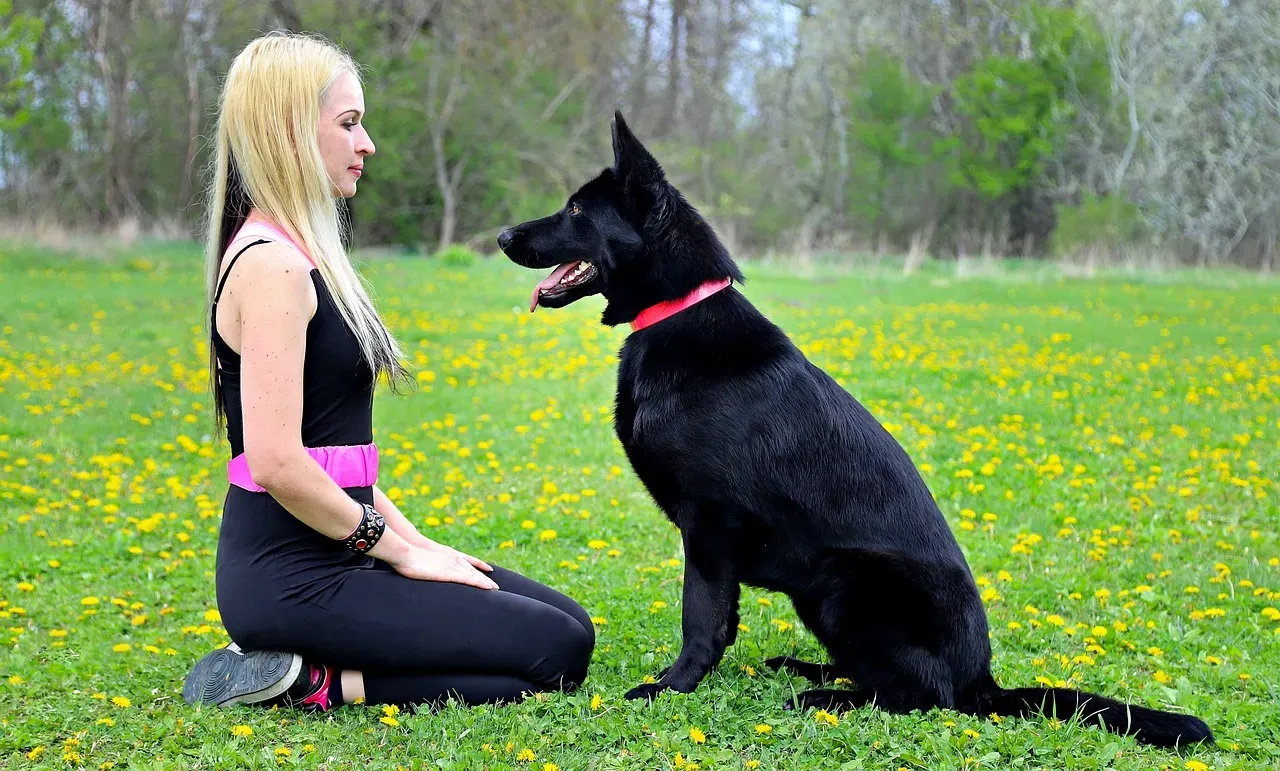
Most people assume a tired dog is a dog that ran a lot. Shepherd owners know that’s only half the equation.
Yes, they exercise. But they also prioritize sniff games, puzzle feeders, obedience sessions, and scent training, because this breed’s brain is as much of a management issue as its muscles. Twenty minutes of focused nose work can tire a Shepherd more than an hour of mindless ball chasing.
Friends think it’s overkill – “dog homework” for a pet. Owners have seen the difference firsthand: a physically tired but mentally wired Shepherd is still a menace at home.
#24 – Celebrating “Calm” Like It’s a Championship Title
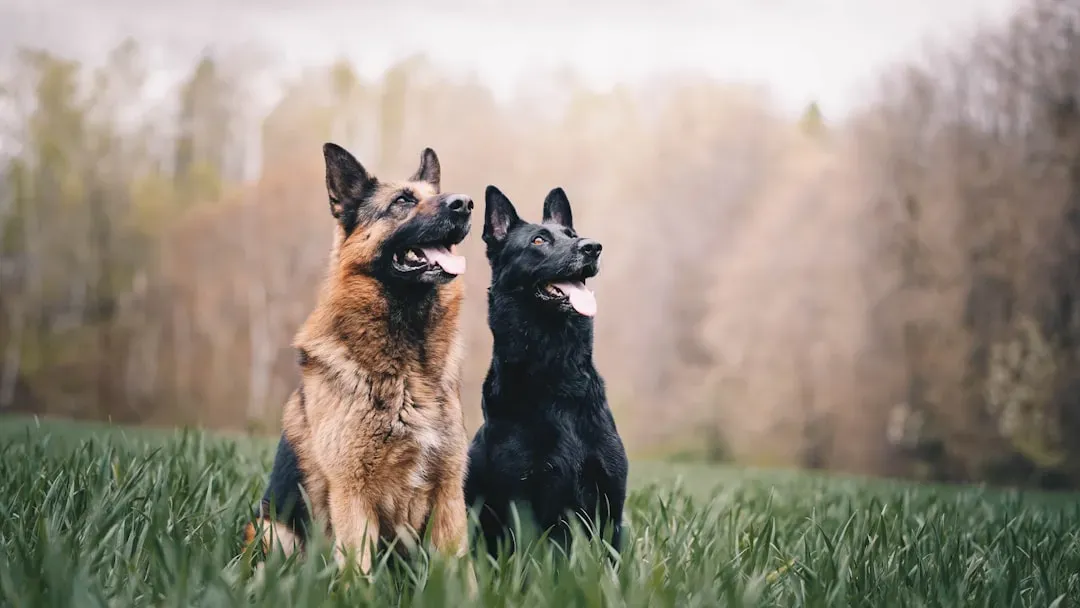
Most people brag about their dog’s tricks. Shepherd owners brag about their dog doing absolutely nothing.
A relaxed down-stay in a busy environment might be the proudest moment of their week, because calm neutrality in the face of chaos is far harder to train than a flashy spin or high-five. So they heavily reward moments of relaxation, quiet chewing, and choosing to disengage from a trigger.
To others, that sounds boring. To Shepherd owners, a dog that can sleep through visitors and chill at a cafe is worth more than any circus trick – calm isn’t the default, it’s the payoff of a thousand quiet choices.
#25 – Preparing Emotionally for a Shorter Working Life
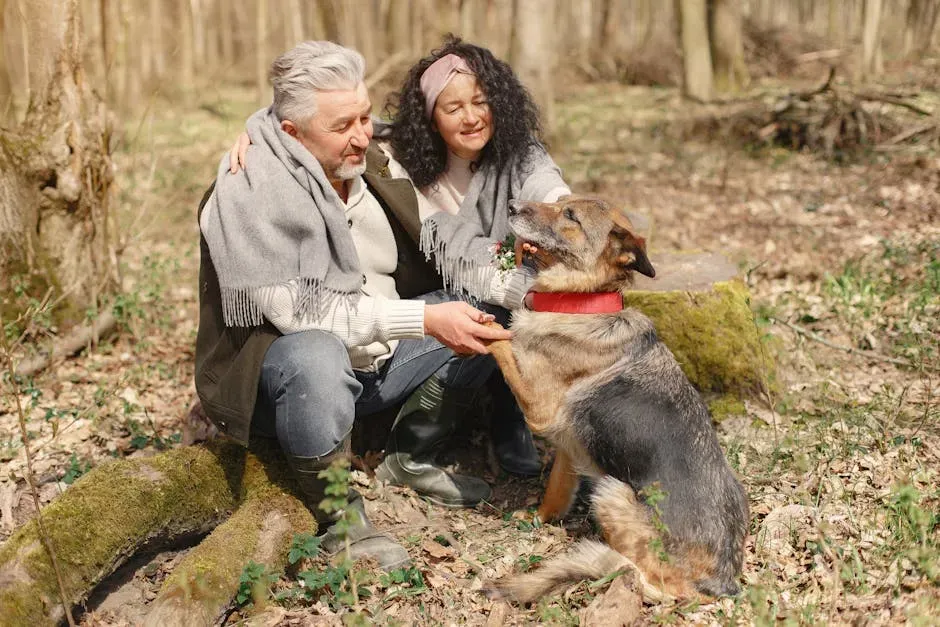
Many casual owners think their dog will be exactly the same for 10-plus years. Shepherd owners often watch a much sharper curve arrive early.
Because of joint issues and the intense way Shepherds use their bodies, it’s common to start dialing back high-impact activities earlier than with some other breeds. The dog that once soared over obstacles might need ramps, rugs, and gentler walks sooner than the owner’s heart is ready for.
Outsiders don’t understand why someone’s already talking about “senior support” at six or seven years old. It’s not drama – it’s love preparing for the hard part in advance.
#26 – Forming a Bond That Borders on Telepathic
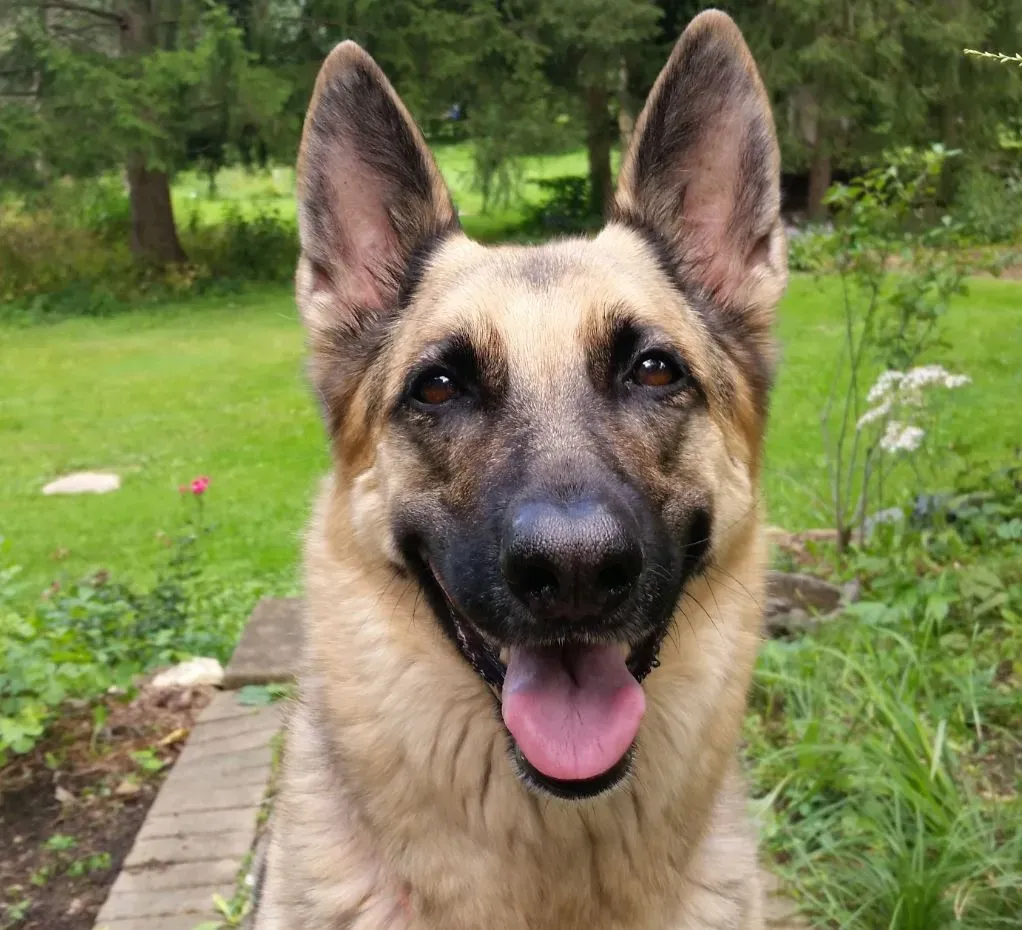
Most people love their dogs. Shepherd owners often describe the relationship in almost unnerving terms, and they’re not exaggerating for effect.
Live with this breed long enough and you start noticing your dog moves before you speak, reacts to your mood before you express it, and anticipates your routines like it can read your mind. It’s not magic – it’s years of mutual observation until communication becomes almost invisible.
To others it sounds sentimental. But many Shepherd owners will quietly tell you this is the one dog in their life that felt like a true partner, not just a pet – and it changes how they see every animal that comes after.
#27 – Quietly Accepting That Life Will Be Measured in “Before” and “After” This Dog
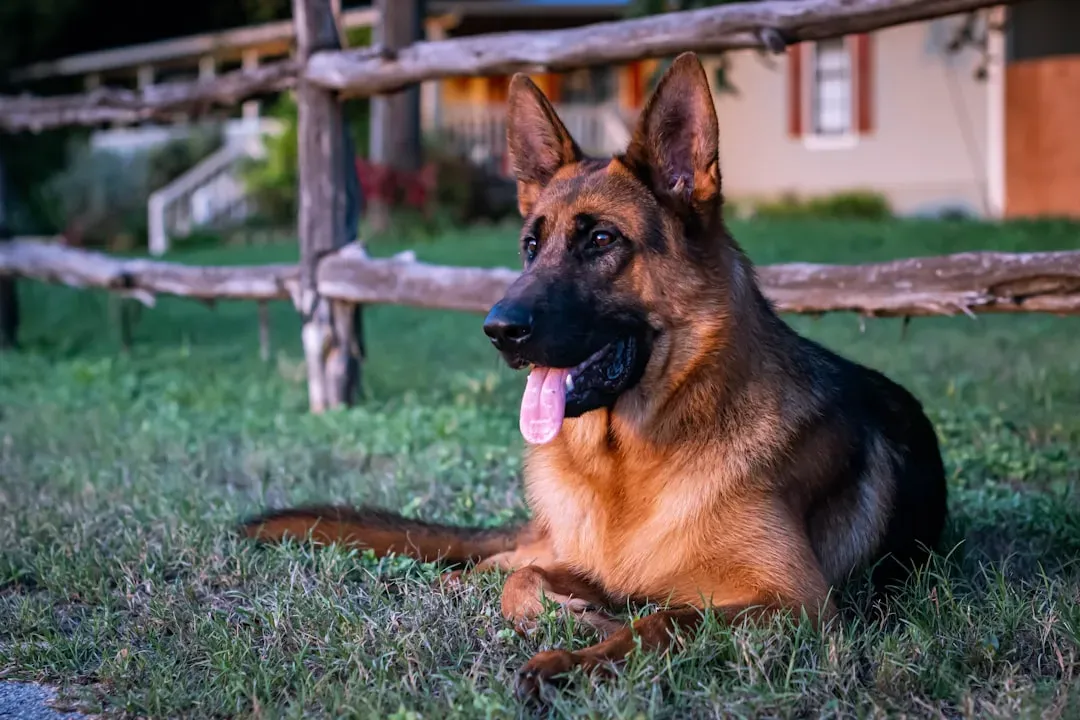
Here’s the part non-owners rarely understand: a German Shepherd doesn’t just fill your life, it redefines it. By the time you’ve reshaped your schedule, your home, your social life, and invested thousands of small decisions into their training and health, they’re no longer just a dog – they’re the axis your daily world spins around.
When they’re gone, the house feels wrong, the routine feels hollow, and even silence sounds different. People on the outside say, “You’ll get another dog.” Shepherd owners know it’s never that simple – you might get another Shepherd, you might pour yourself into that new bond, but there will always be a clear line in your mind: life before your first real Shepherd, and life after.
The Bottom Line
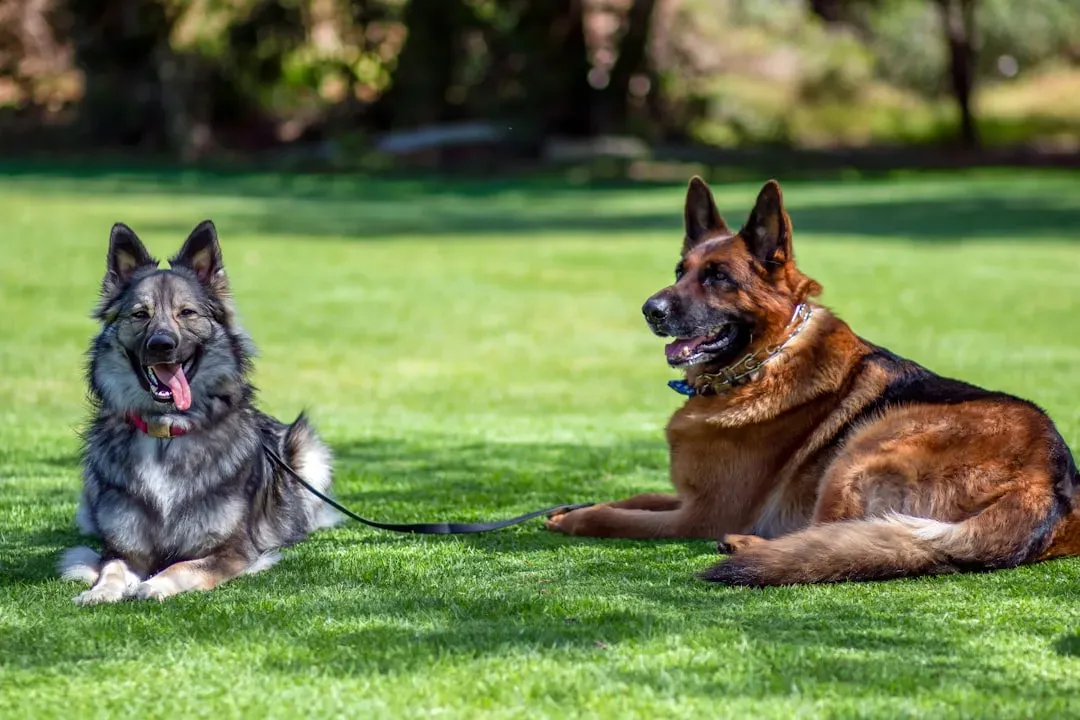
German Shepherd owners don’t act “extra” because they’re obsessed with dogs. They act this way because they understand exactly what they’re living with: a high-drive, hyper-observant working animal dropped into a modern human household that was never built for it.
That means relentless training, constant management, weird-sounding priorities, and a level of emotional investment outsiders mistake for madness. But when you’re sharing your life with 80 pounds of muscle, instinct, and loyalty, doing it halfway simply isn’t an option.
Some people will always say Shepherd owners are over-the-top or “making it a personality.” Those people, notably, have never had to hold the line for a serious guardian breed in a crowded, unpredictable world – and honestly, they never will understand what they’re missing.
If you’re a German Shepherd owner, which of these hit closest to home – and what would you add to the list?