
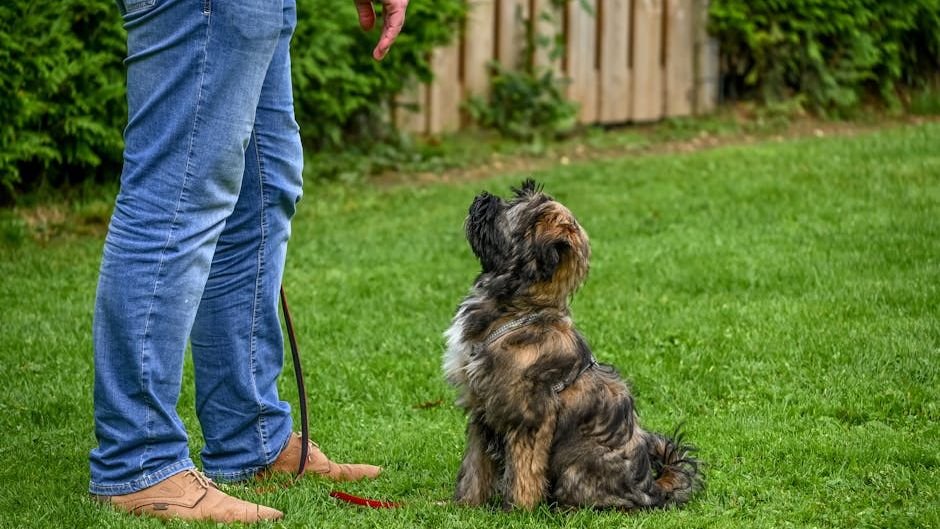
Dog owners frequently encounter simple suggestions for managing unruly behaviors, from jumping to barking. These pieces of advice often circulate through social media, friends at the dog park, or even some trainers. However, certain recommendations, while appearing sensible, inadvertently allow problems to deepen by letting early patterns solidify into lasting routines.[1]
The Pitfall of Immediate Corrections
Owners commonly reach for punishment when their dog acts out, such as a leash tug, stern yell, or even tools like prong collars. This approach delivers a short-term pause in the unwanted action, creating the illusion of success. In reality, it overlooks the motivation behind the behavior, whether fear, confusion, or frustration, and piles on additional stress that can amplify issues over time.[1]
Dogs subjected to these corrections rarely grasp the intended lesson, leading to heightened anxiety or redirected aggression. Behavior specialists note that such methods fail to provide the clear direction animals need. Instead of reacting with force, owners benefit from pinpointing triggers and introducing structured alternatives that build confidence.
Effective strategies involve observing contexts that spark the behavior and replacing punishment with proactive management. For instance, in cases of fear-driven responses, gradual exposure paired with positive outcomes reshapes reactions without escalating tension. This shift demands patience but yields more reliable results, preventing the cycle of suppression and rebound.[2]
Overreliance on Ignoring Misbehavior
A frequent recommendation urges pet parents to turn away from nuisances like pawing or whining, under the assumption that lack of attention extinguishes the habit. This tactic holds merit for pure attention bids, such as greeting jumps from a bored pup. Yet, many challenges stem from deeper sources like separation distress or overexcitement, where dismissal merely permits the pattern to persist unchecked.[1]
When anxiety fuels the conduct, ignoring it deprives the dog of necessary intervention, allowing rehearsals that cement the response. Professionals emphasize that unmet emotional needs do not vanish through neglect; they intensify. Owners who dismiss vocalizing during alone time, for example, watch isolation fears compound into destructive escapes.
To counter this, assessment of underlying drivers proves essential. Techniques that interrupt and redirect, such as offering a calming alternative activity, address the core while teaching preferred actions. Consistency across household members reinforces these new pathways, transforming avoidance into active resolution.[1]
Dismissing Early Signs as a Passing Phase
Novice guardians often console themselves with the notion that youthful antics, from nipping to reactive lunges, will fade with maturity. This reassurance postpones intervention, yet repetition in those initial months forges neural pathways that resist change later. What begins as puppy experimentation evolves into ingrained responses, self-perpetuating through environmental rewards or relief.[2]
Behavior experts warn that time alone rarely heals; it hones problematic reflexes instead. A dog practicing alert barking at passersby, for one, refines the habit until it dominates walks. Delaying action trades minor corrections for entrenched challenges requiring intensive overhaul.
Proactive steps early on disrupt this trajectory. Owners can implement controlled practice sessions that reward calm alternatives, preventing rehearsal altogether. Monitoring developmental windows ensures mild tendencies do not balloon, fostering a foundation of steady compliance.
Charting a Course for Lasting Improvement
These tips endure because they promise effortless solutions to complex canine minds. True progress lies in dissecting root causes – be it stress buildup or unmet needs – and applying tailored guidance. Dog behavior consultants advocate for professional input when patterns resist home efforts, ensuring humane paths free of fallout.[1]
- Observe patterns without judgment to uncover triggers.
- Prioritize prevention through management and positive setups.
- Commit to consistent, reward-based teaching for new habits.
Armed with this awareness, owners sidestep common traps and guide their companions toward balanced lives. The reward extends beyond obedience: deeper bonds built on trust and understanding.


