
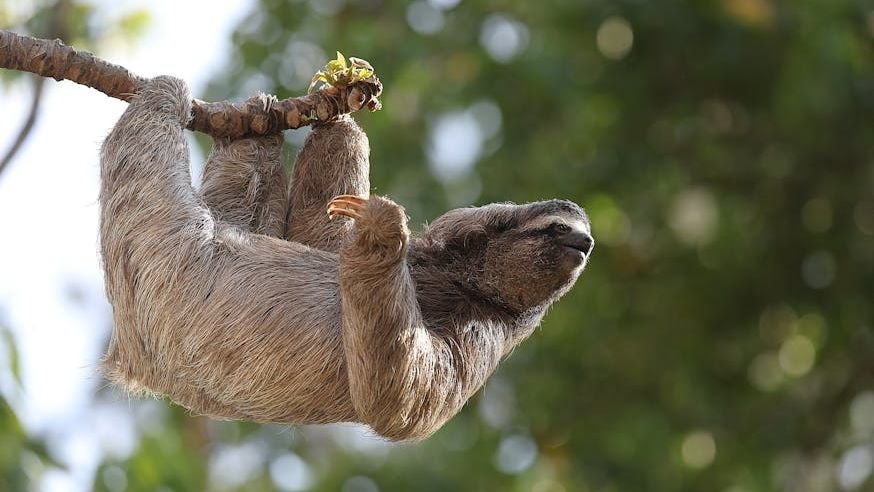
In the shadow of Orlando’s bustling tourist corridor, a warehouse intended as a temporary home turned deadly for dozens of sloths imported for a novel wildlife attraction. Authorities uncovered that 31 of these slow-moving mammals perished under harsh conditions before the venue could welcome its first visitors. The revelations have halted plans for what promoters called the world’s first slotharium.[1][2]
Timeline of a Preventable Tragedy
The losses began in December 2024, when 21 sloths arrived from Guyana on December 18. Four days later, they succumbed to what investigators termed a “cold stun” after overnight temperatures plunged to 46 degrees Fahrenheit in an unprepared facility.[3] The warehouse lacked running water and electricity at first, and makeshift space heaters failed when a fuse tripped.
Conditions worsened in February 2025. Ten sloths shipped from Peru landed on February 19, with two already dead upon arrival. The other eight, described as emaciated and gravely ill, followed soon after.[4] These events unfolded between December 2024 and February 2025, well ahead of the attraction’s targeted spring 2026 debut.
Conditions That Proved Lethal
Sloths, native to tropical rainforests, rely heavily on ambient warmth to survive. Experts note their inability to regulate body temperature effectively, making them vulnerable to chills that disrupt vital gut bacteria needed for digestion.[4] In the Orlando warehouse – owned by the attraction’s operators and located minutes from the planned site – such protections were absent during critical moments.
Florida Fish and Wildlife Conservation Commission inspectors later found additional issues during an August 2025 visit. Six surviving sloths occupied undersized cages that prevented normal movement, prompting a verbal warning but no fines.[2] The facility held no obligation under state law to report the earlier deaths, delaying public awareness until a recent report surfaced.
Orange County officials compounded the scrutiny with a stop-work order at the warehouse for building code violations. This site, meant for acclimating the animals before their exhibit transfer, instead highlighted gaps in oversight for imported wildlife.
Attraction’s Swift Collapse and Denials
Sloth World Orlando promised a “rainforest-inspired indoor habitat” for over 40 sloths, emphasizing research-driven care and quiet observation for guests. Marketed aggressively with renderings of lush enclosures, it aimed to spotlight species like two-toed and three-toed sloths on International Drive.[1]
Yet the project unraveled amid the fallout. Owner Ben Agresta announced no opening was forthcoming and bankruptcy loomed, with remaining animals transferred out. The company’s website now shows a vague construction notice, and social media has gone quiet.[5] Agresta rejected cold exposure as the culprit, attributing losses to an elusive virus undetectable in necropsies. “There is so much false and inaccurate information out there right now,” he stated.[4]
Vice president Peter Bandre acknowledged shipment timing issues to regulators: “It was too late to cancel.”[1] Critics, including sloth specialists, pointed to inherent risks of international transport and captive settings for these arboreal creatures.
Rescue Efforts Bring Glimmer of Hope
Thirteen surviving two-toed sloths found refuge at the Central Florida Zoo & Botanical Gardens. The facility placed them in a specialized off-exhibit area for 30-day quarantine, complete with veterinary care and custom nutrition.[2] Zoo staff coordinate with the Association of Zoos and Aquariums’ Species Survival Plan for eventual placement in accredited homes.
One sloth remained in critical condition initially but showed improvement after two nights of treatment. This intervention underscores contrasts in care standards between roadside ventures and established institutions.
Calls for Tighter Oversight Echo Louder
Lawmakers voiced outrage over regulatory lapses. U.S. Rep. Maxwell Frost called the deaths “mass death by greed,” vowing coordination with officials.[2] State Rep. Anna Eskamani questioned why Florida authorities learned of the fatalities only through public tips.
Conservation groups like the Sloth Institute warned of shipping stresses long before the report. Sam Trull, its director, explained how dietary shifts and artificial environs often prove fatal for wild-caught sloths.[3]
The episode raises enduring questions about animal tourism in Florida, where lax reporting rules shielded these losses until investigative journalism intervened. As the zoo tends to the survivors, the slotharium’s ruins serve as a stark reminder of good intentions gone awry.


