
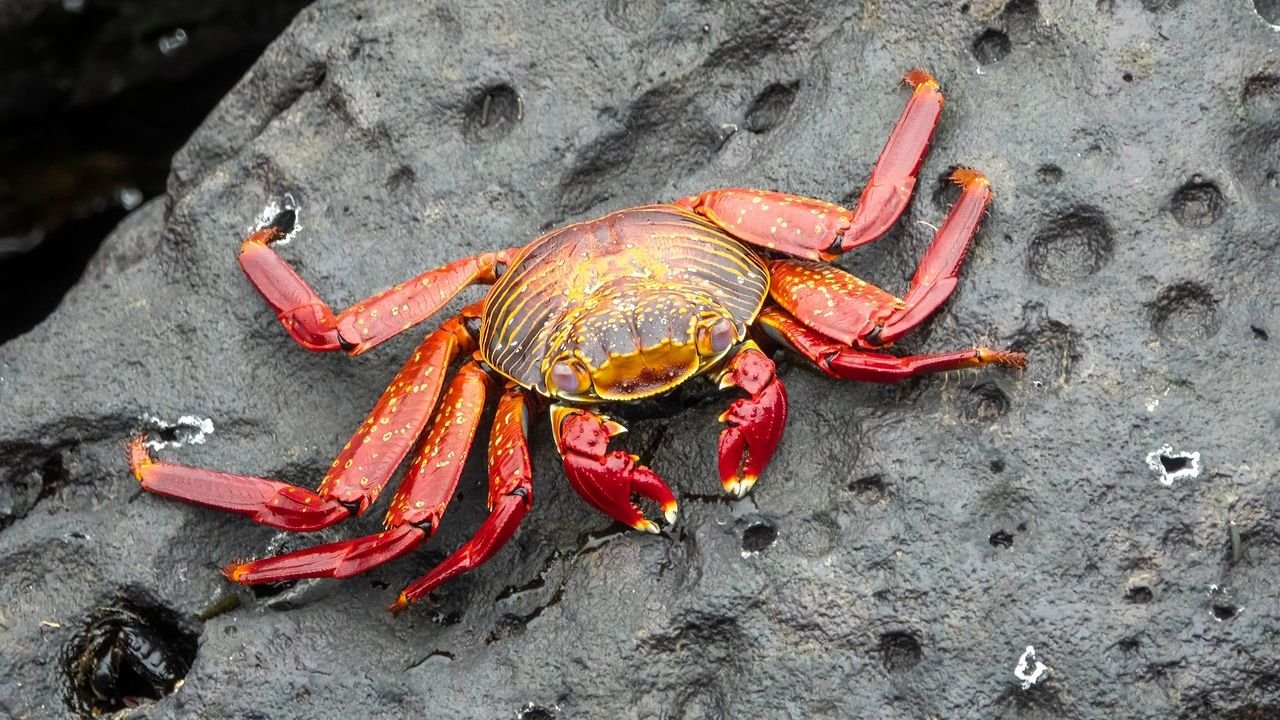
Cornwall – Lines of children clutching lines and bait dotted the harbors last summer, their buckets alive with scuttling crabs caught during family outings. Now, the RSPCA has called on holidaymakers to reconsider this longstanding tradition after its latest survey revealed a stark public misconception about the creatures’ abilities.[1] Only 45 percent of respondents believed crustaceans possess sentience, prompting fresh debate over how Britons interact with marine life during seaside trips.
The Eye-Opening Survey Results
The RSPCA’s Animal Kindness Index captured these findings, underscoring a significant gap in awareness about aquatic animals. The charity pointed out that fewer than half of those surveyed recognized crustaceans as capable of sentience, a belief rooted in outdated assumptions.[1]
Jenny Longden, from the RSPCA, described public attitudes toward the animals’ feelings as “astounding.” She questioned the necessity of the activity in its current form, noting that people often remove crabs from their natural habitat, place them in buckets, and sometimes prod or poke them.[1] Longden emphasized alternative ways to appreciate marine life without causing potential distress.
Scientific Consensus on Crustacean Sentience
Decapod crustaceans, which include crabs, lobsters, and prawns, have drawn attention from researchers for their complex behaviors. Scientific evidence indicates these animals experience pain, distress, and even positive emotions, challenging long-held views that dismissed their capacities.[1]
United Kingdom law reflects some of this progress through the Animal Sentience Act 2022, which requires government policies to consider the welfare of such species. However, fish and decapods remain outside the protections of the Animal Welfare Act 2006, leaving a regulatory void for everyday interactions like recreational crabbing.[1]
Balancing Tradition with Compassion
In Mevagissey, crabbing forms an “integral part” of village heritage, according to Harbour Master Andrew Trevarton. He highlighted how families return generation after generation, turning the pursuit into a cherished holiday ritual that spans decades.[1]
Cornwall Wildlife Trust acknowledged crabbing’s value in fostering “an appreciation and an understanding of marine wildlife.” Yet, the group stressed the importance of careful handling to minimize harm. Marine conservation officer Matt Slater insisted that evidence of sentience in crabs and fish demanded respect from participants.[1]
Slater offered practical guidance for those who continue the practice:
- Use nice cold seawater in buckets.
- Keep buckets in the shade.
- Avoid overcrowding with too many crabs.
- Return animals safely to the water.
He concluded that crabbing could persist if conducted with respect, though greater awareness remained essential.[1]
A Call for Greater Awareness
The RSPCA’s plea arrives amid growing recognition of invertebrate welfare, yet public surveys like the Animal Kindness Index reveal how far attitudes must shift. Longden reiterated the charity’s stance: “We understand people like to go out and enjoy these past times. We don’t want to be party-poopers, but does that necessarily have to happen?”[1]
As Cornwall’s coasts draw crowds this season, the conversation pits joyful traditions against ethical considerations. Wildlife advocates hope the survey sparks not outright bans, but mindful changes that honor both heritage and emerging science. Whether buckets empty out or fill more responsibly, the message underscores a simple truth: sentience changes everything.


