
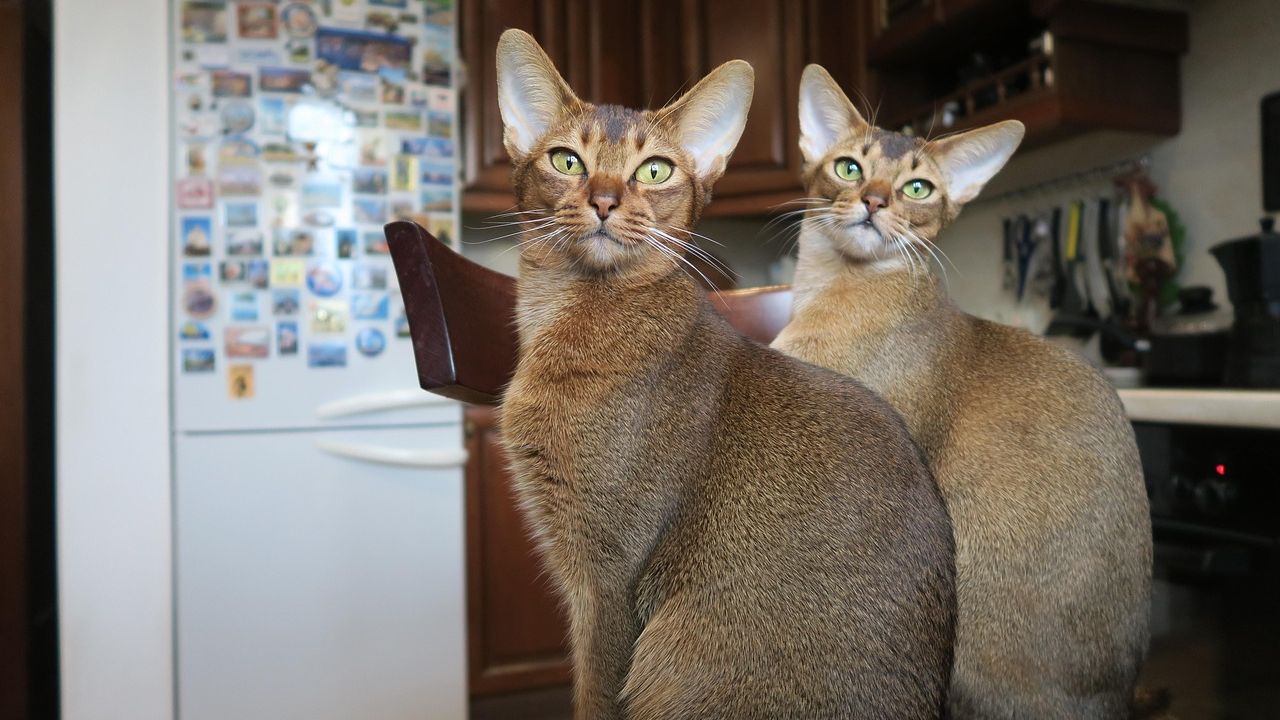
#1 The Persian: A Daily Grooming Commitment You Can’t Skip
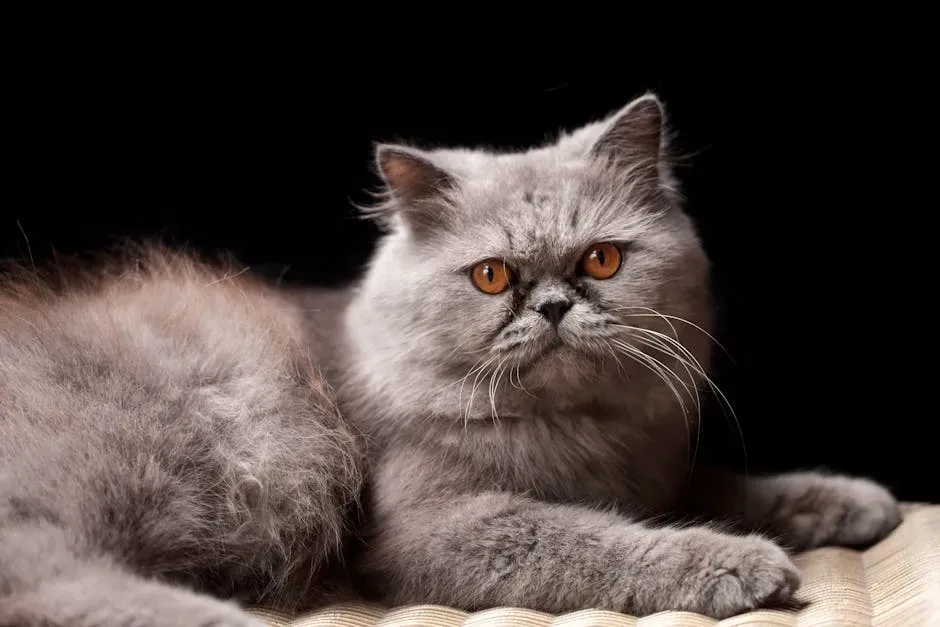
The Persian is one of the most recognized and admired cats in the world, and it’s easy to see why. That coat is extraordinary. The problem is maintaining it, and that part doesn’t make the Instagram posts.
Persians require daily grooming, as the short, dense undercoat and long, luscious top coat can easily mat, and they’re heavy shedders too. Proper maintenance requires a daily run-through with a metal comb to prevent tangles, according to The Cat Fanciers’ Association. For someone with arthritis or reduced hand strength, that’s not a minor inconvenience. It’s a daily physical commitment.
As a brachycephalic breed, Persians can be prone to breathing difficulties that need careful management, as well as misaligned teeth and eye conditions. Their flat facial structure also requires constant monitoring for breathing difficulties and eye infections, adding to the caregiving burden that can become overwhelming for older adults. The vet bills and the time investment compound quickly, and what seemed like a serene companion becomes a full-time grooming project.
#2 The Siamese: Beautiful, Loud, and Relentlessly Demanding
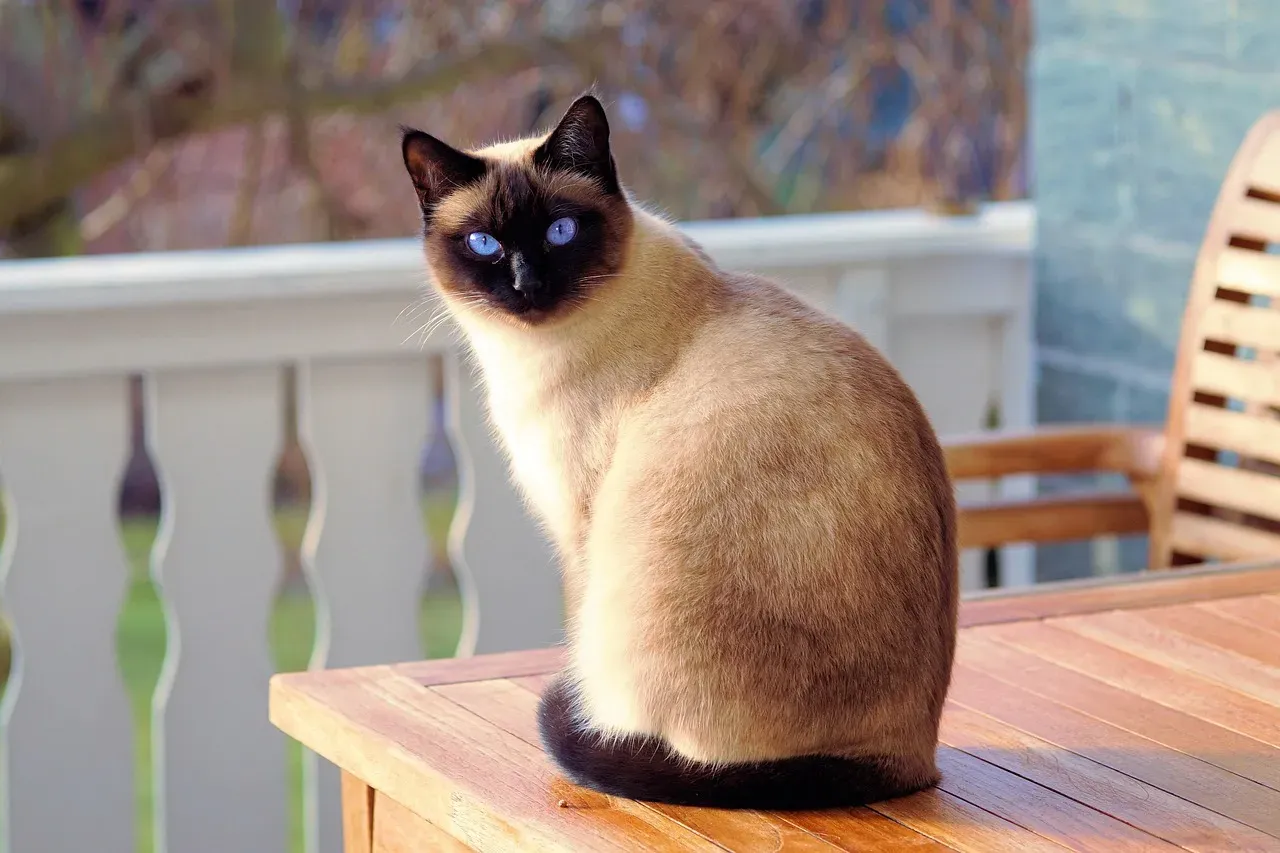
The Siamese is striking, intelligent, and deeply loyal. Those qualities are genuinely appealing. The catch is that this breed expresses itself at full volume and expects you to respond in kind, pretty much all day long.
Siamese cats are known to be very talkative, to the point of sometimes being obnoxious, and they aren’t a good fit for households that are often away from home because they can be demanding in terms of attention. Siamese cats are highly vocal and crave constant interaction, following their owners around and often “chatting” loudly, and are not happy when left alone for extended periods and can become anxious or demanding. That kind of emotional intensity is exhausting when you’re simply trying to enjoy a quiet retirement.
Siamese cats are an “agile and athletic breed that require stimulation or a lot of toys to keep them occupied,” according to The International Cat Association. Siamese are also prone to several health problems including asthma and other conditions that can lead to costly and emotionally draining vet visits. If tranquility is what you’re after, this breed will consistently interrupt it.
#3 The Sphynx: Hairless Doesn’t Mean Effortless
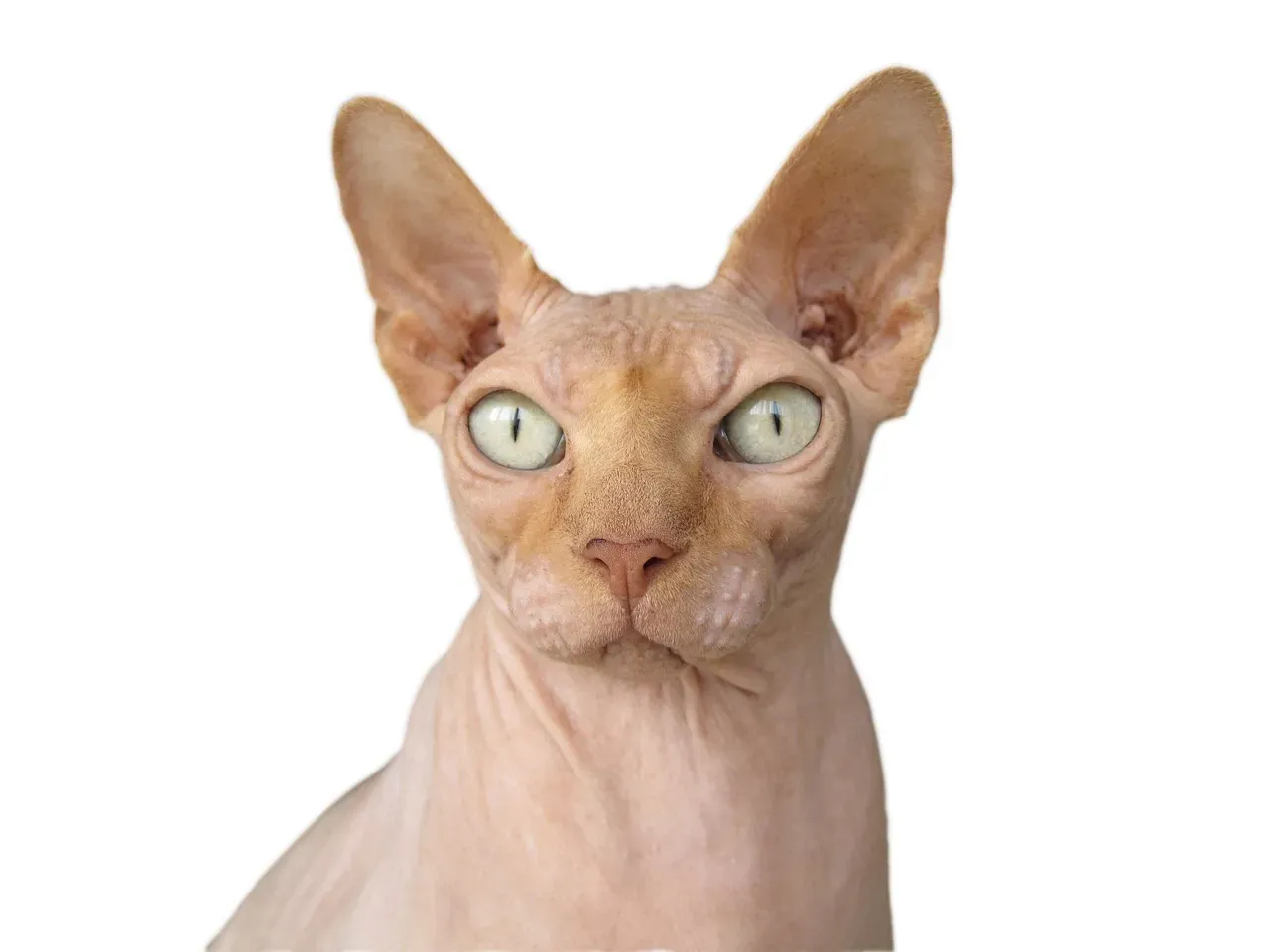
Most people assume a hairless cat solves the grooming problem. No fur, no brushing, no shedding on the sofa. That logic is completely understandable, and completely wrong.
Without fur, Sphynx cats need regular bathing to remove the buildup of oils on their skin, which can otherwise cause skin problems, so instead of brushing, you’re giving your cat weekly baths, which most cats absolutely hate. Their skin is sensitive to temperature extremes, requiring protection from cold drafts indoors and sunblock outdoors in summer, and due to their lack of protective fur, Sphynx cats may be more prone to scratches or skin injuries, so gentle handling and a safe home environment are important.
Sphynx cats commonly have issues related to their lack of fur, with yeast or bacterial skin infections, sunburn, hypothermia, and ear infections being common. On top of the physical care demands, Sphynx cats are very social and demand a lot of attention and interaction from their owners, always wanting to be the center of attention, and if they’re not getting the attention they desire, the Sphynx will act out to get what they want. That combination of medical vigilance and emotional neediness is a heavy load.
#4 The Cornish Rex: Energy That Simply Won’t Slow Down
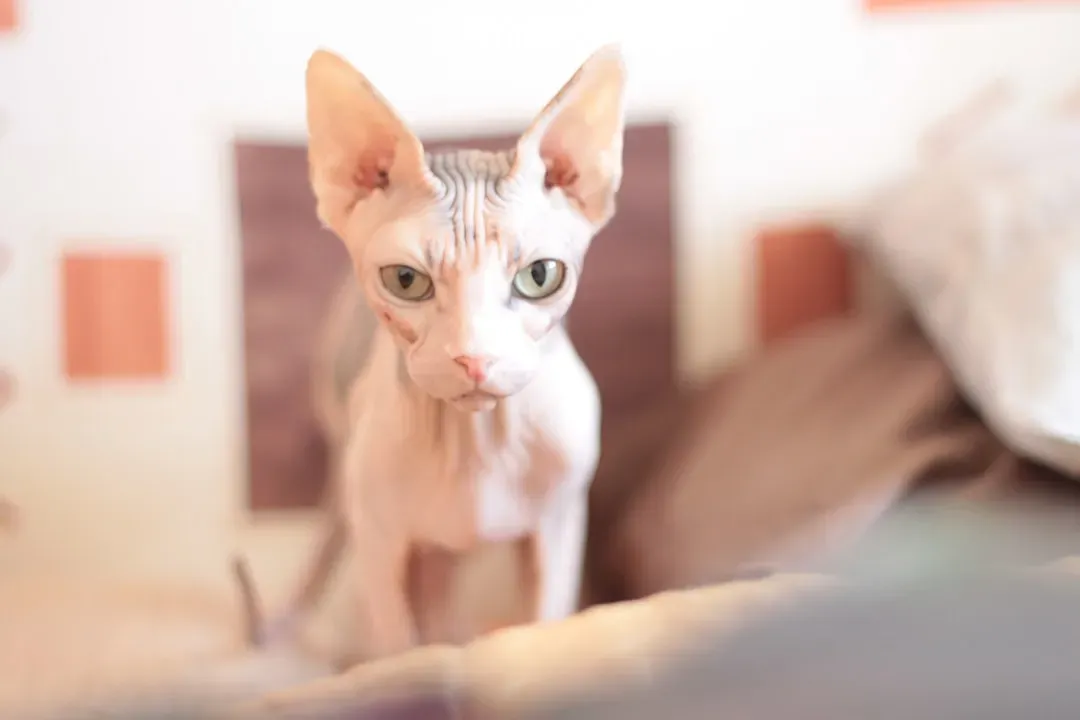
The Cornish Rex has a pixie-like appearance, with enormous ears and a lean, curvy frame, that makes it look like something from a fairy tale. In reality, living with one is less fairy tale and more obstacle course.
Cornish Rex cats possess an extremely high energy level that rivals that of dogs, requiring multiple interactive play sessions daily to prevent destructive behavior, and their unique curly coat is prone to breakage and needs special care to maintain, while the cats are also more susceptible to temperature fluctuations due to their thin coat and require controlled indoor environments. Their extroverted personalities and need for constant engagement make them unsuitable for seniors seeking low-maintenance companions, as these cats are known for their ability to open cabinets, drawers, and even doors, creating safety concerns for seniors who may have medications or hazardous items that need to remain secured.
This highly social, lively breed loves attention and “can be demanding at times,” and they do not like to be alone for long periods, making it a good idea for them to have a companion if the family works long hours. The irony is that getting a second Cornish Rex to keep the first one company just doubles the chaos. They are also prone to developing polycystic kidney disease as well as progressive retinal atrophy, adding long-term medical complexity to the picture.
#5 The Abyssinian: Too Clever and Too Restless for a Quiet Life
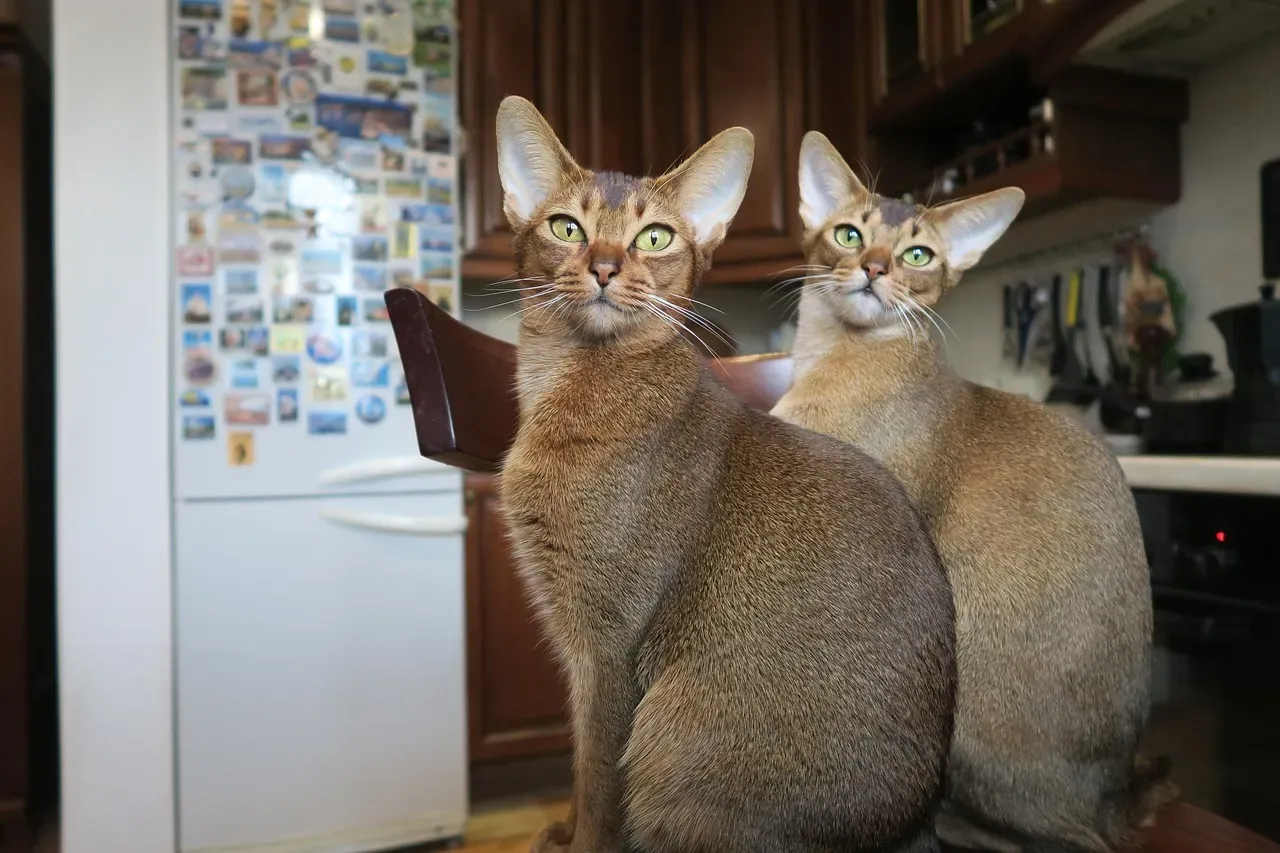
The Abyssinian is one of the oldest and most athletic cat breeds in existence. It’s lean, fast, and incredibly sharp. For active households or younger owners, that’s thrilling. For someone over 50 looking for a calm companion, it can feel like adopting a small tornado.
Abyssinians require extensive vertical territory and constant mental stimulation, and their high activity levels and climbing abilities mean they need cat-proofed environments with multiple tall structures, creating setup and maintenance challenges for older adults. The home adjustments alone, from installing cat trees to securing high shelves, represent a significant physical undertaking that many people simply don’t anticipate when first drawn to the breed.
Siberians are a clever breed that love to climb, jump, and explore their environment, and because of their need for physical activity, they are better suited to seniors that can easily move around and play with their cats regularly – and the same principle applies directly to the Abyssinian. They need climbing structures, interactive toys, and someone who can keep up with their exercise needs, and for seniors with mobility challenges or those recovering from surgery, keeping an active breed entertained becomes a real chore. The Abyssinian thrives on engagement. Without it, boredom sets in fast, and that boredom tends to become your problem.
A Final Word Worth Being Honest About
None of these breeds are bad animals. They’re extraordinary in the right homes, with owners whose lifestyle matches what the breed actually needs. The issue isn’t the cat. It’s the mismatch.
Veterinarians consistently advise that some breeds require intensive daily grooming, specialized medical attention, or present behavioral challenges that could prove difficult for senior pet owners. The best advice anyone can offer here is straightforward: be honest about your energy, your physical ability on a hard day, and what kind of relationship you genuinely want with a pet. What matters most is honest assessment of your energy levels, physical abilities, and lifestyle before bringing any cat home.
A cat that matches your pace won’t feel like maintenance at all. It’ll feel like company. That distinction matters more than any breed’s visual appeal, and it’s the one thing no shelter photo will ever tell you on its own.


