
#1: The Chemistry of a Simple Glance
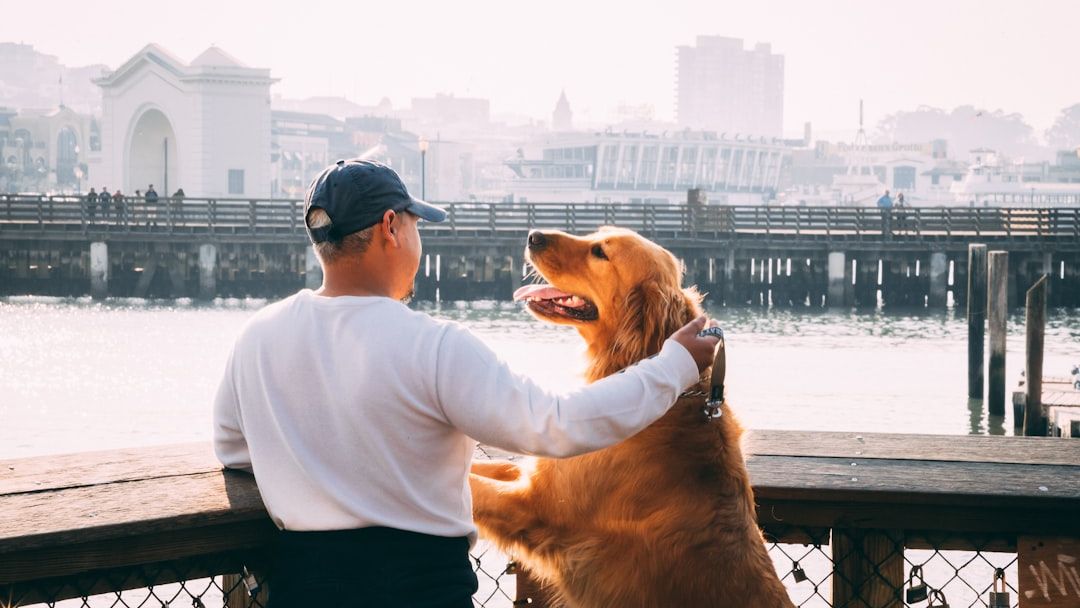
There’s something almost disarming about how much information passes between a dog and a person through something as effortless as a look. It turns out, eye contact isn’t just a warm moment. It’s a biological event.
Research has shown that gazing behavior from dogs, but not wolves, increased oxytocin concentrations in their owners, which in turn raised oxytocin levels in the dogs themselves. Introducing oxytocin nasally increased gazing behavior in dogs, which again elevated oxytocin in the owners, supporting the existence of an interspecies oxytocin-mediated positive loop that may have shaped the coevolution of human-dog bonding.
When dogs and humans make eye contact, oxytocin levels can increase by up to 300% in both species, creating a positive feedback loop that reinforces their bond. This mutual oxytocin release represents a unique biological phenomenon that doesn’t typically occur between different species.
Research from the University of Tokyo suggests that the quality of eye contact matters more than quantity. Brief but frequent moments of mutual gazing throughout the day can be more effective at strengthening bonds than forced, prolonged eye contact sessions. In other words, it’s the accumulation of small glances, not marathon staring sessions, that quietly deepens the connection over time.
#2: Routine Is the Language of Safety
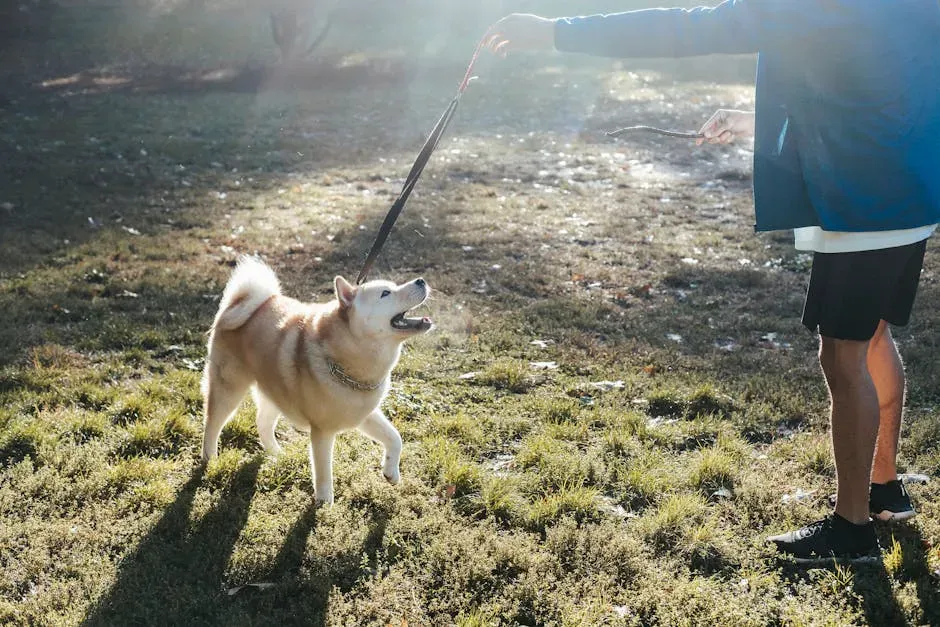
Dogs don’t experience time the way humans do. They can’t check a calendar or reason through uncertainty. What they read instead are patterns, and those patterns are what tell them whether the world is safe.
Dogs with consistent routines and positive interactions generally exhibit lower cortisol levels, providing stability and reducing stress. Consistent routines refer to a predictable daily structure, including regular feeding times, exercise schedules, and rest periods. Positive interactions involve non-threatening social contact such as petting, play, and gentle handling, which reinforce trust and emotional security. Together, these conditions contribute to a balanced stress response and support lower baseline cortisol levels.
A study published in Animals found that shelter dogs on consistent schedules had significantly lower cortisol levels than those without a routine. Predictability signals safety. The implication for everyday dog owners is clear. Morning walks at roughly the same hour, meals arriving on a familiar schedule, the same pre-bed ritual: these aren’t just conveniences. They’re a form of communication your dog hears louder than most words.
#3: Touch Builds What Words Cannot
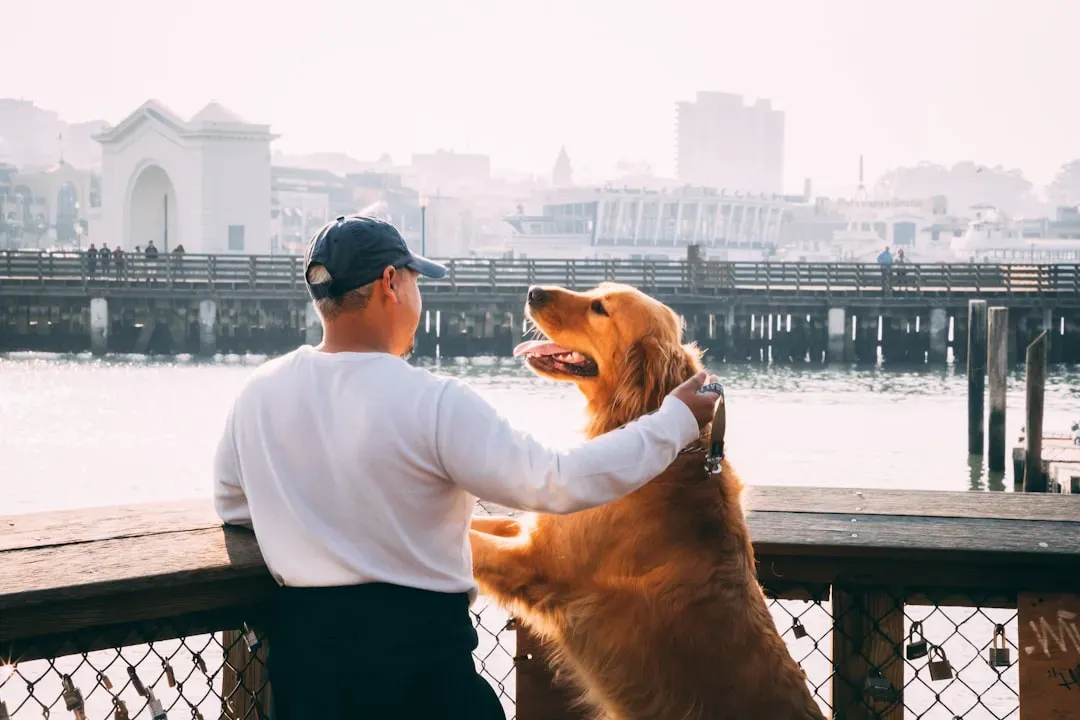
Physical contact between dogs and humans isn’t just affectionate. It’s a physiological exchange that triggers measurable changes in the brains of both species.
The dog-human bond is backed by science, strengthened by touch, and nurtured through everyday interactions. When you pet a dog, both brains release calming hormones that build trust, reduce stress, and reinforce attachment. From lowering blood pressure to improving emotional resilience, the benefits are real and measurable.
Feeding, walking, grooming, and playing are daily rituals that reinforce the bond between dogs and their humans. Consistent interaction builds familiarity and trust. There’s something worth sitting with in that. The act of brushing a dog’s coat, adjusting a collar, or resting a hand on their back during a quiet evening isn’t just maintenance. It’s the slow, patient language of reassurance. Physical affection such as leaning against legs, sitting close, or a paw touch is strong evidence of comfort and connection. Dogs find reassurance in physical proximity, and lean on trusted people during moments of insecurity such as loud noises or new settings, using them as an emotional anchor.
#4: The Psychological Weight of Consistency Over Time
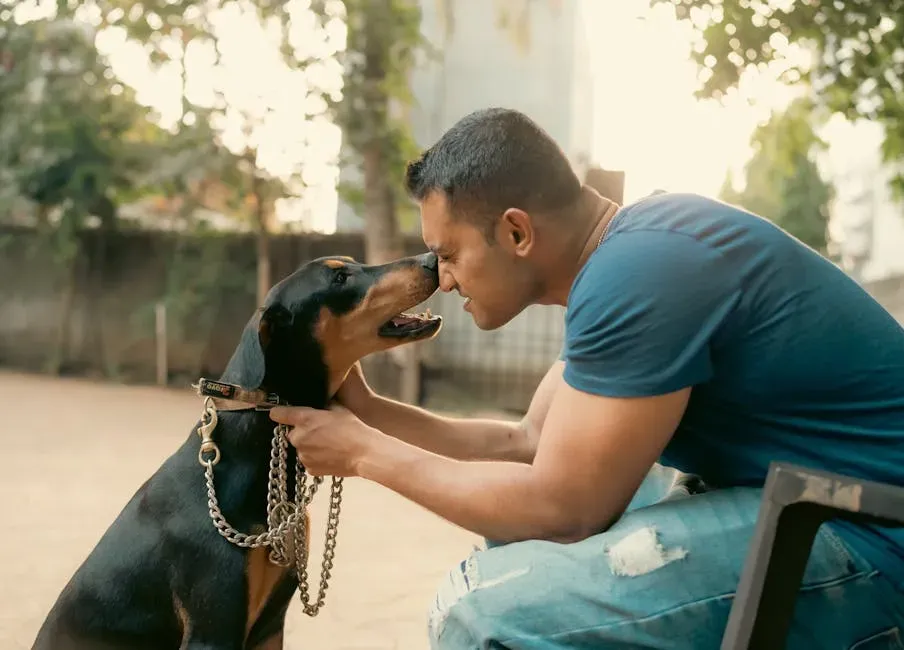
Trust, in psychology, is rarely built in a single defining moment. It’s constructed through repeated experiences where expectations are met, where the emotional climate stays stable enough to be counted on.
Studies shared by the American Veterinary Society of Animal Behavior show that dogs who grow up with kind and predictable human interactions tend to have lower stress hormones and better emotional regulation. That pattern holds across a dog’s entire life, not just during puppyhood. One particularly touching aspect of dog-human attachment is how it persists across a dog’s lifespan. An older dog who has spent years with the same family often sees the bond deepen over time, built on shared experiences, familiar routines, and mutual trust. Research into canine cognition suggests that dogs form long-term memories of significant people in their lives.
The 90-10 rule captures this well: unofficial, everyday interactions account for roughly ninety percent of the connection you have with your dog, while formal training time makes up only ten percent. Trust and connection are more derived from everyday interactions, including how you act during playtime, walks, feeding time, and rest, than from commands. That shift in framing changes everything. Every walk that ends without panic, every calm voice during a thunderstorm, every consistent goodbye at the door: all of it accumulates into something a dog never forgets.
#5: What a Dog’s Trust Signals Actually Look Like
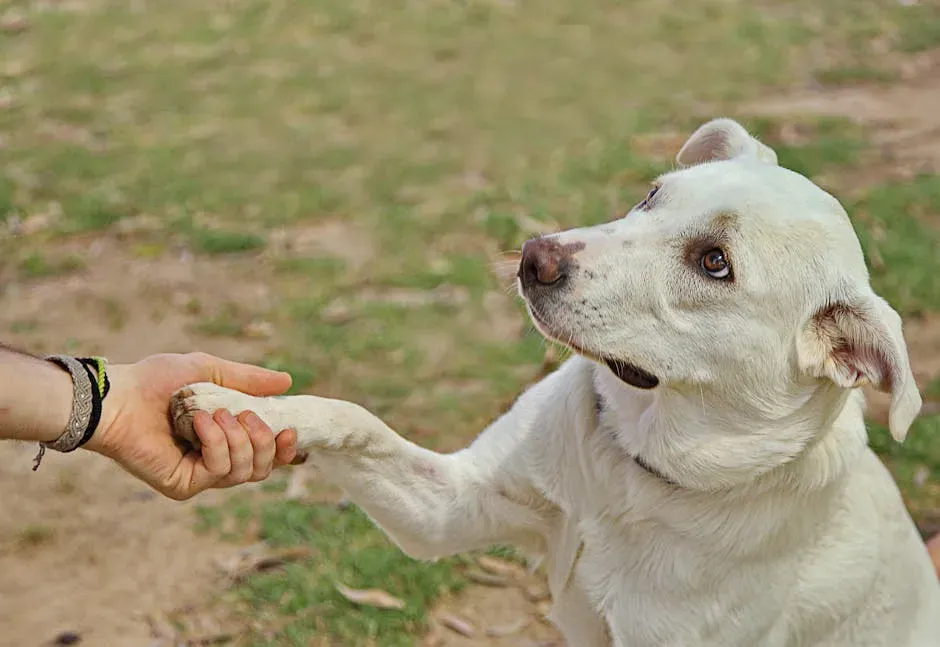
Understanding that trust is built daily is one thing. Recognizing when it’s actually there is another. Dogs don’t announce it. They show it in small, easy-to-miss ways that most owners walk past without noticing.
Trust within dogs illustrates emotional comfort, not obedience or mechanism. A dog that snuggles up to its owner shows trust through calm behavior, not command. Trust is the quality that allows dogs to feel self-sufficient, understood, and emotionally safe in their surroundings. Watch for the softening of posture when you enter a room. Notice the dog who chooses to rest pressed against your leg when they could sleep anywhere else. When faced with uncertainty such as loud noises, strangers, or unfamiliar environments, a trusting dog will seek you out. They may position themselves close to you, not out of habit but for comfort, using you as a safe base.
Extending the principles of relationship-based engagement beyond formal sessions allows dogs to internalize trust as part of their daily routines and interactions. This holistic approach recognizes that every moment with a dog is an opportunity to reinforce good habits, provide structure, and strengthen the bond between human and animal. Trust, when it’s real, makes a dog easier to read and a human more attuned. It becomes a shared literacy, built one ordinary interaction at a time.
Conclusion: The Quiet Architecture of a Bond That Lasts

There’s a tendency to chase the grand gesture in any meaningful relationship, and our relationships with dogs are no exception. We think about the perfect hiking trail, the training milestone, the rescue story worth telling. Psychology, however, keeps redirecting our attention to the mundane. The morning scratch behind the ears. The predictable walk. The voice that stays level when the world gets loud.
The dog-human bond isn’t built in grand gestures. It grows in consistent, small, daily moments. That’s not a consolation for the ordinary. It’s an argument that the ordinary is precisely where the deepest trust takes root.
If there’s one thing worth taking from all of this, it’s that you probably don’t need to do more. You need to do the same things, reliably, with presence and care. Your dog is already paying attention in ways that science is only beginning to fully measure. The question isn’t whether they notice. They do. The question is whether we’re showing up with the same quiet consistency they so clearly deserve.


