
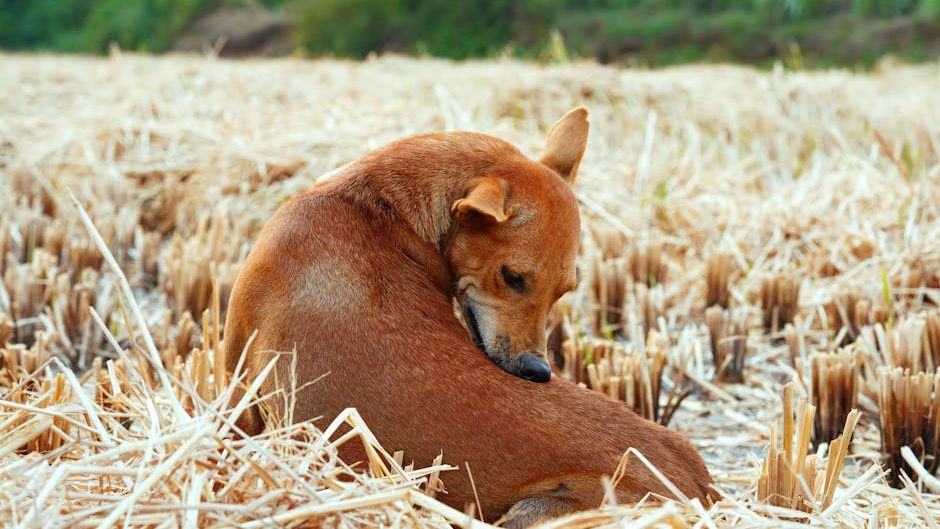
You’re sitting on the couch, maybe mid-movie or mid-conversation, and there it is again. Your dog, completely unbothered, going to town on their backside. It’s easy to laugh it off the first time. The second and third time, though? That’s when most dog parents start wondering if something’s actually wrong.
Here’s the thing: a little butt-licking is genuinely normal dog behavior. If you occasionally notice your dog , you generally don’t need to worry. Most of the time, it’s just natural grooming. The problem starts when it becomes frequent, intense, or accompanied by scooting and visible discomfort. That’s when your dog is communicating something you really shouldn’t ignore.
1. Anal Gland Problems: The Most Common Culprit
Your dog has two small structures called anal sacs, positioned under the skin on either side of the anus. The inner lining of each sac produces a substance released through a small opening near the anal opening. This substance has a strong, unpleasant odor, and under normal circumstances, it’s released when there is pressure against the anal sacs as the dog defecates. Think of it as your dog’s built-in scent marker – unique to every individual dog.
One of the most common problems is impaction, which occurs when the sacs do not empty adequately. The contents become thicker, and as the anal sac continues to fill, it becomes enlarged and uncomfortable. Impaction can result in inflammation or infection, referred to as anal sacculitis. When this happens, licking is your dog’s attempt to relieve that pressure and discomfort.
One of the most frequent signs you’ll notice is “scooting,” when dogs drag their rear end along the floor or another surface. Additionally, dogs will often lick or bite themselves in the anal area. Owners may also notice a characteristic “fishy” odor or see traces of discharge on the floor or other surfaces. If this sounds familiar, a vet visit is warranted sooner rather than later.
Feeding a diet with adequate fiber may help support anal gland health in some dogs. Fiber promotes healthy digestion and helps form firmer, bulkier stools. When stool consistency is appropriate, pressure from the stool and normal muscle contractions during bowel movements can help naturally express the dog’s anal glands. Weight management matters too – keeping your dog at a healthy body weight may reduce the risk of anal gland problems, as overweight dogs are more prone to anal gland issues due to altered anatomy, decreased muscle tone, and chronic inflammation.
2. Parasites: The Unwelcome Hitchhikers
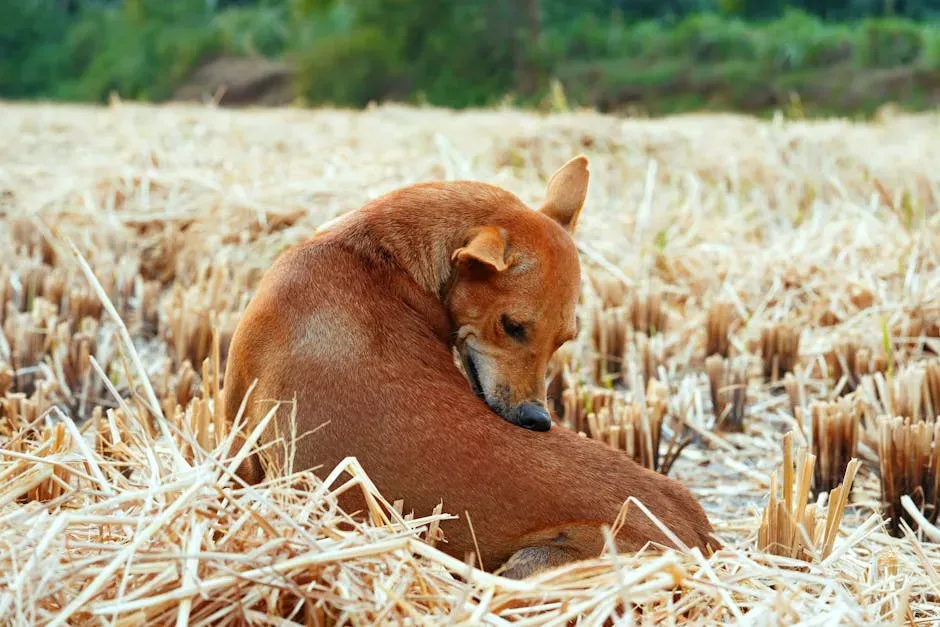
Dogs may lick their butts more often if they have intestinal parasites, like tapeworms and roundworms. Dogs can pick up these unwelcome guests by sniffing or eating contaminated poop, fleas, or even infected soil. It’s more common than many pet parents realize, and it doesn’t mean you’re a neglectful owner.
Segments of whipworms, tapeworms, or roundworms – all of which live within a dog’s intestine if they are infected – can end up in a dog’s anus or feces. External parasites, such as fleas, ticks, and mites, can also group near a dog’s tail or rear. The discomfort these parasites cause leads dogs to lick or bite at their backsides.
If your dog has a parasite, you may also notice things like weight loss, a bloated belly, diarrhea, or tiny white specks that resemble grains of rice around their rear end. A vet can diagnose the problem with a stool sample and prescribe deworming medication if needed. The good news is that this is one of the most straightforward issues to treat once it’s confirmed.
External parasites like fleas and mites can also cause itchiness around your dog’s anus, as well as the rest of the body. If the problem isn’t addressed, serious health problems including anemia could result. That’s why it’s smart to call your veterinarian’s office as soon as you suspect something is wrong. Consistent flea and parasite prevention is one of the simplest protective steps you can take year-round.
3. Allergies: When the Whole Body Itches
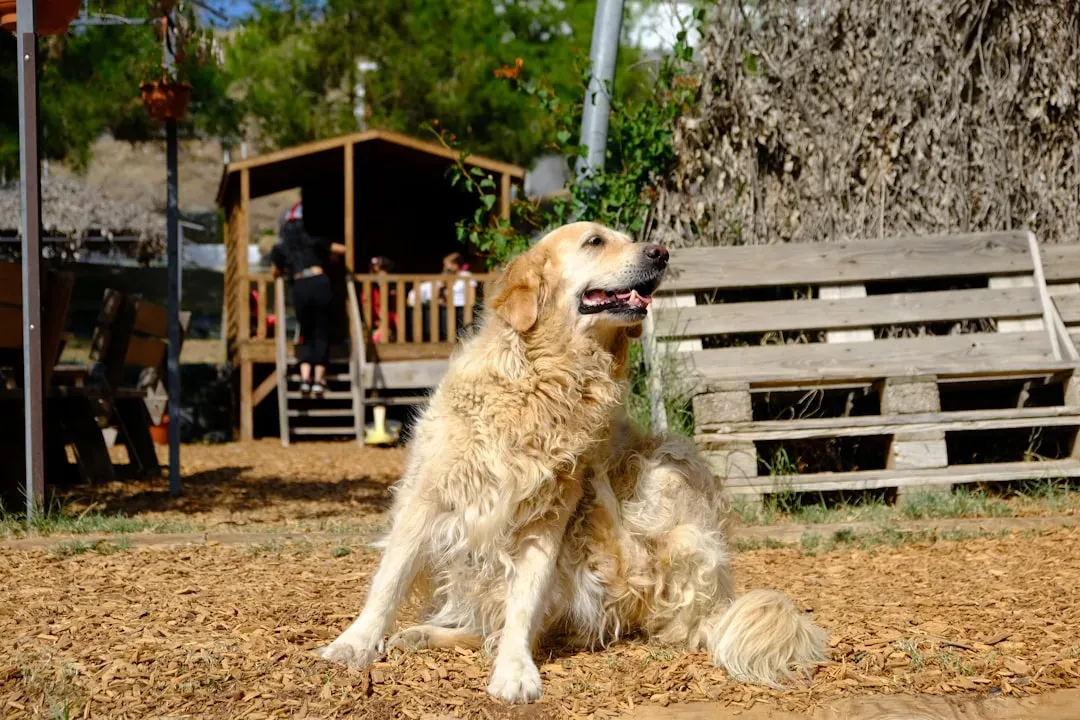
Allergies can cause itchy skin, including around a dog’s rear end. Foods, environmental allergens like pollen, and flea bites can all cause irritation. Dogs with allergies may lick themselves constantly as a way to get some relief from itching. They may also have red skin, frequent ear infections, and lick their paws as well as their butt.
If you’ve noticed your dog as well as other parts of the body like the limbs, feet, and torso, allergies are a likely culprit. Food allergies can make your dog’s entire body itchy. In this case, your dog is responding negatively to a certain ingredient in their food, such as eggs, wheat, chicken, beef, or soy. It’s a broader pattern of discomfort, not just a localized issue.
You’ll need to work with your veterinarian to determine the exact ingredient that’s causing trouble. Then, you can take steps to have your dog avoid it in the future. This often involves a food elimination trial, which requires patience but can genuinely change your dog’s quality of life.
Depending on the extent of the allergies, your vet may recommend allergy testing. They can also usually prescribe treatment to help alleviate allergy symptoms. Catching the trigger early prevents that relentless itch-lick-scratch cycle from becoming a chronic problem for your pup.
4. Skin Infections: Bacterial and Fungal Flare-Ups
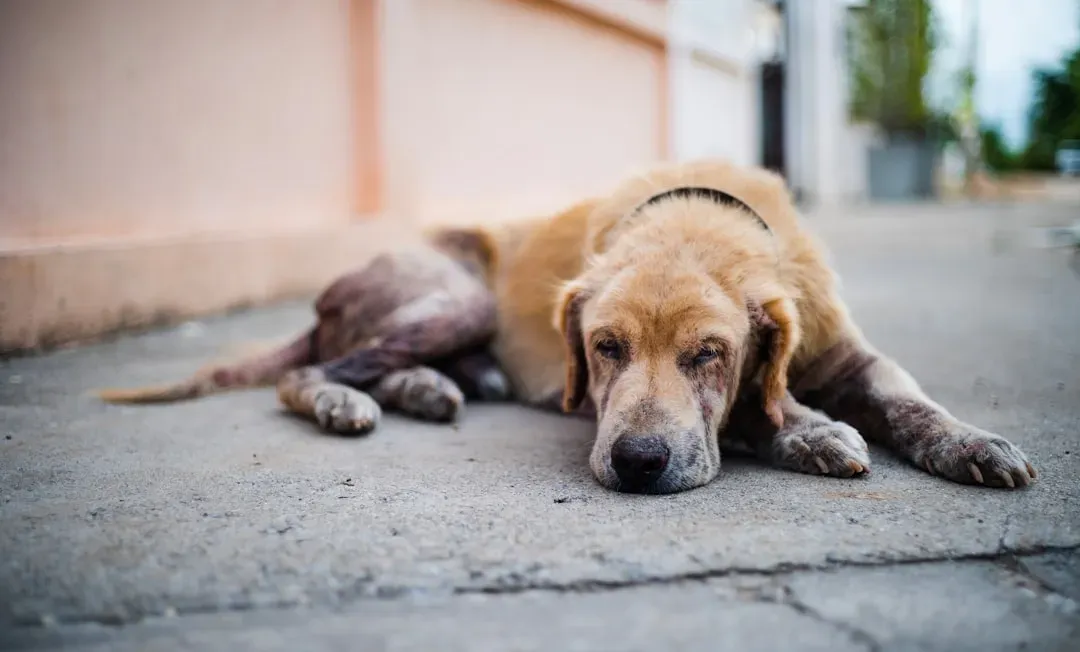
A fungal or bacterial infection can also occur around the rectum. These infections might occur if a bit of your dog’s feces remains on the anal area for some time or if there is an open wound around the butt. You’ll probably notice redness and inflammation in the affected area, and your dog may chew at and lick their butt to try to relieve the discomfort.
Malassezia dermatitis is skin inflammation caused by the fungus Malassezia pachydermatis. This fungus is commonly found on the skin, in the ear canals, and around the anus of healthy dogs, and usually does not cause any symptoms. Only in certain circumstances does the fungus reproduce quickly enough to become symptomatic. Warm, moist conditions and immune changes are common triggers.
Fungal dermatitis can cause severe itching, flaky or crusty skin especially around your dog’s nails, skin folds, armpits, and anal area, and ear infections. It can be easy to mistake for simple dry skin, which is why a proper vet diagnosis matters so much here.
If you suspect a skin infection is causing your dog’s licking behavior, give your vet a call for a professional opinion. Your pooch might need antibiotics to correct the problem. Use of an Elizabethan collar is recommended if your pet is licking or biting its skin, as this will prevent reinfection and allow the skin to heal. The earlier you address it, the faster the recovery.
5. Urinary Tract Infections: An Often Overlooked Connection
A urinary tract infection in dogs is a common problem in veterinary medicine, with roughly one in seven dogs being affected. UTIs are often caused by bacteria that are typically found in or around the rectum, skin, or hair near the external urethral opening traveling through the urethra into the bladder. Given how close this region is to the anal area, it’s not surprising that licking behavior can overlap with both issues.
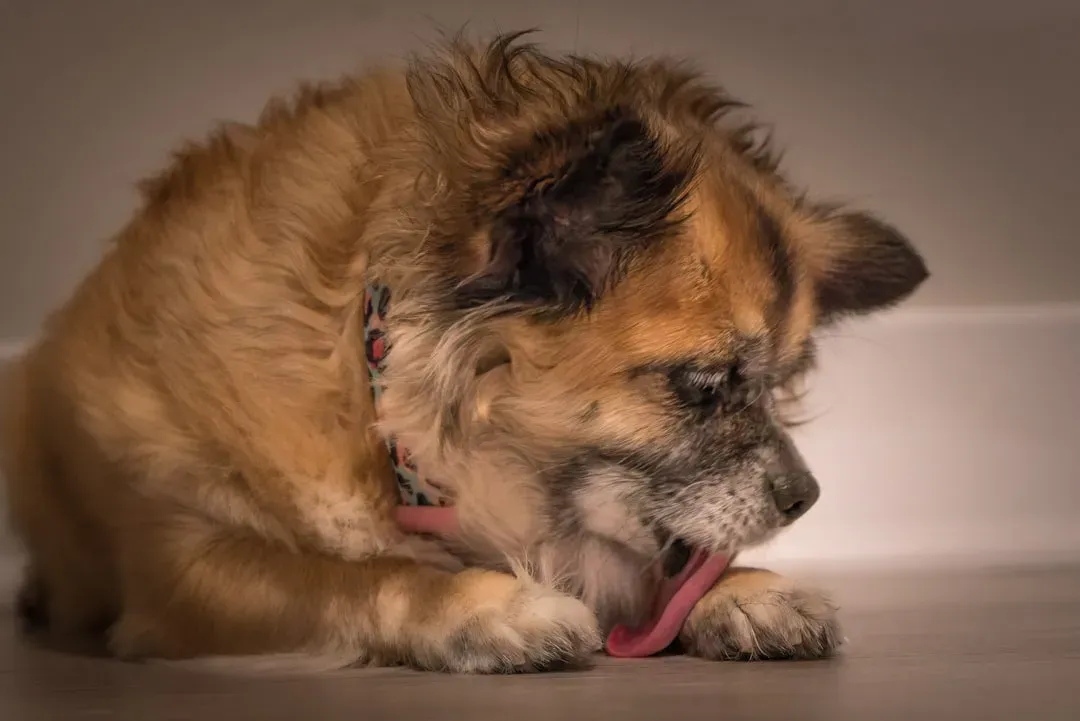
Dogs don’t only lick themselves to clean their bodies; they also lick to soothe pain and irritation. If you notice that your dog has become much more focused on licking themselves around the urinary opening, they may be experiencing pain from a UTI. This kind of licking often looks compulsive rather than casual.
Chronic licking of the vulva, blood in the urine, and increased thirst are other common dog UTI symptoms. Urinary tract infections in dogs are common, especially in senior dogs and dogs that have a recessed vulva. Female dogs are more susceptible overall, though any dog can develop one.
Early diagnosis prevents the infection from spreading to the kidneys or causing chronic bladder problems. Prompt care helps ensure your dog recovers quickly and comfortably. Keeping your dog’s genital area clean and free of debris, and providing access to clean drinking water at all times, can help reduce the risk. Simple habits, real impact.
6. Poor Hygiene and Grooming Debris: The Simplest Fix
Believe it or not, butt-licking serves some helpful purposes for your pup when it comes to grooming. Your dog uses their tongue to clean various areas of the body, including paws and hindquarters, on a regular basis. This self-care regimen assists in the removal of debris, discharge, and dirt. So some licking is not cause for alarm – it’s just your dog doing what dogs do.
Excessive licking of a dog’s private parts can be caused by severe inflammation or some other medical issue. If you become concerned, your first step should be to examine the area carefully to check for debris, feces, or hair mats. Long-haired dogs in particular can accumulate fecal matter in the fur around the anus, which irritates the skin and prompts licking.
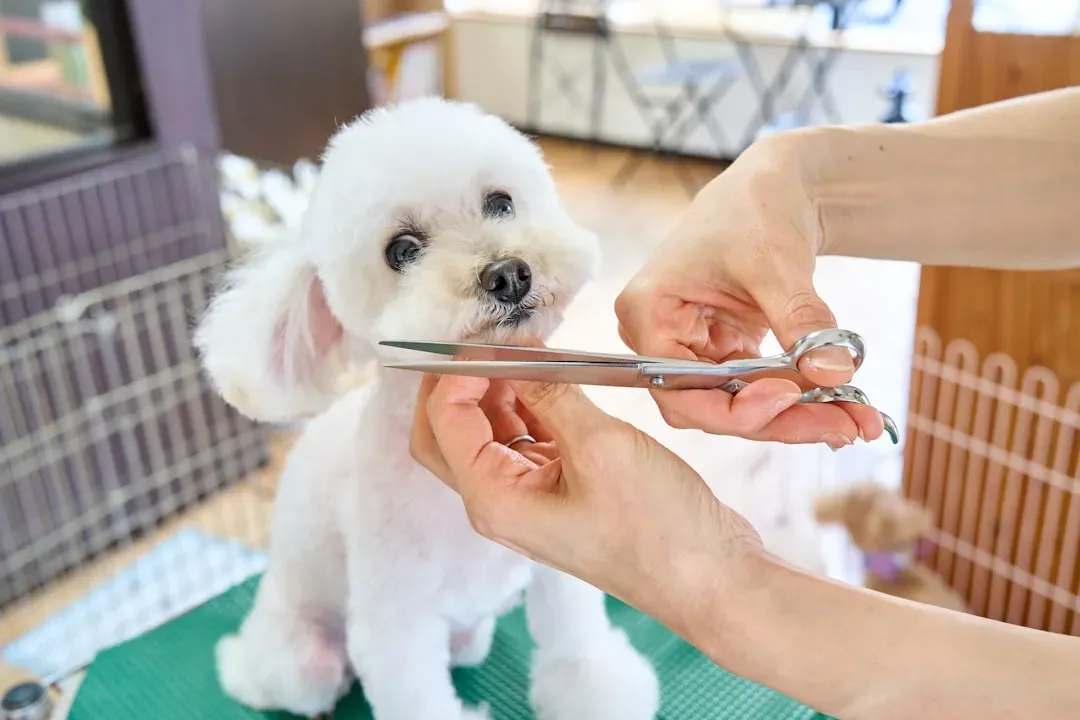
Sometimes, getting your dog to stop licking their rear may be a matter of simple lifestyle changes. Bathing your dog more often or changing their grooming routine might help remove bits of debris which may be causing discomfort. Still, if your dog keeps licking excessively after these adjustments, it may be time to see a vet.
Start by getting the rear end clean with canine shampoo and water, making sure to thoroughly rinse the area to avoid any added irritation from leftover soap. Don’t use diaper ointments or creams designed for humans as they can cause stomach upset or other symptoms. Also avoid over-the-counter medications that have not been approved by your vet. Regular grooming appointments can also make a real difference, especially for fluffier breeds.
When to Take It Seriously: Signs That Need a Vet
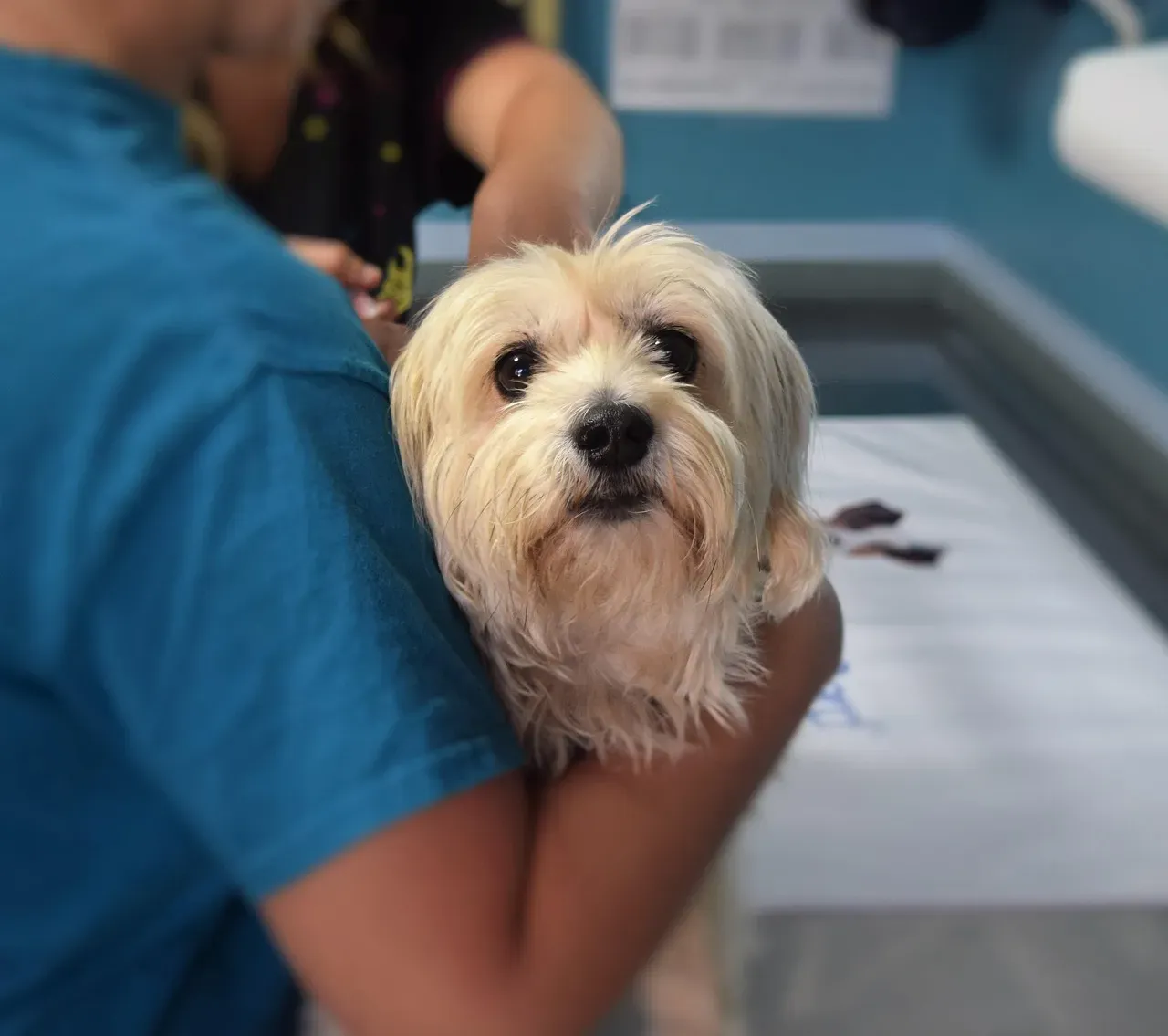
If your dog’s licking is getting excessive, it could signal that your pooch has a health issue. Knowing what “excessive” looks like matters. Serious anal gland infections involve noticeable swelling that appears red and feels warm to the touch. Your dog may show extreme discomfort, refuse to sit, or cry out when the area is approached. A visible abscess, bloody or pus-filled discharge, or fever indicates an advanced infection requiring quick care.
It is a good idea to discourage your dog from licking their hindquarters, as it may only exacerbate the problem. Much like scratching a bug bite or picking at a scab, excessive licking of the affected area, while it might provide temporary relief for your pup, can actually make things worse and prolong the recovery. A cone or e-collar is your best short-term ally while you wait for that vet appointment.
It’s very rare for dogs to lick their rear end for primarily behavioral reasons. Usually, there’s something else behind the behavior. Trust that instinct you have as a pet parent. When something feels off, it probably is.
Conclusion: Your Dog Is Telling You Something
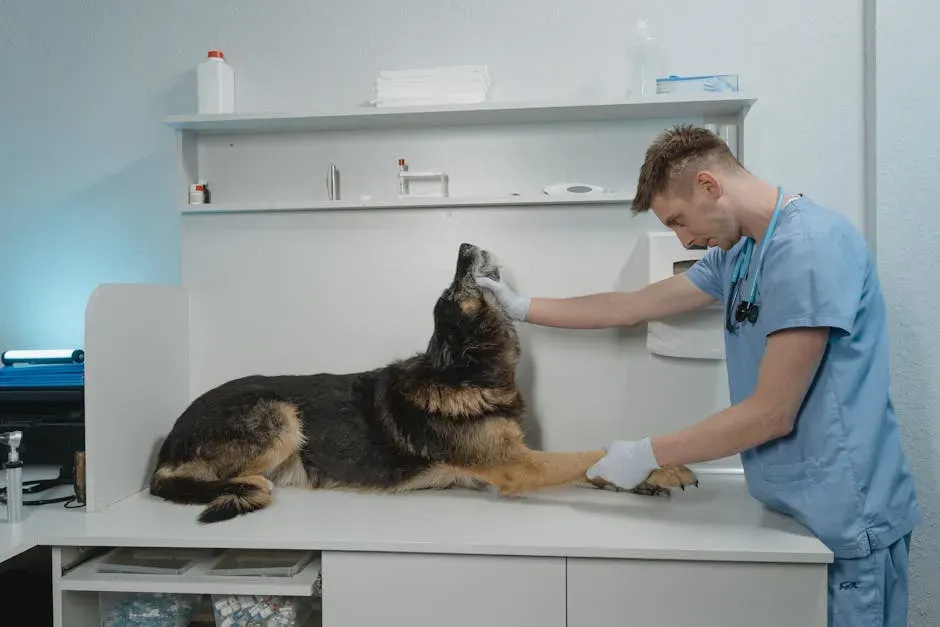
Dogs can’t use words, but they communicate constantly through behavior. Persistent butt-licking is one of the clearer signals that something deserves your attention, whether it’s a blocked anal gland, an unwanted parasite, a food allergy, or something as straightforward as matted fur.
The key isn’t to panic – most of these causes are very treatable, especially when caught early. As an attentive pet parent, you have a good idea about what is normal for your dog and what is above and beyond the typical. This definitely applies to butt-licking. If you start to notice that your pup is engaging in this activity a lot more than usual, the reason may have less to do with boredom and more with an actual medical issue that needs to be addressed.
Caring for a dog well means paying attention to the unglamorous stuff too. The more you understand what’s normal and what isn’t, the better equipped you are to act quickly and keep your dog comfortable. That’s not just good pet parenting – that’s a genuine partnership.


