
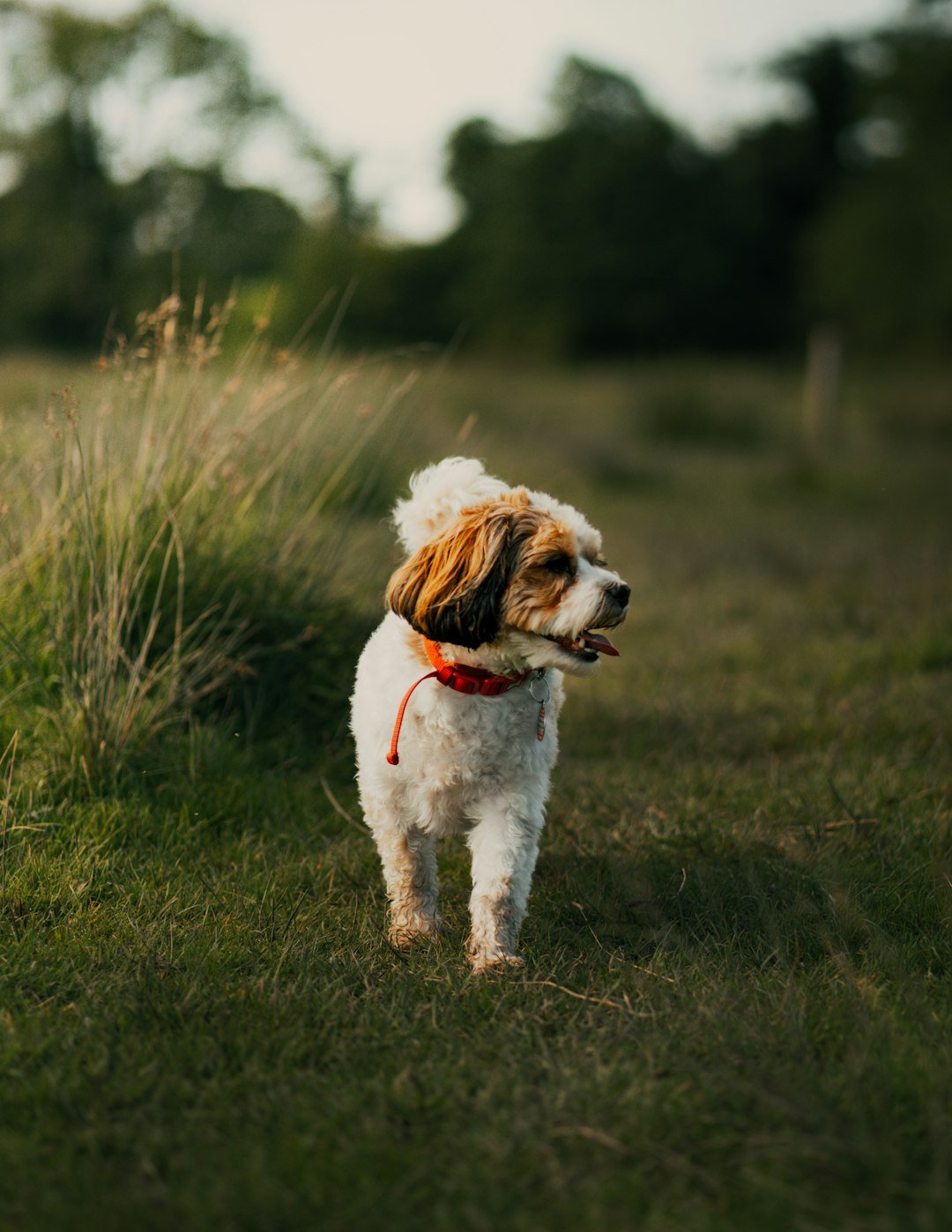
Dogs bring immense joy to millions of households, yet their well-being often hinges on subtle daily practices. Veterinarians emphasize that fostering happiness in pets requires intentional routines rather than grand gestures. These experts highlight straightforward habits that promote security, stimulation, and strong bonds between dogs and their owners.
Quality Time Strengthens Emotional Ties
One of the most impactful ways to uplift a dog’s mood starts with dedicated one-on-one interactions. Veterinarians note that pets crave personal attention, which reinforces their sense of belonging. Owners who set aside even 10 to 15 minutes daily for focused engagement report noticeable improvements in their dog’s demeanor.
This practice goes beyond casual petting. Simple activities like gentle grooming sessions or quiet cuddles on the couch build trust. Dogs respond positively to undivided focus, displaying relaxed body language and eager participation. Such moments prevent feelings of isolation that can arise in busy households.
Consistency Provides a Sense of Security
A predictable daily schedule ranks high among veterinary recommendations for canine contentment. Dogs flourish under routines that outline feeding times, bathroom breaks, and bedtime. This structure reduces anxiety, as pets learn to anticipate events without uncertainty.
Owners establish these patterns by maintaining fixed meal hours and walk schedules. Deviations disrupt the calm that routines foster. Veterinarians observe that consistent environments lead to fewer stress-related behaviors, such as excessive barking or pacing. Over time, this reliability translates to a more serene companion.
Sniffing Walks Unlock Mental Stimulation
Allowing dogs to sniff freely during outings taps into their natural exploratory instincts. Vets stress that walks serve more than physical exercise; they offer vital sensory enrichment. Restricting sniffing denies dogs a key source of joy and information about their surroundings.
Leash holders often hurry past scents, yet pausing for investigation energizes pups. This habit mimics how dogs experience the world, much like reading a newspaper for humans. Extended sniff sessions result in calmer dogs at home, with veterinarians linking it to lower cortisol levels.
Dedicated Exercise Fuels Physical Vitality
Regular, purposeful physical activity stands essential for a dog’s overall happiness. Veterinarians prescribe tailored exercise based on breed and age to prevent boredom and health issues. Short bursts of movement, like fetch or agility drills, keep energy levels balanced.
Dogs without sufficient outlets develop destructive tendencies. Structured sessions, whether in a yard or park, promote muscle tone and cardiovascular health. Owners notice brighter eyes and wagging tails after consistent efforts. This habit pairs well with mental challenges for comprehensive well-being.
Positive Reinforcement Builds Confidence
Training through rewards rather than punishment emerges as a cornerstone of veterinary advice. Positive reinforcement encourages desired behaviors with treats, praise, or toys. Dogs learn faster and associate commands with pleasure, enhancing their self-assurance.
Veterinarians warn against harsh corrections, which erode trust. Short, frequent sessions yield the best results, focusing on basics like sit or stay. This method not only teaches skills but also deepens the owner-pet relationship. Confident dogs exhibit fewer fears and more playful attitudes.
Playtime Sparks Pure Delight
Incorporating fun games rounds out the habits that veterinarians champion for joyful dogs. Toys, tug-of-war, or hide-and-seek sessions ignite excitement and relieve stress. These interactions mimic pack dynamics, satisfying social needs.
Variety keeps play engaging, preventing monotony. Vets recommend matching activities to a dog’s preferences for maximum enjoyment. Regular play combats lethargy, especially in indoor settings. Owners witness transformations as reserved pets become lively participants.
Key Takeaways
- Dedicate daily one-on-one time to foster emotional bonds.
- Maintain consistent routines for reduced anxiety.
- Permit sniffing on walks and prioritize exercise, training, and play for full stimulation.
Implementing these six habits transforms ordinary days into sources of genuine canine bliss. Veterinarians confirm that small, steady changes yield lasting happiness for dogs. What habits have you tried with your pup? Share your experiences in the comments.


