
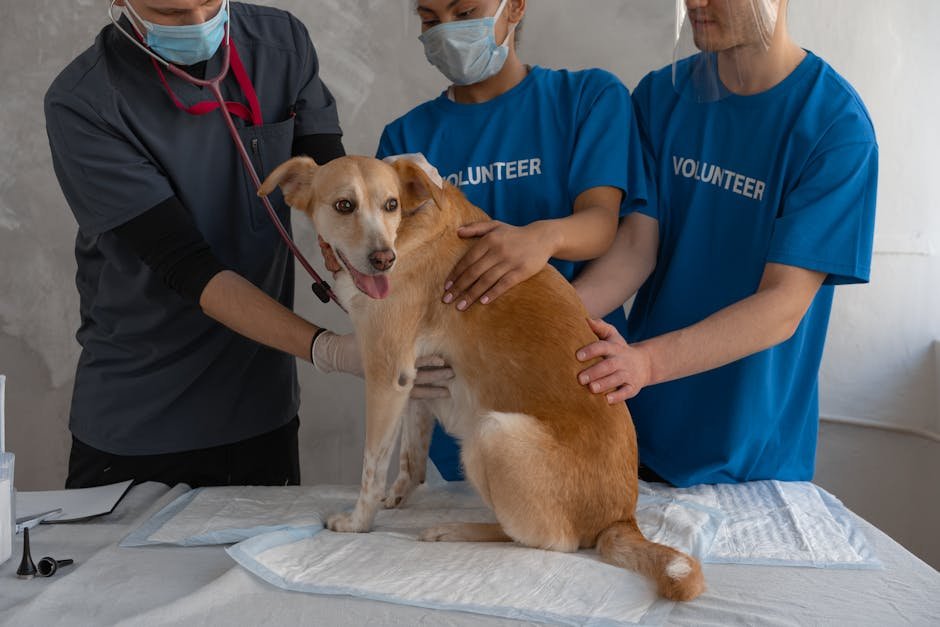
Oroville – Local families frequently enjoy time with their dogs and cats both indoors and amid the area’s scenic trails and parks. Emergencies arise without warning, from kitchen accidents to outdoor scrapes. Veterinary professionals urge pet owners to master basic stabilization methods and maintain ready supplies to aid recovery before reaching a clinic.[1][2]
Stocking a Reliable Pet First-Aid Kit
Every household starts with a dedicated kit, tailored for quick access during crises. Owners kept these kits portable for outings, ensuring essentials remained handy in backpacks or vehicles. Such preparation proved vital in stabilizing pets swiftly.[1]
Core items formed the foundation of effective response. Pet-safe supplies prevented complications from human products, which often irritated skin or restricted movement. Regular checks ensured nothing expired, maintaining reliability year-round.
- Soft muzzle or towel for safe handling
- Harness, leash, and disposable gloves
- Gauze pads, bandages, and adhesive tape
- Pet-safe antiseptic wipes and clean towels or blankets
- Emergency veterinarian contact information
- Saline solution for rinsing wounds
Addressing Everyday Home Incidents
Indoor mishaps like cuts or choking demanded immediate, measured intervention. Families applied gentle pressure to minor bleeding with clean gauze, halting flow without tight wrapping. Paw pads, prone to splinters, received a thorough rinse under cool water before loose bandaging for transport.
Choking posed unique risks, where owners avoided inserting fingers to dislodge objects, opting instead for professional extraction. Heat exhaustion from closed spaces prompted relocation to shaded spots with small sips of room-temperature water. These steps bought critical time en route to care.[1][3]
Tackling Outdoor Challenges Head-On
Trails around Oroville exposed pets to thorns, uneven terrain, and wildlife. Snake encounters required keeping animals immobile to slow venom spread, with no sucking or cutting advised. Hikers prioritized calm transport over field remedies.
Paw injuries from rocks or hot pavement involved cleaning and protective padding. Sun exposure led to prompt cooling efforts, preventing escalation to severe distress. Portable kits shone here, bridging remote locations to veterinary facilities.[1]
Boundaries of First Aid and Next Steps
First aid focused solely on stabilization, never full treatment. Owners refrained from diagnosing conditions, recognizing limits in home settings. Human medications like ibuprofen or acetaminophen caused toxicity even in trace amounts, worsening outcomes.
Professionals at local centers like Oroville Animal Health Center handled diagnostics and recovery. Families programmed emergency lines into phones, including 24-hour services. Quick calls guided precise actions, enhancing survival odds.
- Assemble and maintain a pet-specific first-aid kit for home and travel.
- Stabilize with pressure, rinsing, and cooling; avoid invasive actions.
- Steer clear of human drugs and seek veterinary care immediately.
Preparation transformed potential tragedies into manageable events for Oroville pet companions. Simple habits ensured loved ones received timely aid amid life’s unpredictability. What steps have you taken to ready your home for pet emergencies? Share in the comments below.


