
Labrador Retriever
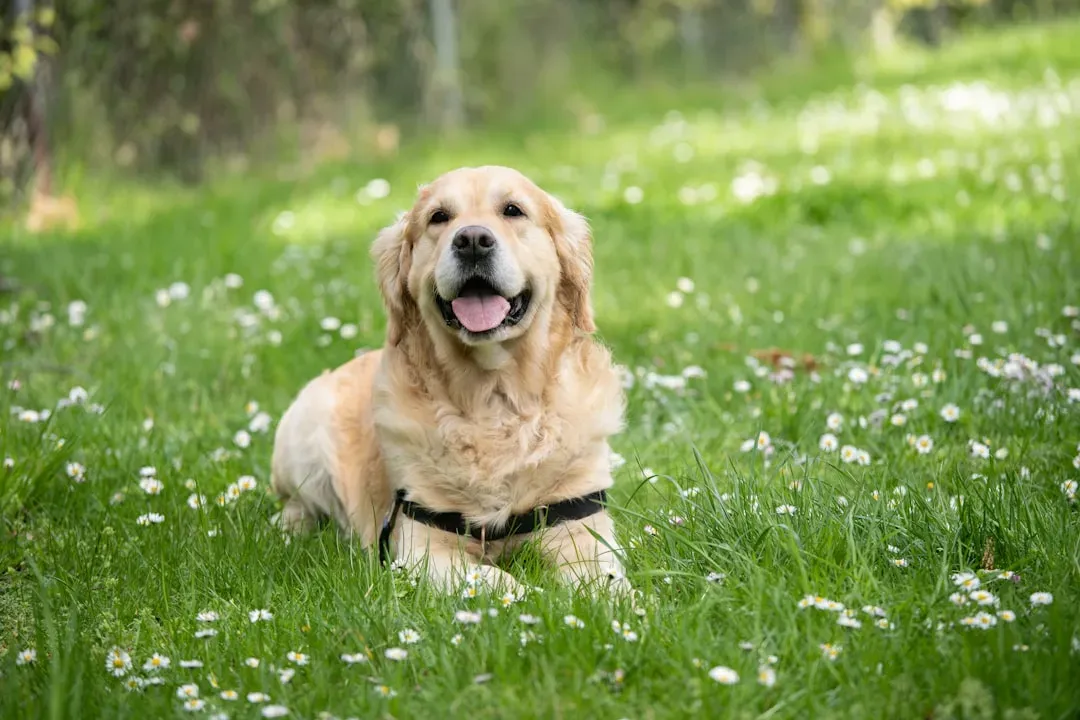
Labrador Retrievers stand out for their steady temperament and sharp focus on their people. These dogs often sense rising tension through changes in scent or body language. Their natural eagerness to please makes them quick to learn alert behaviors that interrupt an episode early.
Many handlers report Labs nudging or pawing at the first sign of distress. Their size offers comforting presence without overwhelming. Training builds on an already intuitive nature that thrives in service roles.
Golden Retriever
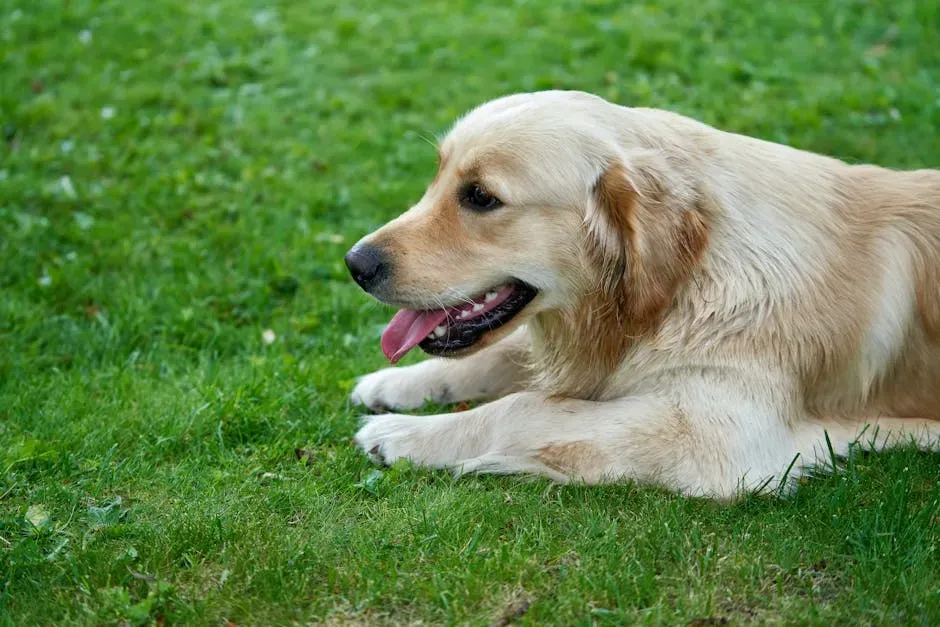
Golden Retrievers bring a gentle sensitivity that suits emotional support work well. They read facial expressions and subtle posture shifts with surprising accuracy. Their affectionate style helps ground someone before anxiety escalates.
These dogs frequently develop strong bonds that heighten their awareness of routine changes. Handlers value their calm response when stepping in during early warning signs. Their intelligence supports consistent performance across different environments.
German Shepherd
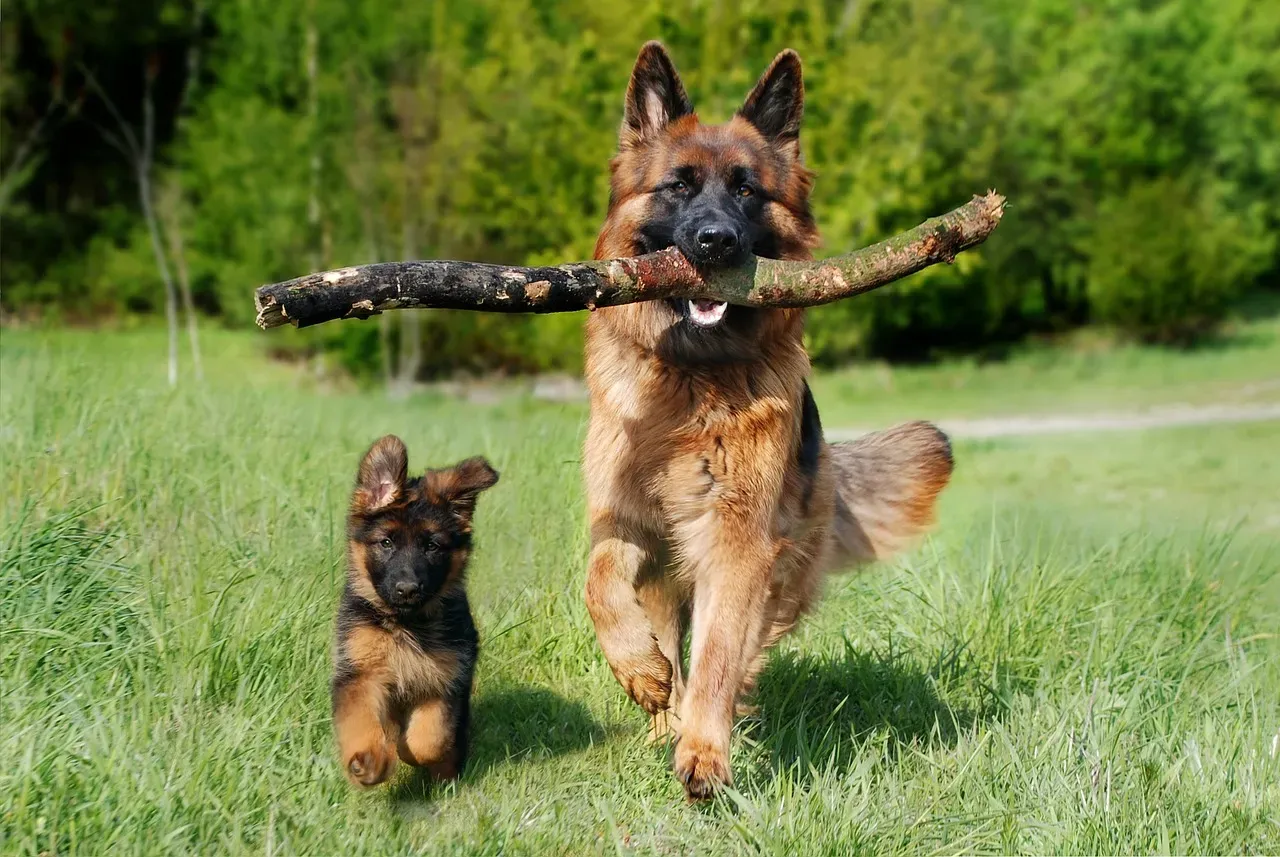
German Shepherds combine loyalty with keen observational skills. They notice shifts in heart rate or breathing patterns through both scent and visual cues. Their protective instincts often translate into reliable alerts during rising stress.
These dogs handle structured training effectively due to their focus and drive. Many excel at providing deep pressure or distraction at the right moment. Their versatility makes them a steady choice for psychiatric tasks.
Standard Poodle
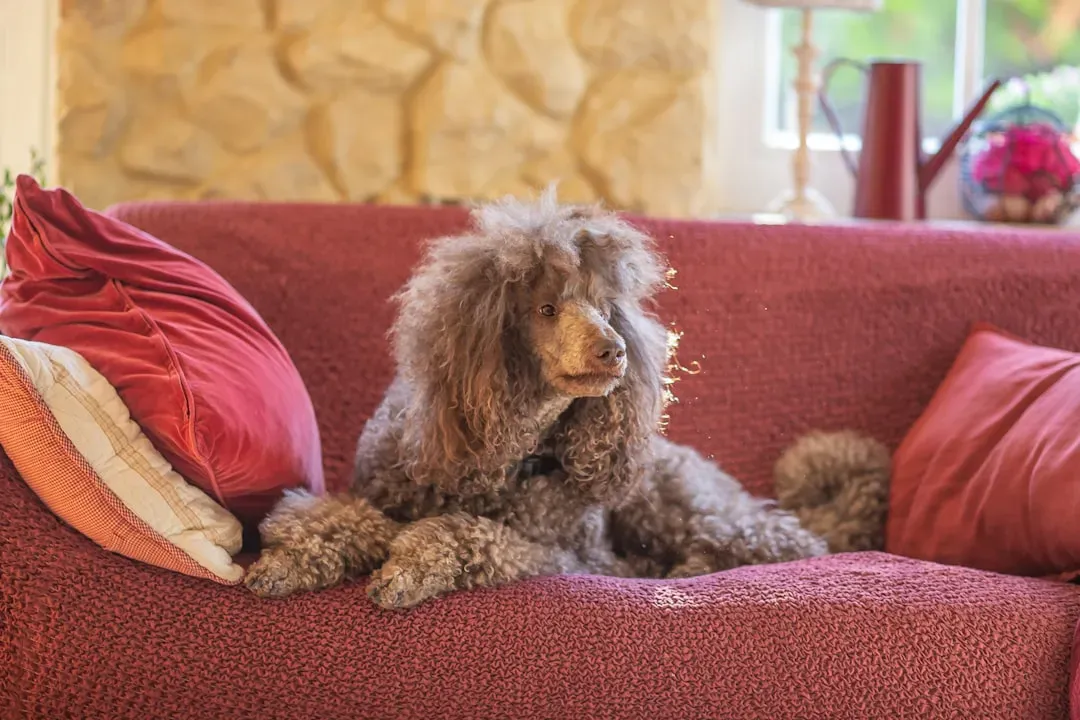
Standard Poodles offer high intelligence paired with a calm demeanor. They pick up on chemical changes in the body that signal an approaching episode. Their hypoallergenic coat adds practical appeal for daily living.
These dogs respond quickly to cues during training sessions. Handlers appreciate their ability to stay attentive without becoming overly excitable. Their adaptability supports long term success in alert work.
Cavalier King Charles Spaniel

Cavalier King Charles Spaniels form close attachments that sharpen their emotional radar. They often detect tension through proximity and gentle observation. Their smaller size fits well in varied living situations.
These dogs tend to offer quiet comfort right as unease begins to build. Their affectionate nature encourages regular interaction that strengthens the bond. Training refines their natural tendency to stay close during difficult moments.
Boxer
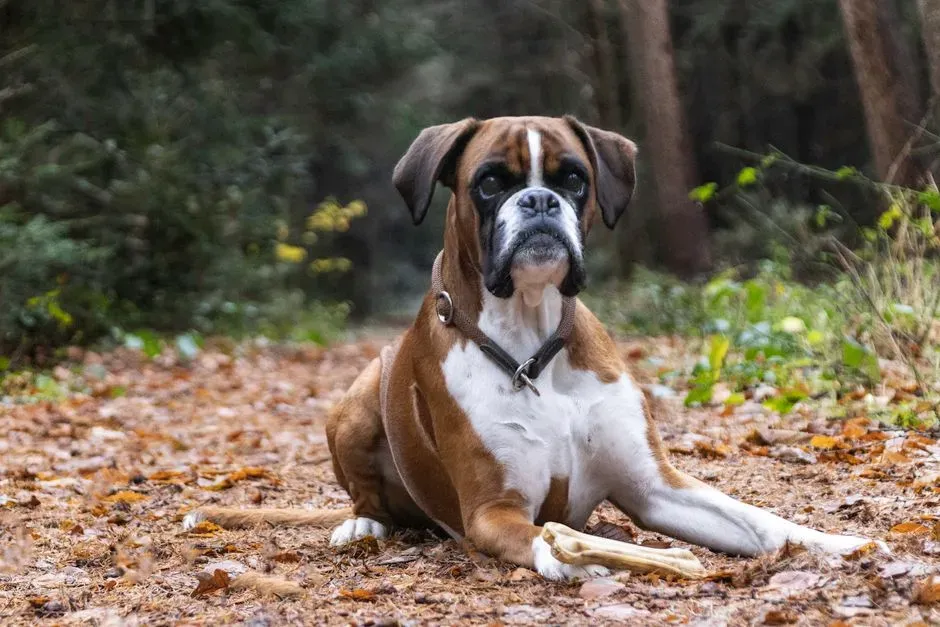
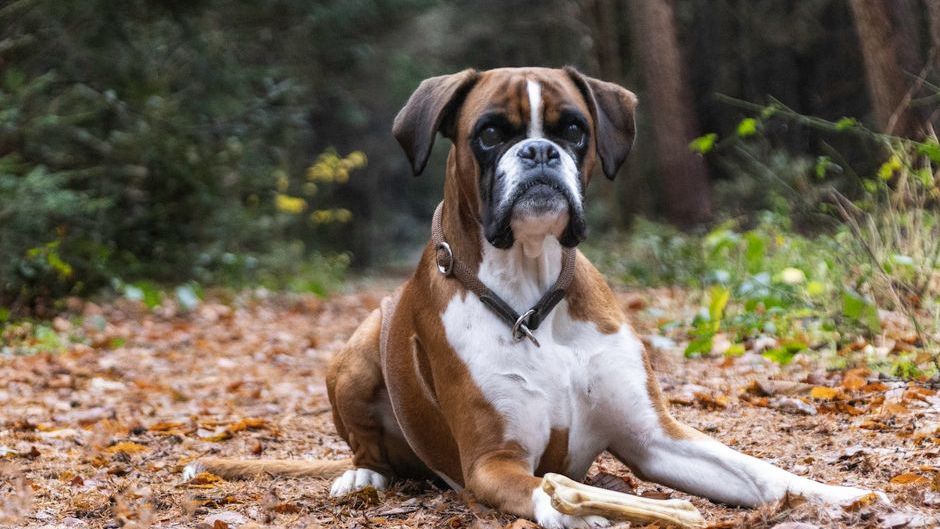
Boxers bring energy balanced by strong loyalty to their family. They notice early physical signs like altered breathing through attentive watching. Their playful side can provide timely distraction when needed.
These dogs respond well to consistent guidance in service training. Many develop reliable habits for interrupting rising anxiety. Their sturdy build offers reassuring contact without excess force.
Border Collie
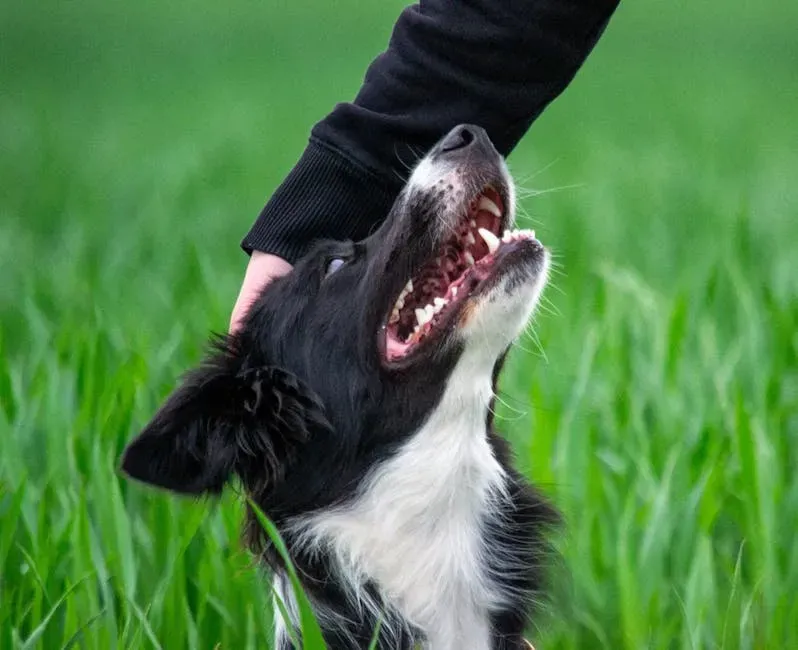
Border Collies possess intense focus and quick learning ability. They tune into minor shifts in movement or scent that precede panic. Their herding background supports precise response behaviors.
These dogs thrive when given clear tasks tied to their handler’s well being. Handlers note their vigilance helps catch episodes at the earliest stage. Proper outlets for their energy keep them effective over time.
The real power here lies in thoughtful training rather than any single breed alone. People who pair the right dog with professional guidance often find meaningful support that fits daily life. Choosing based on temperament and lifestyle matters more than chasing trends.


