
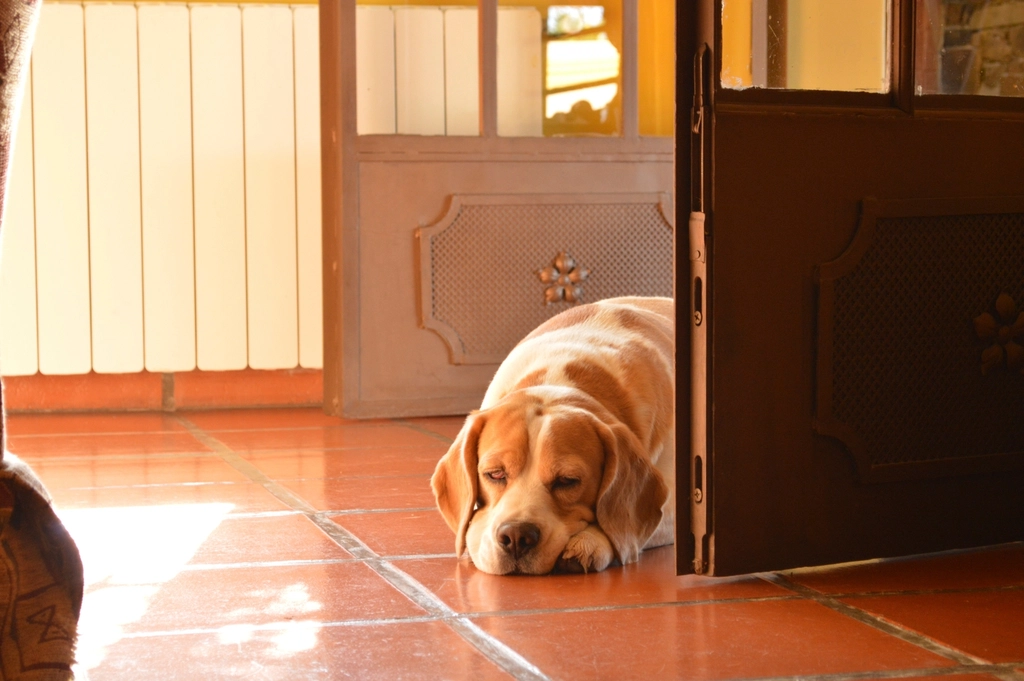
Some dogs learn the sound of heartbreak long before they learn the sound of a treat jar. If you’ve ever lived with a rescue who freezes at every click of a lock or stares at the door like it holds their entire future, you know exactly what this looks like. On the surface, it seems simple: they miss someone, or they are just “alert.” But what if that constant door-watching is actually the visible tip of a deep, long-lasting psychological scar?
Behind that habit is a mix of biology, memory, and hard-earned survival instincts that do not just fade with time, even when life becomes safe and loving. In this article, we will unpack what science knows, what behaviorists see every day, and what we, as humans who love dogs, often feel in our gut: that once a dog has learned people can vanish, part of them never stops checking to see if it will happen again.
The Door Is Not Just a Door: How Dogs Learn What Matters

From a dog’s point of view, the door is the center of the universe. It is where people leave, where they return, where strange noises appear, and where danger might show up. Over time, dogs build powerful associations between that one spot and their entire emotional world; it becomes a symbol for love, safety, and risk all at once.
When a dog is abandoned, that symbol becomes supercharged. The door is no longer just where someone goes out; it is where they disappeared and never came back. Even years later in a new home, that earlier learning can echo, so the dog keeps one eye on the doorway like someone who keeps glancing at their phone long after a painful breakup, just in case today is the day everything changes again.
Abandonment Imprints on the Brain: Stress, Memory, and Survival
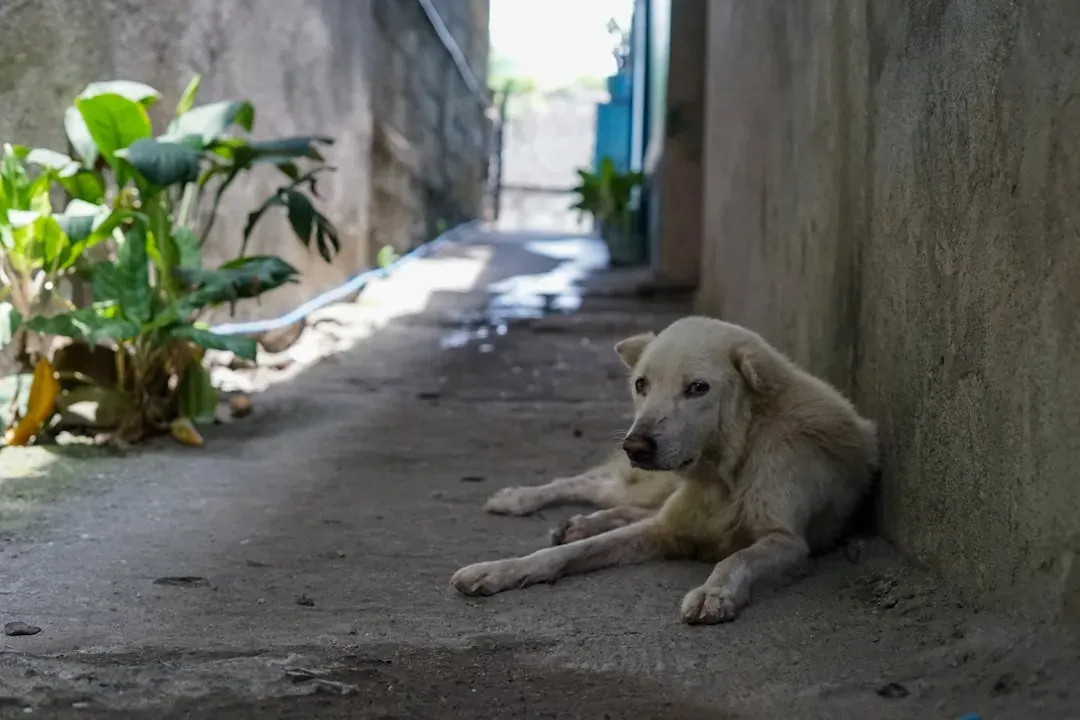
Dogs do not remember every tiny detail of their lives, but emotionally intense events hit differently. Experiences like being left alone in a strange place or watching a person walk away and never return can activate the brain’s stress systems so strongly that the memory becomes almost tattooed into their nervous system. This is similar to how humans may vividly remember where they were during deeply upsetting moments, even decades later.
Stress hormones like cortisol do more than just make a dog feel on edge in the moment; repeated or severe stress can change how the brain responds in the future. For a dog who has been abandoned, hypervigilance around exits is not them being dramatic; it is their brain trying to make sure that if something bad is about to happen again, they will at least see it coming. Watching the door becomes a survival strategy that once worked well enough to stick.
Attachment Gone Wrong: When Your Person Disappears

Dogs, like human toddlers, form strong attachment bonds with caregivers. In a secure bond, the dog trusts that when their person leaves, they will come back. Over time, that trust quiets a lot of anxiety. But if a dog’s main person abandons them, that attachment system takes a hit. The dog’s internal story shifts from “people leave and return” to “people leave and sometimes never come back.”
That shift matters, because attachment is not just about affection; it is a blueprint for expectation. Even in a happy new home, a previously abandoned dog may never fully relax around transitions. Every time you pick up your keys or walk toward the door, their old blueprint gets triggered. They watch, they follow, they hover, because a part of them expects the worst, no matter how many times you have proven otherwise.
Why Time Alone Does Not Heal All Wounds

People often assume that enough love and enough years will erase a rough past. With dogs, that is only partly true. Time can soften some sharp edges, and a stable home can absolutely reduce anxiety, but early or intense experiences can leave long-lasting patterns in behavior and in the brain. Waiting for a dog to “just get over it” misunderstands how deep those early lessons can go.
For many formerly abandoned dogs, the habit of monitoring the door becomes almost automatic. Even when they are not panting, pacing, or whining, they may lie where they can see the entrance, or startle at the sound of a handle turning. Decades later, especially as they age, you may see those old habits flare up again, not because anything new is wrong, but because stress patterns have been carved so deeply that they never fully disappear, only go quiet for a while.
Hypervigilance in Fur: What It Looks Like in Everyday Life

Hypervigilance is a clinical-sounding word for something many dog guardians recognize instantly. The dog who sleeps only half-asleep, always in line with the door. The dog who refuses to settle if someone is getting ready to go out. The dog who barks sharply at the smallest sound in the hallway, then stays glued to the entryway as if guarding against an invisible threat. These are not random quirks; they are patterns of a nervous system that never fully feels off-duty.
In my own life, I lived with a small mixed-breed rescue who would physically plant herself between the couch and the front door, like a living doorstop. She loved her new home, played, cuddled, and ate well, but when someone picked up a bag near the door, she transformed: eyes wide, body tense, heart racing. Even ten years later, in her senior years, that switch had not vanished. It had just become quieter, like a wound that had scarred over but still ached before a storm.
Is It Trauma, Personality, or Both?
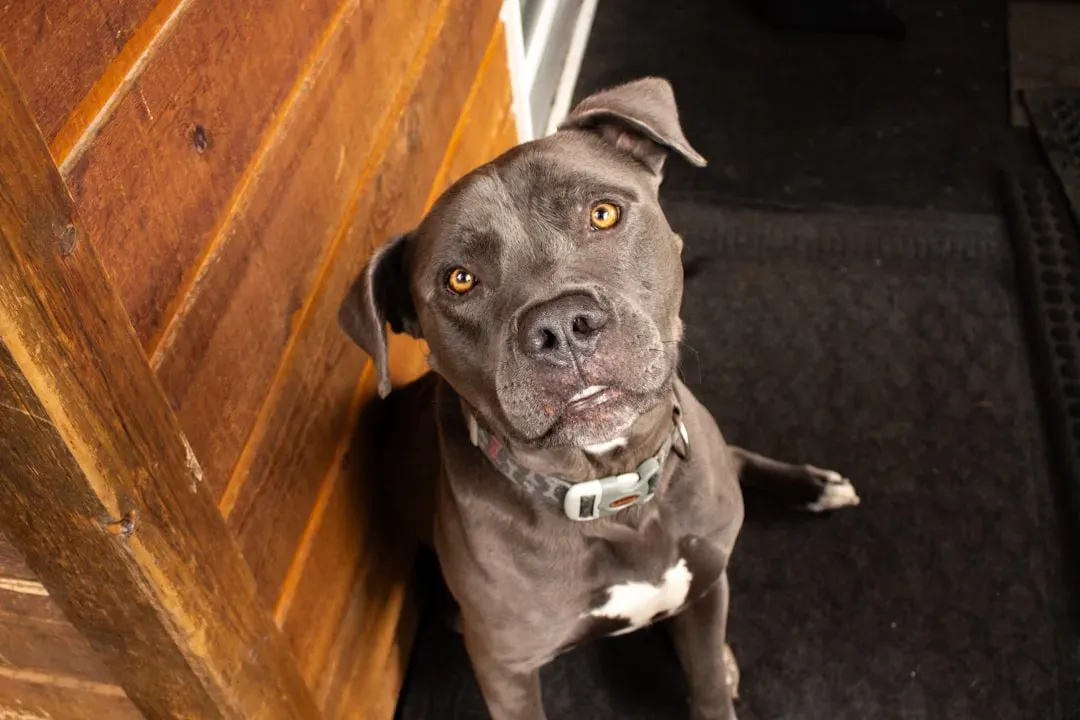
Not every door-watching dog has been abandoned, and not every abandoned dog becomes fixated on entryways. Just like humans, dogs bring their own personalities to their experiences. Some are naturally cautious, some are bold and carefree, and some sit somewhere in the messy middle. A nervous, sensitive dog who is abandoned is more likely to cling to the door than a carefree, easygoing dog who has the same experience.
Still, when you combine a sensitive temperament with a truly frightening or confusing abandonment, the result can look a lot like long-term trauma. The lines blur: is the dog naturally watchful, or did life teach them they have to be? In reality, it is usually both. Their built‑in traits shaped how the experience landed, and the experience shaped how those traits show up. That is why two rescue dogs in the same loving home can have very different relationships with that same front door.
How Humans Accidentally Reinforce the Door Obsession
Here is a quietly uncomfortable truth: sometimes we make the door problem worse without meaning to. If every goodbye is rushed and emotional, full of apologies and long speeches, the dog learns that the door is a huge deal. If every return is wild excitement with big greetings and high-pitched voices, the door becomes even more dramatic. The entryway turns into an emotional rollercoaster instead of an ordinary part of the day.
On top of that, we often respond to anxious behavior around the door in a way that feeds it. When a dog barks, whines, or scratches and we respond every time with intense reassurance or quick re-entry, we accidentally teach them that panicking near the door is a powerful way to control our behavior. They are not manipulating us on purpose; they are simply learning what seems to work to bring us back or keep us from leaving.
What We Can Do: Helping a Dog Feel Safe Without Erasing Their Past
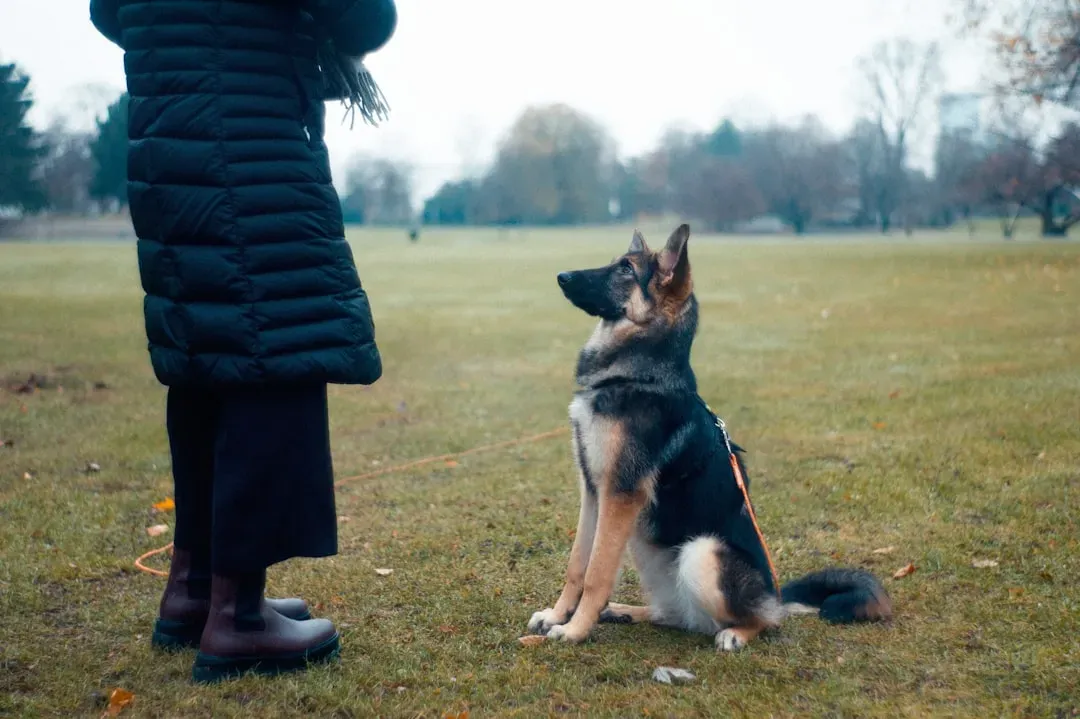
The goal is not to turn a once-abandoned dog into a carelessly indifferent one who does not care when you come or go. That would not be realistic or fair. Instead, the aim is to gently teach their nervous system that doors do not always mean disaster. Predictable routines, calm departures, and low‑key returns go a long way. Quietly putting on your shoes, giving a simple cue, and walking out without drama sends a clearer, safer message than a guilty, emotional goodbye.
Environmental tweaks can help too: beds placed slightly away from the door but still within view, soft background sounds to mask hallway noise, puzzle toys during departures, and short, manageable alone times that grow slowly. Professional trainers and behavior specialists sometimes use structured desensitization and counter‑conditioning to chip away at the fear, but the heart of it is simple: you prove, over and over, that you always come back, until their brain starts to believe it just a little more than it did yesterday.
Conclusion: The Door They Watch, and the Promise We Make
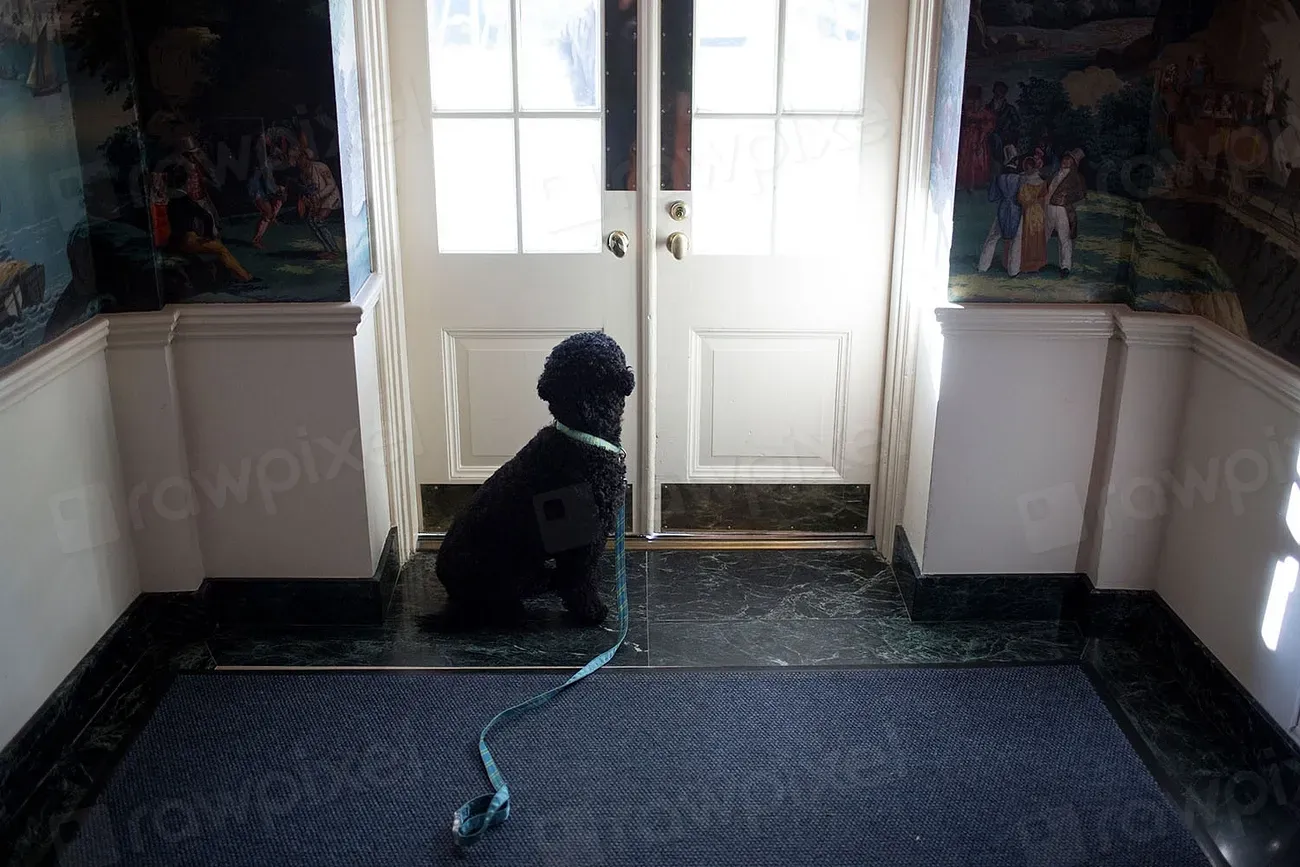
In the end, a dog who keeps one eye on the door is not being stubborn or “clingy”; they are asking a hard question life once answered in the worst possible way: will you leave me too? From my perspective, that question deserves more than irritation or empty reassurance. It deserves our honesty: no, we cannot erase what happened to them, and no, some part of them may never stop checking the door. But we can change what the door means from now on.
Maybe the real measure of love for a once-abandoned dog is not whether they ever stop watching the exit, but whether they can watch it with a calmer heart because of how we live with them day after day. We cannot rewrite their origin story, but we can shape their final chapters so the door becomes less of a threat and more of a doorway to ordinary, boring, beautiful routine. When your dog glances at the door tonight, will they see a symbol of loss, or a place where you always, eventually, come back through?


