
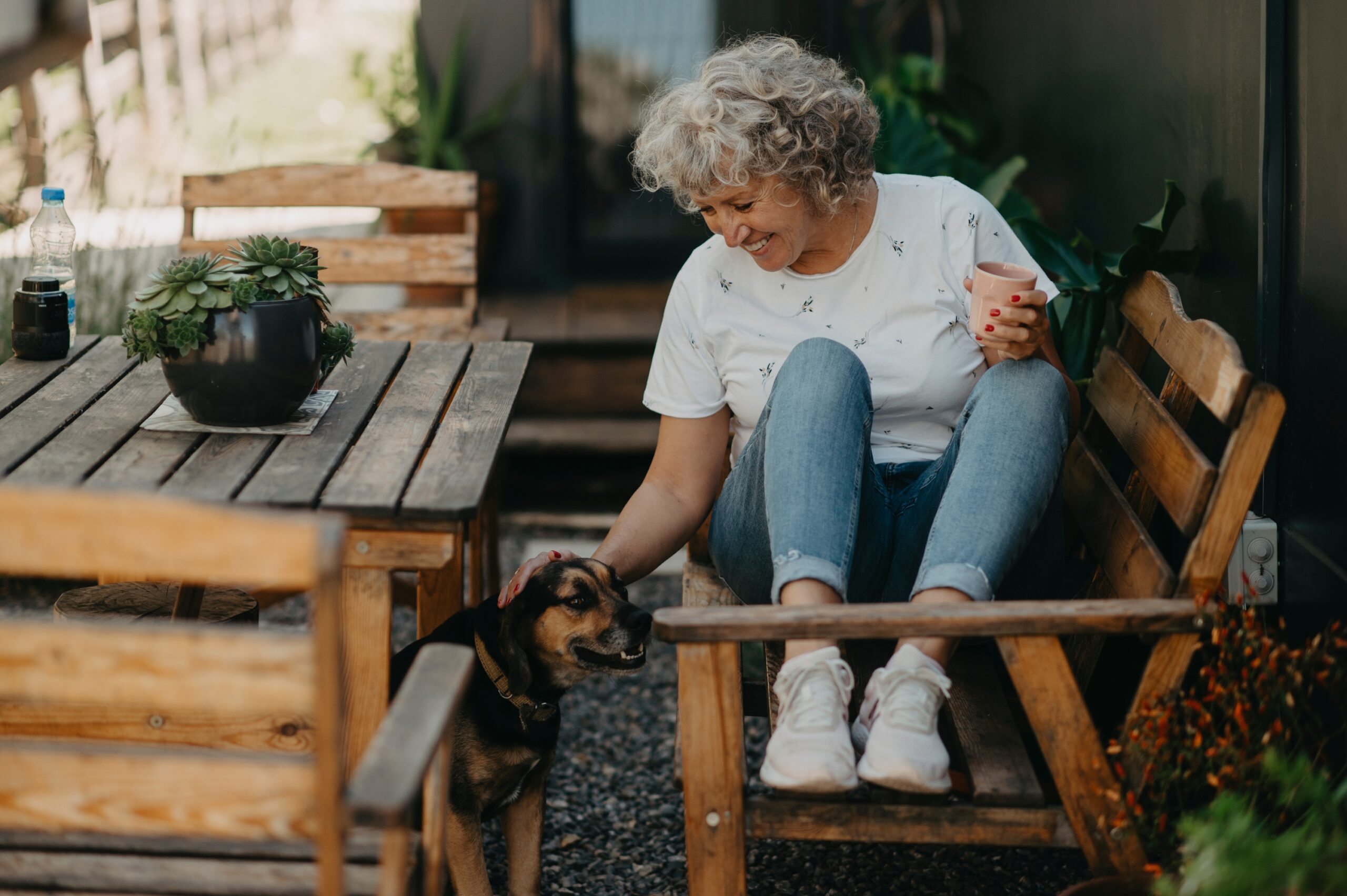
You hit your mid‑fifties or sixties and suddenly the noise of life starts to quiet down. The kids move out, work slows, friends relocate, people you love get busy or, painfully, pass away. The days can stretch out in front of you, and even if you are surrounded by people sometimes, there is this heavy, silent feeling: loneliness.
Now imagine this: a pair of soft eyes that light up every time you walk into the room, a tail that thumps like a tiny drum, and a living, breathing reason to get up, move, talk, and feel needed again. Not just any dog, but a very particular kind that research keeps circling back to as a game‑changer for older adults.
The Type of Dog That Makes the Biggest Difference
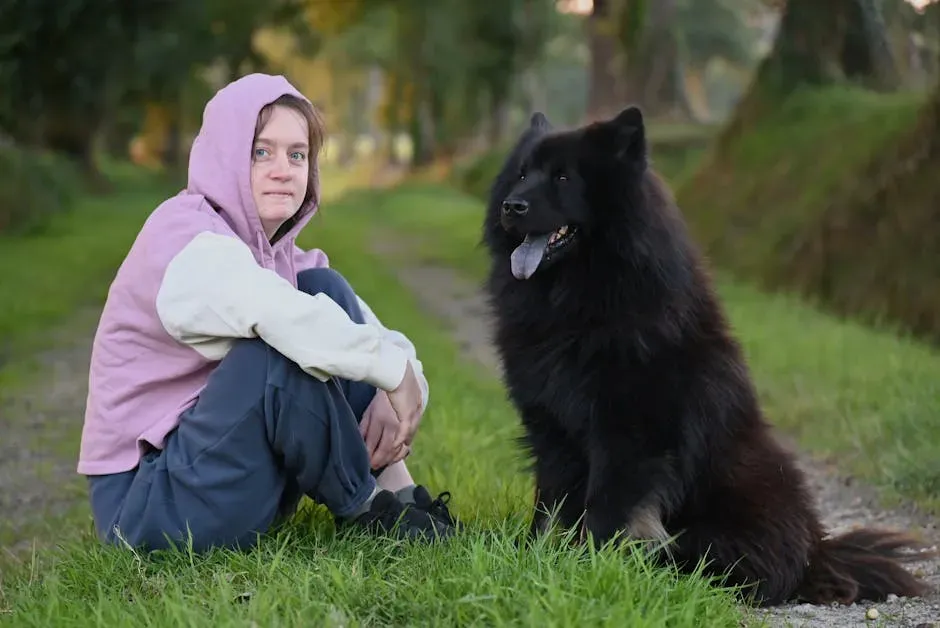
When it comes to easing loneliness after 55, researchers and geriatric therapists often point to one broad type of dog as especially powerful: small to medium, people‑oriented companion breeds. Think of dogs that were bred primarily to be with humans, not to herd sheep or guard property. These are the lap dogs and shadow dogs, the ones who want to be wherever you are.
What sets these companion‑type dogs apart is how tuned in they are to human emotions. They tend to seek eye contact, follow you from room to room, and respond quickly to your tone of voice. For someone living alone or feeling disconnected, that constant, gentle attention can feel like emotional oxygen.
Why Companion Dogs Work So Well for People Over 55
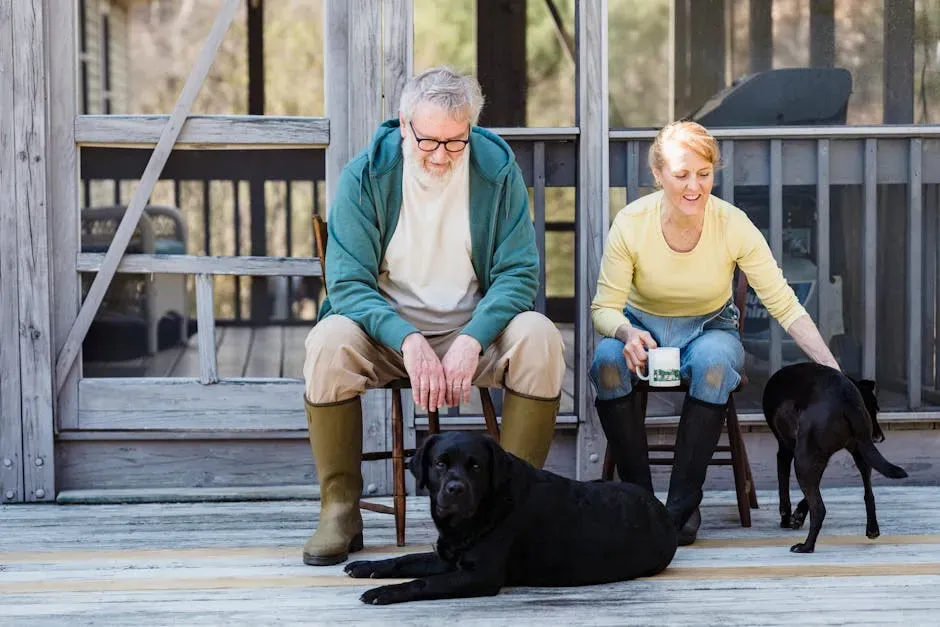
Loneliness in later life is not just an uncomfortable feeling; it is linked with higher risks of depression, cognitive decline, and even heart problems. A dog cannot magically erase these risks, but studies show that regular interaction with a pet can help lower perceived loneliness and boost overall mood. The key word here is perceived: how lonely you feel matters almost as much as how alone you actually are.
Companion dogs fit older adults especially well because they are usually less demanding physically than very large or high‑drive breeds. They are small enough to manage, but emotionally big enough to fill a room. Their need for short, regular walks and daily contact creates a steady rhythm in your day that quietly pushes back against emptiness and isolation.
How a Dog Reshapes Your Daily Routine (And Your Mind)
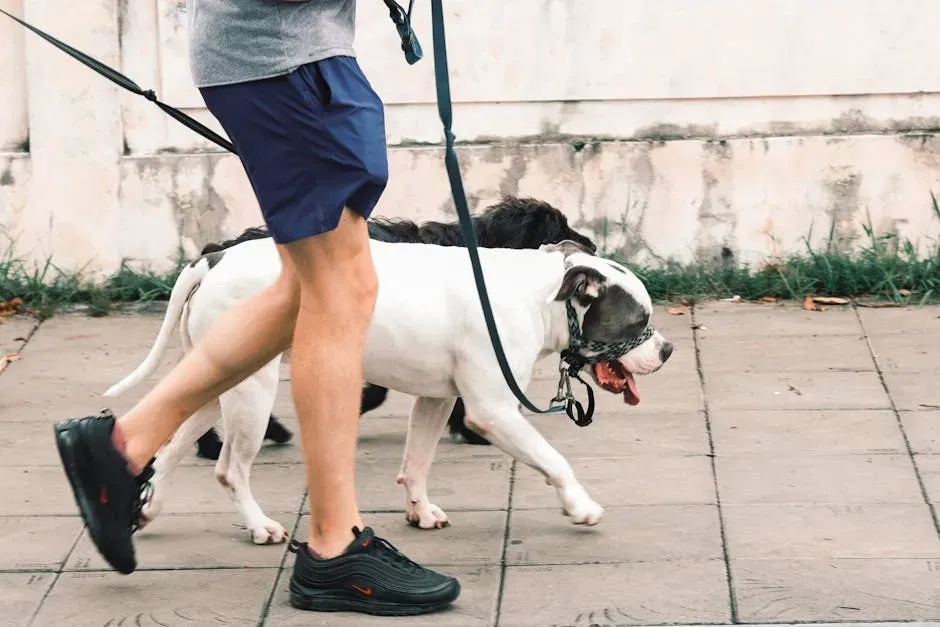
If you live alone, you know how easy it is for days to blur into each other. A companion dog disrupts that pattern in the best possible way. You wake up because someone needs breakfast. You step outside for a morning walk instead of scrolling your phone in bed. You come home not to a silent house, but to an enthusiastic welcome that never gets old.
That structure is not just cute; it is mentally protective. Routines that combine light exercise, fresh air, and simple responsibility are a quiet form of therapy. They keep your brain engaged, your body moving, and your emotions pointed outward instead of sinking inward. It is a bit like having a personal trainer, a therapist, and a tiny, furry alarm clock rolled into one.
The Science of Touch, Oxytocin, and Feeling Wanted
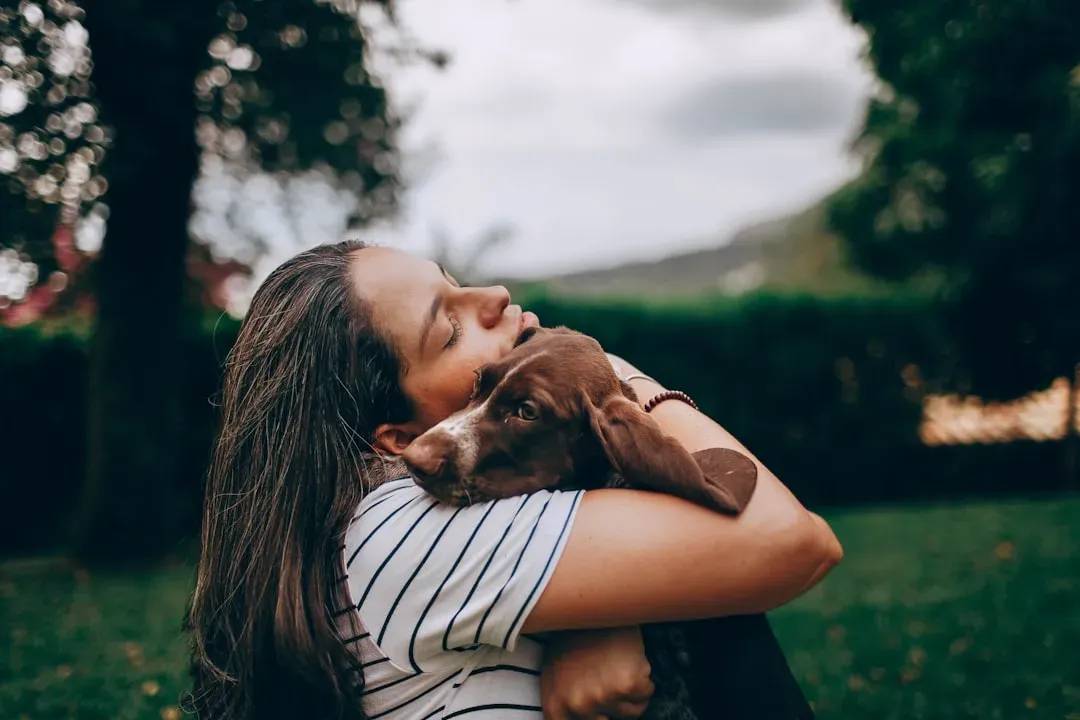
One of the most underrated parts of having a dog is simple, physical contact. Gentle touch matters enormously as we age, yet many people over 55 find they are hugged less, held less, and physically reassured less often. Stroking a dog, feeling their warmth leaning against your leg, or having them fall asleep on your lap can quietly fill a gap you may not even have words for.
Researchers have found that interacting with a friendly dog can increase levels of oxytocin, sometimes called the bonding hormone, while lowering stress hormones and even modestly reducing blood pressure. You do not see these hormones shifting, but you feel it: your shoulders drop, your breathing slows, and that hard, tight feeling in your chest eases a little. Over time, those little moments add up into a very real sense that you are connected, cared for, and emotionally safer.
From Isolation to Interaction: Dogs as Social Bridges
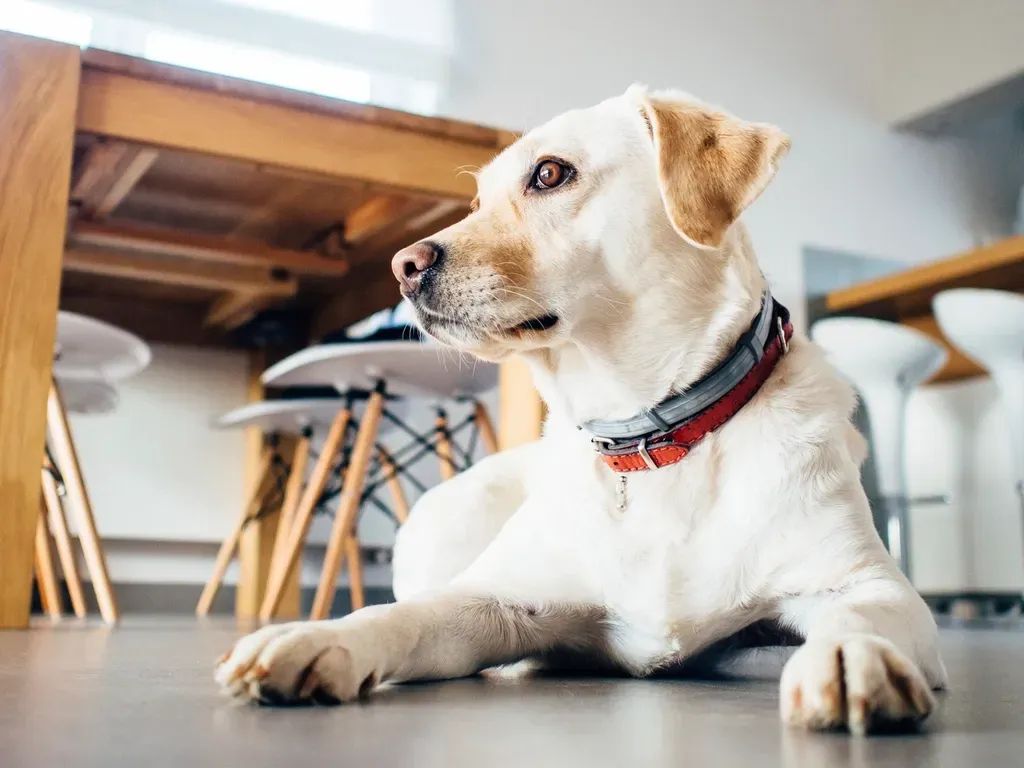
For many people over 55, loneliness is made worse by shrinking social circles and fewer casual encounters. A companion‑type dog acts like a living conversation starter. People stop you on walks to ask about the dog’s name, age, or breed. Neighbors you never spoke to before suddenly wave, smile, or cross the street just to say hello.
This matters more than it sounds. Those short, low‑pressure interactions can help rebuild your confidence in social settings, especially if you have been out of practice. Over time, that friendly dog at the end of your leash can connect you to other owners at the park, local classes, or pet‑focused community events. The dog is the magnet, but the human connections it pulls toward you are what truly chip away at long‑term isolation.
Choosing the Right Dog: It’s Not Just About Breed
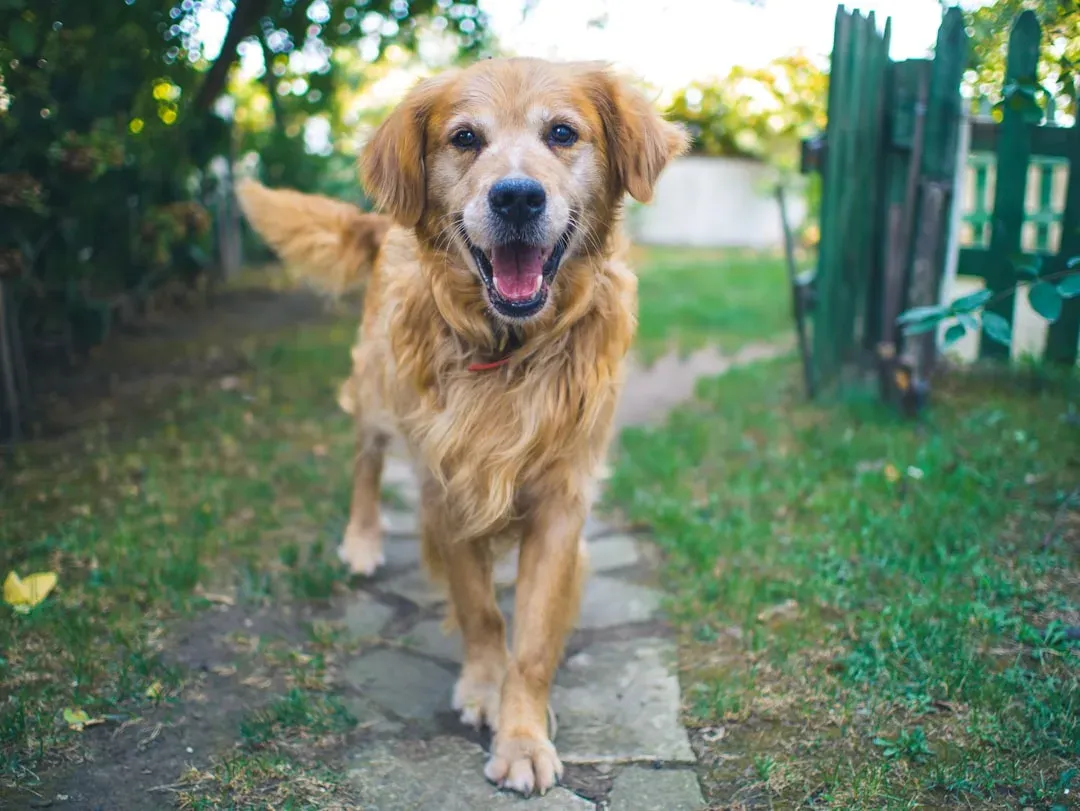
While people‑focused, companion‑type dogs are especially powerful against loneliness, there is no single magic breed. What matters most is matching the dog’s energy level, size, age, and temperament with your own life. A calmer, older rescue dog might be perfect for someone with arthritis, while a slightly younger, perky dog might suit a more active 60‑year‑old who loves longer walks.
Personality also matters a lot. Some dogs are cuddly homebodies; others are outgoing social butterflies. If you are craving closeness and quiet companionship, a dog that loves to nap beside you and follow you around the house may be ideal. If your loneliness comes more from a lack of outside contact, a dog that thrives on going out, meeting new people, and engaging with the world can gently pull you back into the flow of life.
Practical Realities: Health, Money, and Energy
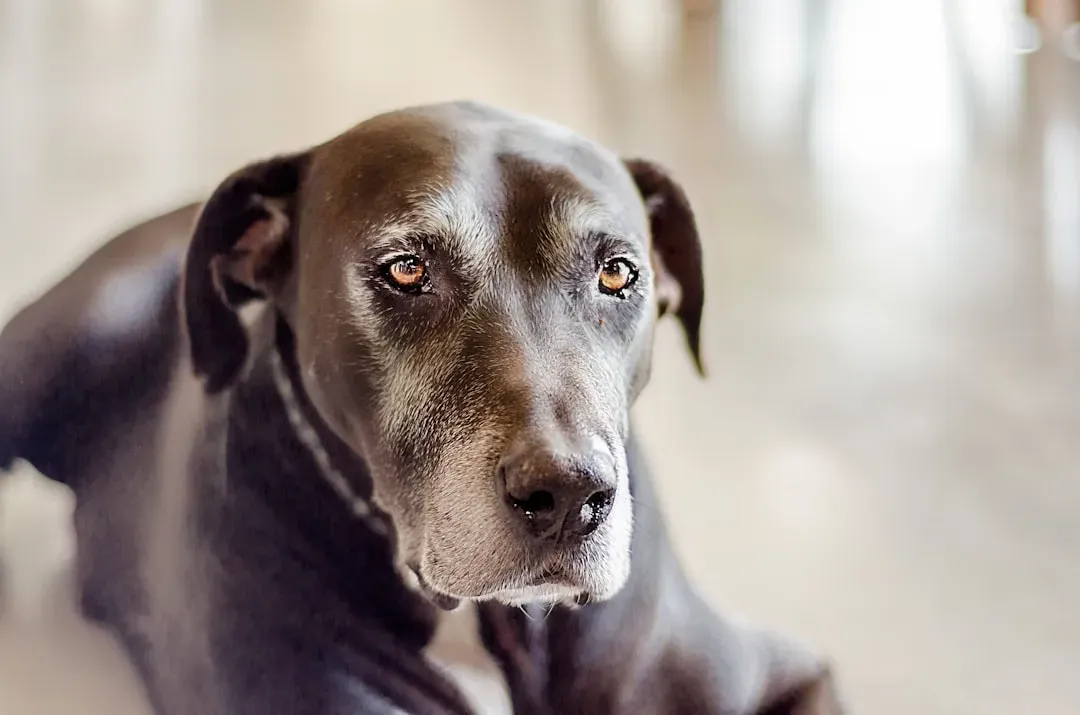
As powerful as the emotional benefits are, it is important to be honest about the practical side. Dogs cost money: food, vet care, grooming, and occasional emergencies. They also require physical effort, even the small ones, and regular attention every single day. For someone with serious mobility issues, cognitive changes, or very limited income, this can turn from comfort into stress if not carefully planned.
This is why some older adults find a middle path, like fostering, sharing a dog with family, or volunteering with therapy or shelter dogs. You still get the eye contact, the walks, the warm fur, and the sense of purpose, but with less long‑term responsibility. The power of that connection does not depend on ownership; it depends on showing up for another living being and letting them show up for you.
When a Dog Is Not the Right Answer (And What That Really Means)
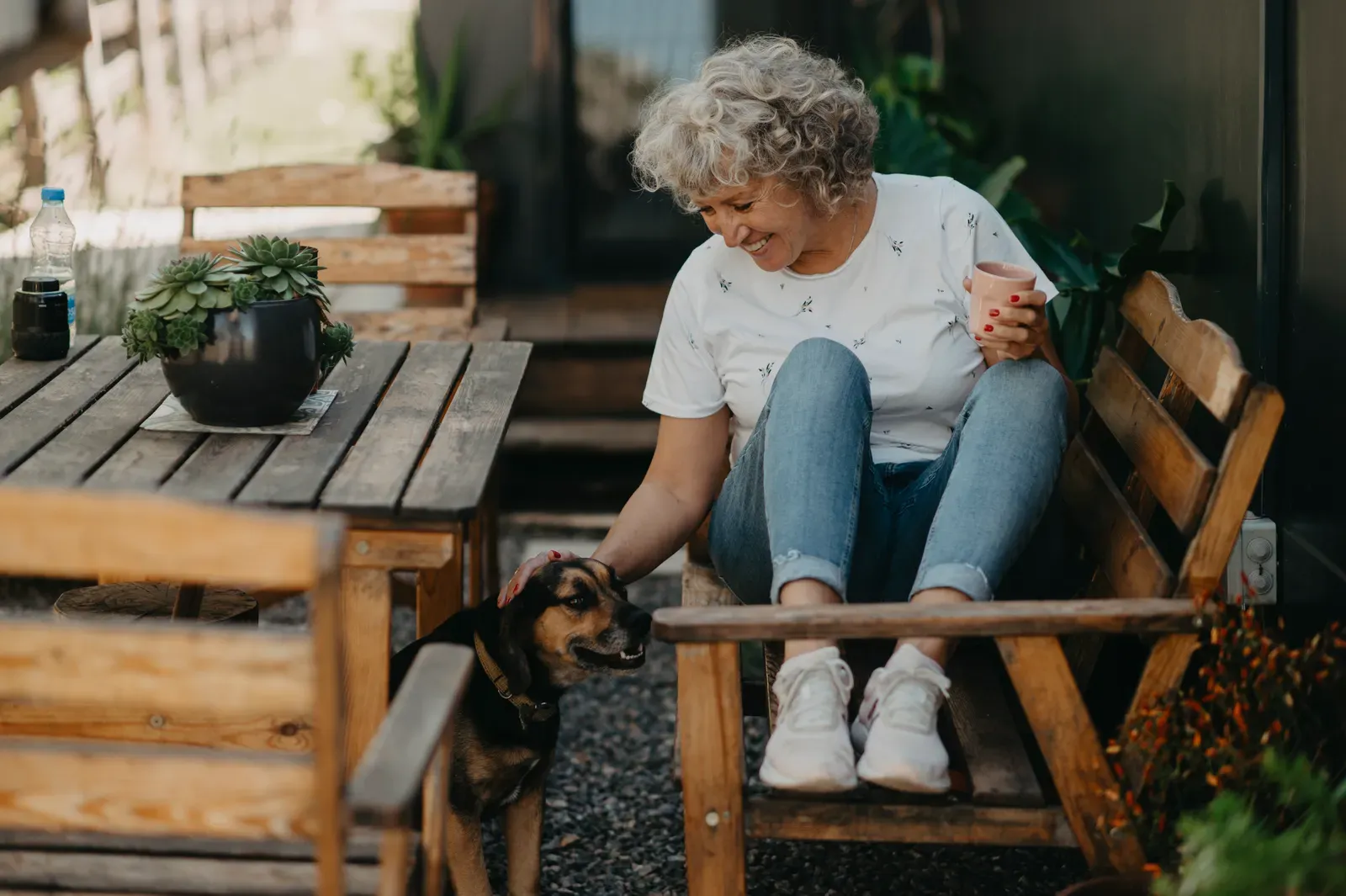
It is tempting to say that everyone over 55 who feels lonely should just go get a small, loving dog and call it a day. Real life is more complicated. Allergies, building rules, frequent travel, caregiving responsibilities, or serious health conditions can all make dog ownership unrealistic or unfair to both you and the animal.
But here is the important part: the core need the dog addresses is not actually about pets. It is about reliable companionship, daily touchpoints, routine, and feeling needed. If a dog is not possible, those needs can still be met through other routes: regular visits with a neighbor’s dog, structured volunteering, group exercise classes, or clubs where you are expected and missed when you are not there. The dog is one powerful path, not the only one.
Conclusion: A Small Dog, a Big Shift
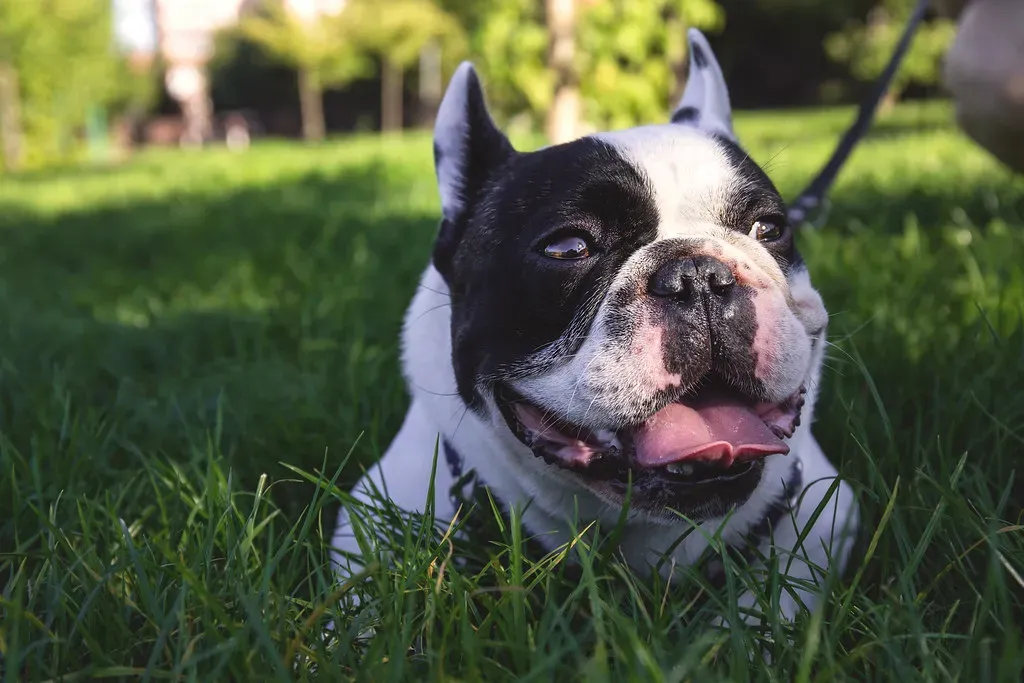
In my own experience watching older friends and relatives, the difference a small, devoted companion dog can make is almost jarring. Houses that once felt heavy and quiet begin to feel lived‑in again. People who had stopped making plans now schedule their days around walks, vet visits, and casual chats with strangers drawn in by a wagging tail. It is not that the dog solves every problem; it is that the dog changes the emotional temperature of everyday life.
If you are over 55, feeling lonely, and realistically able to care for a pet, a people‑oriented companion dog might be one of the most meaningful changes you could make. It is a commitment, absolutely – but it is also a chance to step back into connection, touch, routine, and simple joy. The real question is not whether a dog can change everything; it is whether you are ready to let something so small have such a big impact. Would you have guessed that kind of transformation could start with four paws and a wagging tail?


