
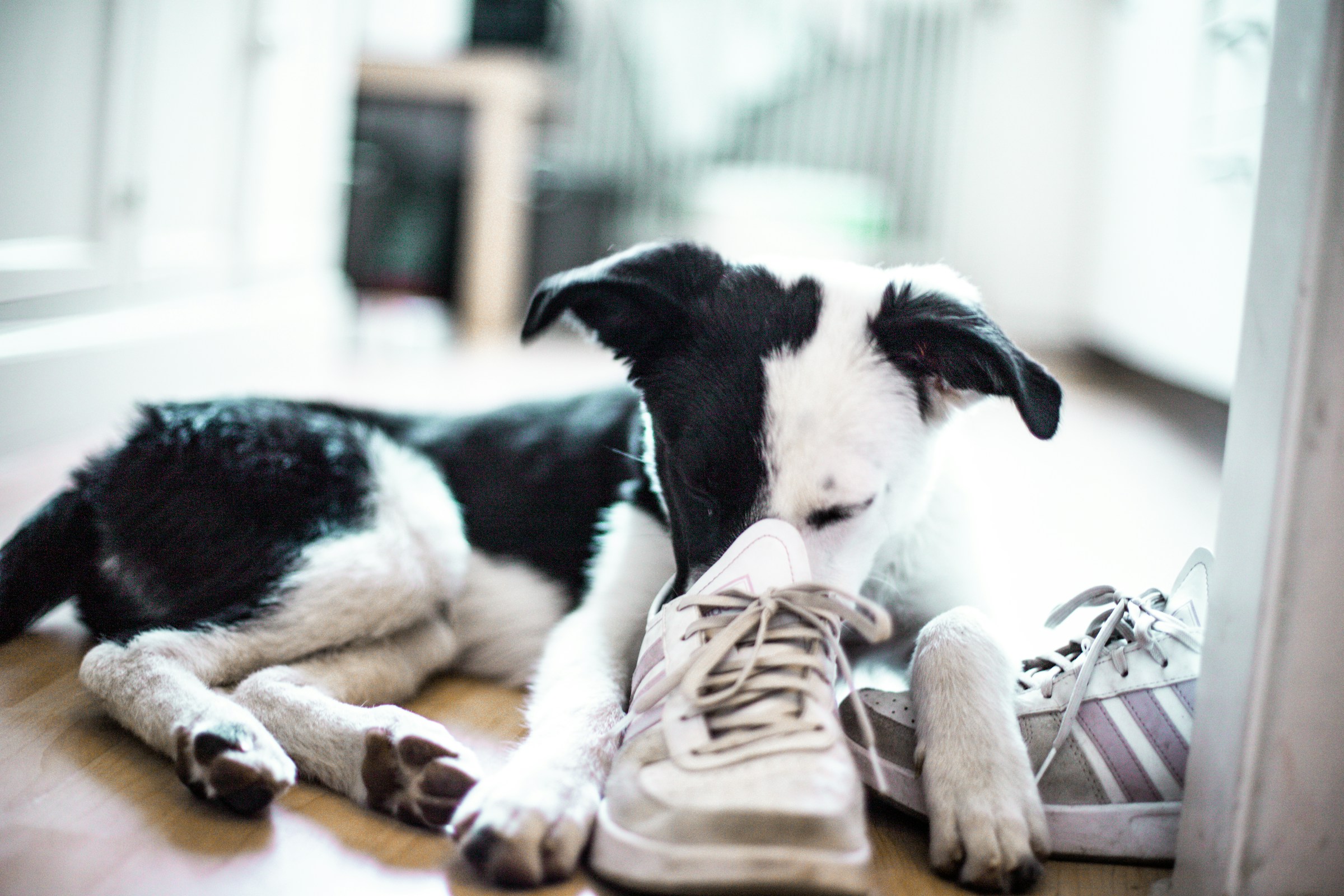
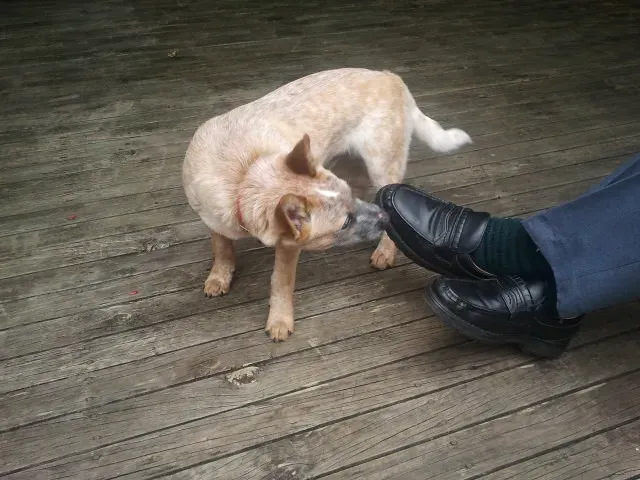
If you’ve ever watched your dog walk up to someone, ignore their outstretched hand, and go straight for the shoes, it can feel oddly personal. Why the shoes? Why the deep, investigative sniff before your dog decides whether this human is friend material or someone to be politely avoided?
That quick shoe inspection is anything but random. To your dog, those shoes are basically the stranger’s entire biography in scent form. They are packed with invisible data about where this person has been, what they have touched, and even how they might be feeling. Once you start to see it from your dog’s nose-level perspective, their choices suddenly seem a lot less mysterious.
The Nose-Level View of the World
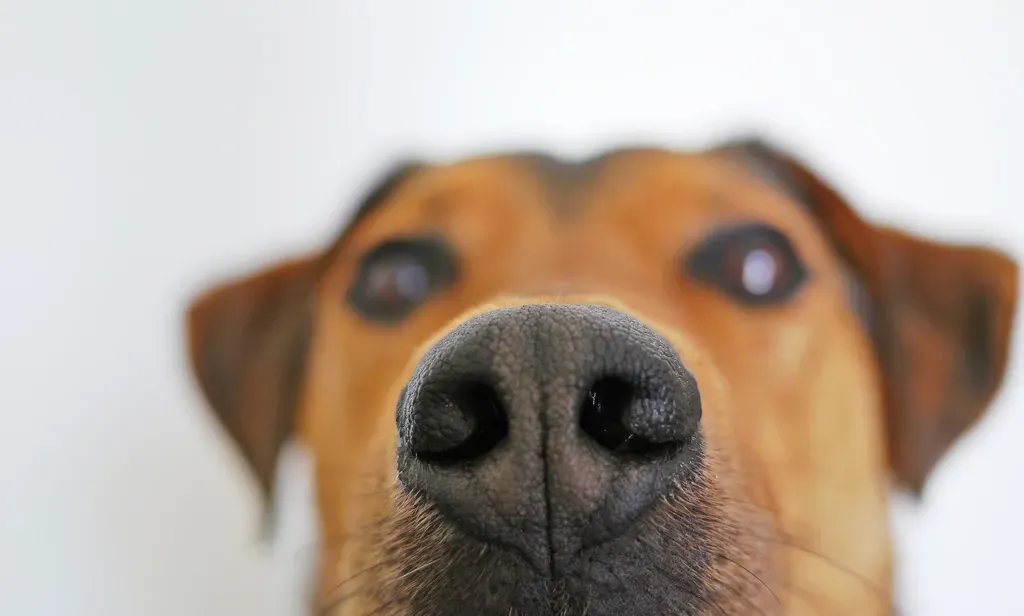
Imagine trying to judge whether to trust someone based only on a blurry photograph. That is roughly what vision is like for many dogs, compared to what scent gives them. Your dog’s nose contains far more scent receptors than yours and a specialized structure that funnels odor molecules like a high‑end lab instrument. When your dog lowers their head to a stranger’s shoes, they are essentially opening a high‑resolution, chemical camera.
Smell, not sight, is the primary sense your dog uses to interpret the world. While you might notice a person’s smile or clothing style first, your dog is picking up the lingering trail of grass, pavement, sweat, other animals, and even cleaning products clinging to their shoes. That first whiff is like a compressed file of information that your dog starts to unpack almost instantly.
Scent Stories: Where Those Shoes Have Been
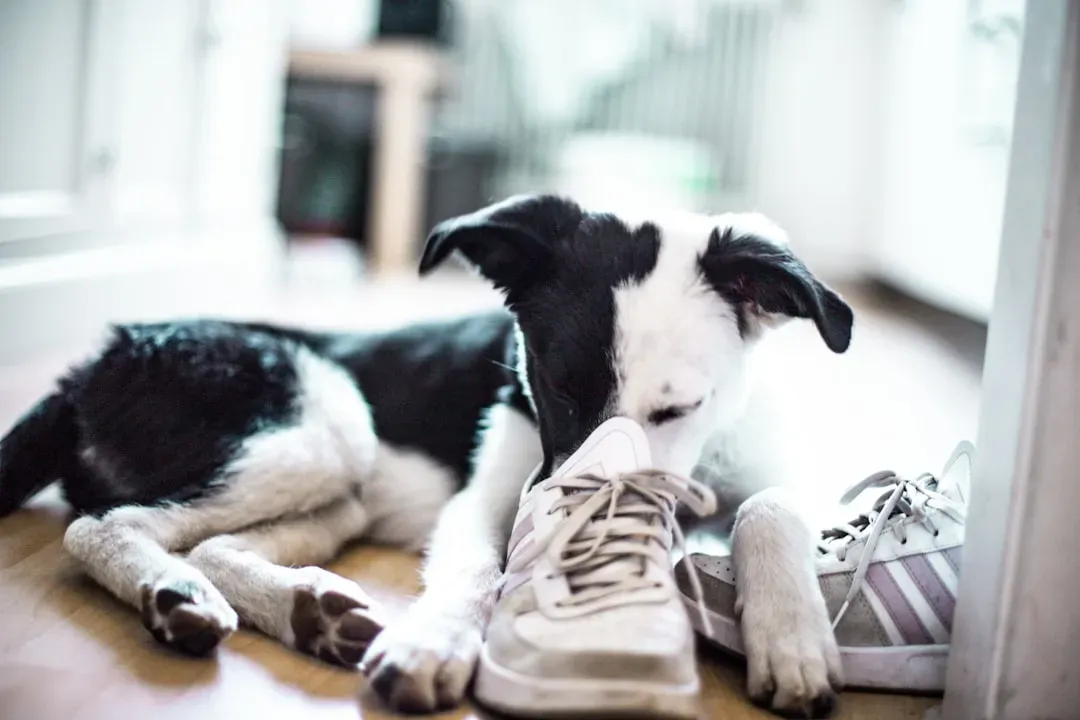
Shoes are like travel journals written in odor. They carry traces of every place a person has walked through that day: wet grass from the park, engine oil from the garage, food scraps from the sidewalk, or disinfectant from a clinic floor. Each of these layers tells your dog something about the person’s recent life.
Dogs evolved to track and interpret complex scent trails, so picking up on this invisible itinerary comes very naturally to them. When your dog sniffs a stranger’s shoes, they may be detecting whether that person has been around other dogs, cats, wild animals, or unfamiliar environments. To you it looks like a quick sniff; to your dog, it is a fast scan of someone’s recent history.
Other Animals, Other Dogs, and Social Gossip
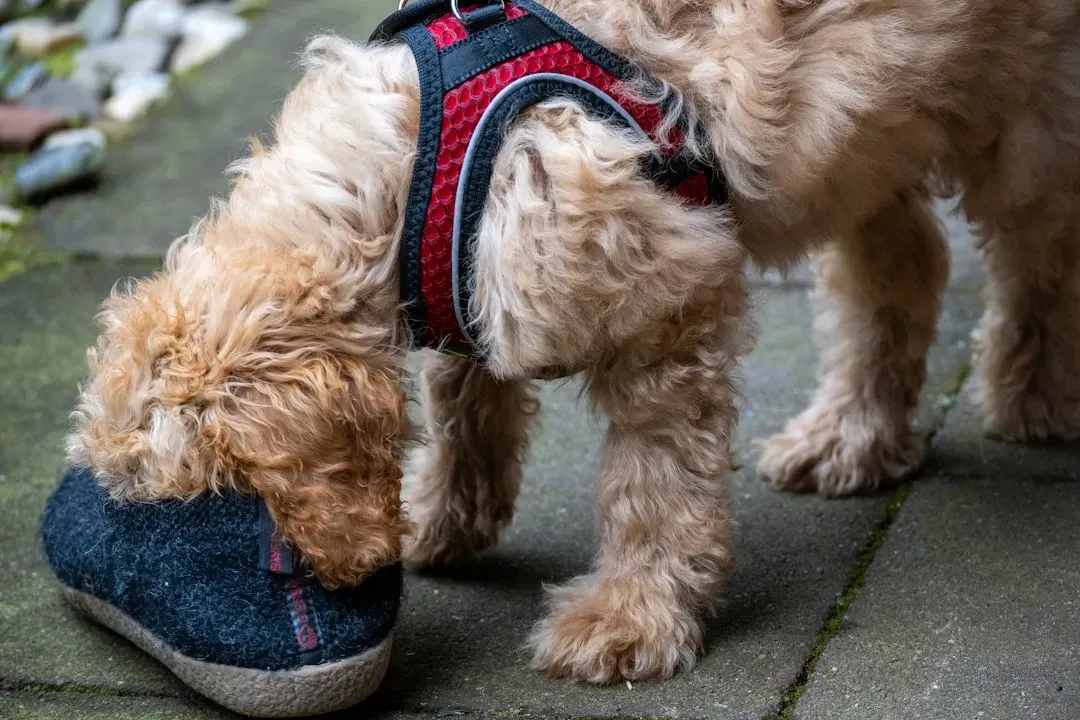
One of the biggest questions your dog is answering from a shoe sniff is simple: who else has this person been with? If the stranger lives with other dogs or stepped in a spot where another animal marked, those scent cues will cling stubbornly to the material. Your dog can pick up on species, sex, and even some basic status signals from these residual odors.
For a social species like dogs, this kind of information is pure gossip. It helps them figure out whether this newcomer is part of a wider network of animals, whether they smell like a friendly dog park regular, or like an intense, territorial dog from down the block. That social context can influence how relaxed, curious, or cautious your dog decides to be around them.
Human Chemistry: Sweat, Stress, and Mood Clues
It is not just other animals your dog is smelling; they are also reading the human themselves. Our sweat, skin oils, and the chemical changes that come with stress or calm all leave subtle signatures on our clothes and shoes. Dogs have been shown to distinguish between the scent of people who are stressed and those who are relaxed, even when all they have to go on is a piece of clothing.
When your dog inhales deeply at someone’s shoes, they may be picking up whether that person is anxious, confident, rushed, or at ease. A tense human might smell slightly different due to stress‑related compounds in sweat. Your dog does not think about it in clinical terms, of course, but they react to the overall pattern. Sometimes that means choosing to hang back from someone whose scent feels “off,” even if the person is acting friendly on the surface.
Perfumes, Detergents, and the “Too Much” Factor
We often forget that what smells pleasant or mild to us can be overwhelming to a dog. Strong perfumes, heavily scented detergents, or harsh cleaning products on shoes and clothing can create an intense cloud of odor at nose level. For some dogs, that cloud is simply too much, like standing next to someone wearing layers of overpowering cologne.
If your dog sniffs a stranger’s shoes, pauses, and then moves away, they might be reacting less to the person and more to the artificial scents they are carrying. Dogs tend to prefer natural, familiar smells over sharp synthetic ones, so shoes soaked in fragrance or chemicals can make your dog wary. It is a good reminder that we are constantly broadcasting odors we barely notice, and our dogs are forced to deal with all of them up close.
Risk Assessment: Safe, Neutral, or “No Thanks”
Underneath all the details, your dog is doing something very practical: they are running a risk assessment. Information about other animals, emotional cues, and chemical intensity all funnels into a simple internal decision tree: Does this person feel safe, neutral, or like someone to avoid right now? That judgment may happen in seconds, long before you have finished saying hello.
Different dogs weigh these signals differently based on their personality and past experiences. A confident, well‑socialized dog might be more forgiving of odd scents or stressed humans, while a sensitive or previously mistreated dog might flag certain odors as potential red flags. When they lean into the person, wag, and accept petting, that is your clue that the scents passed their internal safety check. When they step back or hide, they are telling you, in their own quiet way, that the smell‑story did not feel right.
How Your Dog’s Past Shapes Their Shoe Opinions
Dogs do not start from a blank slate. Their previous experiences with people and places leave scent‑linked memories that color how they respond in the present. If a dog was once frightened by a person who smelled of a particular workplace, product, or animal, similar odors on a stranger’s shoes can trigger hesitation or fear, even if everything else seems fine.
On the flip side, dogs who have consistently positive interactions with certain types of people or environments may show extra enthusiasm when they detect those familiar scent patterns again. It might look like your dog has chosen a stranger to adore out of nowhere, but often, their nose has recognized something that history has taught them to associate with safety and kindness.
Helping Your Dog Make Better “First Impressions”
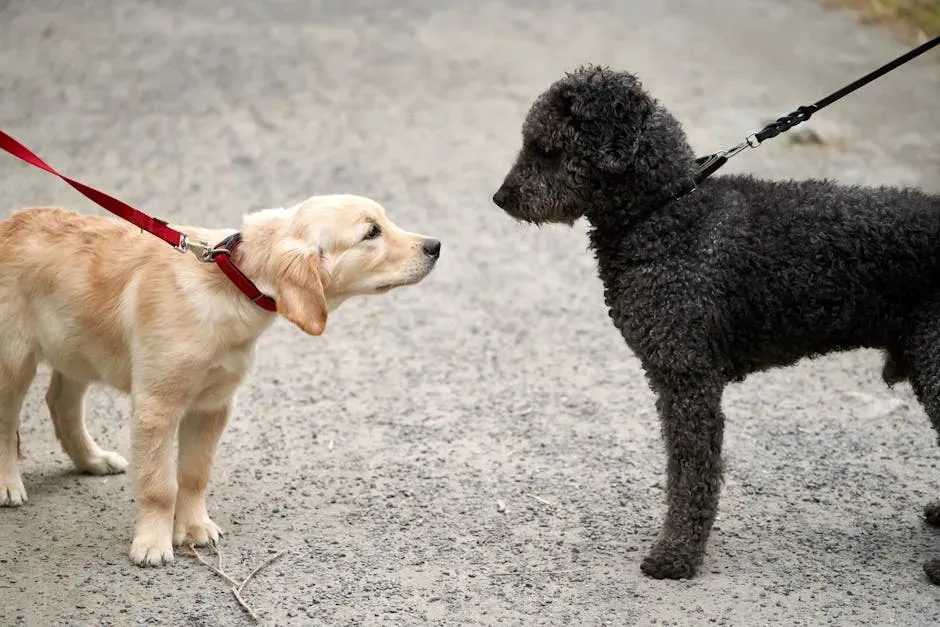
Understanding what your dog is reading from a stranger’s shoes gives you a bit of power to help them out. You can ask new people to stand sideways, avoid looming, and let your dog approach at their own pace so they can complete that important shoe scan without pressure. Giving your dog space to retreat if they decide they are not comfortable sends the message that you respect their judgment.
You can also gently advocate for your dog by telling people that a lack of interest or a cautious sniff does not mean your dog is rude; it means they are processing information. In a world that often expects dogs to love everyone instantly, allowing them to use their nose‑based criteria is a quiet act of respect. It turns first meetings into conversations instead of tests.
Conclusion: Trust the Nose, Even When You Do Not Get It
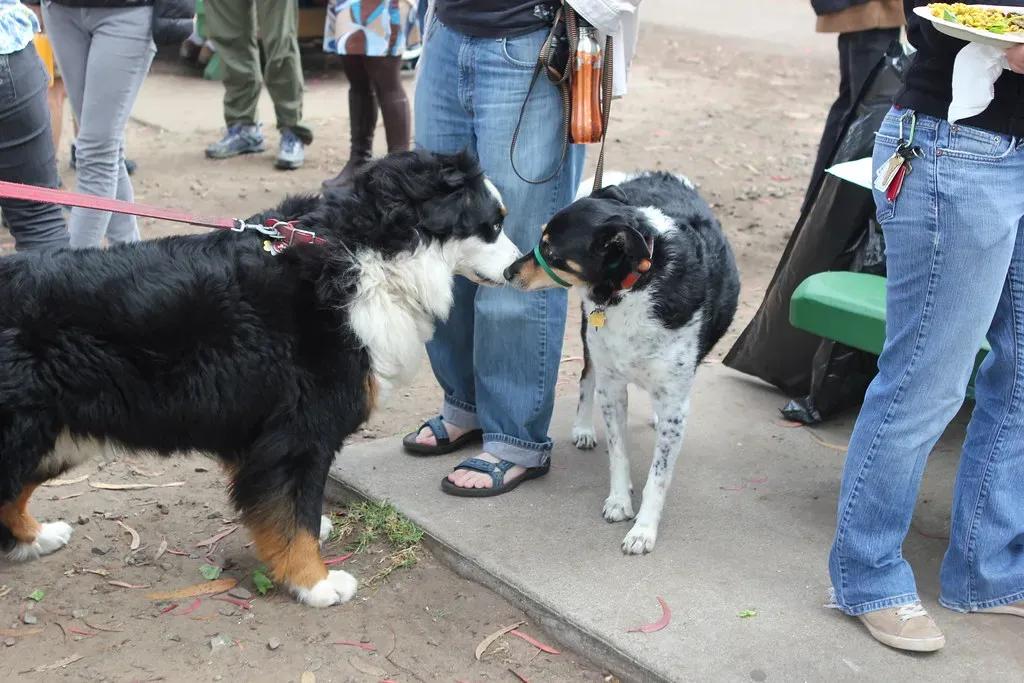
I will be honest: there have been times when my dog seemed to snub someone I personally liked, and it felt a bit awkward. But over time, I have come to see those moments less as embarrassment and more as a reminder that my dog is operating with data I simply do not have. While I am distracted by polite small talk, she is picking up chemical cues, social scents, and emotional signals my eyes will never detect.
That does not mean your dog is a flawless judge of character or that every turned‑away nose reveals some hidden truth about a person. It does mean their decisions are grounded in real, meaningful information rather than random mood swings. When they sniff a stranger’s shoes and then choose to accept or avoid them, they are acting on the only world they can truly trust: the one written in scent. The real question is, will we learn to respect that invisible world, even when it contradicts what we think we see?


