
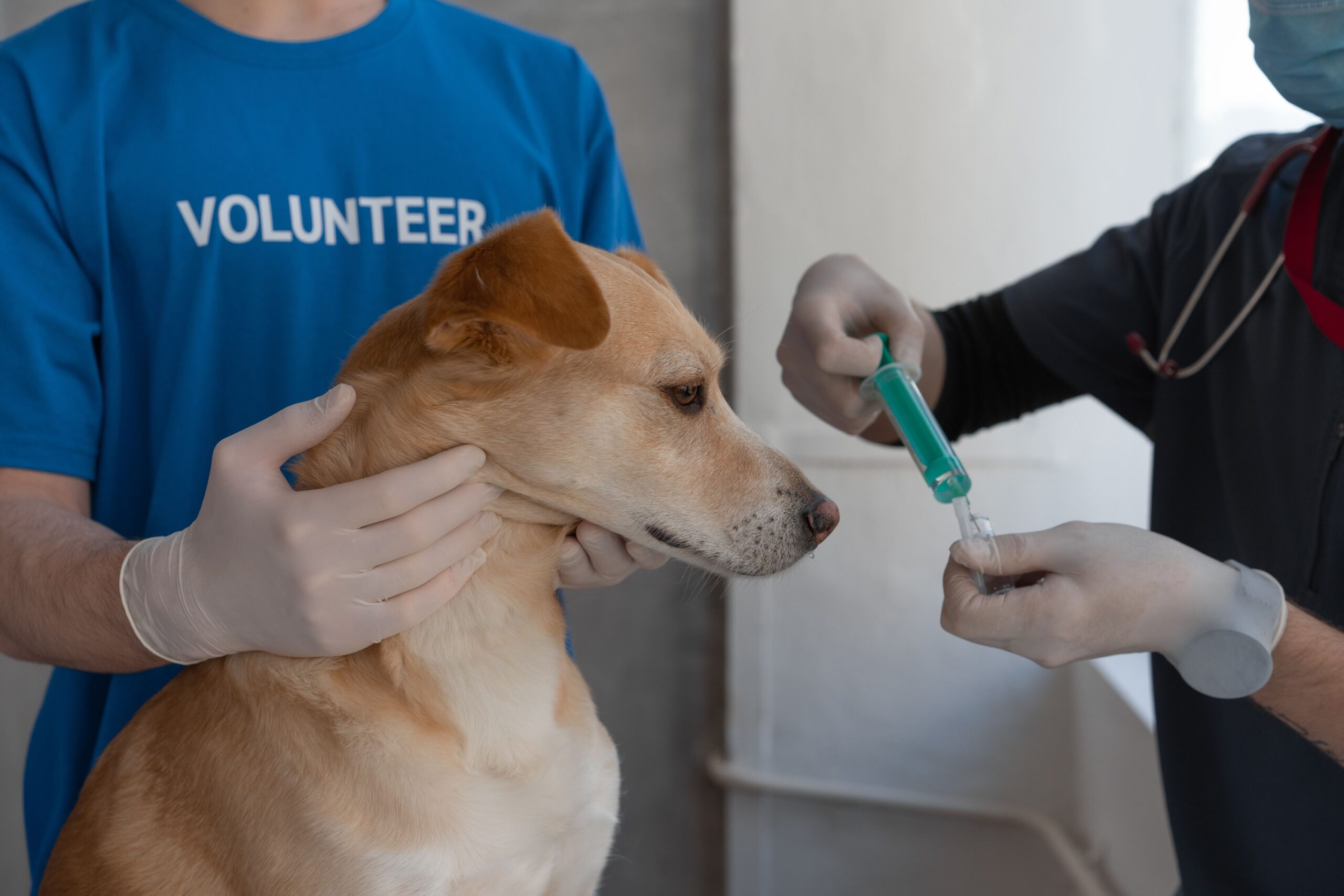
You love your dog like family, but that feeling you get when the vet bill prints out? It can be downright terrifying. The truth is, a lot of those costs are not random or unavoidable. Many of the biggest expenses are the result of small problems that were ignored for too long, preventable emergencies, or paying top dollar for things you could handle differently with a bit of planning.
The good news is you do not have to choose between your wallet and your dog’s wellbeing. With a few smart strategies, you can keep your pup healthy and cut down on vet bills in a way that actually improves their quality of life. Some of these tips are surprisingly simple, but together they can save you hundreds, sometimes even thousands, over your dog’s lifetime.
1. Invest in Preventive Care Before Problems Explode
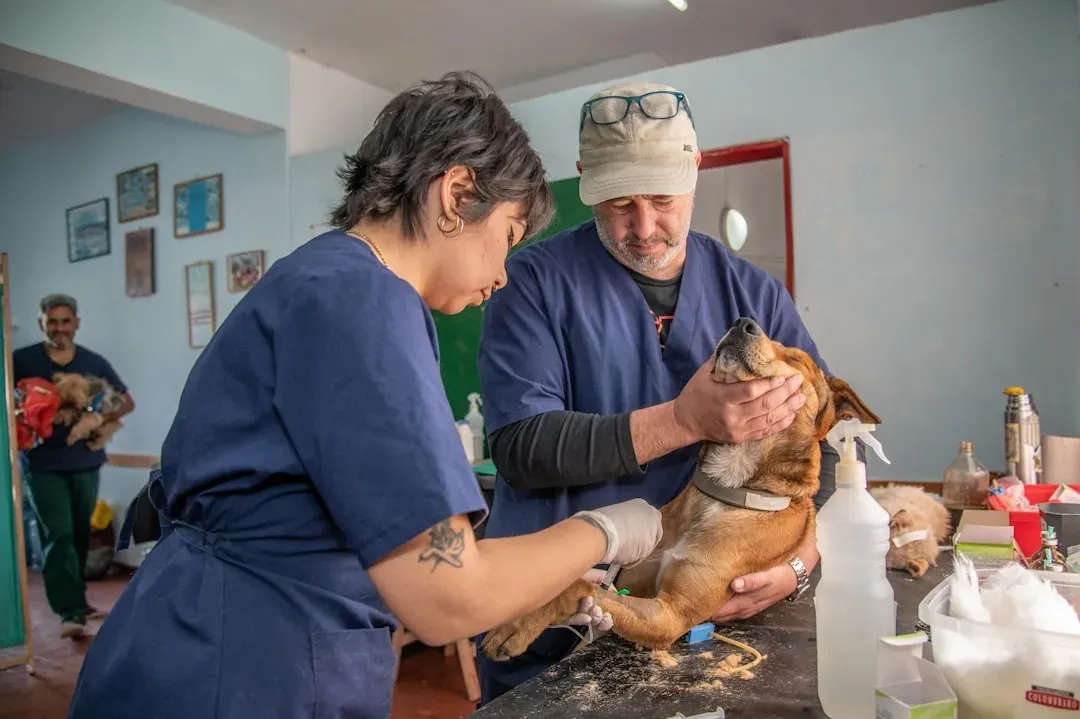
It feels counterintuitive, but spending money early often saves you a lot more later. Routine check-ups help your vet catch things like dental disease, weight gain, or early arthritis before they turn into painful, expensive crises. Treating an ear infection when it first appears is far cheaper than multiple visits for a chronic, severe infection that might even need surgery.
Think of preventive care like oil changes for your car: they are not glamorous, but they are what stop the engine from blowing up. Regular physical exams, core vaccinations, parasite checks, and basic lab work give you a snapshot of your dog’s health. When your vet knows what is normal for your dog, they can spot what is wrong much faster and avoid a long and costly game of trial and error.
2. Keep Your Dog at a Healthy Weight

Extra pounds on a dog are not just a cosmetic issue, they are a walking invoice for future vet bills. Overweight dogs are more likely to develop joint problems, diabetes, heart disease, and certain cancers. Those conditions often mean frequent vet visits, lifelong medications, and sometimes advanced diagnostics or surgery, which all add up very quickly.
Maintaining a healthy weight is one of the most powerful and underrated money-saving tools you have. Measure your dog’s food instead of eyeballing it, use low-calorie treats, and build daily movement into your routine, even if it is just brisk walks or simple games inside. Every pound you keep off your dog is like money you are quietly keeping in your pocket for later.
3. Brush Teeth and Protect the Wallet
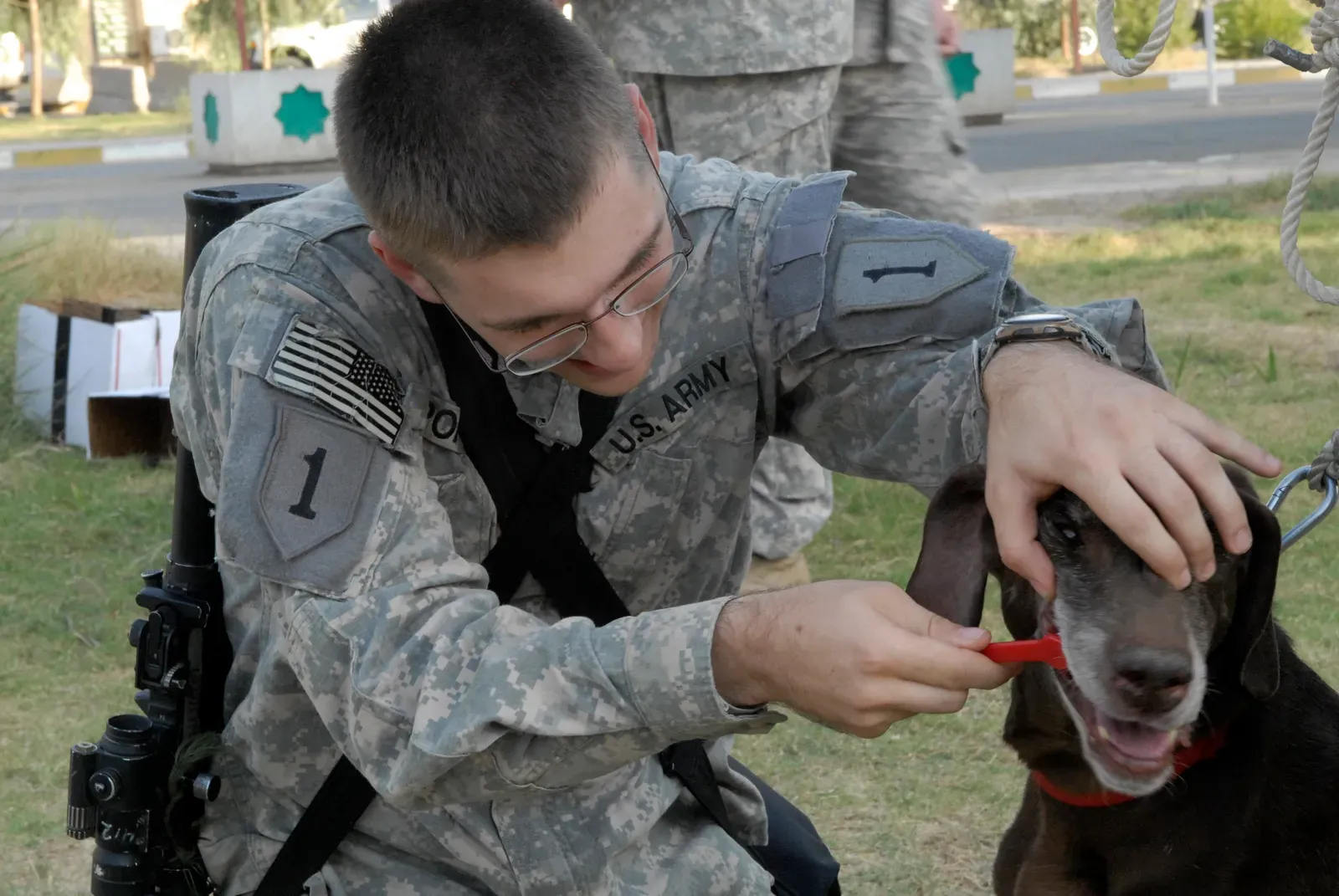
Dental disease is incredibly common in dogs, especially small breeds, and it is one of the most expensive problems to fix once it is severe. Professional dental cleanings under anesthesia, extractions, and follow-up care can cost far more than people expect. The painful part is that a lot of this could have been reduced with simple at-home habits.
Brushing your dog’s teeth a few times a week with dog-safe toothpaste makes a real difference over time. Add in dental chews or vet-approved oral rinses to support that routine. It is like choosing between a quick daily toothbrush and eventually paying for a mouthful of crowns, only in this case, your dog does not understand why their mouth hurts and you are footing the entire bill.
4. Use Parasite Prevention Consistently, Not Occasionally

Skipping flea, tick, or heartworm preventives to save money is one of those decisions that looks smart in the short term and brutal in the long term. Treating heartworm disease, for example, is painful for the dog and dramatically more expensive than the monthly preventive medication that would have stopped it. The same goes for severe flea infestations that lead to skin infections, allergies, or tapeworms.
The trick is to choose products that are effective, appropriate for your region, and actually used on schedule. You can ask your vet if there are lower-cost generic options or combination products that cover multiple parasites in one go. Staying consistent with prevention is like paying a small, predictable subscription instead of getting hit with a surprise, high-interest bill you never planned for.
5. Ask About Generic Medications and Alternatives
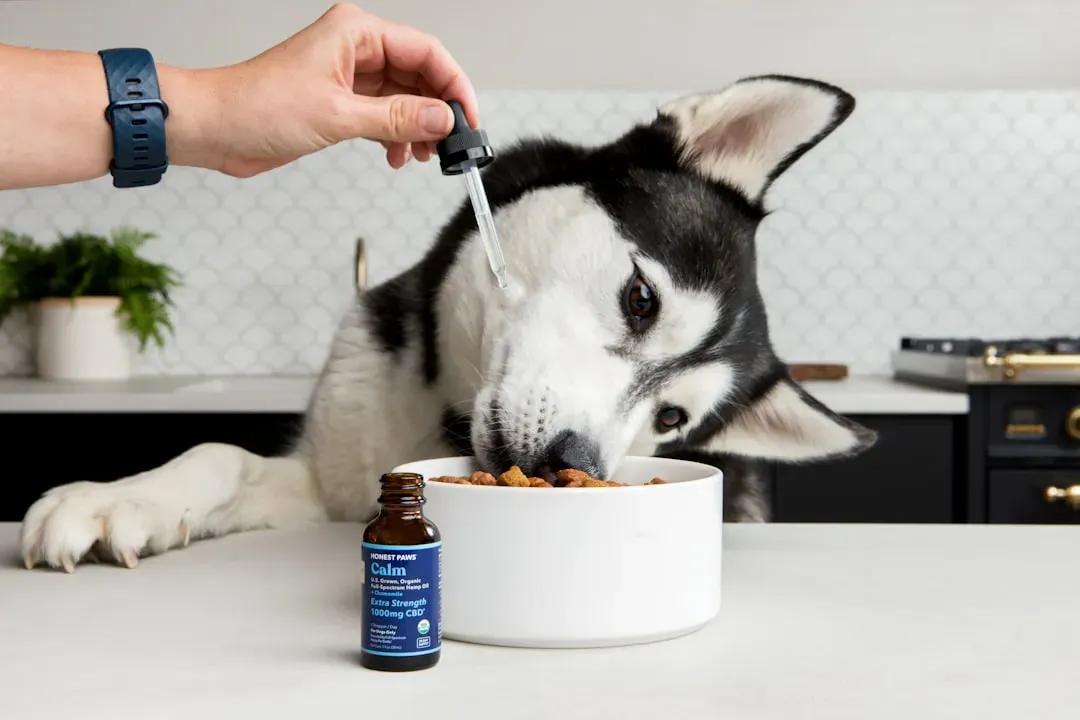
Many pet medications have generic versions that are just as effective as the brand-name products but cost noticeably less. Your vet can often prescribe a generic drug, a compounded version, or an alternative medication in the same class that gets you the same result without the premium price tag. The key is to speak up and ask about options rather than quietly accepting the first suggestion.
In some cases, human pharmacies carry the exact same active ingredient used for dogs, often at a lower price. Your vet can tell you when that is safe and appropriate, and they will also adjust the dose to your dog’s size and needs. You never want to improvise with medications on your own, but you absolutely can be an active participant in finding the most affordable path to the same medical outcome.
6. Price-Shop Smartly for Non-Emergency Services
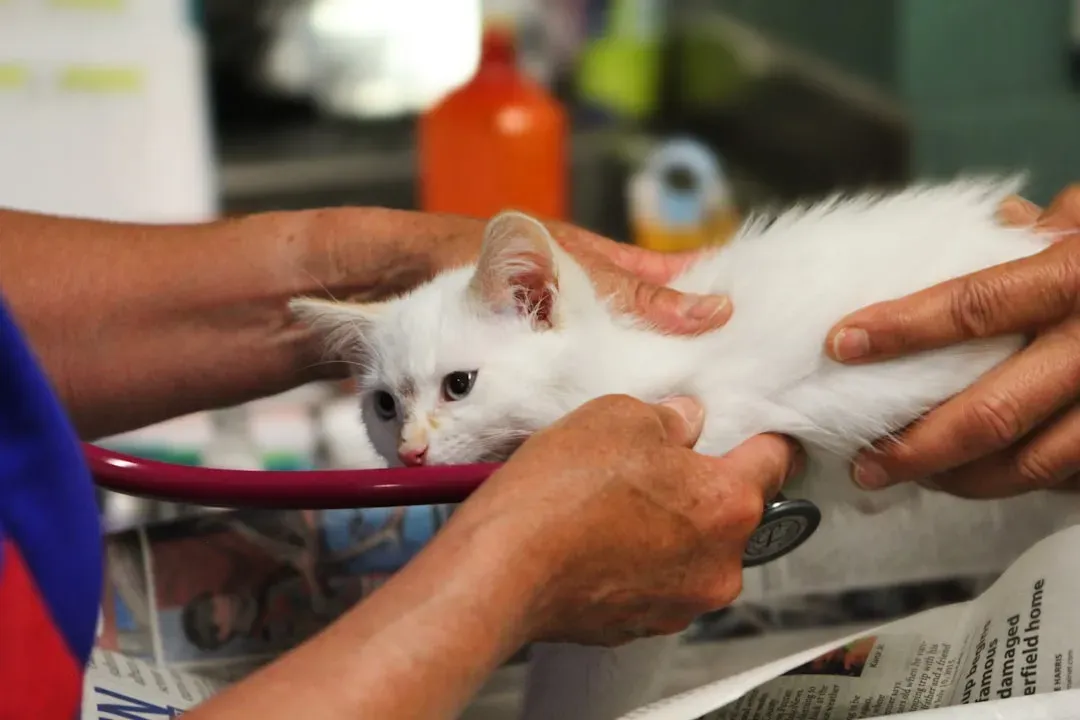
Not every vet clinic charges the same for vaccines, spay or neuter surgery, or routine lab work. For non-urgent care, it is completely reasonable to call a few local clinics and ask for price ranges. Many areas also have low-cost vaccine clinics or nonprofit organizations that offer basic services at reduced rates while still following safe medical standards.
You do not have to stay locked into one clinic for every single thing your dog needs. Some owners use their regular vet for complex issues and check-ups, but use low-cost clinics for simple vaccines or microchipping. Think of it a bit like using a primary doctor but a discount pharmacy: as long as it is safe and transparent, you are allowed to be strategic about where each dollar goes.
7. Learn Basic Home Care and When It Is Safe
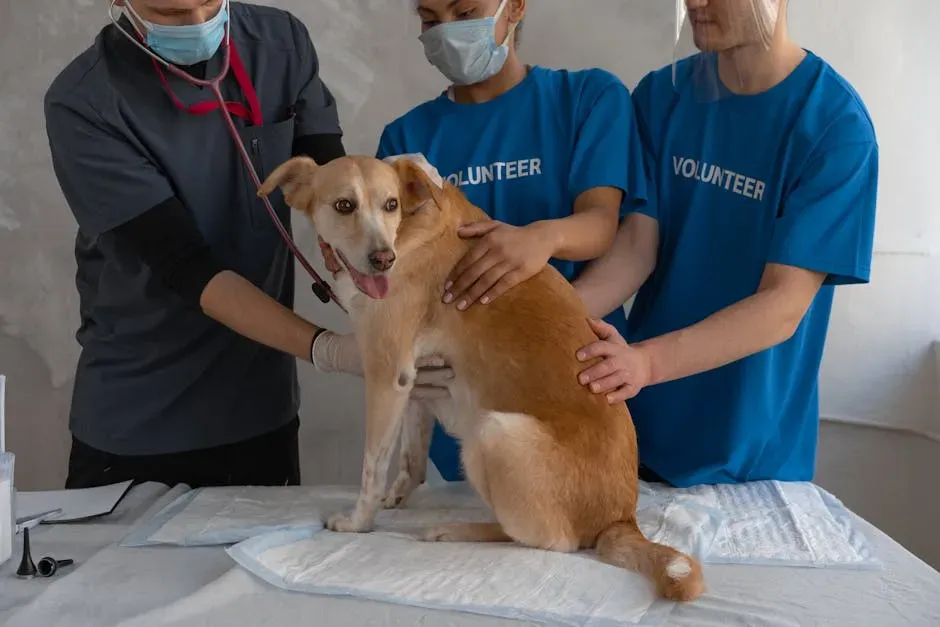
You cannot and should not try to play doctor, but learning basic at-home care can prevent unnecessary visits. Things like cleaning minor wounds, flushing mildly dirty ears with a vet-approved solution, managing simple hotspots early, or recognizing a mild upset stomach versus a true emergency can all reduce panic trips. The goal is not to avoid care, it is to time it wisely and handle what you safely can on your own first.
Ask your vet to show you how to do simple things during your regular visits. Many are happy to demonstrate how to trim nails, clean ears, or monitor a lump for changes instead of panicking at every new bump. When you have the skills and clear instructions up front, you can act quickly and calmly at home, and still know when it is time to get in the car and go.
8. Take Pet Insurance and Savings Seriously

Pet insurance can feel like a luxury until the day you are staring at an estimate for surgery or hospitalization. Some policies are not worth it, but many can dramatically reduce the financial blow of unexpected emergencies or chronic conditions. The key is to read the fine print, understand what is covered, and sign up before your dog develops major pre-existing issues.
If insurance is not a fit for you, at least treat your dog like they need their own emergency fund. Even setting aside a small amount each month in a dedicated savings account builds a cushion that makes hard decisions less heartbreaking. Vet care becomes much less scary when you know you have a financial plan, not just blind hope that nothing bad will happen.
9. Do Not Skip Core Vaccines and Parasite Testing
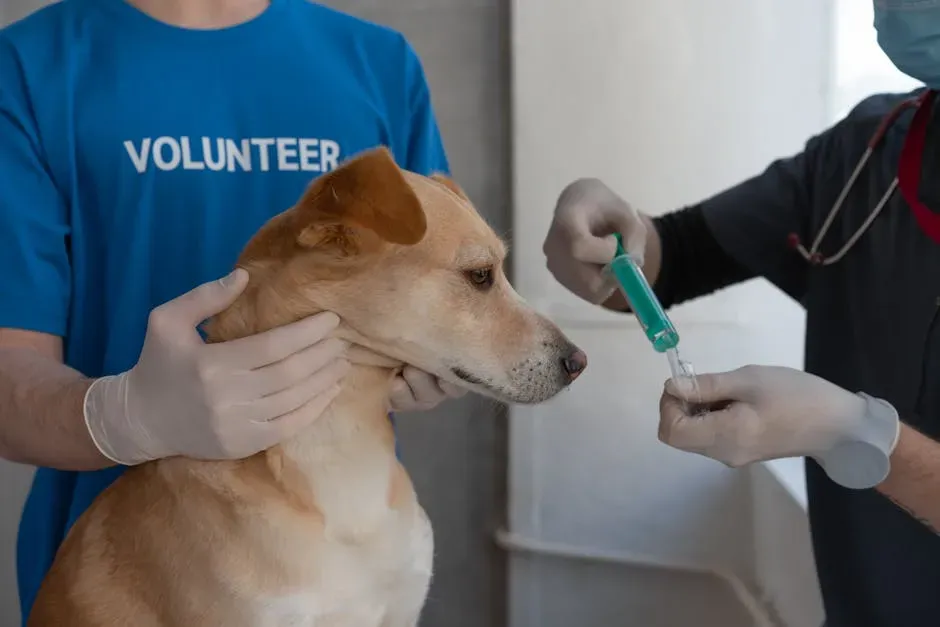
Skipping vaccines to save cash can backfire in a huge way if your dog ends up with a preventable disease that needs hospitalization or long-term treatment. Core vaccines against serious illnesses are designed to protect against problems that are expensive to treat and devastating to watch. In many regions, certain vaccines are also legally required, and fines or quarantine can add more costs if you fall behind.
Regular testing for heartworm and other parasites is just as important. It is far cheaper to detect an infection early than to treat advanced disease. Staying on schedule with these basics is like locking your doors and windows before worrying about installing a vault – you handle the biggest and most predictable threats first.
10. Plan Ahead for Surgery and Procedures
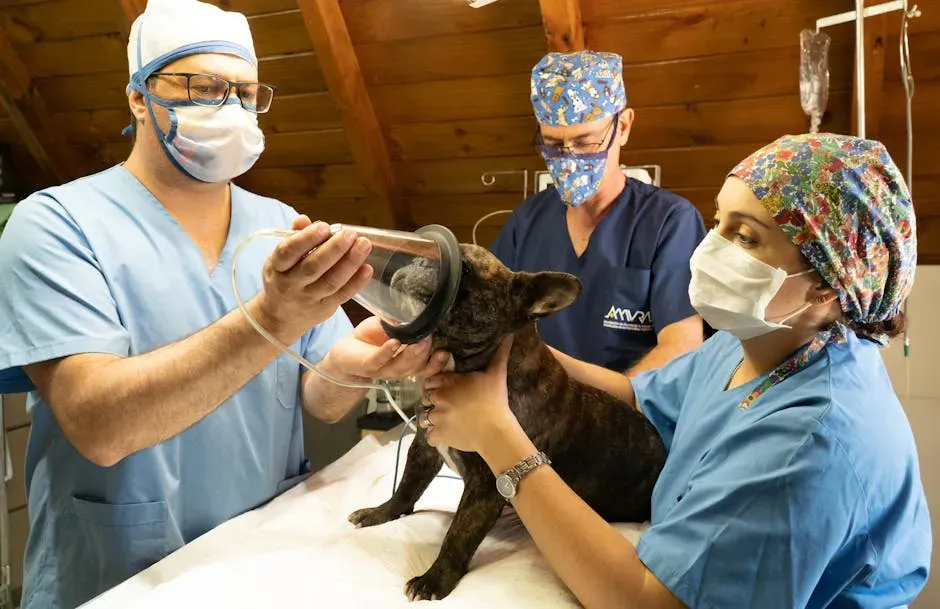
When you know your dog will need a procedure, like a dental cleaning or lump removal, planning ahead gives you time to save and compare options. You can ask your vet for a full written estimate, including blood work, anesthesia, hospitalization, and medications, so there are fewer surprises. If something feels out of reach, have an honest conversation and see if there are medically safe ways to phase treatments or choose alternatives.
Pre-anesthetic blood work and proper monitoring might cost more up front, but they can prevent serious complications that are far more expensive to fix. You want to save money without cutting the corners that actually protect your dog’s life. Asking questions early, saving slowly, and scheduling during non-urgent periods can give you more control and less financial stress.
11. Buy Food and Supplies Strategically, Not Impulsively

Nutrition and supplies quietly shape your future vet bills. A balanced, appropriate diet supports your dog’s joints, digestion, and immune system, which helps keep them out of the clinic. On the flip side, poor-quality or inappropriate food can lead to skin issues, stomach trouble, or weight gain that requires medical intervention and diagnostic tests.
Buying in larger bags, using autoship discounts, and timing purchases during sales can cut your monthly costs without downgrading quality. Just do not change food constantly to chase deals, since abrupt diet switches can cause problems of their own. For things like joint supplements, shampoos, or ear cleaners, you can ask your vet which products actually work and which are just clever marketing, so you are not wasting money on gimmicks.
12. Communicate Honestly With Your Vet About Money
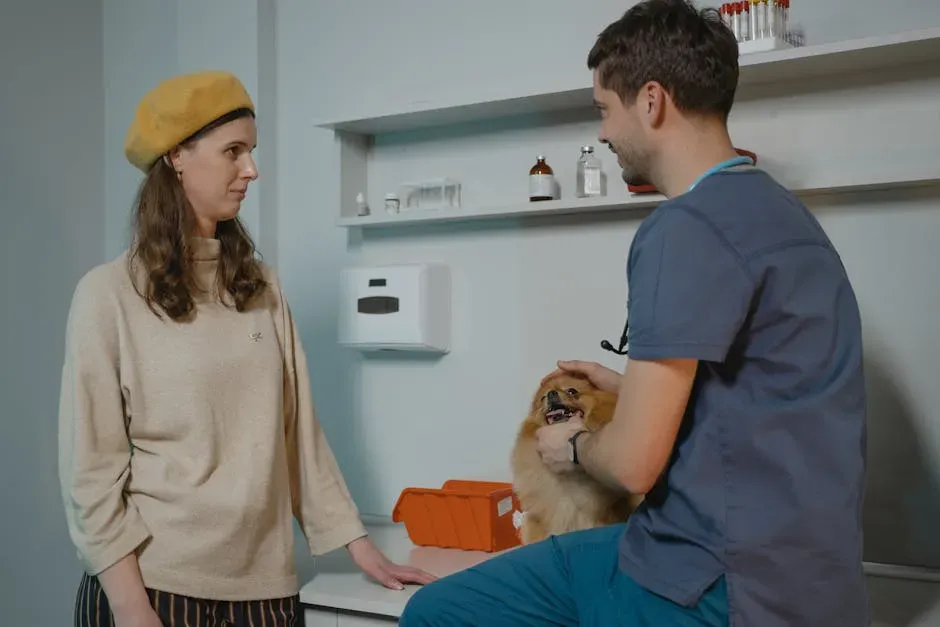
One of the most powerful money-saving tips is also the least glamorous: be brutally honest about your budget. Many vets would rather work with you to prioritize tests or treatments than watch you disappear and do nothing because you feel embarrassed. When they understand your limits, they can often build a stepwise plan that starts with the most important and cost-effective options.
You are allowed to ask what is essential, what is ideal, and what is purely optional. You are allowed to ask for a ballpark cost before agreeing to something. When you treat your vet like a partner rather than a salesperson, you usually get better care and fewer regrets – both for your dog and your bank account.
Conclusion: Saving Money Should Never Mean Shortchanging Your Dog
Being a budget-conscious dog owner is not about cutting corners, it is about cutting waste. When you focus on prevention, healthy habits, and smart choices, you are not just lowering bills – you are actually giving your dog a safer, more comfortable life. Most of the truly expensive disasters come from problems that were ignored, misunderstood, or pushed aside until there were no cheap options left.
At the end of the day, the goal is simple: fewer shocks at the front desk, more calm car rides home with a healthy, happy dog in the back seat. If you use even a few of these tips consistently, you will feel the difference in your wallet and see it in your dog’s energy, comfort, and longevity. So which habit are you going to change first the next time you head to the vet – did you expect you had this much control all along?


