
7 Dog Breeds That Can Smell Cancer – And Have Already Alerted Their Owners Years Before a Diagnosis
Imagine your dog refusing to leave a single spot on your body alone – nudging, sniffing, even whining at the same area for weeks. At first, it just seems weird or a little annoying. Then, months or even years later, a doctor finds a tumor in that exact place. Stories like this are not urban legends; they’ve been reported over and over, and science is slowly catching up to what many dog owners already suspect: some dogs really do seem able to smell cancer.
Researchers have shown that trained dogs can detect certain cancers from breath, urine, blood, or sweat samples at rates that are surprisingly accurate. At the same time, not every dog becomes a furry medical device, and no one should rely on a pet instead of proper screening and medical care. Still, some breeds appear again and again in these reports and studies, combining powerful noses with intense loyalty and focus. Let’s look at seven of them – and why their very real abilities are amazing, helpful, and sometimes a bit unsettling.
Labrador Retriever: The Friendly Super‑Sniffer

Labrador Retrievers are the poster dog for medical scent detection, and it’s not just because they’re cute and easygoing. Labs have been used in multiple scientific programs to detect cancers such as lung, breast, colorectal, and ovarian from body fluid samples, and their performance in controlled settings has often been remarkably strong. They bring together a keen sense of smell, a powerful drive to work for rewards, and an easy temperament that makes them ideal partners for trainers and researchers.
What’s especially striking about Labs is how often owners report strange, persistent behavior around a specific body area long before any diagnosis. A Lab might suddenly become obsessed with sniffing one breast, or repeatedly press its nose to a mole or a patch of skin that looks completely normal. While anecdotes are not proof and sometimes nothing comes of it, in some cases these odd behaviors have preceded later detection of cancer by several years. It makes sense: when you combine a nose that can detect tiny odor changes with a dog that adores its person, you get a four-legged alarm system that refuses to ignore something that smells “off.”
German Shepherd: The Intense Protector That Notices Everything
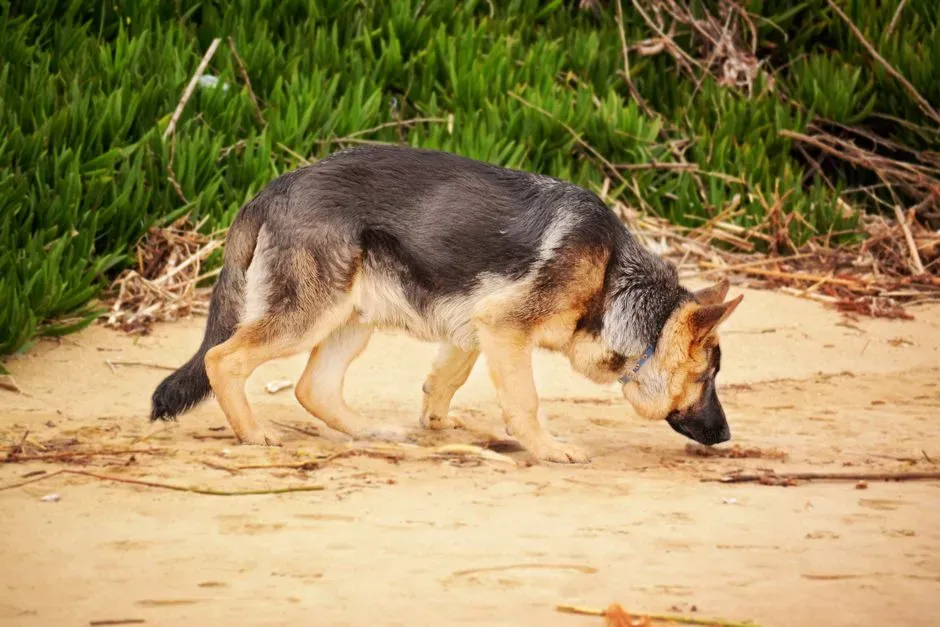
German Shepherds are famous as police and military dogs, but they’re also solid contenders when it comes to medical scent work. Their noses may not be quite as legendary as those of some scent hounds, but they are still extremely sensitive and, more importantly, they pair that with laser‑like focus and trainability. In some detection programs, German Shepherds have been trained to identify cancer‑related odors in laboratory samples, showing that their serious, methodical style can be a real asset in this field.
At home, that same intensity often shows up as hyper‑awareness of their owner’s body and behavior. Many Shepherd owners talk about their dogs becoming strangely clingy, sniffing one area repeatedly, or even nudging or pawing a spot as if trying to point something out. In a few widely reported cases, those behaviors came long before a doctor finally connected the dots and diagnosed cancer. Is every Shepherd secretly a medical genius? Of course not. But when a dog that usually acts like a disciplined bodyguard suddenly fixates on one place on your body, it’s hard not to take a second look.
Beagle: The Small Hound With a Giant Nose

Beagles may look like mischievous family clowns, but under that sweet face is a nose built for serious tracking work. As scent hounds, they were bred to follow delicate trails for long distances, and that same skill translates surprisingly well into medical detection. In some studies, Beagles have been trained to distinguish between samples from people with certain cancers and those without, and their ability to stick with a scent task for long periods makes them especially useful in controlled settings.
In everyday life, a Beagle’s persistence can be both hilarious and alarming. Owners sometimes describe their dogs suddenly digging their noses into one armpit, one leg, or a particular patch of skin, then returning to it again and again over months or even years. When cancer is eventually found in that region, it can feel eerie, as if the dog had been quietly aware of something the humans could not detect. While science still has a lot to learn about what exactly they are smelling – whether it’s volatile compounds from abnormal cells or changes in the microbiome on the skin – Beagles are a textbook example of how sheer olfactory power can give a small dog an outsized role in someone’s health story.
Border Collie: The Brainy Workaholic That Won’t Let Things Go
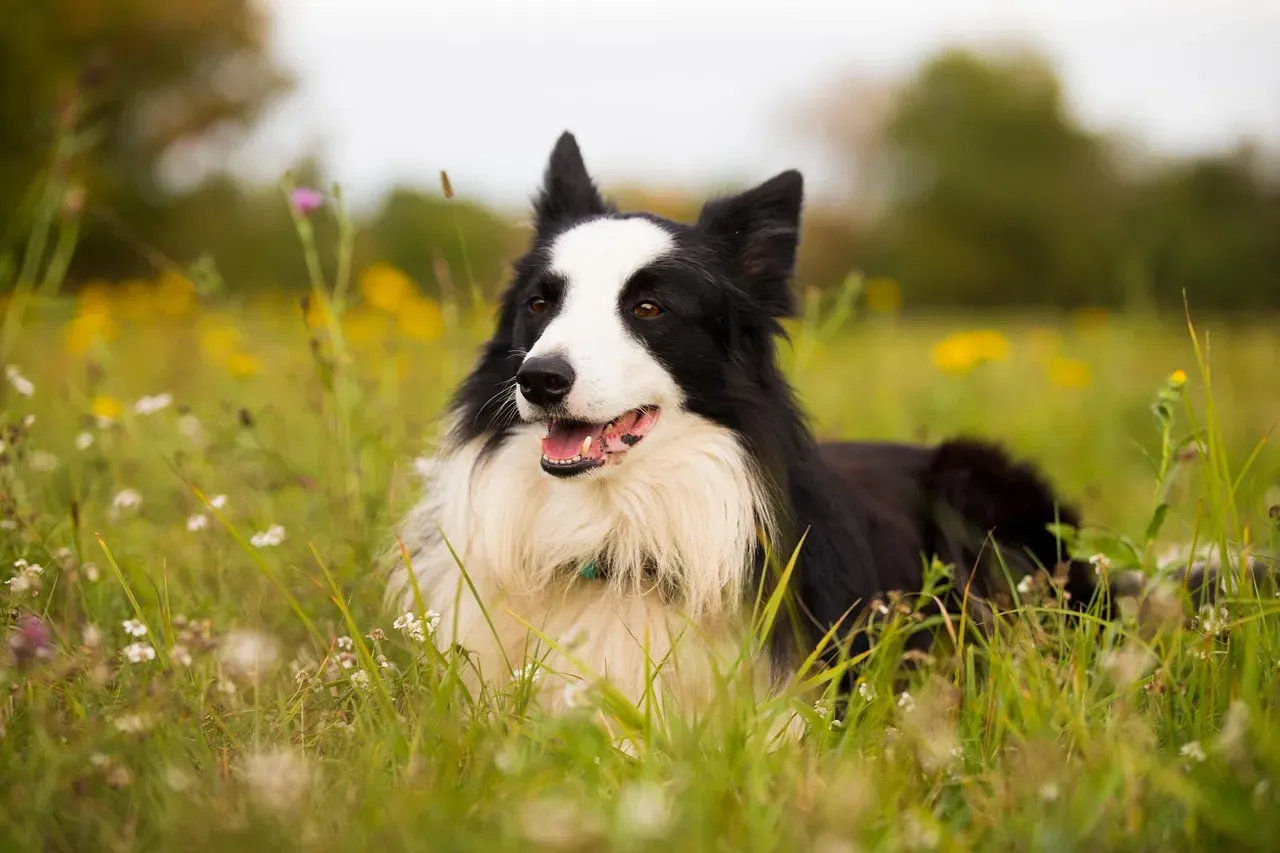
Border Collies are usually associated with herding sheep and outsmarting their owners, not sniffing test tubes, but their intelligence and work drive make them strong candidates for cancer detection training. They may not have the iconic “bloodhound nose,” yet their combination of good scent ability, problem‑solving skills, and insane persistence can be a powerful mix. Trainers who work with them often note how quickly they pick up complex scent discrimination tasks, especially when the work is framed as a game or puzzle to solve.
In family settings, this can look like a dog that fixates on small changes other people shrug off. A Border Collie might start sniffing one spot on an owner’s leg after a run, or repeatedly nuzzle a part of the abdomen, as if something invisible there suddenly matters a lot. Years later, a tumor in that same spot can turn those memories into goosebumps. These stories are not ironclad proof, and we have to be honest about that, but they’re consistent with what we know about the breed: Border Collies notice everything, obsess over patterns, and rarely drop a “job” once they think they’ve found one.
Poodle (Standard): The Elegant Analyst With a Sharp Nose

Standard Poodles are often underestimated because of their stylized haircuts, but beneath the fluff is an athletic, highly intelligent working dog with a very capable nose. They’ve been used in various detection roles, and their strong trainability, low‑shedding coat, and calm demeanor have made them increasingly popular in medical scent programs. Some research efforts have included Poodles in cancer detection work, where they learn to differentiate subtle odor signatures related to disease in controlled environments.
For owners, what stands out is how tuned‑in many Poodles are to tiny shifts in routine, mood, and even smell. A Poodle that suddenly becomes fascinated by one breast, a specific mole, or the smell of urine in the bathroom is easy to dismiss at first. But if the dog keeps returning to that same spot, day after day, the behavior can start to feel oddly deliberate. A few years down the line, a slow‑growing tumor in that area can make those memories incredibly sobering. Again, the science is still cautious, but given the breed’s mix of sensitivity and intelligence, it’s not surprising that Poodles show up in real‑world stories of dogs flagging cancer long before doctors did.
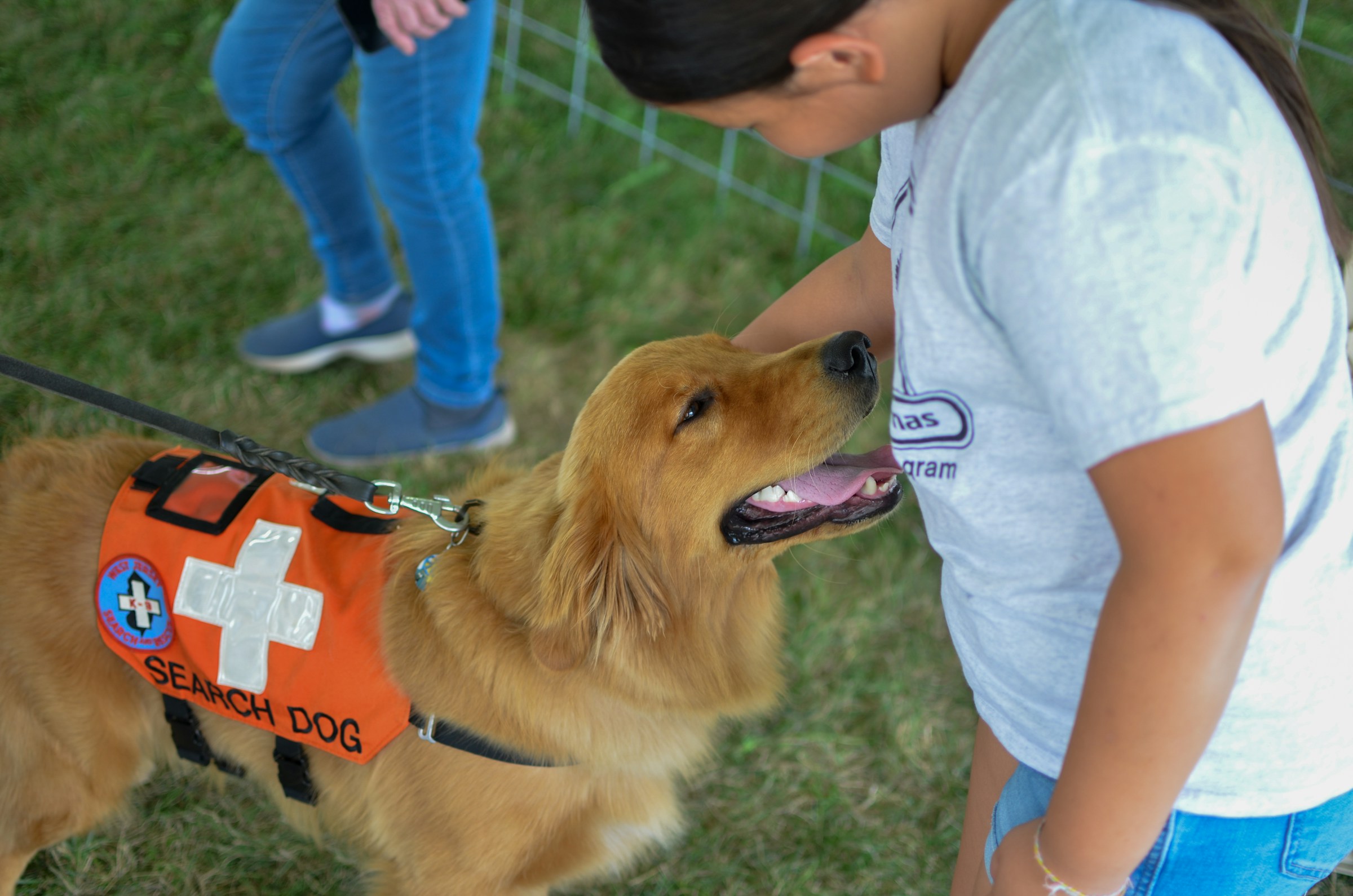
Golden Retriever: The Gentle Empath That Knows When Something’s Wrong
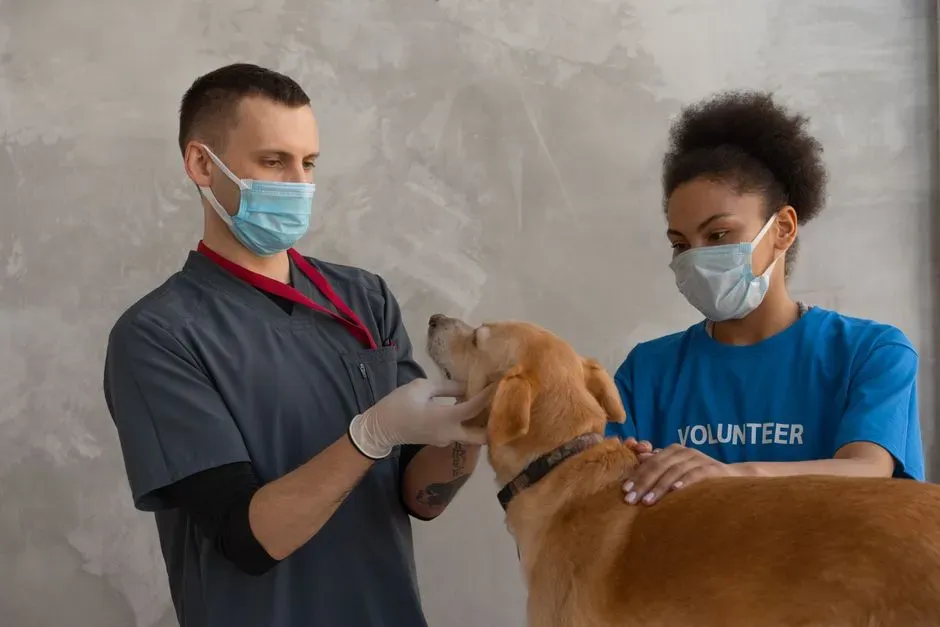
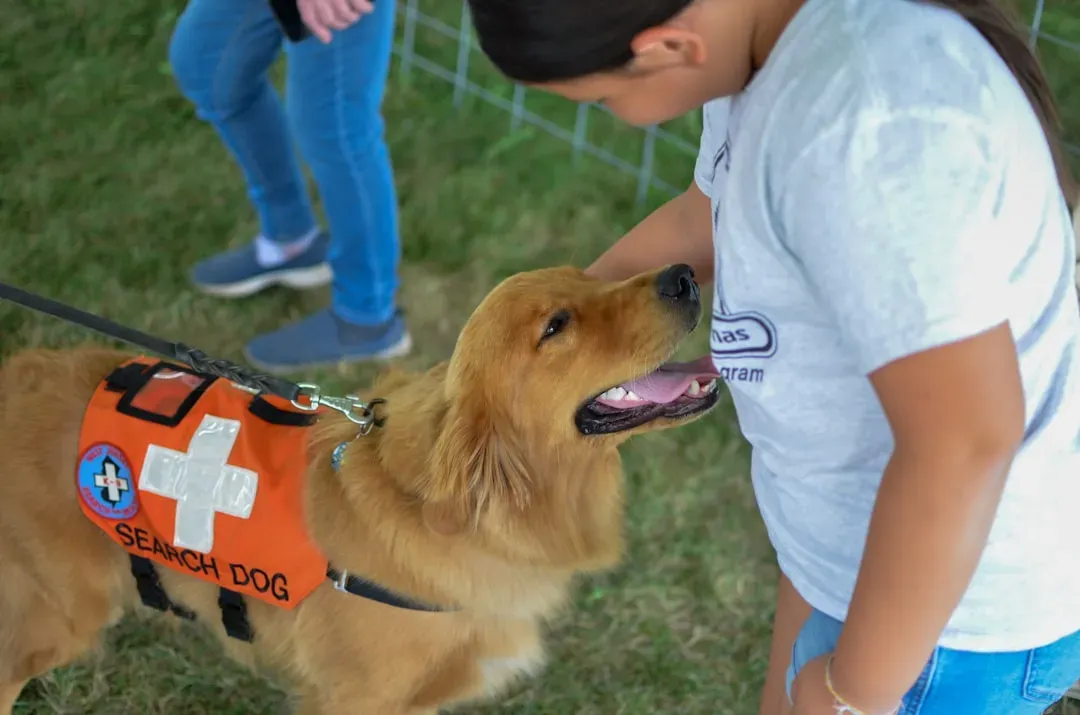
Golden Retrievers are already well known for their work as guide dogs, therapy dogs, and service animals, so it makes sense that they’d also appear in the world of medical detection. Their noses are strong, but it’s their emotional connection to humans that really stands out. In some training programs, Goldens have been taught to identify cancer‑related odors, and their calm, biddable nature makes them easy partners in settings like hospitals or research facilities.
At home, many owners describe Goldens as “emotion sponges” that react immediately to stress, sadness, or illness. That emotional radar often comes with physical behaviors: a Golden might start resting its head on one particular part of the body, paw at a spot, or sniff a certain region with unusual intensity. In some widely shared cases, those habits began years before a lump was discovered or a diagnosis was made. It’s very possible that Goldens are picking up a mix of factors – odor changes, subtle differences in movement or posture, even shifts in body temperature – and blending them together into a strong sense that something just is not right with their person.
Belgian Malinois: The High‑Drive Detective of the Dog World
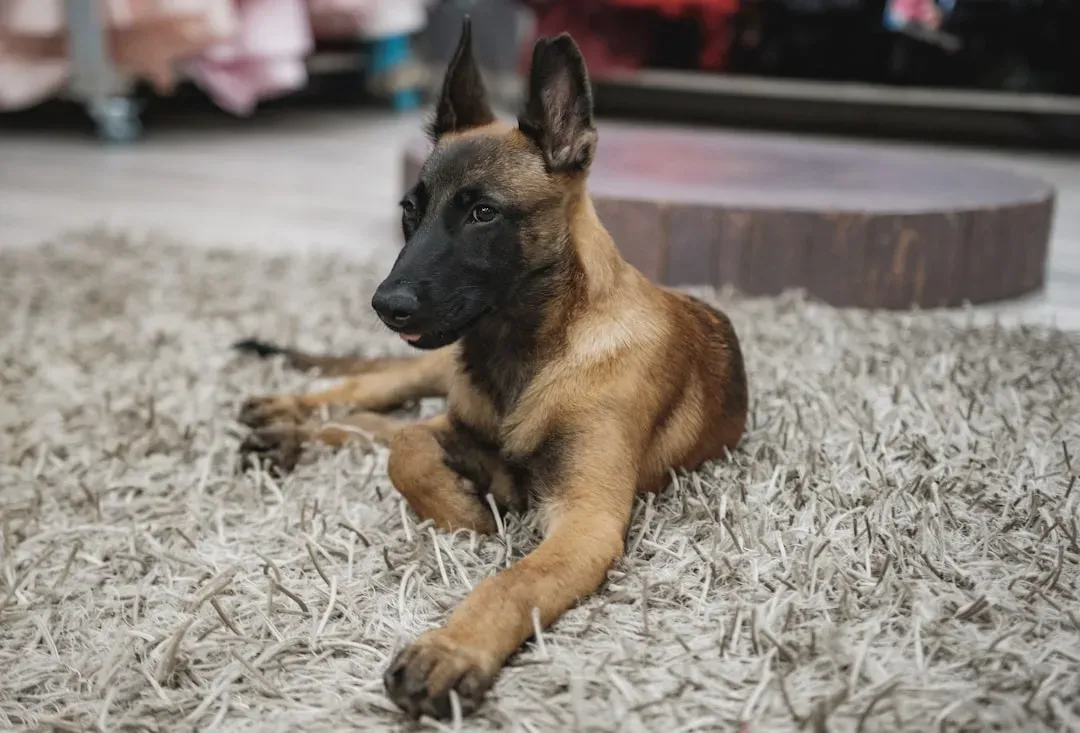
Belgian Malinois are often seen leaping out of helicopters or searching luggage in airports, and for good reason: they are fearless, agile, and incredibly driven. Those same qualities are exactly what you want in a scent detection dog. Malinois have been heavily used in military and police work, and although less publicly discussed in cancer research than some other breeds, the underlying skill set is there – a powerful nose, relentless work ethic, and the ability to stay locked onto a task.
In a home, that intensity can feel like living with a furry detective who never goes off duty. A Malinois that suddenly fixates on the smell of your breath, your chest, or your lower abdomen is hard to ignore, simply because they tend to be so insistent. When owners later learn that cancer has been quietly growing in the same region, sometimes for years, it raises uncomfortable but fascinating questions about what the dog knew and when. While this breed absolutely needs serious, structured training and is not for casual owners, there’s a strong case that if any dog can detect subtle physical changes early, a focused Malinois is near the top of the list.
Why These Breeds Stand Out – And Why Any Dog Might Surprise You
When you look at these seven breeds together, a pattern appears: strong noses, high trainability, and a deep bond with people. They also tend to be dogs that are very engaged with their environment, constantly checking in, sniffing, and noticing what most of us tune out. That makes them ideal candidates for formal cancer detection work, and it also makes them more likely to show obvious, repeated behaviors that owners will remember if something is later diagnosed. Put simply, they not only smell well – they care enough to act strangely about it.
At the same time, it would be a mistake to think only these breeds can ever detect cancer. Mixed‑breed dogs and less “famous” breeds have also been reported to show alarmingly accurate attention to cancerous areas long before doctors found them. The truth is that most dogs live in a different sensory world than we do, and many could pick up on odor changes we barely register. The difference is that some breeds are more likely to be trained in scientific settings, and some are so persistent in their behavior that humans finally pay attention.
The Science, the Hype, and a Realistic Way to Think About It
Right now, the science around canine cancer detection is promising but still evolving. Controlled studies have shown that trained dogs can often distinguish cancer samples from healthy ones at rates far higher than random guesswork, especially for certain types like lung or colorectal cancer. However, results are not perfectly consistent across studies, and scientists are still working to standardize methods, understand exactly what odors the dogs detect, and see how this compares to existing medical tests.
Here’s where I land on it, speaking both as someone who loves dogs and as someone who cares about evidence: we should respect what dogs clearly can do, but we should not turn them into mystical diagnostic oracles. Your Lab or Beagle is not a replacement for mammograms, colonoscopies, or blood work. At the same time, it’s not irrational to take your dog’s sudden, persistent focus on one body area seriously, especially if it goes on for weeks or months. The balanced approach is simple: appreciate the warning, talk to a doctor, and let proper medical testing take it from there.
Conclusion: Your Dog Is Not a Doctor – But It Might Be a Whispered Warning
I still remember when a friend told me about her dog, a mellow retriever mix, obsessively nudging the same spot on her leg for almost a year before a tiny melanoma was found there. That story stuck with me, not because I think her dog “diagnosed” her, but because it captured how much more aware our animals can be of small shifts in our bodies and routines. When you zoom out and look at all the research on trained detection dogs, plus the many real‑world stories from owners, it’s hard to dismiss the idea that some dogs truly can sense cancer long before we ever would.
My honest opinion is this: we should treat these dogs less like miracle machines and more like early‑warning whispers. They are part of a bigger picture that still absolutely has to include regular screenings, listening to your own body, and pushing for answers when something feels wrong. But if your usually laid‑back Lab, Shepherd, Beagle, Collie, Poodle, Golden, or Malinois suddenly won’t stop sniffing or pawing at the same spot on you, over and over, why not let that be the nudge that gets you checked out a little sooner? In the end, what’s the harm in letting your best friend’s nose buy you a bit more time than you would have had otherwise – and how many lives might quietly be saved that way?