
#1. The Skye Terrier: The Dog Who Kept a 14-Year Vigil
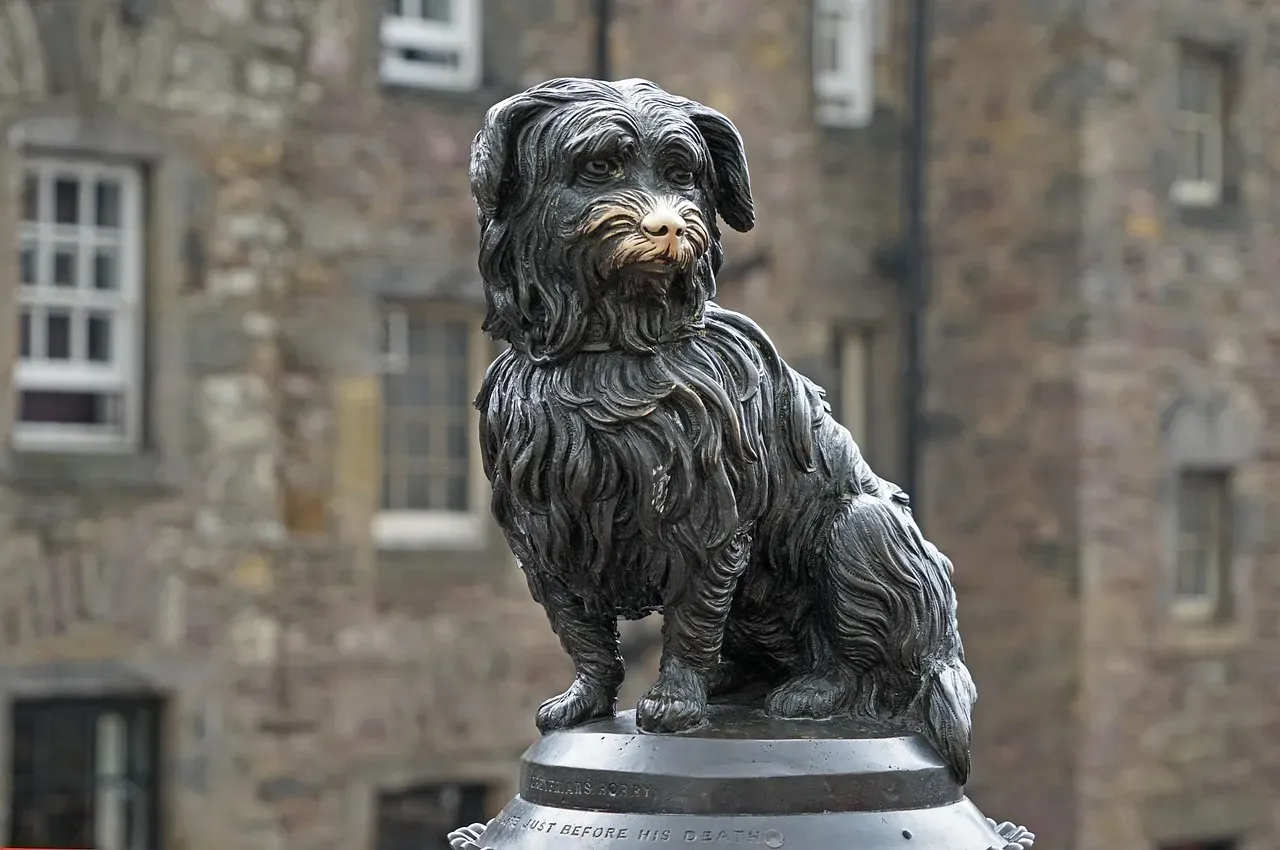
No story in the history of canine loyalty is more famous, or more quietly devastating, than that of Greyfriars Bobby. Greyfriars Bobby was a Skye Terrier who became famous in the 19th century for his unwavering loyalty to his owner. His owner, John Gray, worked as a night watchman for the Edinburgh Police Force, and to keep him company through the long nights, he bought a wee Skye Terrier he called Bobby. Soon John and Bobby became inseparable.
Edinburgh’s damp and murky weather eventually took its toll on John, who was diagnosed with tuberculosis. He died on 15 February 1858 and was buried in Greyfriars Kirkyard. Bobby, who had never been apart from John, refused to leave the cemetery and stayed by his owner’s grave. Bobby is said to have sat by the grave for 14 years. Through rain, through snow, through every kind of cold that Edinburgh could throw at him, that small dog held his post.
The Skye Terrier became famous because of Greyfriars Bobby, a dog who guarded his master’s grave in Edinburgh for 14 years. This breed forms a strong bond with one person and stays devoted for life. In 1872 Bobby died and was buried not far from John Gray’s grave so that they could finally be together. His headstone, still standing in Greyfriars Kirkyard today, reads simply: “Greyfriars Bobby – Died 14 January 1872 – Aged 16 years – Let his loyalty and devotion be a lesson to us all.”
#2. The German Shepherd: A Breed That Finds Its Way Back
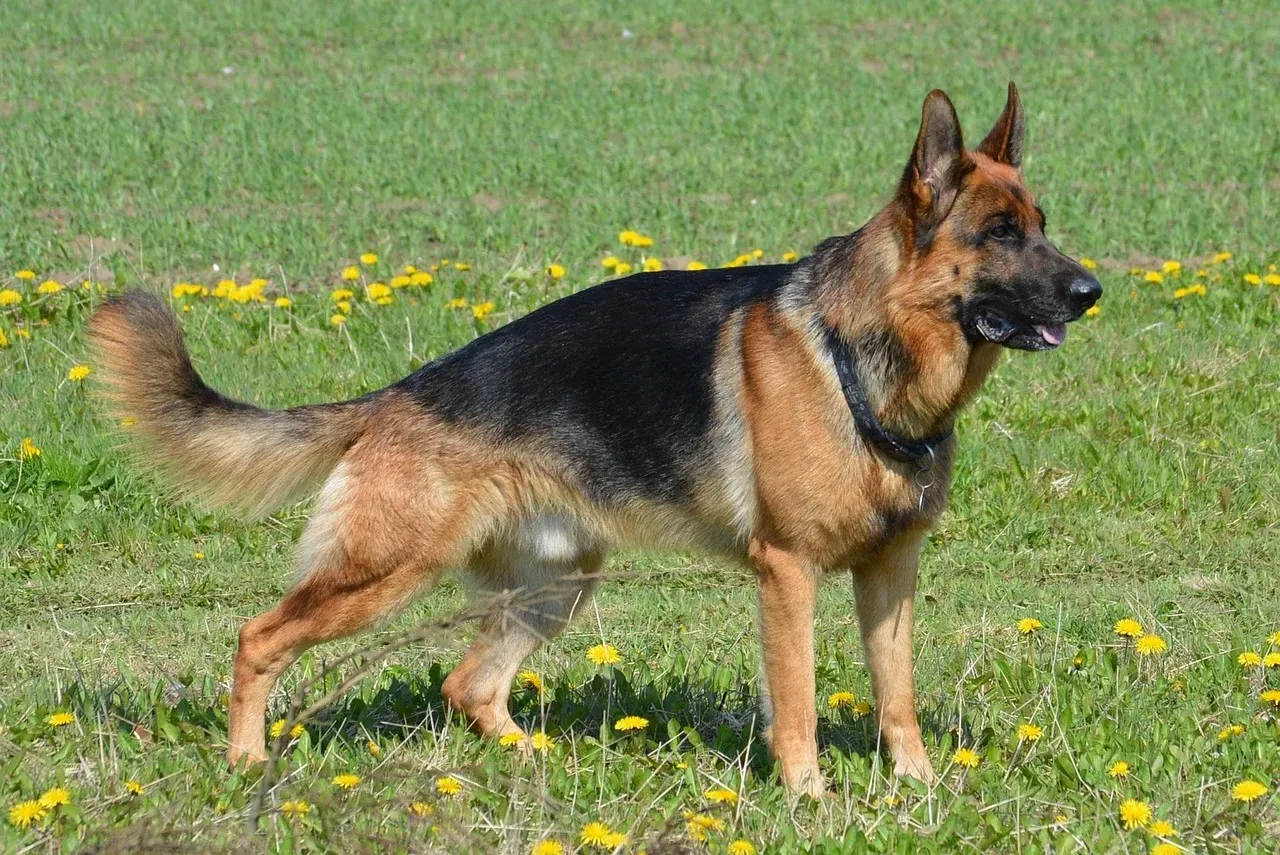
German Shepherds are remarkable dogs in many respects, but perhaps nothing speaks to their loyalty like the story of Capitan, an Argentine German Shepherd whose attachment to his owner defied geography, logic, and grief itself. Capitan’s owner, Miguel Guzman, died in 2006, and his dog disappeared shortly after. Although Capitan never saw where his master was buried, he found the cemetery and subsequently his owner’s grave, and kept vigil.
For months, no one knew where Capitan went until a groundskeeper at the cemetery found the dog lying on his human’s grave. The family was shocked given the distance between their home and the cemetery, let alone Capitan’s ability to find it. For the next twelve years, Capitan spent his life in and around the cemetery where the caretakers would offer him food and water. According to the groundskeepers, every evening at 6pm sharp, Capitan would lay on his human’s grave for the rest of the night, and he would do so until his death in 2018. Twelve years. Every single evening. That’s not instinct. That’s something deeper.
German Shepherds are renowned for their loyalty and often form an unbreakable bond with a single owner. Originally bred for herding and guarding, they are highly intelligent and protective, traits that contribute to their steadfast loyalty. Their intelligence and ability to recall will nudge them when their owner stops turning up for daily walks or routines. From feeling confused and disoriented to spending hours on an owner’s grave, this dog might express its sense of loss depending on the context it understands the situation to be.
#3. The Akita: Japan’s Symbol of Undying Devotion
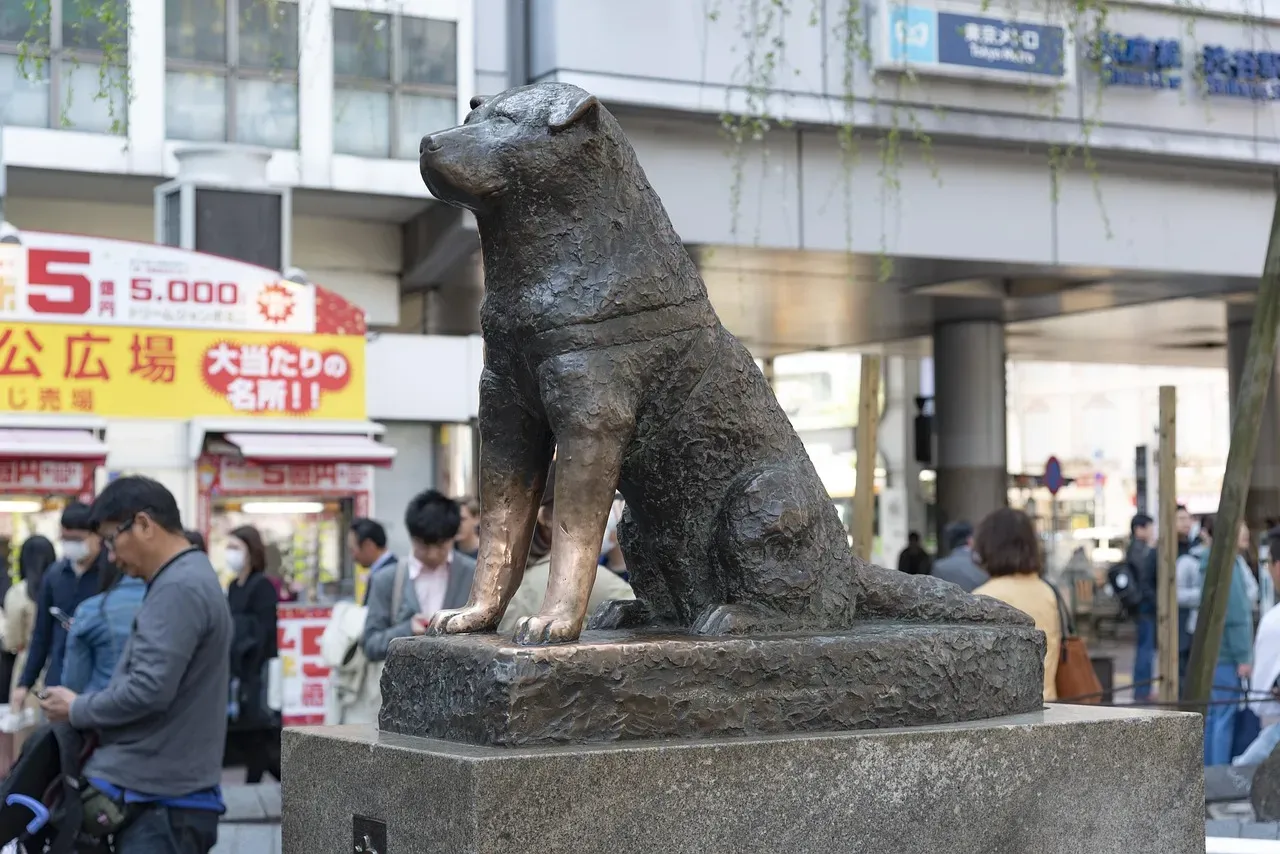
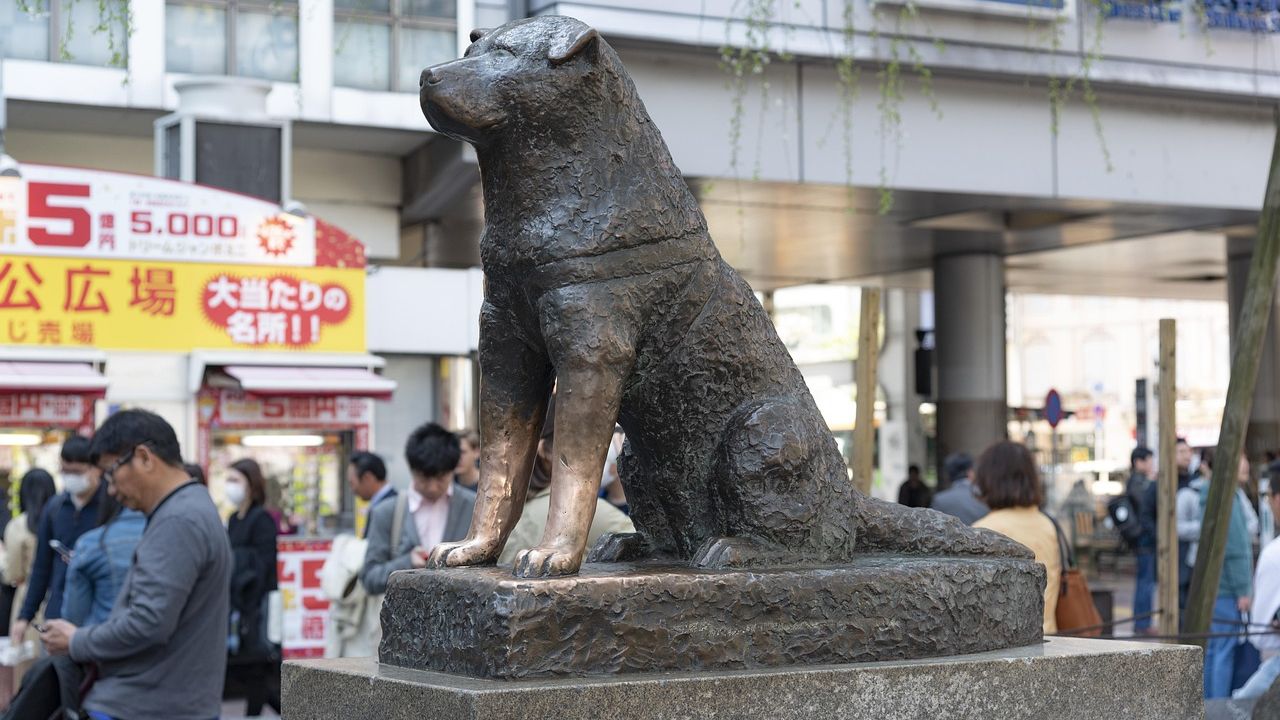
If there is one breed whose name has become almost synonymous with loyalty beyond death, it is the Akita. Hachiko was a golden brown Akita that used to wait for his owner Hidesaburo Ueno, a professor at the University of Tokyo, at the end of each day at Shibuya Station. For about two years they kept this routine until one day Ueno did not return from school, having suffered a cerebral hemorrhage and died. Hachiko kept the routine and waited for his master for almost ten years until his own death.
Hachiko’s story of loyalty and devotion is remembered until today, not only by his statue at Shibuya Station but also by media references and movies. The Akita wasn’t just waiting out of habit. Behaviorists and historians agree that the depth of the bond formed between Hachiko and his owner was entirely characteristic of the breed. Originating from Japan, where they were bred for hunting and guarding, Akitas have a dignified and reserved temperament. They are known for their quiet, watchful loyalty, often forming a strong bond with a single person whom they will protect and follow devotedly.
The Akita is a faithful dog that notices the absence of its owner, and its loving heart can break once it realizes its human isn’t going to return. In Japan, the Akita is considered a symbol of health and happiness and is often associated with good fortune. Perhaps that cultural reverence for the breed is rooted, at least in part, in stories like Hachiko’s, a living proof of what it means to belong entirely to one person.
#4. The Border Collie: Eleven Winter Weeks in the Mountains
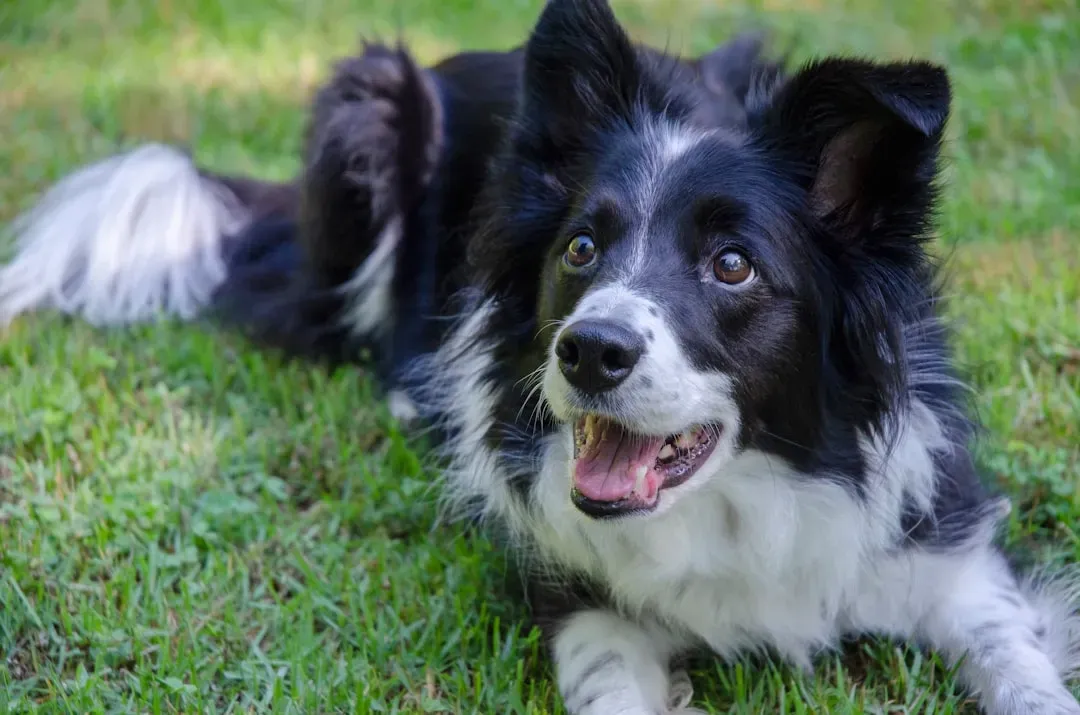
The story of Ruswarp is less globally known than Hachiko or Greyfriars Bobby, but in its raw, cold, unadorned truth, it may be the most staggering of all. Ruswarp was a Border Collie owned by Graham Nuttall, co-founder of the Friends of the Settle-Carlisle Line. On 20th January 1990, Graham and Ruswarp purchased a day-return rail ticket to Llandrindod to go walking in the Welsh mountains. They did not return. An extensive search and rescue effort failed to find them, and it wasn’t until three months later that another walker found Graham lying dead by a mountain stream.
Remarkably, Ruswarp was still alive, although obviously exhausted and emaciated. For eleven long, cold, and wintry weeks, the faithful dog had not left his master’s side. He was too weak to walk and had to be carried down the mountain. A local vet nursed him back to health, and he was well enough to attend his master’s funeral. According to an eyewitness, he sat quietly at the front, until Graham’s coffin began to move behind the crematorium curtains. Ruswarp died not long after. He had done everything he could.
Rough Collies are not only known for their striking appearance but also their deep loyalty to their owners. Bred for herding and companionship, they are affectionate, intelligent, and sensitive to their owner’s needs. Collies often develop a strong bond with one particular member of the family, staying close to them and showing a keen interest in their activities. Through rain and snow, this Border Collie proved his devotion, and in 2009, a bronze statue at Garsdale Station was put up in his honor.
#5. The Labrador Retriever: Grief Without Borders
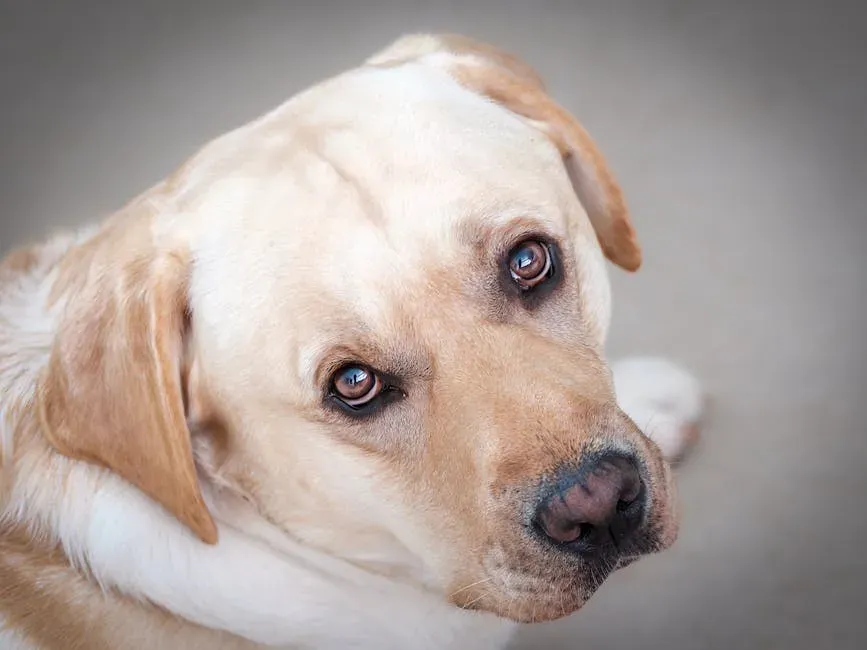
Labrador Retrievers are often thought of as cheerful family dogs, bouncy and food-motivated and endlessly optimistic. That picture is accurate, but it’s only half the story. Beneath the wagging tail is a dog capable of profound emotional depth. Labs are made of all the good stuff: loyalty, gentleness, smartness, and lots of fun. Labrador Retrievers are gun dogs and have worked closely with humans for ages, nowadays being one of the most loved family pets.
One of the most documented Lab grief stories belongs to Hawkeye, a chocolate Labrador whose owner, Navy SEAL Jon Tumilson, was killed in a 2011 helicopter crash in Afghanistan. Roughly 1,500 mourners came out to a local high school gym in Iowa to pay their respects, and all eyes were on the heartbreaking display of devotion as Hawkeye, unwilling to leave the side of Tumilson’s casket, seemed to grieve for his fallen friend. Images of Hawkeye lying motionless beside the casket spread around the world and moved countless people who had never even owned a dog.
Labs are focused as police, military, and therapy dogs. All their roles are about forming deeper partnerships with humans and understanding their cues and needs. That capacity for deep partnership is precisely what makes the Labrador’s grief so visible and so real. Solid evidence from brain imaging studies indicates that similar areas of dogs’ brains light up when they’re feeling emotions parallel to human feelings. For a Lab who has lost the person they were bonded to, that emotional reality is impossible to simply walk away from.
#6. The Doberman Pinscher: Purposely Bred to Never Let Go
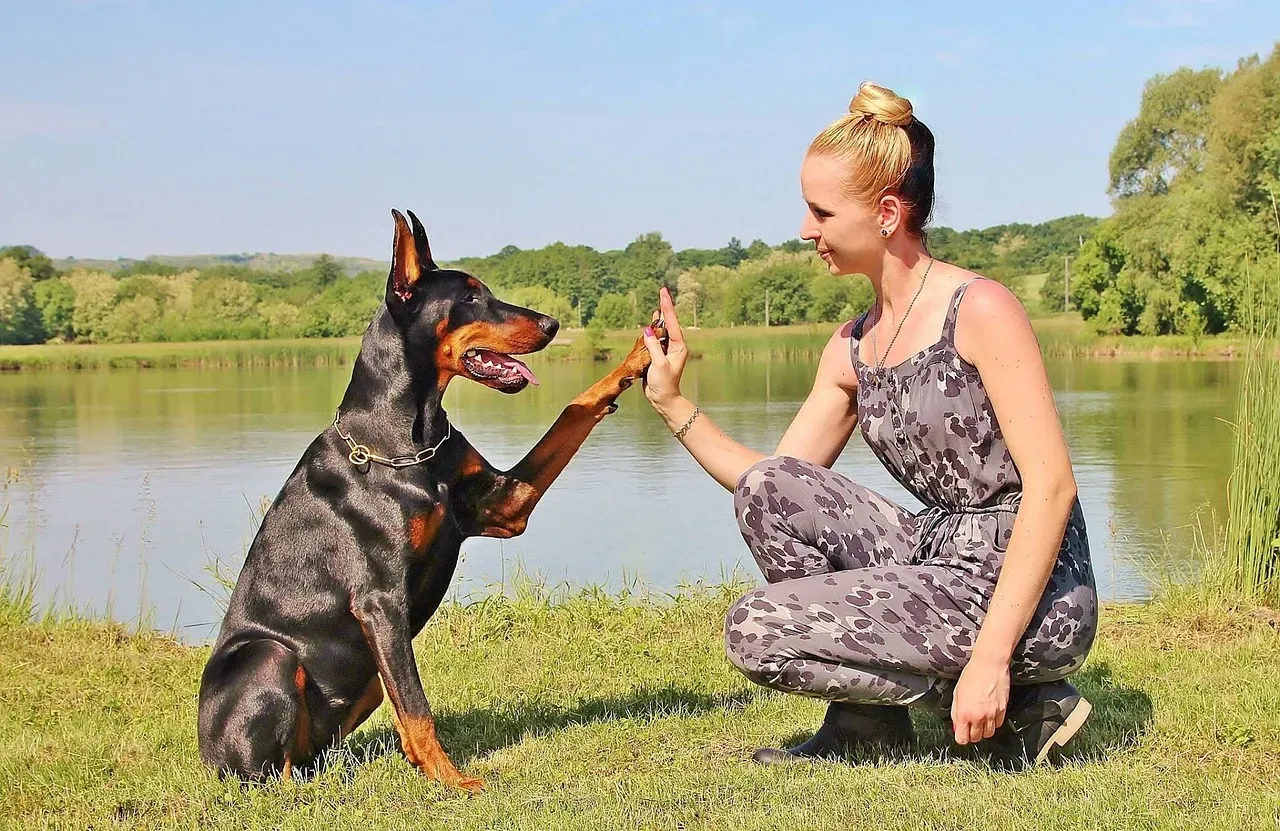
The Doberman has a reputation that can precede it unfairly. Sleek, alert, and physically imposing, people often mistake this breed’s intensity for aggression. In reality, that intensity is directed somewhere much more specific: inward, toward the people they love. Dobermans are renowned for unprecedented loyalty. They form strong, enduring bonds with their owners and family members, often becoming deeply attached and protective. Their loyalty extends beyond protection; Dobermans demonstrate affectionate behaviors, including playfulness and warmth toward their loved ones.
The Doberman Pinscher was created by German tax collector Louis Dobermann. He wanted an intimidating dog that was fiercely protective and loyal, leading to the Dobie’s extensive use as a guard dog. That original purpose, to be inseparable from one human and devoted to their safety, is embedded in the breed’s very DNA. These dogs need a sense of purpose and can feel disoriented and at a loss when suddenly separated from their humans. From walking alongside their owner’s funeral to sitting on their grave for days, a Doberman can express its grief in its own way, but it will miss its deceased human.
Today’s Doberman is often described as alert, confident, and people-oriented. With proper socialization, the breed is affectionate, deeply loyal, and eager to be involved in family life. The Doberman doesn’t mourn quietly or invisibly. Since this breed enjoys companionship and being around people so much, Doberman Pinschers are known to exhibit some canine separation anxiety. When the person at the center of their world is gone, that absence is felt as a physical void, not merely a behavioral adjustment.
#7. The Collie: Intelligence Deep Enough to Understand Loss
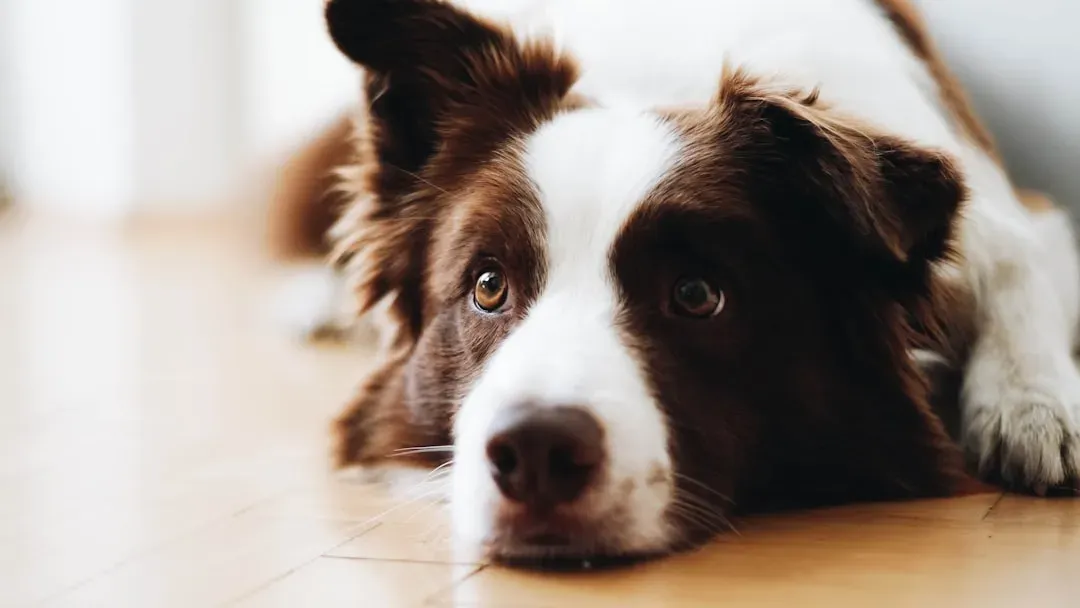
There’s something uniquely poignant about a dog smart enough to understand, at least in some approximate way, that the person it loves is not coming back. The Collie sits in that territory. Collies are one of the impressively intelligent herding dogs known for their amazing instincts and work ethic. As eager-to-please pups, they center their lives around their humans once they’ve adjusted to a household. As brainy dogs, Collies don’t just learn complex commands amazingly; it’s also not beyond them to understand when their owner is gone for good. They won’t just miss the daily walks and the game sessions together; they’ll miss their owner’s mere presence in the home.
If they’ve witnessed where their owner has been put to rest, these smart dogs might try to guard the grave or sit there for hours. That instinct to guard, to stay close, to protect what remains, is a direct extension of the herding instinct they were bred for over centuries. Rough Collies are not only known for their striking appearance but also their deep loyalty to their owners. Bred for herding and companionship, they are affectionate, intelligent, and sensitive to their owner’s needs.
The story of Ruswarp, covered earlier, is itself a Collie story. But the breed’s capacity for grief isn’t limited to one extraordinary example. Scientists are noticing that animals across many species experience grief, debunking the belief that the complex journey is solely reserved for humans. While we don’t know everything about how domesticated pets experience grief, many pets will show signs of acknowledgment that something has changed and others will display behavioral changes that compare to human mourning. In the Collie, that grief is expressed with the full weight of a mind sharp enough to feel the difference.
What All of This Actually Tells Us

These seven breeds, the Skye Terrier, the German Shepherd, the Akita, the Border Collie, the Labrador Retriever, the Doberman Pinscher, and the Collie, each carry documented histories of loyalty that most humans will never be called upon to demonstrate. They didn’t stay out of obligation or training. They stayed because something in them couldn’t leave. From a biological perspective, exhibiting patterns of grief-like behavior in dogs could be seen as a response to separation from an attachment figure. According to researchers, dogs might display grief as a result of a close relationship, due to their highly social nature.
That explanation is useful, but it doesn’t fully capture what we see in a dog lying on a cold grave in Argentina for twelve years, or a terrier refusing to leave a kirkyard in Edinburgh through a decade and a half of Scottish winters. These narratives resonate because they speak to a universal longing for enduring connection, even in the face of death. The science tells us what’s happening in the brain. The stories tell us what it means.
In the end, what these dogs reveal is something that reflects back on us. They loved without agenda, without expectation of return, and without any understanding of why the person they chose was gone. That kind of love doesn’t ask to be understood. It simply stays. And maybe that’s the most honest form of devotion any living creature has ever shown.


