
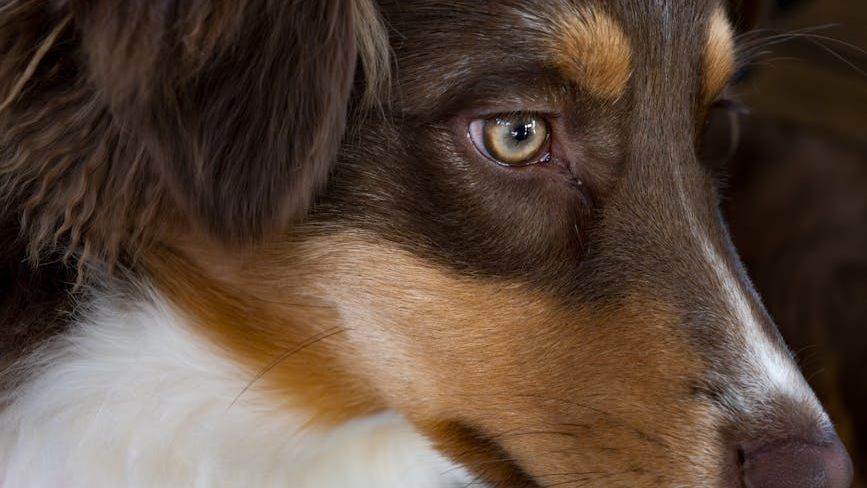
#1: The Stare Is Rooted in Something Ancient and Deeply Instinctual
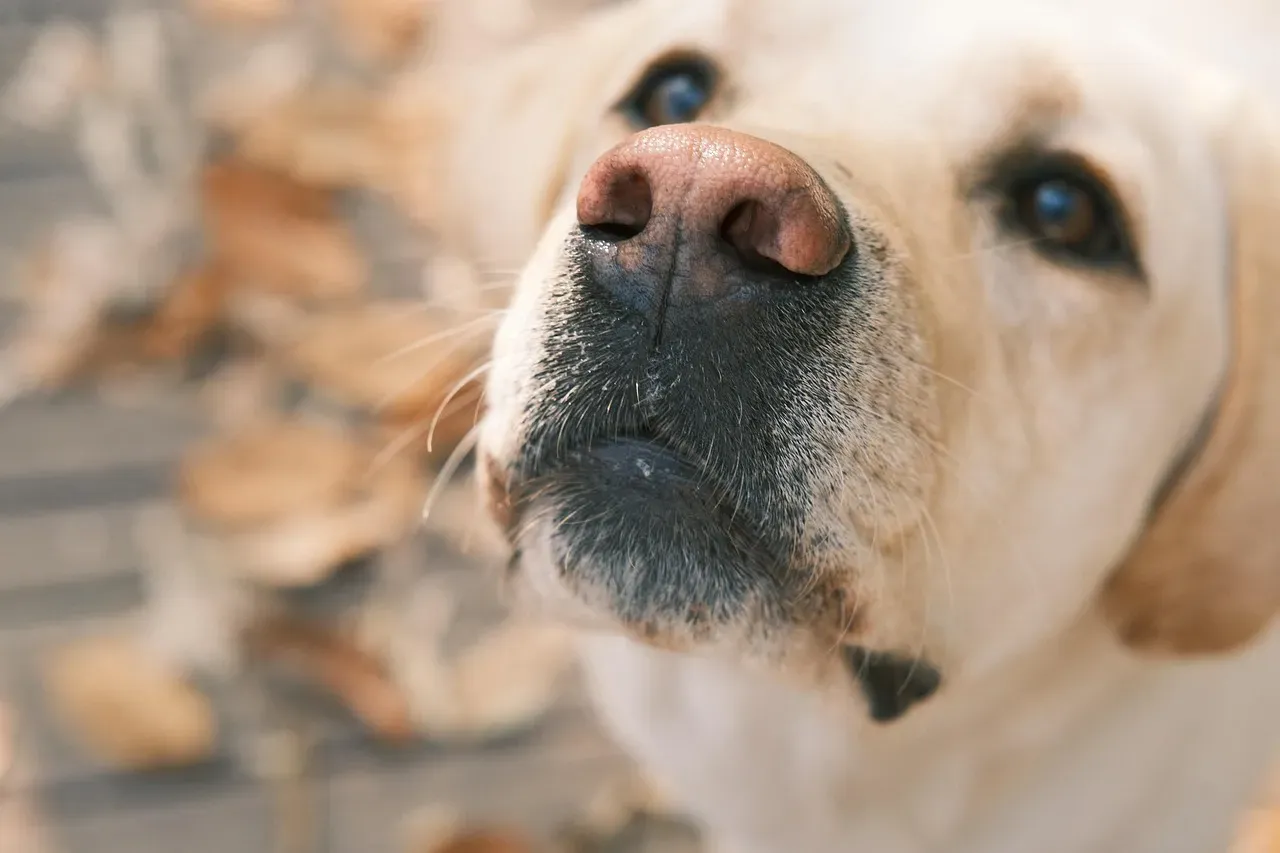
When dogs are in the act of relieving themselves, their posture leaves them physically vulnerable in a way that matters to their wiring. During that moment, they can’t suddenly leap into action to defend themselves if danger arises, and they are instinctively aware of this vulnerability. Their instinct drives them to rely on their pack to ensure safety, and in your dog’s world, that pack is you.
When a dog is in a pooping position, it is an extremely vulnerable moment for the animal. For a pack living out in the wild, exposing themselves in such a manner is a very dangerous situation. Any number of predators could launch an attack against the dog while its attention is diverted. A wild dog would therefore maintain eye contact with their packmates during this position in order to protect against potential threats. That instinct didn’t disappear when dogs moved into our homes. It just redirected toward us.
As with the majority of typical dog behavior, these habits are hard-wired into the animal’s psyche, and those traits have made the transition to domesticated animals. When your dog begins to stare straight through you during a bathroom break, remember that it is for their own safety. As the dog parent, they are looking to you to watch their back and ensure nothing attacks or hurts them during their moment of extreme vulnerability.
#2: That Eye Contact Is a Declaration of Trust
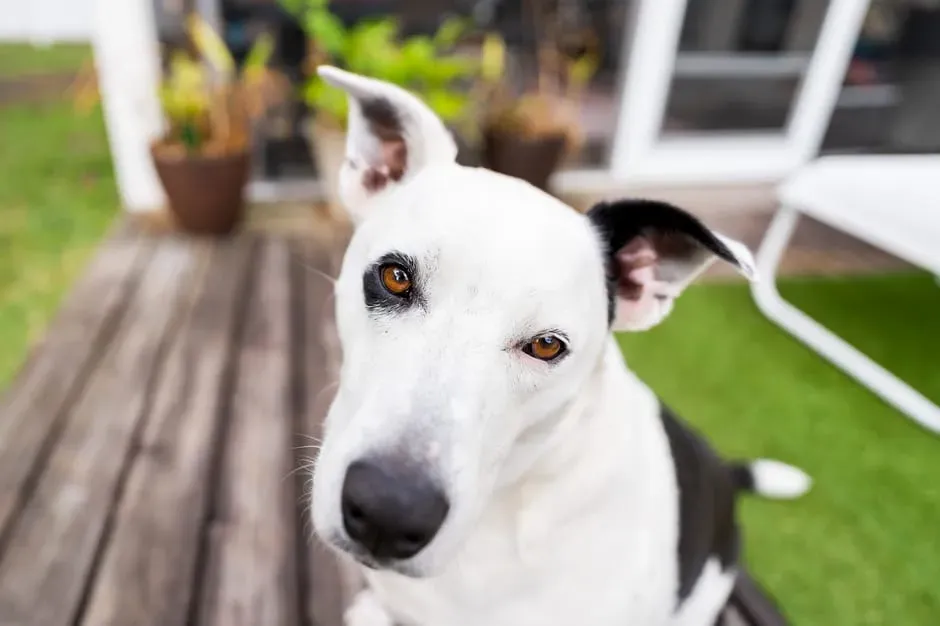
Trust is a crucial element in the relationship between dogs and their owners. When a dog looks at you during their bathroom break, it’s a testament to the trust they place in you. Think about that for a moment. This isn’t attention-seeking or curiosity. This is your dog choosing the most defenseless moment of their day to place their entire safety in your hands.
Dogs feel vulnerable when pooping, and by making eye contact, they’re seeking reassurance and safety from their trusted human. It’s a natural instinct rooted in pack behavior and protection. It means that your dog trusts you, respects you, and cares about your approval. Not every dog does this. Some dogs prefer hiding behind a tree or shrub and avoid making eye contact, which simply means that those dogs feel safer when they’re hidden. The ones who look directly at you are, in their own way, saying something rather beautiful.
If your dog maintains soft, relaxed eye contact while wagging their tail or wiggling their body, it’s a sign of trust and affection, even while pooping. The quality of the stare matters. Pay attention to it.
#3: Science Confirms That This Gaze Actually Bonds You Chemically
Humans bond emotionally as we gaze into each other’s eyes, a process mediated by the hormone oxytocin. Research has shown that such gaze-mediated bonding also exists between us and our dogs. Mutual gazing increased oxytocin levels, and introducing oxytocin increased gazing in dogs, an effect that transferred to their owners. The chemistry of love, it turns out, doesn’t care whether the moment is poetic.
Researchers found that when owners and their dogs gazed into one another’s eyes during a 30-minute period, levels of oxytocin measured in their urine increased in both the humans and the dogs. Dogs and owners who exchanged long gazes had an increase in oxytocin, whereas oxytocin concentrations remained stable in dogs and owners that shared shorter gazes. The longer the look, the deeper the biological bond being reinforced.
Wolves, who rarely engage in eye contact with their human handlers, seem resistant to this effect. Human-like modes of communication, including mutual gaze, in dogs may have been acquired during domestication with humans. This means the bathroom stare isn’t random or coincidental. It’s the product of tens of thousands of years of dogs and humans growing closer together, one gaze at a time.
#4: When the Stare Changes, Something Important May Be Happening
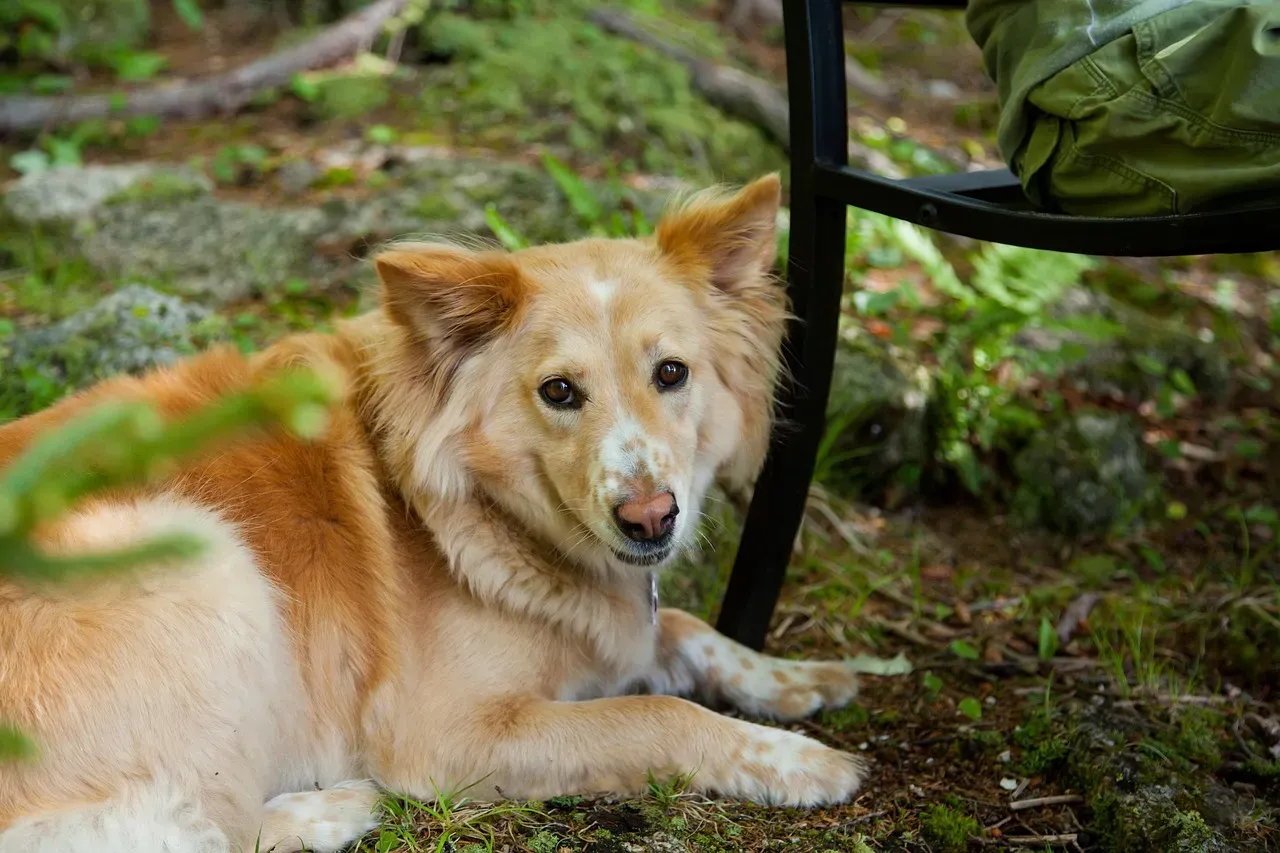
Near the end of life, some dogs appear to stare at their owners for unusually long periods without barking, moving, or demanding attention. In emotional real-world accounts, owners often describe these moments as feeling deeply intentional or hauntingly calm. Although science cannot confirm emotional interpretation, experts acknowledge that dogs are highly sensitive to emotional tone, physical presence, and familiar human faces during times of stress or illness.
Many pet owners report that their dogs make prolonged eye contact as if trying to communicate something profound. This can be seen as a final connection or farewell. In their final days, a dog may exhibit behavior changes that owners interpret as a form of goodbye, such as seeking extra affection or finding a quiet place to rest. When the bathroom stare starts to feel different, heavier, more lingering, trust that feeling. Dogs don’t communicate in sentences. They communicate in moments.
While dogs can’t speak their goodbyes, some pet owners have observed behavior at the end of life that could be a dog communicating their goodbye, like seeking out extra companionship or solitude. Dogs may know they are unwell and pick up on the stress of the owners, but it’s hard to know with certainty that they understand they’re dying. What is certain is that they are paying close, careful attention to you.
#5: Other Signs That Tell You Your Dog Is Saying Goodbye
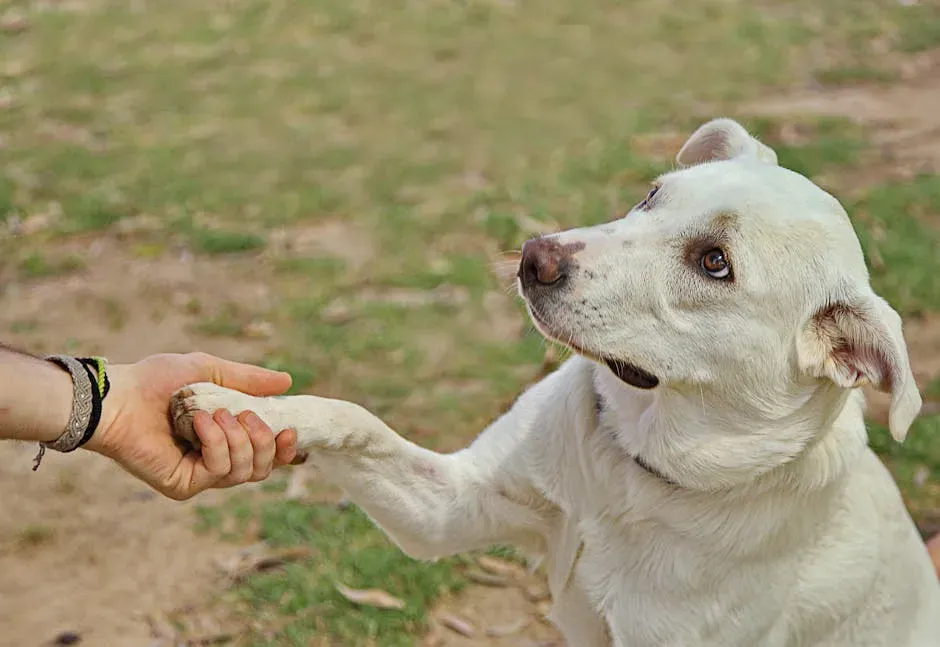
When a dog’s death approaches, they often experience cognitive changes that alter their behavior in noticeable ways. These dogs may show signs of confusion, restlessness, or withdrawal. These unusual behavior patterns may indicate they’re experiencing discomfort or sensing something is happening. Veterinarians note that some dying dogs may have decreased energy levels as their bodies begin shutting down, and you may notice this as your once-active pet becomes lethargic or disinterested in favorite activities.
Some dogs become unusually clingy, seeking constant companionship and reassurance from their owners. This end-of-life behavior in dogs can be interpreted as a way of seeking comfort and expressing their bond. It’s not uncommon for dogs to have a sudden burst of energy before they pass away, a phenomenon often called the “last bloom” or “rally,” which can be confusing and misleading, giving pet owners false hope of recovery.
As organ systems weaken, appetite naturally declines. Emotionally, this change can be especially painful for owners because dogs often stop engaging in the activities that once defined their personality. A dog that once ran excitedly for walks may suddenly avoid movement entirely. A food-motivated dog may refuse favorite treats. Others stop reacting to toys, doorbells, or familiar sounds. These are the quiet signals worth knowing how to read.
What to Do When You Sense the Goodbye Is Near
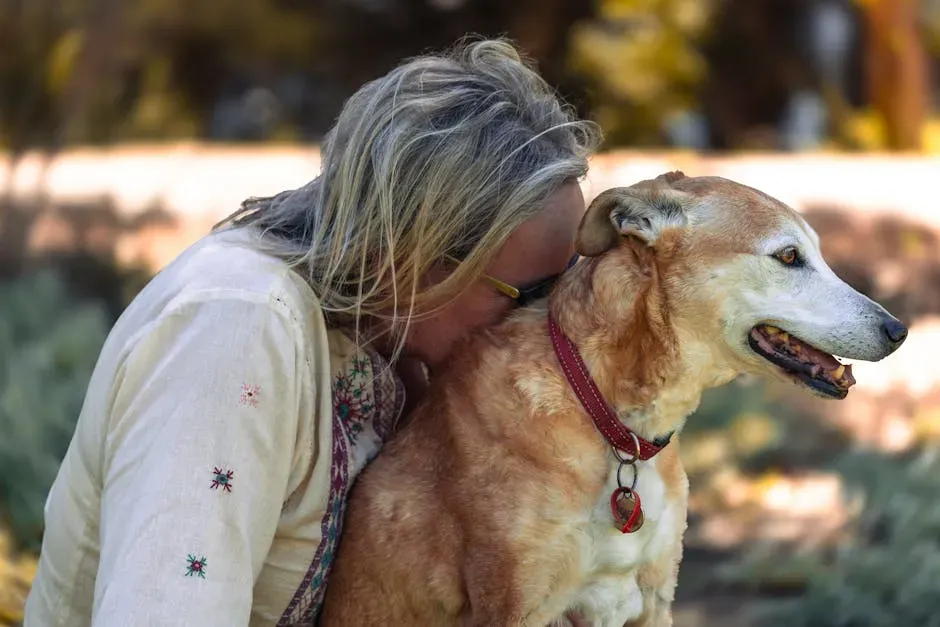
The hardest part of loving a dog is also the most honest part: their time with us is finite. When the stare during a bathroom break starts to feel like more than instinct, when it lingers, softens, and carries something wordless with it, that’s worth receiving with your full presence. Those final moments together are about presence. The most important thing you can offer amid signs your dog is dying is the peace of knowing they are not alone.
Sometimes specific end-of-life behaviors are hard to pinpoint. Many pet parents seem to sense when something is off with a pet’s overall energy or expressions. Trust your gut as a pet owner, especially if other signs of dying are present or your pet has a diagnosis that makes dying more likely. Your instincts matter here. You know your dog better than any clinical checklist ever could.
Countless real-world experiences reveal one undeniable truth: dogs form profound emotional bonds with humans. Whether they seek closeness, stare silently, isolate themselves, or wait beside their owners in peace, their final behaviors often feel deeply emotional because they reflect a lifetime of trust and companionship. The next time your dog looks up at you during that unglamorous moment, hold their gaze a little longer. They chose you. Every single time, through instinct and chemistry and something science still struggles to fully name, they chose you.


