
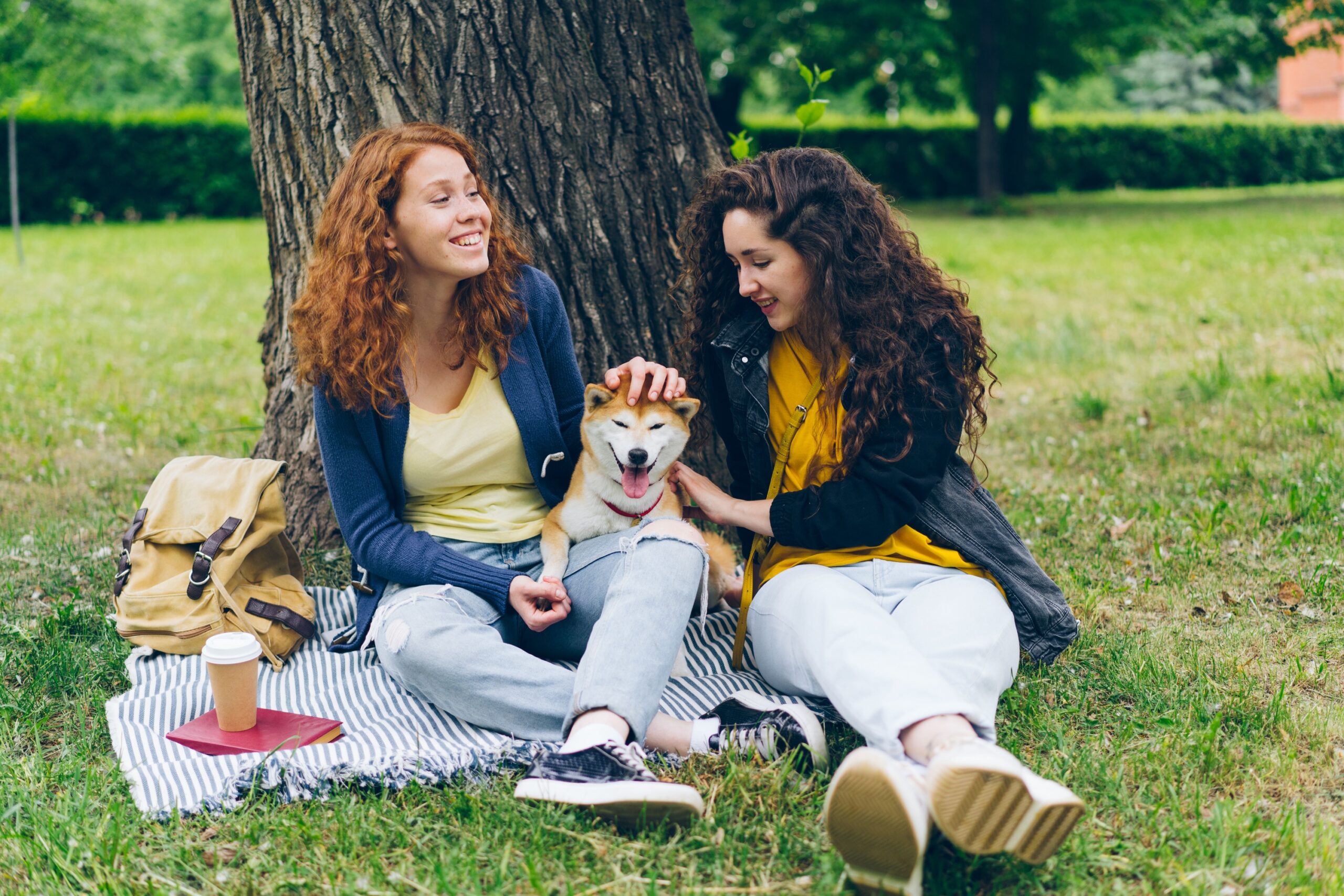
Ever noticed your dog pressing their body against your legs and thought it was just a quirky sign of affection? While it may seem like a simple cuddle, this behavior is deeply rooted in your dog’s attachment system. Let’s delve into the reasons behind this endearing habit and what it reveals about your bond with your canine companion.
Leaning as a Sign of Affection and Trust
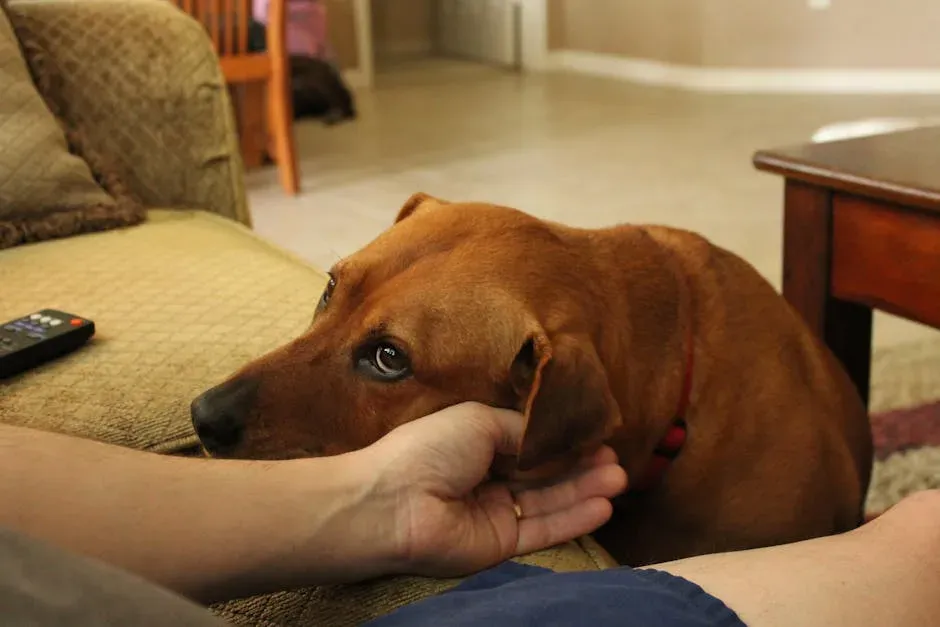
When your dog leans against you, it’s often their way of expressing love and trust. This physical closeness mirrors the pack behavior of their wild ancestors, who relied on proximity for safety and social bonding. By leaning on you, your dog is essentially saying, “You’re my safe haven.”
Such behavior indicates a secure attachment, where your dog feels comfortable and protected in your presence. It’s a testament to the strong bond you’ve nurtured over time.
Seeking Comfort During Stressful Situations
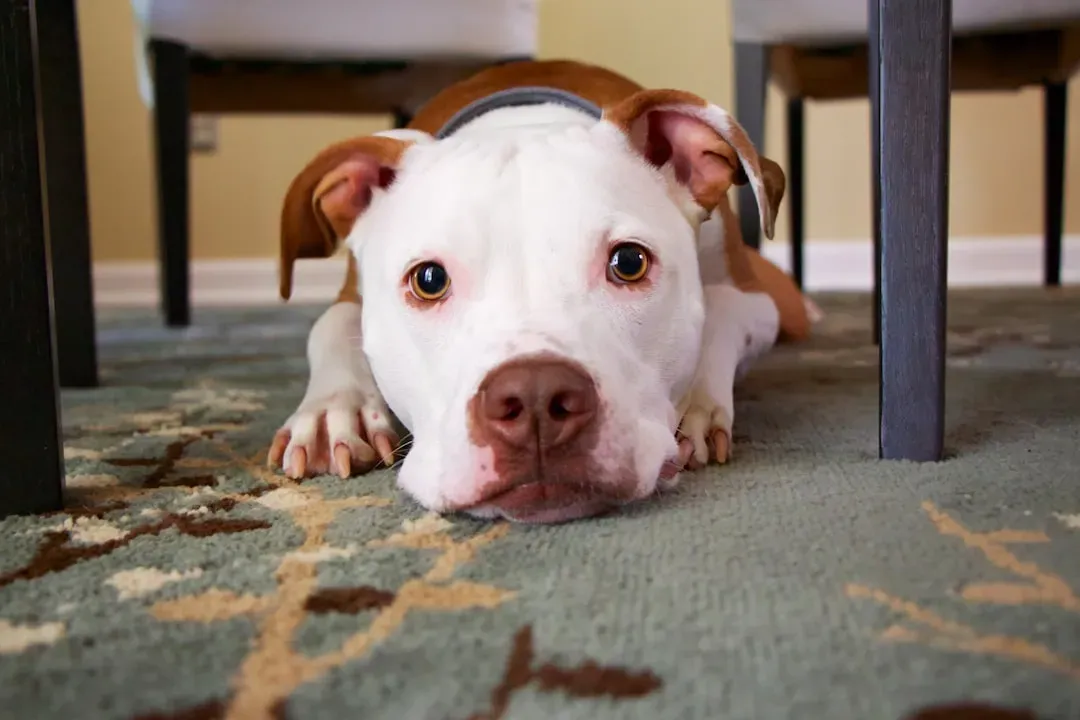
Dogs may also lean on their owners when they’re anxious or fearful. In unfamiliar or stressful environments, your dog might press against you to seek reassurance and comfort. This behavior is akin to a child holding a parent’s hand when feeling uneasy.
Recognizing this can help you provide the necessary support to alleviate your dog’s anxiety, reinforcing their trust in you as their protector.
Attachment Theory and Proximity-Seeking Behavior
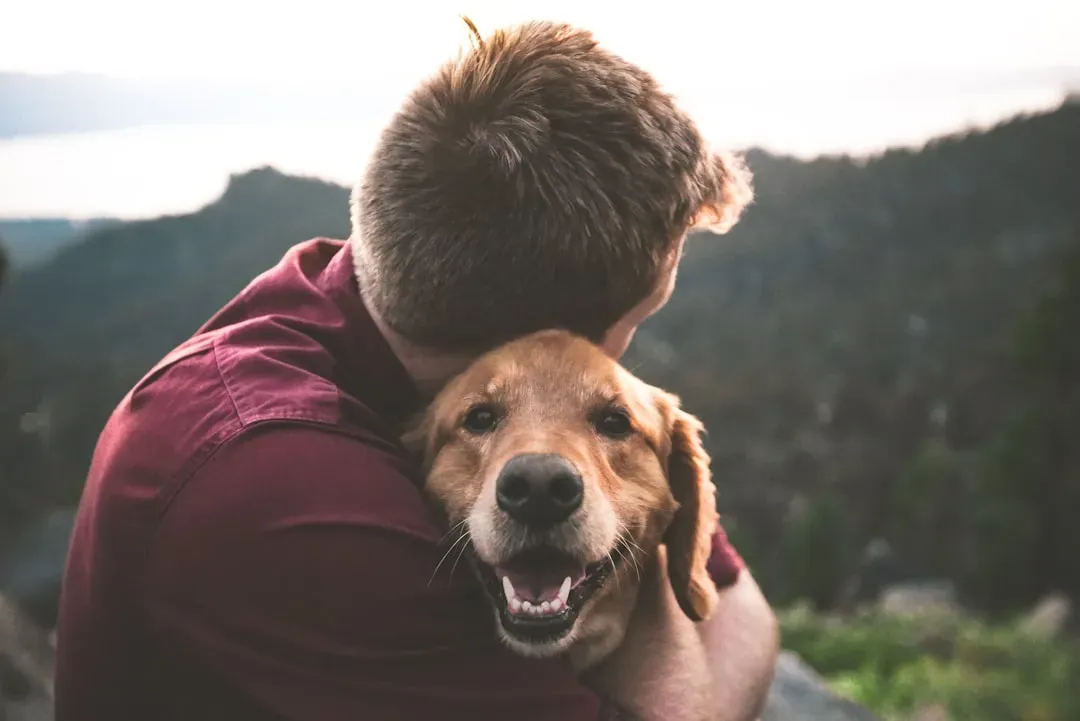
Attachment theory isn’t exclusive to humans; it extends to our canine friends as well. Dogs exhibit proximity-seeking behaviors, such as leaning, to maintain closeness with their attachment figures. This behavior is a fundamental aspect of their emotional regulation system.
Studies have shown that dogs use their owners as a secure base, exploring their environment more confidently when their owner is present. Leaning is one of the ways they maintain this vital connection.
Breed Tendencies and Leaning Behavior
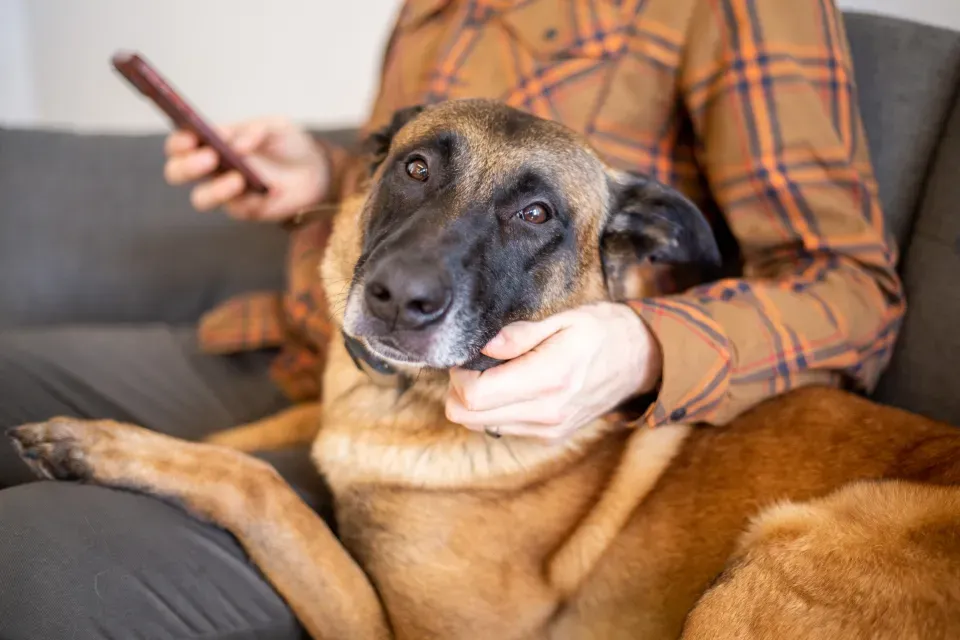
Some dog breeds are more inclined to lean than others. Breeds like Dobermans, Great Danes, and Mastiffs are known for their “leaning” tendencies. This behavior is often a breed-specific trait linked to their history as companion animals.
Understanding your dog’s breed characteristics can provide insight into their leaning behavior and help you respond appropriately to their need for closeness.
Leaning vs. Dominance: Debunking the Myth

There’s a common misconception that a dog leaning on you is trying to assert dominance. However, this behavior is more accurately interpreted as a sign of affection and trust rather than a display of control.
Recognizing leaning as a positive behavior can enhance your relationship with your dog, fostering a deeper understanding and connection.
When Leaning Indicates Anxiety or Clinginess

While leaning is generally a sign of affection, excessive leaning can indicate anxiety or over-dependence. If your dog leans on you persistently and shows signs of distress when you’re not around, it might be a sign of separation anxiety.
In such cases, it’s essential to address the underlying anxiety through training and, if necessary, consult with a professional to ensure your dog’s emotional well-being.
Encouraging Healthy Attachment Behaviors
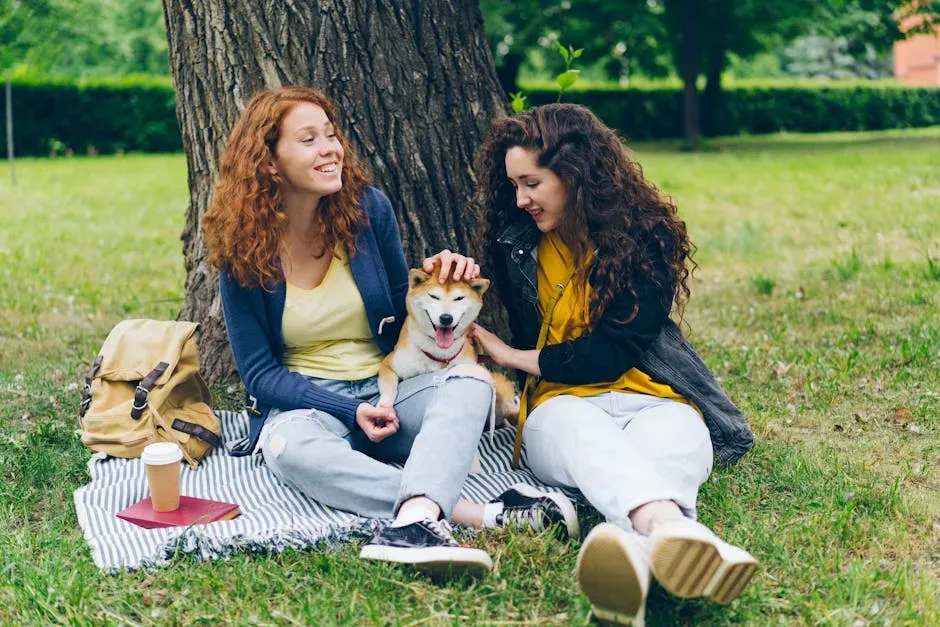
To promote a healthy attachment, encourage your dog to engage in independent activities and provide positive reinforcement when they display confident behavior. This balance helps your dog feel secure both in your presence and when alone.
Remember, while it’s heartwarming to have a dog that loves being close, fostering their independence is equally important for their overall well-being.
Conclusion
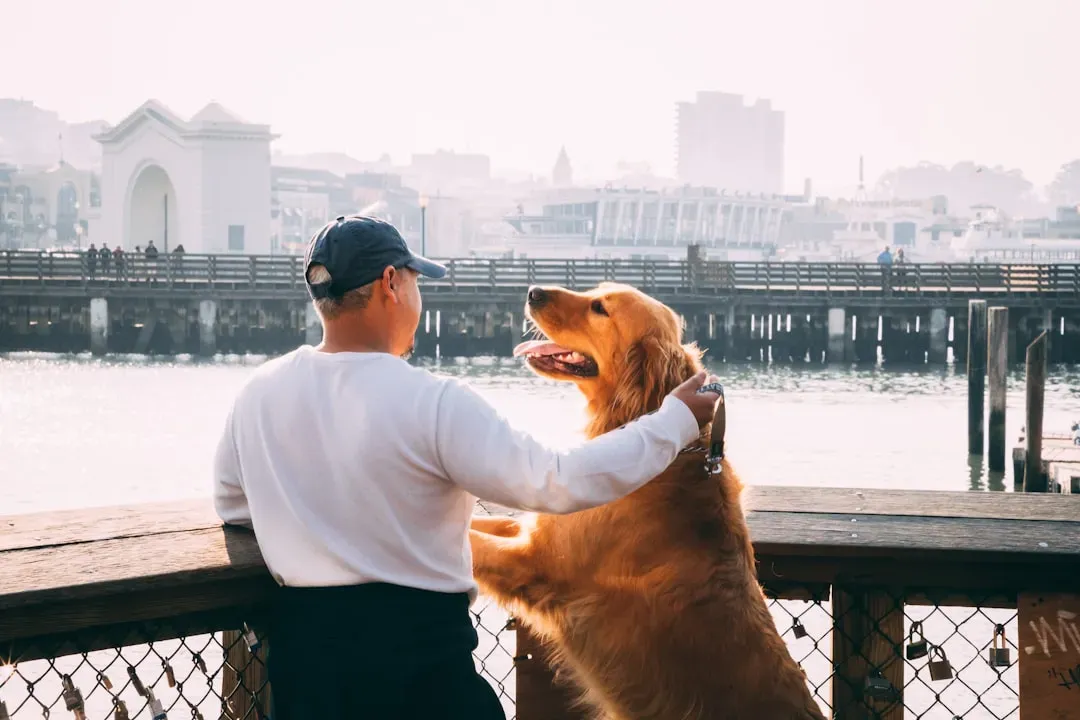
Understanding that your dog’s leaning behavior is a documented attachment behavior sheds light on the depth of your bond. It’s not just a cute quirk; it’s a meaningful expression of trust and affection. By recognizing and appropriately responding to this behavior, you can strengthen your connection and ensure your dog’s emotional health.
So, the next time your dog leans into you, appreciate it as a heartfelt gesture of their love and trust. How does your dog show their affection?


