
Why Your Dog Waits by the Door When You Leave Has Been Studied — Research Shows It’s Separation-Related Stress Not a Trick to Make You Feel Guilty
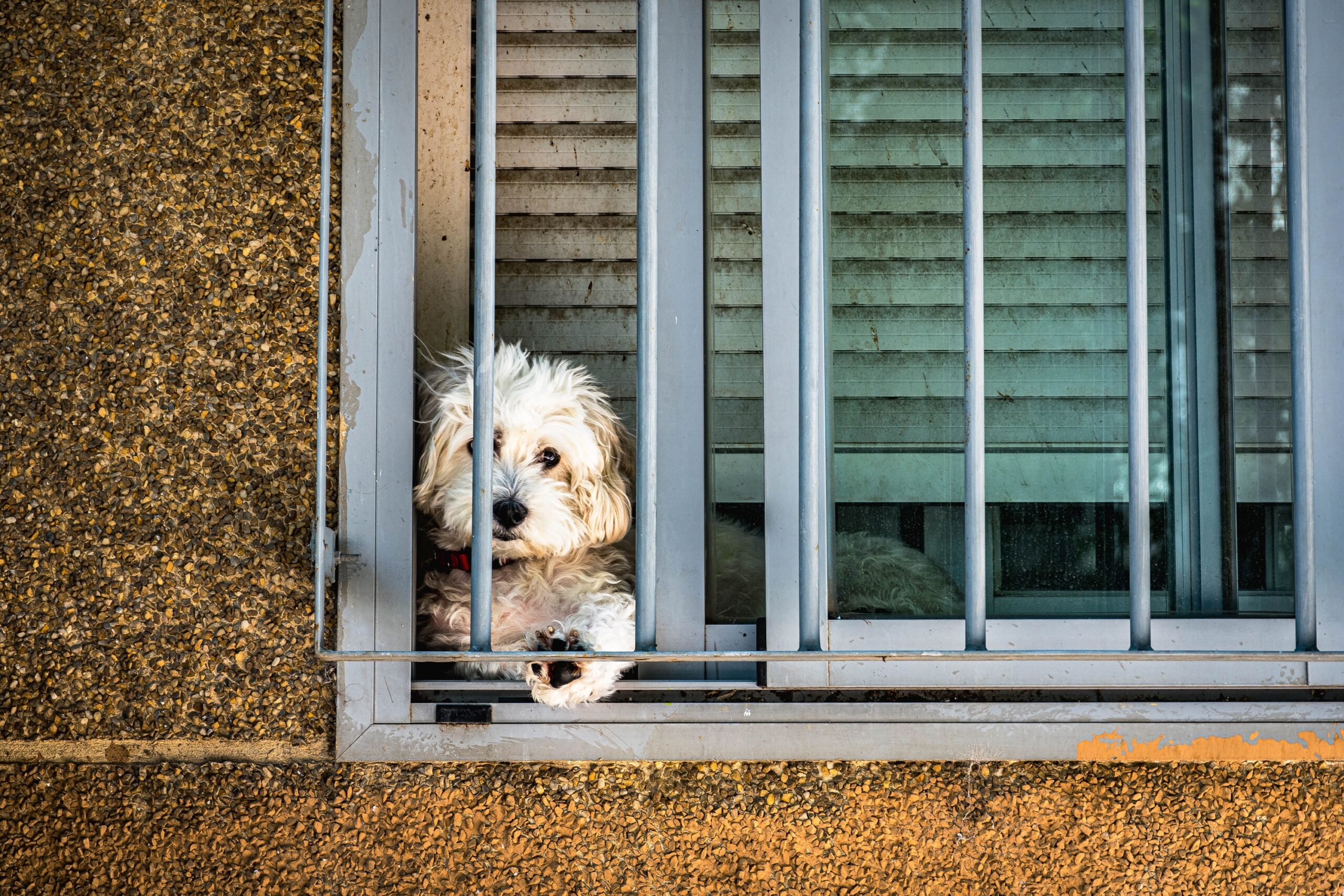
Ever noticed your dog parked by the door as you grab your keys? It’s not just a quirky habit. Recent studies reveal this behavior is deeply rooted in separation-related stress, not a ploy to tug at your heartstrings.
Understanding Separation Anxiety in Dogs
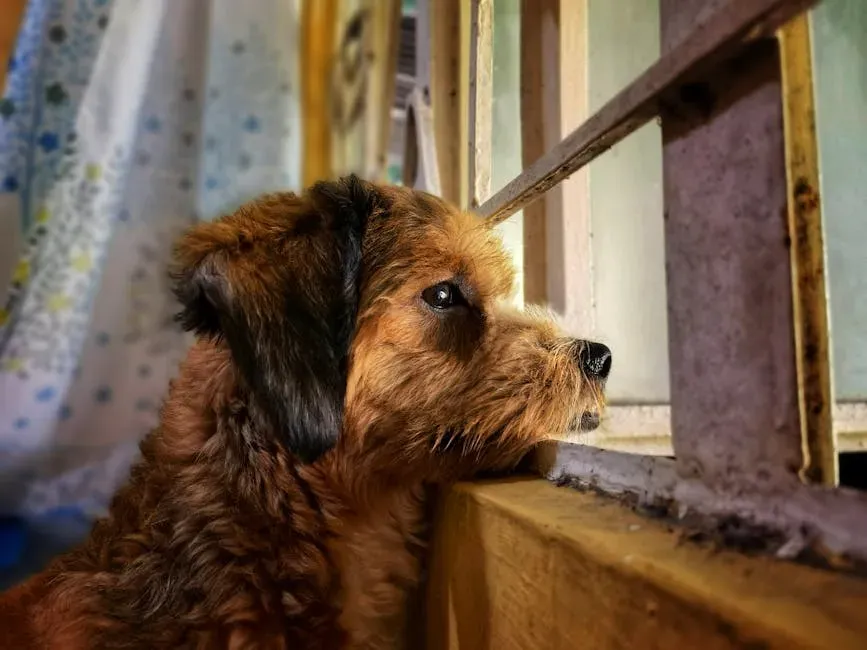
Separation anxiety is a common issue among dogs, manifesting when they’re left alone. This condition can lead to behaviors like excessive barking, destructive chewing, and, notably, waiting by the door. It’s a sign of distress, not manipulation.
Research indicates that dogs with separation anxiety often display heightened attachment behaviors. They may follow their owners from room to room and become visibly anxious as departure time nears. This isn’t about guilt-tripping; it’s a genuine emotional response.
The Science Behind Door-Waiting Behavior
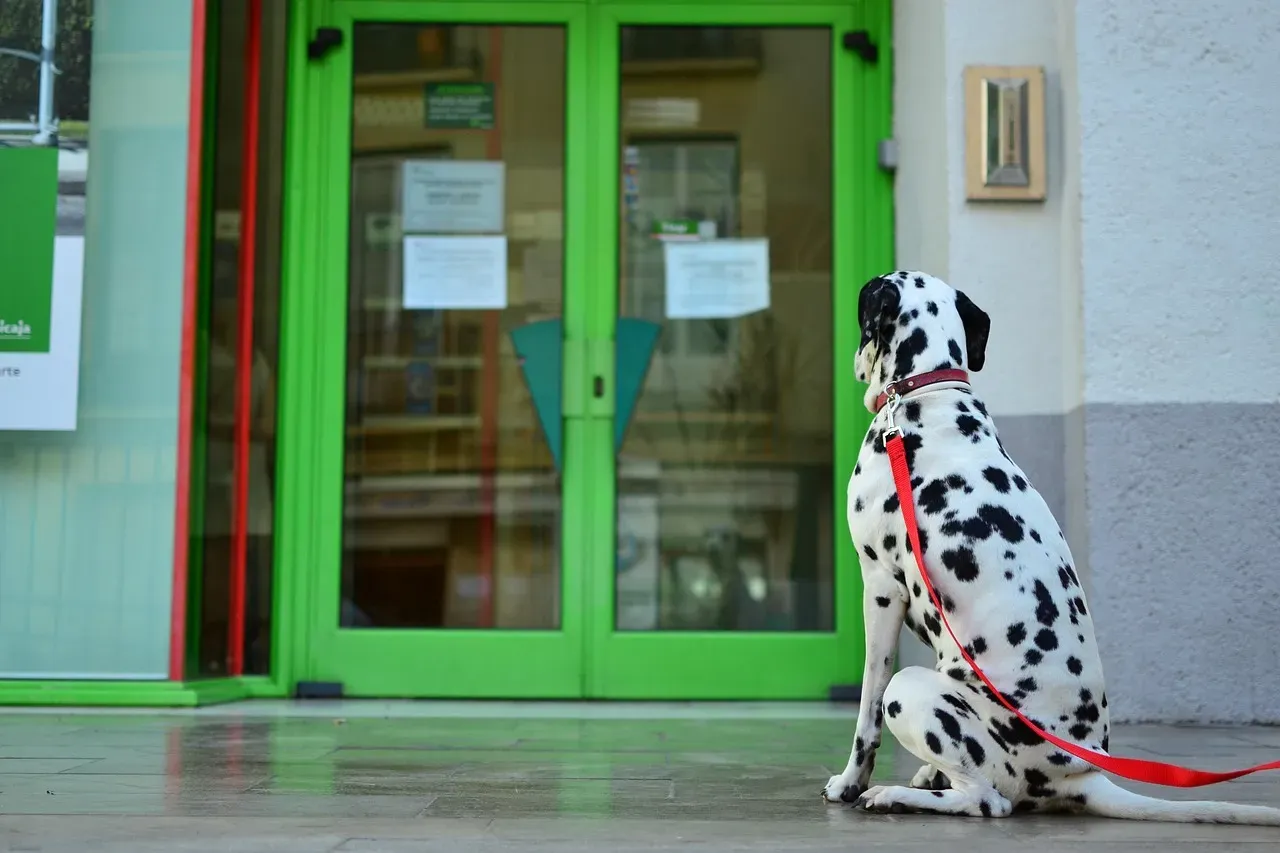
Studies have delved into why dogs exhibit door-waiting behavior. Findings suggest that dogs prone to frustration or fear in various situations are more likely to display such behaviors during separation. This includes whining, barking, and attempting to escape.
Interestingly, dogs that are generally more demanding or have lower frustration thresholds tend to bark more and are more likely to scratch at doors when left alone. This behavior is linked to their emotional state rather than any intent to manipulate their owners.
Recognizing the Signs of Separation-Related Stress
Beyond waiting by the door, dogs may exhibit other signs of separation-related stress. These include excessive vocalization, destructive behavior, and even self-harm. Recognizing these signs is crucial for addressing the underlying anxiety.
It’s essential to differentiate between normal behaviors and those indicating distress. A dog that occasionally waits by the door might simply be curious, but consistent behavior paired with other signs points to deeper issues.
Addressing and Alleviating Separation Anxiety
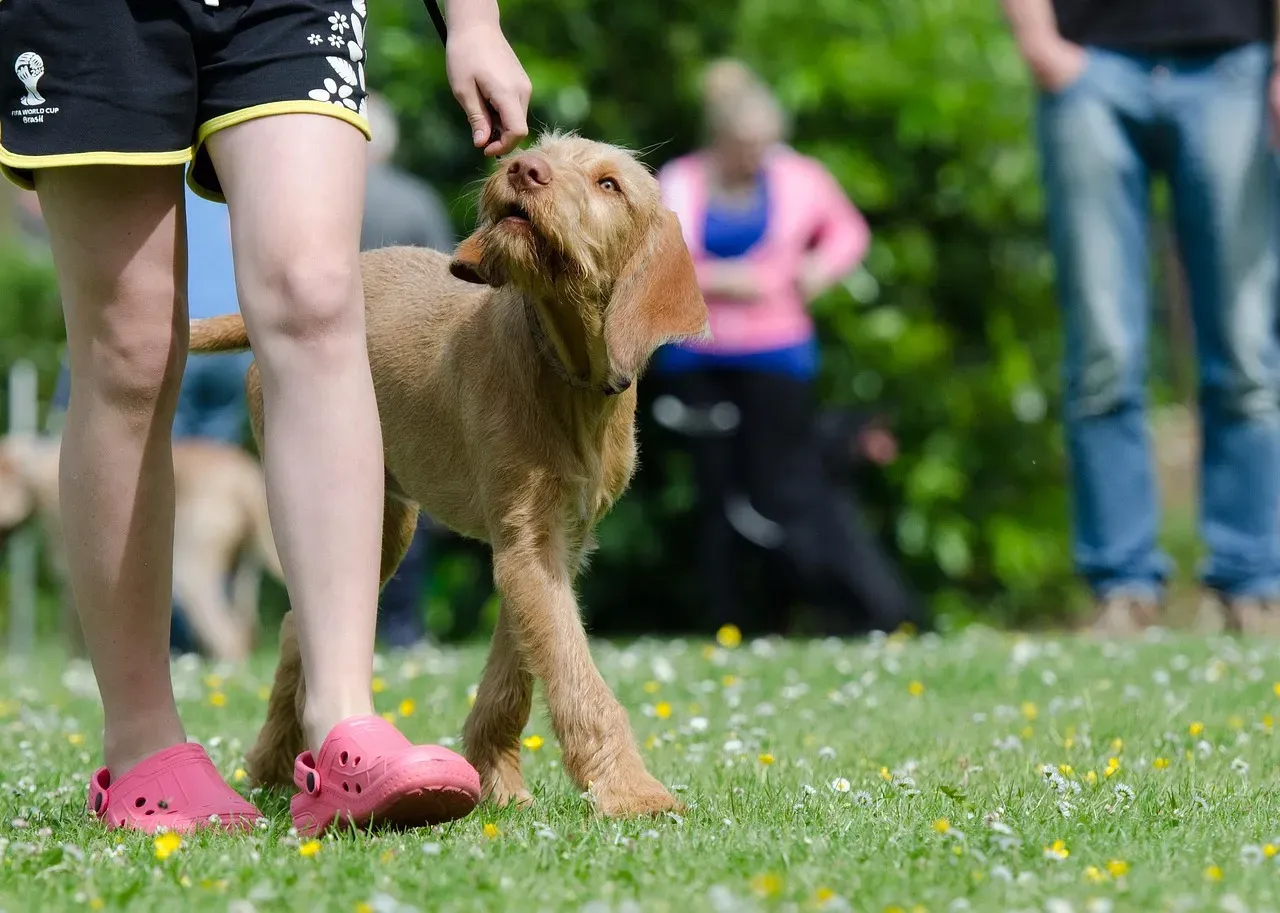
Addressing separation anxiety involves a combination of behavioral training, environmental enrichment, and, in some cases, medical intervention. Gradual desensitization to departures and arrivals can help reduce anxiety levels.
Providing engaging toys, establishing a routine, and ensuring the dog gets ample physical and mental stimulation can also alleviate symptoms. In severe cases, consulting a veterinarian or animal behaviorist is advisable.
The Role of Owner Behavior in Canine Anxiety

Owner behavior plays a significant role in a dog’s anxiety levels. High-arousal greetings and departures can exacerbate separation-related behaviors. Maintaining calm and consistent interactions can help mitigate anxiety.
Research suggests that dogs exposed to high-arousal departures and arrivals may not necessarily develop increased separation-related behaviors. However, a calm demeanor from the owner can still be beneficial in managing existing anxiety.
When to Seek Professional Help
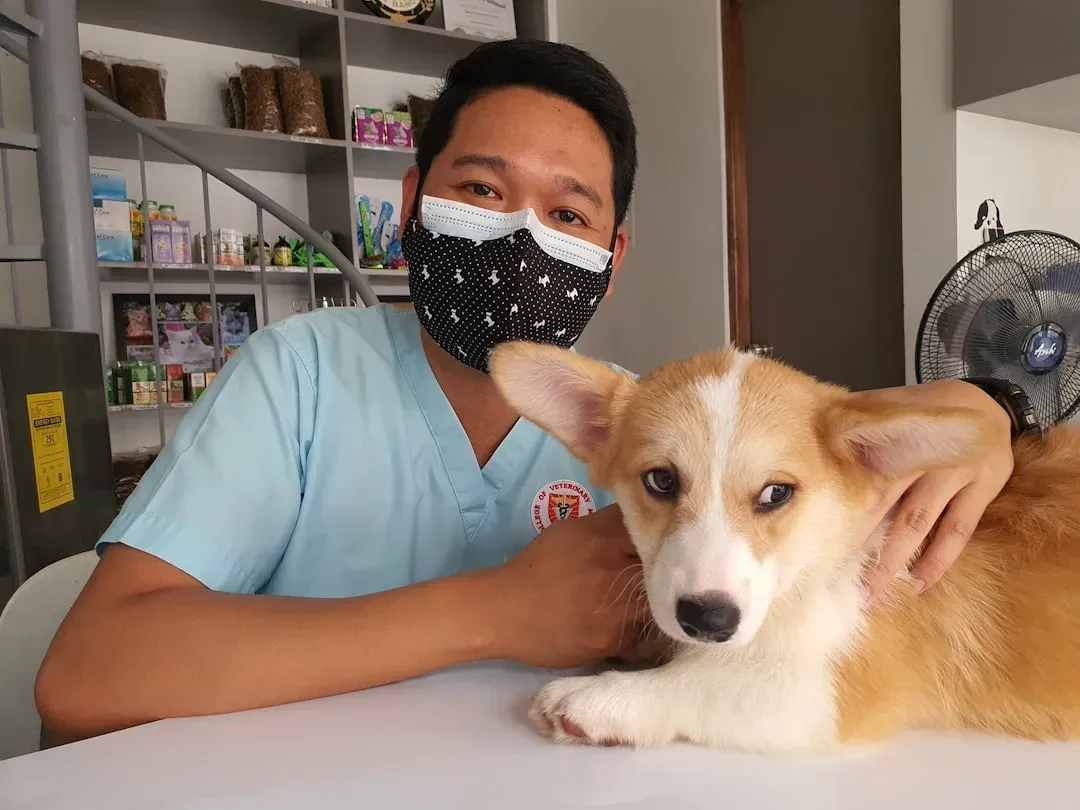
If a dog’s separation anxiety leads to destructive behavior, self-harm, or significant distress, it’s time to seek professional help. A veterinarian or certified animal behaviorist can provide tailored strategies and, if necessary, medical interventions.
Early intervention is key. Addressing the issue promptly can prevent the escalation of behaviors and improve the quality of life for both the dog and the owner.
Conclusion
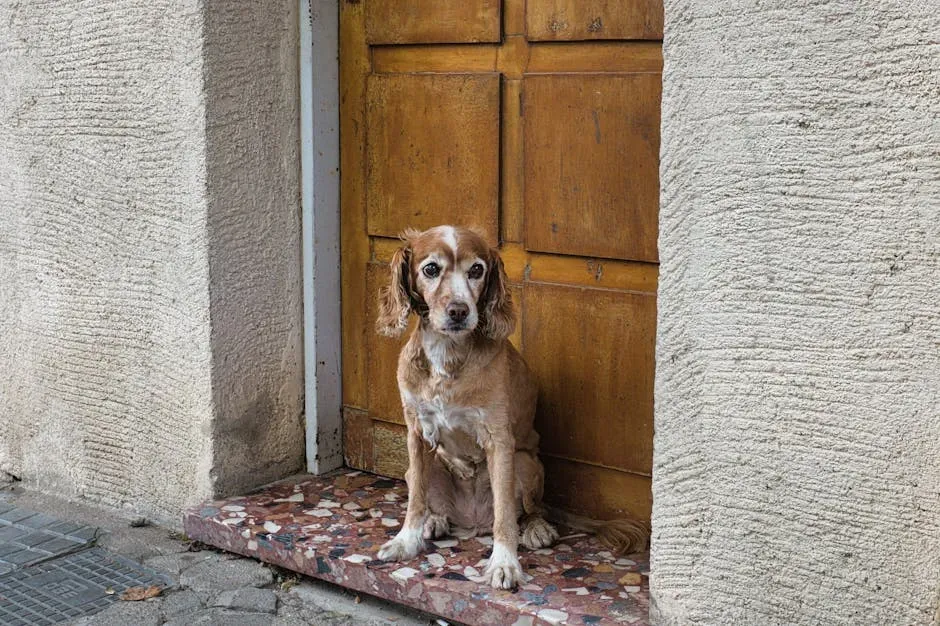
Understanding that your dog’s door-waiting behavior stems from separation-related stress, not an attempt to make you feel guilty, is crucial. Recognizing and addressing this anxiety can lead to a happier, healthier relationship between you and your canine companion.
So, next time you see those puppy eyes by the door, remember: it’s not a guilt trip; it’s a call for understanding and support.