
7 Things Your Dog Does During Your Worst Nights That Most Owners Never Think to Notice

When the world feels heavy and your nights are at their darkest, your dog becomes more than just a pet – they transform into a silent guardian, attuned to your every emotion. While you might not always notice, your canine companion engages in subtle behaviors aimed at offering comfort and support during your toughest times. Let’s uncover these often-overlooked signs of canine empathy.
1. Staying Unusually Close
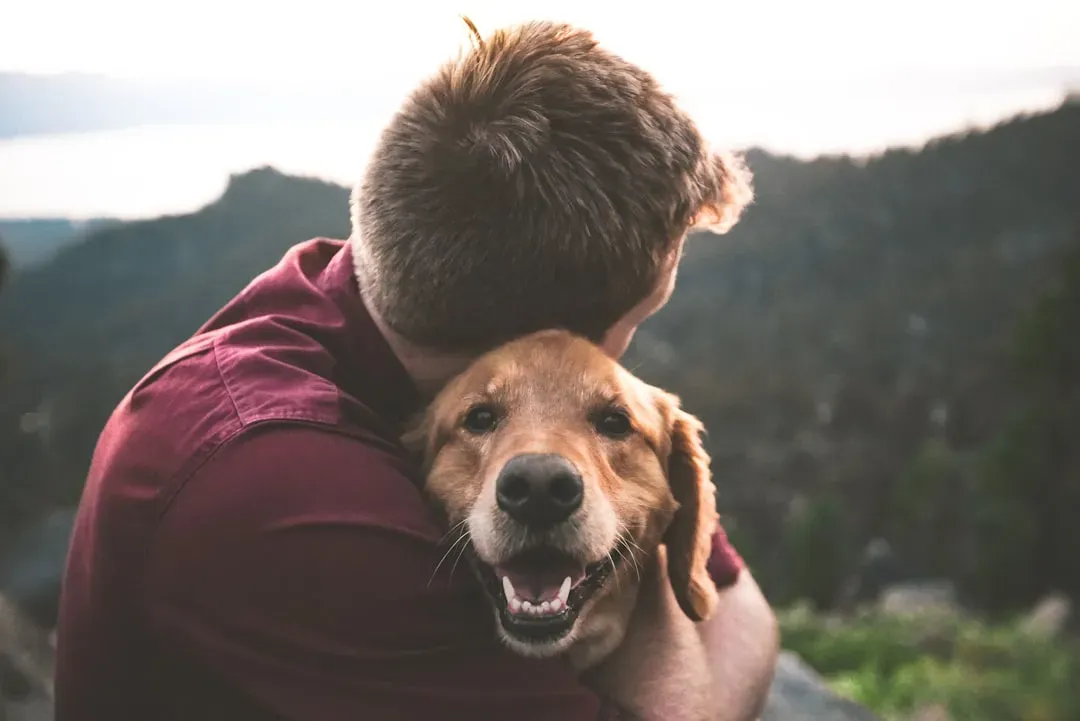
Ever found your dog shadowing your every move, even to the most mundane places? This isn’t mere coincidence. Dogs have an innate ability to sense changes in their owner’s emotional state. When you’re feeling down, they often respond by staying physically close, offering silent companionship as a form of support.
This behavior stems from their pack mentality. In the wild, staying close to pack members ensures safety and cohesion. Similarly, your dog perceives your distress and instinctively remains by your side, acting as a steadfast companion during your low moments.
2. Offering Gentle Nudges and Licks

A soft nudge of the nose or a gentle lick on your hand might seem trivial, but these are profound gestures in the canine world. Dogs use these actions to communicate affection and concern. When they sense your sadness or anxiety, these small gestures are their way of saying, “I’m here for you.”
Such behaviors are rooted in their social structures. In packs, dogs groom each other to strengthen bonds and offer comfort. By licking or nudging you, your dog is extending this comforting behavior, aiming to alleviate your distress.
3. Displaying Subtle Protective Behaviors
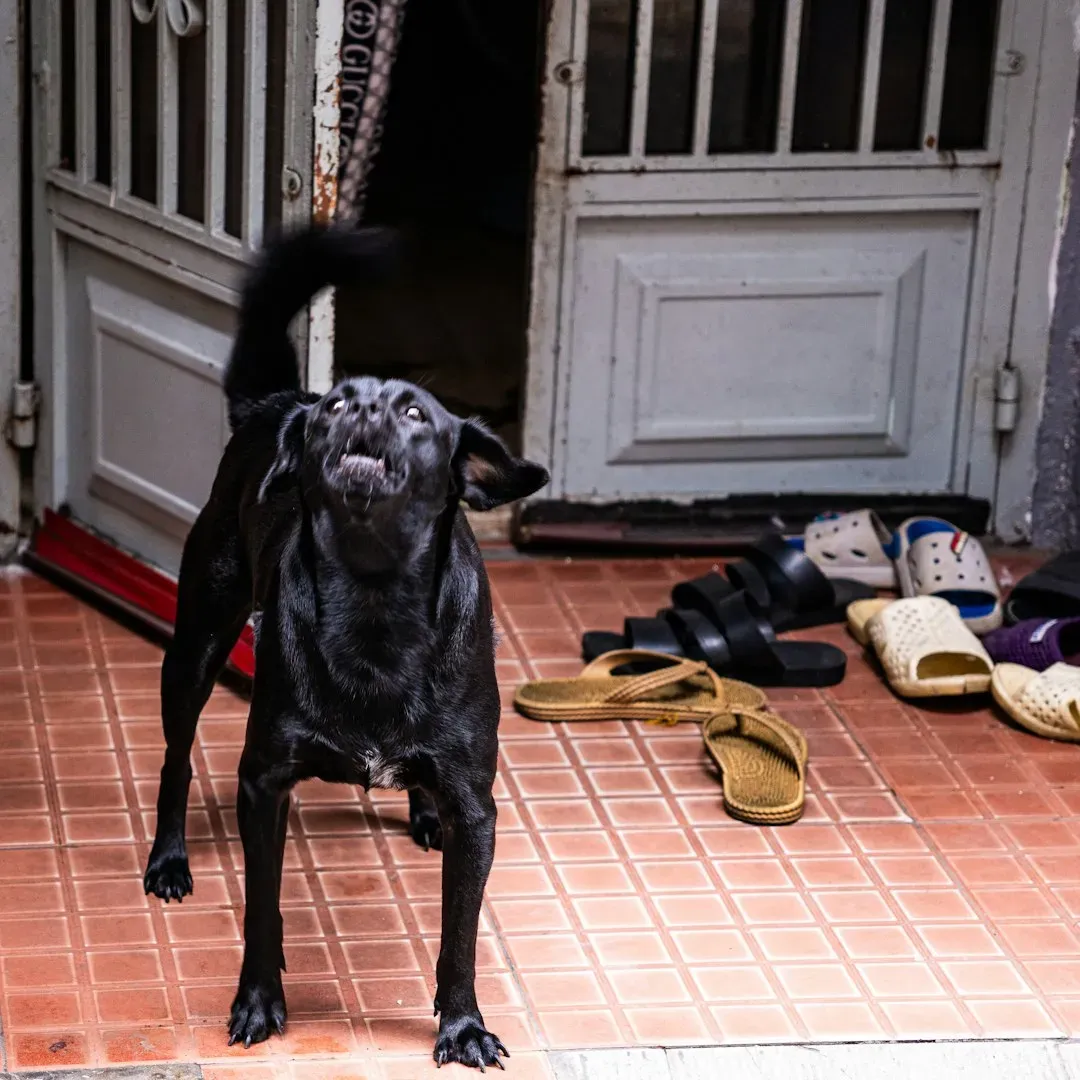
You might notice your dog positioning themselves between you and the door or becoming more alert to unfamiliar sounds. These protective behaviors are heightened when they detect your vulnerability. It’s their way of ensuring your safety during times when they perceive you as more susceptible.
This protective instinct is deeply ingrained. Dogs are naturally inclined to guard their pack members. When they sense you’re not at your best, this instinct kicks in, leading them to be more vigilant and protective of their beloved human.
4. Mirroring Your Emotions

Dogs are incredibly empathetic creatures. They often mirror the emotions of their owners, becoming subdued when you’re sad or anxious when you’re stressed. This emotional synchronization is their way of connecting with you, showing that they understand and share in your feelings.
Studies have shown that dogs can “catch” their owner’s emotions, a phenomenon known as emotional contagion. This means that your mood can directly influence your dog’s behavior, leading them to reflect your emotional state as a form of solidarity.
5. Adjusting Their Energy Levels

On nights when you’re feeling particularly low, you might observe your dog being less playful or energetic. This isn’t a sign of them feeling unwell but rather an adjustment to match your energy levels. By doing so, they aim to create a harmonious environment, aligning their behavior with your current state.
This adaptability showcases their sensitivity to your needs. By toning down their usual exuberance, they ensure that their presence is comforting rather than overwhelming during your difficult times.
6. Bringing You Their Favorite Toy

It might seem odd when your dog drops their cherished toy at your feet during your moments of distress. However, this is a significant gesture. In the canine world, sharing a prized possession is a sign of trust and affection. By offering you their favorite toy, they’re attempting to cheer you up and share something that brings them joy.
This behavior reflects their desire to engage you in a positive activity, hoping to lift your spirits by involving you in something they find pleasurable.
7. Sleeping Beside You

If your dog chooses to sleep closer to you during your tough nights, it’s a profound act of solidarity. Sleeping beside you provides both physical warmth and emotional comfort. It’s their way of ensuring you’re not alone, offering silent support through their mere presence.
This behavior is reminiscent of their ancestral pack sleeping habits, where closeness provided security and warmth. By snuggling up to you, they’re extending this protective and comforting behavior to you.
In conclusion, our canine companions possess an extraordinary ability to sense and respond to our emotional states. Their subtle behaviors during our worst nights are testaments to their deep empathy and unwavering loyalty. Recognizing and appreciating these gestures not only strengthens our bond with them but also reminds us of the profound connection we share with our four-legged friends.
So, the next time you’re feeling down, take a moment to observe your dog’s actions. You might just find that their silent support speaks volumes.