

Let’s be real here. Dogs are wonderful. They bring joy, laughter, and unconditional love into our homes. Yet not every breed fits seamlessly into family life, especially when young children are running around and routines are unpredictable. Some dogs are basically four-legged tornadoes with an agenda, bred for jobs that require relentless energy and razor-sharp focus.
I think we all imagine the perfect family dog as one who plays gently with kids, then settles down for movie night on the couch. The reality with certain high-energy breeds is quite different. These dogs may become destructive, stressed, or exhibit other behavioral issues if they don’t have a way to release their energy. When families can’t meet those demands, things can spiral fast. So let’s dive into seven breeds whose hyperactivity and intensity make them challenging choices for typical family settings.
Border Collie: The Workaholic That Never Clocks Out
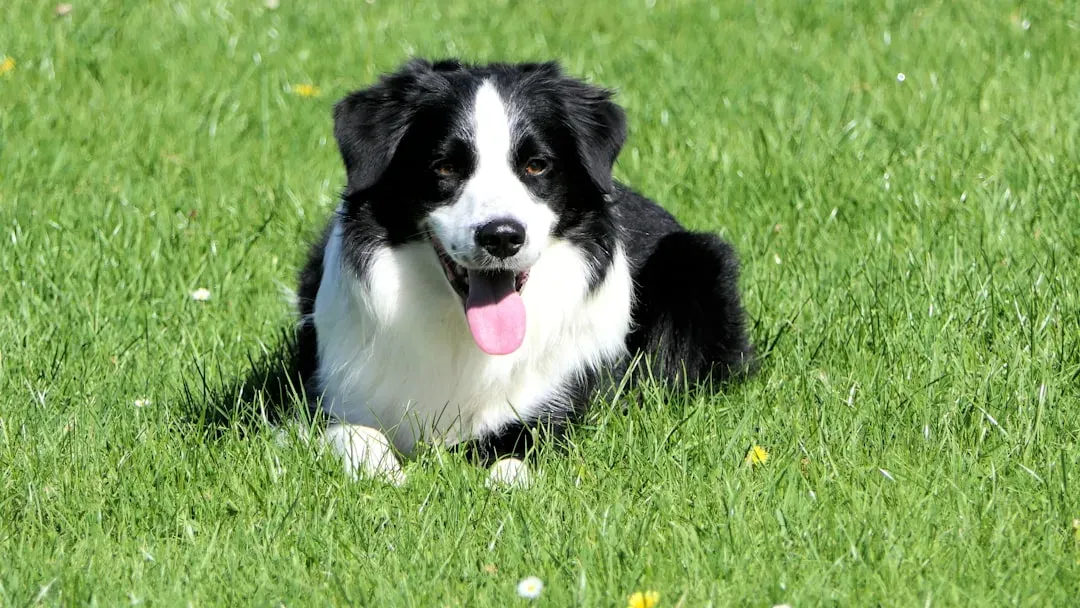
Border Collies are incredibly intelligent and obedient, but can be a disastrous house dog if not properly exercised or given a challenging job every day. Think about that for a second. We’re talking about a breed that was designed to work sheep across vast Scottish hillsides for hours on end. These dogs don’t just want exercise; they crave purpose.
In a family environment, this translates to a dog that will herd your children, nip at their heels, and create chaos if understimulated. Honestly, a bored Border Collie is like a genius toddler with too much time on their hands. They’ll dismantle your home, piece by piece, finding creative outlets for that relentless mental energy. Unless your family is ready to commit to intensive daily training, agility courses, and constant engagement, this brilliant breed will overwhelm you.
Belgian Malinois: Intensity on Four Legs
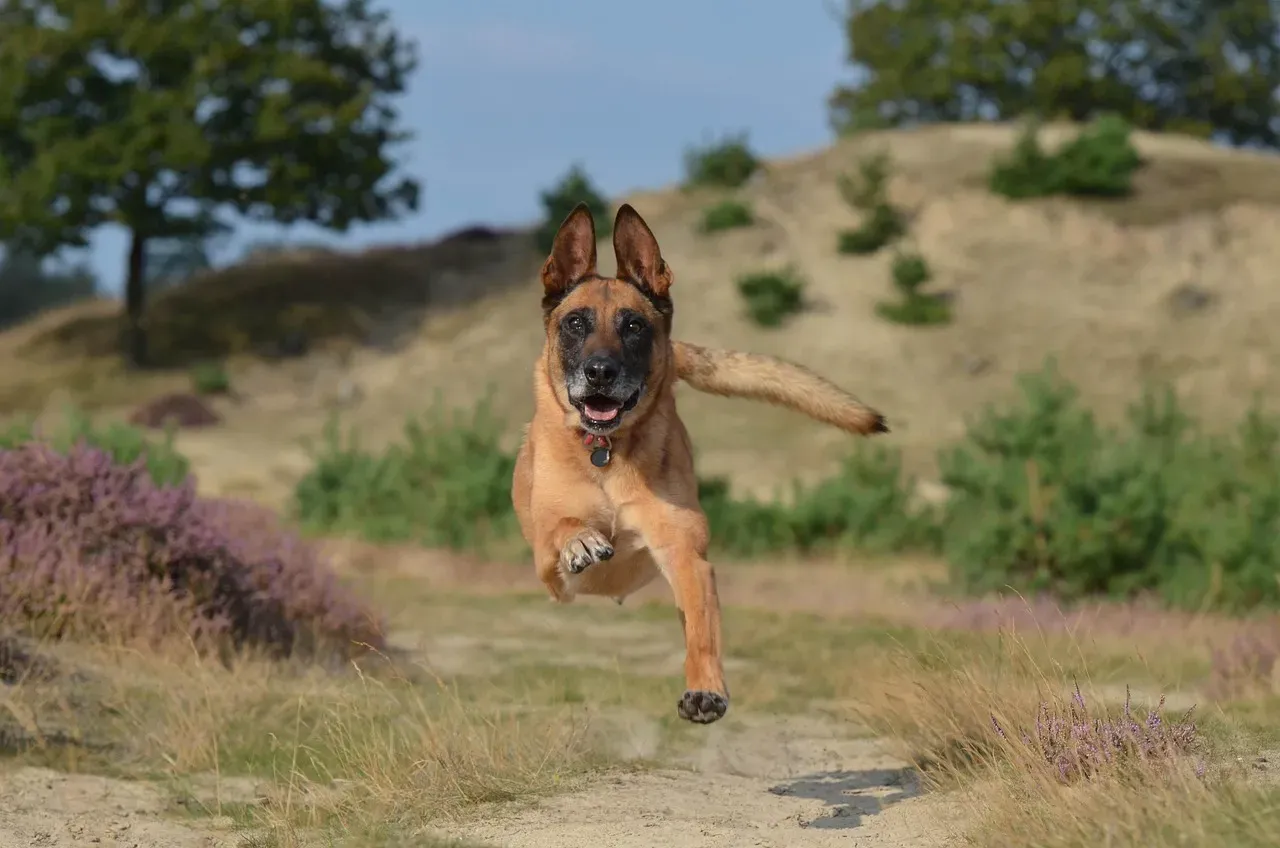
Here’s the thing about Belgian Malinois. Some lines bred for work favor dogs that are perpetual motion machines. These dogs are active and ready to go, 24/7. This activity level works for the jobs and lifestyles of these dogs, who are more tools than pets, but the energy can be a tough row to hoe for a pet owner.
Belgian Malinois are one of the most energetic dog breeds. These dogs need at least two hours of physical exercise every day to stay fit. A combination of daily walks, running, playing, and mentally enriching activities is a must. For busy families juggling school runs, work schedules, and soccer practice, finding two hours daily for intense dog activities is nearly impossible. These dogs need several hours of physical exercise and mentally enriching activities to enable them to use their intelligence. Without these, behavioral issues are bound to happen.
Jack Russell Terrier: Small Body, Explosive Energy

Don’t let their tiny size fool you; these little nuggets have some hyperactivity to let out. The tiny Jack Russell is a contender for the most energy per pound of pup. If they don’t get enough exercise, then that energy has to go somewhere – mainly barking and jumping around for the slightest tiny reason.
People often make the mistake of thinking small dogs require less attention and activity. With Jack Russells, nothing could be further from the truth. These terriers were bred to hunt foxes, requiring stamina, fearlessness, and unstoppable drive. In a family setting with young kids, that translates to a dog that barks constantly, digs up your yard, and becomes snappy when frustrated.
They’re also incredibly clever, which means they’ll outsmart your attempts to contain their mischief. If your family wants a calm lap dog, this isn’t it.
Dalmatian: The Marathon Runner in Spotted Pajamas
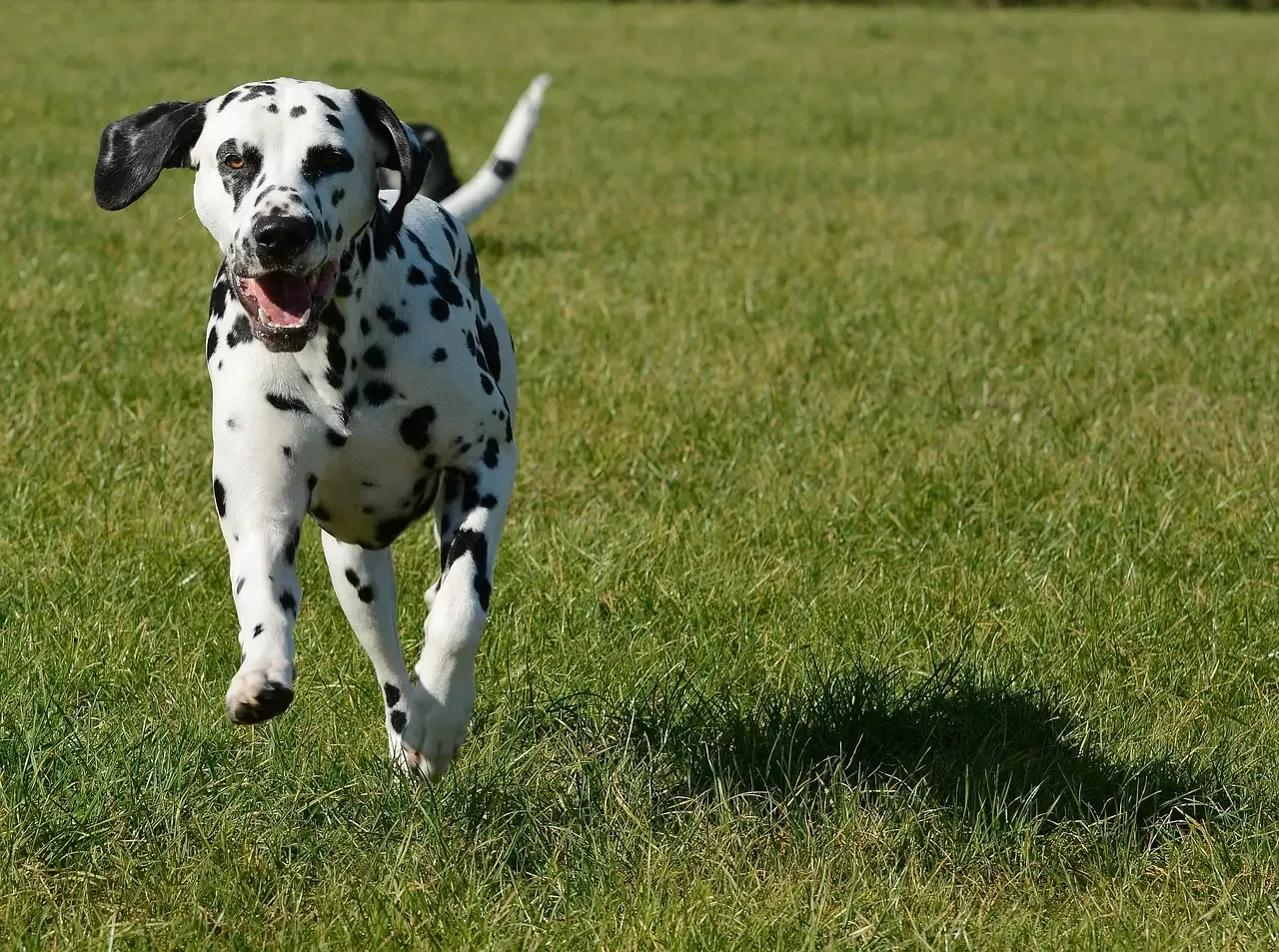
Dalmatians are the original canine marathon runners, with a seemingly endless reservoir of energy that can leave their owners struggling to keep up. The Dalmatian is a dog breed that was primarily bred as a carriage dog in the mid-19th century. However, the breed’s good nature and intelligence made it a desirable pet for families, and it is now known as one of the most popular companion dogs.
Sure, they look adorable with those iconic spots. Yet beneath that Disney-friendly exterior beats the heart of an endurance athlete. Dalmatians still have the same stamina and, therefore, require plenty of physical stimulation. Moreover, if they are not assigned an adequate job, the dogs can become one of the most hyper dog breeds and develop behavioral challenges.
For families unable to provide hours of running, hiking, or other vigorous activities, Dalmatians become restless and destructive. They need space, consistency, and an owner who matches their athleticism.
Siberian Husky: The Escape Artist With Endless Stamina
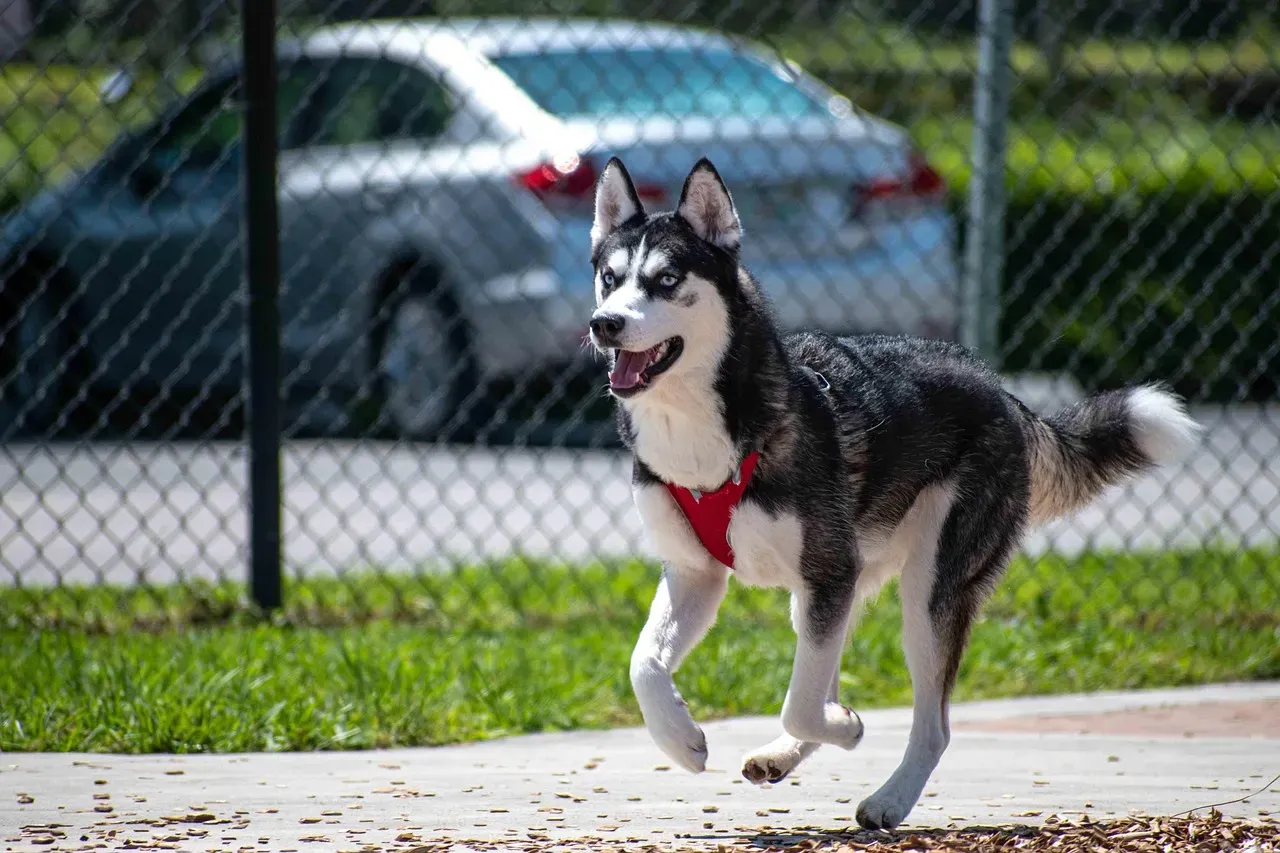
These working dogs need something to do if you don’t want them to get into mischief. If you want to keep these working dogs out of trouble, they need something to do. Siberian Huskies were bred to pull sleds across frozen tundra for miles. That kind of genetic programming doesn’t vanish just because you bring them into suburban life.
A sociable, mischievous breed, the Siberian Husky is always up for an adventure. Whether you’re hiking up a mountain or participating in an outdoor sport, this breed is sure to keep you on your toes. However, Siberian Huskies shouldn’t be left alone for long periods of time as they thrive on companionship. If you work long hours, this may not be the dog for you.
They’re notorious escape artists, digging under fences or leaping over them in pursuit of adventure. With families who have busy schedules or young children requiring constant attention, a Husky becomes a handful that’s impossible to manage safely.
Australian Cattle Dog: The Herding Machine
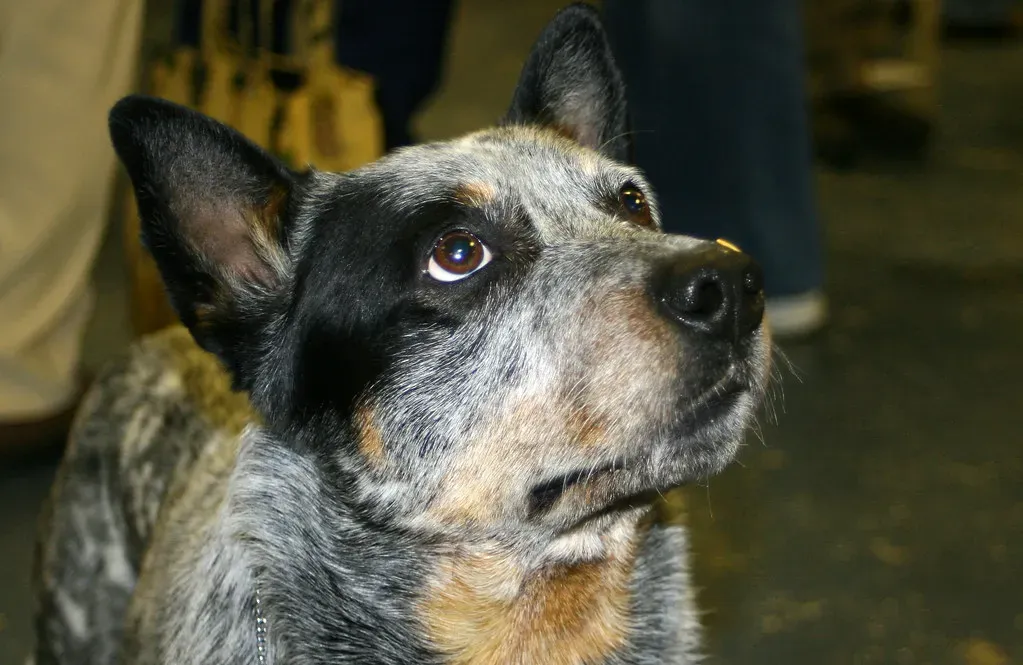
Australian Cattle Dog has many nicknames, such as Blue or Red Heeler and Queensland Heeler. These dogs were originally bred in Australia and are known for being muscular and hyper dog breeds. An ACD’s happiness relies upon how much physical activity he is getting.
These dogs were literally designed to control cattle across massive Australian ranches. That means nipping, chasing, and controlling movement is hardwired into their DNA. In a family environment with children running around, this instinct doesn’t just disappear. It redirects onto the kids.
The Australian Cattle Dog breed was originally developed for herding dogs. The purpose of these dogs is to herd cattle across large pastures throughout the day. According to the American Kennel Club, a working farm is the ideal home for an Australian Cattle Dog. One of the few places where an Australian Cattle Dog can get the right amount of mental and physical stimulation. Without that outlet, they become frustrated, nippy, and destructive.
Weimaraner: The Velcro Dog That Never Stops
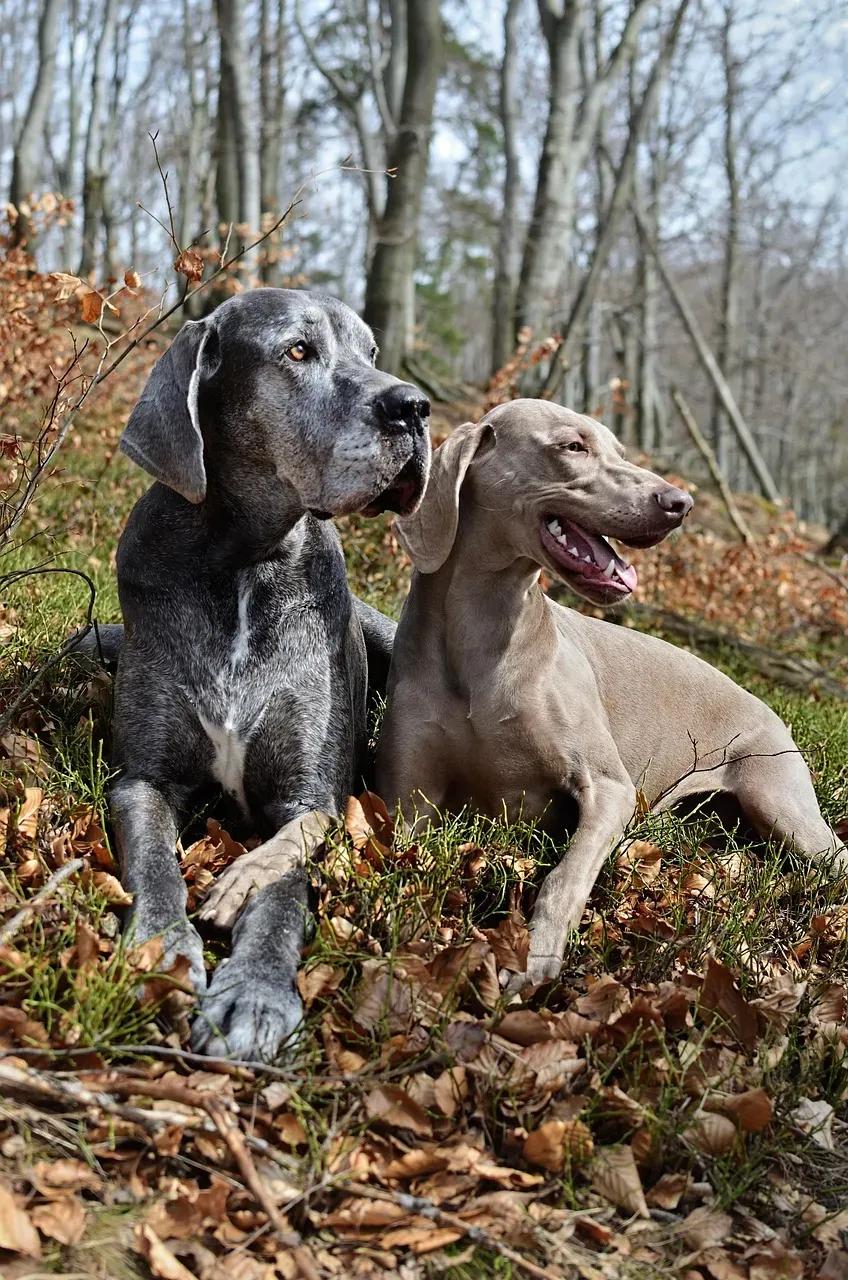
The Weimaraner is another dog originating from Germany with a history of being bred for hunting big game. They can be medium to large in size and have short and long-haired coats. They make fantastic family pets due to their loyalty, intelligence, and friendliness. They’re quick learners but can grow bored easily and develop separation anxiety, especially if left alone for long spans of time.
Nicknamed the “Gray Ghost,” these elegant dogs are stunning to look at. Yet beauty comes with a price. Weimaraners form incredibly strong bonds with their owners and suffer terribly when left alone. For families where both parents work and kids are at school all day, this breed becomes anxious and destructive.
Energetic and athletic, Weimaraners excel in activities like running and swimming. Bred to be hunting dogs, they possess lasting energy and require rigorous exercise to maintain their physical and mental well-being. Without constant companionship and vigorous daily activity, they’re miserable.
Conclusion

Choosing a family dog is one of the most important decisions you’ll make. These seven breeds are remarkable in their own right, possessing intelligence, athleticism, and loyalty that’s hard to match. Yet their hyperactivity and specialized needs make them poor fits for most family environments.
High-energy dogs want and need to work. They need mental as well as physical exercise. These dogs require a lot of your involvement and without it they can, and will, become problem dogs. The key is honest self-assessment. Can your family realistically provide hours of daily exercise, constant mental stimulation, and unwavering consistency? If not, these breeds will become frustrating for everyone involved.
Remember, there are countless wonderful breeds that thrive in family settings, offering companionship without the extreme demands. What’s your experience with high-energy breeds? Have you found success, or did reality not match expectations? Share your thoughts in the comments below.


