
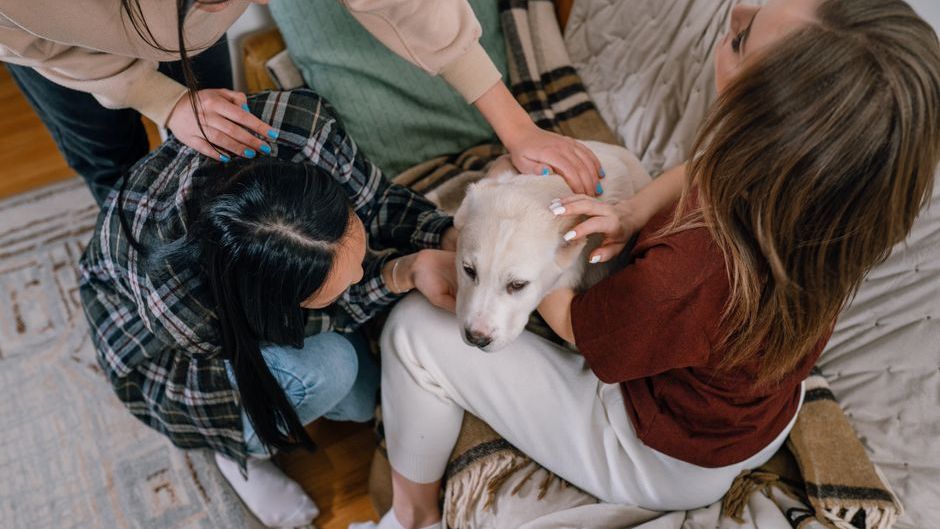
Dogs are more than just pets; they’re family members who experience a wide range of emotions. Just like humans, certain events can deeply affect their well-being. Recognizing these moments and knowing how to help your furry friend recover is crucial for their happiness and health.
1. Being Left Alone for Extended Periods

Imagine the confusion and sadness a dog feels when their beloved human disappears for hours on end. Dogs are inherently social creatures, and prolonged isolation can lead to separation anxiety. This distress often manifests as destructive behavior, excessive barking, or even self-harm.
To alleviate this, gradually accustom your dog to being alone. Start with short departures, rewarding calm behavior upon return. Providing engaging toys or puzzles can also keep their minds occupied. In severe cases, consulting a professional behaviorist may be necessary to develop a tailored plan.
2. Loss of a Companion

Whether it’s the death of a fellow pet or a family member moving away, dogs keenly feel the absence of their companions. They may exhibit signs of depression, such as lethargy, loss of appetite, or withdrawal from activities they once enjoyed.
During these times, maintaining a consistent routine offers a sense of security. Spend extra quality time with your dog, engaging in their favorite activities. If their grief persists, seeking advice from a veterinarian or animal behaviorist can provide additional support.
3. Moving to a New Home

Relocating can be as stressful for dogs as it is for humans. The unfamiliar environment, scents, and sounds can cause anxiety and confusion. They might become clingy, hide, or even attempt to escape in search of their previous home.
To ease this transition, set up a designated space with their familiar belongings – bed, toys, and blankets. Gradually introduce them to different areas of the new home, always offering positive reinforcement. Patience and consistency are key during this adjustment period.
4. Exposure to Loud Noises

Thunderstorms, fireworks, or construction noises can be terrifying for dogs. Their acute hearing amplifies these sounds, leading to panic, trembling, or attempts to flee. Such experiences can result in long-term phobias if not addressed.
Creating a safe haven, like a quiet room with soft music, can help soothe their nerves. Desensitization techniques, where the dog is gradually exposed to the noise at a low volume while being rewarded, can also be effective. In some cases, anxiety wraps or pheromone diffusers may provide additional comfort.
5. Inconsistent Routines
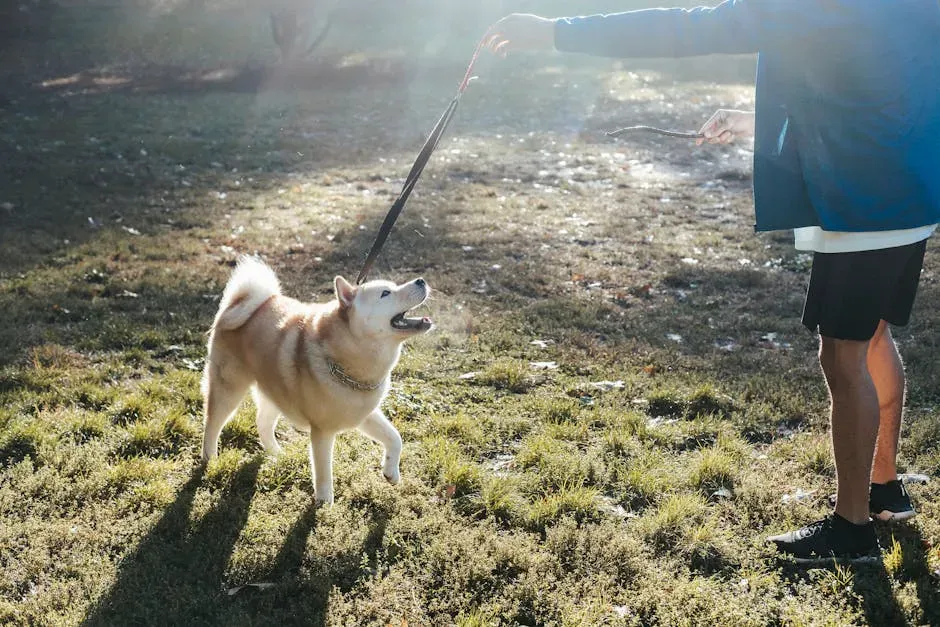
Dogs thrive on predictability. Sudden changes in their daily schedule – like feeding times, walks, or play sessions – can lead to stress and behavioral issues. They may become anxious, exhibit destructive behavior, or have accidents indoors.
Establishing and maintaining a consistent routine provides a sense of security. If changes are unavoidable, introduce them gradually, allowing your dog time to adapt. Clear communication and positive reinforcement during these transitions can make a significant difference.
6. Lack of Socialization
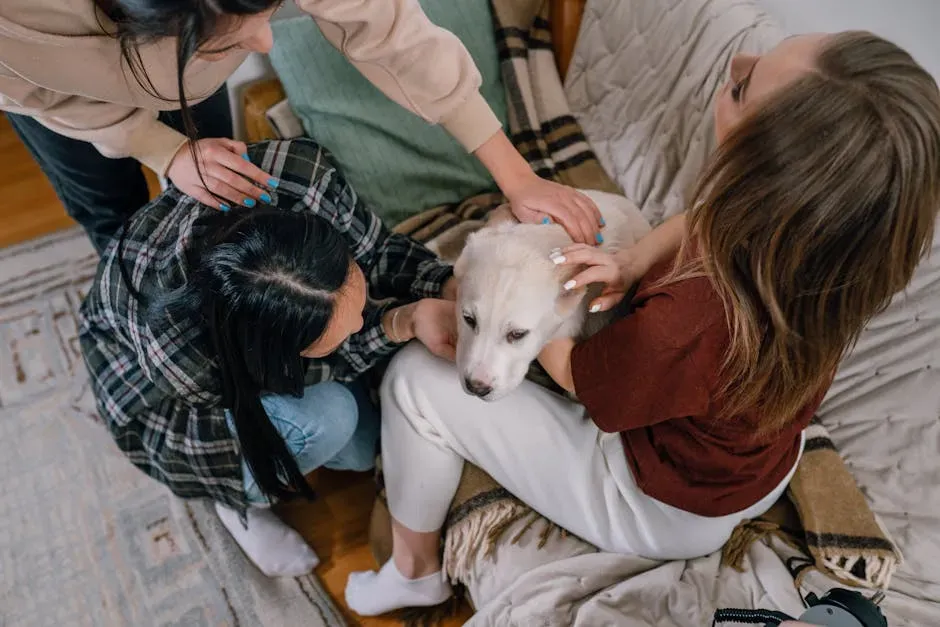
Dogs that aren’t exposed to various people, animals, and environments during their formative months may develop fear or aggression. This lack of socialization can lead to a lifetime of anxiety in unfamiliar situations.
Early and positive exposure is crucial. Enroll your puppy in socialization classes, arrange playdates, and introduce them to different environments. For older dogs, it’s never too late; start slowly, using treats and praise to build positive associations with new experiences.
7. Harsh Punishment

Using physical punishment or harsh reprimands can severely damage the trust between you and your dog. Such methods can lead to fear, anxiety, and even aggression, breaking their spirit and causing long-term emotional harm.
Opt for positive reinforcement techniques. Reward desired behaviors with treats, praise, or playtime. If behavioral issues arise, consult a professional trainer who uses humane methods to address and correct the behavior.
Understanding and addressing these heart-breaking moments can significantly improve your dog’s quality of life. By providing love, patience, and appropriate interventions, you can help heal their emotional wounds and strengthen the bond you share.
Remember, our canine companions rely on us for their well-being. Recognizing their emotional needs and responding with compassion ensures a happy, healthy life together. After all, isn’t that what every dog deserves?


