
Some of these breeds are working in therapy clinics, sniffing out allergens, and standing quietly beside people whose anxiety would otherwise make daily life impossible. Others are national treasures in their home countries but practically invisible to the rest of the world. They’re not just rare in the way that a vintage item is rare. They’re rare in the way that something genuinely irreplaceable is rare. And once you learn about them, you’ll never look at a dog park the same way again.
#1: The Lagotto Romagnolo – Italy’s Curly-Haired Wonder With a Nose for Healing
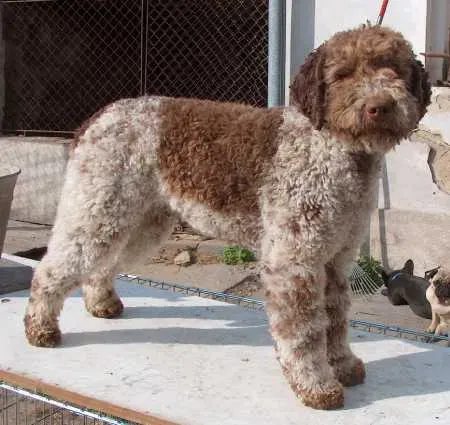
The Lagotto Romagnolo is a small to medium-sized water dog that likely originated in northern Italy during the 16th century, where it served as a water retriever during hunting. Lagottos are believed to be part of the foundation stock from which all other modern water dog breeds descended, making the Lagotto the ancestor of breeds like the Golden Retriever, the Portuguese Water Dog, and the Poodle.
They hold the remarkable distinction of being the world’s only purebred with the specialized role of truffle hunter. They are excellent companion pets and are also used as therapy dogs for people with autism or disabilities. At present, these dogs are employed as crisis and therapy dogs, as well as allergen sniffers for items like gluten and peanuts. Despite their plush, teddy-bear appearance, there is serious purpose behind every curl.
#2: The Xoloitzcuintli – The Ancient Healer That Predates Written History
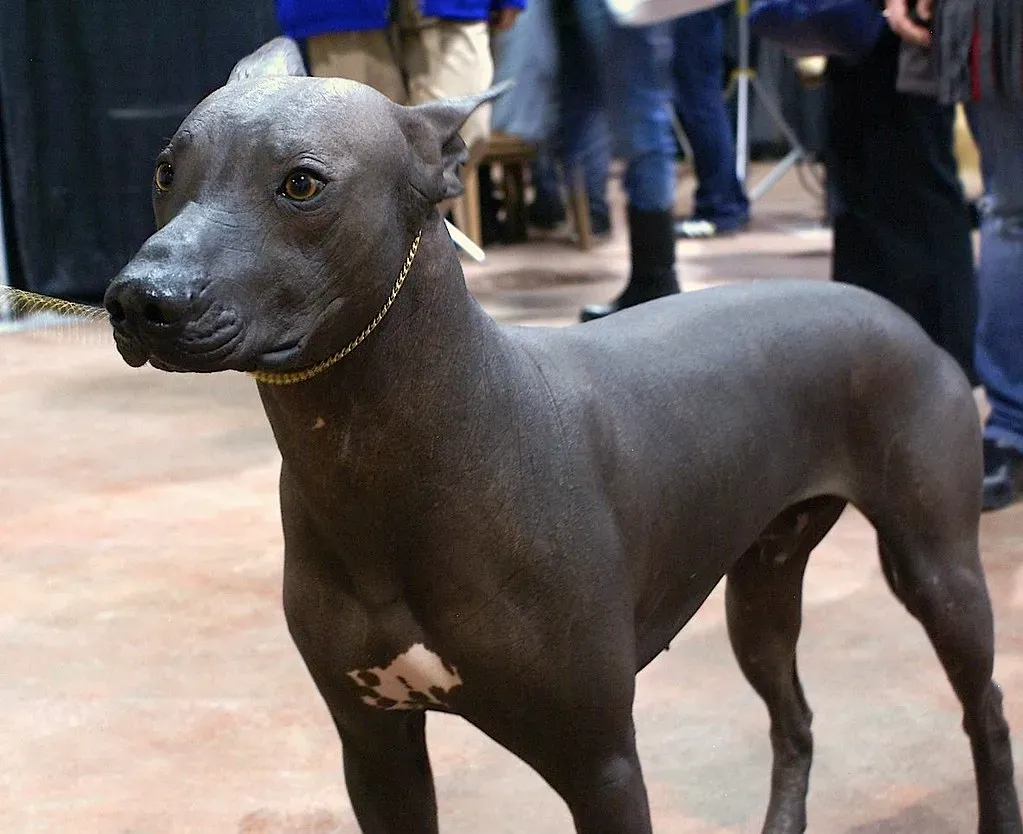
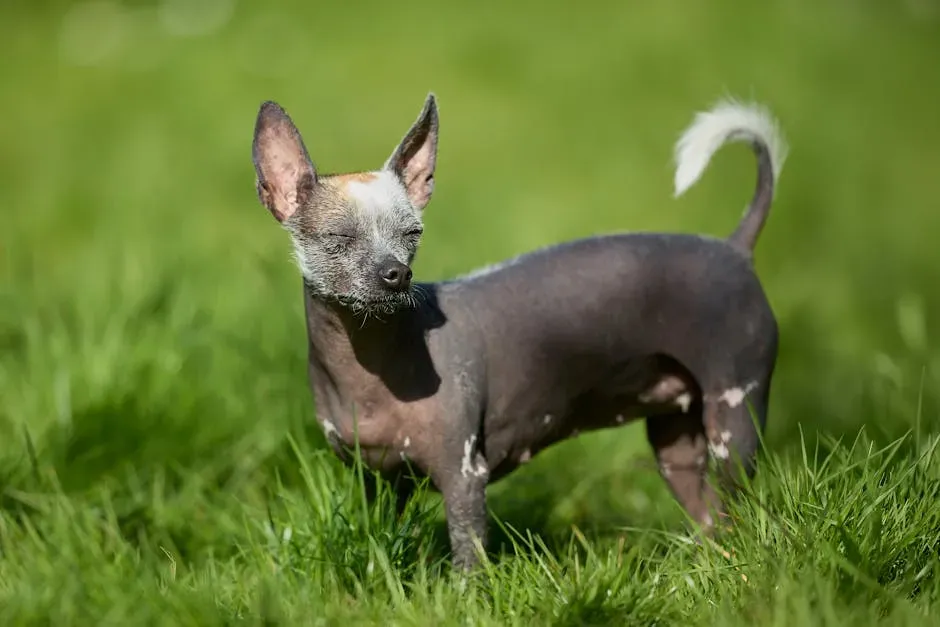
The Xoloitzcuintli, or Xolo, is one of the oldest and rarest breeds in the world, known for its striking hairless appearance. Originating from Mexico, where it was revered by ancient civilizations such as the Aztecs and Mayans, the Xolo was believed to possess healing and protective properties. The Xoloitzcuintli was considered a sacred animal in Aztec culture and was believed to have healing properties.
Today, the breed is cherished for its loyalty, intelligence, and hypoallergenic coat. The Xolo comes in three sizes – toy, miniature, and standard – making it versatile for various living situations. Its calm demeanor and affectionate nature make it a great companion, especially for those with allergies. There’s something almost poetic about a dog that ancient civilizations called sacred still showing up today to comfort people in ways modern science is only beginning to understand.
#3: The Otterhound – A Medieval Survivor on the Brink of Disappearing
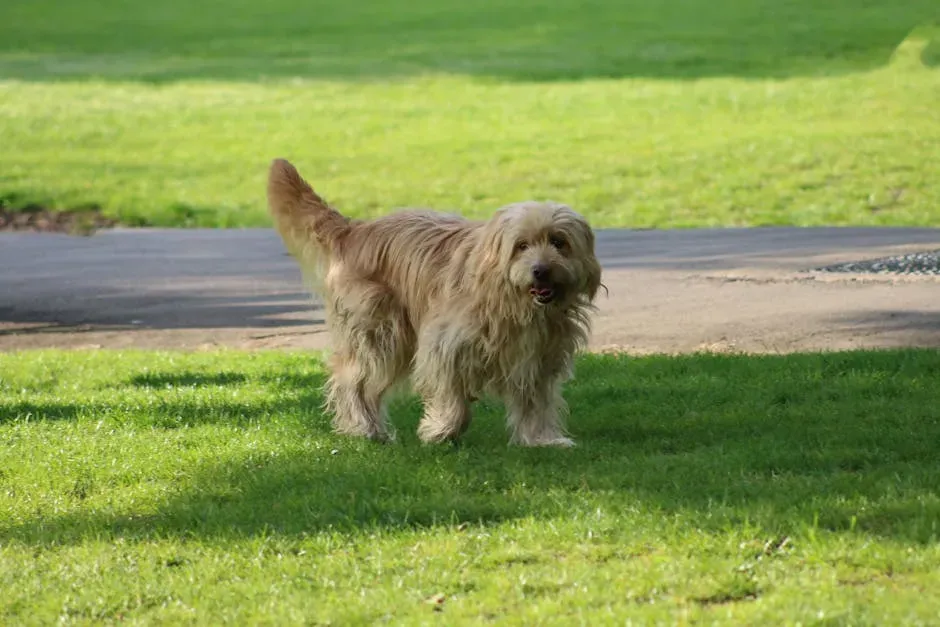
This rare dog breed originated in 1100s England, where it was historically used to hunt otters. With their webbed feet, waterproof coats, and a strong sense of smell, these dogs were perfectly suited for swimming and tracking. However, with the decline of otter hunting, the breed’s popularity has dwindled, making the Otterhound one of the rarest breeds today.
The Otterhound is so rare that even people who love dogs might never have heard of it. With fewer than 1,000 left in existence, this shaggy, water-loving breed is considered one of the rarest dogs in the world. Their affectionate nature makes Otterhounds well-suited for families, and they enjoy joining their humans for activities like hiking and swimming. Otterhounds are affectionate, independent, and have a nose for adventure. The tragedy here is a practical one: a dog this warm-hearted is genuinely at risk of vanishing from the earth entirely.
#4: The Azawakh – The Desert Sighthound That Bonds Deeply and Enduringly
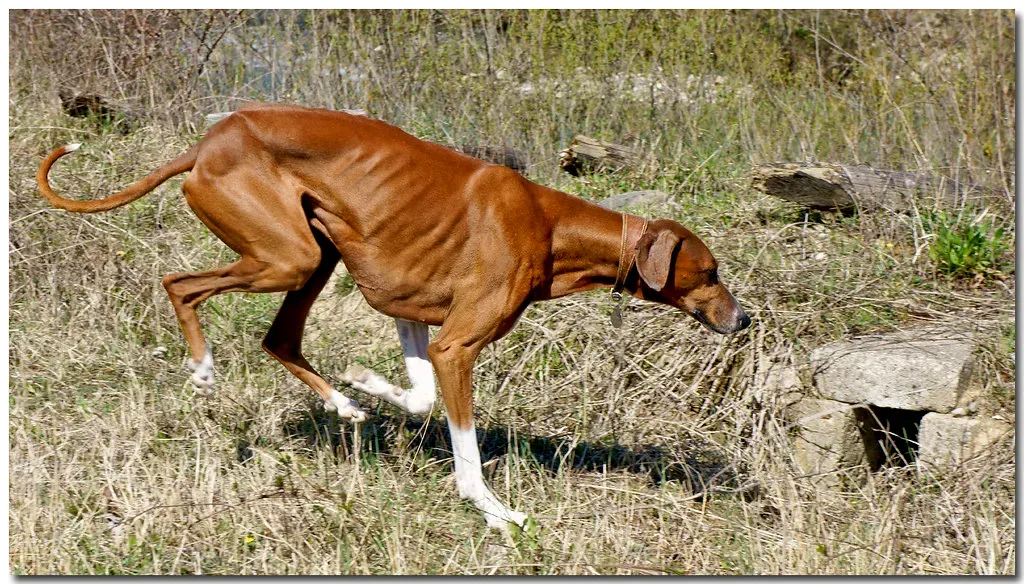
The Azawakh is a distinctive sighthound breed from the Sahel region of West Africa, celebrated for its elegance, speed, and historical significance. Traditionally used for hunting large game such as gazelles and antelope, this breed is known for its sleek, slender build and remarkable agility. This is a hardy, long-lasting hunter that has been chasing gazelle over the blistering sands of the Sahara for over a thousand years.
Despite their athletic capabilities, Azawakhs are known for being affectionate and loyal within their family unit, though they can be aloof toward strangers. The breed’s rarity outside of Africa and its distinctive, refined features make it a unique choice for potential dog owners seeking a loyal and protective companion. Although you’re still unlikely to meet one on a daily dog walk, Azawakh dogs are no longer confined to their homeland since the 1970s, when this unusual breed started to be introduced to other parts of the world. For the right owner, the bond they form is described by enthusiasts as something close to spiritual.
#5: The Stabyhoun – The Netherlands’ Best-Kept Secret That Deserves the World
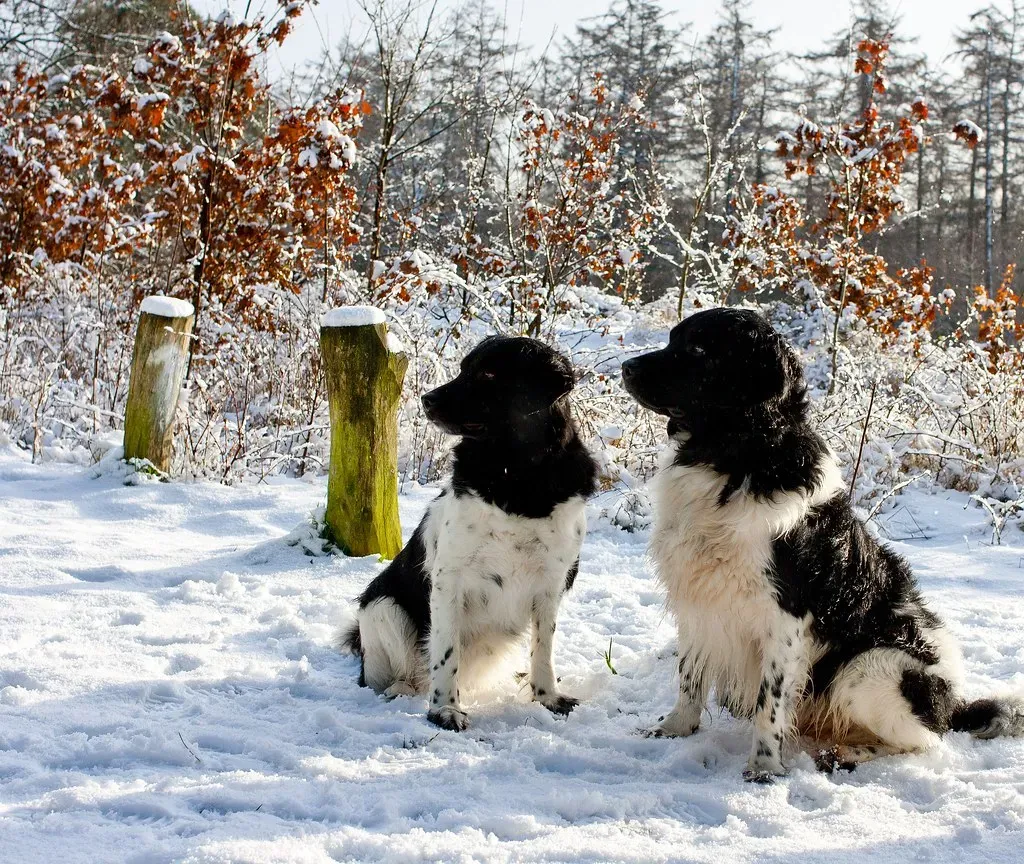
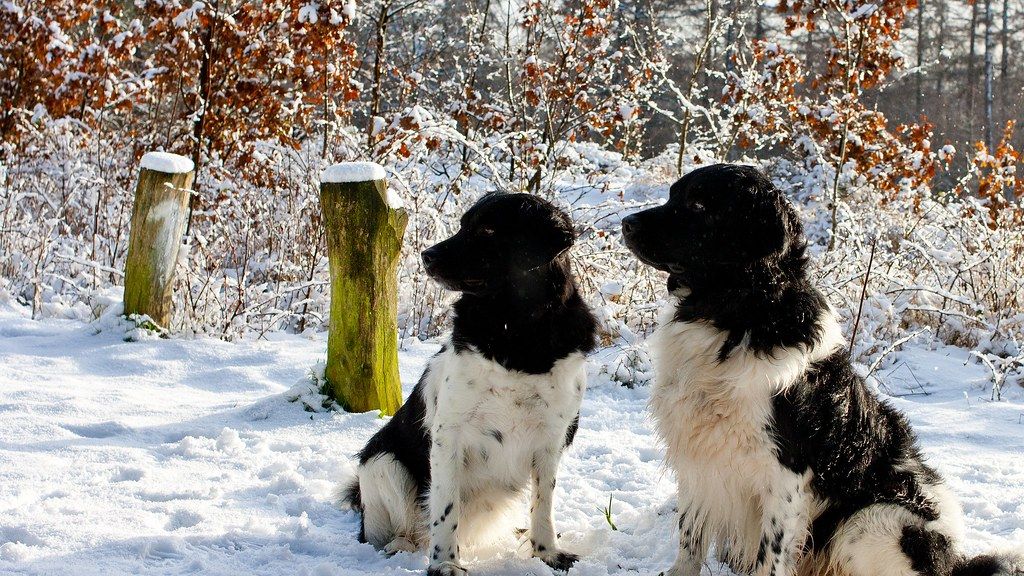
The Stabyhoun is a rare Dutch breed that originates from the Friesland region of the Netherlands. Known for its versatility, the Stabyhoun excels at hunting, retrieving, and even guarding. Despite its many talents, the breed remains relatively unknown outside of its homeland, making it one of the rarest dogs in the world.
The Stabyhoun is so rare that even people in the Netherlands might not recognize it. With fewer than 7,000 in existence, this versatile hunting and working dog is one of the rarest breeds in the world. These affectionate and intelligent dogs are excellent with children and make wonderful family pets. Stabyhouns are easy to train and eager to please, yet their numbers remain low outside of their homeland. It seems almost unfair that a dog this well-rounded remains so completely under the radar beyond Dutch borders.
#6: The Peruvian Inca Orchid – A Living Connection to a Lost Civilization
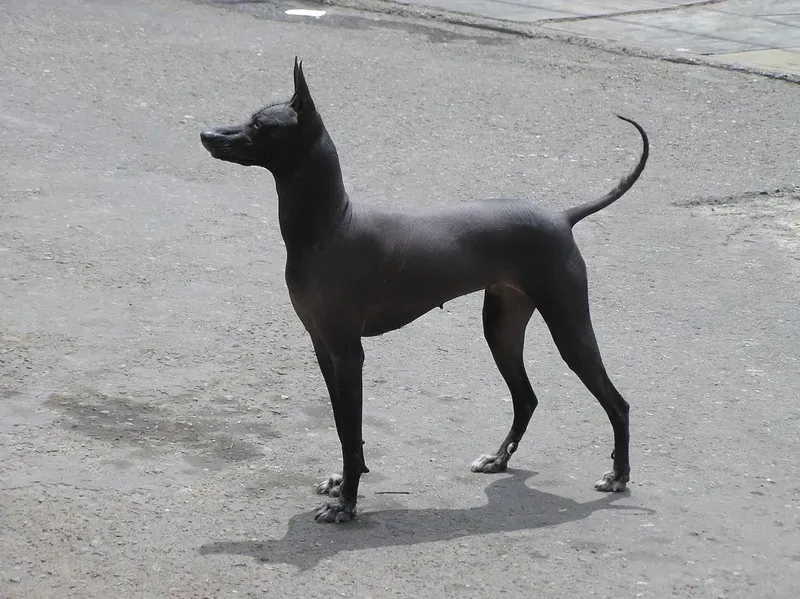
The Peruvian Inca Orchid is a rare and ancient breed that has been around since the time of the Incan Empire. Known for its hairless body and elegant appearance, the Peruvian Inca Orchid is prized for its unique look and loyal personality. Despite its ancient lineage, the breed remains rare, particularly outside of Peru. They were once considered sacred by the Inca civilization, which might explain why they have an almost mystical presence.
The Peruvian Inca Orchid is an agile, lively, and intelligent sighthound originating from the mountains of South America. The AKC recognizes this breed, known to have a small patch of hair on their otherwise bald crown as the “kiss spot,” as rare. Despite their rarity, Peruvian Inca Orchids are known for being affectionate and agile, with a cat-like grace that sets them apart from other dogs. These qualities have quietly made the Peruvian Inca Orchid a compelling companion for people seeking a calm, deeply bonded, and hypoallergenic partner in daily life.
#7: The Mudi – Hungary’s All-Purpose Working Dog That Quietly Changes Everything
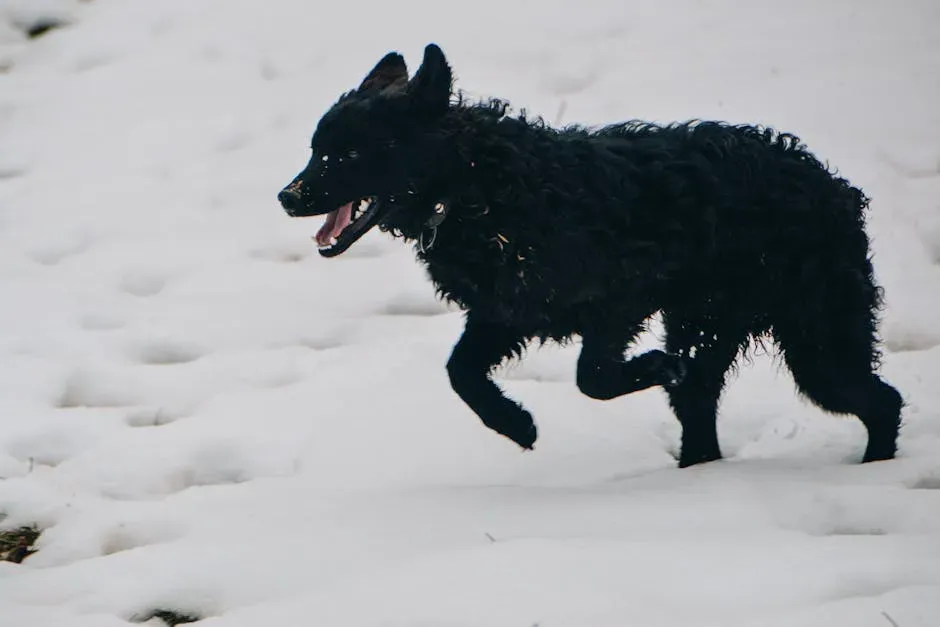
The Mudi is a remarkable herding dog breed from Hungary, often overshadowed by the more famous Hungarian breeds like the Puli and Pumi. Despite this, the Mudi stands out for its exceptional agility, intelligence, and versatility in various tasks. Historically, Mudis were used for herding livestock, and their instincts make them excellent at managing and guiding flocks. They possess a strong work ethic and a keen ability to learn, which makes them well-suited for both traditional herding roles and modern canine sports.
Specially bred for farming, Mudi dogs are skilled at hunting and herding. They’ve also been used as trusted watchdogs, making them one of the best rare dog breeds to have around the house. These days, Mudi dogs have mostly left their hunting days behind to become wonderful pet companions. Mudis are known for their energetic and playful demeanor, making them loving companions for active families. Their unique combination of intelligence and athleticism ensures they thrive in diverse environments, from farm work to competitive arenas. Those who have discovered this breed tend to become devoted advocates, and it’s not hard to understand why.
Why These Breeds Deserve Far More Than a Footnote
The truth is, the most popular dog breeds got popular largely through marketing, accessibility, and trends. That doesn’t make them less worthy of love. It does, however, mean that the breeds on this list have been quietly overlooked despite having traits, histories, and abilities that rival, and in many cases exceed, those of the household names.
Preserving rare dog breeds is crucial for maintaining canine genetic diversity. Each of these breeds represents a unique combination of traits developed over centuries of selective breeding. This genetic variety is not just about preserving different dog appearances; it’s about maintaining a wide gene pool that can be crucial for the health and adaptability of all dogs. Many rare breeds possess specialized abilities that could be lost if these breeds disappear. For example, the Lagotto Romagnolo’s exceptional nose for truffle hunting and other rare breeds’ unique traits showcase the incredible diversity of canine abilities.
Every breed on this list is changing lives in some way, whether through ancient healing traditions, modern therapy roles, or simply the kind of bond that only a dog capable of true devotion can offer. Preserving rare dog breeds is crucial to maintaining genetic diversity within the canine population. This diversity helps protect against diseases and enhances the ability of dogs to adapt to different environments or challenges. Cultural heritage and traditional practices are also preserved through these breeds, connecting us to history and diverse cultures.
There’s a version of dog ownership that goes beyond convenience and Instagram appeal. It involves choosing a breed that carries real history, that asks something of you, and that gives back in ways that are harder to quantify but impossible to forget. These seven breeds aren’t rare because they’re inferior. They’re rare because the world simply hasn’t caught up with them yet. That’s a gap worth closing.


