
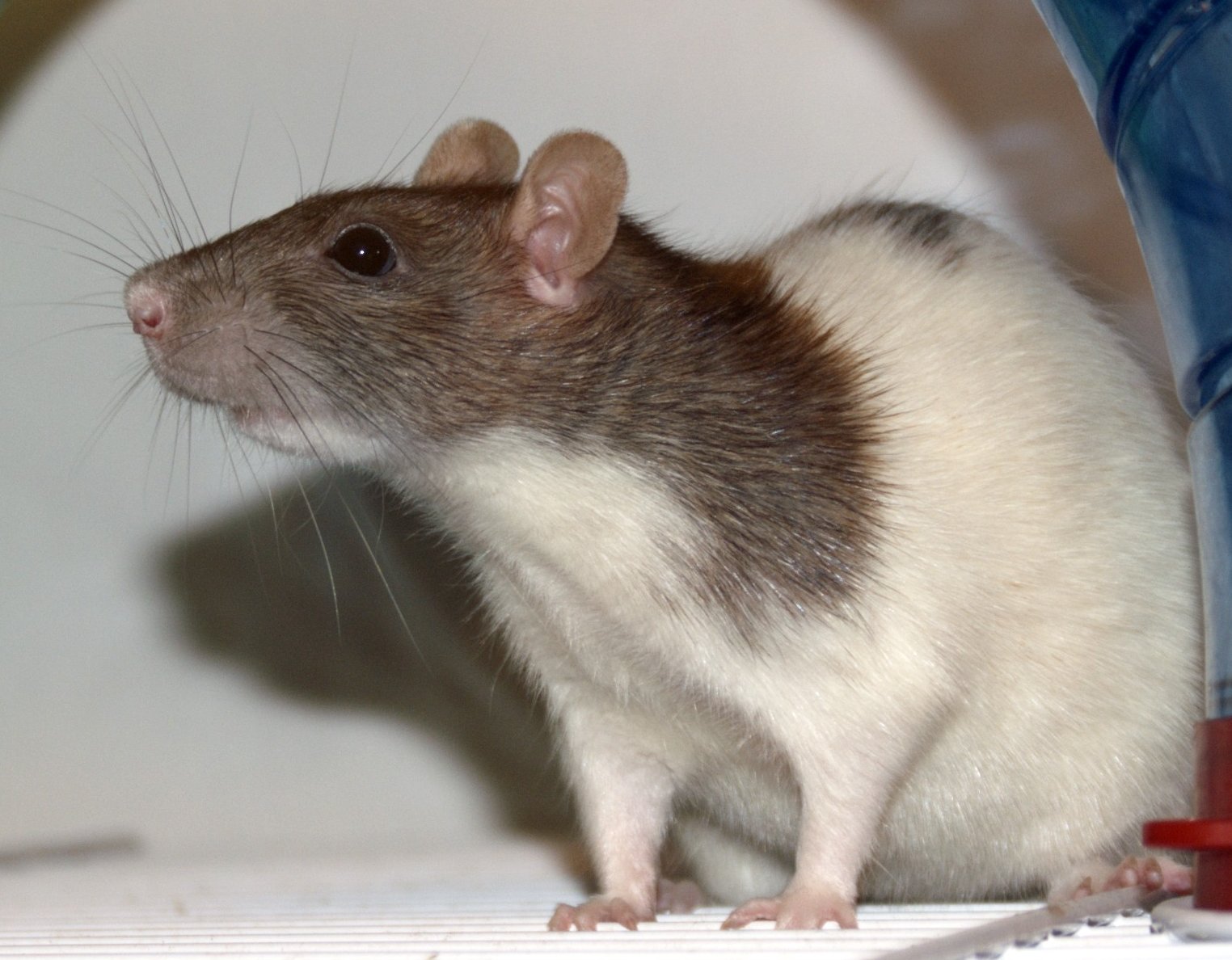
If you’ve ever had a pet rat suddenly grab your fingers, pin your hand down, and start earnestly nibbling and licking like you’re the messy one in the relationship… you’re not alone. To people who are new to rats, this grooming can feel confusing or even a little intense. To rat people, though, it’s one of the clearest signs that you’ve been fully accepted into the colony.
Rats do not groom randomly. They have surprisingly complex social rules around who grooms whom, when, and why. When your rat grooms you, they’re not just being cute; they’re sending signals about trust, status, comfort, and even how they feel about your scent. Let’s unpack what is actually going on in that tiny, whiskered brain when your pet decides it’s time to tidy up their human.
1. You’re Part of Their Social Group
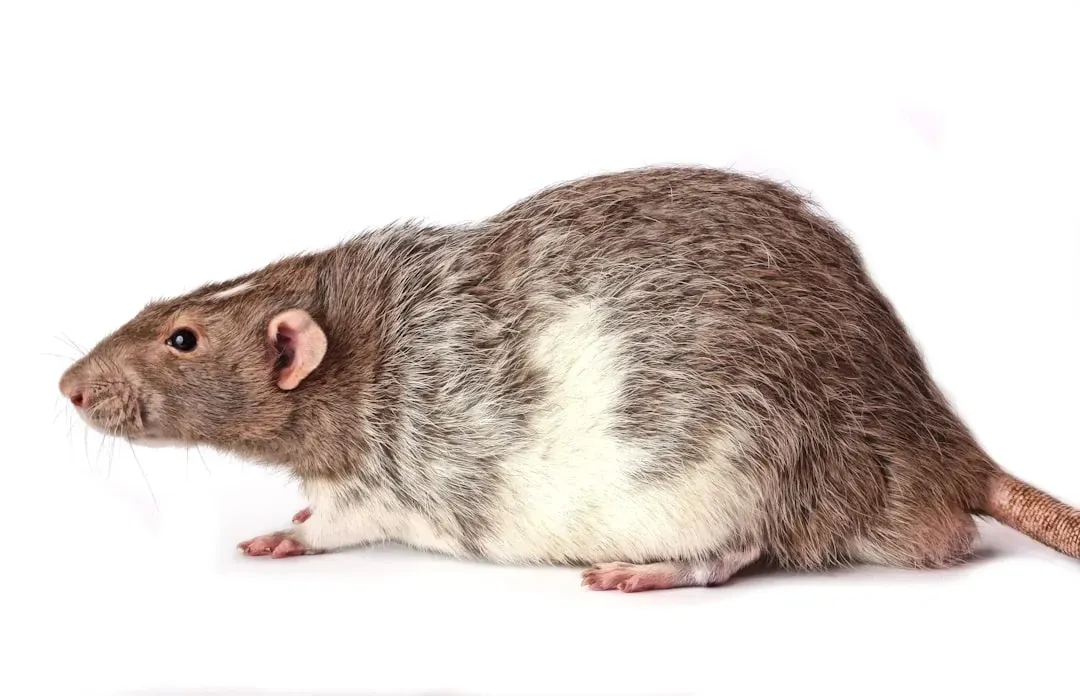
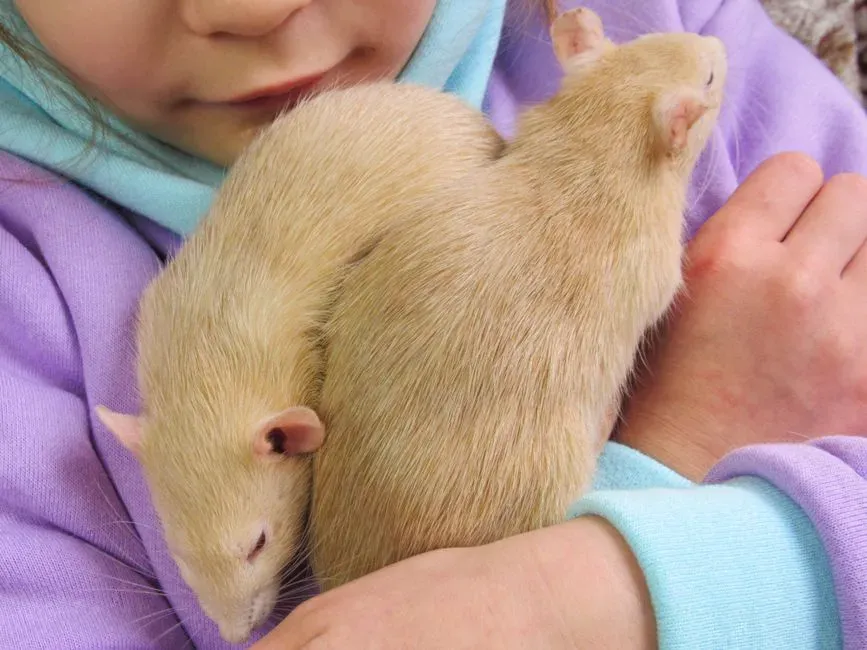
The most heartwarming reason rats groom their humans is also the simplest: they see you as family. In rat colonies, grooming is one of the main ways they reinforce social bonds, like a tiny version of friends braiding each other’s hair. When your rat carefully licks your fingers, nibbles your knuckles, or even grooms your hairline, they’re including you in the same rituals they share with trusted cage mates.
In the wild, rats spend a big chunk of their awake time grooming each other to maintain social harmony. Your pet cannot sit you down for a heart-to-heart, so they use the language they know best: touch and grooming. I still remember the first time a normally shy rat of mine climbed into my sleeve just to groom the inside of my wrist; that quiet, focused grooming said more about trust than a thousand cuddles ever could.
2. They’re Strengthening the Bond Through Allogrooming
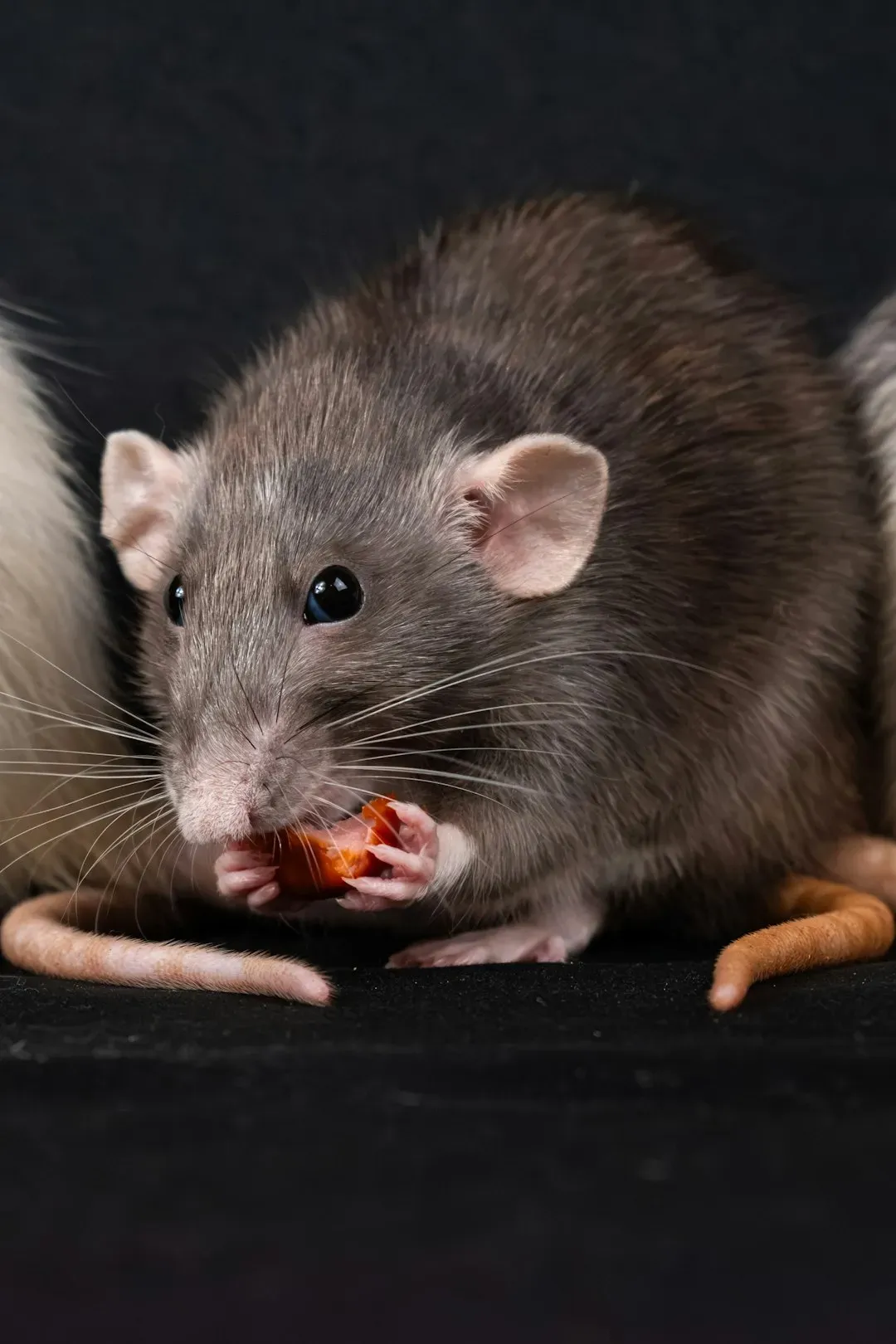
Scientists have a great term for mutual grooming between animals: allogrooming. In rats, allogrooming is not a casual behavior; it’s a core part of how they form and maintain relationships. When a rat chooses to groom you, they’re actively investing in that bond, much like a friend who checks in on you regularly instead of only texting when they need something.
This kind of grooming usually shows up once a rat feels safe and settled with you. You may notice that rats who were initially fearful slowly transition from sniffing you to tentative licks, then to focused grooming sessions over time. That progression mirrors what they do with other rats: sniff first, then gentle contact, then full participation in grooming. It’s their way of saying, on a deeply instinctive level, that you belong and that they’re willing to put in the work to keep that bond strong.
3. Your Scent Is Part Comfort, Part Project
Rats live in a world of scent far more than we do, and your smell is a huge part of who you are, from their perspective. They recognize individual rats and their social group by subtle odor signatures, and your own mix of skin oils, soap, laundry detergent, and whatever you last cooked with is basically your ID card. When they groom you, they’re not only cleaning; they’re exploring, organizing, and sometimes even trying to “fix” your scent so it fits better into their familiar world.
Think of your rat like a tiny, obsessive interior decorator – but for smells. If you come home with a new perfume, hand cream, or food smell, your rat may ramp up grooming on those areas, almost as if they’re saying, “This is interesting, but let me edit it a bit.” That can mean intense licking or whiskery nibbling on one specific finger or patch of skin. It’s not that they think you’re dirty; they’re just deeply invested in how their environment – and their favorite human – smells.
4. Grooming You Helps Them Feel Safe and In Control
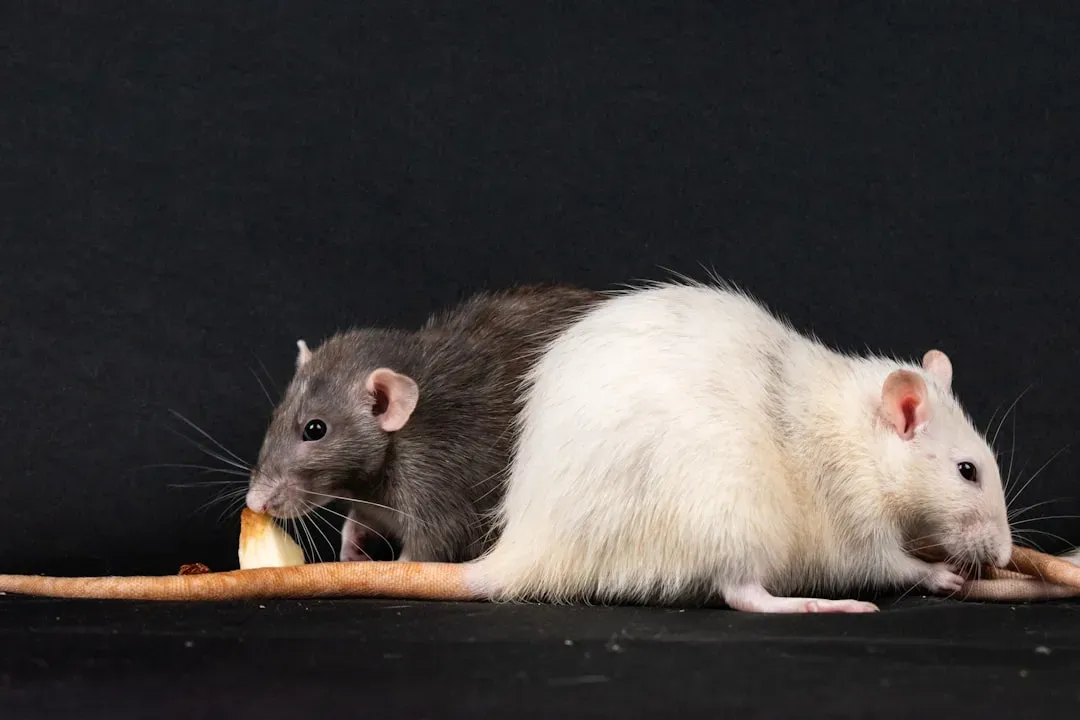
Grooming in rats isn’t only about social bonding; it’s also a way to regulate stress and maintain a sense of control. In a group, higher-ranking rats often groom others, not just as kindness but as a subtle way of managing the social atmosphere. When your rat decides it’s grooming time, especially in a calm, familiar setting, that behavior can help them feel grounded and secure.
From their point of view, you’re a giant, unpredictable part of their world – sometimes you move loudly, sometimes you disappear for hours, sometimes you rearrange their cage. Grooming your skin or nails can be a little pocket of predictability they initiate. It’s something they choose, on their terms. If you notice a rat grooming you most when they’re relaxed on the couch or in a quiet room, there’s a good chance that grooming is part social care, part self-soothing routine, like a person absentmindedly braiding hair during a calm conversation.
5. They’re Checking You for “Debris” and Tasty Bits
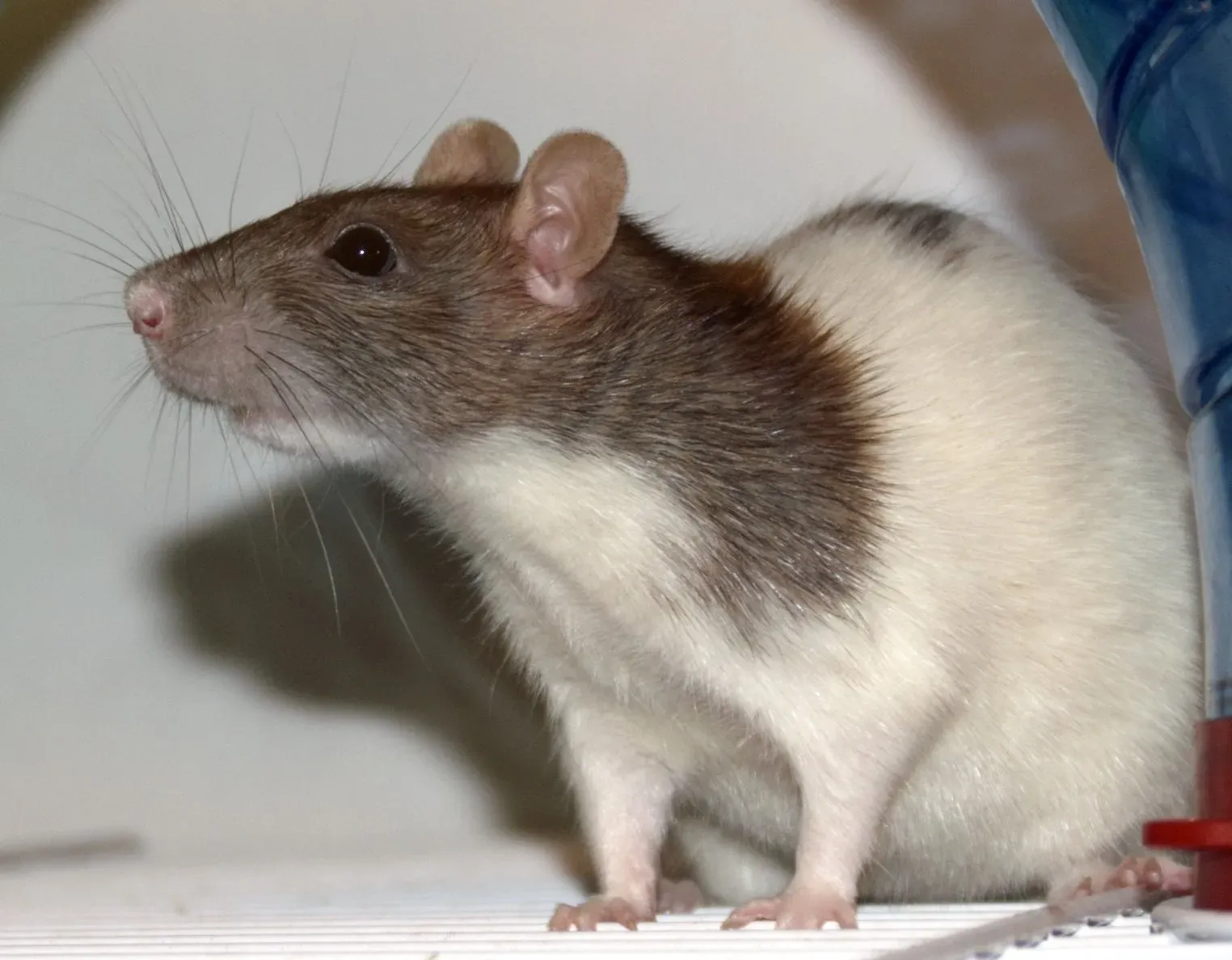
Let’s be honest: sometimes your rat is being sweet, and sometimes your rat is absolutely just trying to eat the invisible crumbs on your hand. Rats have incredibly sensitive whiskers and an excellent sense of smell, so that microscopic bit of chip salt or sauce you barely notice is a full snack to them. Grooming often focuses on fingertips, around the nails, or anywhere that regularly encounters food, because those spots are most likely to carry traces of something interesting.
This doesn’t mean they only think of you as a walking buffet; grooming and food-seeking are tightly woven together in many animals. A rat that adores you can simultaneously adore the taste of the pasta sauce you just cooked. That’s why some grooming feels very precise and nibble-focused, especially after you’ve handled snacks. If you wash your hands thoroughly and the grooming becomes softer, lick-based, and less targeted at specific spots, that’s a good sign they’re in social grooming mode rather than scavenger mode.
6. Grooming as a Gentle Dominance or Negotiation Signal
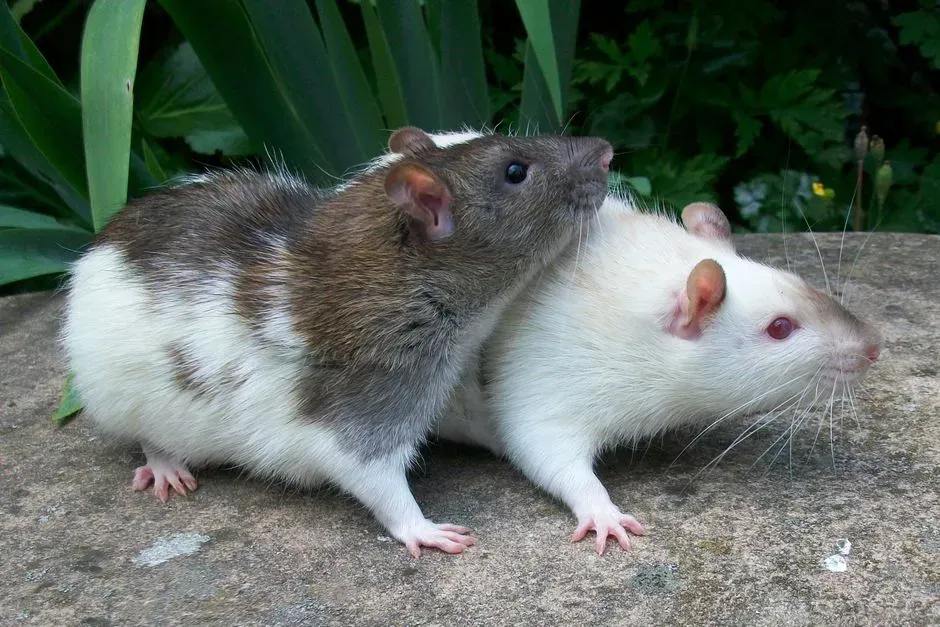
Rat social life is not perfectly equal; there are small hierarchies, and grooming is one way they navigate that. Within a group, more confident rats sometimes initiate grooming as a quiet statement of status, while more submissive rats accept it or respond in certain ways. When a rat grooms you insistently – especially combined with nudging your hand into a particular position or pinning a finger – it can be a playful hint that they feel pretty bold and secure around you.
This does not mean your rat is trying to “dominate” you in the exaggerated way people sometimes talk about dogs and wolves. It’s more like a negotiation over comfort and boundaries. They might be saying, “I’m close enough to you that I can fuss over you.” In my experience, rats who are braver and more confident with their humans tend to be the ones who really go to town on grooming, while nervous rats hang back until that trust and comfort level builds.
7. They’re Expressing Affection in the Only Way They Know How
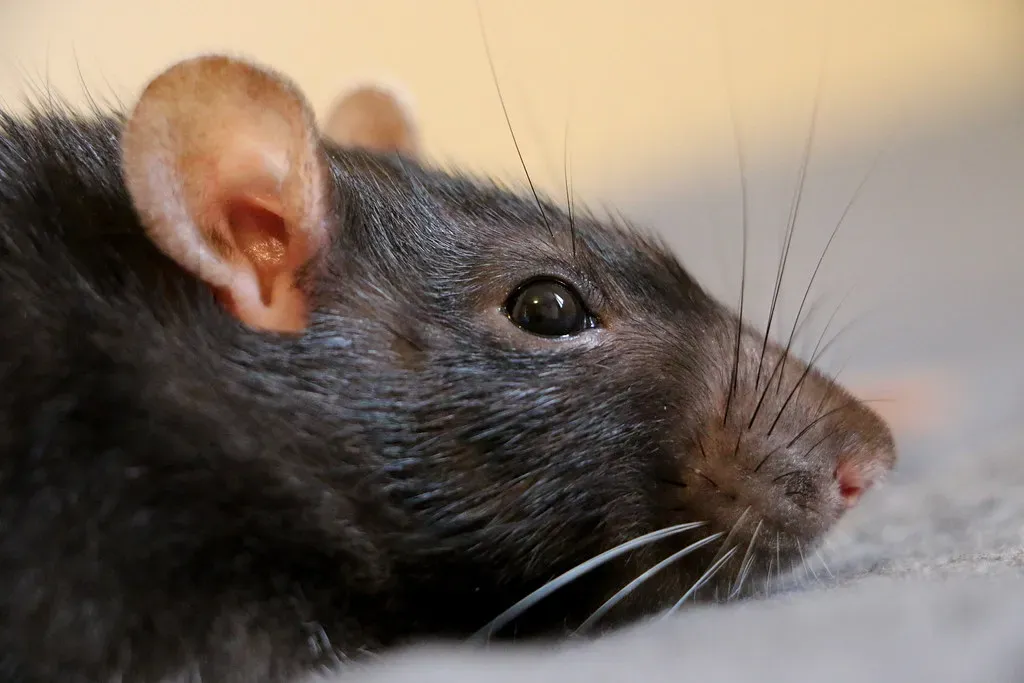
At the end of the day, grooming is one of the purest forms of rat affection you’ll ever see. They cannot write you a poem or leave you a heartfelt note; what they can do is lean in, lower their guard, and spend their precious energy carefully tending to your skin and clothes. For prey animals that survive by being alert and suspicious, choosing to get that close and that focused on you is a huge emotional risk – and they take it because you matter to them.
If you live with rats long enough, you start to recognize the difference between perfunctory licks and those slow, deliberate grooming sessions that seem almost meditative. Those moments feel a bit like being let into a private world where you are not just the food-bringer or cage-cleaner, but a true member of the tiny, furry tribe. It is easy to underestimate how much that means until you lose a rat and realize you miss the strange intimacy of those grooming rituals as much as you miss their bright little eyes.
Conclusion: Let Them Groom You (Within Reason)
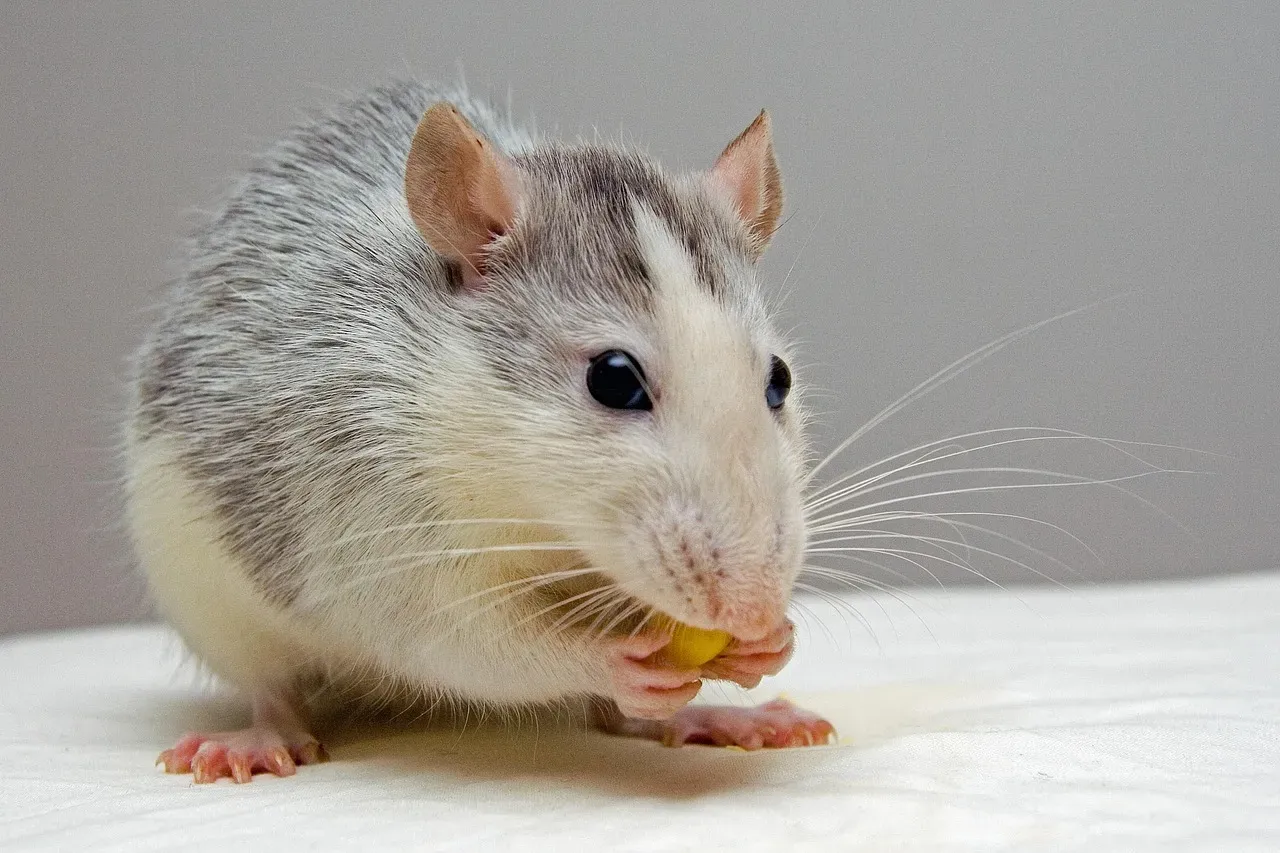
for layered, overlapping reasons: social bonding, scent management, comfort, curiosity, and sometimes a light snack. It is not just random nibbling; it is the rat equivalent of saying, “You’re mine, I trust you, and I’m comfortable enough to fuss over you.” In a world where rats are still widely misunderstood, that small act of care from such a vulnerable, clever animal feels almost radical.
My admittedly biased opinion is that if more people experienced being groomed by a rat that truly trusts them, the species would have a much better reputation overnight. As long as your skin is healthy, your hands are clean, and you set gentle limits if they get too nippy, letting your rat groom you is one of the most honest, mutual interactions you can share. Next time those tiny teeth and tongue get to work on your fingers, maybe pause and ask yourself: how many animals ever love you enough to try to make you cleaner than you actually are?


