
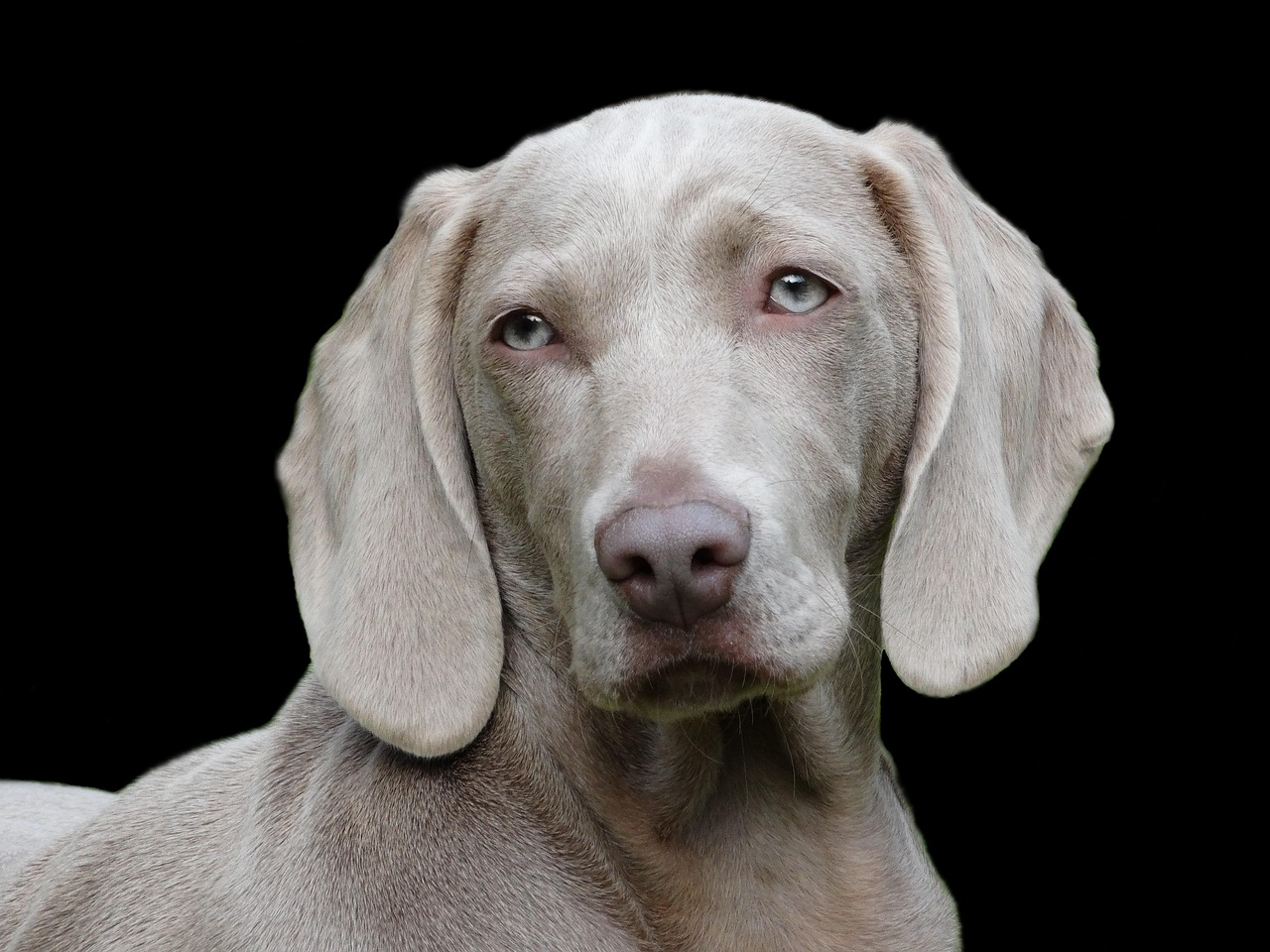
You know your dog better than anyone else. That is exactly why those tiny changes in their eyes, ears, or the way they stand can send a little jolt through your chest that says, something’s not right. The scary part is that dogs are often experts at hiding pain or stress, so by the time we notice a limp or a yelp, they may have been uncomfortable for a while.
The good news is that your dog’s body is always talking to you. Their eyes, face, and posture are like a live status update on how they’re feeling, once you know what to look for. Let’s walk through seven powerful visual clues that your dog might be in pain, anxious, or just plain not okay, so you can step in earlier, comfort them faster, and, in some cases, even prevent something serious from snowballing.
1. Squinting, Blinking More, or “Hard” Stares
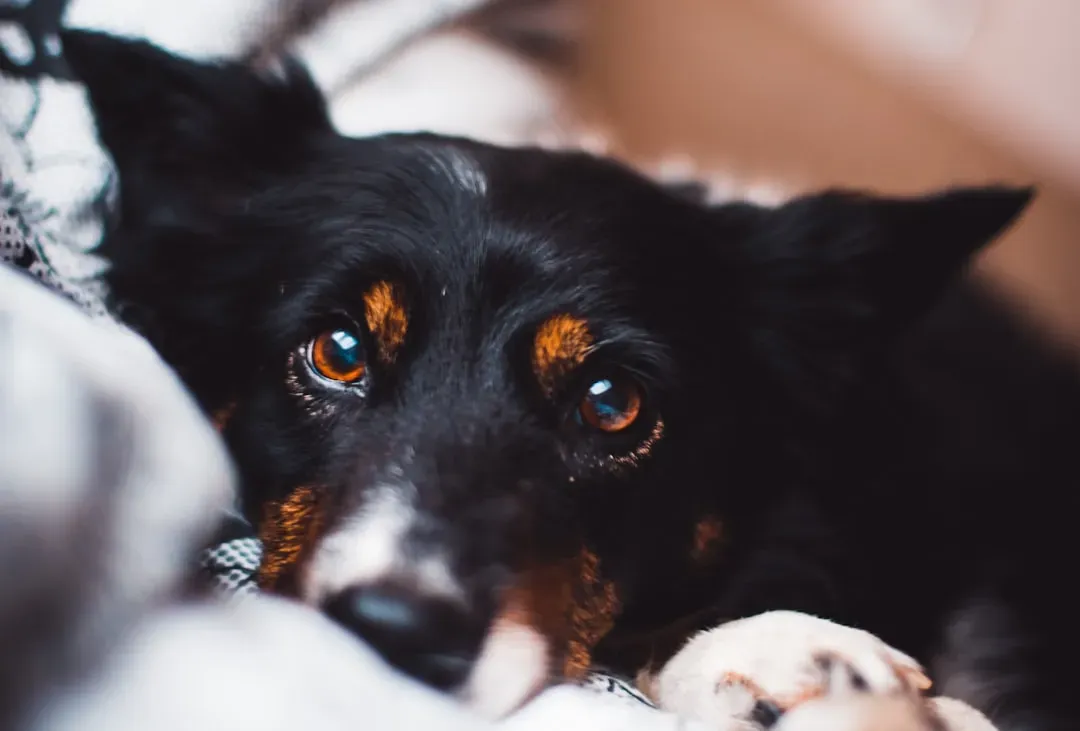
One of the most overlooked red flags in dogs is what’s happening around their eyes. If your dog is squinting, blinking more than usual, or keeping one eye partly closed, it can be a sign of discomfort, eye irritation, or headache-like pain. Sometimes the eye itself looks normal, but the constant half-shut lid or flinch when you move your hand nearby tells you something hurts.
On the flip side, a very hard, unblinking stare can also be a problem sign. A dog that suddenly locks their gaze, widens their eyes, and seems to look through you rather than at you might be feeling threatened, overwhelmed, or even in pain. Think of it like the dog equivalent of someone gripping the edge of a chair a little too tightly; the body is trying not to fall apart.
2. Whale Eye: When You See the Whites
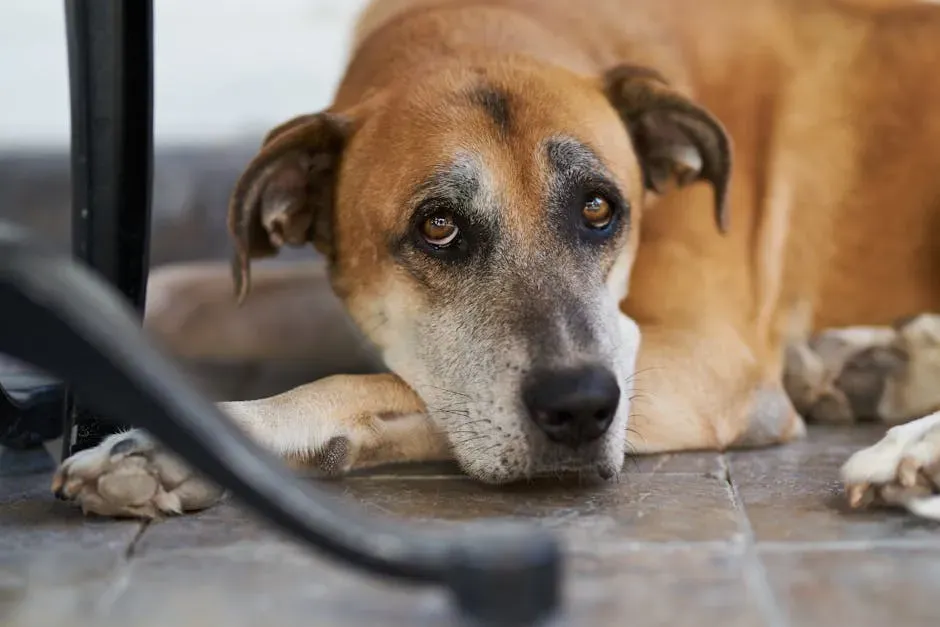
“Whale eye” is the nickname for when you can see the whites of your dog’s eyes more than usual, especially in a crescent shape at the corners. It often happens when a dog keeps their head turned away but their eyes are pulled toward whatever is worrying them, like a child hugging them too tightly or another dog hovering over their toy. It’s a classic stress signal, and it’s rarely random.
If your normally relaxed dog suddenly shows whites of the eyes when someone leans in for a hug, when you reach for their bowl, or when another dog is in their space, that’s your cue: they’re not just “being moody,” they’re uncomfortable. This is a moment to give them space, adjust the situation, and maybe even rethink what you thought they “tolerated.” Dogs should not have to live in a state of constant tolerating.
3. Tight Mouth, Wrinkled Forehead, or a “Frozen” Face
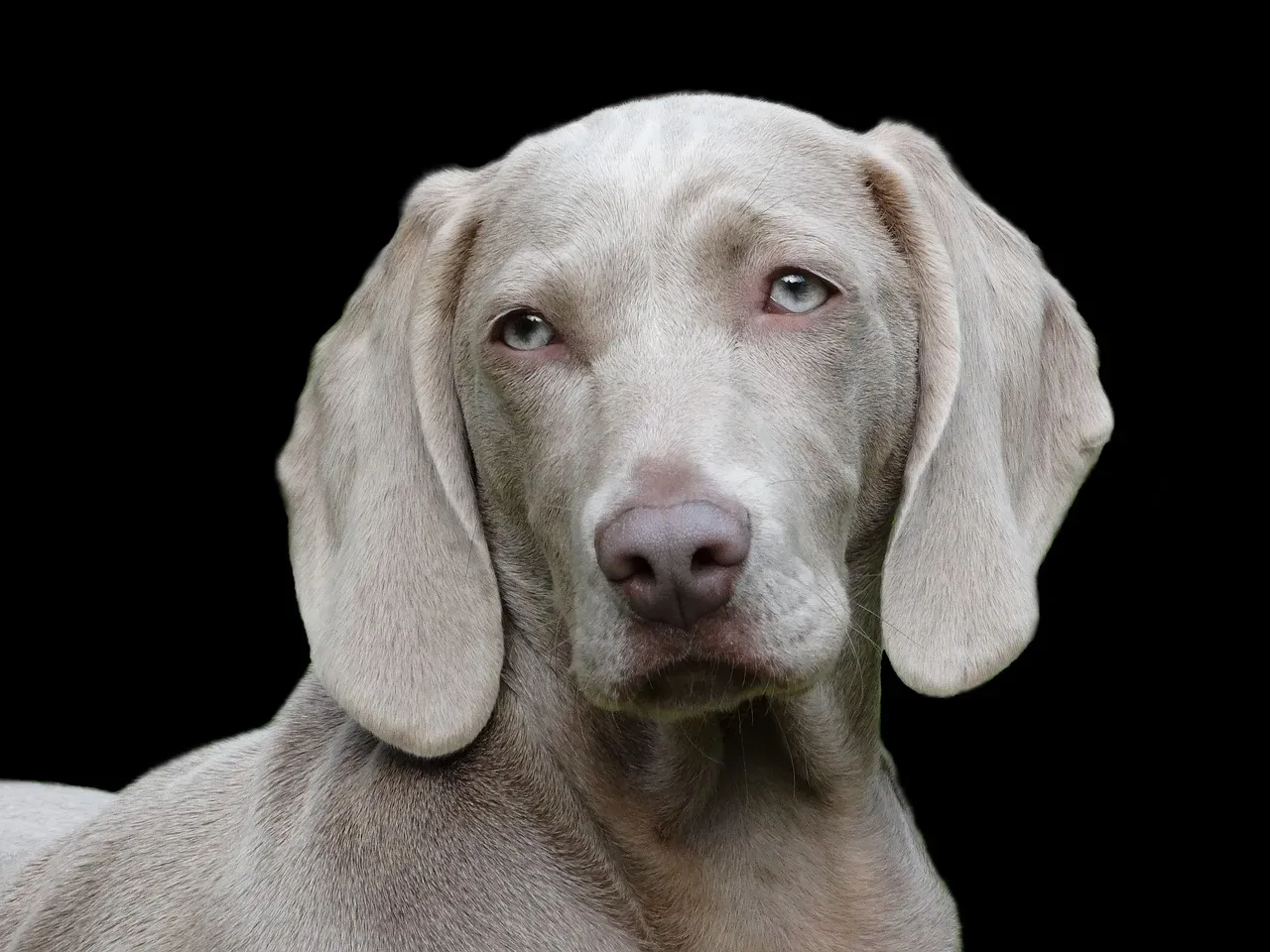
A relaxed dog has a soft, loose face: the mouth may be slightly open, the tongue might hang out a bit, and the jaw isn’t clenched. When that shifts to a tightly closed mouth, lips pressed, or a wrinkled forehead, it can signal tension, pain, or rising anxiety. Some dogs almost look like they’re frowning when they’re uncomfortable, with the muscles between the eyes creased and the eyebrows slightly raised or pinched.
I’ve seen dogs who looked “serious” for years, only for their expression to magically soften after a medical issue like dental pain, joint discomfort, or skin irritation was treated. That “frozen” expression was actually them bracing against constant discomfort. If your dog’s resting face looks suddenly more rigid, like they’re holding their breath emotionally, it’s worth paying attention instead of writing it off as just their personality.
4. Ears Pinned Back, Hyper-Alert, or Constantly Shifting
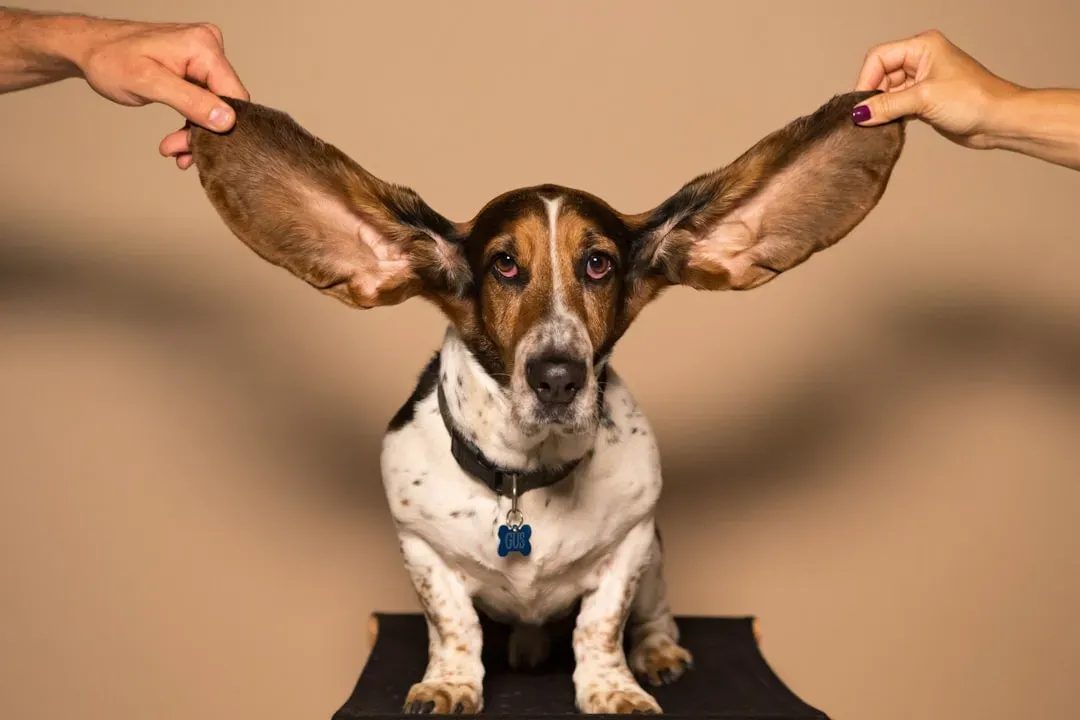
Dog ears are emotional billboards. When they’re pinned flat against the head, especially combined with a lowered neck or squinting, that often screams fear, stress, or physical pain. Some dogs pin their ears so hard you can barely see them from the front, almost like they’re trying to shrink their head away from the world.
The opposite can be just as telling: ears darting around constantly, always flicking to every sound, or standing high and rigid for long stretches. That hyper-alert posture can indicate a dog who is not just curious but too wired, overwhelmed, or on edge. If your dog’s ears used to move in a gentle, natural way and now seem stuck in one extreme, that shift in ear language is a body-level cry for you to check in.
5. Hunched Back, Tucked Tail, or Shifting Weight
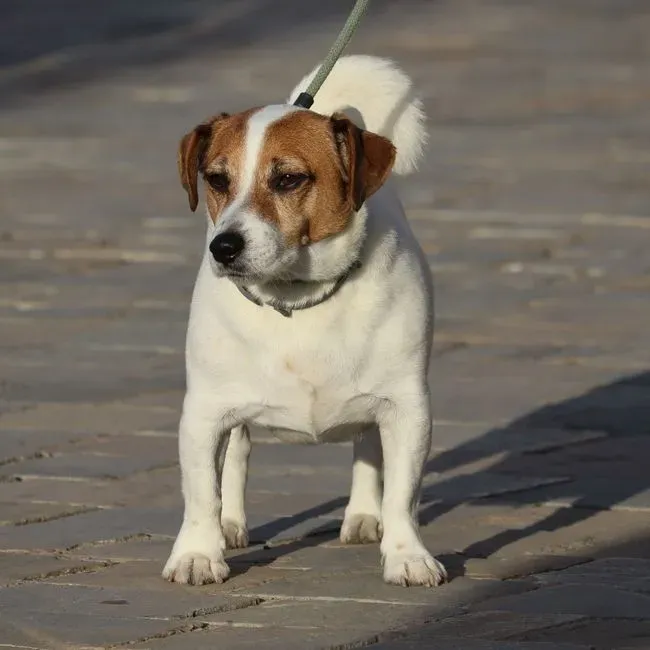
Body posture might be the most obvious yet most misread signal. A hunched back, where your dog looks like they’re curling in on themselves, can mean abdominal pain, spinal discomfort, or a general sense of feeling unwell. A constantly tucked tail, especially one clamped tight between the legs, is rarely just “shyness” when it appears suddenly or hangs around for days.
Watch how your dog distributes their weight. Are they leaning away from you when you pet a certain area, or shifting from one paw to another like they cannot get comfortable? Dogs may not cry out, but they will quietly adjust their posture to avoid what hurts. It’s a bit like how a person with a sore back moves more carefully, stands a bit crooked, or avoids sitting fully; the body gives away the secret before the voice does.
6. Restlessness, Pacing, or Refusal to Settle
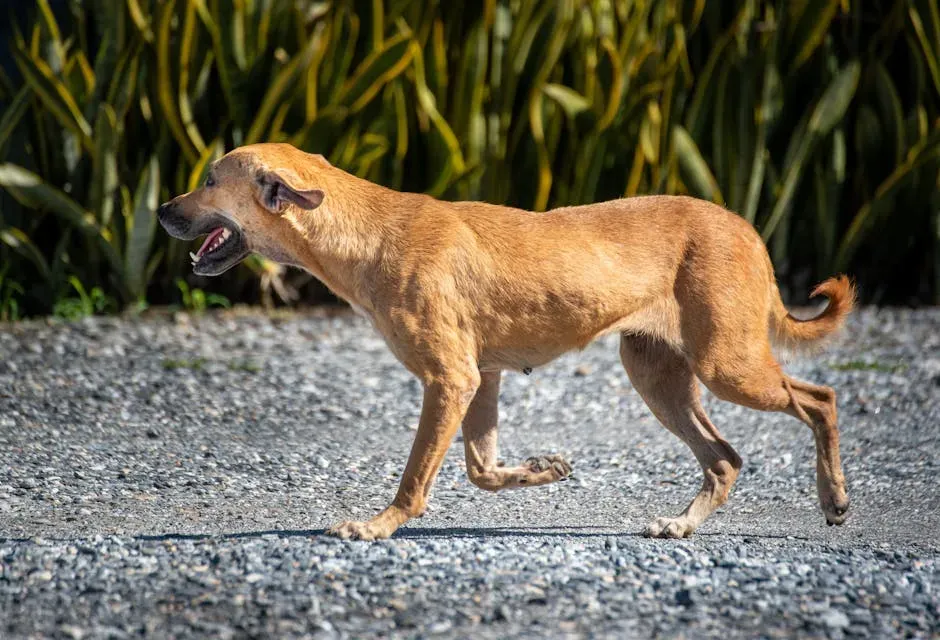
When a dog is physically and emotionally comfortable, they can relax enough to flop down and properly sleep. Restlessness is often an early sign something is off: repeated pacing, getting up and down, circling longer than usual before lying down, or abandoning a resting spot almost as soon as they choose it. You might notice they hover near you but never really relax, like they want comfort but cannot quite find it.
This kind of motor agitation can be linked to pain, nausea, anxiety, or even early cognitive issues in older dogs. I once brushed off a foster dog’s pacing as “high energy” until a vet visit revealed joint inflammation and gastrointestinal discomfort. Once treated, the same dog suddenly discovered the joy of deep naps. When your dog acts like they have an itch they can’t scratch on the inside, it’s time to look beyond “They’re just restless.”
7. Avoidance, Clinginess, or Sudden Personality Shifts
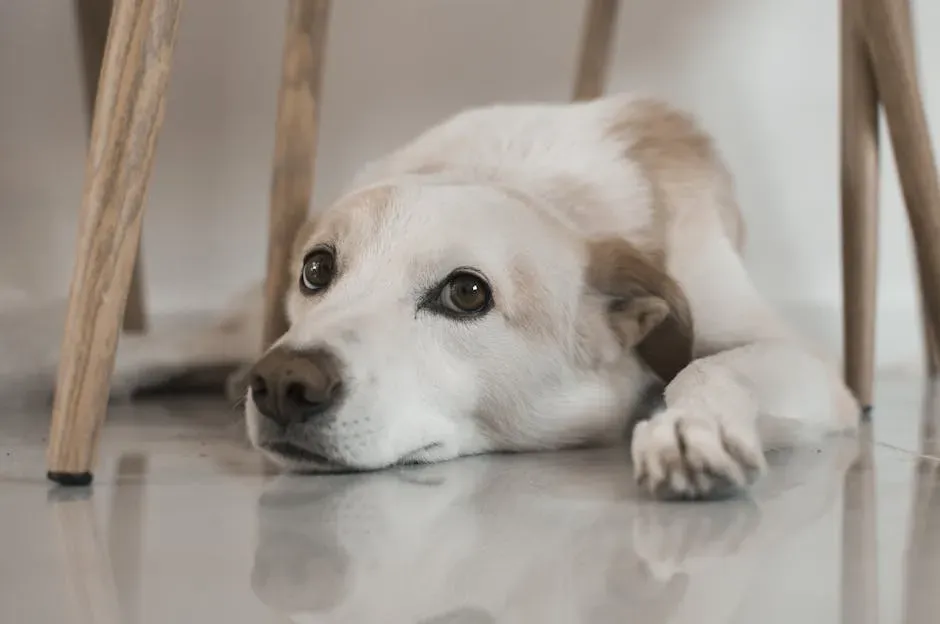
Discomfort is not always loud; sometimes it shows up as a dog who quietly withdraws or, on the flip side, glues themselves to your side like Velcro. A normally social dog who starts hiding under tables, refusing to jump on the couch, or moving away from touch may be trying to avoid pain or overwhelming stimuli. Likewise, a dog that suddenly won’t leave you alone, follows you to the bathroom, and panics when separated could be signaling internal discomfort rather than just “being needy.”
Big personality shifts rarely come out of nowhere. A once-confident dog becoming timid, a playful dog turning grumpy, or a tolerant dog snapping when handled are all flashing warning lights. Instead of labeling them as “stubborn,” “jealous,” or “dominant,” it is more honest and kinder to ask what in their world or their body has changed. Dogs live in the present; when they act differently, they are telling you that their present doesn’t feel right anymore.
Conclusion: Your Dog’s Body Is Not Being Dramatic
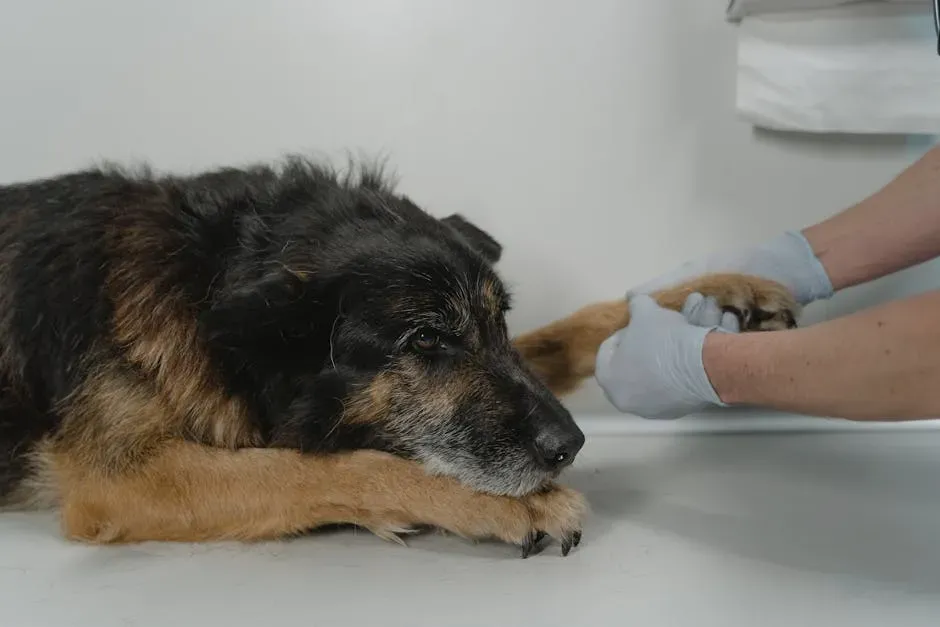
Dogs do not fake discomfort for attention; if anything, they often hide it until they cannot anymore. The small shifts in eyes, facial tension, and posture are not drama, they are data. Learning to read them is not about becoming paranoid, it is about becoming responsive. I personally lean on a simple rule: any sudden, unexplained change that lasts more than a short while deserves curiosity, not criticism.
Here is the opinionated truth: blaming a dog for “bad behavior” while ignoring their physical and emotional signals is unfair to them and lazy on our part. We owe them better. If you start treating these seven signs as early-warning whispers instead of background noise, you give your dog the gift of being heard before things get worse. The next time your dog’s eyes harden, their tail tucks, or their posture curls in, will you shrug it off – or will you listen to what their body has been trying to say all along?


