
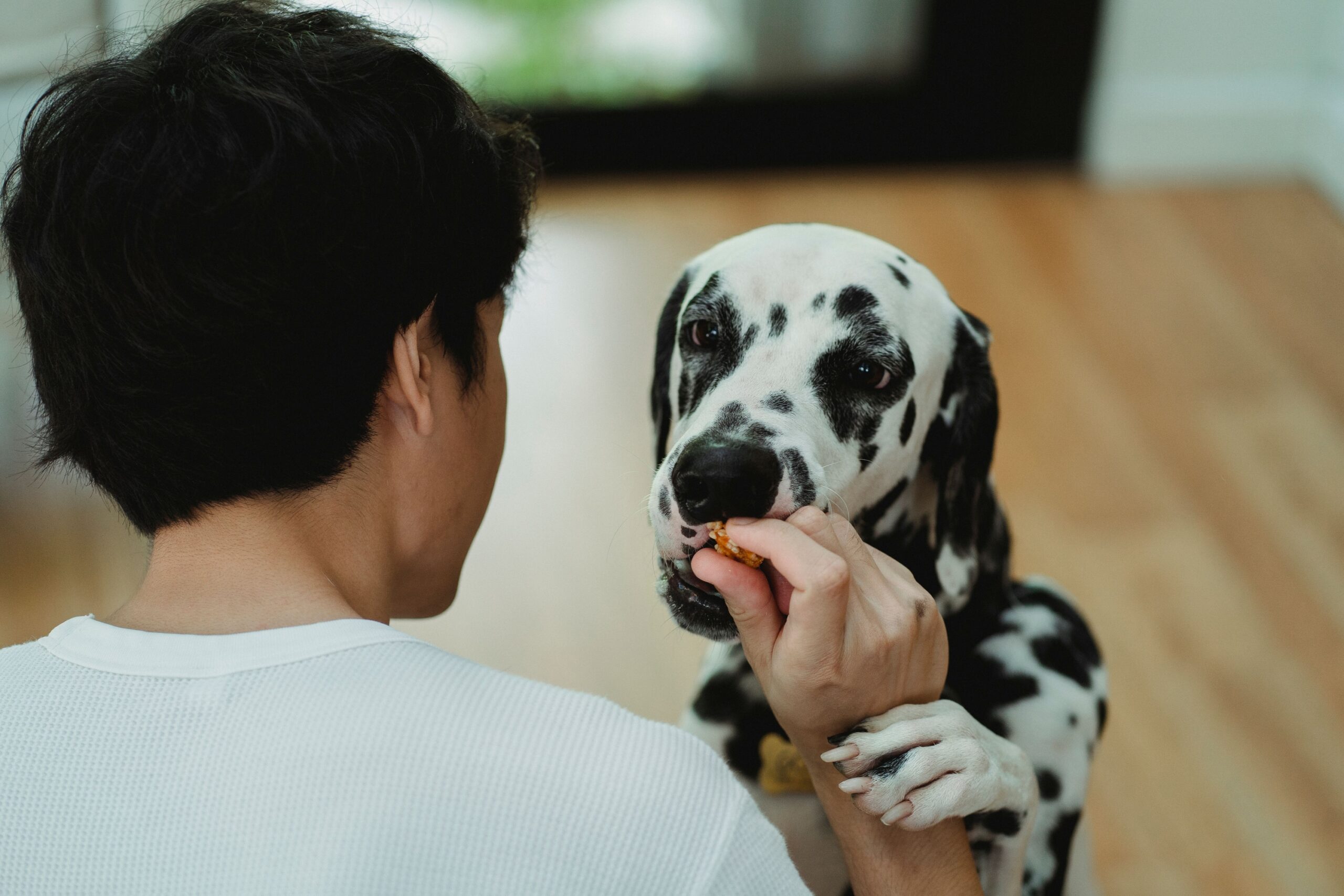
You hand your dog a treat, expecting an instant crunch… but instead they parade it around the house like a tiny trophy. Maybe they hop on the couch, trot into another room, or even stash it on your pillow before finally eating it. It looks adorable and a little weird, and it makes you wonder what’s going on in that furry head.
This small, everyday moment can actually reveal a lot about instinct, emotion, and how your dog sees the world. Let’s dig into the most likely reasons behind this quirky behavior, what’s normal, and when it might hint at something deeper.
1. Leftover Survival Instincts and “Hunting” Behavior
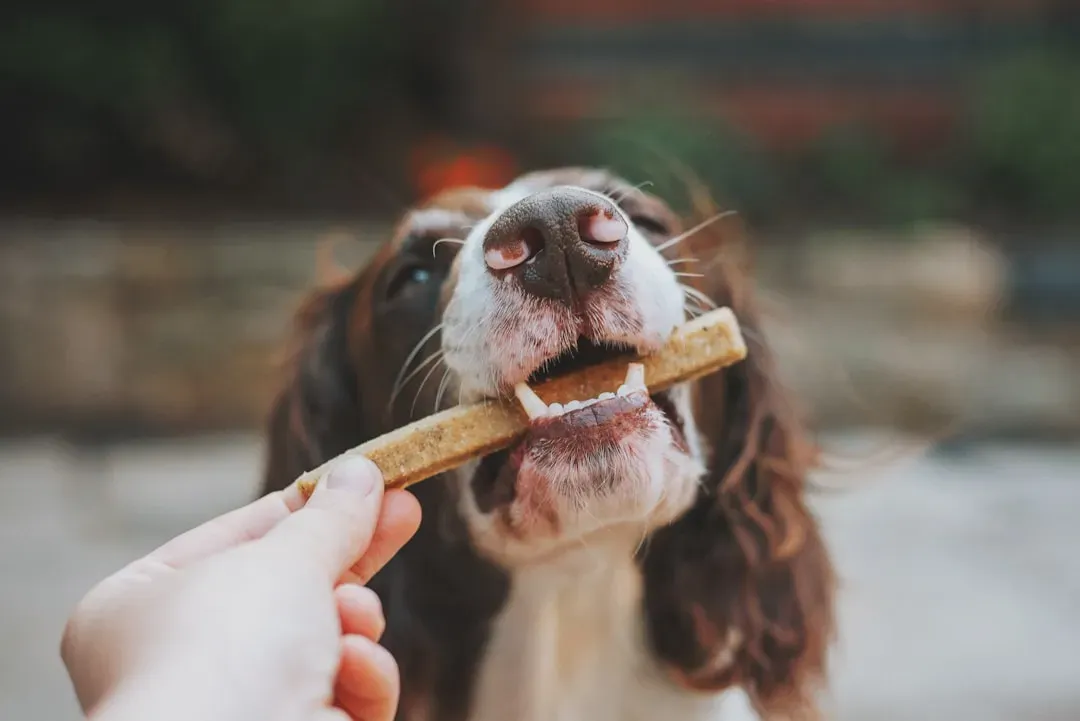
One of the most surprising explanations is also the oldest: your dog is still quietly ruled by ancient survival instincts. Long before kibble and comfy beds, dogs had to hunt, grab food quickly, and move it somewhere safer before eating. Carrying a treat around can be a modern echo of dragging prey to a secure spot in the wild.
Even tiny companion breeds can show this. That slow wander from room to room with a biscuit in their mouth can be their version of “finding a safe den.” In a calm household it seems pointless, but to their instincts, it’s just good strategy: find food, secure food, then eat. They’re living in 2026, but their brain software is still partly running on wolf-era code.
2. Treats Are Treasures, and Treasures Must Be “Managed”
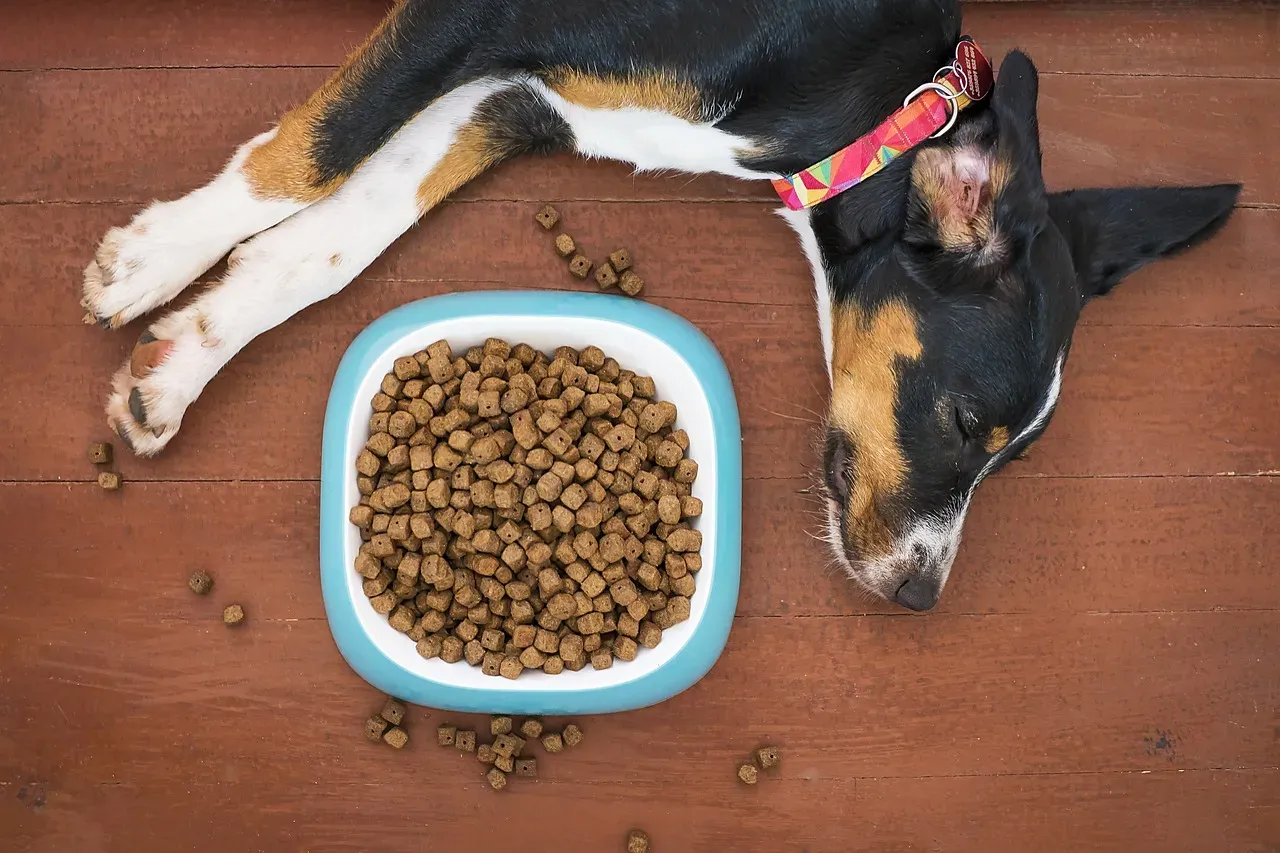
Some dogs simply treat high-value snacks like gold. They don’t just see a cookie; they see a jackpot. Carrying it around is their way of savoring the win, almost like you getting a bonus at work and walking around thinking about how you’ll spend it before you actually do. The delay can be part excitement, part indecision.
You might even notice a difference between types of snacks. A boring everyday kibble might get inhaled instantly, while a rare chew or meat treat gets paraded around proudly. When a dog “manages” a treasure, they may stash it, hold it, or show it off before committing to eating. It’s less about hunger and more about emotional value: this thing is special, and they’re going to enjoy that feeling.
3. They’re Looking for a Safe, Comfortable Place to Eat
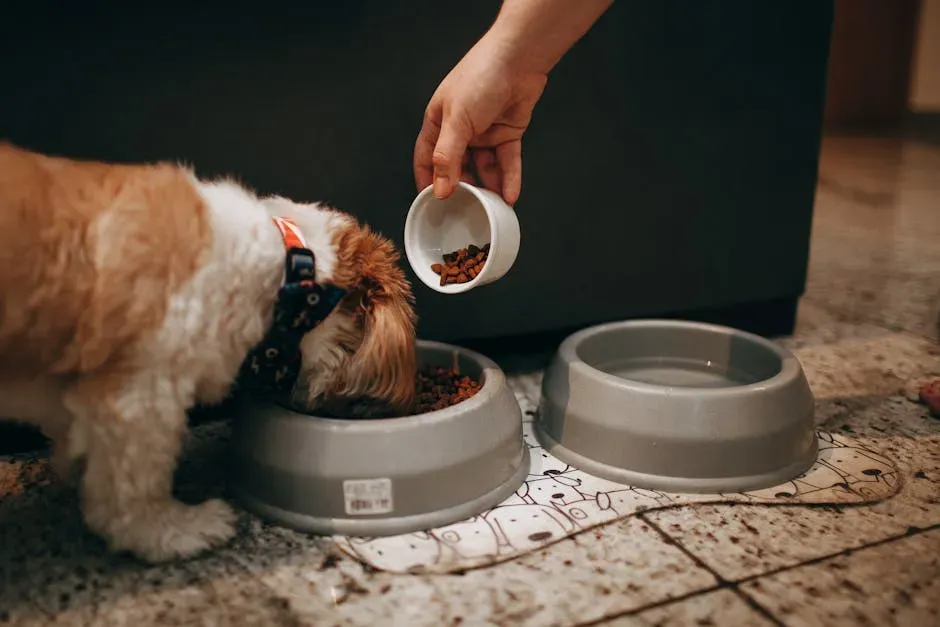
Many dogs will not eat where they do not feel fully safe or relaxed. If there’s a lot of noise, other pets nearby, or people moving around, they might instinctively decide the spot where they got the treat is not the best place to enjoy it. So they pick it up and walk off, searching for a corner, a bed, or a room that feels just right.
I’ve seen dogs consistently leave the kitchen with their treat and head straight to a hallway rug or the same couch cushion every time. That’s not random; they’re choosing their “dining room.” If your dog always relocates with a treat, they might simply be telling you that quiet and comfort matter to them more than you realized.
4. Guarding, Competition, and “I Don’t Trust You Yet” Vibes
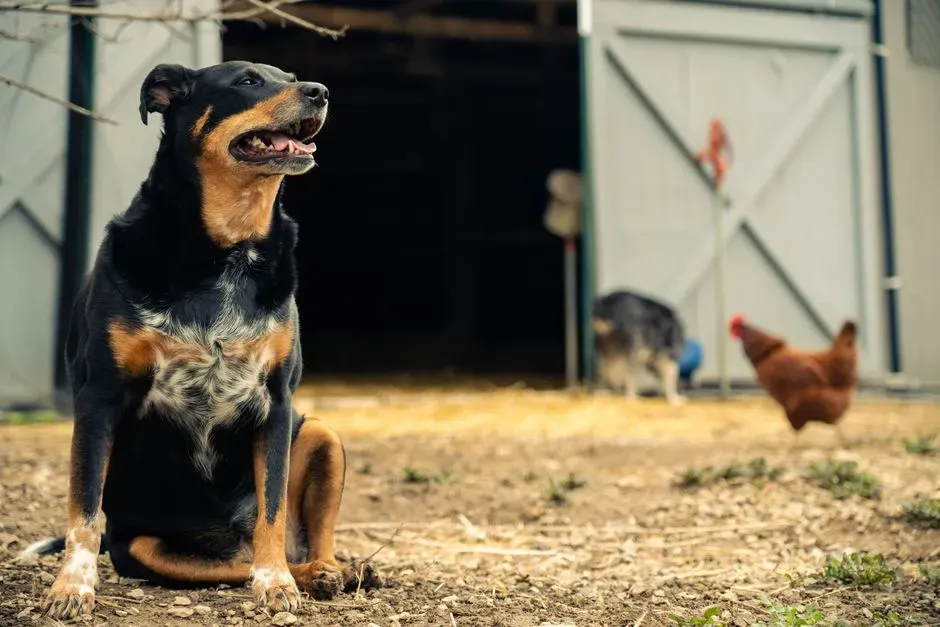
In multi-pet homes, carrying a treat can be a subtle form of resource guarding or competition. If there’s another dog, cat, or even a food-interested toddler around, your dog might grab the treat and move away to protect it. They’re not always being aggressive; they’re just making sure they actually get to enjoy what’s theirs.
Sometimes, this guarding instinct can even show up with humans. If a dog has had treats taken away in the past, or has felt pressured while eating, they might pace, hold the treat in their mouth, or hide it. If you notice stiff body language, quick glances at you or other pets, or growling when someone approaches, that’s a sign the behavior is about anxiety and protection, not just a cute quirk. In that case, it’s worth working on trust and boundaries around food.
5. Playfulness and Treats as Toys
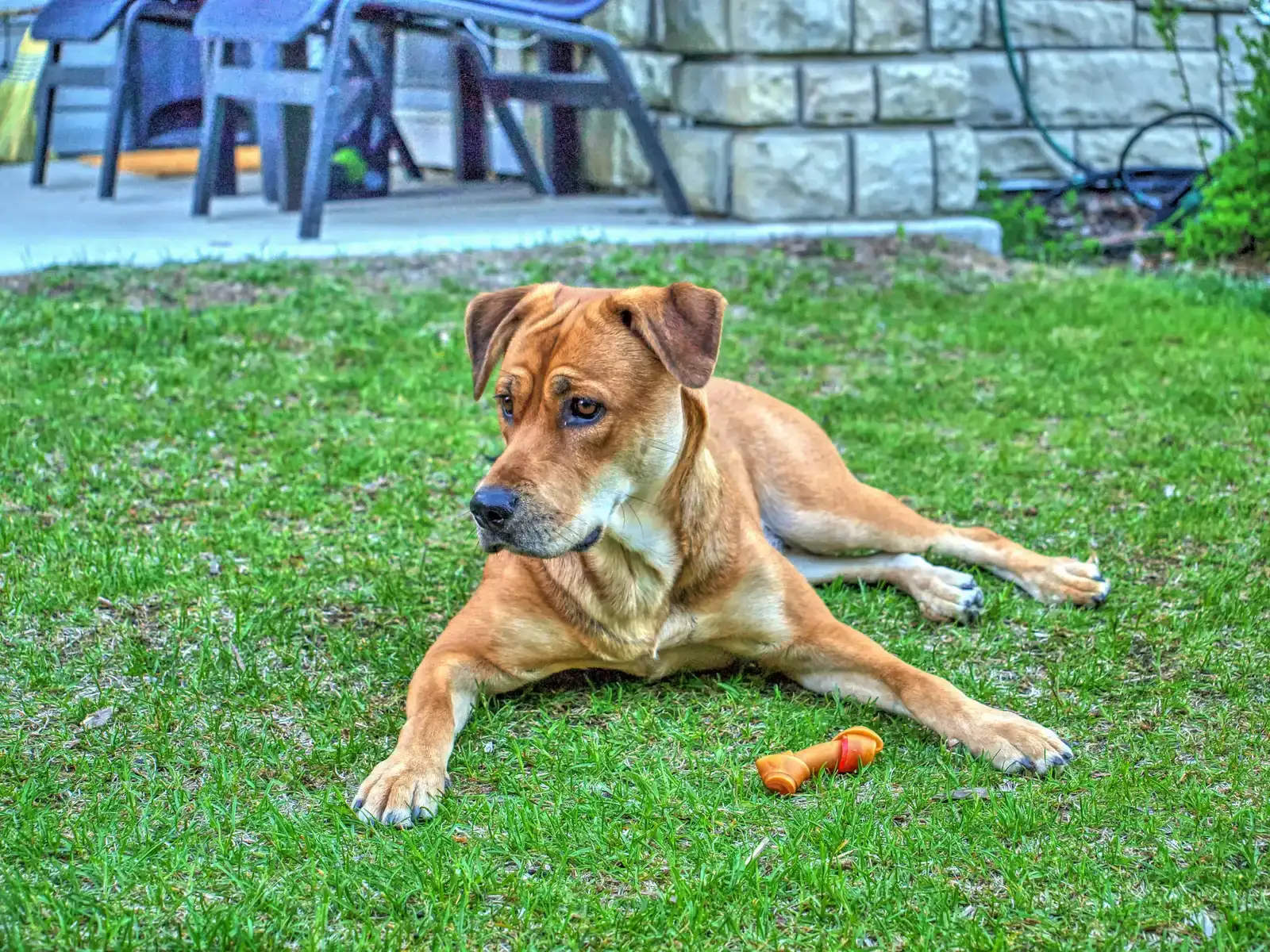
Not every behavior is deep or serious. Sometimes your dog is just… playing. For some dogs, a treat is both snack and toy, especially if it’s crunchy, oddly shaped, or rolls a bit. They might toss it in the air, pounce on it, or prance around proudly like they’ve just caught the world’s tiniest squirrel.
This is especially common in young, energetic dogs or naturally goofy personalities. The treat becomes part of a mini-game or ritual before they settle down to eat it. It’s like how some people swirl their drink, sniff their food, or rearrange their plate before taking a bite. Is it strictly necessary? No. Is it part of the fun? Absolutely.
6. Uncertainty, Stress, or Sensory Overload
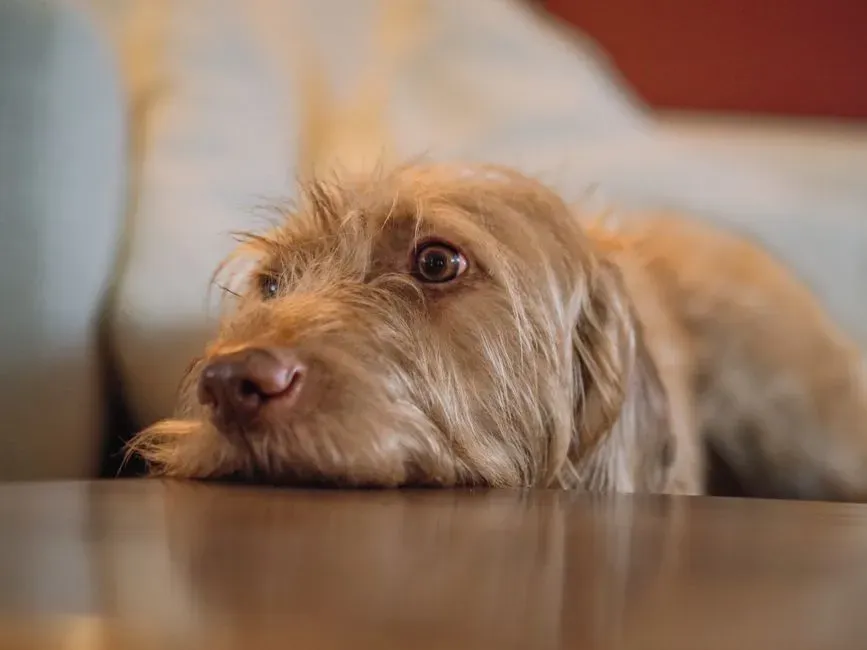
There’s also a less cheerful side to this habit: sometimes a dog carries a treat around because they are too stressed or conflicted to eat it right away. This can happen with nervous rescues, dogs in new environments, or dogs who are on edge due to noise, visitors, or sudden changes in the household. They want the treat, but something in their body says, “Not safe to relax yet.”
You might notice other clues: pacing, panting, lip licking, tucked tail, or startled reactions to small sounds. The treat becomes a kind of emotional hot potato. They hold onto it, walk with it, put it down, pick it up again, but can’t seem to just enjoy it. In those cases, the behavior is not just quirky; it’s a gentle signal that they need more calm, predictability, and reassurance in their world.
7. Learned Habits and Human Reactions
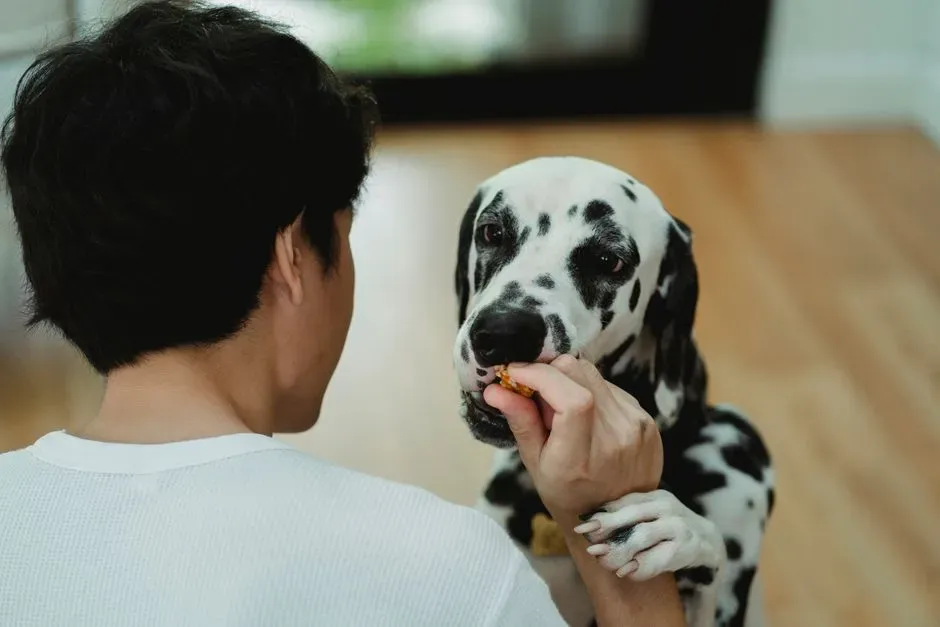
Here’s the part many owners don’t like to admit: sometimes we accidentally train this behavior because it’s cute. If you always laugh, talk to your dog, snap photos, or even give them extra attention when they wander around with a treat, you might be rewarding the ritual. To a smart dog, the pattern is simple: carry treat around = get more engagement from my favorite human.
Dogs are experts at turning random moments into habits, especially when they notice you reacting. Over time, what might have started as a one-off moment becomes a whole routine because it reliably leads to connection, praise, or play. Honestly, if I were a dog and discovered I could make my human smile and coo just by strolling past with a biscuit in my mouth, I’d probably do it every single day too.
Conclusion: A Small Quirk With a Big Story Behind It
Watching a dog can seem like a silly little behavior, but it’s often driven by serious forces: ancient instinct, emotional value, safety, competition, stress, or the joy of getting your attention. In many cases, it’s harmless and even charming, a reminder that your dog is not a robot but a thinking, feeling creature with their own private logic. As long as they eventually eat the treat and seem relaxed overall, there’s usually nothing to fix.
Where I get opinionated is here: we should treat these small quirks as invitations, not annoyances. Instead of just rolling our eyes, it’s worth asking what our dog might be telling us about their comfort, their environment, and the way we respond to them. That tiny stroll around the house with a biscuit in their mouth might be saying more than we think – so the real question is, are we paying attention?


