
7 Reasons Your Dog Is More Emotionally Perceptive Than the Most Educated Person in Your Life

Have you ever felt like your dog understands you better than your closest friends or even the most educated individuals you know? It’s not just your imagination. Dogs possess an extraordinary ability to perceive and respond to human emotions, often surpassing human capabilities in emotional intelligence. Let’s delve into seven compelling reasons why your canine companion might just be .
1. Dogs Can Read Human Facial Expressions

Dogs have an innate ability to interpret human facial expressions. Studies have shown that dogs can distinguish between happy and angry faces, responding differently to each. This sensitivity allows them to gauge our moods and react accordingly, often providing comfort when we need it most.
This skill isn’t limited to familiar faces; dogs can recognize emotions in strangers as well. Their ability to read subtle cues in our expressions enables them to navigate social interactions effectively, making them exceptional companions attuned to our emotional states.
2. Dogs Respond to Human Vocalizations

Beyond facial cues, dogs are adept at interpreting the tone and emotion in human voices. Research indicates that dogs can differentiate between various human emotional vocalizations, such as happiness, sadness, and anger. They often adjust their behavior based on the emotional content of our speech, showcasing their deep emotional attunement.
This responsiveness to vocal cues means that dogs can sense when we’re upset or joyful, even if our words don’t explicitly convey those emotions. Their ability to pick up on these subtleties makes them incredibly empathetic companions.
3. Dogs Detect Emotional Changes Through Scent

Dogs possess an extraordinary sense of smell, allowing them to detect chemical changes in our bodies associated with different emotions. They can sense stress, fear, and even happiness through the subtle changes in our scent. This olfactory sensitivity enables them to respond to our emotional states, often before we consciously acknowledge them ourselves.
This ability is so refined that dogs are even trained to assist individuals with anxiety disorders, alerting them to rising stress levels and providing comfort or intervention as needed. Their noses truly make them unparalleled emotional detectors.
4. Dogs Exhibit Social Referencing

Dogs engage in a behavior known as social referencing, where they look to their human companions to gauge how to react in uncertain situations. For instance, if a dog encounters something unfamiliar, they often look at their owner’s facial expression or body language to decide whether the situation is safe or threatening.
This reliance on human emotional cues demonstrates their deep connection to us and their ability to interpret and mirror our emotions, ensuring they respond appropriately to various scenarios.
5. Dogs Show Empathetic Behavior
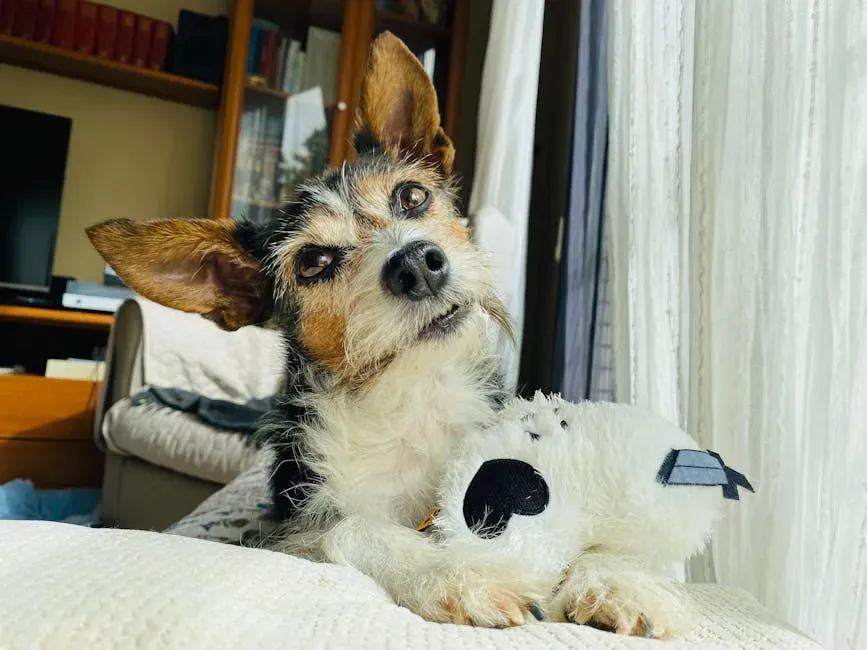
Empathy isn’t exclusive to humans; dogs exhibit empathetic behaviors by responding to the emotions of their owners and even strangers. They often approach and comfort individuals who are crying or distressed, showcasing their ability to sense and react to human emotions.
This empathetic response is not merely a learned behavior but appears to be an intrinsic part of their nature, highlighting the depth of their emotional intelligence.
6. Dogs Can Infer Human Intentions

Dogs are capable of understanding human intentions by observing our actions and emotional expressions. They can anticipate our needs and respond accordingly, whether it’s bringing a toy when they sense playfulness or offering a comforting presence when they detect sadness.
This ability to infer intentions makes dogs incredibly attuned to our emotional and psychological states, often providing support without explicit cues.
7. Dogs Form Strong Emotional Bonds

The bond between dogs and humans is profound, built on mutual trust and emotional connection. This relationship enhances their sensitivity to our emotions, as they become deeply attuned to our behaviors and feelings over time.
This strong emotional bond means that dogs often prioritize their human companions’ well-being, offering unwavering support and companionship that rivals, and sometimes surpasses, human relationships.
In conclusion, while education and intellect are valuable, they don’t necessarily equate to emotional perceptiveness. Dogs, with their keen senses and deep emotional connections, often surpass even the most educated individuals in understanding and responding to human emotions. Their ability to read our faces, interpret our voices, detect changes in our scent, and respond empathetically makes them unparalleled companions in our emotional lives. So, next time you’re feeling down or joyful, remember that your furry friend is likely more in tune with your emotions than you might expect. Isn’t it remarkable how our canine companions can teach us so much about empathy and emotional connection?