
7 Silent Behaviors That Prove Your Dog Knows Something Is Wrong With Your Health Before You Do

Dogs have long been celebrated as man’s best friend, but their abilities extend far beyond companionship. Many dog owners have recounted instances where their furry friends exhibited unusual behaviors, only to discover later that they were unwell. This uncanny ability of dogs to detect health issues in humans is not just anecdotal; it’s rooted in their extraordinary senses and deep bond with us.
1. Uncharacteristic Clinginess
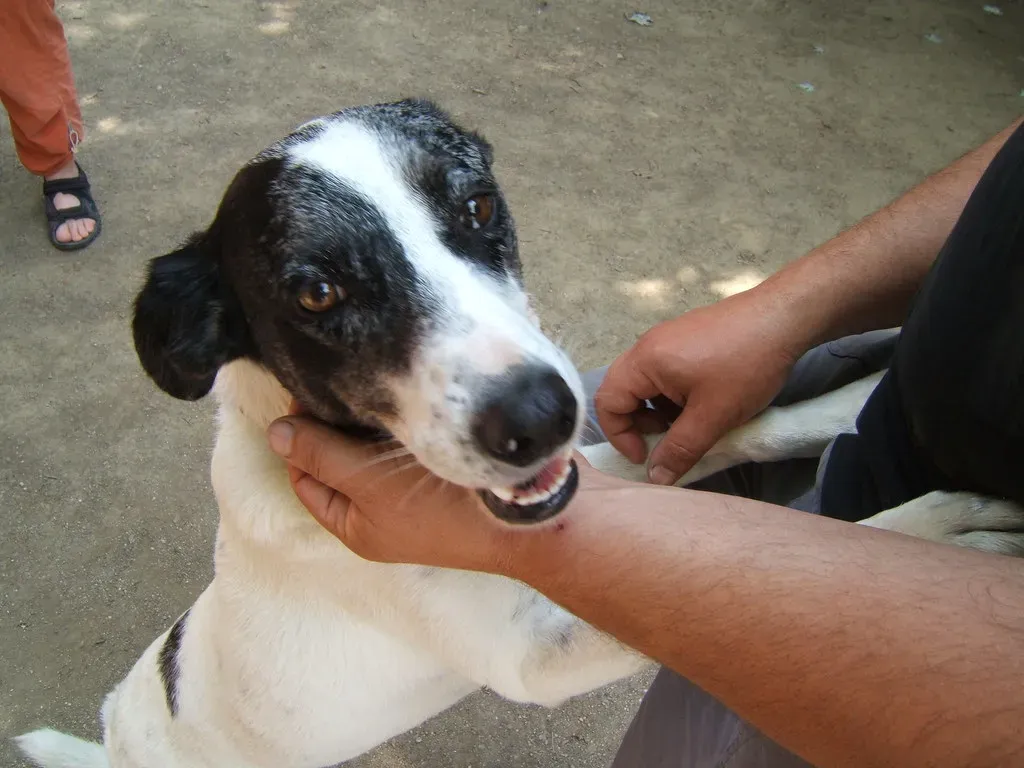
If your independent pup suddenly becomes your shadow, it might be more than just a desire for attention. Dogs are highly attuned to changes in their environment, including subtle shifts in your health. When they sense something amiss, they often respond by staying close, offering comfort and keeping a watchful eye on you.
This behavior stems from their pack instincts. In the wild, pack members stick together, especially when one is vulnerable. Your dog perceives you as part of their pack and feels a duty to protect and support you during times of weakness.
2. Persistent Sniffing of a Specific Area

Dogs possess an olfactory system far superior to humans, allowing them to detect minute chemical changes in our bodies. If your dog fixates on sniffing a particular part of your body, it could be their way of alerting you to an underlying issue.
There have been documented cases where dogs have identified cancerous growths in their owners by persistently sniffing or licking the affected area. While this behavior doesn’t guarantee a health problem, it’s worth paying attention to and consulting a medical professional if it persists.
3. Sudden Onset of Protective Behavior
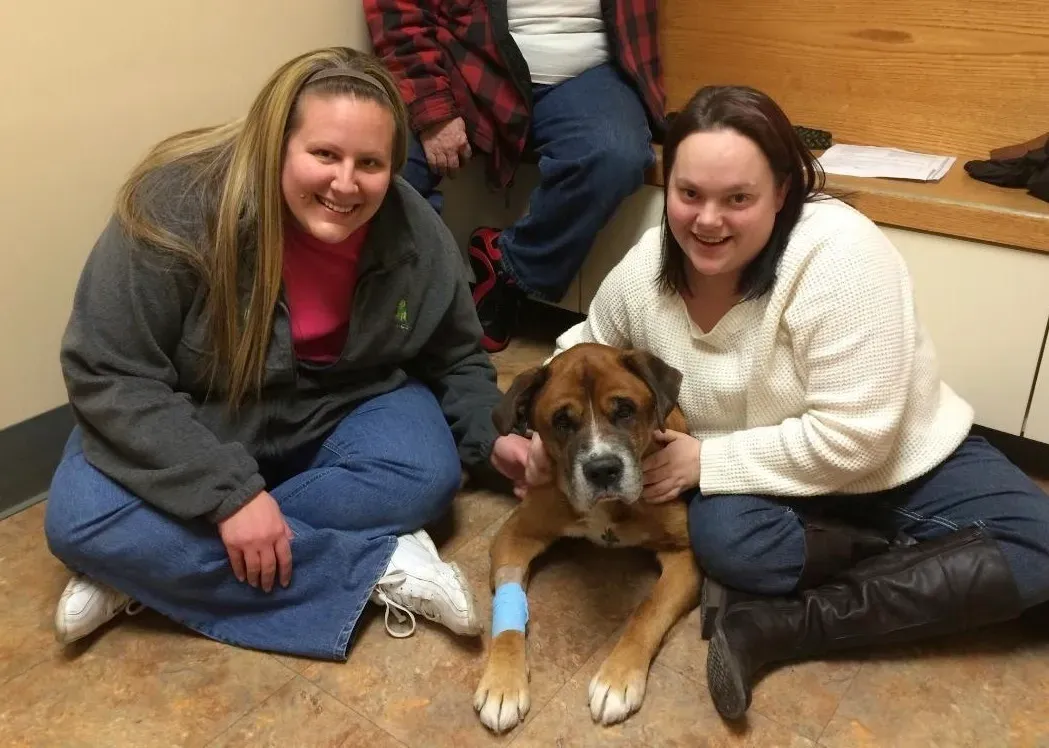
A dog that becomes unusually protective, positioning themselves between you and others or displaying guarding behaviors, might be sensing a vulnerability in you. This heightened protectiveness can manifest as growling at strangers, refusing to leave your side, or even blocking doorways.
Such behavior indicates that your dog perceives you as being in a weakened state and feels the need to shield you from potential threats. It’s their instinctual way of ensuring the safety of their pack leader.
4. Changes in Their Own Eating Habits

An unexpected decrease in your dog’s appetite or interest in food can be a silent signal that they’re sensing something off with you. Dogs are sensitive to the emotional and physical states of their owners, and your illness or distress can impact their own well-being.
This empathetic response showcases the deep bond between humans and dogs. Your dog’s loss of appetite might mirror their concern for you, reflecting their emotional connection and awareness of your health status.
5. Restlessness or Agitation

If your typically calm dog becomes restless, paces, or seems unable to settle, it could be a reaction to changes in your health. Dogs can detect alterations in your body chemistry and may respond with anxiety or agitation.
This restlessness is their way of expressing concern and trying to alert you to the fact that something isn’t right. It’s as if they’re saying, “Pay attention; something’s off.”
6. Excessive Licking or Nuzzling

An increase in licking or nuzzling behavior, especially directed towards a specific area of your body, can be a dog’s attempt to heal or comfort you. This behavior is rooted in their instinct to care for wounded pack members.
While it might seem like a simple display of affection, excessive licking or nuzzling can be a sign that your dog senses an issue and is trying to provide relief or draw your attention to the problem area.
7. Unusual Whining or Vocalizations

Dogs communicate through a variety of vocalizations, and an increase in whining, whimpering, or other unusual sounds can indicate distress. If your dog starts vocalizing more than usual without an apparent reason, they might be sensing a health issue in you.
This behavior is their way of expressing concern and attempting to alert you. It’s essential to observe and consider these vocal cues, especially if they coincide with other unusual behaviors.
Conclusion
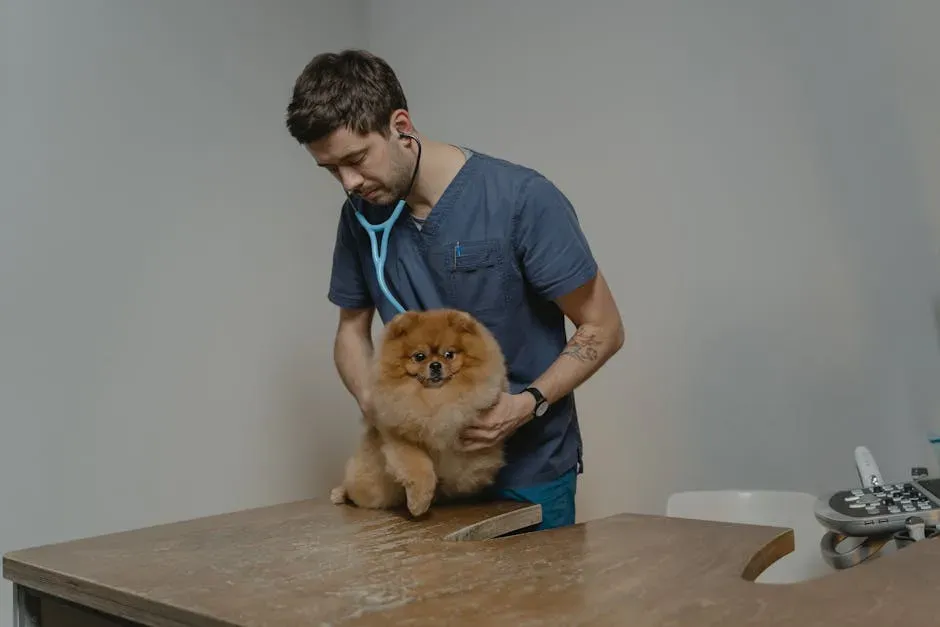
Our canine companions are more than just pets; they’re intuitive beings deeply connected to us. Their silent behaviors can serve as early warning systems, alerting us to health issues we might not yet be aware of. By paying attention to these subtle cues, we not only strengthen our bond with our dogs but also gain valuable insights into our own well-being. So, the next time your dog acts out of the ordinary, consider it a nudge to check in with yourself. After all, who knows you better than your loyal four-legged friend?