
The belly-up moment says more than any trick ever could
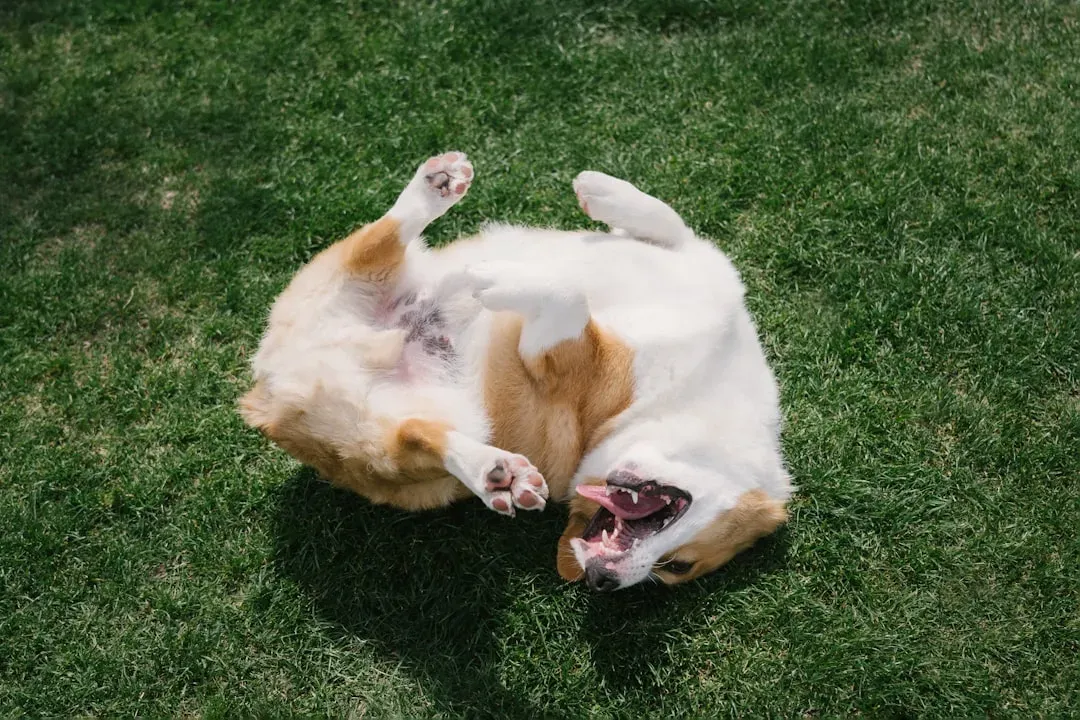
When a dog rolls onto its back and exposes its stomach, it is doing something biologically risky. The belly, throat, and groin are the most vulnerable parts of a dog’s body, and in the wild, exposing them to another animal is rarely a casual choice. A dog that flops over for a belly rub in your presence is telling you, without hesitation, that it does not expect to be hurt. This is different from a submissive roll during a tense interaction with another dog, which often comes with stiff muscles and a tucked tail.
Watch the context closely. A relaxed belly exposure comes with loose limbs, a soft face, and sometimes a lazy tail thump against the floor. Compare that to a fearful roll-over, where the body stays tight and the eyes stay wide, watching for what happens next. If your dog regularly offers you the relaxed version, especially after a nap or during a quiet evening, you’re seeing genuine comfort, not just a bid for attention.
Soft eye contact is your dog’s version of a smile
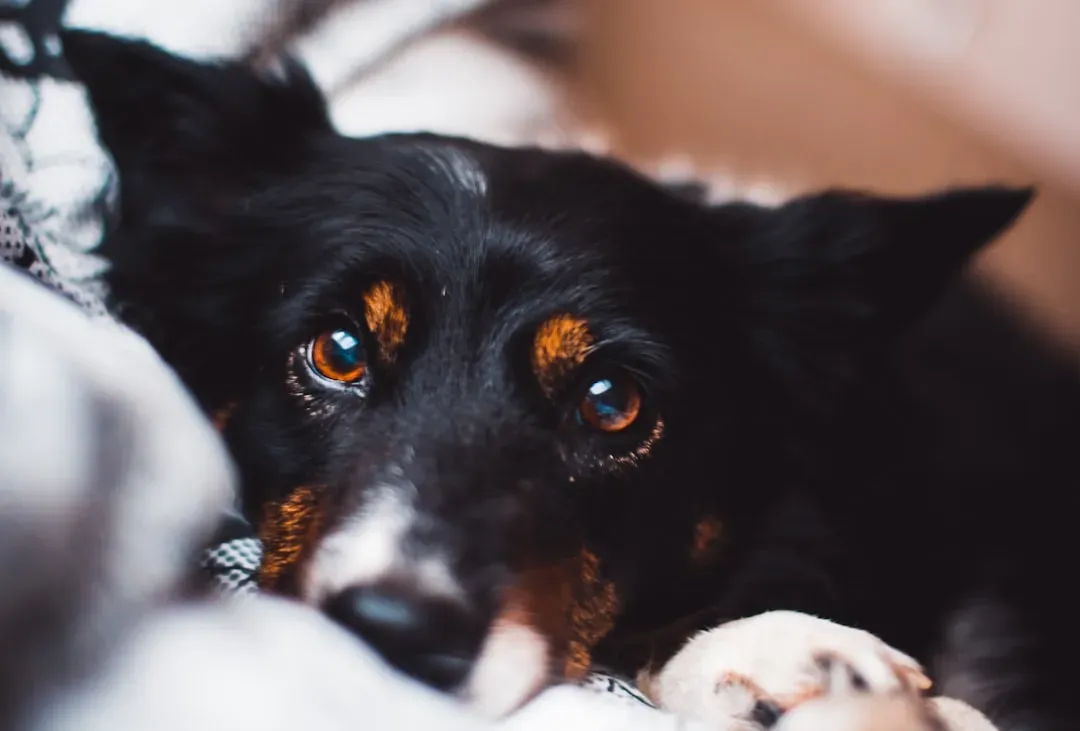
Direct staring between dogs can be a challenge or a warning. But the slow, half-lidded gaze a dog gives its favorite human is something else entirely, often nicknamed “dog kisses” by trainers and behaviorists. This soft eye contact typically comes with relaxed eyebrows, a loose jaw, and sometimes a gentle blink right as your eyes meet. It’s a deliberate signal of safety, not a stare-down.
There’s actual science behind why this matters so much. Mutual gazing between dogs and their owners has been linked to a rise in oxytocin, the same hormone involved in parent-child bonding, in both species. So when your dog holds that soft gaze a beat longer than usual, it isn’t just cute. It’s a real physiological exchange, one that deepens with repetition over months and years together.
Leaning into you is a physical vote of confidence
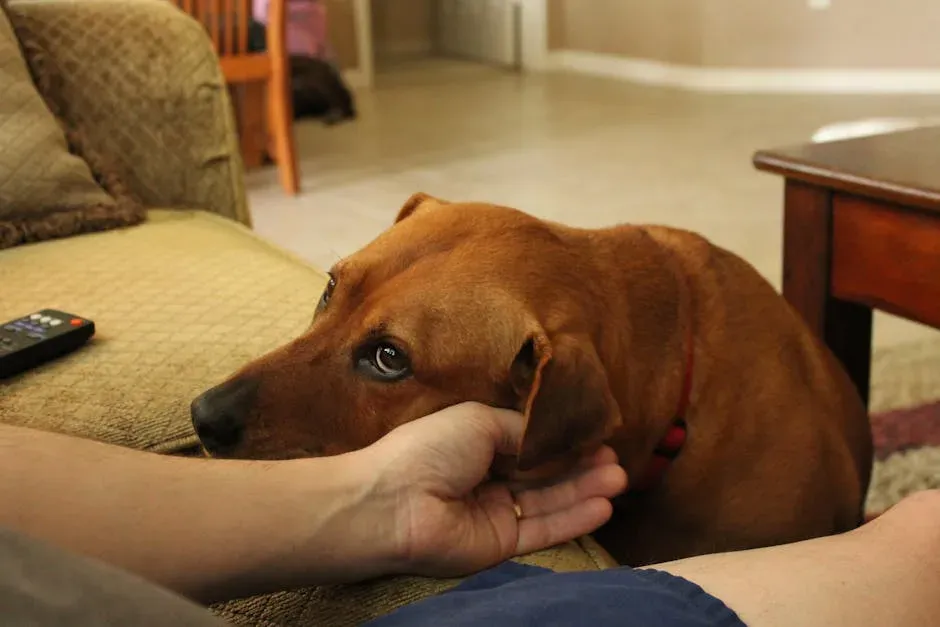
Some dogs lean their full body weight against your leg while you’re standing in the kitchen or sitting on the couch. This isn’t the same as being pushy or demanding space. A trusting lean is slow and settled, often paired with a sigh or a relaxed tail, and the dog usually stays there without shifting or scanning the room. It’s the canine equivalent of resting your head on someone’s shoulder.
Leaning behavior tends to intensify in dogs that were once anxious or came from uncertain backgrounds, including many rescues. A dog that once flinched at sudden movement, gradually learning to press its weight into your side, is showing you the arc of a relationship built over time. If you notice this shift happening slowly, it’s worth acknowledging how far that trust has come.
Following you room to room isn’t clinginess, it’s connection
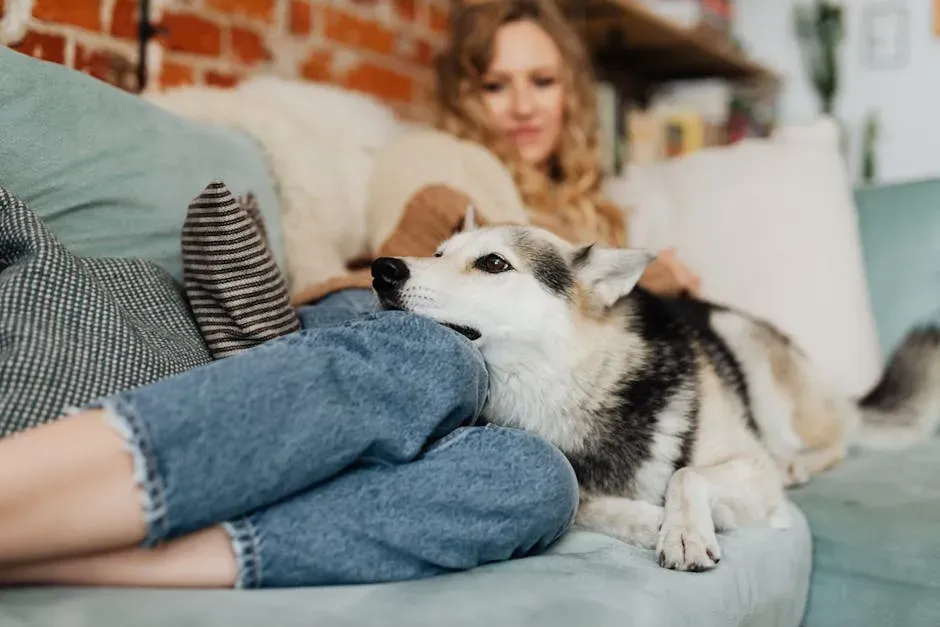
Owners sometimes joke about their “velcro dog,” the one that trails behind them from the kitchen to the bathroom and back again. While excessive shadowing can occasionally signal separation anxiety, especially if it comes with whining or pacing, a calm, low-key habit of following is usually just proximity seeking. Dogs are a social species, and staying near a trusted person is an old survival instinct repurposed for modern living rooms.
The distinction matters for your dog’s wellbeing. Anxious following tends to look frantic, with the dog unable to settle even once it reaches you. Trust-based following is calmer. The dog arrives, flops down nearby, and seems content simply being in the same space, not needing constant contact, just closeness.
A relaxed yawn near you is a hidden compliment
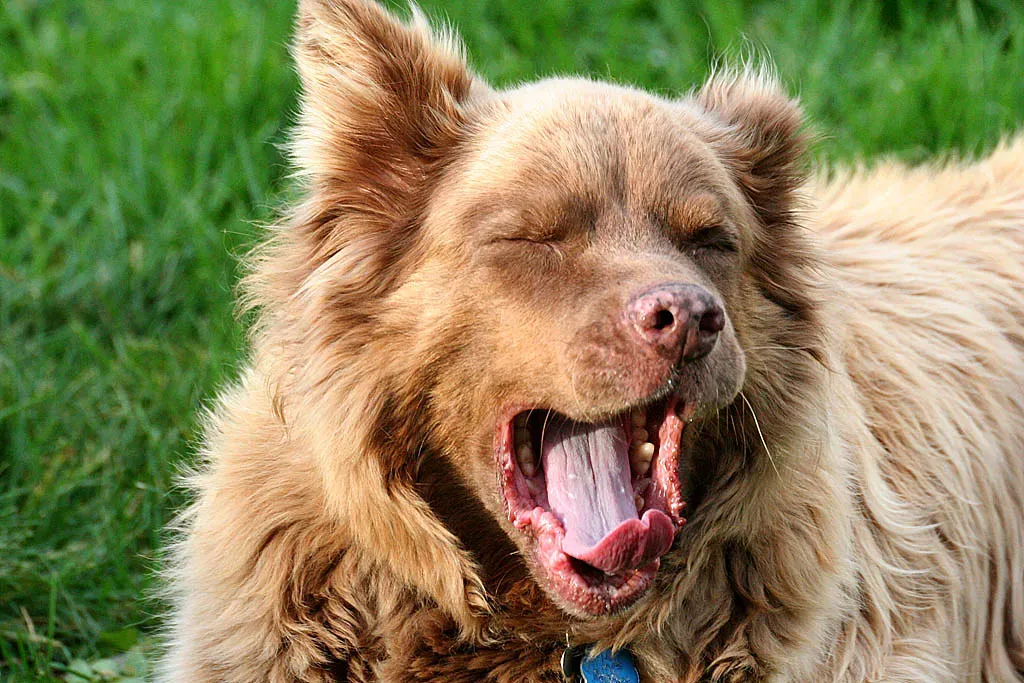
Yawning in dogs often gets mistaken for boredom or tiredness, but it frequently serves as a calming signal, a way dogs regulate their own stress and communicate ease to others nearby. A dog that yawns while lounging beside you, especially during quiet, low-stimulation moments, is often signaling that its nervous system feels settled. This is distinct from a stress yawn, which tends to appear alongside lip licking, a tucked tail, or a stiff posture during something like a vet visit.
Context is everything here. If your dog yawns after a long walk while curled up on the rug near your feet, that’s a sign of contentment, not disinterest. Noticing the difference between a stress yawn and a comfort yawn takes practice, but once you catch it, you’ll start seeing how often your dog is quietly telling you it feels safe.
Bringing you their favorite toy is an act of trust, not just play
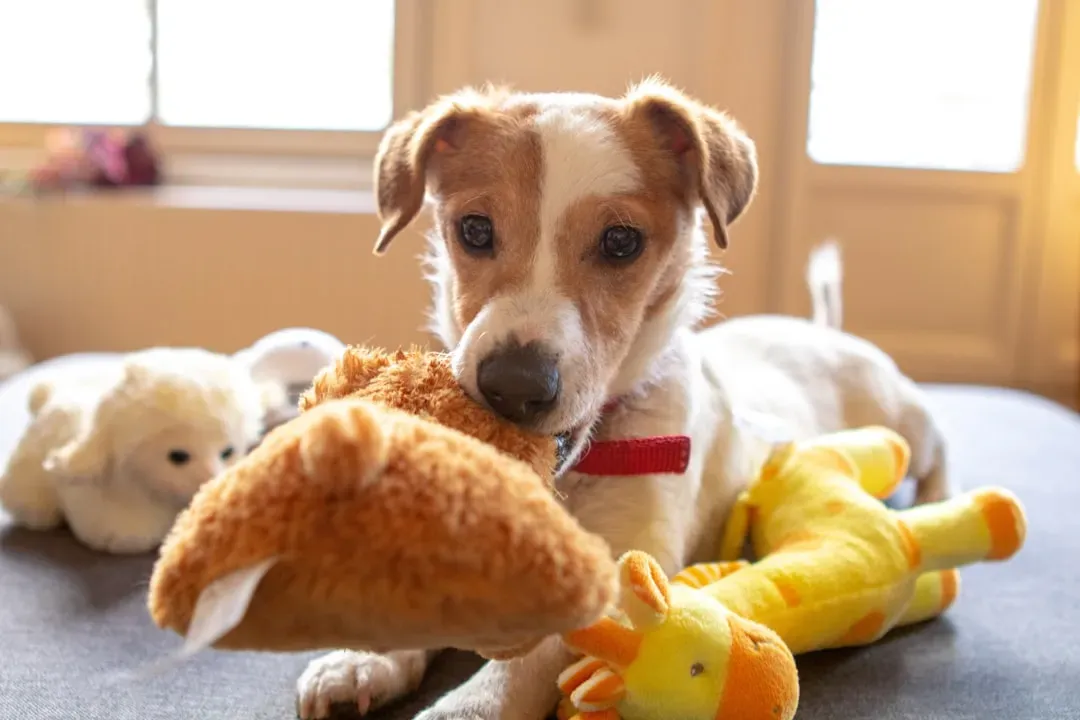
When a dog drops a toy at your feet, it’s easy to assume it’s simply asking to play fetch. Sometimes that’s true. But many dogs also bring objects, toys, socks, even shoes, to people they feel safe around, almost like an offering. This behavior echoes wild canine instincts around sharing resources within a trusted social group, rather than guarding them.
Resource guarding, where a dog stiffens or growls over food or objects, sits at the opposite end of this spectrum. A dog willingly handing over a prized toy, tail loose and body relaxed, is showing the reverse behavior entirely. It’s a small gesture, but it reflects a dog that doesn’t feel it needs to protect what it has from you.
Deep, vulnerable sleep is the ultimate sign of trust
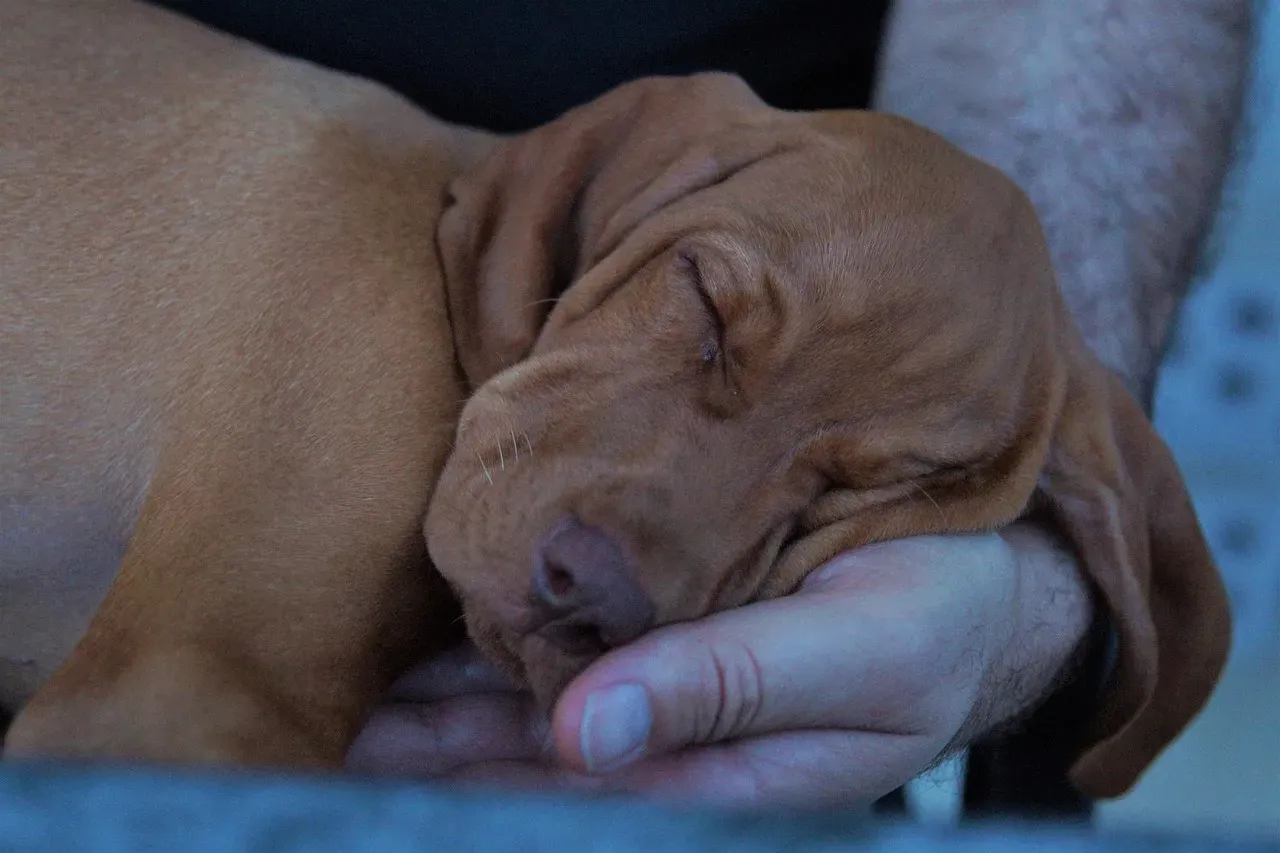
Dogs are naturally cautious sleepers by instinct, often choosing spots where they can monitor their surroundings. A dog that sleeps deeply near you, twitching through dream cycles with legs splayed out and belly exposed, has decided your presence equals safety. Light, easily startled sleep, by contrast, often shows up in dogs that are anxious, in unfamiliar environments, or still adjusting to a new home.
Pay attention to where and how your dog chooses to nap. A dog curled in a tight ball near the door is likely staying alert. One sprawled loosely on your feet, breathing slow and even, has essentially switched off its internal alarm system. That kind of surrender doesn’t happen with someone a dog doesn’t trust.
Reading the signs, building the bond
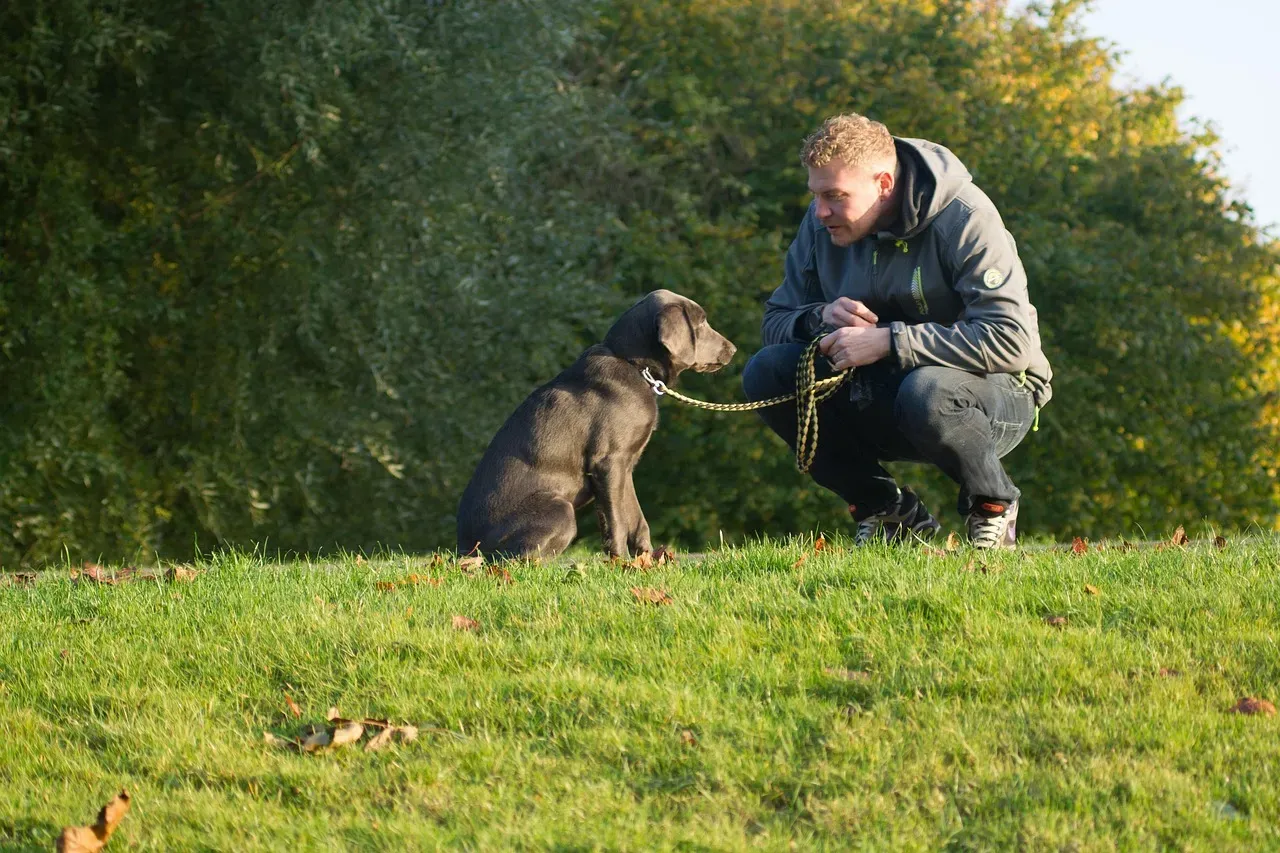
Trust between dogs and humans isn’t built through a single dramatic moment. It accumulates slowly, through thousands of small, ordinary interactions where your dog learns, again and again, that you’re safe to be around. Recognizing these behaviors isn’t just satisfying, it’s useful, since a dog showing less trust than usual, suddenly avoiding eye contact or refusing to relax around you, can be an early clue that something’s off, whether it’s pain, stress, or a shift in the household.
The good news is that trust is renewable. Consistency, patience, and paying attention to these quiet signals will keep strengthening the bond you already have. The next time your dog rolls onto its back for a belly rub or leans its full weight against your leg, take a second to notice it. That’s not just affection. That’s your dog telling you, in its own way, that you’ve earned something real.


