
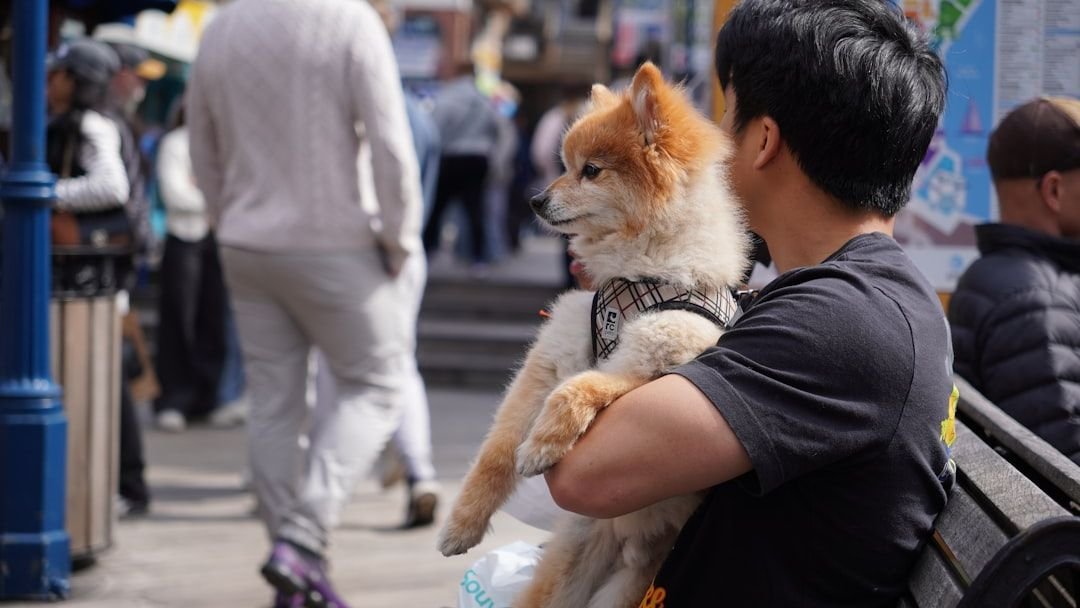
You walk through your front door after a long, draining day. Before your bag even hits the floor, there’s a warm, wriggling body pressed against your legs, tail sweeping the air like a metronome set to pure joy. Most of us assume that’s just “a dog being a dog.” What if it’s actually a thank-you?
Research published in Current Biology found that when dogs receive care, attention, and affection, their brains release oxytocin, the same hormone responsible for feelings of love and bonding in humans. This hormone not only helps to create a bond between dogs and their owners, but also indicates that dogs are capable of experiencing positive emotions in response to kindness. So while we can’t say for certain that dogs feel “thankful” in the exact way humans do, we can infer that they experience something remarkably close to gratitude.
Dogs can’t write a thank-you card or say the words out loud. What they can do is show you in seven quiet, beautiful, and often overlooked ways every single day. Here’s what those moments actually mean.
1. The Big, Sweeping Tail Wag That Involves Their Whole Body
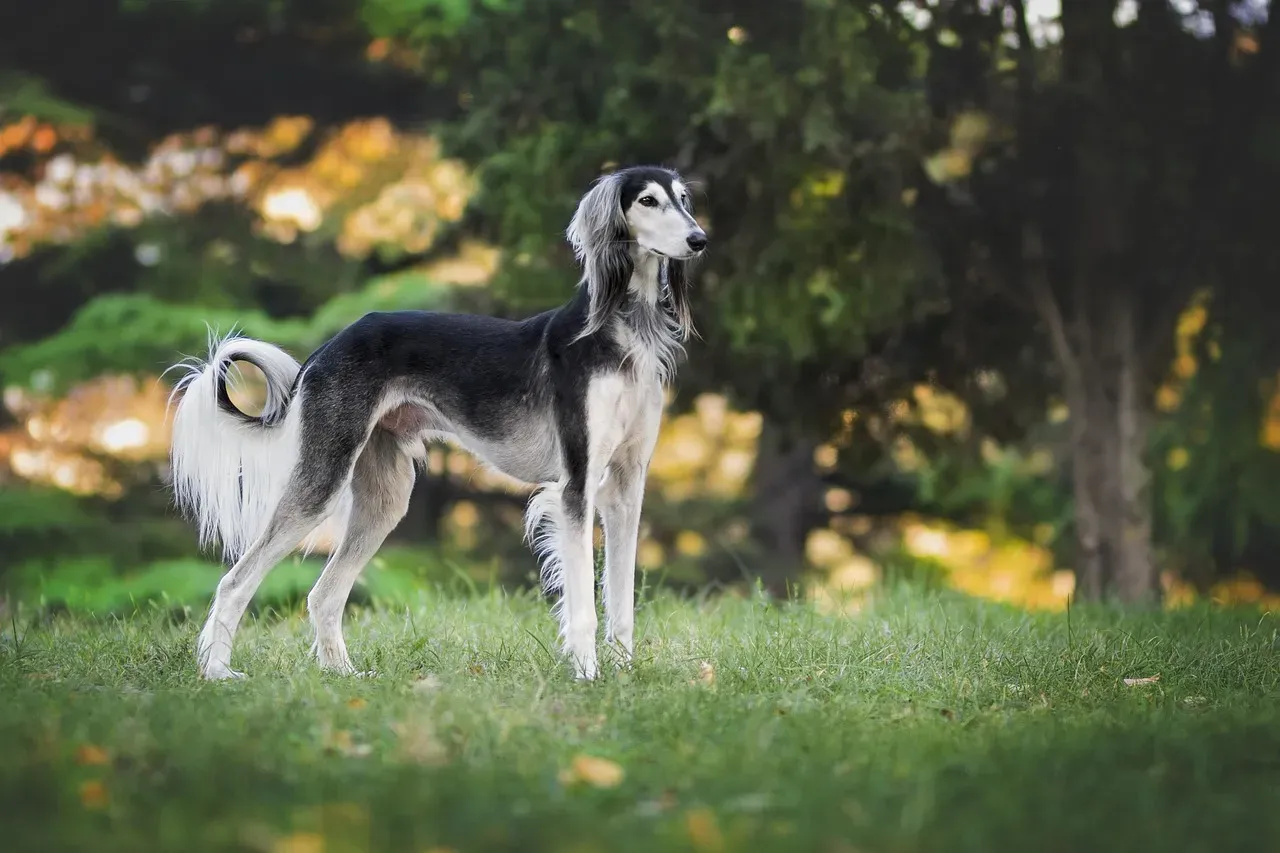
Most dog owners know tail wagging means happiness. What fewer people realize is that not every wag carries the same message. The body posture surrounding the wag is the key to understanding what your dog is actually communicating.
One of the most common ways dogs show happiness and gratitude is through tail wagging. Not all tail wags are the same. When your dog’s tail wags in broad, sweeping motions paired with a relaxed body posture, it’s a clear sign of joy and thankfulness. This kind of tail wag often happens when your dog is excited to see you or after you’ve done something they love, like giving them a treat or taking them on a walk.
A wagging tail is not only a visual display of happiness but also serves as a communication tool. The direction and speed of the wag can convey different emotions. A broad wag with the entire body involved often signifies excitement and happiness. On the other hand, a slower wag with the tail held lower may indicate submission or uncertainty. Next time your dog gives you that full-body shimmy at the door, take it for exactly what it is: a genuine, physical expression of appreciation for your return.
2. The Soft, Lingering Gaze That Feels Like More Than a Look
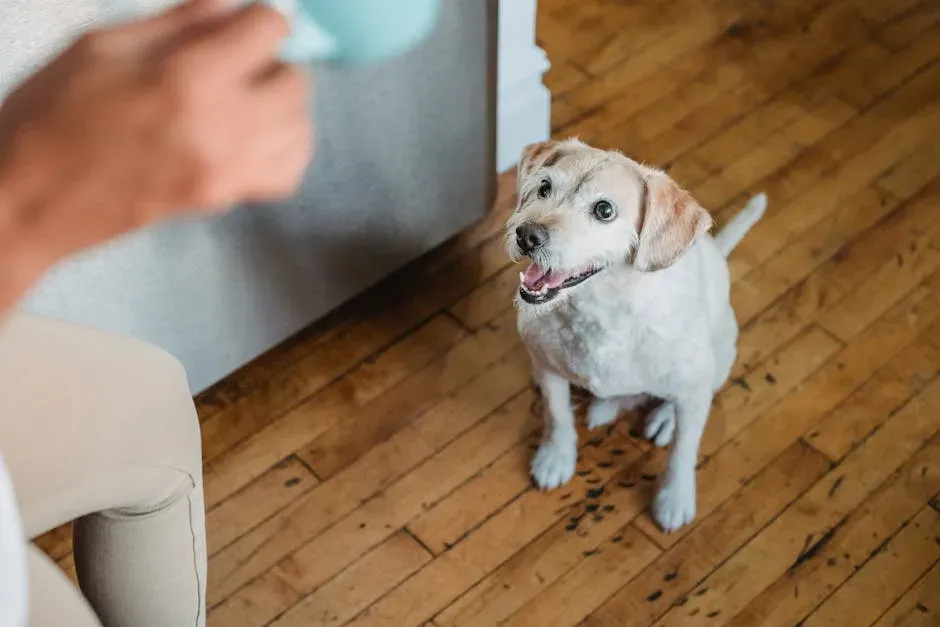
There’s something undeniably moving about a dog who holds your gaze. It turns out there’s solid science behind why it feels so significant.
Research conducted by researchers at Azabu University demonstrated that dogs and their owners experience a mutual release of oxytocin when they gaze into each other’s eyes. This release of oxytocin occurs in bonded pairs but is significantly less in interactions between unfamiliar dogs and humans. This finding suggests that the bond formed through shared positive experiences and emotional trust results in a physiological response indicative of genuine attachment.
Dogs seem to understand us in a way that no other animal does. People and dogs also look into each other’s eyes while interacting, a sign of understanding and affection that dogs’ closest relatives, wolves, interpret as hostility. Dogs that are emotionally attached to their owners tend to maintain eye contact, looking at them with soft, relaxed eyes. Eye contact releases oxytocin, often referred to as the “love hormone,” in both dogs and humans. If your dog looks at you with soft, half-closed eyes, hold that gaze. It’s a rare and meaningful exchange.
3. Following You From Room to Room
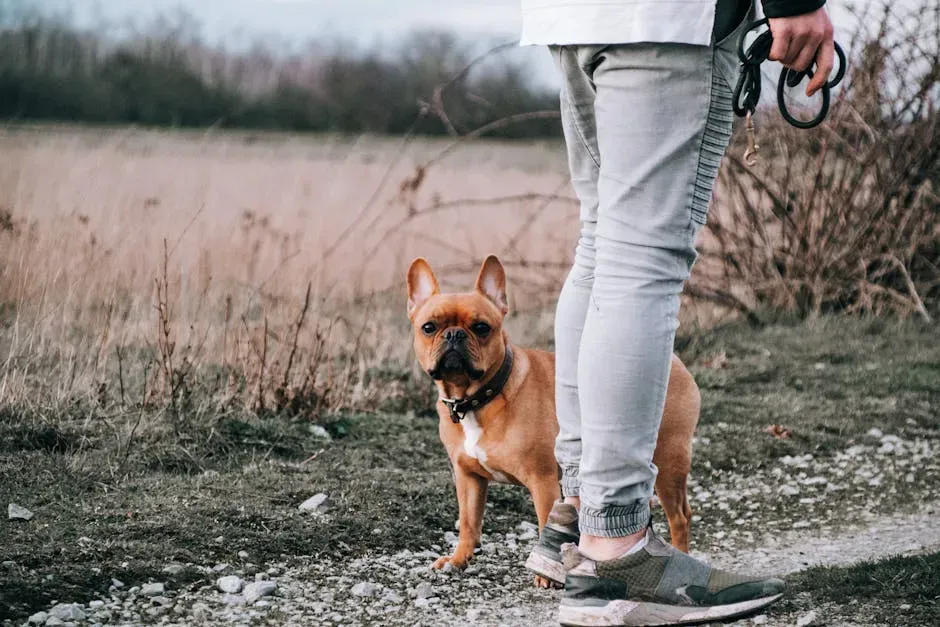
Many people laugh it off when their dog trails them to the bathroom or hovers in the kitchen while dinner is being made. It can even feel a little inconvenient. Seen through a canine behavioral lens, though, it’s one of the most consistent signs of appreciation and trust a dog can offer.
A telltale sign that your dog is emotionally attached to you is if they want to join you for every part of your daily routine. An emotionally attached dog will follow their human around the house from the moment they wake up, making sure that they are always within sight. Whether you’re brushing your teeth, washing the dishes, or doing a workout, your four-legged friend wants to be involved.
One of the key signs of a strong bond is a dog’s desire for proximity. Dogs often seek to be close to their owners, whether they are following them from room to room or cuddling up beside them. This constant presence is a sign of their attachment and a reflection of their need for emotional closeness. It’s not clinginess. It’s companionship chosen freely, and that distinction matters quite a bit.
4. Bringing You Their Favorite Toy as a Gift
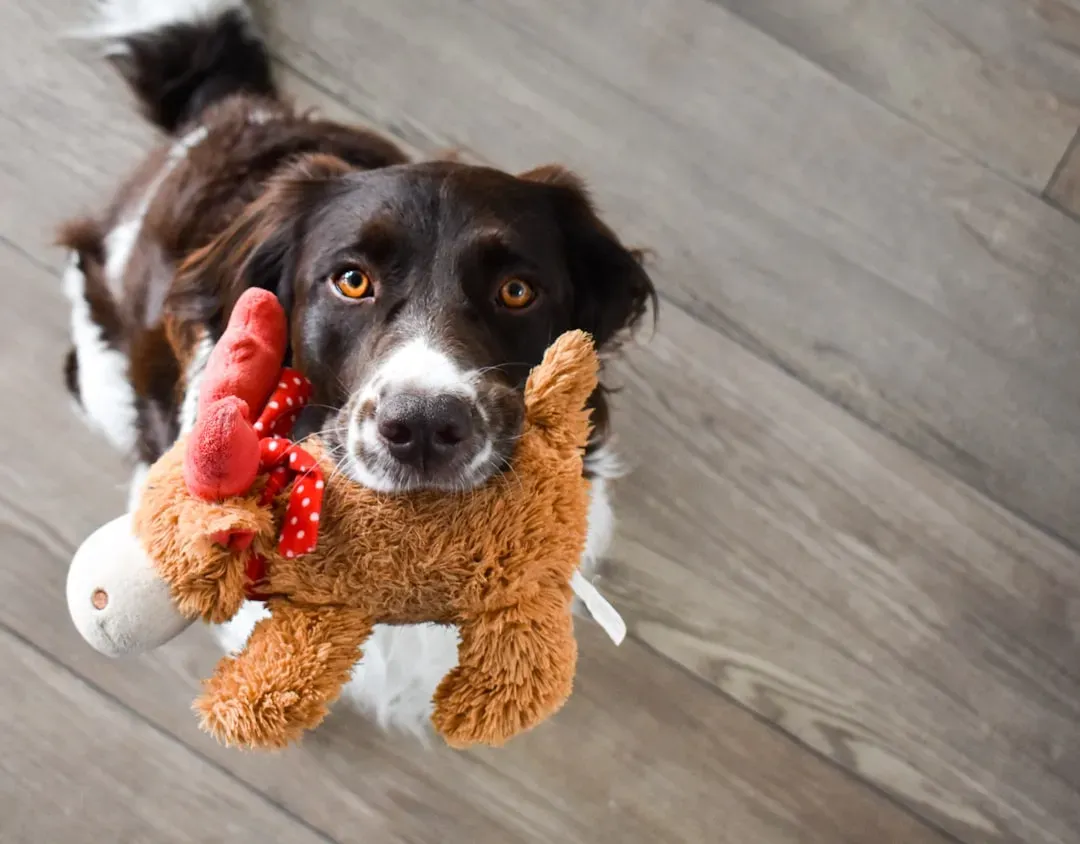
Picture this: you’ve just come home, or maybe you’re sitting on the couch after a rough week. Your dog disappears briefly and returns proudly, dropping their most treasured squeaky toy at your feet. This isn’t a random act. It’s one of the more touching things a dog can do for a person they love.
If your dog ever brings you their favorite toy, they’re not just asking to play. Dogs often share their prized possessions as a way to say “thank you.” It’s a sign of trust and appreciation, especially when they offer up something that’s valuable to them. By sharing their toy, your dog is reciprocating the love and kindness you’ve shown them, making this one of the sweetest ways they show gratitude.
Some dogs express their attachment by bringing you toys or other items as gifts throughout the day. This behavior is similar to how a mother dog might bring food to her puppies, showing that they want to provide for you. So the next time your dog nudges a soggy tennis ball into your lap, understand that in dog language, that’s a fairly significant gesture of care.
5. Leaning Their Body Against You
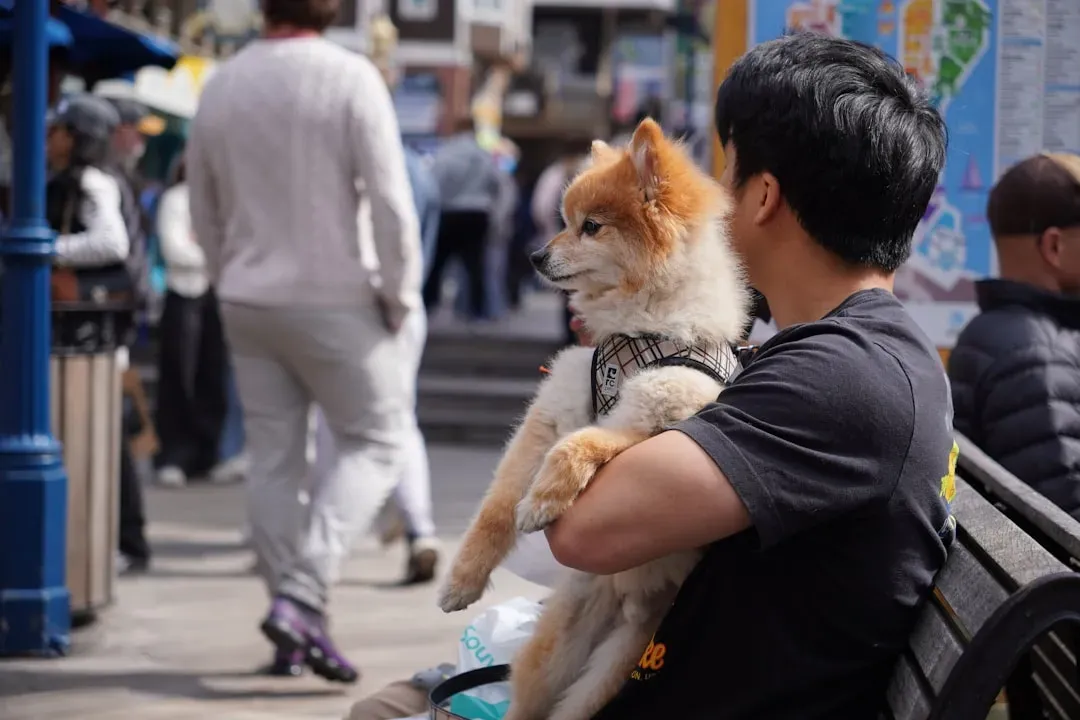
It’s easy to overlook because it’s so understated. Your dog wanders over, presses their flank gently against your leg or leans their full weight into your side, and just stays there. No fuss, no noise. Just warmth and contact.
When a dog leans against you or presses their body close to yours, they’re saying they feel safe and trust you. This act of leaning is a subtle but powerful gesture of gratitude. It’s your dog’s way of thanking you for being their protector and providing them with a secure, loving environment.
If your dog leans their body weight against you or rests their head on your lap, it’s a sign of trust and attachment. They only do this with people they feel comfortable and secure around. When a dog leans on you, it shows trust and the desire for closeness. Dogs lean on people for comfort and to feel secure. This act indicates they feel safe around you. It’s one of those moments worth pausing for, because few animals on earth will entrust their whole body weight to another living being so willingly.
6. Checking In on You When You’re Upset or Unwell
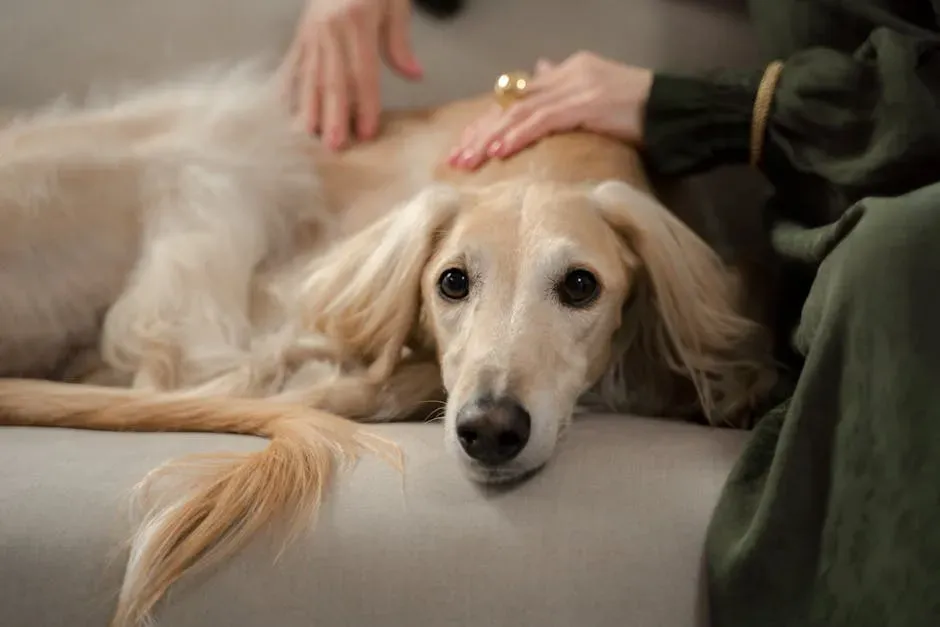
Dogs notice far more than we give them credit for. If you’ve ever cried quietly on the couch and found your dog pressed up against you moments later, that wasn’t coincidence. It also wasn’t simple habit. Behavioral research points to something much more deliberate.
A study published in the Journal of Behavioral Processes revealed that dogs often display signs of empathy when their owners are distressed. Whether it’s laying their head on your lap when you’re sad or simply sitting close when you’re having a bad day, dogs seem to recognize our moods and try to comfort us in their own canine way.
A study from researchers at the University of Vienna showed that dogs are capable of understanding and responding to human emotions. In the study, dogs were put in a room with their owners and the owners wore headphones and read books, basically ignoring the dogs. Speakers were set up around the room that played sounds of dogs being happy or sad, humans being happy or sad, and neutral sounds. Dogs paid more attention to the speakers when the content being played was emotional, either from a human or another dog. The ability to tune into your emotional state and respond to it is, arguably, a form of gratitude in action.
7. Mirroring Your Yawn – A Small Sign With a Big Meaning
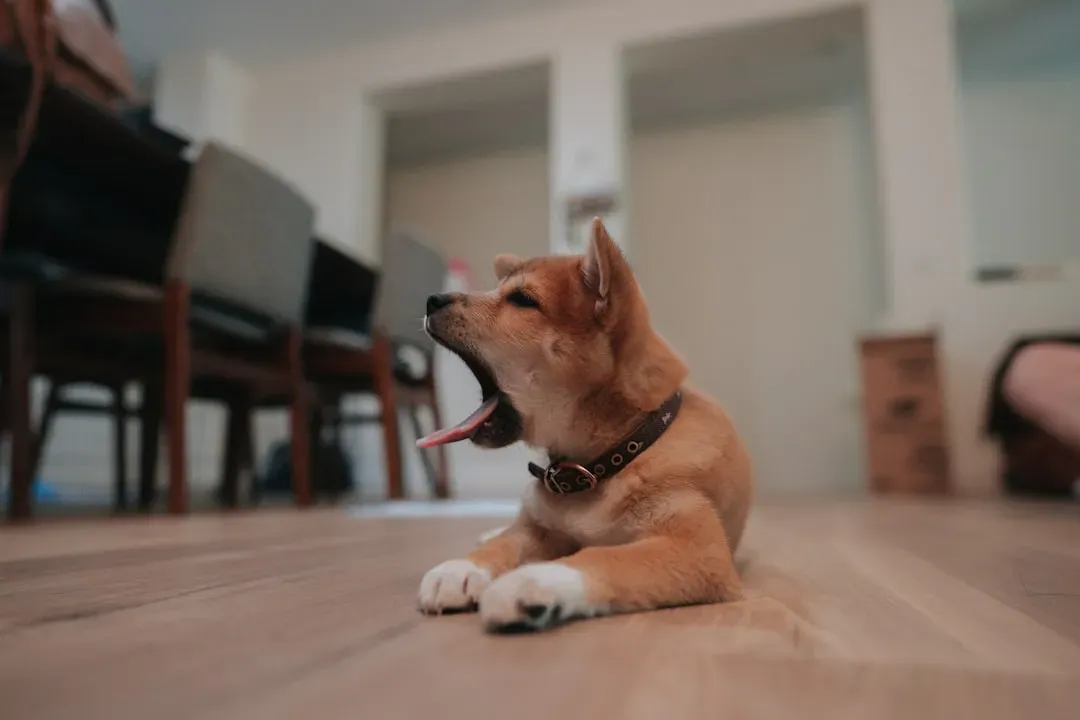
This one genuinely catches people off guard. You yawn. Your dog yawns right back. It feels cute and coincidental. It’s actually one of the more scientifically compelling signs that your dog is deeply bonded to you.
Yawning is a behavior that dogs can pick up from their owners. When your dog yawns right after you, it’s more than just a coincidence. This phenomenon, known as contagious yawning, suggests a strong emotional connection. Scientists believe that dogs who yawn in response to their owners’ yawns are showing empathy. It’s a subtle way of mirroring your behavior, indicating they are tuned into your emotions.
Not all dogs will yawn when their owners do, but those that do likely share a deep bond with them. Research has shown that contagious yawning is linked to social bonding. In humans, it often occurs among family members or close friends. So, when your dog catches your yawn, it’s a sign they consider you part of their close circle. It’s the kind of small, blink-and-you’ll-miss-it moment that says, quietly but unmistakably, “I’m with you.”
Conclusion: Gratitude Lives in the Everyday Moments
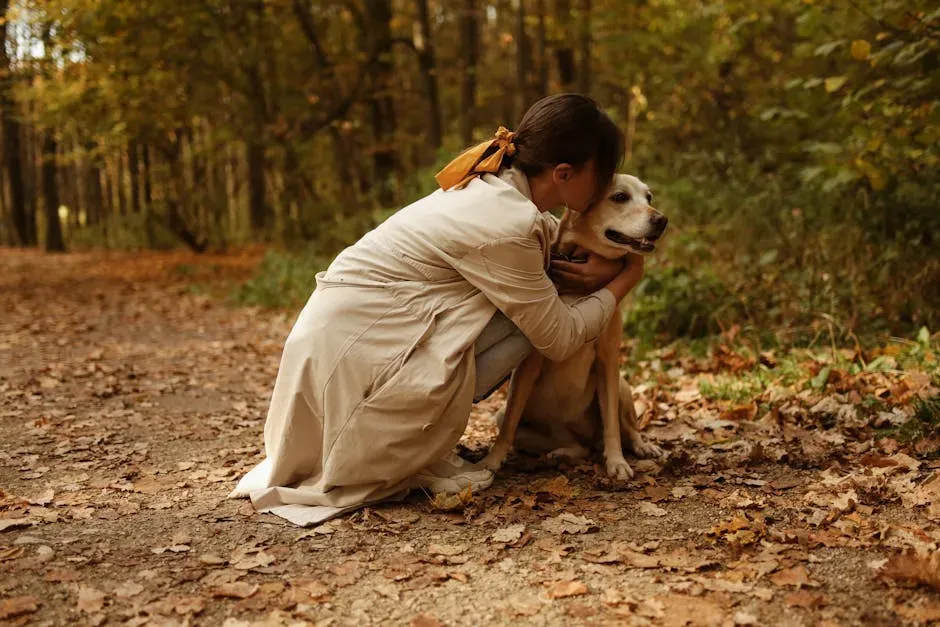
Dogs display behaviors that humans interpret as gratitude. Evidence supports that dogs form social bonds, remember helpful actions, and show reciprocal and affiliative behaviors that functionally resemble gratitude. We may never know with absolute scientific certainty what goes on inside a dog’s mind during these moments. What we do know is that the behaviors are real, consistent, and deeply connected to the care they receive from us.
If we pay attention to our dog’s body language and behavior, it is actually quite remarkable how good dogs are at communicating and letting us know how they feel. There are plenty of nonverbal signals and behaviors that you and your dog are exchanging that help communicate positive feelings. Dogs are receptive to our feelings and how we treat them, so it is important to understand your dog’s signals so you can be more in-tune with how your pup is feeling and what they need.
The leaning, the following, the gifted toys, the yawned reply: none of it requires translation once you know what to look for. There is one thing that virtually all dogs crave the most, and that’s time with you. That’s probably the greatest gift you can give back. Pay attention to the small moments. Your dog already is.


