
#1. They Start Following Your Every Step Around the House
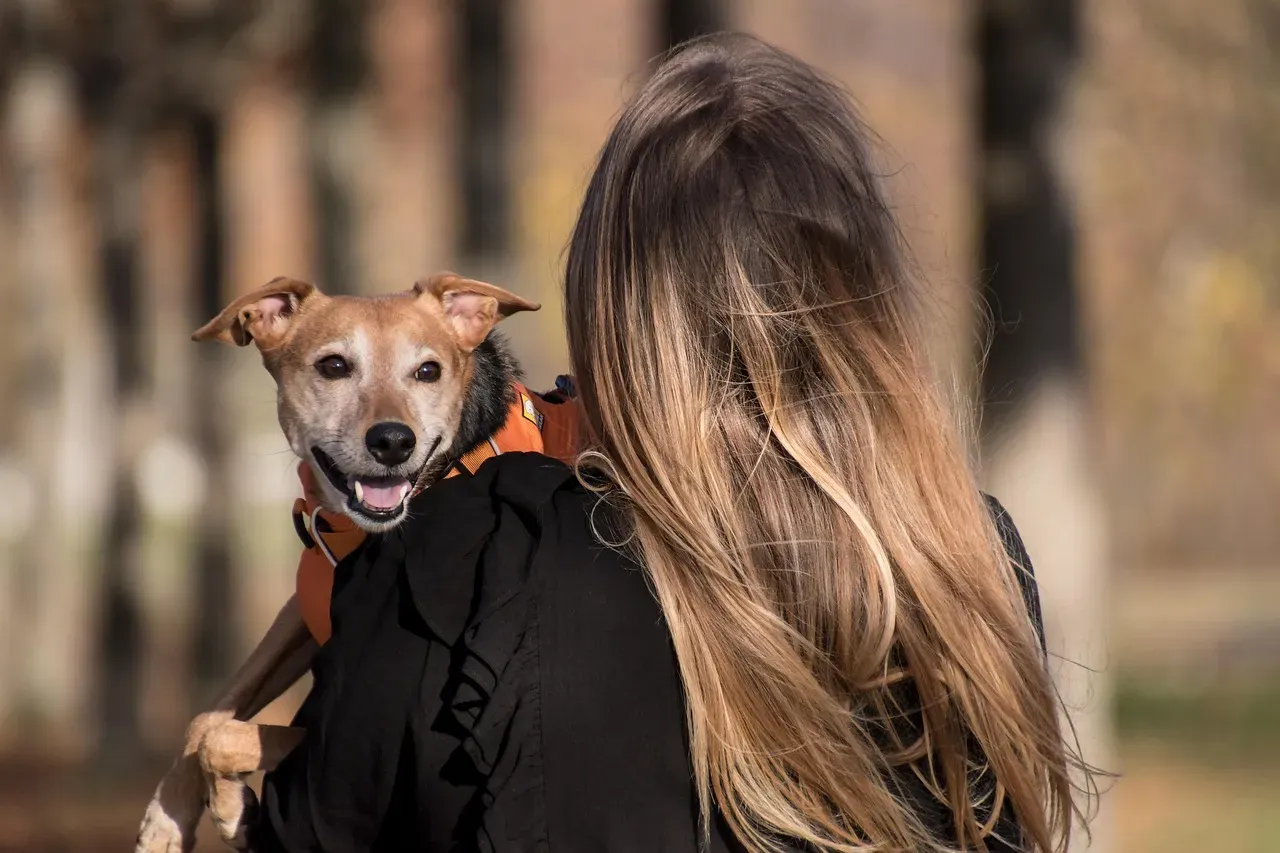
Most dogs with separation anxiety try to remain close to their owners and become increasingly anxious the greater the separation. They may follow their owners from room to room and begin to display signs of anxiety as soon as their owners prepare to leave. It’s not random. It’s purposeful. The dog is essentially closing the physical gap between you, one tailed shadow at a time.
Intense shadowing involves constant vigilance. The dog monitors your every movement, stands when you stand, and shows visible anxiety if you leave the room. Some dogs in this category will position themselves directly in your path or maintain eye contact while following. If you’ve ever tripped over your dog in the hallway when you weren’t even heading toward the front door, that’s likely what this looks like in practice.
#2. They Read Your Body Language Before You’ve Said a Word
Humans communicate primarily through speech. Dogs, however, communicate through kinesics, which is body movement. They are susceptible to subtle changes in an owner’s posture, gait, and facial expressions. A person preparing to leave often moves with more purpose and avoids prolonged eye contact. They may also display a specific “departure face” that dogs recognize as a signal of imminent separation.
Because dogs are highly empathetic social animals, they often mirror the emotional state of their owners. If an owner feels rushed, anxious, or guilty about leaving, the dog picks up on this “emotional residue.” This results in anticipatory behaviors such as shadowing, whining, or pacing. In short, before you’ve consciously decided to leave, your dog has already read it in the way you carry yourself across the room.
#3. They Pick Up on Departure Cues Like Keys, Shoes, and Bags
Because dogs are intelligent and perceptive about their environment, they quickly figure out patterns that indicate a human is about to leave – such as picking up their keys, walking toward the door – and clearly communicate feelings of distress when that happens. This connection forms through simple repetition. Every time those keys jingle and the door closes, the association gets a little stronger.
Dogs who see a pattern in these departure cues will start to exhibit anxiety when they see these departure behaviors being performed, even if it’s well before the owner actually walks out the door. The correlation between an owner wearing work clothes and leaving the house without the dog becomes strongly entrenched, and that association causes anxiety. What’s striking is just how far back in the routine this recognition can stretch. Some dogs tense up the moment you reach for your coat, well before any door has been touched.
#4. They Show Subtle Stress Signals Most People Miss
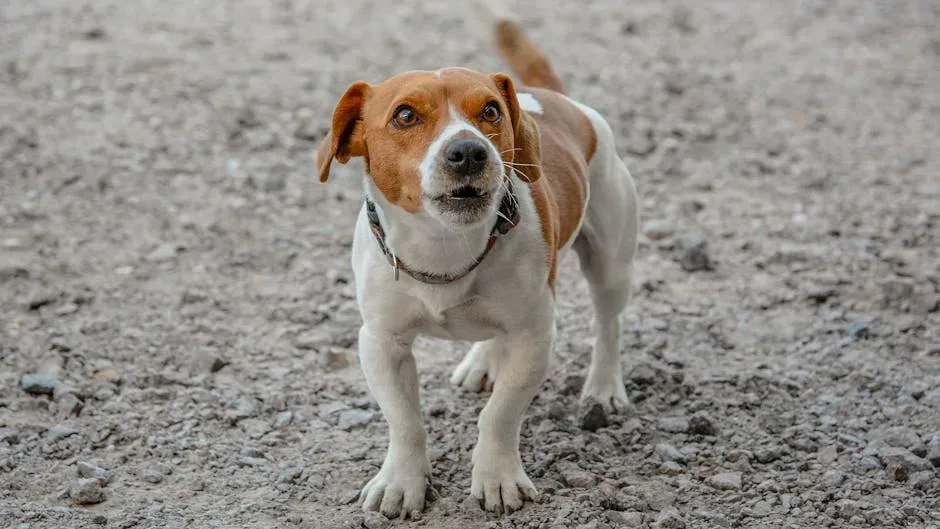
If your dog shakes, yawns, or licks their lips when you’re about to leave, they might feel a little stressed. These behaviors are easy to dismiss as ordinary dog quirks, a stretch here, a yawn there, but in the context of an impending departure, they’re actually small stress responses the body generates when something feels wrong.
Signs of the dog displaying anxiety and stress may be so subtle that they are easily missed. Stress signals such as lip licking, yawning, and big round eyes may not be registered as signs of anxiety by an owner who is only aware of more obvious signals such as barking and howling. This is the gap between what dogs are communicating and what we’re actually catching. The quiet signals come first, long before the dramatic ones.
#5. They Sniff You With Unusual Intensity
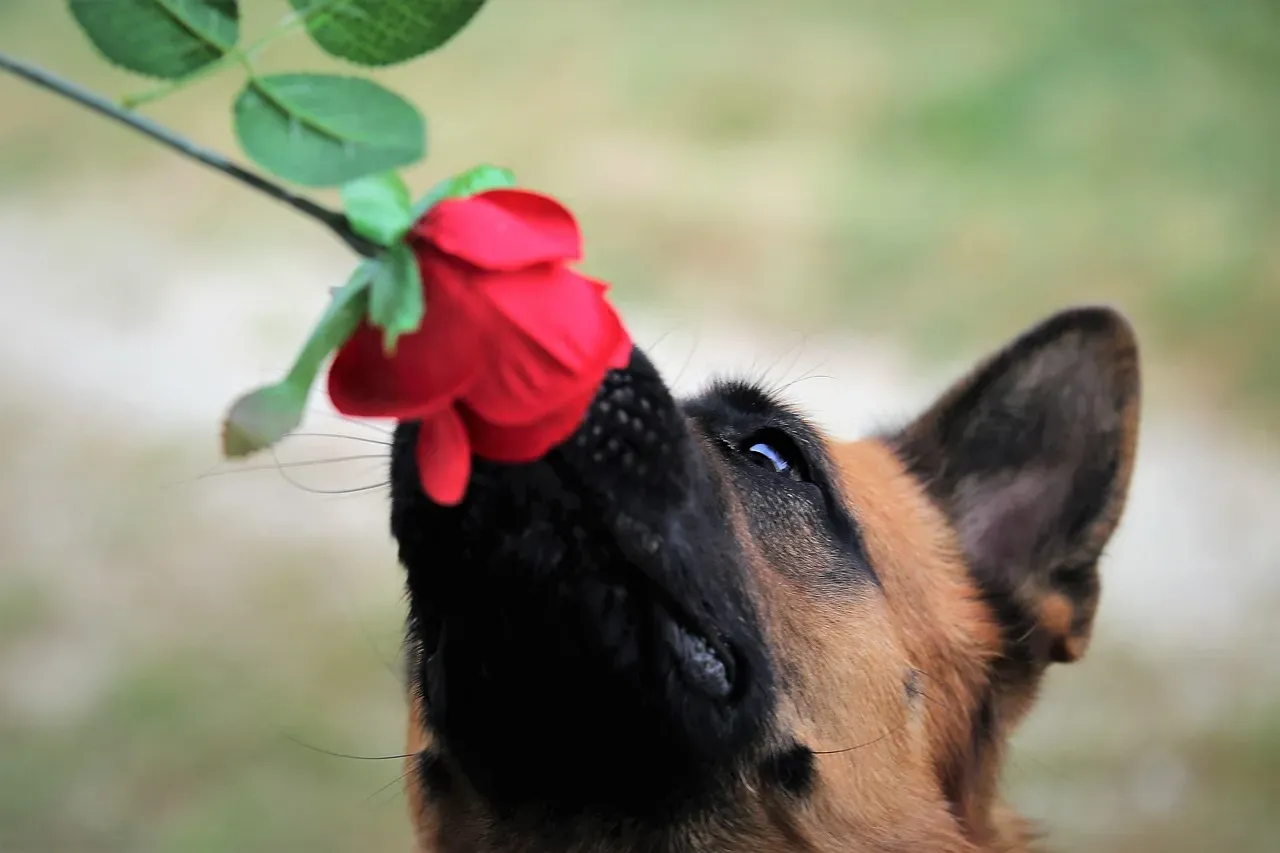
A dog’s sense of smell is ten thousand to one hundred thousand times more acute than a human’s. Research suggests dogs can detect minute chemical shifts in human sweat. These changes are caused by the anticipation of leaving. So while you’re mentally running through a checklist, your dog’s nose is decoding the stress hormones and chemical shifts your body is quietly producing.
Dogs rely on scent much more than humans, and scent may help them estimate how long their owner has been gone. Human scent gradually fades after leaving the home. Some researchers believe dogs may notice these scent changes and use them as a natural time indicator. The fresher the scent, the more recent the departure may feel to the dog. This helps explain why a particularly long, thorough sniff of your legs or hands before you go isn’t just affection. It may be your dog recording a scent memory, just in case.
#6. They Become Clingy, Restless, or Strangely Withdrawn
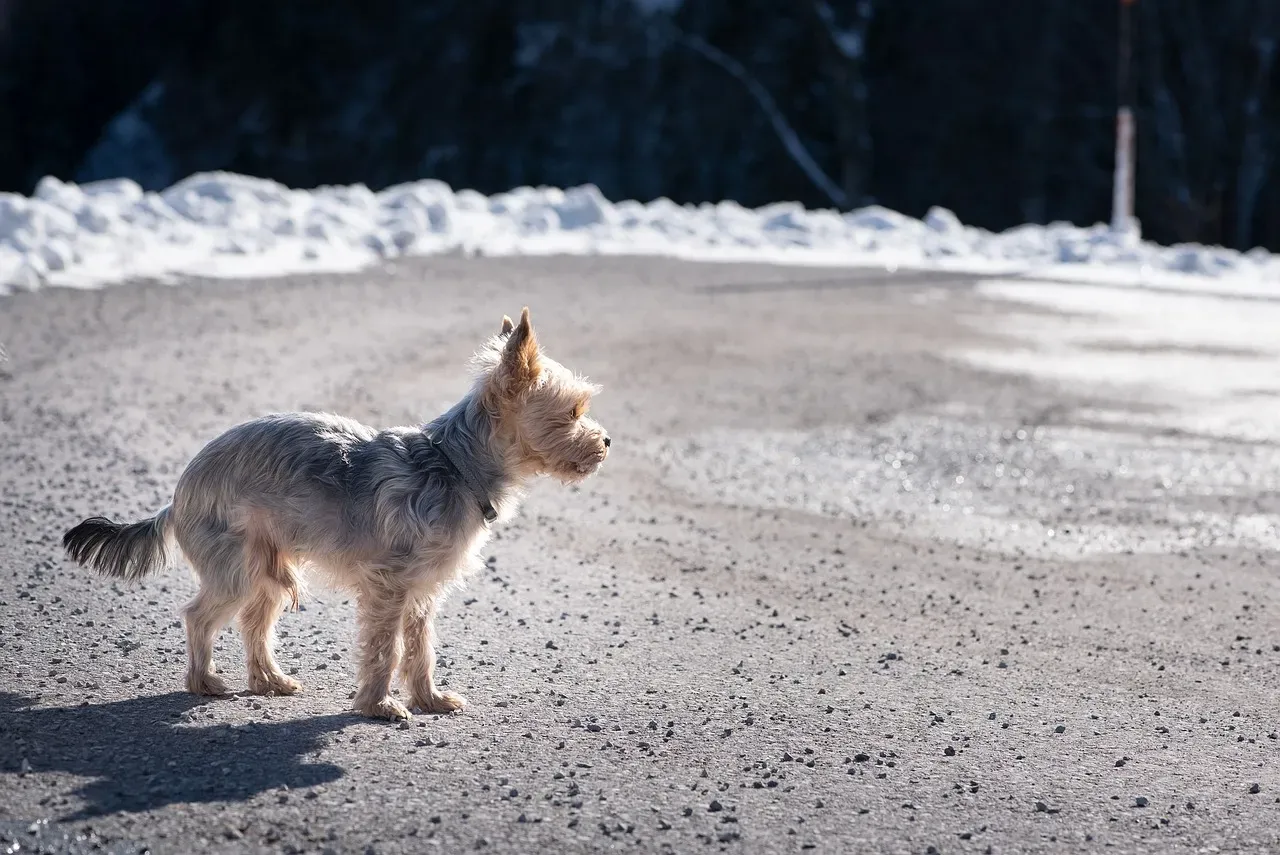
Many, but not all, of these dogs crave a great deal of physical contact and attention from their owners. During departures or separations, in addition to vocalization, destruction, and elimination, they may be restless, shake, shiver, salivate, refuse to eat, or become quiet and withdrawn. The contrast between the clingy dog that won’t stop nudging your hand and the one that retreats silently to a corner is notable. Both are responding to the same trigger in different ways.
A 2017 study by the University of Lincoln found that dogs often experienced anticipatory behaviors before their owners left, such as becoming more anxious or clingy. Withdrawal, on the other hand, can be harder to recognize as distress because it looks, on the surface, like calm. Some dogs go quiet not because they’re fine, but because they’ve stopped expecting things to change.
#7. They Whine, Pace, or Position Themselves at the Door
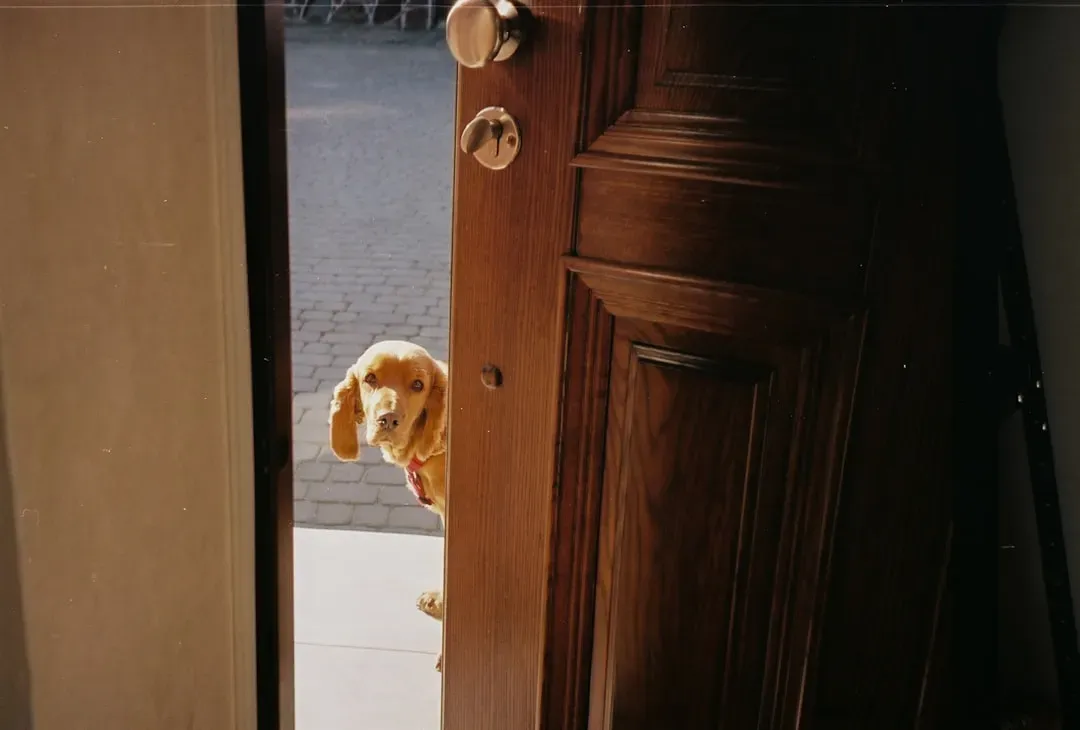
Whining and crying may be a test to get you to come back. If you do come back in response to their cries, this reinforces the behavior. For some dogs, whining can escalate to barking. Pacing is the physical expression of the same thing. The dog doesn’t know what else to do with the restless, rising energy that comes with anticipating separation, so the body moves when the mind has nowhere to go.
Dogs with separation anxiety vocalize, become destructive, or eliminate either as the owners prepare to leave, or soon after. Destructive activity is often focused on owner possessions, or at the doors where owners depart or where the dog is confined, and most often occurs shortly after departure. The door becomes a symbol. It’s the last physical place where you were still present, and for some dogs, it’s where the waiting officially begins.
What This All Really Tells Us
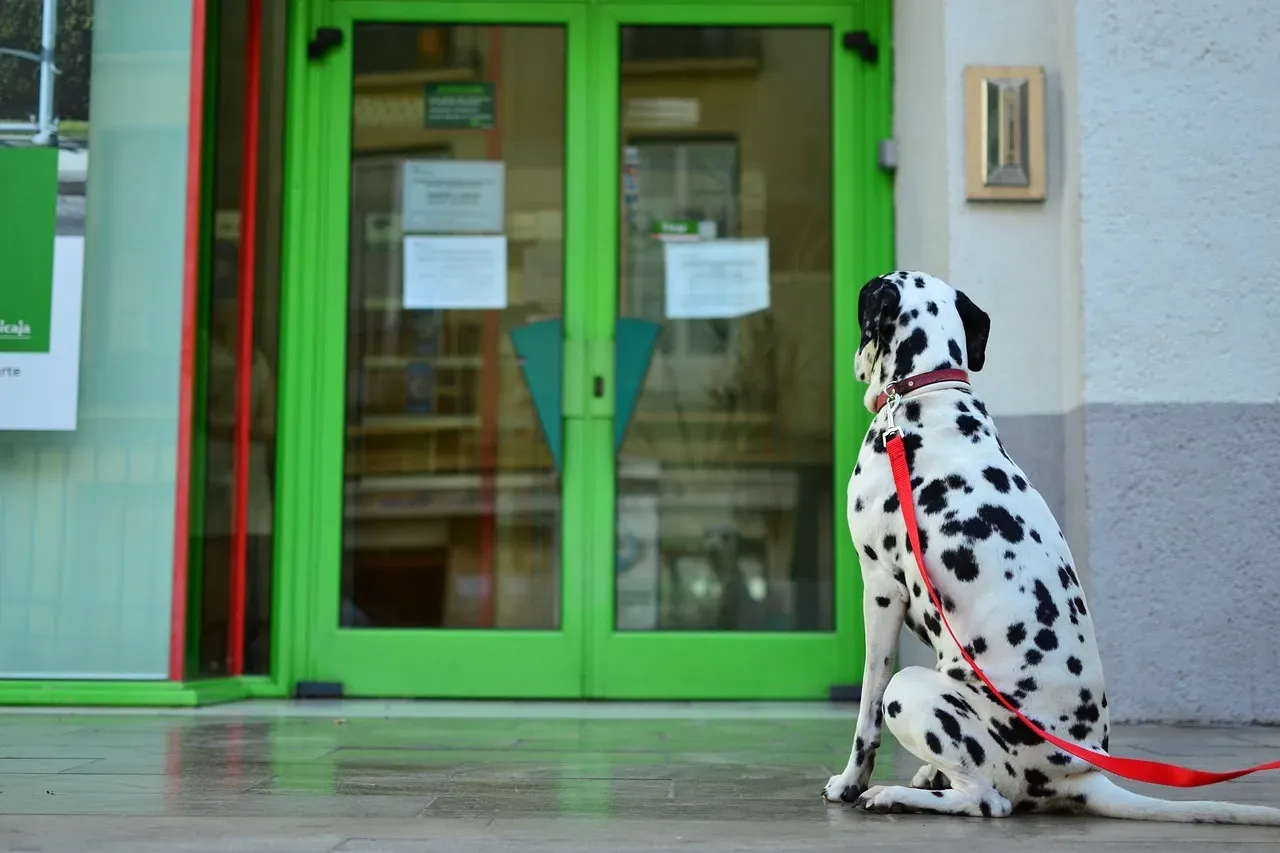
There’s something quietly profound about a creature that has, over thousands of years, evolved not just to live alongside humans but to read them. Your dog’s pre-departure behaviors aren’t manipulation or clinginess in any shallow sense. They’re the product of deep emotional attachment filtered through extraordinary sensory perception.
The idea that your dog can “read your mind” is a testament to the incredible evolutionary bond between our two species. What feels like intuition is actually a masterclass in biological observation. Every yawn, every shadow, every restless pace near the front door is a form of communication that deserves more credit than a quick pat on the head and a rushed goodbye.
The next time you notice your dog doing any of these things, resist the urge to hurry past the moment. One study even found that some dogs were calmer when their pet parent petted them before leaving the house. A few extra seconds of acknowledgment won’t undo their awareness of your departure. It might, though, make the waiting a little easier for both of you.


