
#1: Schedule “Happy Visits” With No Medical Agenda
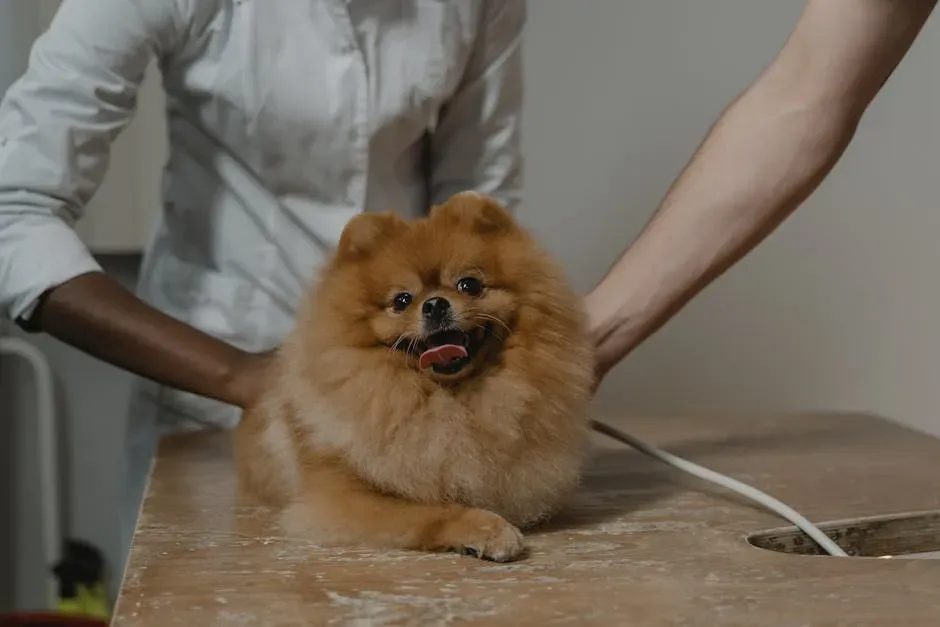
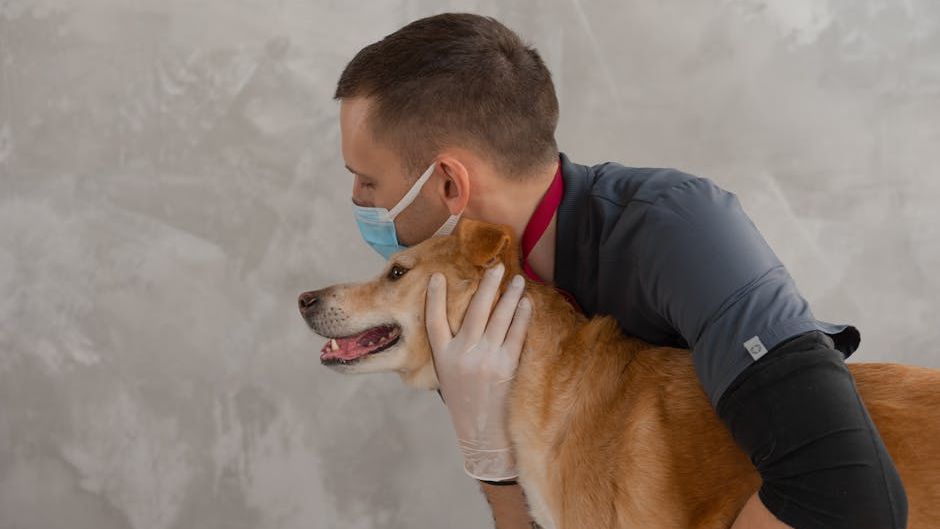
A “happy visit” refers to taking your dog to the vet on a day when they do not need medical treatment, just a visit to the building to create positive associations before or between scheduled appointments. It sounds almost too simple, but the logic is solid. Dogs form strong associations quickly, and if every clinic trip involves poking and prodding, the building itself becomes the trigger.
During a happy visit, your pet will greet team members, receive lots of attention, and explore the hospital while receiving high-value treats, with no poking, prodding, or needles. Over time, something shifts. Your pet will eventually get excited to see their favorite people when you pull into the veterinary hospital parking lot.
#2: Practice Handling at Home Before the Appointment
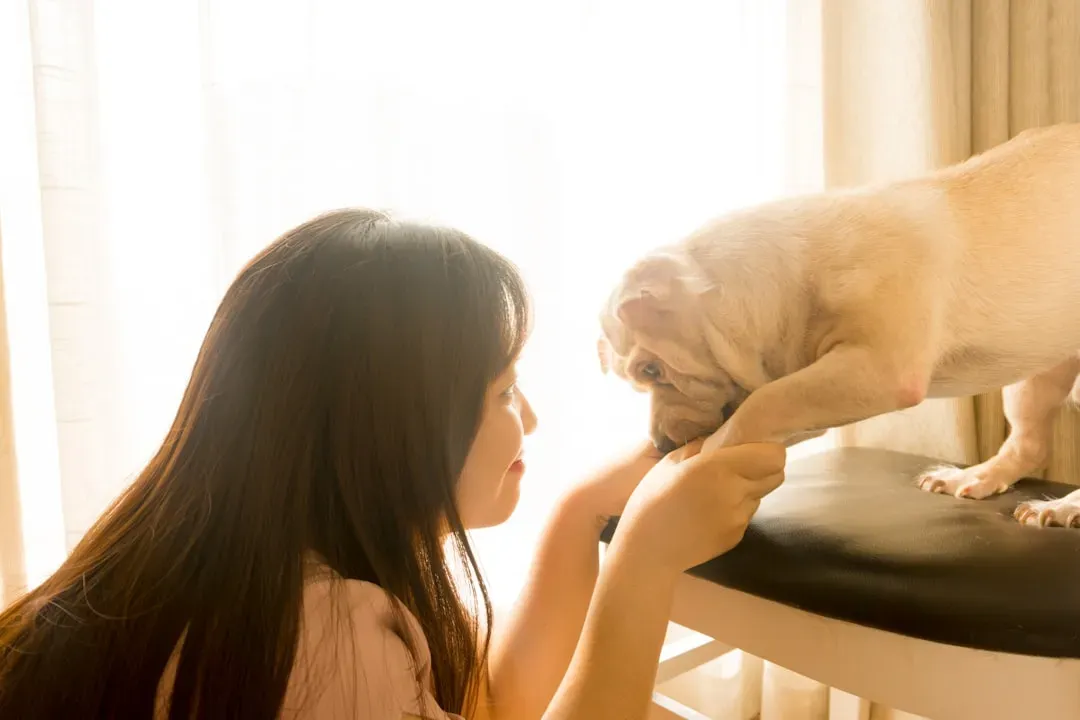
Helping your pet get used to gentle handling at home can make a big difference during veterinary exams. Many pets become anxious when their paws, ears, or mouth are touched because it only happens at the vet. By practicing these “medical touches” in a calm, positive way at home, your pet learns they’re nothing to fear. Think of it as a rehearsal where the stakes are low and the rewards are high.
Include the paws, ears, mouth, belly, and tail to simulate a vet’s exam. Include lots of praise and treats so your dog learns to associate handling with rewards. Once your pet is comfortable with brief touches, slowly increase both the length and type of handling, for example holding a paw a little longer, gently opening the mouth, or lifting the tail as if taking a temperature.
#3: Desensitize Your Dog to Car Rides
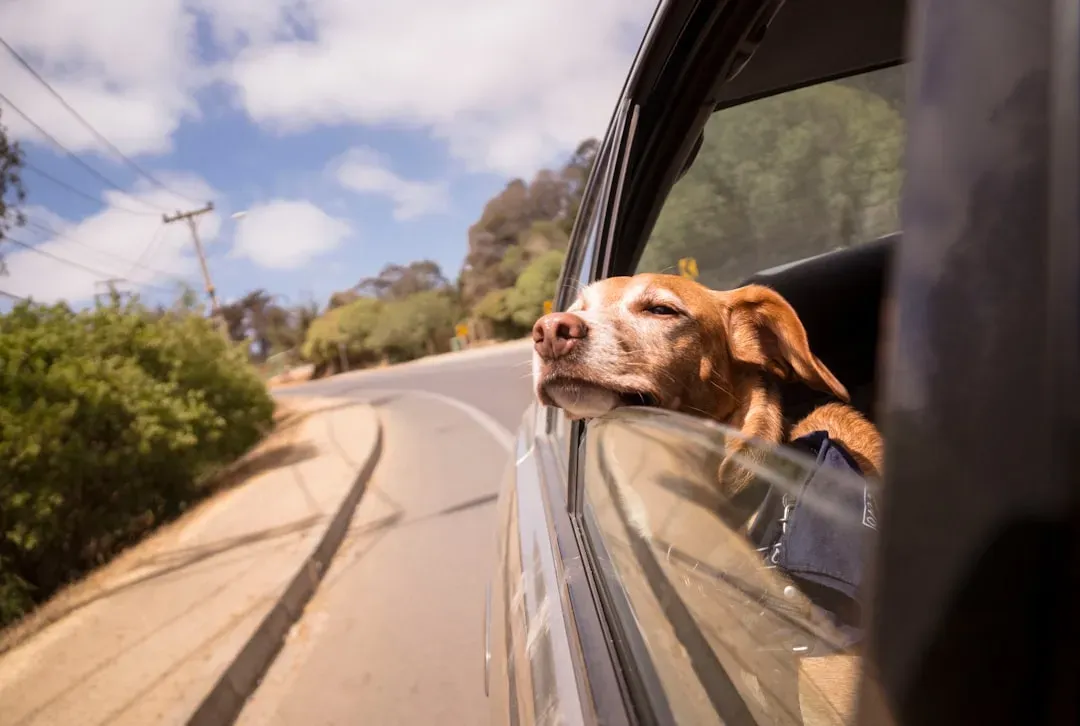
If your pet only rides in the car for veterinary visits, it may become stressed the minute it enters your vehicle. Taking your dog along for trips to the pet store, visits with dog-loving friends and family members, or excursions to the dog park decreases negative associations with cars and trucks. The car ride itself sets the emotional tone for the whole visit, so it’s worth addressing separately.
For dogs with car anxiety, take quick trips around the block or to nearby places they enjoy, offering treats during the ride, and then return home for more goodies. As your dog becomes more comfortable with car rides, gradually increase your trip length. Done consistently, the car stops being a red flag and becomes just another part of the day.
#4: Bring High-Value Treats and Use Them Generously
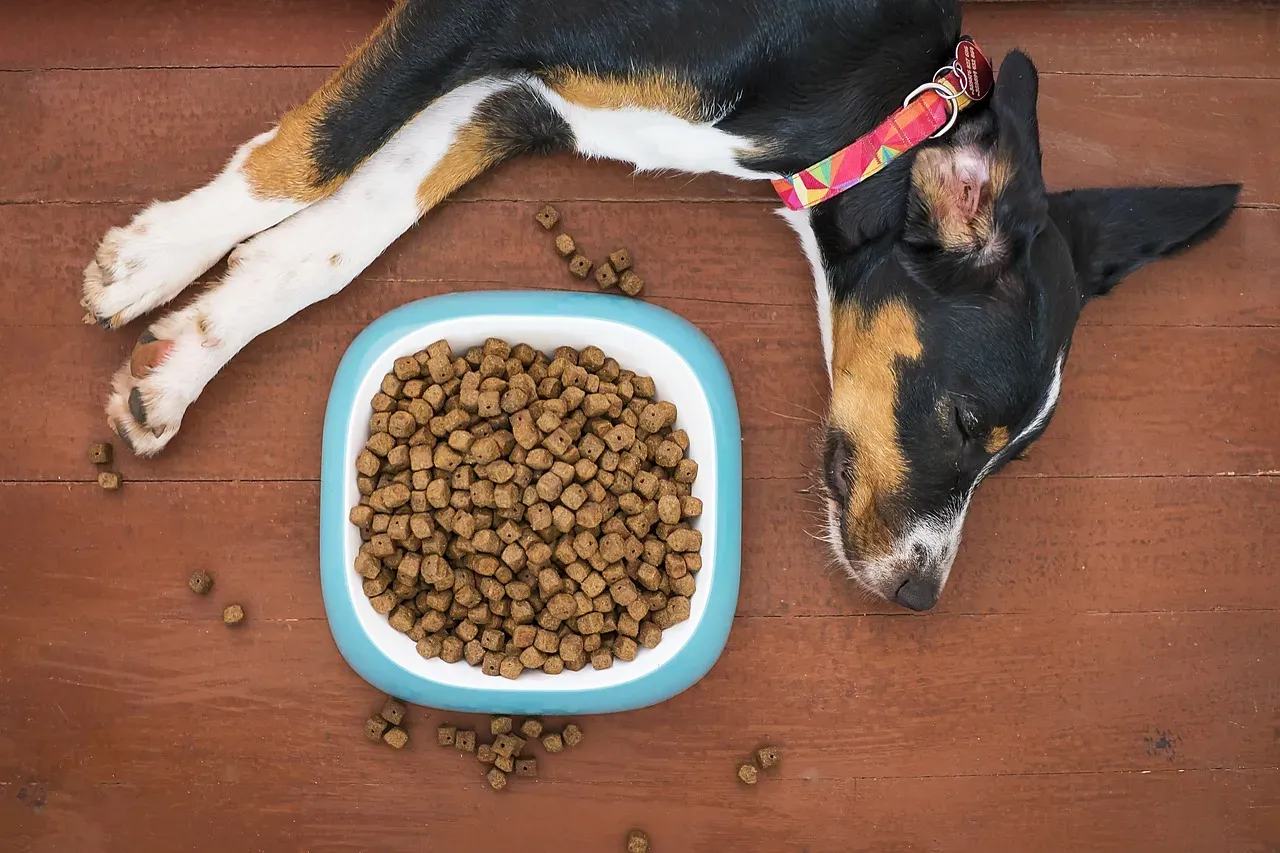
On the day of your veterinary visit, bring your dog’s favorite treats from home. Opt for small, soft treats that can be broken into smaller pieces and given throughout the appointment. You might also consider bringing a frozen rubber hollow treat dispenser or a flat rubber textured mat filled with your dog’s favorite spreadable snacks for extra distraction.
There is a lot of research that shows when a dog eats, it releases feel-good hormones inside his brain. If your dog stops eating or refuses treats, it often indicates their stress levels are too high, and you and your veterinary care team may need to make adjustments in their experience. A dog that won’t take food is a dog that’s communicating something important, so pay attention to that signal.
#5: Skip the Big Meal Before the Visit
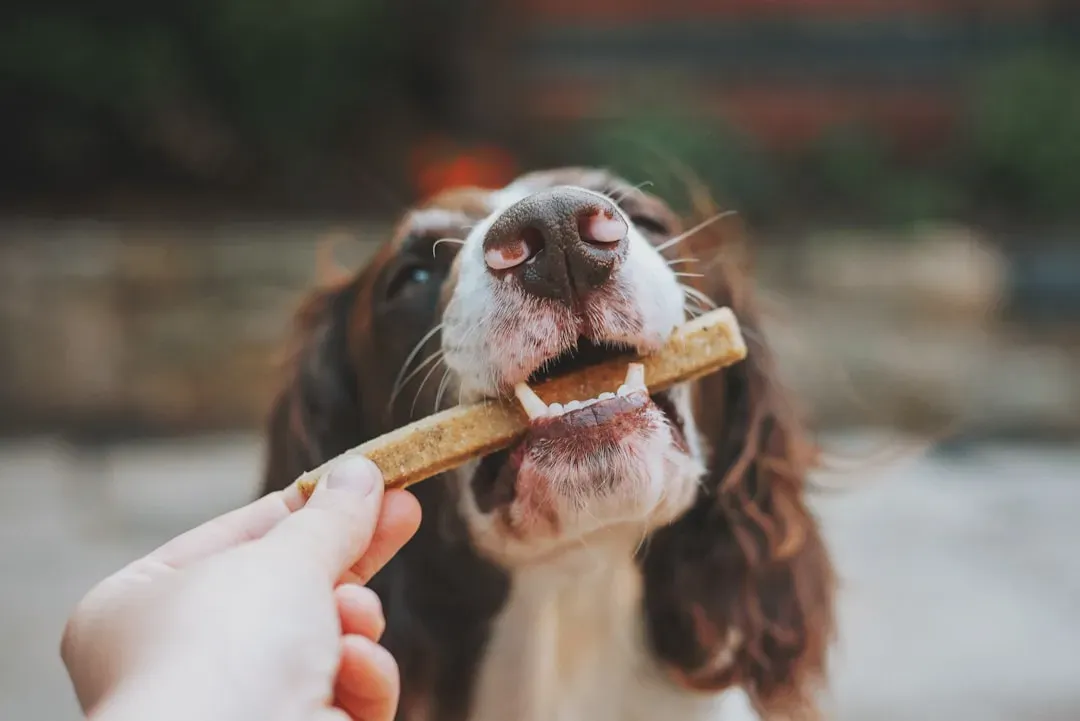
Unless otherwise instructed, avoid feeding a large meal right before the appointment. Pets are often more responsive to treats when they’re a little hungry. This small adjustment can make a real difference to how effectively you can use food to keep your dog calm and cooperative during the exam.
When the big day comes, it helps if your pup is hungry before he comes in so that the veterinary staff can feed him dog treats or kibble to help him feel happy. It’s not about starving your dog. It’s about making sure the treats you bring are genuinely motivating rather than just a mild afterthought.
#6: Use Calming Products Like Pheromone Sprays and Anxiety Wraps
One of the most convenient ways to mitigate added stress from the car ride or veterinary hospital is to use a calming pheromone product. Dog-specific travel spray can be easily purchased from a pet store or online retailer, kept on hand, and used on bedding prior to any travel. Pheromone products work best before arriving at the vet or immediately upon arrival, before stress has had a chance to escalate.
Dog Appeasing Pheromone (DAP) products mimic the comforting scent mother dogs naturally produce for their puppies, which may help your dog feel more secure, especially when combined with vet-approved natural calming supplements. Body wraps or ThunderShirts may also help dogs feel less afraid during visits. Similar to weighted blankets for people, the devices apply gentle pressure that makes pets feel calmer or more secure.
#7: Bring a Comfort Item From Home
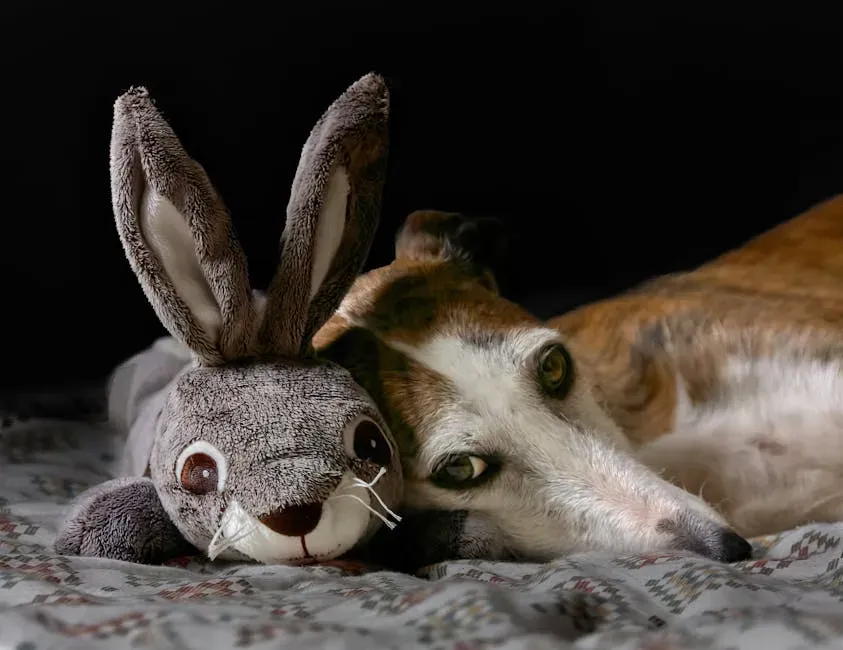
Bringing your pet’s favorite toy, blanket, or bed can help them feel more comfortable by giving a sense of familiarity. Having something familiar from home can make your pet feel safer and help reduce stress during the visit. It’s one of those small details that costs nothing but can visibly settle an anxious dog once they’re in an unfamiliar room.
You can also teach your dog to go to their mat or bed. “Go to your place” isn’t specifically for the vet, but teaching the behavior builds strong positive associations between the mat and rewards. That makes the mat your dog’s happy place. If you take the mat to the vet visit it will provide your dog with a comforting and familiar place to stand or lie down.
#8: Manage the Waiting Room Experience
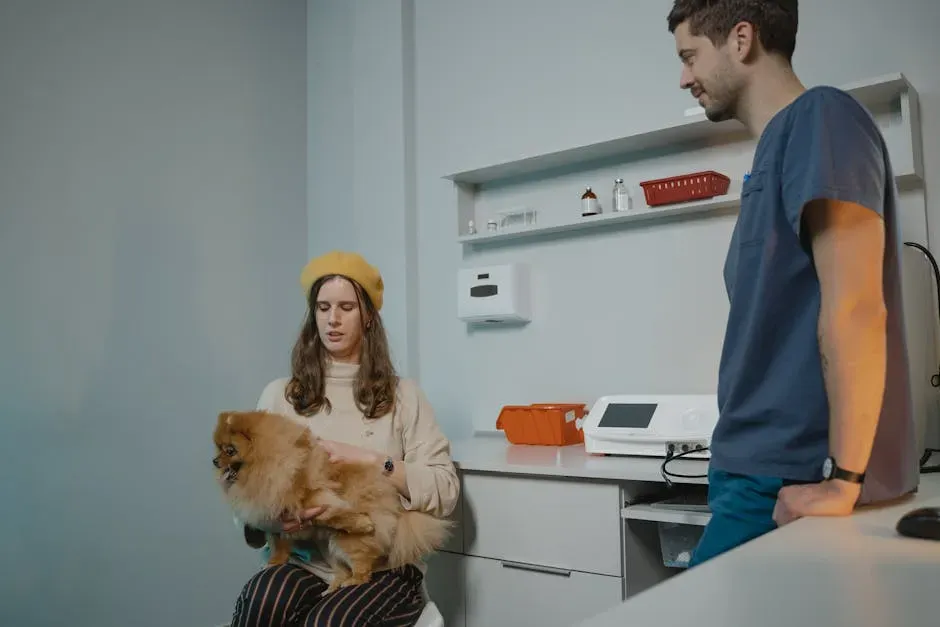
If a loud, crowded waiting room ramps up your nervous pet’s anxiety, ask the front desk staff to place you and your pet in an exam room as soon as you arrive at the hospital. If a room isn’t available, consider waiting in your car or going for a short walk, so your pet can release some nervous energy. The waiting room is often the worst part of the experience, and skipping it entirely is a perfectly reasonable option.
Waiting for a long time at the clinic can raise your pet’s stress levels. To help keep your pet relaxed, consider scheduling appointments during less busy times when the waiting area is calmer. This reduces the risk that your pet will be exposed to stressful external stimuli. A quick call ahead to check how busy the clinic is can save both you and your dog a lot of unnecessary tension.
#9: Stay Calm Yourself

Pets are incredibly tuned into their owners’ emotions and look to them when feeling uncertain about a particular situation. If you’re worried about your pet’s behavior at the veterinary hospital or concerned about how they’re feeling, you might put off an anxious, unsure vibe that your pet will notice. Dogs are remarkably good at reading people, and what you project in those moments genuinely matters.
Pets are sensitive to their owners’ emotions. If you feel anxious or stressed, your pet may sense that energy and become more anxious themselves. By staying calm and confident, you create a peaceful environment that helps your pet feel secure. Deep breaths, a relaxed posture, and a steady tone of voice can quietly communicate to your dog that everything is fine.
#10: Look for Fear-Free Certified Veterinary Practices
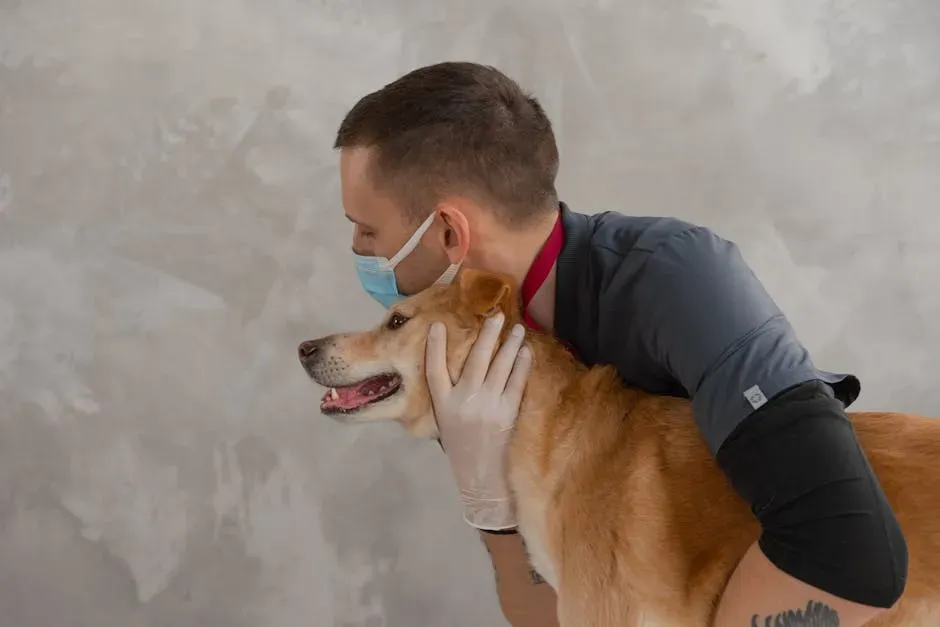
When choosing a veterinary team or considering a new veterinarian, consider inquiring about their approach to minimizing fear and stress during appointments. Many veterinarians and staff members are trained in programs such as Fear Free® and Low Stress Handling®, which aim to create a behavior-friendly environment using minimal restraint. Not all clinics operate the same way, and it’s worth asking.
Many veterinary professionals are trained in fear-free handling techniques that minimize stress during examinations. These methods respect your pet’s emotional state while ensuring thorough veterinary care. Don’t hesitate to ask about these approaches or request specific accommodations. A vet team that welcomes those conversations is usually one that’s genuinely invested in your dog’s wellbeing, not just their physical health.
#11: Consider Pre-Visit Anti-Anxiety Medication for Severely Anxious Dogs
For many dogs with pre-existing fear or anxiety, anti-anxiety medications can be beneficial when given at home a few hours before a veterinary visit. Pre-visit pharmaceuticals can make the difference between a traumatic experience and a manageable one. Some pets benefit from supplements like calming chews or prescription medications given an hour before appointments.
For pets with severe veterinary anxiety, discussing anti-anxiety medications with your veterinarian is worthwhile. These pharmaceutical options, when used appropriately, can transform a traumatic experience into a manageable one. Some pets benefit from mild sedation, while others may need only natural calming supplements. This isn’t giving up on training or behavior work. It’s removing the barrier that makes the training nearly impossible in the first place.
#12: Never Force Handling and Always Let Your Dog Lead the Pace
Never force your dog to accept touch or handling and always allow them to walk away if they are uncomfortable or unwilling to participate. If they walk away, it is information that the training needs to be in smaller, slower steps before progressing. Forcing the experience only deepens the fear, creating a cycle that gets harder to break with every visit.
If you’re unsure how to begin, speak with your veterinarian or a qualified trainer who uses humane practices. In some cases, working with a veterinary behaviorist may provide additional support to help address your dog’s fear, anxiety and stress. Patience here isn’t passive. It’s one of the most active and effective things you can do for your dog’s long-term relationship with veterinary care.
The Bottom Line
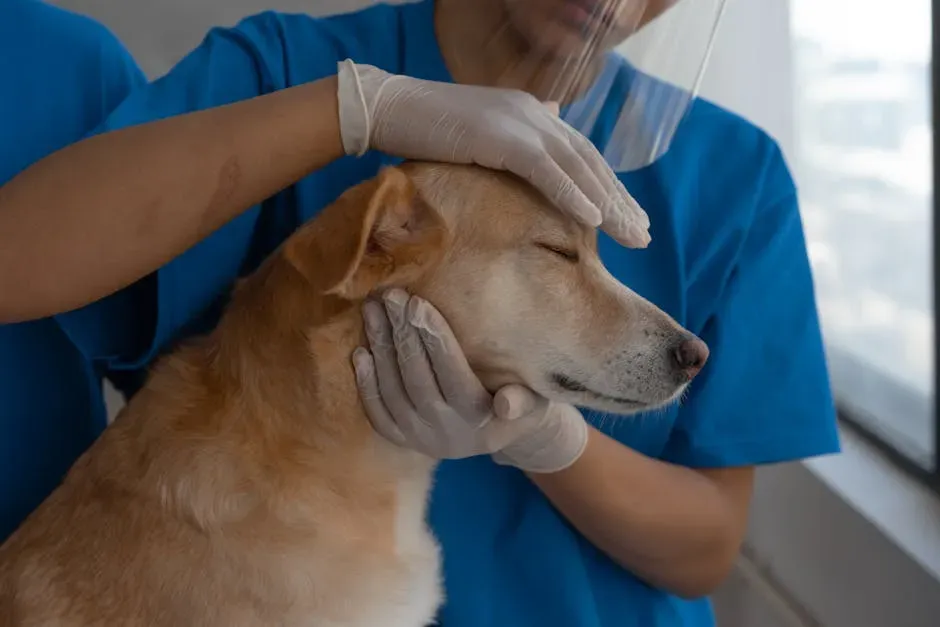
Vet anxiety in dogs is genuinely common, but it isn’t a fixed state. It’s a learned response, shaped by repetition and association, which means it can be reshaped the same way. The twelve strategies above aren’t complex or expensive. Most of them ask nothing more than consistency, patience, and a willingness to slow down and meet your dog where they are.
Some dogs will respond quickly. Others will need months of gradual work. Both are valid timelines. What matters is that every small improvement in how your dog experiences a vet visit translates directly into better care, because a calmer dog is easier to examine, and an easier exam means fewer missed health signals. The effort you put in at home shows up in the clinic room, and that’s a return worth working toward.
Your dog can’t understand why the vet is necessary. But they can learn, over time, that the experience is safe. That trust is built by you, one small positive moment at a time.


