
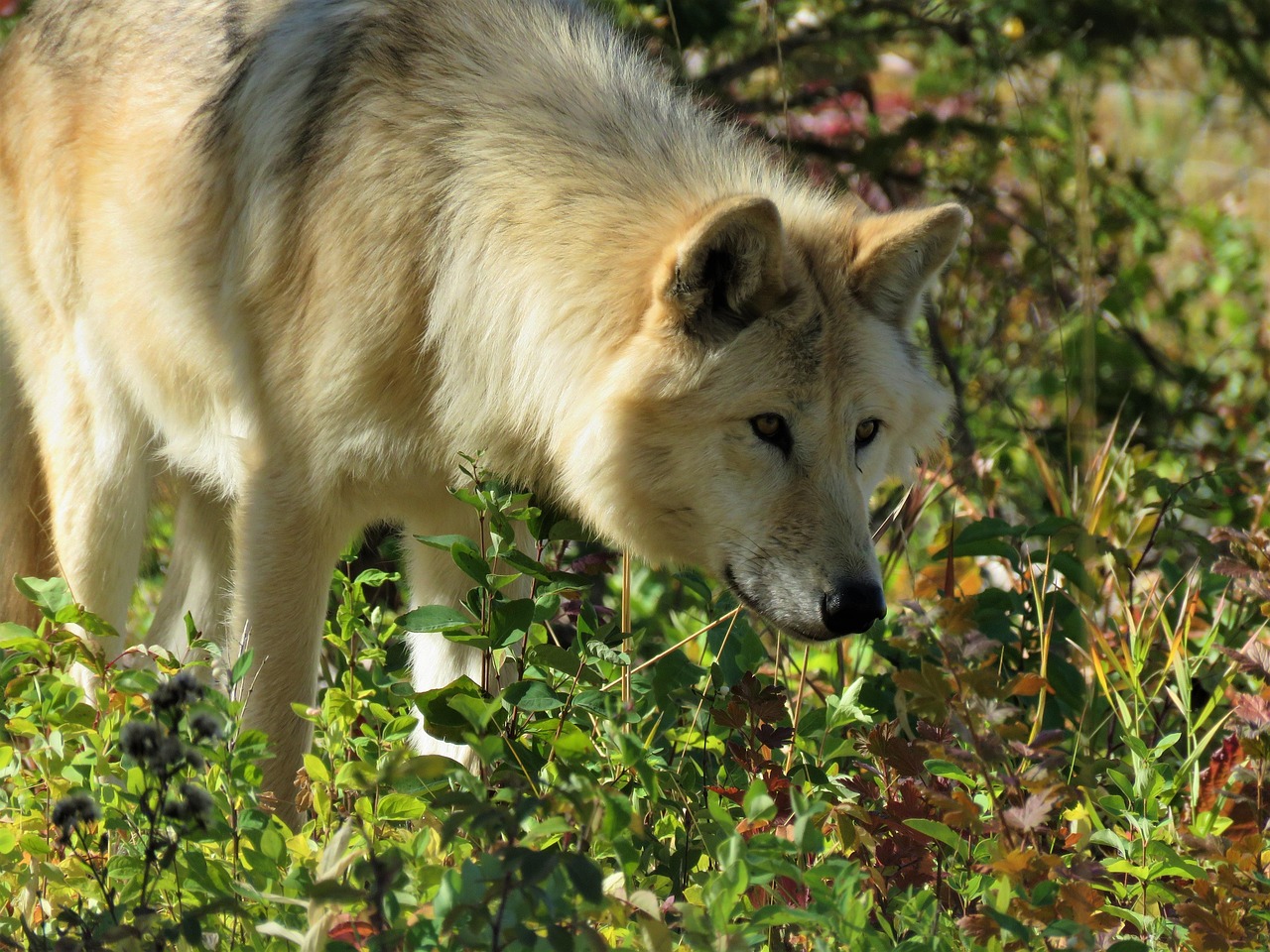
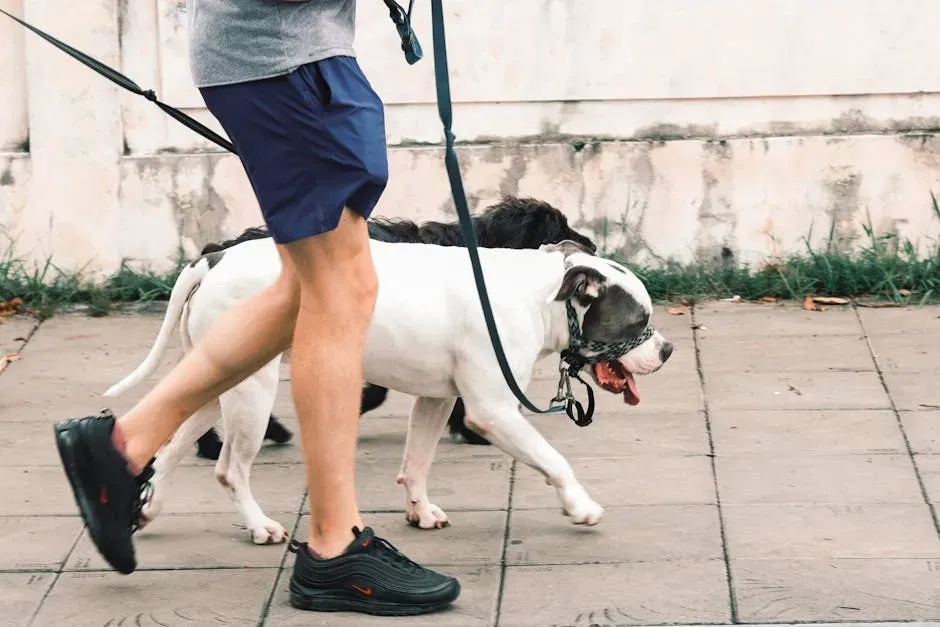
If your dog slams on the brakes at the exact same patch of sidewalk every single day, it can feel a little spooky. You tug the leash, they lock their legs. You coax, they sniff the air like something invisible just walked by. It is strangely specific, oddly consistent, and honestly, a bit confusing.
The good news is that your dog is not being dramatic for no reason. That repeated pause is like a little highlighter on their inner world. It is their way of saying, right here matters to me. Once you understand why, that frustrating standstill suddenly becomes a surprisingly rich conversation between you and your dog.
Reason 1: A Powerful Scent Marker Lives There
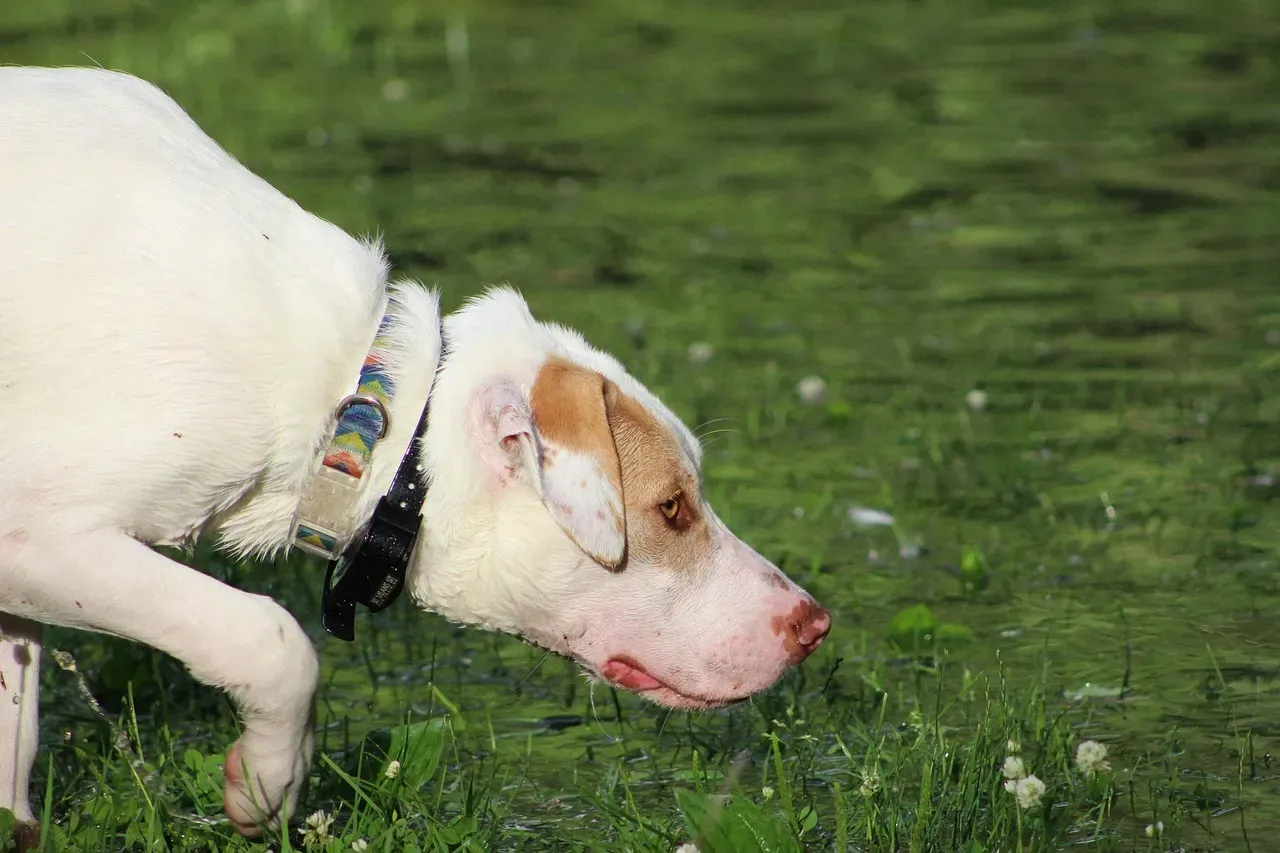
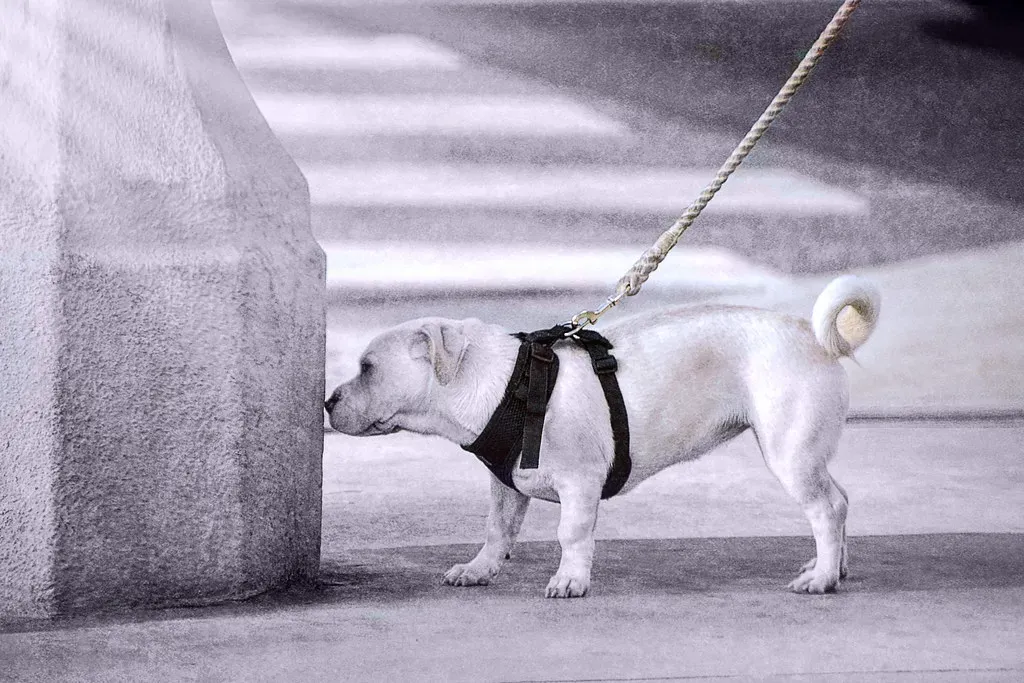
Dogs navigate the world through scent the way we rely on sight, and certain spots on a route act like social media hubs for smells. If your dog pauses at the same place, it might be a scent hotspot where other dogs frequently pee, mark, or linger. That patch of grass or corner post can hold layers of information about who was there, when they passed by, and even how they were feeling.
To your dog, stopping there is like checking the day’s headlines. They may sniff for a long time, pause, look around, and even seem zoned out while their brain decodes all that olfactory data. If you rush them every time, it is a bit like ripping a book out of someone’s hands mid-chapter. Letting them linger occasionally is a simple way to honor how they naturally explore their world.
Reason 2: A Previous Scare Got “Bookmarked” in Their Brain
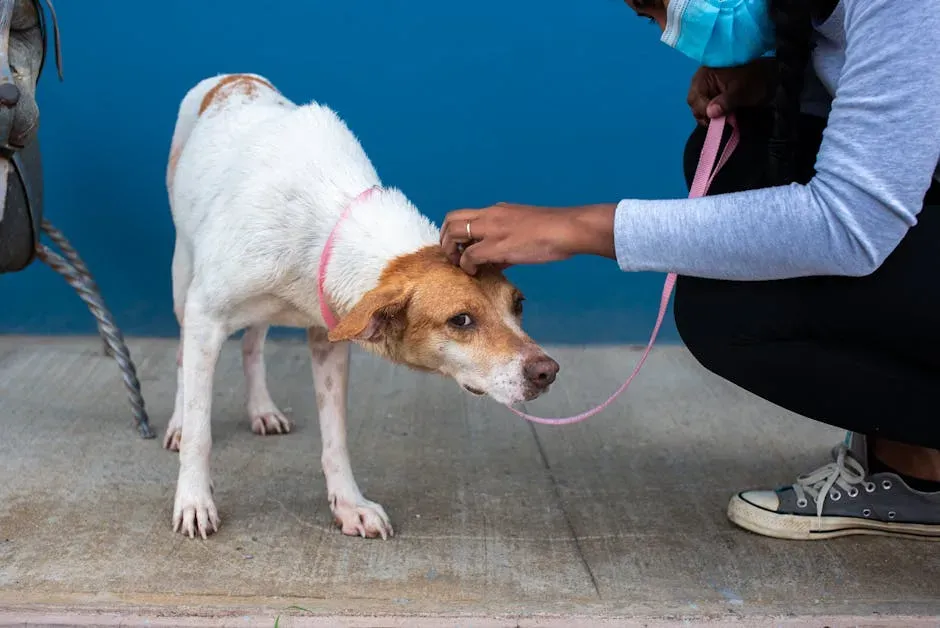
Dogs are masters at linking locations with emotions, especially fear. If something unsettling once happened at that exact spot – a loud truck backfiring, a bike whipping past, a child shouting, a dog barking from behind a fence – your dog may have quietly tagged it in their memory as a place to be cautious. Even if you barely noticed the moment, their brain might have stored it like a sticky note: be careful here.
When you reach that zone again, your dog’s body may go on alert: slower steps, low tail, stiff posture, or a sudden stop. It does not mean they are being stubborn; it often means they are bracing for something they think might happen again. With patience, distance from the scary trigger, and calm reassurance, many dogs can slowly rewrite that mental bookmark so the spot feels safe again.
Reason 3: Subtle Sounds or Vibrations You Do Not Notice
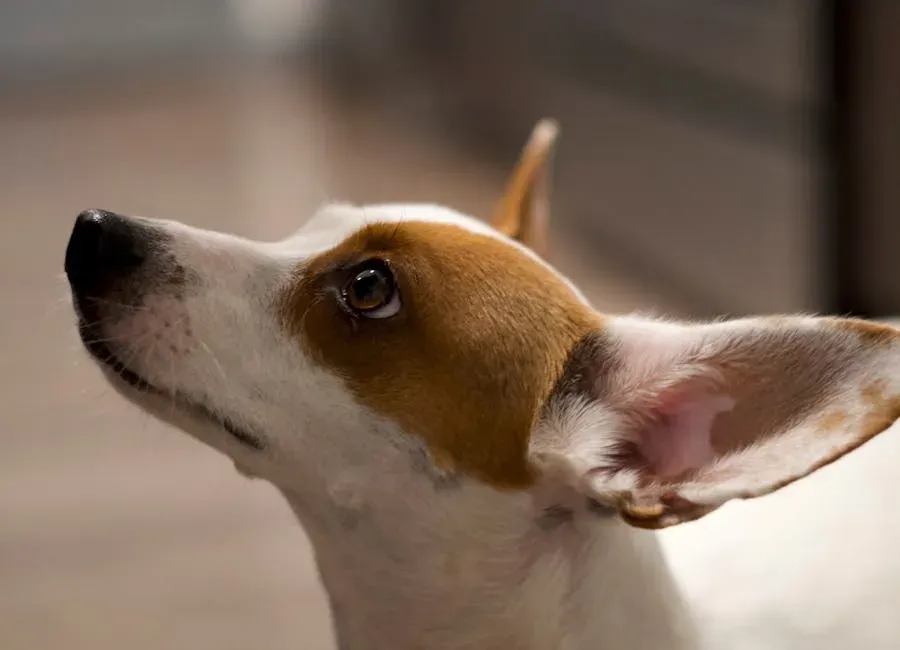
Sometimes dogs pause because they are picking up things we completely miss. That same patch of pavement might be near a vibrating manhole cover, buzzing streetlight, rumbling HVAC unit, or even underground water pipes that give off faint sounds or vibrations. To a dog with sensitive hearing and paws, that can feel strange or slightly threatening.
You might see them freeze, tilt their head, or stare into what looks like empty space. From your perspective, nothing is happening; from theirs, there is a weird hum or echo right at that spot. If you suspect this, try walking past at a quieter time of day, or cross the street and see if their behavior changes. It is a small reminder that your dog lives in a richer sensory world than we do.
Reason 4: A Physical Discomfort That Flares Up There
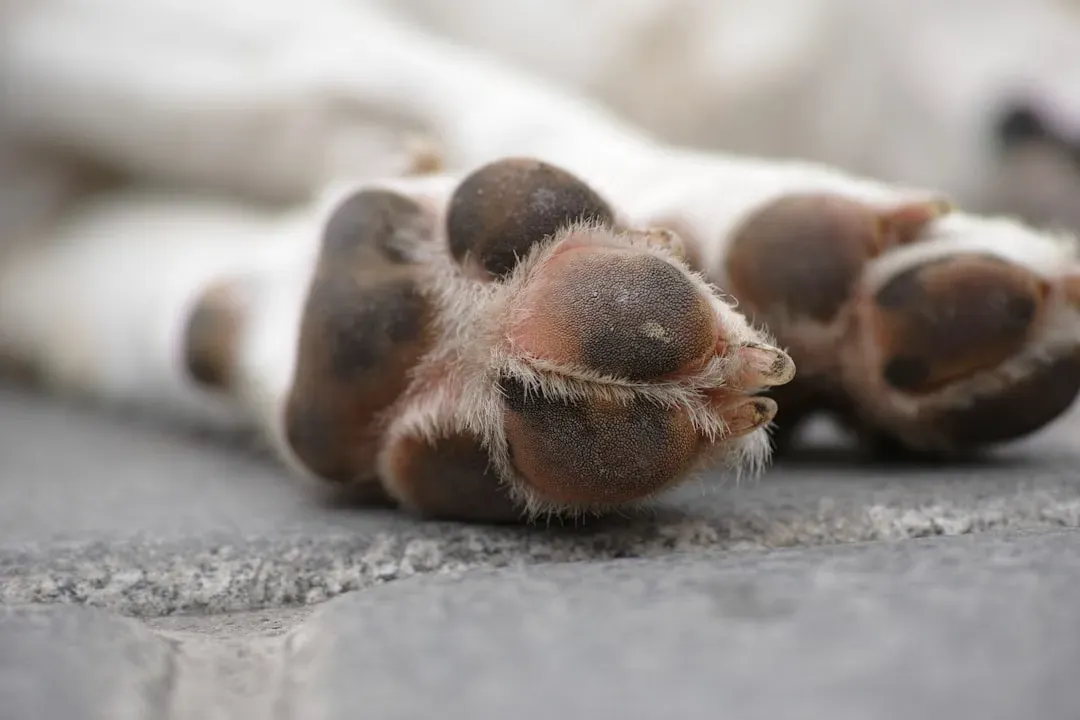
Not every pause is about emotions – some are about the body. If the surface changes right where they stop (like going from soft grass to rough gravel, hot asphalt, or a sloped curb), your dog might be feeling mild pain or discomfort in their paws, joints, or back. A dog with early arthritis or a subtle injury may hesitate when stepping onto a surface that is harder, hotter, colder, or less stable.
You may notice them licking their paws more after walks, slowing down more on the way home, or avoiding jumps and stairs at other times. If the pause is new, consistent, and especially if you see any limping or stiffness, it is worth talking to your vet. In my experience, a “weird pause” has sometimes been the first tiny clue that a dog’s body needed a little extra support long before the big obvious signs showed up.
Reason 5: Anticipation of a Routine or Reward
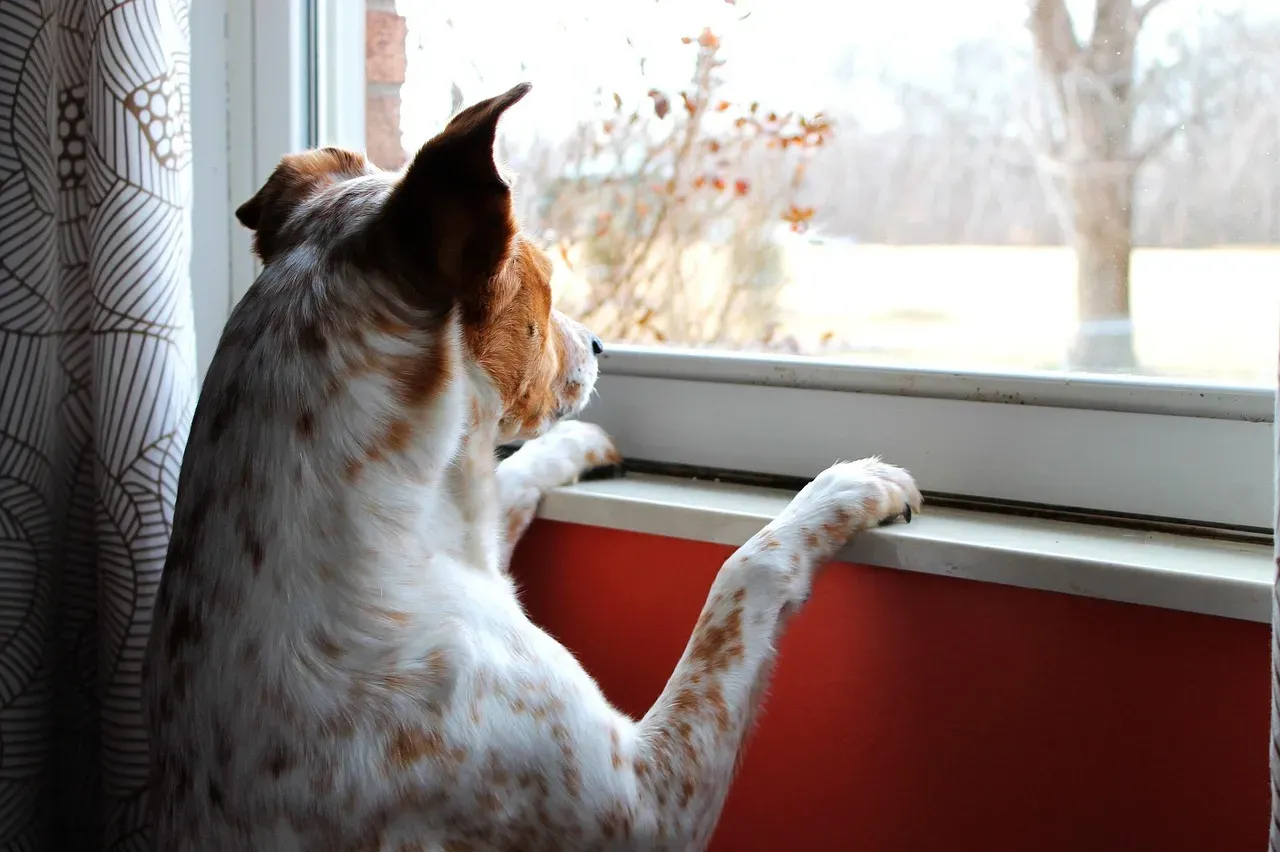
Dogs are stunningly good at pattern recognition, often better than we give them credit for. If, at some point, you regularly did something fun or rewarding near that spot – like giving treats, turning toward the park, meeting a favorite neighbor, or heading back home to dinner – your dog may expect that “good thing” every time you reach that place. The pause becomes a hopeful question: is the fun about to happen now?
They might wag, look up at you, or shift their weight excitedly. Even if you only rewarded them there a handful of times, dogs often latch onto those little patterns. If this feels like your dog, you can use it to your advantage by intentionally pairing that spot with short training mini-sessions, calm check-ins, or quick games. Suddenly, that mysterious pause becomes a built-in moment for connection instead of annoyance.
Reason 6: They Are Overwhelmed and Using It as a “Reset Point”
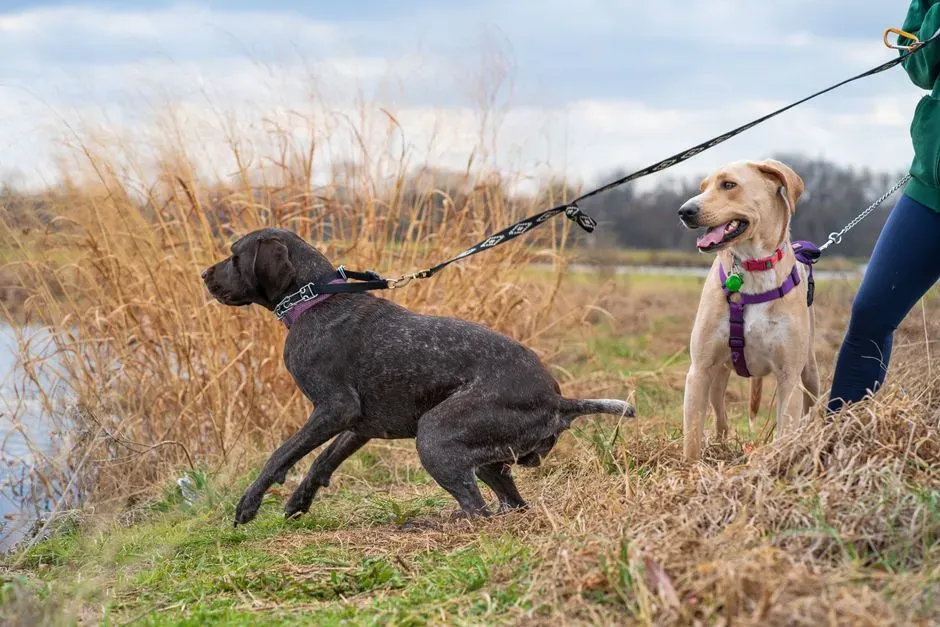
For some dogs, that repeated stopping place is less about the spot itself and more about timing. Maybe by the time they reach that stretch of sidewalk, they have already processed a lot: people, bikes, other dogs, traffic, smells, and sounds. Sensitive or anxious dogs, in particular, can hit a kind of mental saturation point where they instinctively slow down or pause to cope.
Think of it like how you might pause in a hallway between two loud parties just to catch your breath. That same point on the walk becomes their unofficial reset zone. If your dog tends to be nervous, hyper-vigilant, or easily spooked, consider shorter routes, calmer times of day, or giving them a sniff break and soft praise there. Rather than dragging them through, you are saying, I see you; let’s take this at your speed.
Reason 7: There Is Wildlife or Hidden Movement Nearby
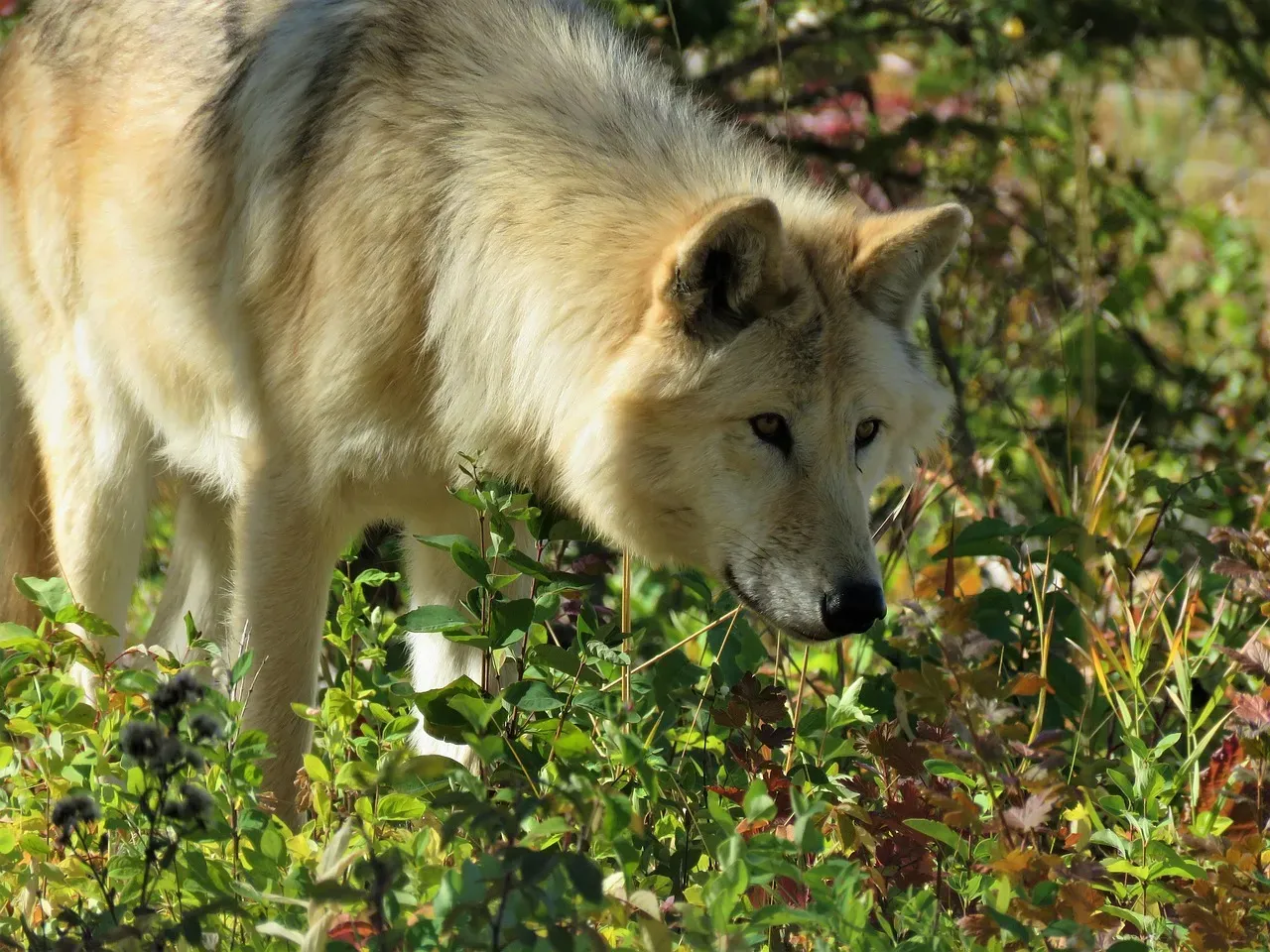
Even in cities and suburbs, tiny wildlife is constantly around: birds flitting in hedges, squirrels on fences, lizards under bushes, or small critters rustling in leaves. Your dog might pause right where the breeze carries those scents or where the angle lets them hear tiny movements. Their freeze can be pure instinct: pause, locate, decide whether to chase, investigate, or just listen.
You might catch them staring into a shrub, ears pricked, or sniffing the air with laser focus. Sometimes we only notice the pause and not the subtle cues that something alive is in the background. It can be helpful to gently scan the environment with them. Even if you do not see the squirrel they are sure is out there, validating their curiosity – rather than dismissing it – strengthens your bond.
Reason 8: Habit and Comfort in Predictability
Dogs, like humans, can turn small behaviors into rituals without any big dramatic reason behind them. Maybe one day they happened to stop there a bit longer, felt calm, and nothing bad followed. Their brain quietly logged that moment as safe and familiar, and over time, that pause became a comforting little checkpoint in their routine. It is their version of always sitting in the same chair at the kitchen table.
Habits can be incredibly soothing for dogs, especially those who are anxious or live in busy environments. The same way some people re-watch the same show for comfort, dogs might repeat the same micro-routines on walks to feel secure. As long as the pause is not rooted in fear or pain, there is nothing wrong with letting them keep that quirky little ritual. It is a reminder that predictability is sometimes its own kind of happiness.
Reason 9: They Are Communicating With You, Even If It Is Subtle
Underneath all these possibilities, there is a quieter truth: when your dog stops at the same spot every day, they are not just reacting to the world – they are interacting with you. That pause is a moment where they break the automatic forward motion and invite a tiny bit of dialogue. Maybe it is a glance back at you, a lean into your leg, or simply a shared stillness while cars go by.
I personally think these repeated pauses are often some of the most honest moments of a walk. Your dog is telling you something about their body, their fears, their curiosities, or their joys, even if the message is tangled. Instead of fighting it every time, there is value in treating that spot as a question you both explore together: what are you feeling here, and how can I help you feel safe and understood?
Conclusion: The Stop Is Not Just a Quirk – It Is a Clue
When a dog halts at the same stretch of sidewalk over and over, it is tempting to see it as stubbornness or bad manners. But if you look closer, that tiny standstill is a clue to something bigger: scent stories you cannot smell, memories you did not notice forming, body aches you cannot feel, or emotional overwhelm you might not have realized was there. Treating it as noise to be corrected means missing out on a surprisingly rich signal about who your dog is and how they experience the world.
My opinion is that these “annoying” walk quirks are often where the real relationship work lives. Instead of yanking the leash and marching on, the more interesting question is, what is this pause trying to tell us? If you stay curious, rule out pain with your vet, and gently support your dog through fear or stress, that one stubborn spot can turn from a daily frustration into a doorway to deeper understanding. Next time your dog hits the brakes there, will you rush them past – or will you stop for a second and listen?


