
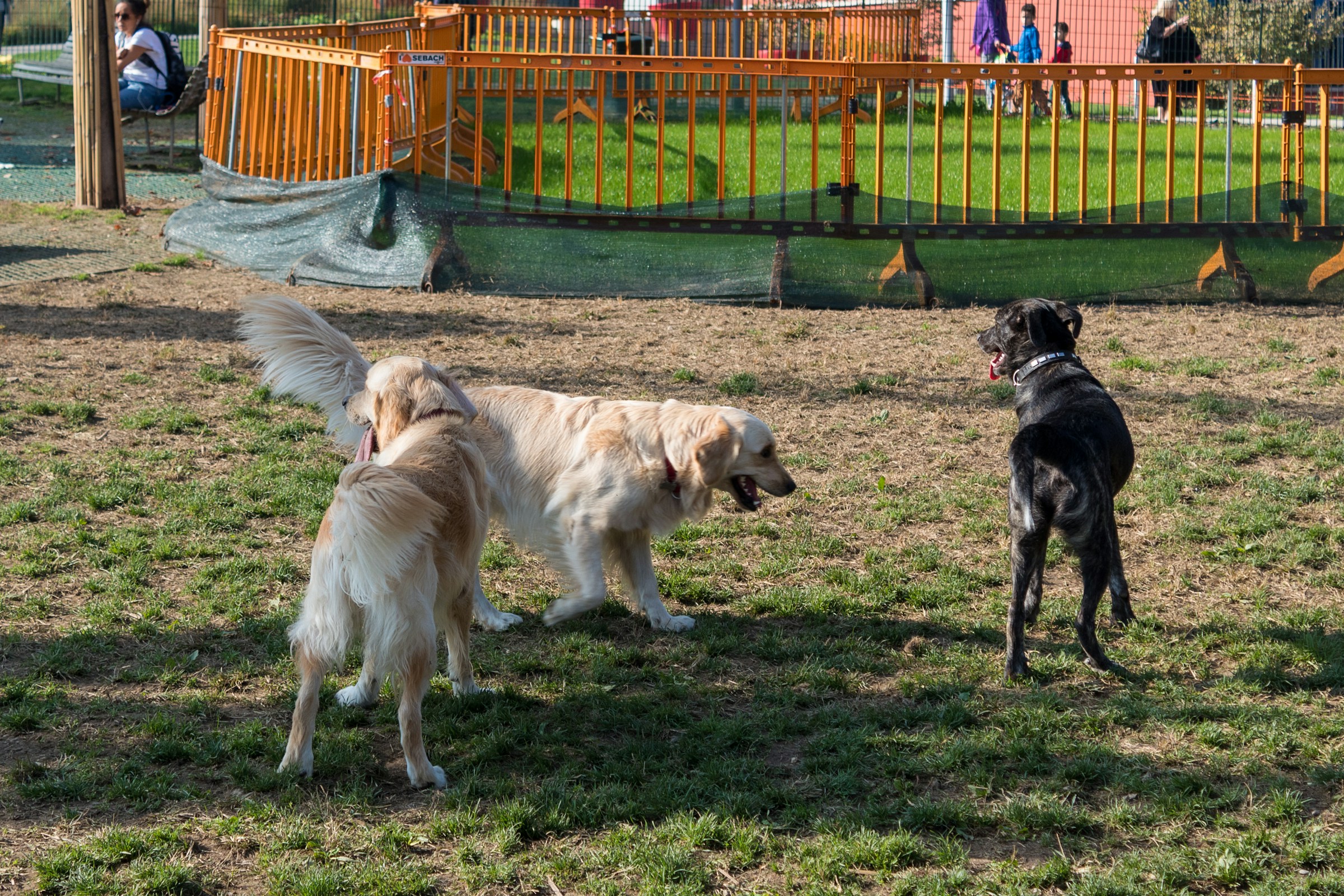
If you have a dog, you’ve probably seen it: you’re out for a walk, they suddenly slam on the brakes, nose glued to the ground, obsessing over a spot you can barely see. You tug the leash, but they’re deep in a world of invisible information, decoding something in those faint little paw marks. To us, it’s just dirt. To them, it’s basically an entire social media profile written in scent.
When I first learned how much information dogs can pull from the smell of another dog’s paw prints, it honestly changed how I watched my own dog on walks. That weird patch of sidewalk she keeps revisiting? That’s not random. It’s a message. From who? About what? Let’s dig into the seven surprising things dogs can pick up from something as simple as where another dog stepped.
1. Who Was Here: The Dog’s Individual Identity
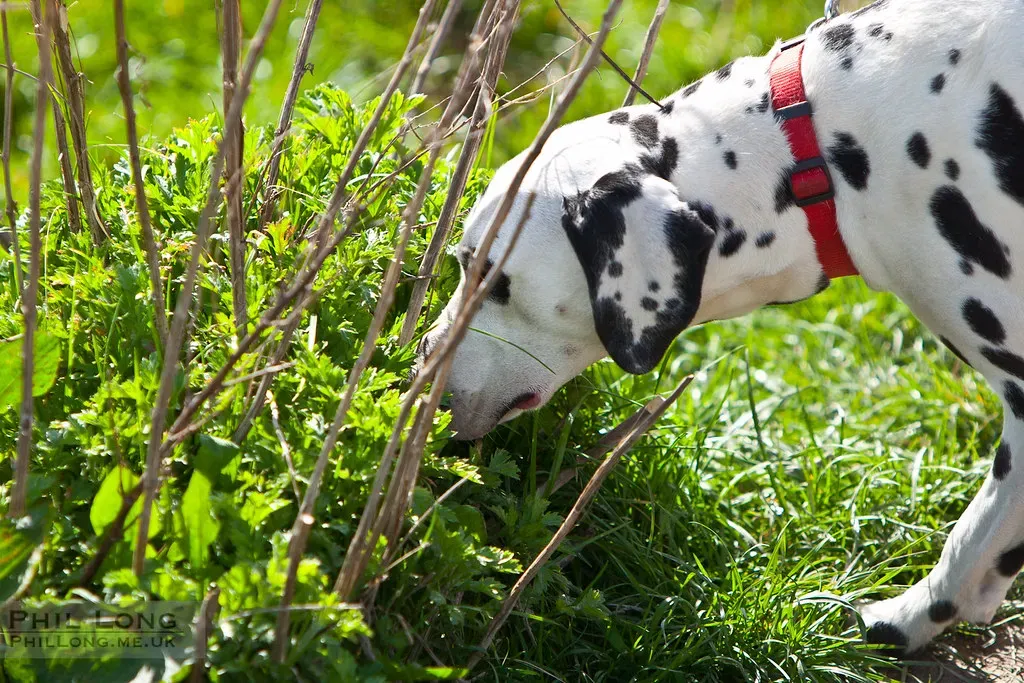
The most basic thing your dog learns from another dog’s paw prints is simply who that dog is. Just like humans have unique fingerprints, dogs have unique scent signatures made up of skin cells, sweat, bacteria, and tiny traces of whatever they’ve walked through. Every step leaves behind a faint chemical name tag that says, in dog language, this is me and not anyone else.
Scientists know that dogs can distinguish between individuals just by smell, including other dogs and even humans. When your dog pauses at a particular track, it’s not just random sniffing; it’s them recognizing that this scent belongs to a specific individual, not just a generic “some dog.” In a way, they’re checking their mental contact list: friend, stranger, neighbor, or that one dog they really do not like.
2. Are You Male or Female: Basic Sex and Status Clues
From the scent in paw prints, dogs can often tell whether the other dog is male or female, and possibly whether they are intact or neutered. Hormones like testosterone and estrogen influence body odor, and though we barely notice it, dogs’ noses are tuned to these tiny differences. Paw pads pick up secretions from glands and other parts of the body, so a dog’s sex-related scent profile travels with every step.
This matters a lot in dog social life. A male dog might react very differently to the scent trail of an intact male than to a spayed female. Your dog might stiffen, become alert, or get more excited depending on what they’re picking up. To them, that quick roadside sniff is a quiet way of asking, are you competition, a potential friend, or someone I should just ignore and move on from?
3. How Healthy (or Stressed) the Other Dog Might Be
Dogs live in a world where health and stress have smells. Changes in hormones, immune activity, and metabolism all subtly alter body odor, and dogs are famous for detecting illness and emotional shifts in humans, so it’s very likely they’re picking up similar information from other dogs’ scent. A dog that is sick, anxious, or in chronic pain may leave a different chemical “flavor” in its tracks than a relaxed, healthy dog.
While researchers are still piecing together the fine details, it’s reasonable to think that a dog slowly, carefully sniffing a certain spot could be getting a read on whether the other dog seemed strong, weak, nervous, or calm. In the wild, knowing if another animal was vulnerable or on edge would matter for survival. Even in a city, your dog’s brain is still running the same ancient software, constantly scanning for signs of safety or trouble.
4. Where They’ve Been: Environment, Surfaces, and Lifestyle
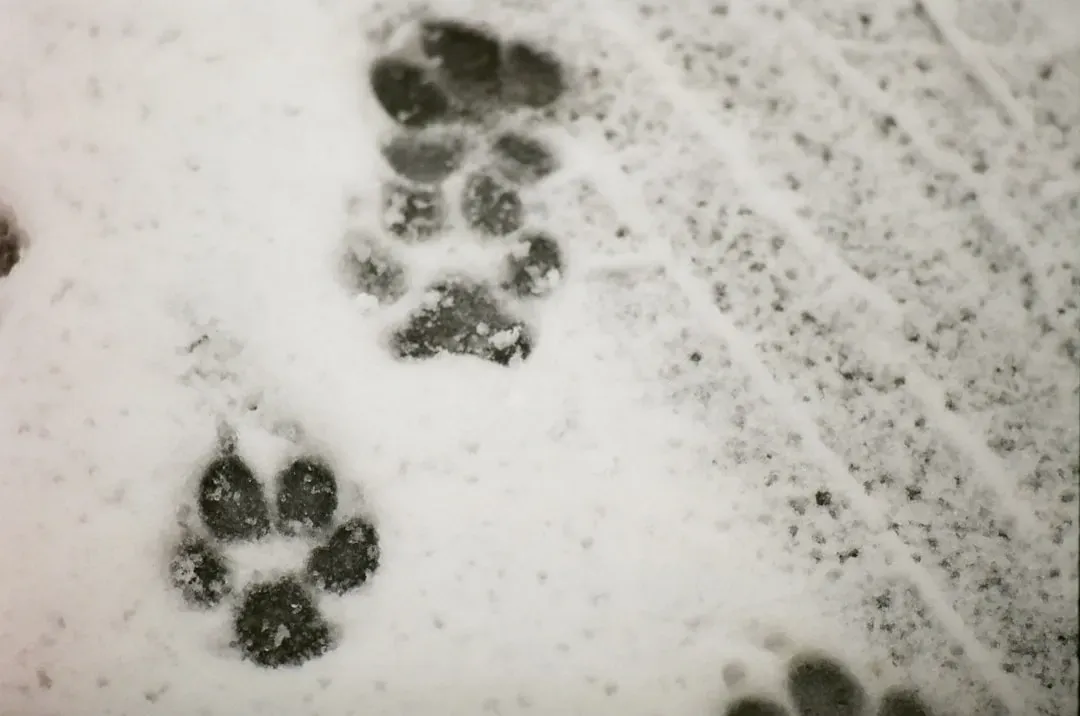
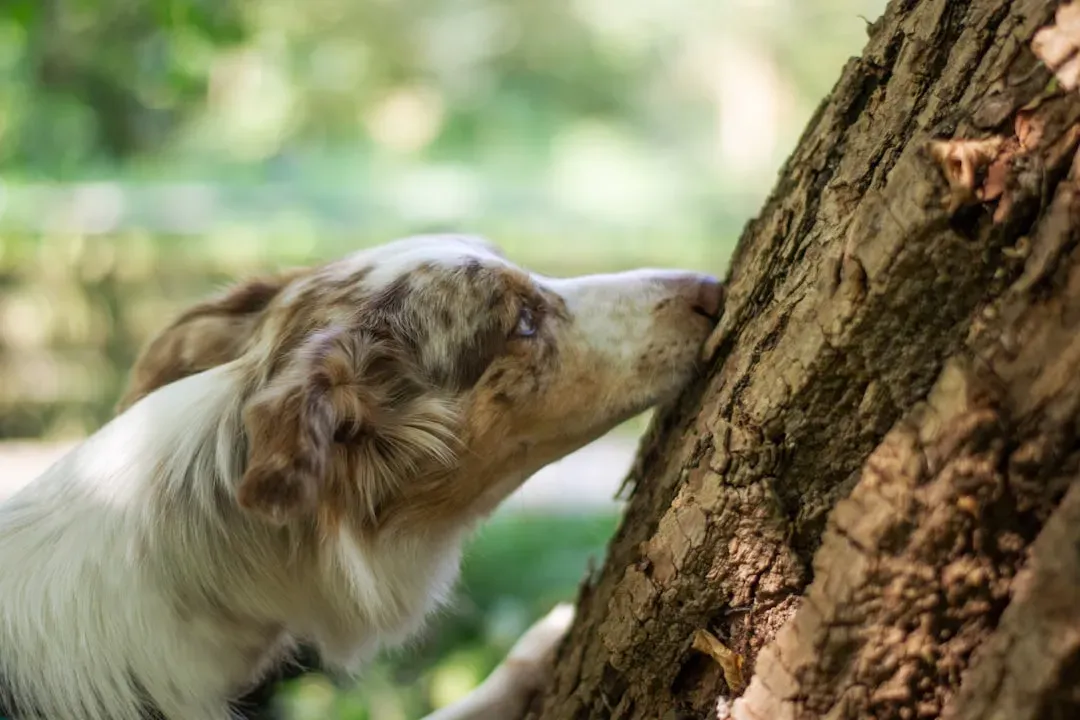
Paw prints are like tiny traveling suitcases. As a dog walks, its paws pick up particles of soil, grass, asphalt dust, pollen, mud, and whatever else is underfoot. When your dog sniffs those prints, they’re not just smelling the dog itself, but also the places that dog has recently visited. It’s as if each step holds faint echoes of the park, the beach, the forest, or the backyard patio.
This is why your dog might go wild over tracks left by a dog that just came from somewhere exciting, like a trail or a farm. They’re getting a sensory postcard: you were on grass, maybe near water, probably with other animals around. They might never see that field themselves, but they can “visit” it through smell. It makes the world far bigger and more interesting than what their eyes can see on a simple neighborhood walk.
5. Emotional Vibes: Calm, Confident, or Nervous Energy
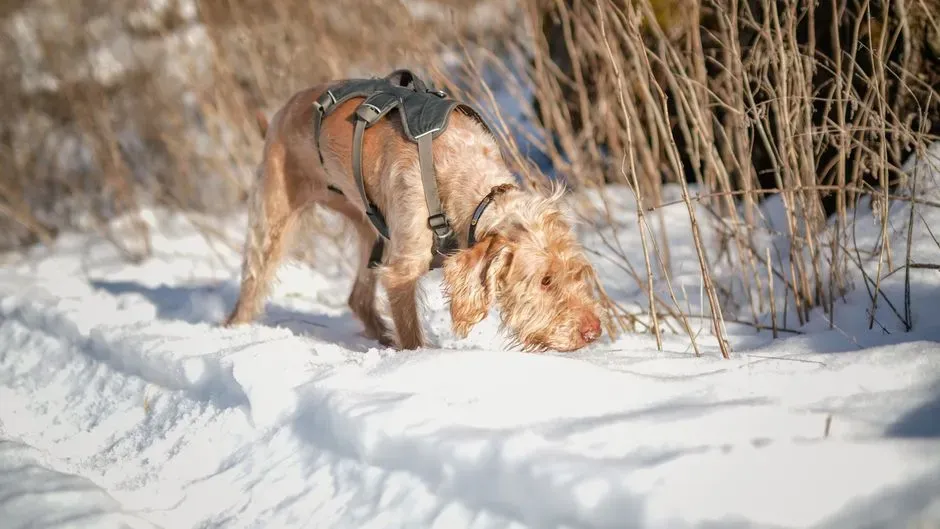
Emotions change chemistry. Stress hormones like cortisol, along with adrenaline and other body responses, can influence a dog’s scent. We already know dogs can smell whether humans are stressed or relaxed, and there’s growing evidence they do the same with other dogs. That means those paw prints might carry subtle hints of whether the dog that left them was confident and calm, or tense and uncertain.
You might notice your dog sniffing some tracks and moving on quickly, while others make them pause, circle, or act a little uneasy. That difference can be their nose telling them, this dog felt fine versus this one was on edge. It’s like walking into a room and immediately sensing the mood, except instead of reading faces and voices, your dog is reading molecules left behind in every step.
6. Social Messages: Territory, Invitations, and Boundaries
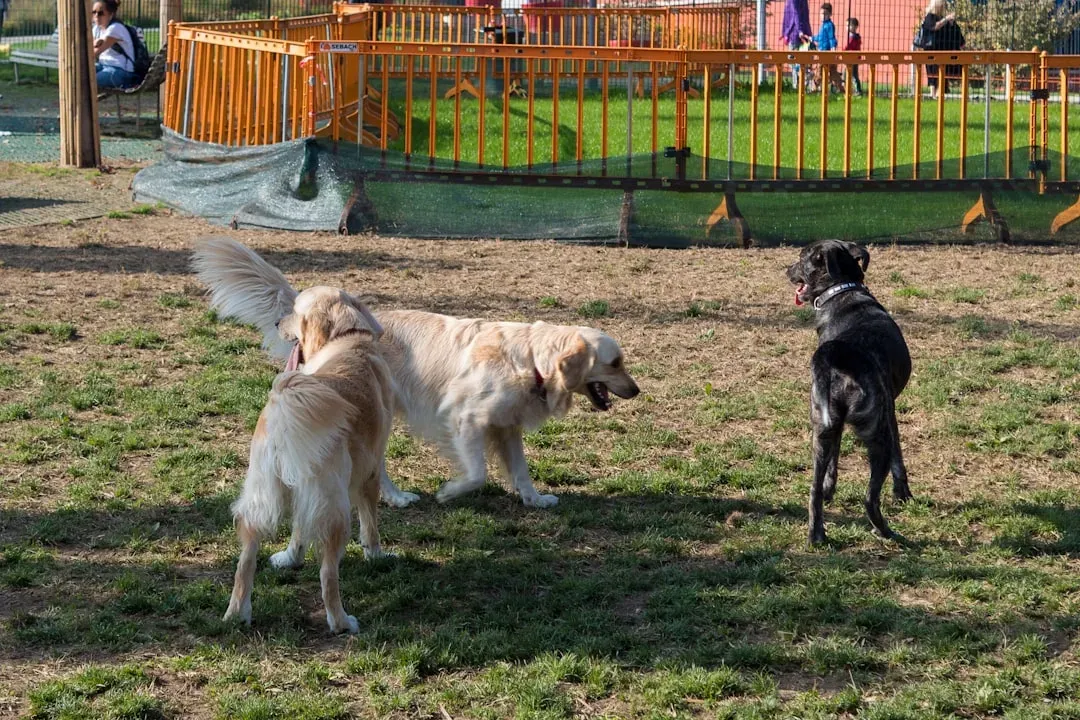
Even when dogs are not actively marking with urine, their paws still help define their territory and travel routes. Repeated paths, like the same sidewalk or fence line, become scented highways that announce, dogs walk here, this is someone’s regular route. Your dog picking up that trail is like them reading a neighborhood map covered in handwritten notes: this is my block, this corner is busy, this alley belongs to that big shepherd down the street.
Some tracks might feel like an open invitation to follow, especially if the other dog is familiar or interesting. Others might feel like a quiet warning not to push too far into another dog’s home ground. You can sometimes see your dog hesitate at a driveway or yard line, like an invisible border has been drawn. That line is often made of layers of overlapping scents, with paw prints playing a small but constant role in reinforcing those social boundaries.
On top of territory, paw-scent can carry information about group membership. Dogs that live together, walk together, or share a yard tend to share overlapping smell profiles. When your dog encounters those blended scents in overlapping tracks, they may be learning that more than one dog passed through and that these dogs probably know each other. It turns the ground under their feet into a constantly updated social network.
7. When They Passed By: Rough Timing and Freshness
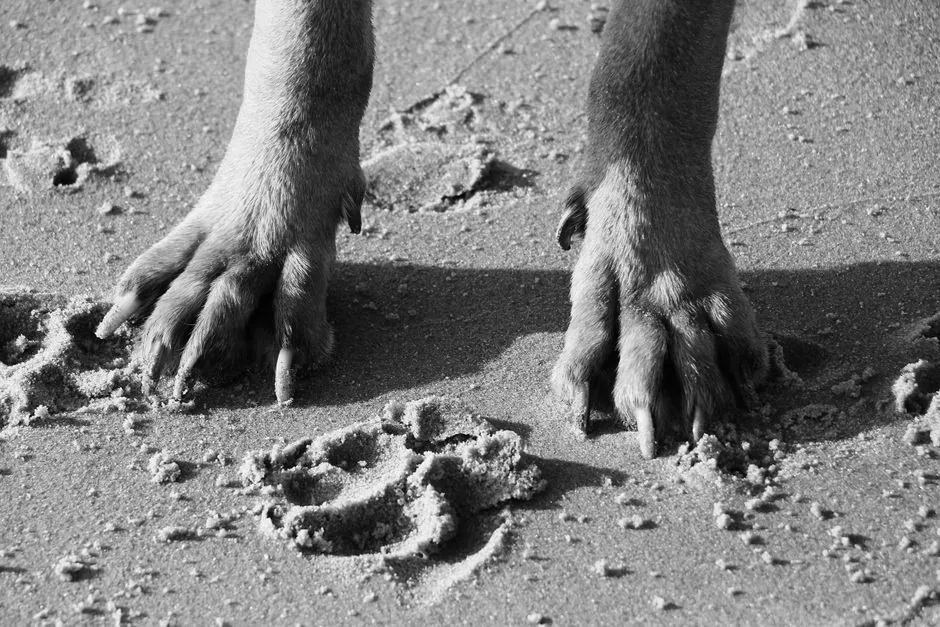
Dogs are much better than we are at telling how old a scent is. As molecules evaporate and break down, the smell changes in ways that a dog’s nose can still detect. With paw prints, this means your dog can often tell whether another dog walked there a few minutes ago, earlier that morning, or maybe yesterday. They’re not reading a calendar, but they are reading freshness like we do with bread or coffee.
You can sometimes see this in how intensely your dog reacts. Fresh tracks might spark excited sniffing, fast tail wags, and that urgent look that says, they were just here, can we follow? Older tracks might still get a sniff but less enthusiasm, like reading yesterday’s news. To your dog, this sense of time adds an extra layer to their world: they’re not just learning who and what, but also the story of when, stitched into every step another dog leaves behind.
Conclusion: A Whole Hidden World Beneath Our Feet
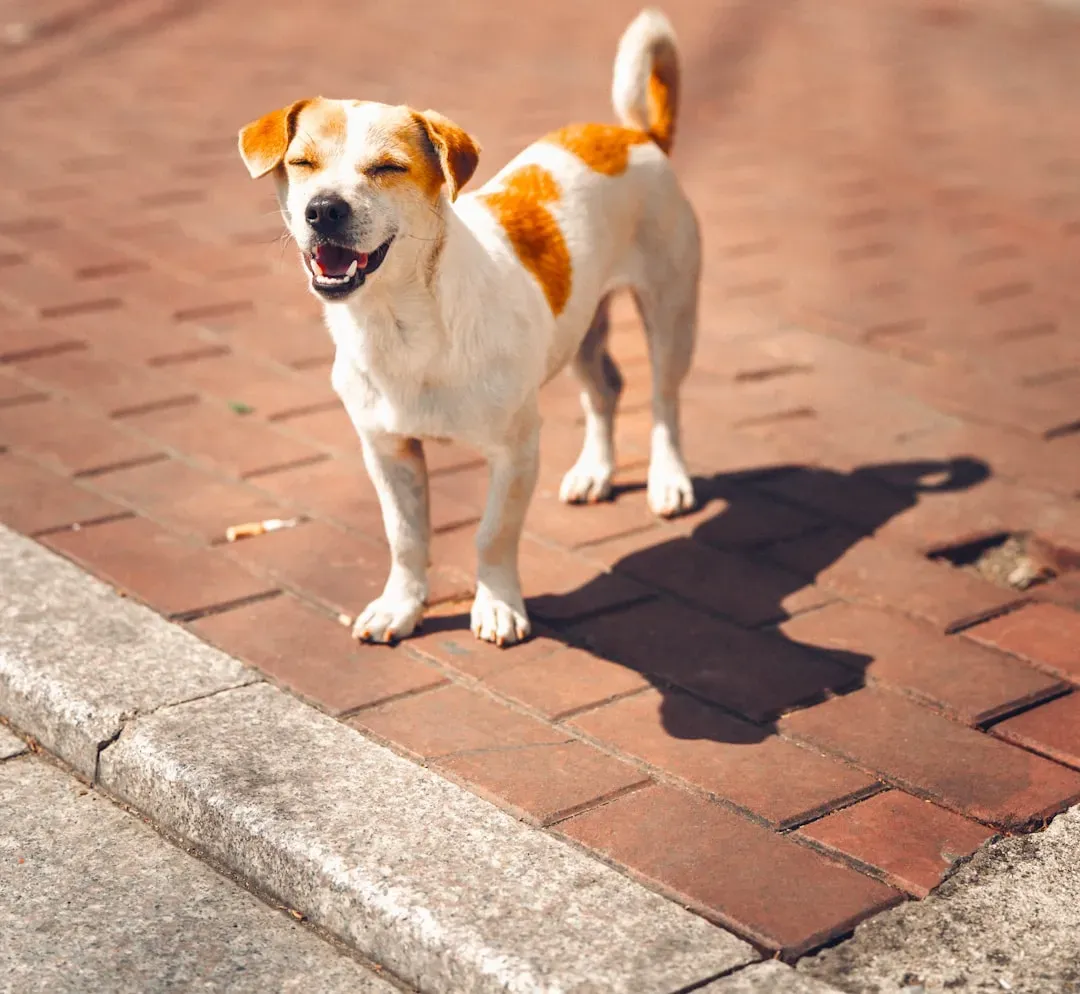
Once you realize how much your dog is learning from something as ordinary as a paw print, it feels almost disrespectful to rush them along on walks. While we’re staring at our phones or thinking about work, they’re reading an invisible newspaper full of identities, moods, territories, and half-faded stories. In my opinion, dragging a dog past a good sniff spot is a little like yanking a friend away halfway through the best chapter of their favorite book.
We will probably never understand every detail of what dogs decode from scents, and that’s okay; part of the magic is knowing there’s more going on than we can see. But if we slow down a little and let them explore those mysterious patches of sidewalk and grass, we’re giving them what their nose and brain were built for: information, enrichment, and connection to their world. Next time your dog stops to study an invisible path, are you really just going for a walk, or are you standing in the middle of a story only they can read?


