
If dogs could text, they’d probably send you a string of zoomies, goofy faces, and half-chewed toys instead of words. The wild thing is, they already do something like that – they just use their bodies instead of a phone. A lot of the time we miss it, then assume our dogs are “lazy” or “not into us,” when in reality they’ve been shouting playtime with everything except their voice.
Once you learn these quiet invitations to play, you start seeing them everywhere: at the park, in your living room, even in that awkward moment when your dog tries to get your cat to join in. It feels like cracking a secret code. Let’s walk through eight of the clearest, cutest ways dogs say “come play with me” without barking – and how you can respond so your dog feels understood, seen, and totally thrilled to be your teammate.
The Classic Play Bow
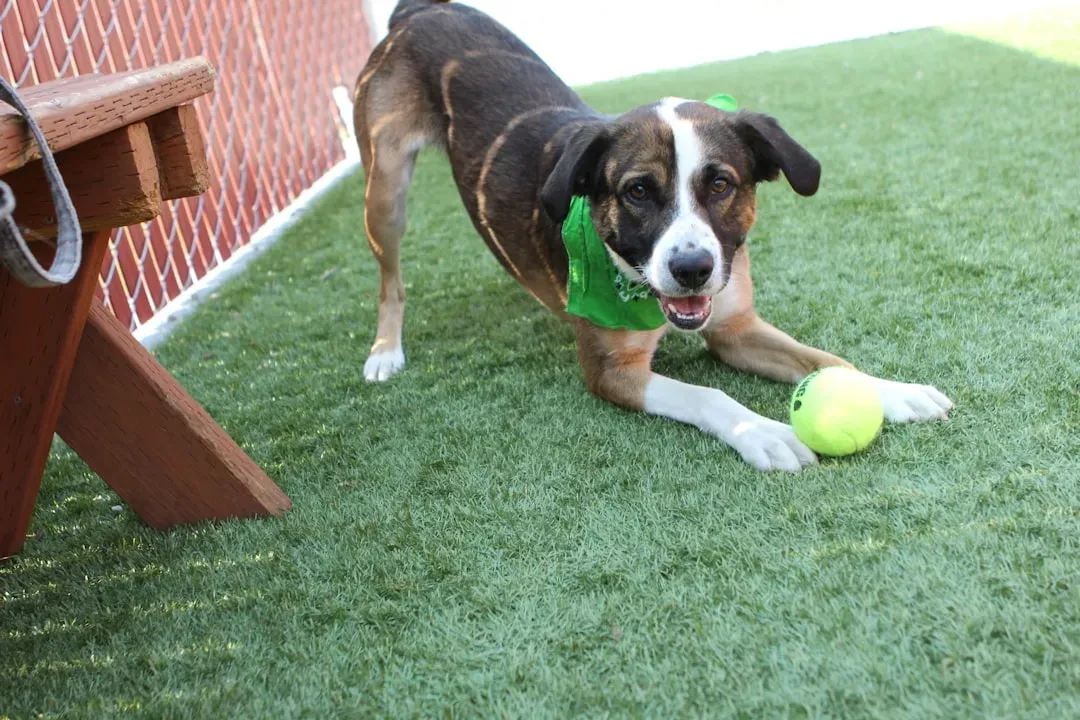
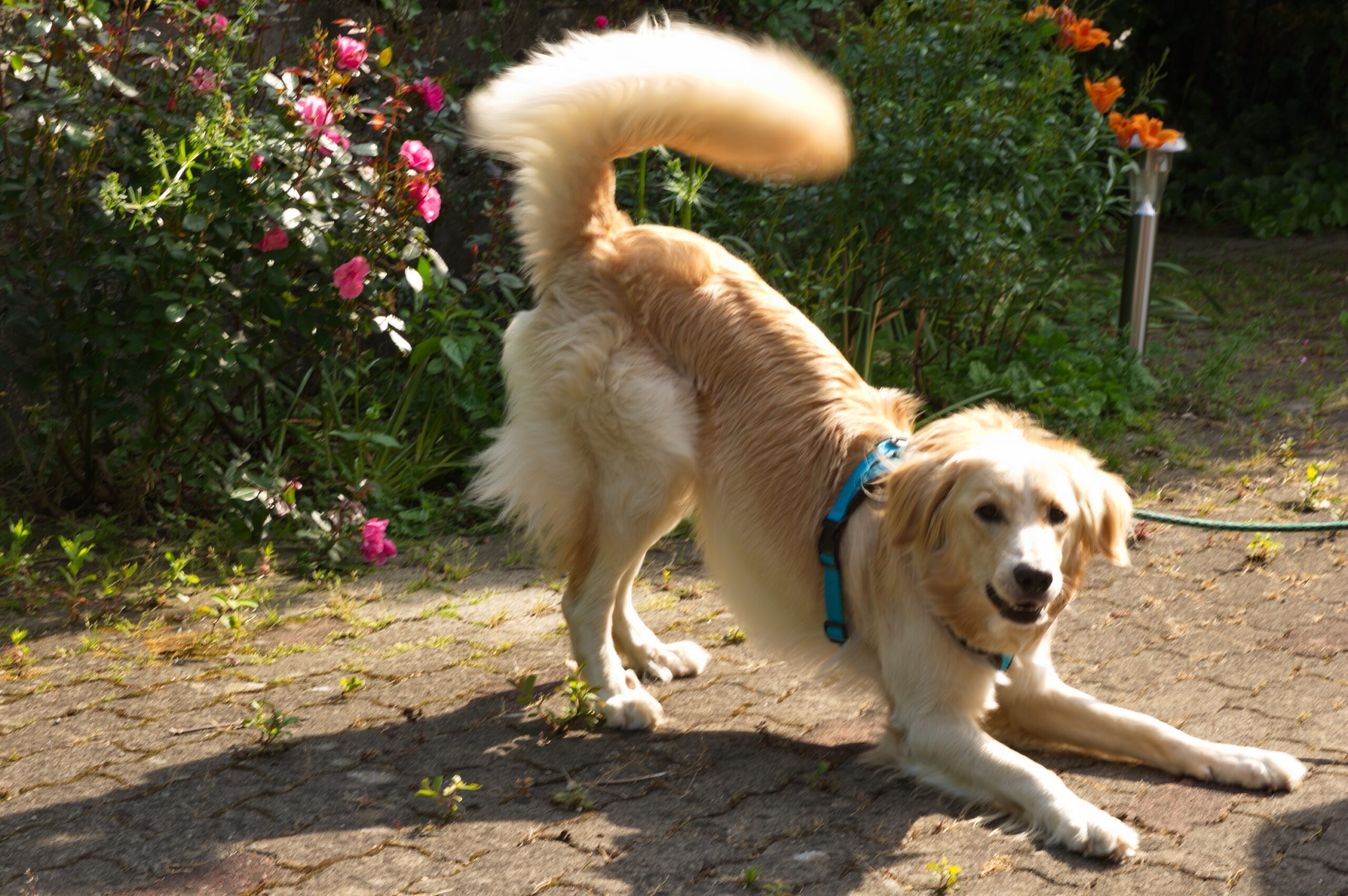
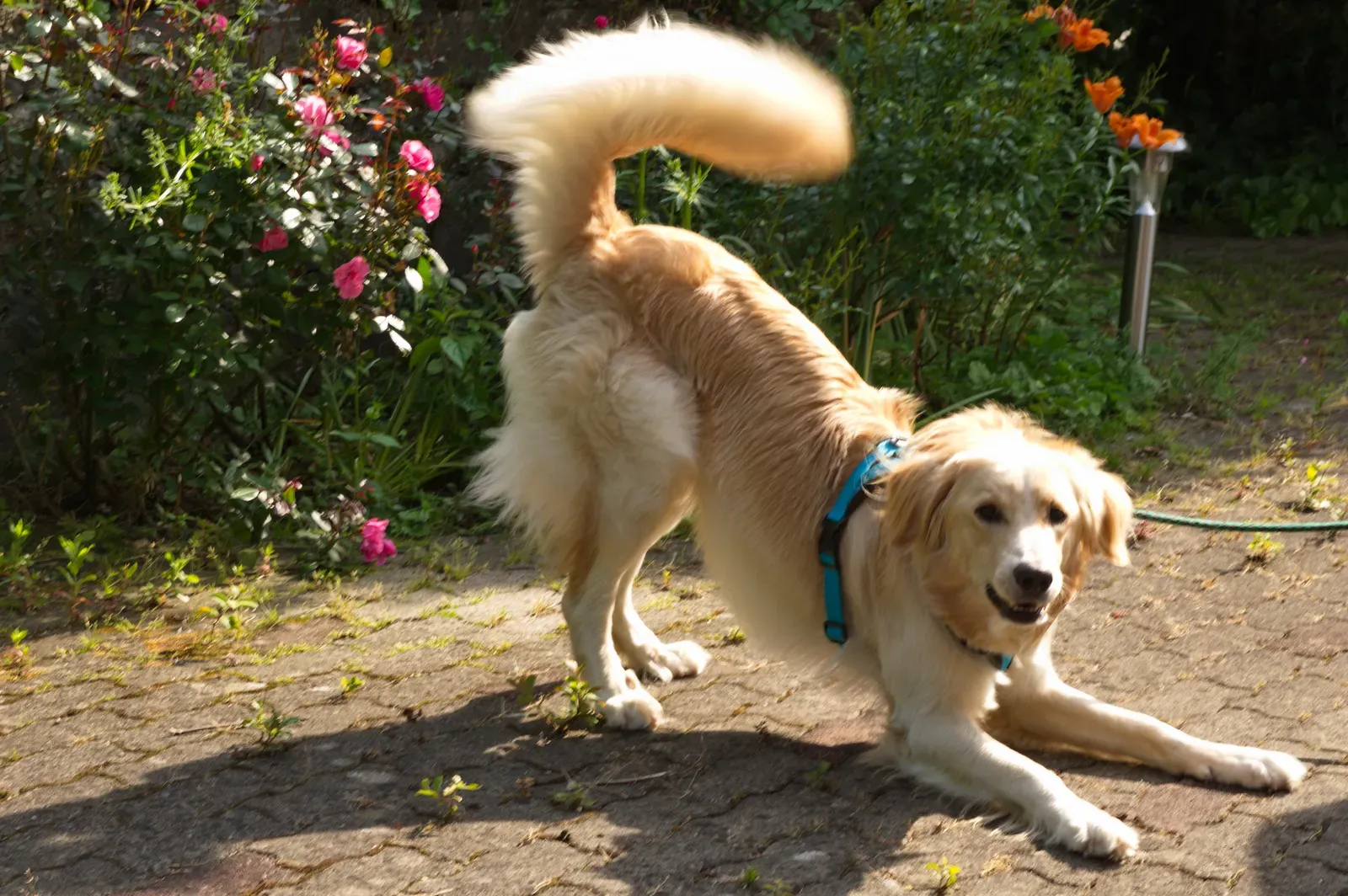
This is the big one: front legs stretched out, chest low to the ground, rear end high in the air, tail loose or wagging. It looks like a dog doing a stretching pose, but the vibe is pure invitation, not yoga. Researchers and trainers widely agree that the play bow is one of the clearest signals that anything that happens next – chasing, light mouthing, pouncing – is meant to be fun, not serious or aggressive.
You’ll often see dogs exchange play bows back and forth, almost like kids daring each other to start the game. If your dog play bows at you, that’s your cue to mirror the energy: crouch a little, pat the floor, or bounce backward to “chase me” in slow motion. I’ve done ridiculous little half-squats in my kitchen answering a play bow, and my dog lights up like I just promised him a puppy theme park. It looks silly, but in dog communication, it’s perfect.
Exaggerated Zoomies and Bouncy Movements
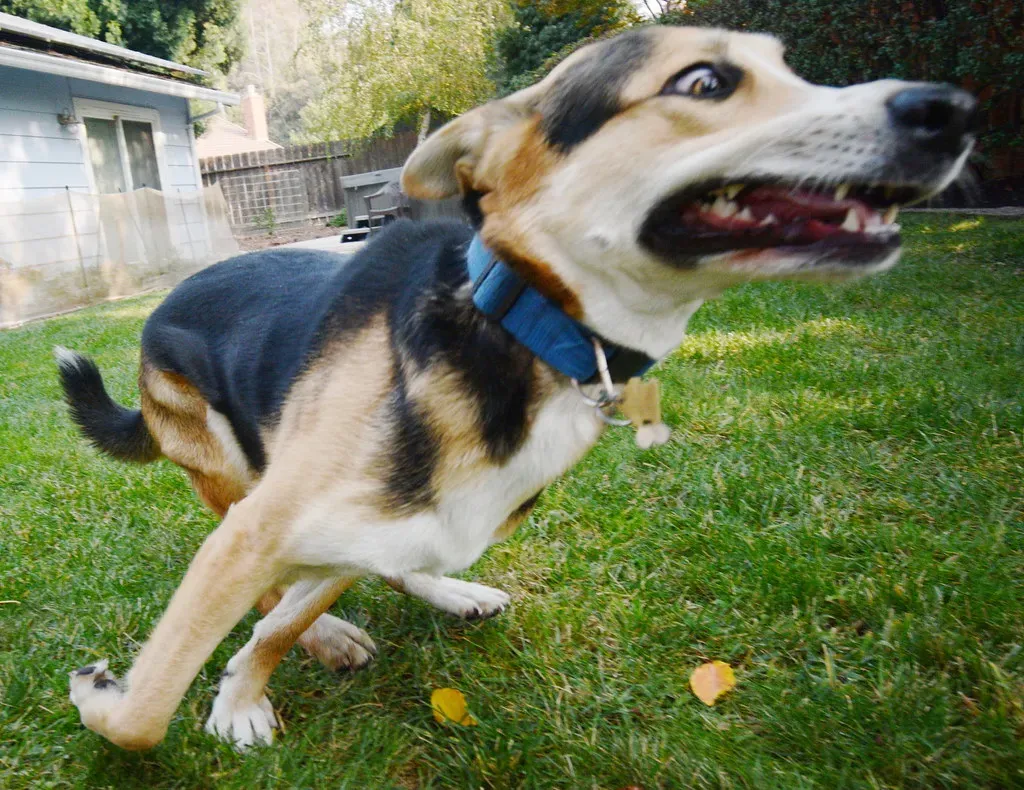
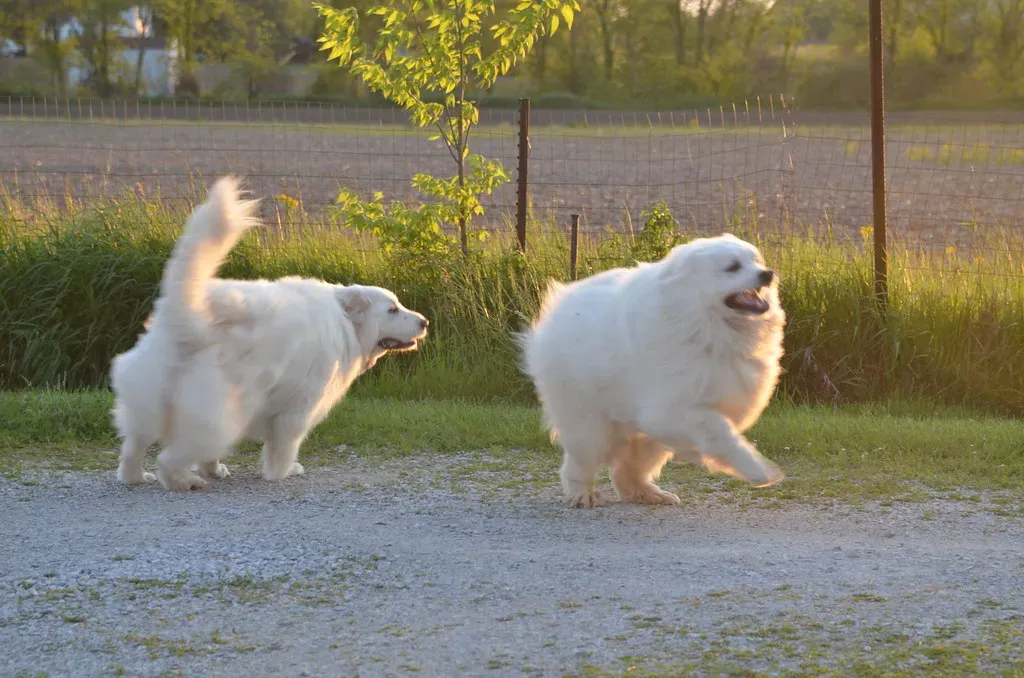
Every dog guardian eventually meets the zoomies: that wild, looping run where your dog rockets around furniture like the floor is lava. While zoomies can be stress release or just a joy burst, they’re also a huge nonverbal invite to play, especially when your dog keeps darting just close enough to you or another dog, then springing away again. The movement is loose, curved, and silly, not stiff or straight-lined like a serious chase.
Watch how your dog uses their whole body: springy steps, quick little turns, maybe hopping sideways like a furry crab. That “catch me if you can” pattern is them handing you an invisible game controller. Instead of grabbing at them or scolding, try running a short distance in the same playful arc or clapping gently and moving away to encourage more chasing. It’s a bit like joining a kid who is spinning in circles – the goal is to match the joy, not control the pattern.
Soft Eye Contact With Playful Facial Expressions
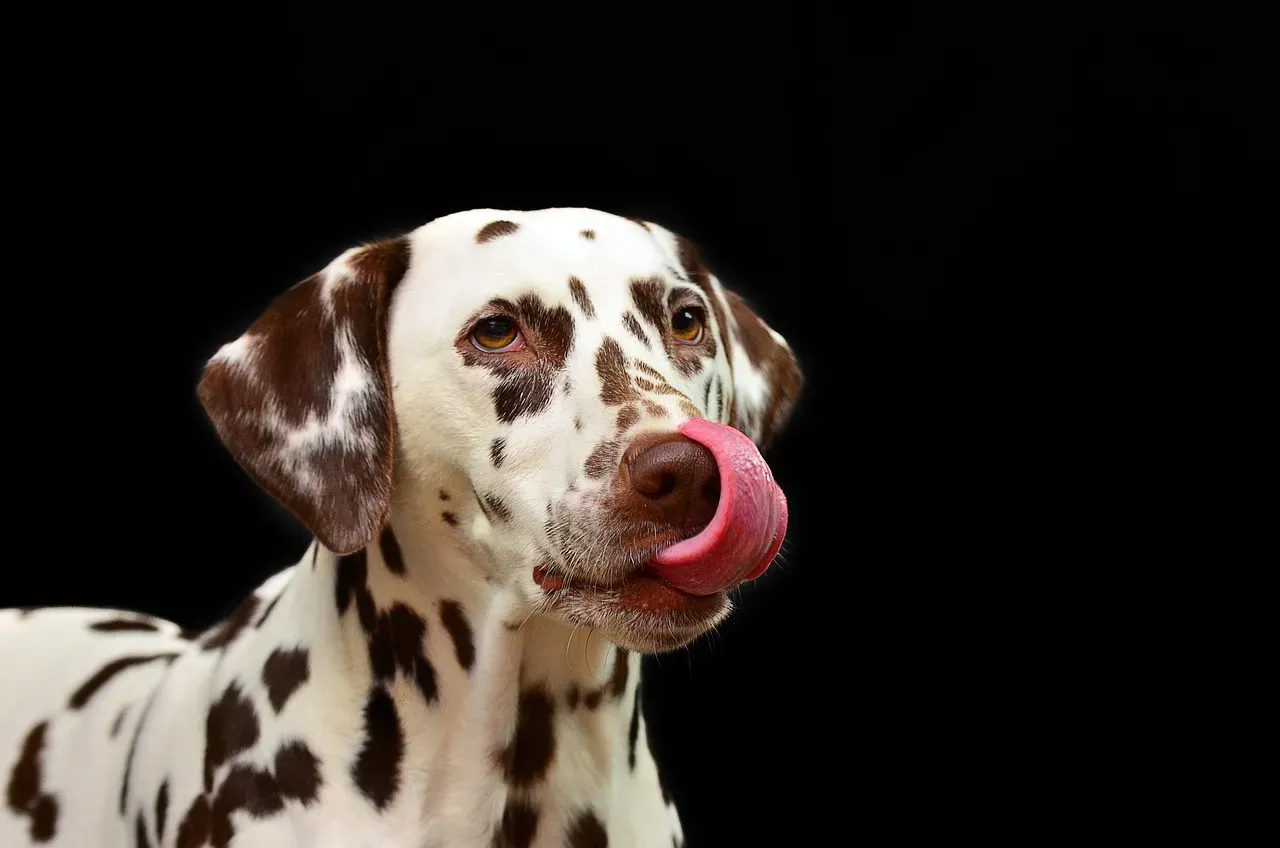
Not all invitations to play are big and dramatic. Sometimes they’re surprisingly subtle, starting with the face. A dog who wants to play often has soft, squinty eyes, relaxed ears, and a slightly open mouth that looks almost like a grin. The eyes may dart to a toy, then back to you, as if they’re saying, “Are you seeing this? Because I’m ready if you are.” The whole expression feels light, almost mischievous.
Compare that to hard, intense staring with a tight mouth, which tends to signal stress or conflict, not play. When my own dog wants a play session, he gives me what I call the “prank face” – head slightly tilted, eyes bright but soft, jaw relaxed. If you catch that look, answer it: speak in a higher, happy tone, lean into a little wiggle yourself, or grab a toy and bring it to life. Dogs read faces far better than most of us realize, and your “yes, I see you” expression can be enough to flip them fully into play mode.
Inviting Paw Swats and Gentle Bats
A dog that reaches out with a paw and taps your arm, shoulder, or even your leg is often doing more than just asking for attention. That little paw swipe can be a very polite, very quiet request: “Hey, want to do something?” It is especially likely to be about play if the rest of the body is loose, the tail is wagging at a comfortable speed, and their weight is rocking forward like they’re ready to launch into action.
With other dogs, you might see this as a quick bat at the shoulder or head, then a hop backward or sideways. It looks a bit like a kid poking a friend and then sprinting off, hoping to be chased. If your dog paws at you and you want to encourage play, you can gently tap them back, stand up and move away a step, or call them into a simple game like “find it” with treats or a mini tug session. Just avoid rewarding constant pawing that turns into demand behavior; you get to decide when the dance starts and ends.
Playful Nibbles and Mouthing (Within Limits)
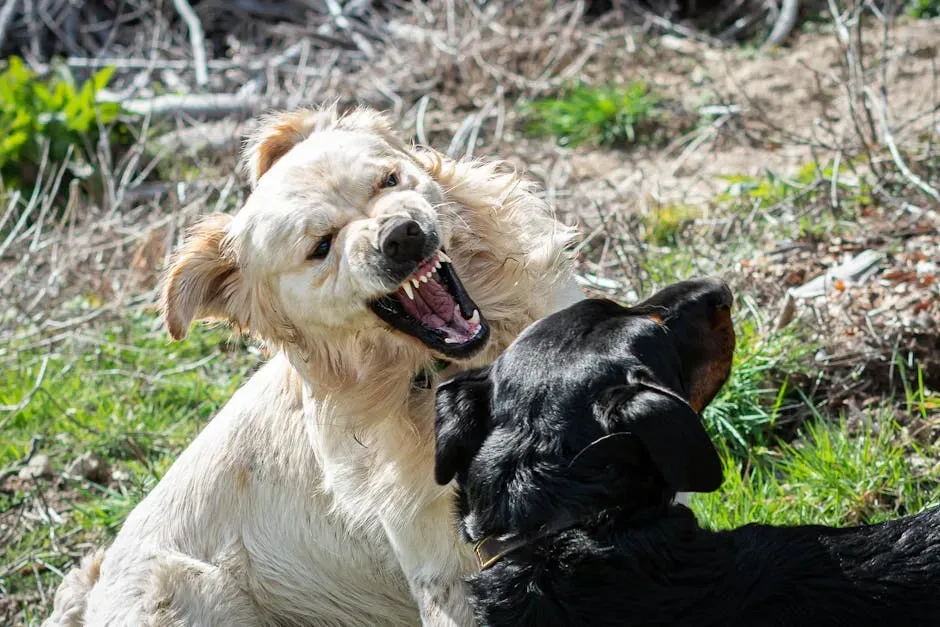
Many dogs use very gentle mouthing – soft teeth on skin or clothes without pressure – as a way to invite interaction. It is a leftover from puppy play style, where littermates chew, mouth, and wrestle constantly to practice social skills. When a grown dog carefully mouths your sleeve or holds your hand softly, especially in combination with a wagging tail and bouncy steps, they may be testing the waters for a game.
The key is control. True play mouthing does not hurt; there is no clamping down, no growling from deep in the chest, and no stiff body posture. If it crosses that line, it is not a play invitation anymore and should be redirected calmly. You can teach your dog that gentle mouthing means “let’s grab a toy instead” by immediately offering a tug rope or ball when they start. That way you respect their instinct to invite play while steering it toward something safe, comfortable, and more socially accepted than teeth on skin.
Bringing Toys and Making Them “Come Alive”
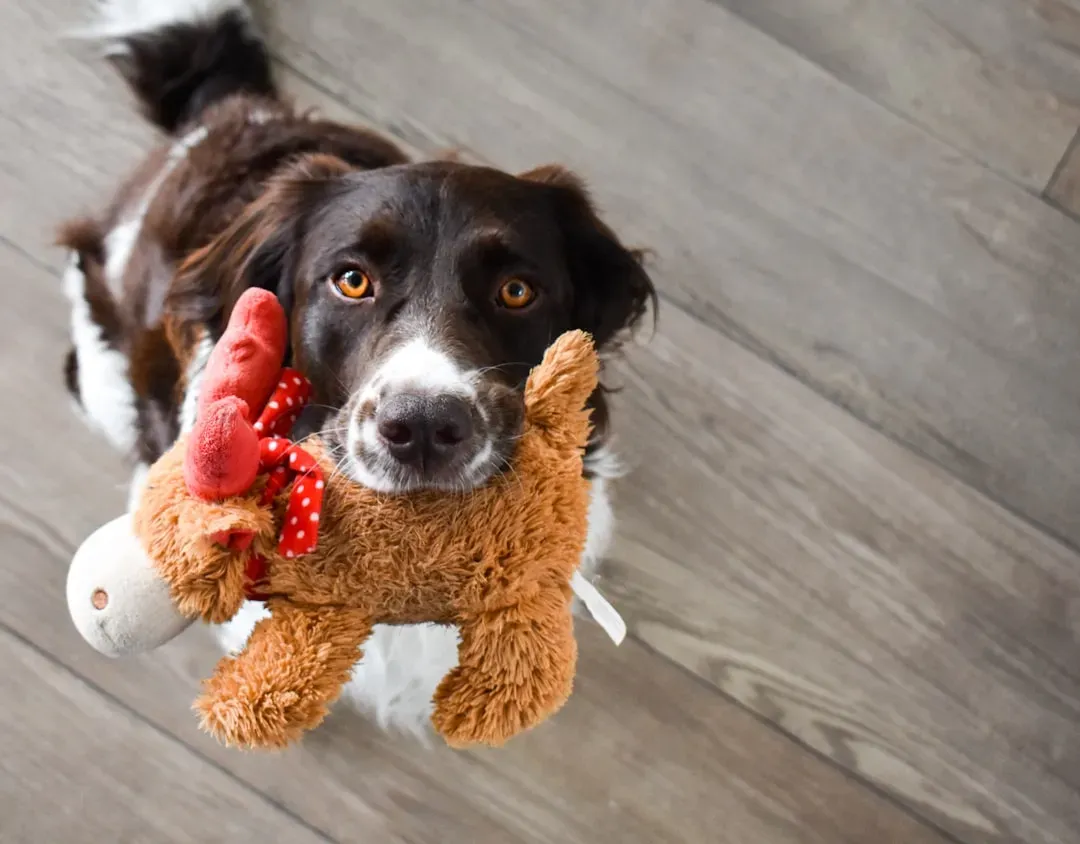
When a dog trots over with a toy in their mouth, eyes bright, tail wagging, it is one of the most straightforward invitations you will ever get. But here is an underrated detail: many dogs do not just drop the toy; they toss it a little in the air, shake it, or push it against you like they are trying to demonstrate its full potential. This is them auditioning the toy for you, showing you why this specific object is perfect for the game they have in mind.
If you pick up the toy and just hold it, some dogs lose interest, because for them the magic is in movement. Wiggle the toy on the floor like it is “running away,” throw it a short distance, or make it disappear behind your back and reappear. When my dog brings me his favorite squeaky fox, it is not a simple fetch request; it is an entire storyline he wants to co-create. Ignoring that toy offering over and over is like rejecting an invitation to a party your dog carefully organized just for you.
Hip Checks, Shoulder Bumps, and Wiggle-Butts
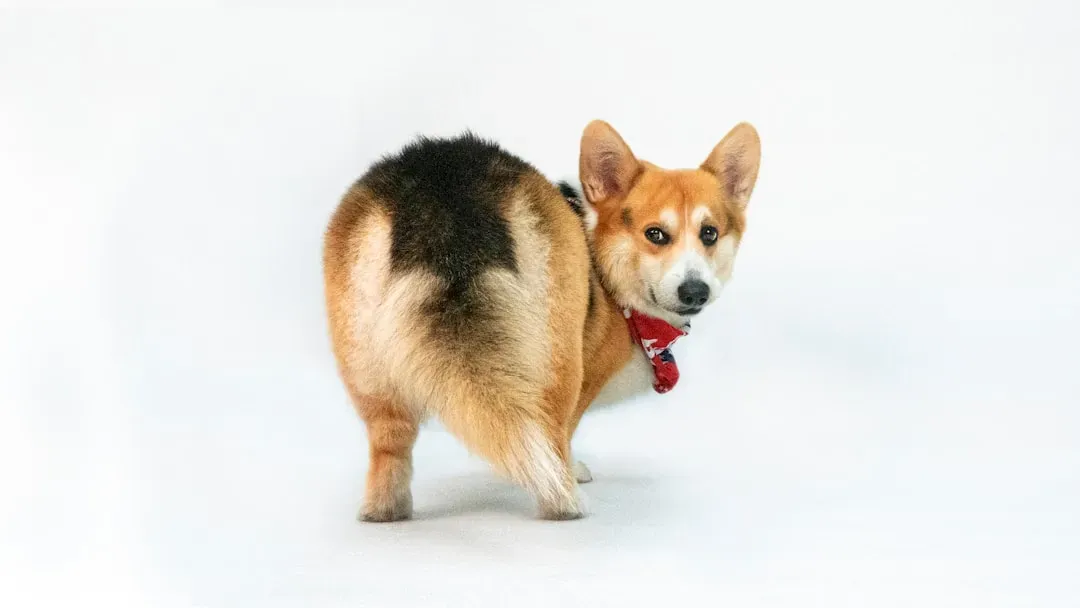
Some dogs are the canine version of playful linebackers. They bump you with their hip, lean their shoulder into your leg, then swing their rear around in a wiggly half-circle. It may look a bit rude if you are not expecting it, but for many dogs this kind of gentle body contact is a friendly nudge to start play. The key is in the looseness: the tail usually moves in wide sweeps, the back end wobbles, and the muscles are relaxed rather than braced.
With other dogs, you will see short, bouncy body bumps followed by quick spins or little hops away, like a dance routine. If your dog does this to you, you can respond by moving with them instead of pushing them off – pivot in the same direction, jog a few steps, or pair the motion with a fun cue like “let’s go!” Of course, if your dog is big and tends to body slam hard, it is fair to put limits on that, but I think it is a mistake to label all bumping as bad manners. Sometimes that wiggle-butt check is just their clumsy, wholehearted way of saying, “You and me, right now, let’s go have fun.”
Playful Sneak-Ups, Pounces, and “Stalk and Bounce”
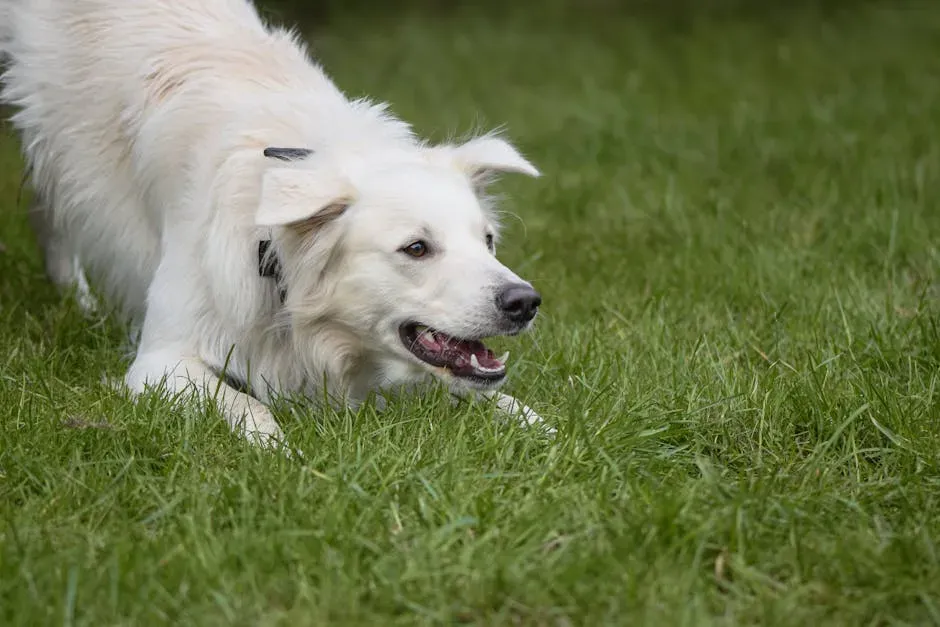
Many dogs borrow moves straight from their inner wolf or cat when they want to play. You might see your dog crouch slightly, stare for a moment, then do an exaggerated, bouncy pounce toward another dog, a toy, or even your feet. The important difference from serious stalking is that play pounces are often over-the-top and followed by a shake-off, a bow, or a spin – the body is telling you, “I am only pretending to be a hunter; the goal is fun, not capture.”
One of my favorite things to watch at dog parks is the “stalk and bounce” routine: a dog slowly sneaks up in a curvy line, then springs sideways instead of straight on, often bowing right after. If your dog does this around you, you can join the pretend drama. Step back, gasp, or move in an unexpected zigzag, turning yourself into part of the game rather than just a background prop. It is like improv theater with fur – the scene makes no sense from the outside, but everyone involved is absolutely delighted.
Opinionated Conclusion: Why Saying “Yes” to Silent Invitations Matters
Once you start recognizing these quiet invitations, it is hard not to feel a bit guilty about all the times you missed them in the past. I honestly think a lot of so-called “stubborn” or “detached” dogs are just dogs whose play language has gone untranslated for too long. They keep bowing, zooming, nudging, and pawing, but if nobody ever answers, the invitations get quieter or show up in less healthy ways, like chewing the couch or obsessing over shadows.
In my view, taking a few minutes to answer a play bow or a toy nudge is not some optional bonus of pet ownership – it is a core part of the job. You do not have to say yes every time, and you are allowed to set boundaries, but if you never respond, you are missing one of the best parts of having a dog: being invited, again and again, into their joyful, wordless world. The next time your dog wiggle-bumps you, drops a toy at your feet, or sneaks up with a goofy pounce, ask yourself: am I going to treat this like an interruption, or like the sweetest little party invitation I will get all day?


